REVIEW · TOKYO
Guided Tokyo Go-Kart Tour: Tokyo Tower to Shibuya Crossing
Book on Viator →Operated by Monkey Adventure Kart · Bookable on Viator
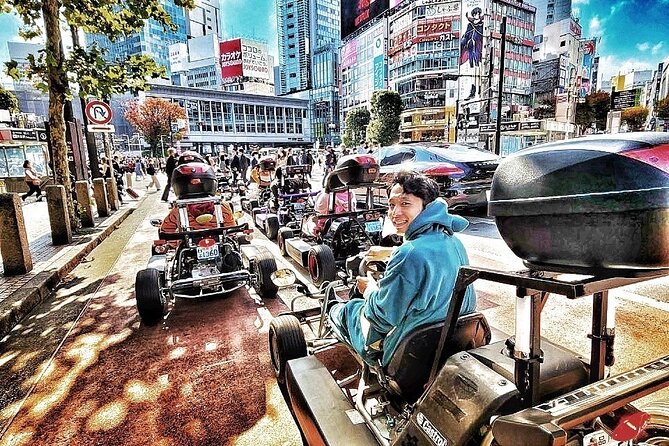
Go-karts in Tokyo traffic sounds unreal. This 90-minute ride takes you street-level through the city’s biggest sights, with a guide pacing you and taking photos as you drive.
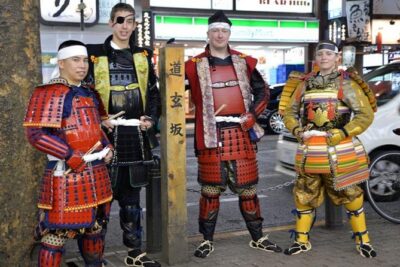
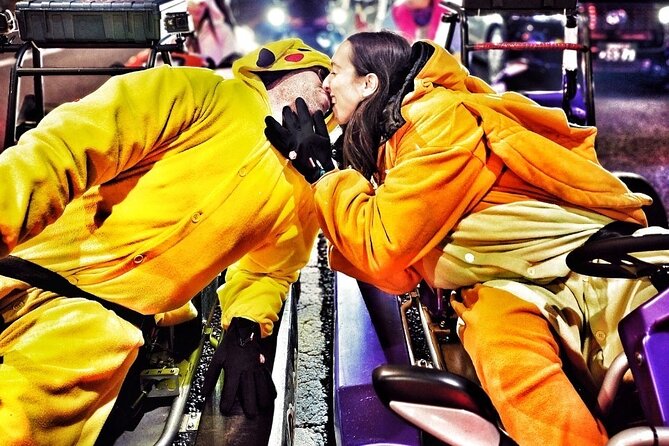
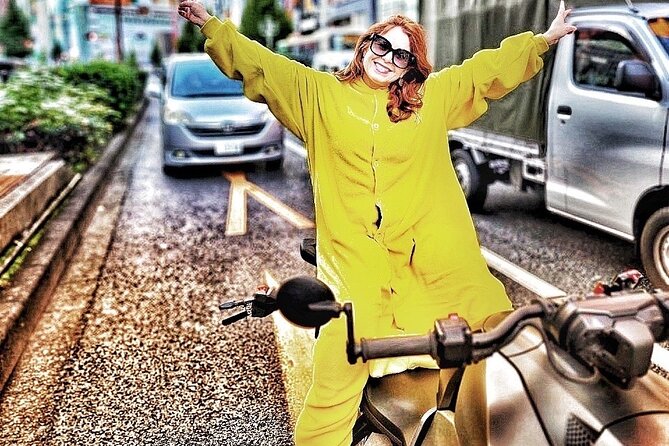
Two things I really like: you get a built-in photo plan (guide photos plus a hard-copy printed photo), and the experience includes a character costume so the whole ride feels like a themed Tokyo story, not just transportation.
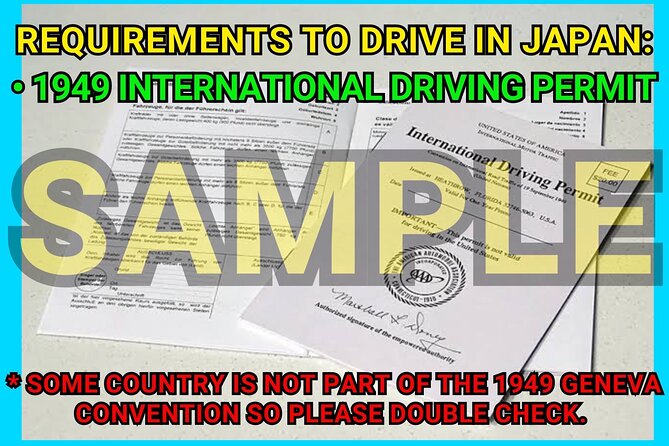
One key consideration: you must have a valid driving license plus the right hard-copy International Driving Permit (IDP) under Japanese rules, and online or digital permits won’t work.
In This Review
- Key highlights at a glance
- Tokyo go-kart energy: why this feels different from a normal sightseeing day
- The IDP requirement: the one rule you cannot skip
- Where it starts in Shinagawa: meeting point and the fast setup
- Route reality check: how long you ride and what pace feels like
- Stop 1: Shibuya Crossing from the driver seat
- Stop 2: Meiji Jingu Baseball Stadium area for a more local Tokyo feel
- Stop 3: Omotesando for the Tokyo Tower-to-fashion contrast
- Stop 4: Tokyo Tower views while you’re still driving
- Stop 5: Harajuku Bridge for the fun character of the route
- Stop 6: Yoyogi Park for a reset between big streets
- Stop 7: Roppongi cruising, with Tokyo Tower still in your head
- Guides, photos, and costumes: what you’re really paying for
- Price and value: is $155.86 worth it?
- Weather and timing: when this tour runs smoothly
- Should you book Tokyo go-karting from Tokyo Tower to Shibuya?
Key highlights at a glance
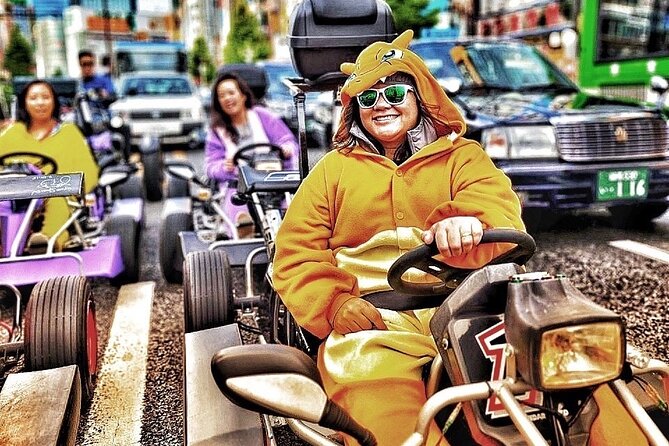
- Street-level Shibuya: drive right through a top Tokyo landmark, with your guide leading and photo-taking.
- Costume add-on: character outfits are part of the fun, even if you skip it when it’s hot.
- Landmarks without long walks: Tokyo Tower, Omotesando, Harajuku, Yoyogi Park, Roppongi.
- Driver-first safety setup: safety briefing and training (guests note the video helps).
- Photo package included: guide picture shooting and a printed souvenir.
- Private by group: only your group rides together on this activity.
Tokyo go-kart energy: why this feels different from a normal sightseeing day
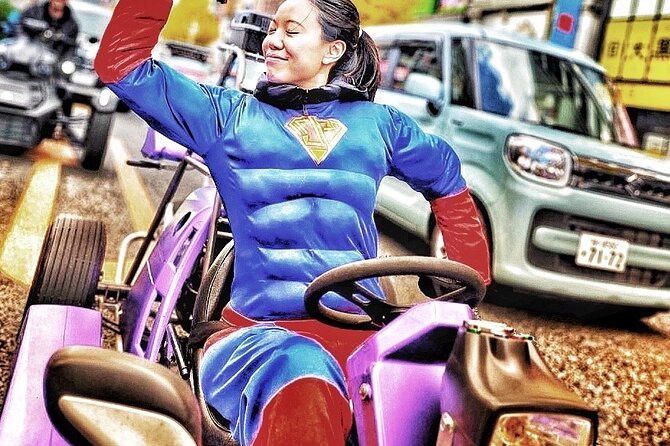
Tokyo by foot is great, but it’s also lots of stairs, lots of crowds, and a lot of standing still while you wait for lights. This tour flips that. You move through famous neighborhoods from the driver seat, with the guide managing the flow so you’re not white-knuckling every intersection.
The other big difference is the tone. You’re not just looking at Tokyo Tower or Shibuya Crossing from a distance. You’re part of the scene, wearing a costume if you choose, and waving at people who notice the cart rolling by. One guest even described it like an adrenaline boost after the first minutes of nerves. That’s a real thing with go-karts in busy streets.
Still, it’s not a choose-your-own-adventure. You’re on a guided route, and the experience depends on you being ready to drive legally and physically handle a busy-city ride.
You can also read our reviews of more guided tours in Tokyo
The IDP requirement: the one rule you cannot skip
To drive, you need a hard-copy International Driving Permit (IDP) issued under the 1949 Geneva Convention. Japan specifically requires the paper booklet. Digital or online copies are not valid, and a permit type under other conventions (including 1968 Vienna Convention IDAs/IAAs or permits acquired online) is not recognized for this activity.
A couple other details that matter:
- Your IDP must be the physical, paper version issued by the official agency in your home country (examples listed include AAA and similar organizations).
- If your license is from France, Switzerland, Taiwan, Germany, Monaco, or Belgium, you also need a Japanese translation (obtained as a physical copy from JAF).
- If your country does not issue the correct 1949 Geneva IDP, you may be unable to drive. The rules list several countries where driving is not allowed on certain permit types, so check before you fly.
This requirement is strict for a reason: the activity is operated in compliance with Japanese law. If you arrive without the right paper documents, you’re the one who loses out on the main part of the experience.
Where it starts in Shinagawa: meeting point and the fast setup
You’ll meet at Monkey Adventure Kart Shinagawa, address 7-chōme-6-5 Nishigotanda, Shinagawa City, Tokyo. The location is near public transportation, which matters because you don’t want to burn time getting tangled in Tokyo logistics before you’ve even started.
Before you head out, expect a safety briefing and driver prep. Guests also mention there’s a training video, which is useful if you’re new to go-karts or you’re nervous about traffic movement. You’ll also get practical extras that make the ride easier:
- Locker for your stuff
- Bottled water
- Costume included (if you want it)
If you’re traveling light, you’ll still want to plan for the basics: bring your documents in hand and wear something you can move in while sitting low and gripping the controls.
Route reality check: how long you ride and what pace feels like
The tour runs about 1 hour 30 minutes. That’s long enough to feel like a real Tokyo circuit, but short enough that you won’t be cooked by the end.
Pace is guided, not casual. Multiple guests point out that you get through the route with enough speed that hesitation is not the vibe in busy city traffic. The upside: your guide is typically on a bike or cart nearby, signaling you where to go and keeping traffic flow in mind. One guest summed it up well: after the first few minutes, confidence clicks in and it stops feeling scary.
Also, the carts and road share work as a system. Guests repeatedly note other vehicles are respectful and give way when needed. You still should drive like you’re being watched, because you are.
Stop 1: Shibuya Crossing from the driver seat
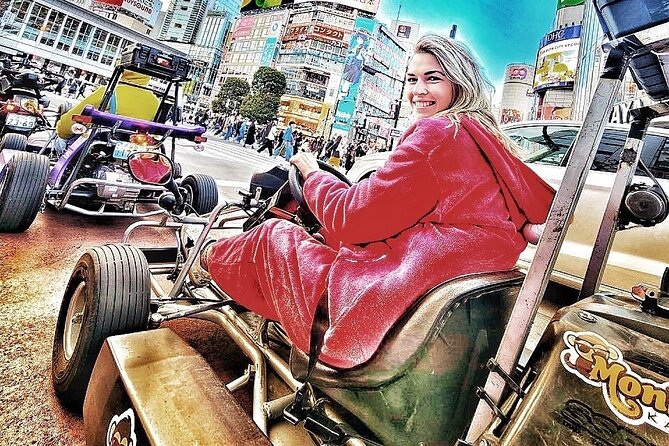
This is the headliner: Shibuya Crossing. Instead of photographing the intersection from the sidewalk, you experience it at roadway level, in the middle of the chaos that’s usually only seen through windows.
What makes it special here is timing and position. Your guide leads the route and handles the flow, so you’re not trying to judge lane openings on your own. The result is that you can focus on driving while still taking in the scene around you. A lot of people chase Shibuya as a bucket-list photo. Driving through it turns it into a memory that feels physical.
Possible drawback: this is also where nerves show up first. Even experienced travelers can feel cautious for the first 5 minutes, especially when you’re adjusting to cart speed and road spacing. If you’re anxious, remember this ride is designed around a guide-led start. Once you settle, the feeling often turns into adrenaline.




Stop 2: Meiji Jingu Baseball Stadium area for a more local Tokyo feel
After Shibuya, you move through an area tied to Meiji Jingu Baseball Stadium. This stop matters because it breaks up the parade of famous landmarks with a more grounded Tokyo layer.
From a rider’s perspective, it’s a breather in a different way. You’re still driving, still in the city, but the vibe shifts away from pure tourist gridlines and into a neighborhood rhythm. Even if you’re not going inside anywhere, the route through this area helps keep the tour from feeling like a straight line between postcards.
Drawback to note: if your main goal is skyline-and-shopping shots nonstop, this stop might feel less dramatic on its own. But it helps the route feel like you’re actually moving through Tokyo, not only hitting highlight reels.
Stop 3: Omotesando for the Tokyo Tower-to-fashion contrast
Then you reach Omotesando, one of Tokyo’s signature “looks good while moving” districts. Omotesando is where Tokyo’s style shows up in streetscapes, not just signage. Driving through it gives you angles you can’t easily get on foot, especially with the guide controlling the route.
Why it’s valuable: it’s a contrast stop. Shibuya gives you energy. Omotesando gives you “clean lines and design street vibes.” For many first-time visitors, it’s one of the quickest ways to see how Tokyo can feel modern and polished while still being a real urban place.
Potential consideration: you may want to keep an eye on your own speed and spacing more than usual here. Street design can look open, but traffic rules and lane behavior still require focus.
Stop 4: Tokyo Tower views while you’re still driving
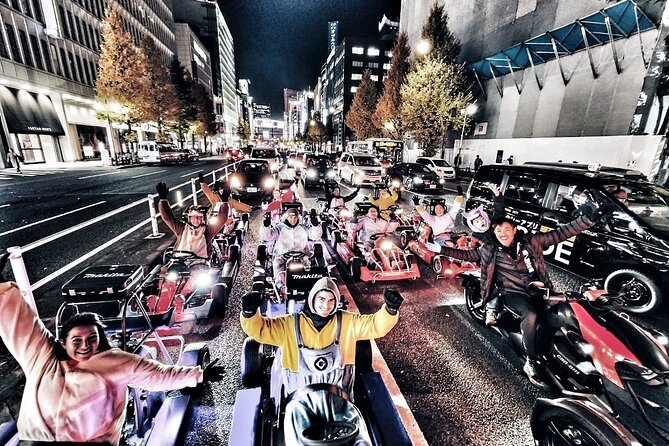
Tokyo Tower is a big draw, and you’ll see it on the route at Stop 4. The fun part is that it’s not a viewpoint you have to reach after a long walk. It’s a roadside landmark you get while actively rolling through the city.
This is also where the tour’s “don’t just look, do” angle hits hardest. You’re driving past something that usually belongs to photos from parks or elevated angles, but now it’s part of your forward motion. If you love skyline imagery, this stop is the payoff moment.
Tip for photos: let the guide do the coordinated shooting, but keep your phone ready for quick personal shots when you’re stopped or slowing. Your printed souvenir is included, but having a couple extra angles won’t hurt.
Stop 5: Harajuku Bridge for the fun character of the route
Next is Harajuku Bridge. This is one of those places where Tokyo’s character shows through: pedestrian flow, street life, and a general sense that you’re traveling through a cultural zone, not just passing a monument.
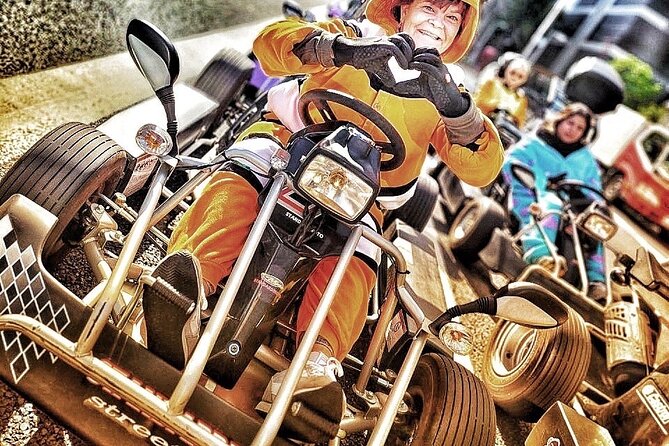
If you chose to wear a costume, this is where it tends to feel extra silly in the best way. You’re a moving character in a very real street environment, and people notice. Guests mention lots of waves and friendly reactions, which is exactly what you’ll experience more often in areas like Harajuku.
Possible drawback: if it’s very hot, wearing a costume might feel like a bad deal. One guest specifically noted it was too hot to wear theirs, and that’s totally fair. Bring a plan: if you want pictures, use the costume earlier; if heat hits, switch off and keep your energy for driving.
Stop 6: Yoyogi Park for a reset between big streets
Then you roll into Yoyogi Park at Stop 6. This is a smart mid-route reset. Even if you don’t spend much time stopping to explore, driving near a green-feeling area changes the visual texture of the trip.
You get a change of rhythm: less “look at this shopping street,” more “Tokyo has breathing spaces too.” That contrast makes Shibuya and Roppongi hit harder later because you’re not staring at the same urban density the whole time.
Practical note: keep your posture steady. Park-adjacent driving can still have busy cross traffic, and the route is still paced by your guide.
Stop 7: Roppongi cruising, with Tokyo Tower still in your head
Finally, the route ends at Roppongi. Roppongi is where the city feels flashy again, and it’s a satisfying closer because you’ve gone from classic sights to trendy districts and back into an area with major city momentum.
This last stretch is often when you stop thinking about whether you’re doing it right and start enjoying the ride. Guests who felt cautious early frequently describe a later shift into pure fun once you “get the hang of it.”
And that’s the core value of this tour: it’s not just the list of stops. It’s the way the route builds your confidence, then cashes it in with the most famous moments.
Guides, photos, and costumes: what you’re really paying for
You’re paying for more than karts. You’re paying for a guide-managed traffic experience and a photo system.
Guides on this tour do a lot:
- They lead the route so you’re not guessing lane-by-lane.
- They manage traffic flow so you can relax enough to enjoy landmarks.
- They capture group photos as you go.
In the feedback, certain guides show up again and again: names like Ren, Pancho, Adam, Ken, Jake, Brandon, Issam, Satar, and Hendrick get credit for safety, humor, and taking strong photos. I don’t think that’s luck. The operation is built around making sure people finish smiling and walking away with usable images.
Costumes are the other big lever. Dressing up makes the whole thing playful, and it also creates an easy “group memory” that sticks in your head. Just remember costumes aren’t mandatory for your enjoyment. If you’re hot, you’re hot. You can still enjoy the ride.
Price and value: is $155.86 worth it?
The price is listed at $155.86 per person for about 1 hour 30 minutes, and it includes:
- Go-kart and petrol
- Guide
- Costume
- Picture shooting
- Locker
- Bottled water
- Hard copy printed photo
- Private tour format: only your group participates
Here’s how I think about the value:
- If you want a unique Tokyo driving experience plus a curated route, you’re paying for the hard part: getting you through major areas with a guide.
- The photo package helps. Many activities sell photos later. Here, you get printed photos included, which turns the experience into a take-home souvenir without you hunting for downloads.
- The private setup matters if you’re a couple, a small group, or you want your own pace and cohesion.
What’s not included: an action camera. If you want video, plan to use your phone and keep it protected while driving (and follow any safety rules your guide gives).
Weather and timing: when this tour runs smoothly
This experience requires good weather. If it’s canceled due to poor weather, you’ll be offered a different date or a full refund.
That matters because the ride is active and outdoors, and you’re in gear and a costume setup. If you’re flexible with dates, you’ll usually get the best results with a forecast-friendly day. And because it’s about 90 minutes, it’s easy to fit into a tight Tokyo schedule without blowing up your whole day.
Should you book Tokyo go-karting from Tokyo Tower to Shibuya?
I’d book it if you want:
- A hands-on Tokyo day, not another photo-walk
- Shibuya Crossing and Tokyo Tower as a driver experience
- A tour that handles the route and adds photo support
- The fun of driving in a costume, even if you swap it out when it’s hot
I’d hesitate if:
- You don’t already have the correct hard-copy 1949 Geneva IDP (or the needed translation)
- You hate the idea of traffic pacing and following instructions closely
- You want deep museum time or long stops. This is a ride first, sightseeing second.
If you show up with the right documents, dress for comfort, and trust the guide, this is one of those rare Tokyo activities that feels like a story you’ll be telling for years.