REVIEW · TOKYO
Tameike: Exploring the Heart of Japanese Politics Tour
Book on GetYourGuide →Operated by Wise Guides / Wise-Infinity inc. · Bookable on GetYourGuide
Japan’s politics can feel abstract. This tour makes it human, right inside the rooms where decisions get made.
I like the English-guided National Diet Building visit because it doesn’t just point at architecture. You get real explanations of how Japan’s political process works, with time for Q&A and back-and-forth conversation with the guide—often Megumi (Meg), who’s known for staying engaged with your questions.
I also like the way the day links government and everyday life. You shift from the Diet to Hie Shrine’s career-and-matchmaking vibe, complete with monkey motifs, then you end with comforting matcha and sweets at Dobashi-en. One catch: you’ll do some walking and there are stairs at the Diet, so wear comfy shoes and expect a slower pace than a quick photo stop.
In This Review
- Key Points You’ll Feel Right Away
- National Diet Building: Seeing Japan’s Government Up Close in English
- Stairs, Timing, and What to Watch For During the Diet Visit
- Hie Shrine’s Career and Matchmaking Power: Monkey Gate Guardians and Thousand Torii
- Dobashi-en Tea Stop: Matcha and Sweets as the Perfect Midday Reset
- Price and Value: Is $129 Worth 3 Hours?
- Who Should Book This Tour (and Who Might Prefer Something Else)
- Before You Go: Quick Tips That Make the Day Easier
- Should You Book the Tameike National Diet and Hie Shrine Tour?
- FAQ
- Where does the tour start?
- How long is the tour?
- Is the tour offered in English?
- How big is the group?
- What’s included in the price?
- Is there any walking or stairs?
- Can I pay later, and what about cancellation?
Key Points You’ll Feel Right Away

- Small group of up to 5 keeps the Q&A from feeling like a lecture.
- National Diet Building, English-led helps you connect the building to how government actually works.
- Hie Shrine power-spot details (monkey guardian statues and monkey motifs) make your visit more meaningful.
- Dobashi-en matcha and sweets are a practical reset after walking and temple steps.
- Megumi (Meg) style: lots of conversation, including how Japanese daily habits connect to what you see.
National Diet Building: Seeing Japan’s Government Up Close in English

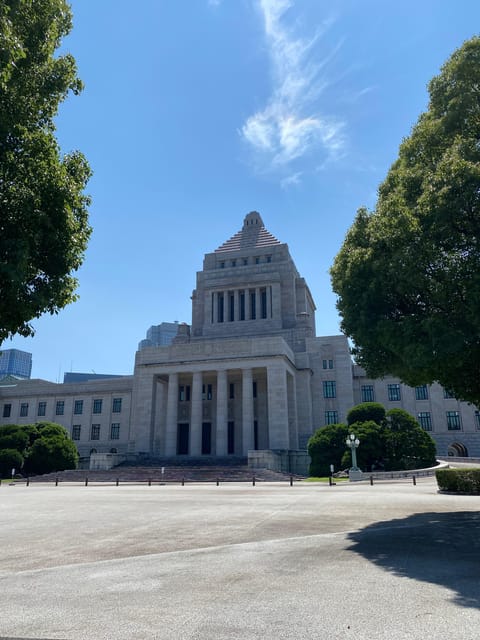
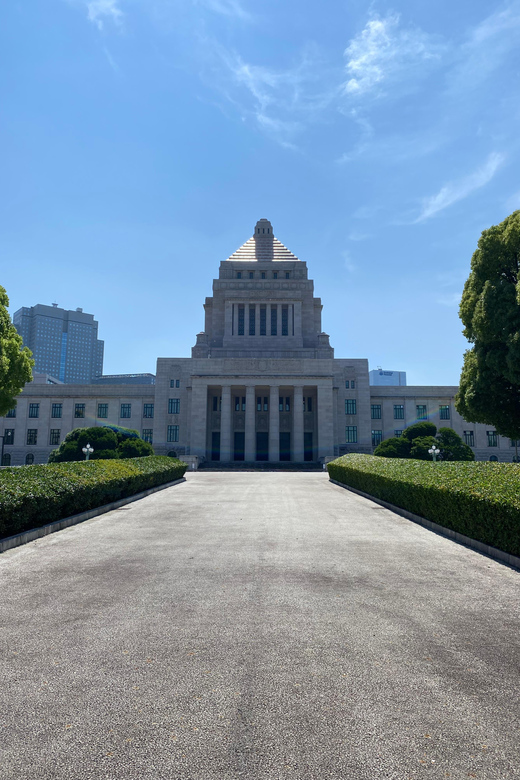
The National Diet Building is one of those places where the setting matters. From the outside, it’s eye-catching. Inside, it’s even more striking, because you’re in the same kinds of spaces where national decisions play out.
What I like most is that the tour keeps the pace friendly and the explanations clear. You’re not expected to already know how Japan’s system works. The guide talks through the process and what you’re looking at, so the building doesn’t turn into an architecture-only stop.
If you’ve ever found government confusing, this is a good fix. You’ll get context that helps names, institutions, and everyday terms click into place. And because the tour is live and in English, you can ask questions as you go instead of trying to puzzle it out afterward.
You can also read our reviews of more tours and experiences in Tokyo.



Stairs, Timing, and What to Watch For During the Diet Visit
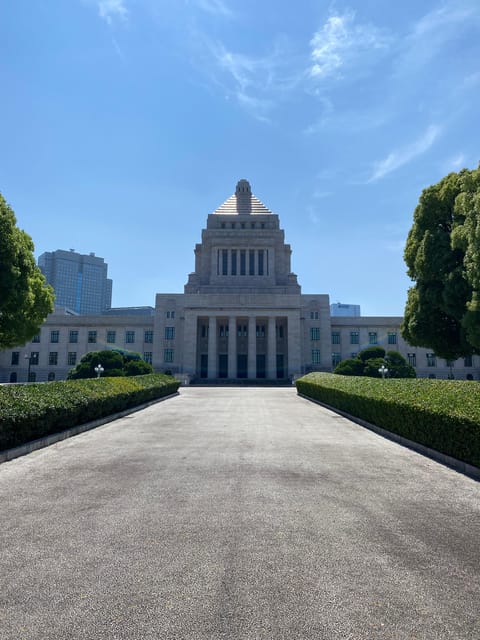
The Diet stop lasts about an hour with a guided experience inside the building. The structure of the tour gives you enough time to see the key areas without feeling rushed, but you should still plan for an active visit.
Here’s the practical part: there are stairs at the National Diet Building, so comfortable walking shoes matter. You’ll also be doing short walks between stops, so think “steady strolling” rather than “sit and snack all day.”
A small but useful tip: expect that you’ll want to listen closely. The guide’s explanations connect voting procedures and political events to what’s physically in front of you. It’s the kind of detail that makes the visit stick, especially when you can ask follow-up questions.
From past participants’ experiences, the best moments aren’t just the facts. It’s the extra cultural context that turns the Diet visit into a quick lesson on how Japanese daily life fits around government. Things like why certain public habits look the way they do can come up naturally while you’re there.
Hie Shrine’s Career and Matchmaking Power: Monkey Gate Guardians and Thousand Torii

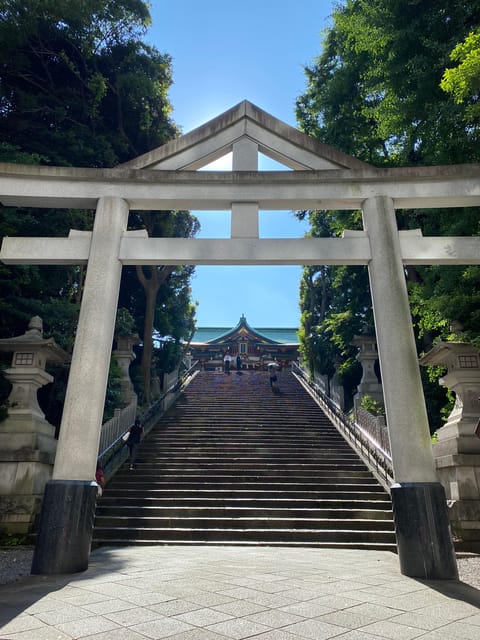
Right after the Diet area, you head to Hie Shrine, and the change of scenery is fast. That’s part of the charm: you go from political structures to a place people visit for personal goals.
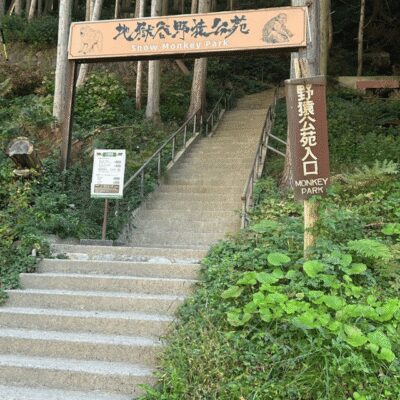
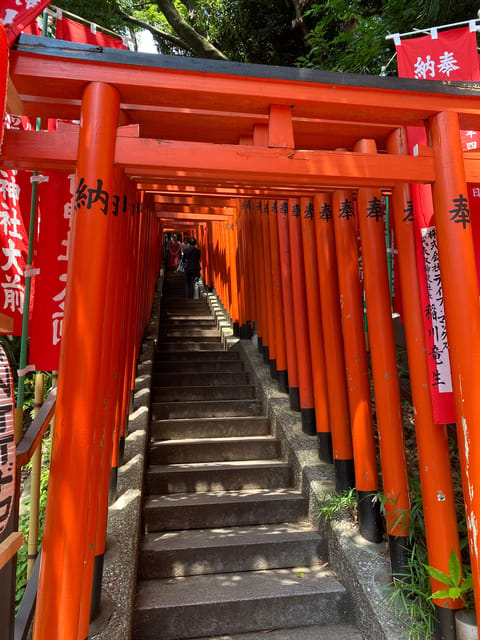
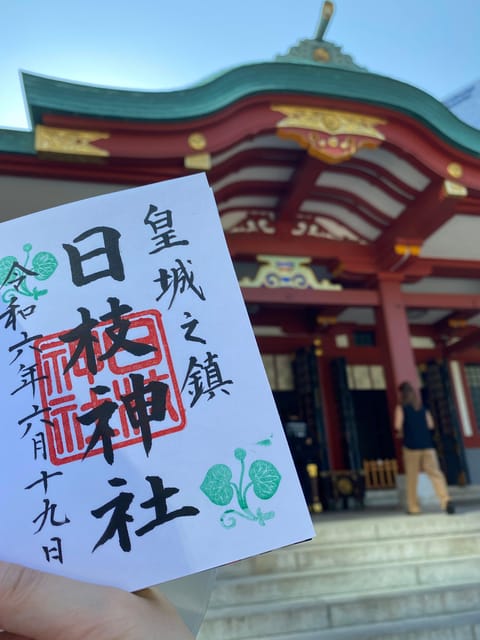
Hie Shrine is known as a power spot for career success and matchmaking. When you arrive, look closely at the details that give the shrine its personality. At the gate and main hall, you’ll spot guardian monkey statues. Monkey motifs show up in votive tablets and charms, so the theme isn’t random decoration—it’s part of how people understand the place.
One feature people love here is the reference point of the Thousand Torii Gates feel. Even if you’ve seen famous torii before, it’s a different kind of experience because the shrine’s whole identity is tied to these repeated forms, not just a single iconic photo.
The guide adds value by showing you how to worship at a Shinto shrine. It’s not about “doing it right” in a rigid way; it’s about helping you feel comfortable and respectful so your visit doesn’t turn into guesswork. And because you’re on a small group tour, you can ask what each step means as you go.
For me, the best payoff is that the shrine visit doesn’t float off into generic sightseeing. It connects back to the theme of the day: how public institutions and private hopes intersect in real life.
Dobashi-en Tea Stop: Matcha and Sweets as the Perfect Midday Reset
By the time you reach Dobashi-en, you’ll likely be ready to slow down. The tea shop stop is about 45 minutes, and it works like a reset button after temple steps and walking.
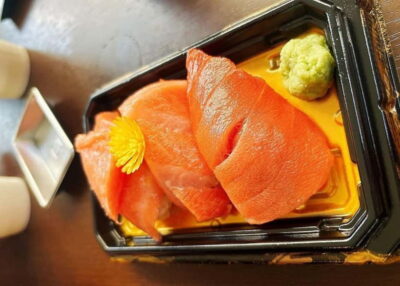
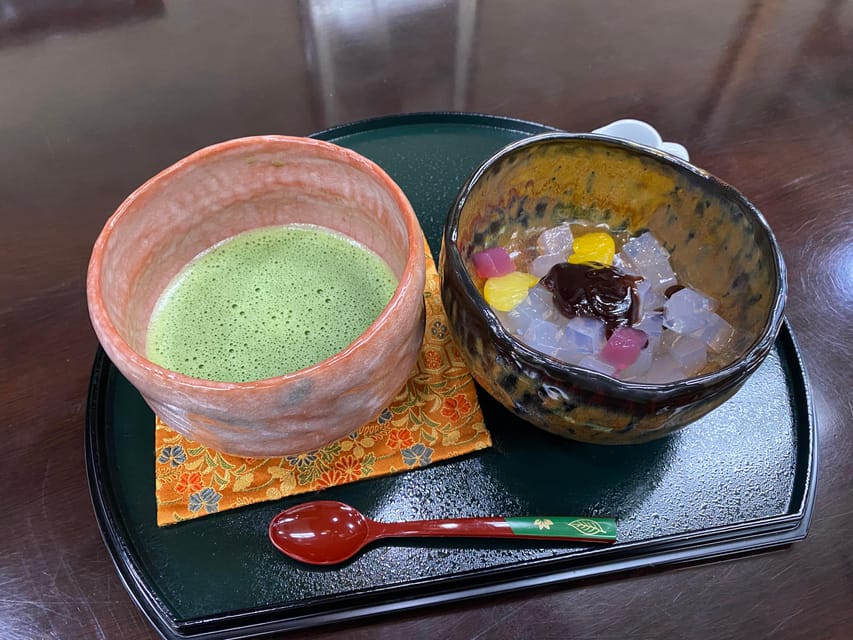
This is where the tour gets warm and comforting. You’ll enjoy traditional matcha and sweets from a long-established green tea shop. It’s a simple ending, but it’s also smart: tea gives you a chance to sit, recover, and let the morning’s information settle.
The tour also includes a souvenir tea gift, which is a nice practical bonus. It’s the kind of keepsake that doesn’t just look pretty—it gives you a small link back to the place long after you return home.
One more reason this stop feels like good value: you’re not paying just for access to sites. You’re paying for pacing and atmosphere. The Diet and shrine are the big sights, but Dobashi-en is what turns the day into an experience you can actually savor.
Price and Value: Is $129 Worth 3 Hours?
At $129 per person for about 3 hours, the value depends on what you want from Japan.
If you’re the type who enjoys travel as learning—how systems work, why places have meaning, and what to notice while you’re standing in front of something—this price makes sense. The tour bundles entry to the National Diet Building, a guided Hie Shrine visit, and the matcha-and-sweets stop at Dobashi-en. Add in a souvenir tea gift, and the package feels more complete than a basic walking tour.
The other value factor is the group size: you’re capped at 5 participants. That matters because it makes explanations interactive. You’re more likely to get your personal questions answered, and you’ll spend less time waiting for the guide’s remarks to catch up to your curiosity.
Also, you’re not limited to a script. Guides like Megumi (Meg) are known for conversation and cultural exchange, not just reciting facts. That’s the kind of payoff that’s hard to price, but it’s exactly what turns a “see it” trip into a “understand it” trip.





Who Should Book This Tour (and Who Might Prefer Something Else)
I’d point this tour toward you if you want Japan beyond postcard sightseeing. It’s a great choice if you’re curious about politics, how government functions, and how that connects to culture and daily life.
It also fits well if you like structured time with a human guide. You get clear stop-by-stop pacing, English commentary, and a small group format that makes Q&A feel normal.
You might consider a different type of tour if you want a mostly relaxed, photo-first day. This one mixes walking with explanations and shrine etiquette, so it’s less of a “wander freely” plan and more of a guided experience with a learning angle.
Before You Go: Quick Tips That Make the Day Easier
Bring comfortable walking shoes because of stairs and short walks. Expect some indoor and outdoor movement, and don’t overpack your schedule before or after—your brain will be busy.
Plan on having some cash. Some shops may not accept cards, and you’ll feel more relaxed if you’re not scrambling for payment options.
Also, think about timing with your energy. This is a 3-hour tour with several stops and walking between them, so treat it like a real outing, not a quick add-on.
And if you prefer flexibility, you’ll appreciate that you can reserve and pay later, plus free cancellation up to 24 hours in advance (so long as you’re within that window).
Should You Book the Tameike National Diet and Hie Shrine Tour?
If you want a compact day that connects Japanese government, Shinto practice, and tea culture, I think it’s an easy yes. The National Diet Building in English plus Hie Shrine’s career-and-matchmaking focus feels like a smart pairing, and the Dobashi-en matcha stop gives you a satisfying landing.
This is especially worth it if small-group conversation matters to you. The way Megumi (Meg) is described—friendly, engaged, and ready to talk through questions—sounds like the difference between reading about Japan and actually understanding what you’re seeing.
Book it if you like structured explanations and respectful shrine context. Skip it if you want only fast photos and minimal walking.
FAQ
Where does the tour start?
The meeting point is at 国会議事堂前駅 (Kokkai-gijidōmae Station), Exit 1. The guide waits there wearing a navy blue happi.
How long is the tour?
The tour lasts about 3 hours.
Is the tour offered in English?
Yes. The tour is guided by an English-speaking live guide.
How big is the group?
It’s a small group limited to 5 participants.
What’s included in the price?
Entry to the National Diet Building, tea and a snack at Dobashi-en, a souvenir tea gift, and the guided experiences.
Is there any walking or stairs?
There are stairs at the National Diet Building, and you’ll also walk between stops, so comfortable shoes are important.
Can I pay later, and what about cancellation?
You can reserve now and pay later. Free cancellation is available up to 24 hours in advance for a full refund. Also, some shops may not accept cards, so bringing cash can help.