REVIEW · TOKYO
Tokyo Traditional Tea Ceremony with a Japanese Tea Master
Book on Viator →Operated by Sunrise Adventure · Bookable on Viator
A great tea ceremony should teach you how to taste, not just what to drink. This one mixes a hands-on matcha session with a guided tasting of several Japanese teas, so you leave understanding why they taste the way they do. I especially like that it stays small-group sized (max 12), which makes it easier to ask questions while you’re brewing and sipping.
The main thing to consider: this is a one-hour tea lesson/tasting format, not a long, highly formal ceremony. If you’re picturing a very strict, floor-sitting performance, make sure your expectations match the relaxed, practical style.
In This Review
- Key points to know before you go
- Ocharu Tea Ceremony in Bunkyo: close to Tokyo University and easy to reach
- A guided lineup of Japanese teas you’ll actually notice
- Welcome wakocha with tea cake
- Gyokuro sencha and seasonal wagashi from Ougiya
- Matcha you whisk yourself
- Genmaicha to close: sencha + roasted rice
- Hands-on matcha making: the part you’ll remember
- The sweet extras: cake, wagashi, photo, and a completion certificate
- What to expect when you hear tea ceremony: one-hour, relaxed, and practical
- Price and value in Tokyo for a one-hour tea masterclass
- Who should book this tea ceremony experience, and who might want a different style
- Should you book the Tokyo Traditional Tea Ceremony with a Japanese Tea Master?
- FAQ
- How long is the tea ceremony experience?
- What’s included in the tour price?
- How many people are in the group?
- Where does it start?
- What teas and sweets will I try?
- Is free cancellation available?
Key points to know before you go
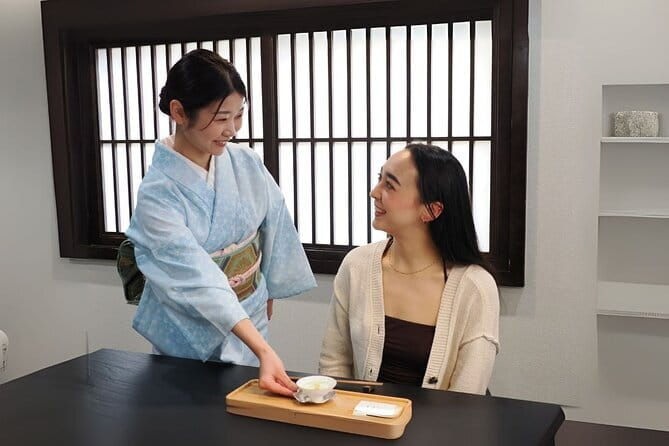
- Matcha made by you: you whisk your own using traditional tools
- A tasting flight: wakocha, gyokuro sencha, wagashi sweets, matcha, then genmaicha
- Tea + sweets combo: welcome tea with cake, plus seasonal wagashi during the green tea tasting
- Small-group attention: up to 12 people, with time for questions
- Memories included: group photo and a completion certificate
Ocharu Tea Ceremony in Bunkyo: close to Tokyo University and easy to reach
This experience takes place at OCHARU6-chōme-2-10 in Bunkyo (Hongō)—and yes, it’s right by Tokyo University, which makes it simple to orient yourself once you’re in the neighborhood. I like that the tour is designed around one place: you’ll enter the tea ceremony room, do your tastings and making, then head right back to the meeting point when you’re done.
Timing matters here. You’re looking at about 1 hour total, so it’s a nice choice when you want something cultural without losing half a day. The format also helps the group stay focused. With up to 12 travelers, you won’t feel like you’re getting rushed past the important parts like water temperature, utensil handling, and how to taste each tea.
Practical note: the tour is described as near public transportation and you’ll use a mobile ticket. That’s a real convenience in Tokyo, where getting from one train ride to the next can eat up your energy. Arrive a few minutes early so you can settle in without stress.
You can also read our reviews of more tours and experiences in Tokyo.



A guided lineup of Japanese teas you’ll actually notice
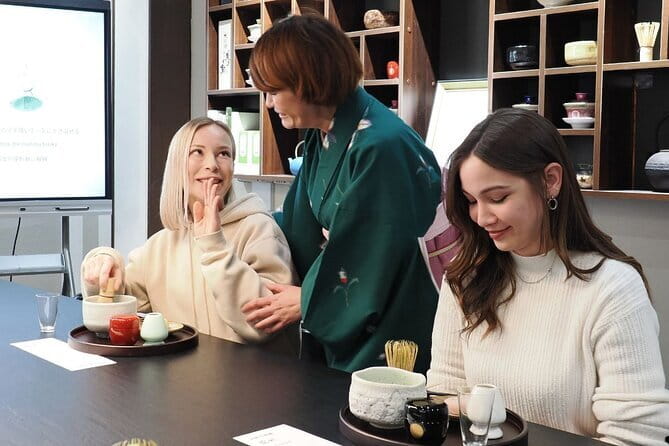
What makes this tour fun (and useful) is that it doesn’t treat tea as one generic drink. You move through a sequence of teas with different styles and flavors, then connect those differences to how they’re made and what to look for when you taste.
Here’s the order you can expect:
Welcome wakocha with tea cake
You start with wakocha, a Japanese black tea from Shizuoka, paired with a tea cake. The goal at this stage isn’t complexity for complexity’s sake. It’s a warm-up so your palate wakes up and you can start noticing things like fruity and floral notes.
If you’ve only had black tea outside of Japan, this first cup is a quick reset. It also sets the tone: you’re being taught to pay attention, not just to sip.
Gyokuro sencha and seasonal wagashi from Ougiya
Next comes Gyokuro sencha, described as the highest-grade green tea. This is where the tasting usually becomes more interesting because gyokuro tends to reward careful brewing and close attention.
Alongside the tea, you’ll have seasonal wagashi sweets from Ougiya, a confectioner with long family traditions. I like this pairing because it shows you how Japanese tea culture isn’t only about the tea leaf. It’s also about balancing sweetness, texture, and aroma with the drink in front of you.
Matcha you whisk yourself
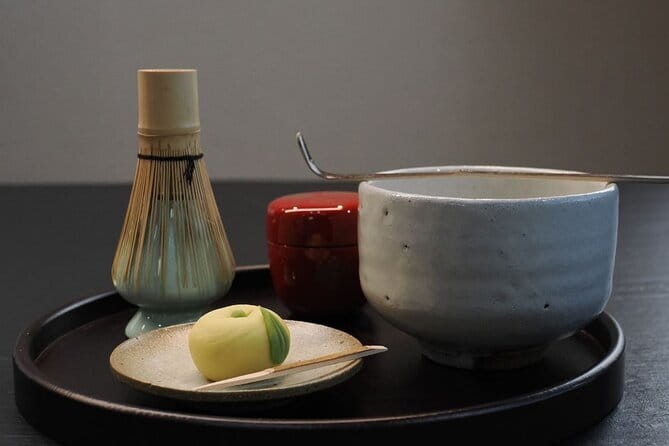
Then you’ll shift from tasting to doing. You’ll learn how to make matcha with a tea master’s guidance and traditional tools. This part is the bridge between “I tried tea” and “I understand tea.”





Genmaicha to close: sencha + roasted rice
You finish with Genmaicha, a blend of sencha and roasted rice from Niigata. This one is a calming finish. The roasted rice adds a comforting, toasty quality that smooths out the experience after you’ve already tasted (and made) more intense teas like gyokuro and matcha.
Hands-on matcha making: the part you’ll remember
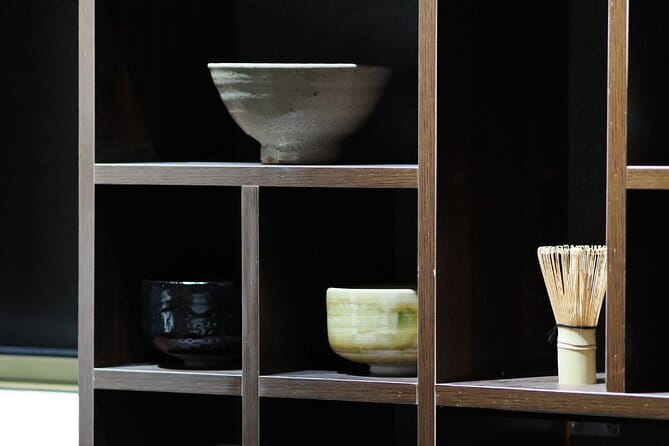
If you’re going to pick one reason to book, it’s the fact that you don’t just watch matcha being prepared—you whisk your own. That single detail turns this from a passive viewing activity into a skill-building experience.
Even within a one-hour format, the teaching is structured. You’ll learn the basics of using traditional tools, preparing matcha correctly, and then enjoying what you made as part of the ceremony atmosphere.
A practical way to think about matcha lessons: the “wow” isn’t only the flavor. It’s how your method changes the cup. When you whisk, you’re influencing how the matcha disperses and how it feels in your mouth. When you taste, you’re comparing your result to what the instructor is explaining.
Also, this kind of hands-on segment works especially well in Tokyo because it gives you something to do while you’re surrounded by tea shops. You’ll be less likely to buy a random tin of matcha later without understanding what you’re supposed to notice.
The sweet extras: cake, wagashi, photo, and a completion certificate
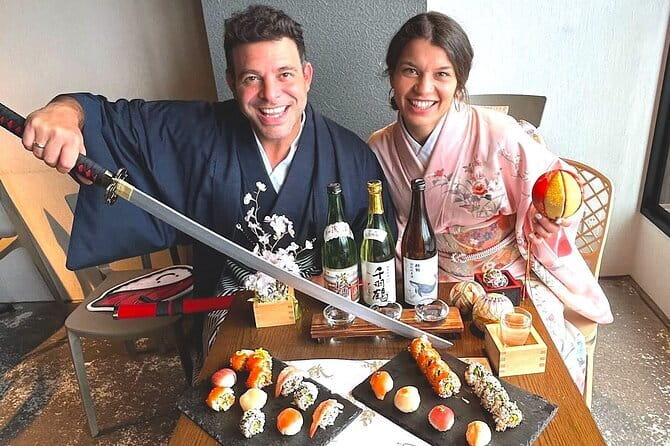
Tea ceremonies in Japan often include food, and this experience leans into that idea in a way that feels generous rather than decorative.
You’ll get a welcome tea and cake at the start, plus seasonal wagashi during the green tea portion. The cake and wagashi each serve a purpose: they give you a flavor reference point so you can better sense the tea’s character.
Then there are the souvenirs that make the whole thing feel complete:
- A group photo you’ll receive so you can remember the moment
- A certificate of completion that you can take away
I like these because they match the tone of a short, skill-focused activity. You get a tangible reminder even if your schedule doesn’t allow for a longer tour.
What to expect when you hear tea ceremony: one-hour, relaxed, and practical
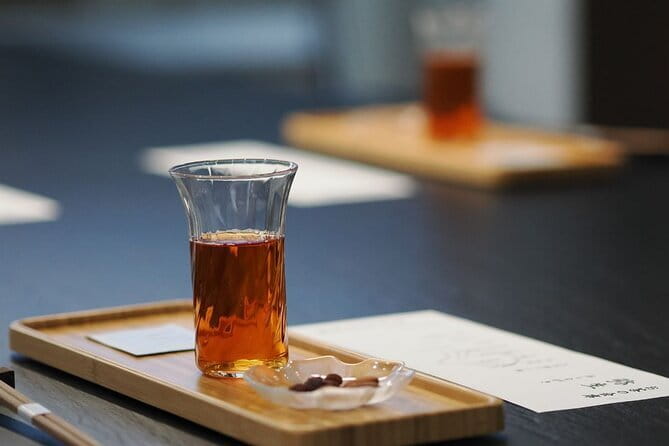
This tour is often described as a traditional tea ceremony experience, but it doesn’t promise the theatrical, long, highly formal style that some people imagine. The safest expectation is this: it’s a teaching and tasting session anchored by a matcha making moment, wrapped up neatly in about an hour.
That matters for two types of travelers:
- If you want structure and instruction, you’ll likely enjoy this format. You’ll have clear steps, clear tasting portions, and time to learn what’s going on.
- If you want a long, ceremonial performance where you mostly sit and observe for an extended period, you may feel it’s too short.
Language is another point worth keeping in mind. The experience is run by a tea master in a small room, and while the tour is aimed at English-speaking visitors, there have been reports of situations where communication relied more on posted materials than spoken explanation. If you’re traveling with someone who needs heavy verbal instruction, it’s worth going in ready to use visual cues and follow along as best you can.
Finally, no one plans for it, but there has been at least one report about the scheduled event not starting when expected. The practical fix is simple: show up a bit early and confirm details on your mobile ticket before you settle in.
Price and value in Tokyo for a one-hour tea masterclass
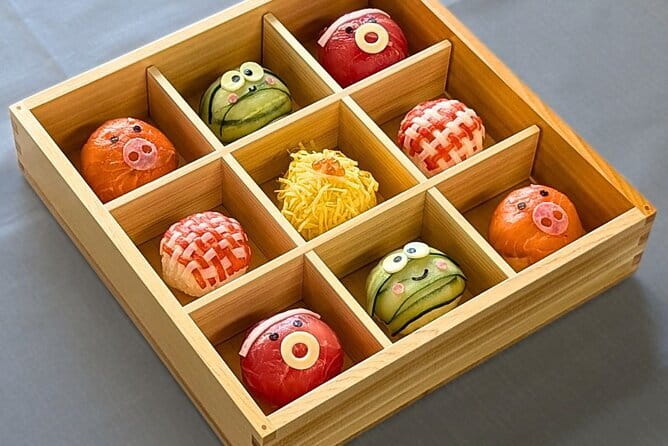
At $33.03 per person for about 1 hour, this doesn’t compete with cheap samplers. Instead, it aims for value through included experience elements you’d otherwise pay for separately:
- Multiple tea tastings (wakocha, gyokuro sencha, matcha, genmaicha)
- Food pairing (tea cake and wagashi)
- A guided matcha making session
- Use of the tea ceremony room
- A certificate and group photo
In plain terms: you’re paying for instruction and a sequence, not for one cup. That’s why the price works better for people who want more than a quick photo and a quick sip.
And in Tokyo, where “experience” pricing can sometimes feel fuzzy, I appreciate that this one is specific. You know what you’ll do: drink, taste, make matcha, and finish with genmaicha.
Who should book this tea ceremony experience, and who might want a different style
This is a strong fit if you:
- Enjoy tasting different flavors and want to learn the differences between Japanese tea types
- Want a hands-on activity without spending most of your day
- Prefer small-group settings (the 12-person maximum is a real quality marker here)
- Like cultural workshops that end with something tangible (photo + completion certificate)
It can also be a good choice for families and mixed-age groups because the pacing is short and the activity is concrete: you’re making matcha and drinking several cups, not doing something physically complex.
You might consider a different format if:
- You’re specifically chasing a long, highly formal ceremony as an event in itself
- You need fully spoken, uninterrupted instruction in English to feel comfortable
- You expect the ceremony to look like a staged performance rather than a guided tasting and lesson
Should you book the Tokyo Traditional Tea Ceremony with a Japanese Tea Master?
I think you should book this if your goal is to leave with practical understanding—how matcha is made, what different Japanese teas taste like, and how food pairing works alongside tea. The mix of wakocha, gyokuro sencha, wagashi, matcha making, and genmaicha gives you a full flavor education in a tight time window.
If you want a long formal ceremony or a very theatrical experience, adjust your expectations. And as with any small, timed activity, show up early and keep an eye on your confirmation so you’re not stuck waiting outside.
If you’re curious about Japanese tea culture and you like learning by doing, this is one of the more straightforward, rewarding workshop-style experiences you can fit into a Tokyo day.
FAQ
How long is the tea ceremony experience?
It runs for about 1 hour.
What’s included in the tour price?
You get welcome tea and cake, sencha tasting, a matcha making session, a genmaicha finale, access to the tea ceremony room, plus a certificate of completion and a group photo.
How many people are in the group?
The experience has a maximum of 12 travelers, so it stays small.
Where does it start?
The meeting point is OCHARU 6-chōme-2-10 Hongō, Bunkyo City, Tokyo 113-0033, Japan. The tour ends back at the meeting point.
What teas and sweets will I try?
You’ll have wakocha with tea cake, gyokuro sencha with seasonal wagashi from Ougiya, matcha that you make, and a final cup of genmaicha. Seasonal sweets are part of the experience.
Is free cancellation available?
Yes. You can cancel for free up to 24 hours in advance for a full refund. If you cancel less than 24 hours before the start time, it won’t be refunded.