REVIEW · TOKYO
Catch a Baseball Game in Tokyo with a Local – Tickets Included
Book on Viator →Operated by Tokyo Baseball Tours · Bookable on Viator
Baseball in Japan is a whole different kind of fun. You get tickets handled for you plus a local guide who teaches you the cheers so you can actually join the noise. My favorite part is how quickly you go from watching to participating, and how the guide helps you navigate the stadium without language stress. The only real catch: your view and the exact seating vibe depend on the game and ballpark you end up at.
This is a small-group outing (max 6 travelers) built for ease. You may get pickup, you’ll have a mobile ticket, and you’ll walk to the stadium together after meeting at a train station. The tour also includes snacks and, for some games, a borrowed home-team jersey and cheering goods so you don’t feel like a spectator in the wrong section.
One thing to weigh: you’re there for the full game and the cheering culture, not a quiet sit-and-watch experience. If you prefer TV-style baseball with minimal crowd participation, you might find the standing, singing, and constant chants a lot. Still, if you like sports that feel like theater, this is your lane.
In This Review
- Key Things That Make This Tokyo Baseball Experience Work
- Tickets, Cheers, and a Local on Your Side
- The Easy Start: Meet at a Train Station, Then Walk In
- Tokyo Dome: Indoors Comfort and Giant-Level Atmosphere
- Meiji Jingu Stadium or Yokohama: Same Baseball, Different Feel
- How the Guide Turns You From Spectator Into Participant
- Snacks, Merch, and the Fun Stuff People Actually Remember
- Price and What $110 Buys You in Tokyo Terms
- Practical Tips for Your Smoothest Night at the Ballpark
- Should You Book This Tokyo Baseball Game With a Local?
- FAQ
- How much does the Tokyo baseball game with a local cost?
- How long is the experience?
- Where are the games held?
- Are tickets included?
- Do I need to know baseball rules or speak Japanese?
- What’s included besides the ticket?
- Can I bring snacks, drinks, or a camera?
- What if it’s canceled due to weather?
Key Things That Make This Tokyo Baseball Experience Work
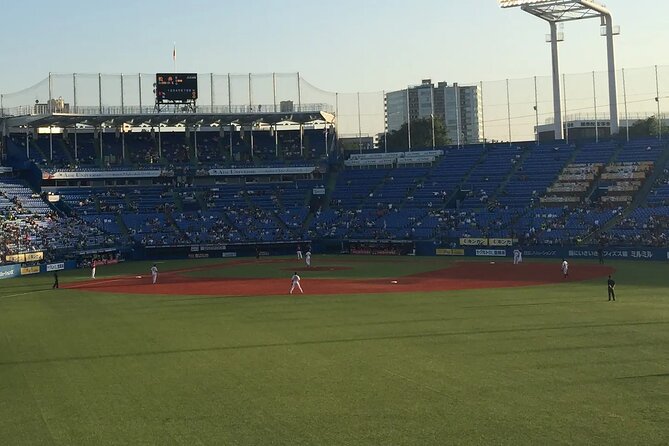
- Cheering instruction that you can use immediately: guides bring song sheets/printouts and teach player cheers.
- Tickets are included for Tokyo Dome, Meiji Jingu Stadium, or Yokohama Stadium, so you’re not hunting seat maps.
- Small group energy (up to 6) makes it easier to ask questions and follow along.
- Borrowed home-team gear for some games helps you blend into the home section vibe.
- Snacks are included, plus you can bring outside food (no glass, no cans).
- A guide who communicates well helps you get to the meeting spot and through stadium customs.
Tickets, Cheers, and a Local on Your Side
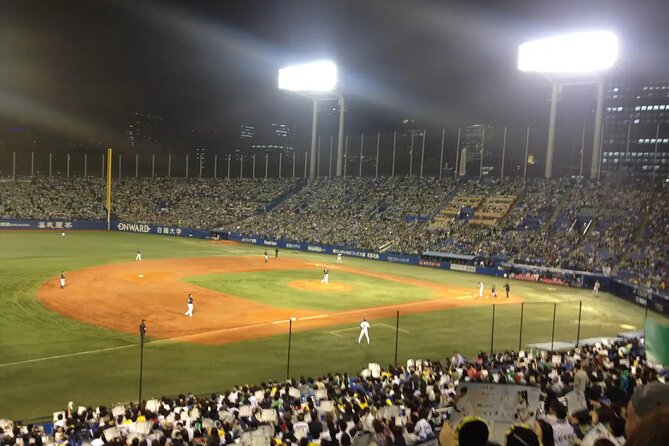
If you’ve ever tried to decode a Japanese stadium scene without help, you already know the friction points. Seat sections can be confusing. Beer and concession lines move differently than you expect. And the biggest one: what’s happening on the field is only half the story—the other half is the crowd rhythm.
That’s why I like the structure here. You’re not just buying admission; you’re buying context. With a local host, you learn which cheers belong to which moments, and you get guidance on how the home section works. In real-world examples, guides like Jason and Kristi have shown up with Japanese snacks for the group and materials to follow along with chants, including transliteration aids for people who can’t read the script yet.
The tour is also practical. Tickets come included and you get a mobile ticket, so you’re less likely to waste time at the stadium office or translation app your way into a mess. And because the group is small, you’re more likely to feel like you’re hanging out with someone who genuinely cares about the game and the fan culture.
One more thing: this isn’t just “watching baseball.” The included cheering goods and home-team jersey (for some games) are there for a reason. When you put on the jersey and join the chants, you stop standing around waiting for your brain to catch up. You’ll have something to do with your hands and your voice.
You can also read our reviews of more tours and experiences in Tokyo

The Easy Start: Meet at a Train Station, Then Walk In
Your night begins at a train station meeting point, where you’ll walk to the stadium together. That walk matters more than it sounds. You get your bearings, you get pointed toward the right entrance flow, and you can watch how people around you act like they already know the next part.
Bring a little patience too. Stadium areas run on momentum—lines form, merch gets grabbed fast, and the crowd energy ramps up right before first pitch. The guide’s job is to help your group avoid the “where do we go now?” moment, and the reviews back that up with consistent praise for clear communication.
A small but useful tip from past groups: if the meeting info ever feels confusing, use the updates in the online message chat rather than relying only on emails. That’s the difference between arriving calm and arriving stressed. It’s not the tour’s fault; it’s just how information can get messy across platforms.
Also plan for weather. The experience requires good weather, and if it’s canceled due to poor weather, you’ll be offered a different date or a full refund. If you’re going in a season with big heat swings, keep an eye on comfort. One group noted how thankful they were that Tokyo Dome is indoors and air conditioned during a hot spell.
Tokyo Dome: Indoors Comfort and Giant-Level Atmosphere
If your game is at Tokyo Dome, you’re in for a classic Tokyo baseball experience. This is a stadium setting that feels built for sound, with fans standing and cheering in the home section. The crowd doesn’t treat baseball like background noise. They treat it like a scheduled party.
In a Tokyo Dome outing, the guide typically helps you do two things right away:
1) learn the cheers so they make sense, and
2) understand when to do them, so you’re not guessing.
That’s one of the most praised parts of the experience. Guides have shown up with song sheets and explanations that turn the chants into something you can actually participate in. Some hosts also provide materials with transliteration, which helps you follow along even if you can’t read Japanese yet. And yes, you’ll still watch the game—your guide just helps you connect the crowd noise to the action on the field.
Tokyo Dome also gives you a comfort advantage. Outdoor stadiums can be brutal in summer heat, but Tokyo Dome is indoors. Even if you’re not a huge baseball person, the air conditioning can turn the game from tiring to enjoyable.
The only real drawback? Stadium seating can mean different experiences. One review mentioned that a portion of the group ended up higher than expected compared with others who sat in a cheering section. If your priority is maximum interaction level, try to embrace the experience as a cultural one, even if your specific seats are not perfectly placed.
Meiji Jingu Stadium or Yokohama: Same Baseball, Different Feel
Depending on the schedule, your game may be at Meiji Jingu Stadium or Yokohama Stadium instead of Tokyo Dome. The core experience stays the same—your ticket is handled, and you have a guide to teach cheers—but the vibe shifts with the ballpark.
Here’s what you can expect from the change in venue:
- Different sightlines: the angle of the field and how close your section is to the action will vary.
- Different crowd energy: some stadiums feel louder or more tightly packed depending on the layout.
- Different walking and transit rhythm: you’ll still meet at a train station, but the route and timing may feel different as you head to the other location.
The guide’s value becomes even clearer in these alternate venues. Without language support, it’s easy to get to the stadium and still feel lost once you’re inside. With a host, you’re directed into the right sections and coached through the cheering moments so you can enjoy the home team tradition rather than just endure it.
If you’re deciding between dates and you have flexibility, I’d treat it like this: choose the game you want, then trust that the guide will help you get the best version of that setting. Baseball is the constant; the stadium is the seasoning.
How the Guide Turns You From Spectator Into Participant
This tour shines in one specific area: cheer education. You don’t need to know baseball rules. Your host teaches you the cheers, and that changes the experience fast.
Think about it. When you understand the chants, you stop watching like it’s a foreign language movie and start watching like it’s a show you can follow. You’ll hear a cheer and know what moment it’s tied to. You’ll practice it with the group. And because it’s taught, you’re less likely to feel awkward jumping in late.
Past groups have called out a few guide tactics:
- printing or sharing player-specific chant materials
- helping guests join in during key moments
- translating the vibe, not just the words
Guides like Jason and Kristi have been credited for being polite, professional, and very helpful with communication. In at least one case, a guide even helped fix an overpayment issue and made sure the group received a refund. That doesn’t mean every situation will be identical, but it does suggest the hosts take responsibility seriously.
Also, if you’re watching with family or you have mobility needs, ask questions early. One review mentioned that Kristi helped arrange elevator service for a guest who had a hard time walking. The takeaway for you: don’t assume the tour will handle every situation automatically—send your needs ahead so the guide can plan with you.





Snacks, Merch, and the Fun Stuff People Actually Remember
Baseball games are about food, noise, and little rituals. This tour gives you a start on all three.
Snacks are included, and groups have specifically mentioned rice treats and other Japanese snacks. Those snacks aren’t a random add-on. They help you stay comfortable while you get through the pre-game and cheering lessons, especially when you arrive hungry and the stadium lines feel fast.
The tour also encourages you to explore the stadium feel. If your guide brings you toward team merchandise, that’s a smart way to shop without feeling overwhelmed. Jerseys and team gear aren’t just souvenirs; they’re part of the fan language. One review even mentioned that the guide took the group shopping for team gear, turning the night into a complete fan experience rather than a quick ticket pickup.
And yes, concessions and the famous stadium characters do their thing. People have pointed out the drink vendors and the beer sales routines as unusual and fun, like the event has its own secondary performance happening alongside the game. That’s one reason this works for non-baseball fans too. Even if you don’t track every pitch, you’re still watching how Japan does game-day culture.
What you can bring matters too. Cameras are OK. Backpacks and bags are OK. Outside food and drinks can be brought inside as long as you avoid glass bottles and cans. That’s helpful if you have dietary preferences or if you just don’t trust airport-style convenience timing once you’re inside.
Price and What $110 Buys You in Tokyo Terms
At $110 per person, you’re paying for a few things at once:
- game tickets included (so you’re not calculating ticket prices, seat values, or last-minute availability)
- a local host who handles language friction and teaches cheers
- snacks included
- sometimes a borrowed home-team jersey and cheering goods
If you tried to do this on your own, you’d likely spend time on ticket sourcing and translation. Even if you manage it, you’d still miss the “why everyone is doing that” piece. That’s where this price makes sense. You’re buying the explanation and participation, not just entry.
Is it worth it for a hardcore baseball fan? Very likely yes, because cheering instruction plus a home section experience is the fastest way to feel the sport in Japan. Is it worth it for someone who just wants a cool cultural evening? Also yes, because the stadium culture is the point.
The one caution is that pricing can feel different depending on where you land in the stadium. Seat location matters. But since the tour includes the ticket and adds cheer coaching, you’re not left to guess your way through a crowded venue.
Practical Tips for Your Smoothest Night at the Ballpark
A good guide reduces stress, but you still control a lot of your comfort. Here’s how to set yourself up.
Wear shoes you can stand in. Even if your seat is comfortable, the culture includes standing and cheering in the home section. Bring a light layer if you’re sensitive to sudden temperature shifts between station areas and indoor spaces.
Use the guide’s instructions for the meeting point carefully. Past groups noted the meetup details can be easy to misread, so rely on the clearest updates in the online chat.
If you want to avoid food stress, take advantage of what’s included. Snacks are part of the deal, and outside food and drinks are allowed with the no glass/no cans rule.
If you care about mobility access, mention it early. Reviews include an example where a host helped request elevator service. That kind of planning is easiest before you arrive.
And if you’re bringing a camera, you can. Just follow stadium norms once you’re inside.
Should You Book This Tokyo Baseball Game With a Local?
I’d book this if you want a Tokyo sports experience that feels like part of the culture, not just a ticket in your pocket. The biggest reason is the cheer education. It’s hard to overstate how much it changes your enjoyment when you understand what the crowd is doing and when.
It’s also a great choice if:
- you don’t know Japanese well
- you want tickets handled cleanly with a mobile format
- you like small-group experiences (max 6) where you can ask questions
- you’re curious about Japanese fan rituals, not only the game
Skip it only if you strongly prefer quiet venues or you’d rather spend your time studying baseball strategy than learning chants.
Overall, this is good value for the combination of ticket + local guidance + snacks + fan participation gear. In Tokyo, that combo is how you avoid the most common “we went to the stadium but we didn’t really get it” feeling.
FAQ
How much does the Tokyo baseball game with a local cost?
It costs $110.00 per person.
How long is the experience?
Plan for about 3 to 4 hours.
Where are the games held?
Games can be at Tokyo Dome, Meiji Jingu Stadium, or Yokohama Stadium.
Are tickets included?
Yes. Admission tickets to the game are included.
Do I need to know baseball rules or speak Japanese?
No. The guide will teach you about Japanese baseball and help you learn the cheers, so you don’t need to know the rules or speak Japanese.
What’s included besides the ticket?
Snacks are included, and for some games you can borrow a home jersey and cheering goods. Mobile ticket access is also part of the setup.
Can I bring snacks, drinks, or a camera?
Yes. Outside food and drinks can be brought inside, but no glass bottles or cans are allowed. Cameras are OK.
What if it’s canceled due to weather?
This experience requires good weather. If it’s canceled due to poor weather, you’ll be offered a different date or a full refund.