REVIEW · TOKYO
Private Kamakura Early Morning Tour (Tokyo Departure Available)
Book on Viator →Operated by GuideMe Japan · Bookable on Viator
Kamakura in the morning feels like a reset button. This private, small-group tour (max 8) takes you from Tokyo into a calmer world of temples and old-shrine atmosphere—and you’re back to the essentials fast, with the day’s highlights lined up in a smart order. I love how the views are built in from the start, especially from Hasedera, and I also like that the experience is led by friendly English-speaking guides, including local student guides. A possible drawback: admission tickets and food aren’t included, so you’ll want a little cash/card planning before you step into temples.
Hasedera Temple, Kōtoku-in’s Great Buddha, Hōkoku-ji’s bamboo grove, and Tsurugaoka Hachimangū all cover different sides of Kamakura in about six hours. If you choose the Tokyo Station departure option, the transportation fee to Kamakura is included, but the tour ends in Kamakura (you decide whether you stay or head back). That ending is convenient, but it also means you’ll need a plan for the return ride if you want to be back in Tokyo the same day.
In This Review
- Key Highlights You’ll Actually Feel On This Tour
- Why Kamakura Early Morning Works So Well
- Private, Small-Group Size: The Real Difference
- Getting From Tokyo: What’s Included (And What Isn’t)
- Hasedera Temple: Ocean Views and the 11-Headed Kannon
- Kotoku-in Great Buddha: Why This One Stops People Cold
- Hōkokuji (Bamboo Temple): Quiet Shade and Zen Atmosphere
- Tsurugaoka Hachimangū: Samurai-Era Roots in a Shinto Setting
- The Price ($54.87) and Whether It’s Good Value
- Pacing, Timing, and How to Prepare
- Who This Tour Is Best For
- Should You Book This Private Kamakura Early Morning Tour?
- FAQ
- How long is the Private Kamakura Early Morning Tour?
- What’s included in the price?
- Are temple and shrine admission tickets included?
- Is food and drinks included?
- Where do we meet and where does the tour end?
- After the tour ends, can I go back to Tokyo?
Key Highlights You’ll Actually Feel On This Tour
- Small group size (max 8) keeps the pace relaxed and questions welcome.
- Early morning timing helps you see major sights before the day’s crowds build.
- Tokyo Station option includes transport one-way to Kamakura, simplifying the start.
- Iconic stops in one loop: Hasedera, Great Buddha, bamboo temple, and Tsurugaoka Hachimangū.
- A guide who can smooth out your plans—one guide named Hana is noted for quickly helping guests find the meeting spot.
- Mobile ticket makes check-in more straightforward.
Why Kamakura Early Morning Works So Well
Kamakura is close to Tokyo, but it doesn’t feel like a simple day trip. Going early helps the pace feel quieter, and it gives you better light and calmer walking for temple viewpoints and shrine approaches. You also skip that late-day fatigue that can make temple-hopping feel like a job.
This tour’s structure matters because it groups big “wow” moments with calmer stops. You’re not just collecting stamps—you’re moving through different moods: ocean views, bronze monumental scale, bamboo shade, then a shrine tied to samurai-era identity.
You can also read our reviews of more private tours in Tokyo

Private, Small-Group Size: The Real Difference
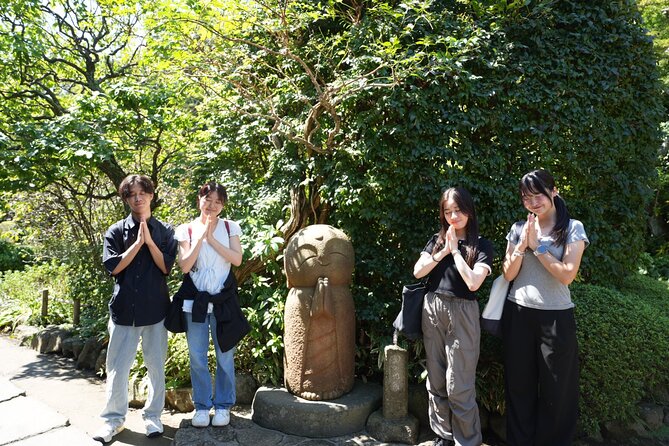
This is a private tour/activity, meaning only your group participates. In practice, that matters because you can go at a comfortable speed instead of being squeezed into a big bus herd.
The cap of 8 guests is also great for photos and for understanding what you’re looking at. When you’re standing under a massive Buddha statue or walking through a bamboo grove, it helps to know what details to notice and why they matter.
Getting From Tokyo: What’s Included (And What Isn’t)
If you pick the Tokyo Station departure option, the transportation fee to Kamakura is included. The tour ends at Kamakura Station, and the included ride doesn’t automatically cover your return to Tokyo—so you’ll want to decide ahead of time whether you’ll stay in Kamakura or go back with the guide.
Meeting point is at Kamakura Station (1-chōme-1-15 Onarimachi, Kamakura, Kanagawa). If you prefer to travel independently and just meet there, you can do that too, since the tour is built around the station.
Quick practical note: since food isn’t included, a short plan for breakfast/snacks is smart if you’re starting early. You don’t want to trade temple time for hunting convenience stores.
Hasedera Temple: Ocean Views and the 11-Headed Kannon
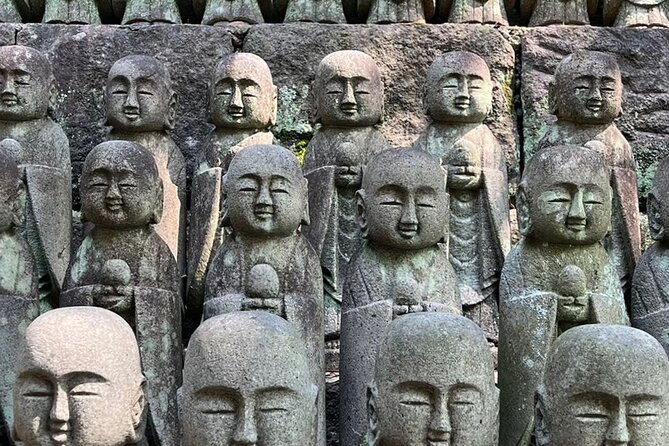
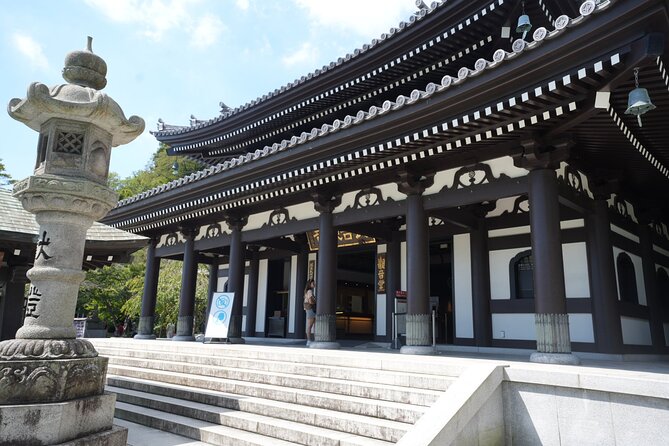
Hasedera Temple sits on a hillside, and the setting is a big part of the experience. You get expansive views of the coastline while you’re exploring, and that alone makes the stop feel special even if you’re not a hardcore temple person.
The headline detail is the 11-headed statue of Kannon, the goddess of mercy. It’s the kind of object that feels more meaningful when you understand the theme: multiple heads symbolizing compassion looking in many directions. Expect a calmer atmosphere here—this is less about speed and more about taking in the viewpoint and the mood.
What to watch out for: Hasedera is a hillside walk, so wear shoes you can trust. The tour lists moderate fitness level, so you’ll likely be doing some stairs and uneven footing along the way.
Kotoku-in Great Buddha: Why This One Stops People Cold
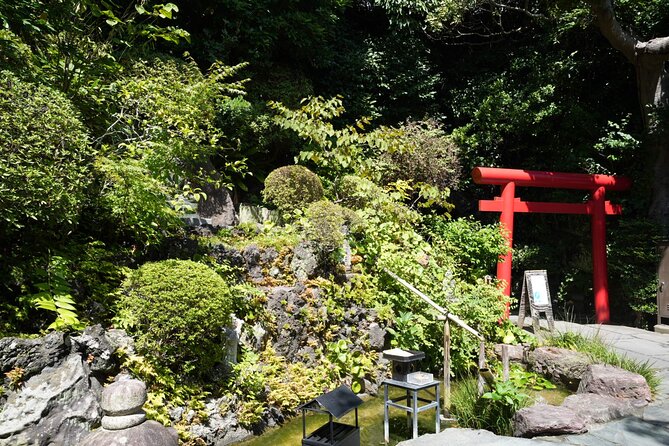
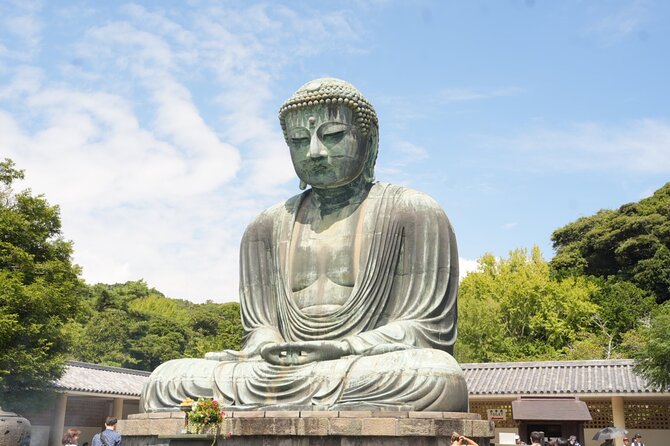
Then you move to Kōtoku-in, best known for the Great Buddha of Kamakura (Daibutsu). The statue is a bronze giant over 11 meters tall, and it dates back to the 13th century. That scale hits you quickly. Even if you’ve seen famous Buddhas before, this one has a “how is this even real” effect.
This stop works because it’s a true anchor. You come from a scenic temple viewpoint and land in a place where the whole experience revolves around one monumental figure. The surrounding calm makes it easy to slow down, look up, and take a few minutes without feeling rushed.
Possible drawback: since admission tickets aren’t included, you may need to pay separately at the site. If you want to avoid delays, have your payment ready before you reach the entry point.
You can also read our reviews of more tours and experiences in Tokyo




Hōkokuji (Bamboo Temple): Quiet Shade and Zen Atmosphere
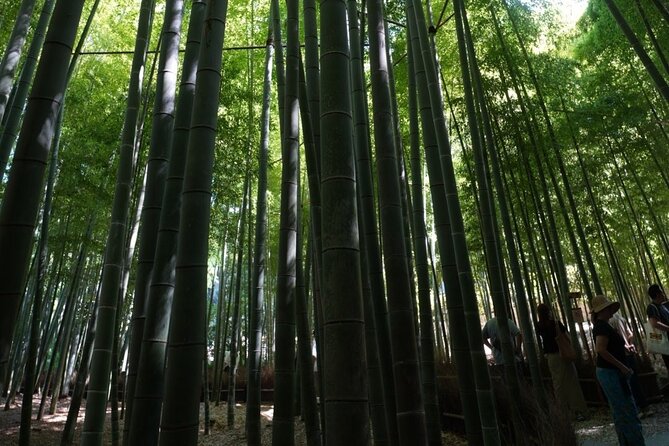
Hōkoku-ji is often called the Bamboo Temple, and for good reason. The bamboo grove creates a roof-like effect as the stalks rise around you, and it makes the air feel cooler and quieter than the streets nearby.
This is the most “slow down and breathe” stop of the day. If you like places where sound changes—where footsteps feel softer and the scenery becomes repetitive in a soothing way—this is the moment you’ll remember later. It’s a good counterbalance after the Great Buddha’s overwhelming scale.
What to watch for: bamboo groves can be damp and slippery if it’s been raining. If you’re visiting in mild weather after rain, good grip on your soles will matter.
Tsurugaoka Hachimangū: Samurai-Era Roots in a Shinto Setting
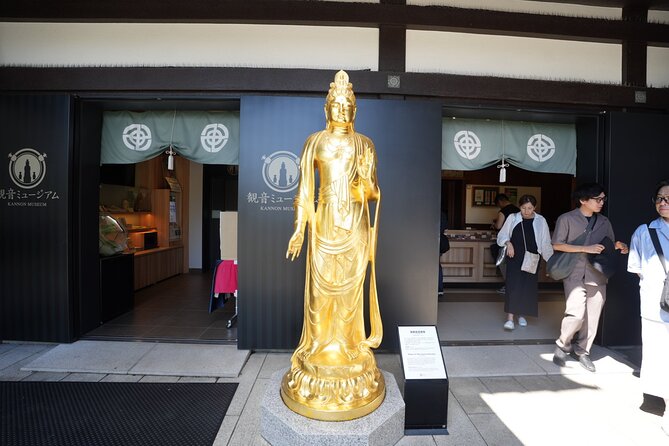
Finally, the tour heads to Tsurugaoka Hachimangū, Kamakura’s most important Shinto shrine. This isn’t just about a pretty site—it’s tied to the city’s samurai heritage, specifically Minamoto no Yoritomo, the first shogun, who is connected to the shrine’s founding.
What makes this stop feel complete is how it fits the broader Kamakura story. You’ve seen Buddhist temples (and a Buddha) and then shift into Shinto tradition with historical links to leadership and warrior culture.
Practical note: again, admission tickets aren’t included. Also, shrines tend to involve areas where you’ll want to follow signage and guide directions, especially around pathways and worship areas.
The Price ($54.87) and Whether It’s Good Value
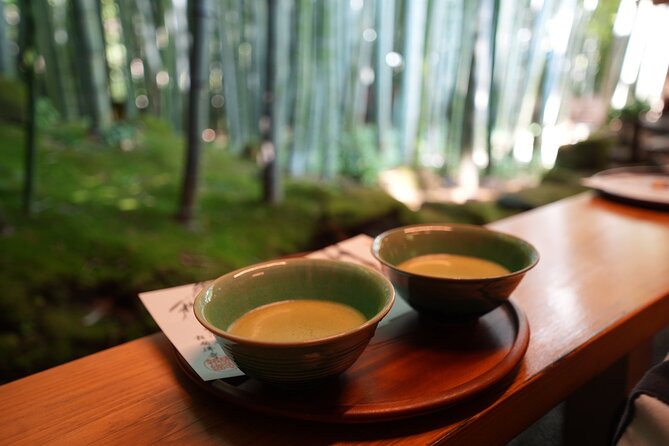
At $54.87 per person, this tour sits in a reasonable range for a private small-group day out. The key value isn’t just the price—it’s what you’re getting for it.
Here’s where the cost makes sense:
- You’re paying for an English-speaking guide who can explain what you’re seeing and keep the pacing smooth.
- The itinerary covers multiple top sights without you having to stitch together transit, timing, and walking routes.
- If you choose the Tokyo Station departure option, the transportation fee to Kamakura is included.
What’s not included is the stuff that can secretly add up: admission tickets and food. Since those costs vary by site and meal choices, your real “all-in” budget depends on how much you eat and what you pay for entries.
If you’re traveling with one or two people and splitting a private-style guide cost, it usually feels more attractive than joining a larger group. If you’re solo, it’s still a fair deal given the guide + multiple major stops in a single run.
Pacing, Timing, and How to Prepare
The tour is about 6 hours, and the structure is built so you don’t spend your whole day in transit or scanning maps. Each stop runs about an hour, which is long enough to see key features and take photos, but short enough to keep momentum.
Since food and drinks aren’t included, plan for at least one snack break on your own. If you’re starting from Tokyo, consider bringing something small so you don’t end up paying for convenience-store pricing during the most important walking parts of the day.
Also note: confirmation is received at booking time, and the experience uses a mobile ticket. That’s helpful if you like less fuss on the day itself.
Who This Tour Is Best For
This tour is a strong fit if you want Kamakura highlights without planning every detail yourself. It’s especially good for:
- couples or small friend groups who prefer max 8 group size,
- anyone who likes guided context (what to look for in statues, temple themes, and shrine significance),
- first-timers to Kamakura who want an efficient route.
It might be less ideal if you’re the kind of traveler who wants to wander totally independently for hours in one area. The tour is designed as a focused loop, not an open-ended day.
And because there’s hillside walking and temple-shrine terrain, you’ll be happiest if you have a moderate fitness level and comfortable shoes.
Should You Book This Private Kamakura Early Morning Tour?
I’d recommend booking if you want an easy, guided path through Kamakura’s biggest sights, with a small-group feel and a morning start that keeps the day calmer. The mix of Hasedera’s ocean viewpoint, the Great Buddha’s monumental presence, the bamboo quiet at Hōkokuji, and the samurai-connected Tsurugaoka Hachimangū gives you a well-rounded taste of the city in one outing.
I’d skip or rethink it if you hate paying separate admission fees or you prefer a full day of unscheduled wandering. Since food isn’t included and the tour ends in Kamakura, make sure you’re comfortable planning meals and your return (or staying in Kamakura) before you go.
FAQ
How long is the Private Kamakura Early Morning Tour?
The tour is approximately 6 hours.
What’s included in the price?
You get an English-speaking guide and the transportation fee from Tokyo to Kamakura is included if you choose the Tokyo Station departure option. A mobile ticket is also used.
Are temple and shrine admission tickets included?
No. Admission tickets are not included for the stops.
Is food and drinks included?
No. Food and drinks aren’t included.
Where do we meet and where does the tour end?
The start and end point are at Kamakura Station (1-chōme-1-15 Onarimachi, Kamakura, Kanagawa 248-0012, Japan).
After the tour ends, can I go back to Tokyo?
Yes. You’ll be able to choose whether you want to stay in Kamakura or go back to Tokyo with the guide.