REVIEW · TOKYO
Tokyo Ryogoku Sumo Morning Practice + Photo Shoot with Wrestlers
Book on Viator →Operated by MagicalTrip Inc. · Bookable on Viator
Sumo wakes Tokyo early. This tour takes you into a real sumo stable for morning practice you can’t fake, and it includes the tour photos so you leave with more than just blurry memories. I also like the way guides such as Mayu and Masao often explain what you’re seeing, from the training flow to the meaning of rank and routine.
The one catch: the stable sets the rules. You’ll usually sit on tatami-floor seating, some areas are off-limits, and photo permissions can change day to day, so plan for a quiet, hands-on morning instead of a talk-heavy show.
In This Review
- Key things I’d circle before you go
- Ryogoku meet-up: start here, not at the wrong station
- Entering the sumo stable: what “real practice” means
- The guide’s job: making the rituals make sense
- Photo shoot reality: what’s included vs what’s allowed
- Ryogoku Kokugikan stop: quick context in sumo town
- Price and value: $98.16 for a morning you can’t DIY
- Timing, seating, and rules: how to avoid the common annoyances
- Who this tour is best for (and who might want to skip it)
- The cancellation factor: why your morning can shift
- Should you book this sumo morning practice?
- FAQ
- What time does the tour start?
- Where do I meet the guide?
- How long does the experience last?
- Is the sumo morning practice ticket included?
- Is there an age limit?
- Can I take photos during practice?
- What happens if the stable cancels the practice?
Key things I’d circle before you go
- Small group size (max 7) helps you get guidance without feeling rushed.
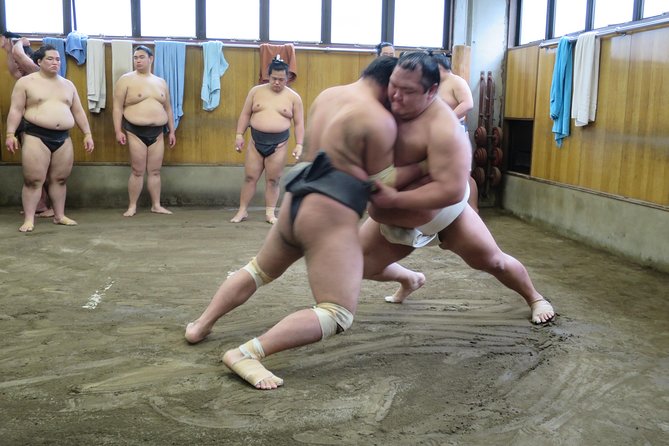
- Unstaged training access: this is practice, not a staged performance for tourists.
- Tour photos included, but what you can take yourself depends on stable rules.
- Ryogoku is the right base: you’ll see sumo-town context around the Kokugikan area.
- Long floor time is real: no chairs in most stables, and you may have to sit quietly.
Ryogoku meet-up: start here, not at the wrong station
Your day starts at 8:00 am at Re.Ra.Ku Ryōgoku Ekimae, at the JR両国駅 East Exit side (there are multiple Ryogoku stations, so this matters). When you arrive, look for your guide holding a red/orange MagicalTrip board. If you accidentally go to Ryogoku Oedo Line Station, you’ll be in the wrong place.
From the meeting point, you’ll walk to the stable. That walk can be anywhere from 5 minutes to as long as 30 minutes, depending on which stable is available that day.
Practical note: build in buffer time. The tour requires on-time arrival, and if you’re late by more than 15 minutes, you won’t join, even if you’re close.
You can also read our reviews of more tours and experiences in Tokyo
Entering the sumo stable: what “real practice” means
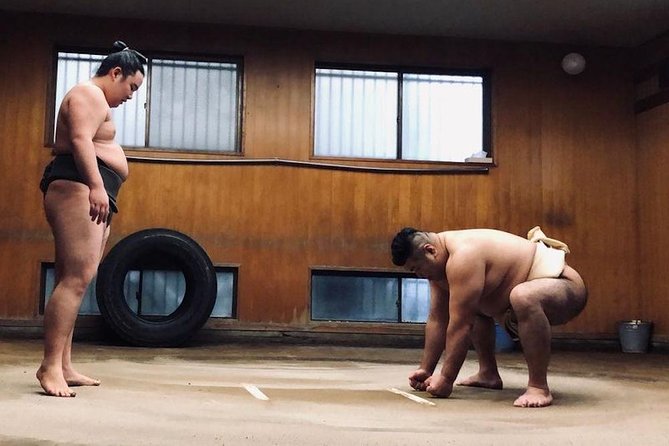
Once you reach the stable, you enter together with your guide and watch the morning training. The core experience is about 1 hour 30 minutes of practice time, and the overall tour is about 2 hours total, though it can run longer if the session goes past schedule.
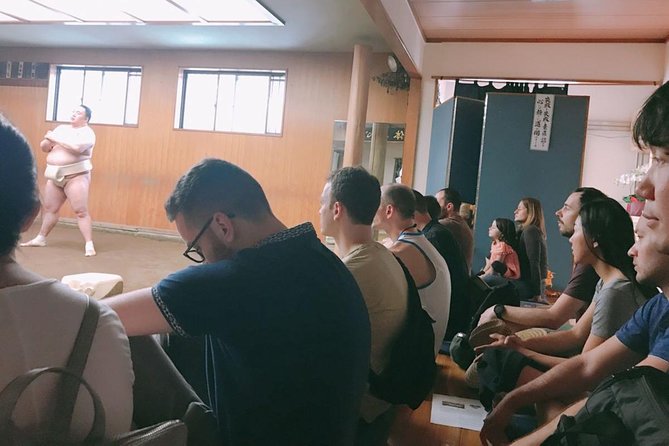
Here’s what makes this different from most sightseeing: the wrestlers are training with full focus. That means you should expect rules around quiet behavior and where you can go. All areas are off-limits except the tatami (straw flooring) areas.
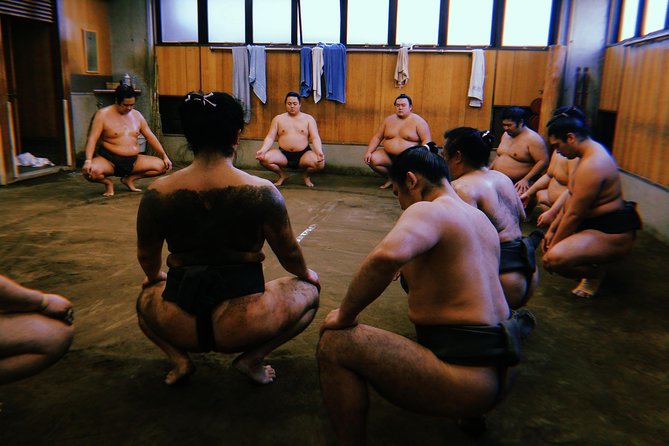
Also plan for the body reality of the setting. Most stables don’t offer chairs, so you’ll sit on the floor for a long stretch. One reason this works so well for many people is that you can actually observe the details in the wrestlers’ work: the rhythm, the discipline, and how serious the training is.
The guide’s job: making the rituals make sense
A lot of the value comes from the guide’s explanations before and during the practice. In strong sessions, guides break down things you’d miss if you just watched silently: how sumo routines work, what to notice in the warm-ups, and how hierarchy affects daily training culture.
I’ve seen different outcomes in the way this part lands. Some people wanted deeper background and wished for more structure or a simple explanation sheet. Others came out saying the guide was fantastic and added real context, sometimes even taking notes to help you follow what was happening.
So here’s my advice: go in ready to ask questions. Even if you don’t get a full lecture, a good guide can point you toward what to watch, and you’ll get far more from the same practice.
Photo shoot reality: what’s included vs what’s allowed
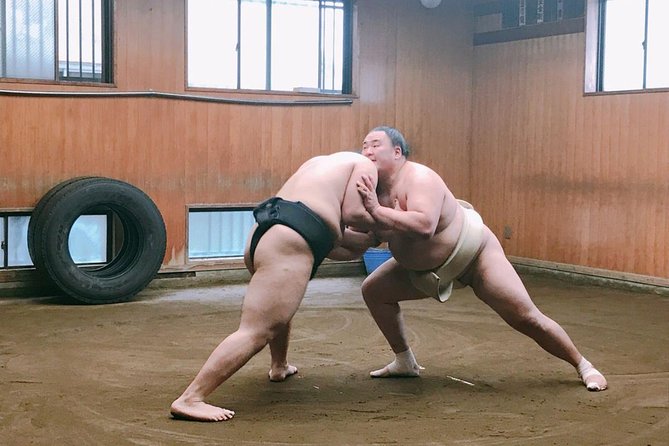
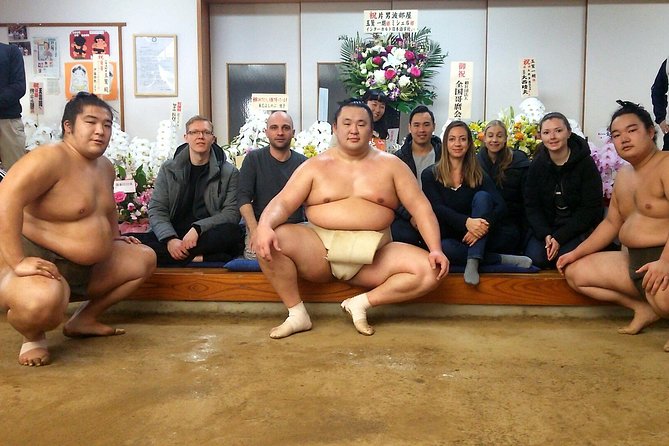
This tour includes tour photos, which is a big deal when you’re stuck in a no-chair, rules-based environment. But your ability to take photos yourself is up to the stable. Photo permission can be limited, and at times it may be restricted during the practice, with more allowance after.
On the better days, you may also get opportunities for photos with the wrestlers once practice ends, but again, that depends on stable rules and what they allow that morning.
Bottom line: treat the included tour photos as your reliable souvenir, and treat your own camera as a bonus only if permission is granted.
Ryogoku Kokugikan stop: quick context in sumo town
After the practice, you’ll walk back toward Ryogoku Station. Before that, you’ll spend about 10 minutes exploring Ryogoku with your local guide, including a stop at Ryogoku Kokugikan (admission is listed as free for that part).
This short segment is best for grounding the morning you just witnessed. Even if it’s not a long museum-style visit, it helps you connect the stable routine to the bigger sumo world—where tournaments, public attention, and the culture of sumo all meet.
It’s also a nice reset before you head back to the station. Expect it to be brief, not a replacement for a deeper sumo-themed outing.




Price and value: $98.16 for a morning you can’t DIY
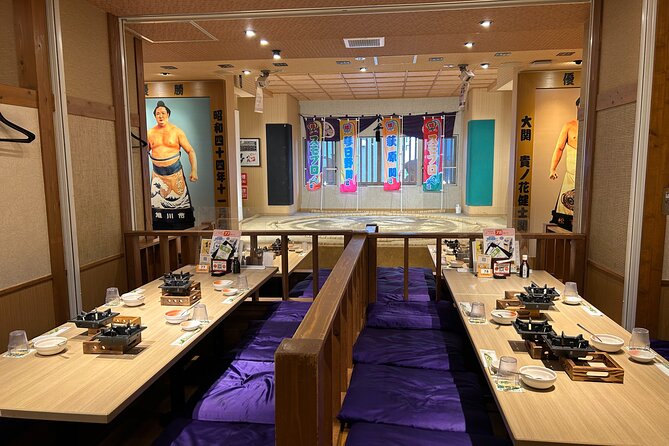
At $98.16 per person, this isn’t a cheap add-on. The value comes from three things that are hard to recreate on your own:
- Access to an active stable practice where you’re not just looking from far away.
- A guide to translate what you’re seeing, especially in the first part of the session.
- Tour photos included, which saves you from relying on luck with your phone while you’re following stable rules.
You also pay for time. This tour is built around the fact that sumo training happens early and can change based on tournament schedules and wrestler condition. That’s why the stable may adjust on short notice.
There is a possible drawback worth calling out: sometimes the practice schedule means you might join partway through. That can make you feel like you’re paying for something that already started, even though the tour’s goal is to get you into the best accessible window that morning.
Timing, seating, and rules: how to avoid the common annoyances
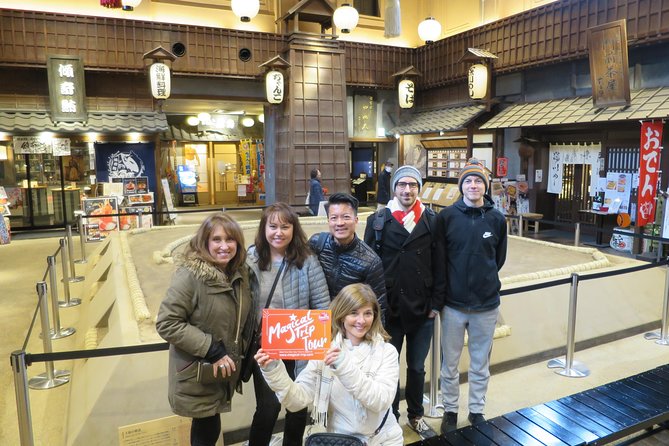
This is a morning experience, and the logistics are part of the deal. A few details can make or break your comfort:
- Toilet timing: you may not be allowed to go during practice, so use the restroom before you start.
- Start on time: late arrivals beyond 15 minutes can mean no entry, no refund.
- Seating: plan to sit on the floor. Bring a pad if you’re the type who gets uncomfortable easily.
- Off-limits areas: follow the boundaries. Only tatami areas are accessible.
- Stable control: the stable can reject guests who don’t follow rules, and they decide what photos are permitted.
One more seasonal note: Japan summers can be hot and humid. Bring water and wear a hat to reduce the odds of feeling wrecked before you even enter the stable.
Who this tour is best for (and who might want to skip it)
This works great if you:
- Love sports and want to see training, not just performance.
- Like cultural experiences where you’re respectful and quiet because that’s part of the meaning.
- Are comfortable with a small group and a schedule that depends on real-life practice conditions.
You may want to skip it if you:
- Want a lot of nonstop explanation and history talk. Some sessions seem more structured than others.
- Need comfortable seating or step-by-step itinerary changes you can control.
- Are very focused on taking your own photos. Permissions can vary, and your included photos are the safer bet.
If you’re a sumo fan already, this is exactly the kind of training window that makes you appreciate the effort behind the rituals.
The cancellation factor: why your morning can shift
The stable can change its schedule at the last minute based on tournament demands or wrestlers’ condition. In that situation, the practice may be canceled, and you should expect a full refund.
The tour also lists a weather dependency. If it’s canceled due to poor weather, you’ll either be offered another date or a full refund.
This isn’t something to fear, but it’s something to plan around. If your trip schedule is tight, build flexibility into your day.
Should you book this sumo morning practice?
I think you should book it if you want a close-up, real-training look at sumo and you’re okay with the tradeoffs: floor seating, quiet rules, and photo permissions that aren’t guaranteed. The best version of this tour gives you what you came for—serious practice up close—plus guide explanations that make the routines click, and tour photos you don’t have to chase.
Don’t book it if you’re mainly after a long, lecture-style cultural program, or if your priority is taking your own photos from start to finish. For those needs, you’d likely end up frustrated by the stable’s control of access and behavior.
If you choose to go, arrive early, bring water, expect tatami seating, and treat the included tour photos as the main souvenir. Do that, and this becomes one of those mornings you’ll remember for the way sumo training feels when you’re actually watching it.
FAQ
What time does the tour start?
It starts at 8:00 am.
Where do I meet the guide?
Meet at Re.Ra.Ku Ryōgoku Ekimae (JR両国駅 East Exit side), at the address listed for the tour, and look for the guide holding a red/orange MagicalTrip board.
How long does the experience last?
The sumo practice is about 1 hour 30 minutes, and the full tour is about 2 hours total (approx.).
Is the sumo morning practice ticket included?
Yes. Admission for the sumo morning practice is included, and you do not need to pay an entrance fee for the practice.
Is there an age limit?
Yes. The tour is for those over 12 years old. Children under 12 are not allowed inside the sumo morning practice.
Can I take photos during practice?
It depends on the sumo stable’s rules. The stable decides whether audiences can take photos of the wrestlers and/or with the wrestlers, so you might not be allowed to photograph during all parts.
What happens if the stable cancels the practice?
If the stable cancels or makes sudden changes that affect the practice, your booking can be canceled and you’ll receive a full refund shortly.