REVIEW · TOKYO
Mount Fuji 5th Station, Arakurayama, Oshino Hakkai and Hot Spring
Book on Viator →Operated by Scenic Bend · Bookable on Viator
Fuji in one day is a tall order, but this route keeps it practical. I like that you’re carried from Tokyo with a licensed guide and included transport, so you’re not piecing together buses. I also like the pairing of Mount Fuji views with Oshino Hakkai’s springs. The main drawback to consider is that this is a fixed carpool schedule, so stop times are set and you can’t wander on your own pace.
Here’s the deal: you’ll visit Mount Fuji’s area first (either the 5th Station or Arakurayama Sengen Park depending on the season), then head to Oshino Hakkai for the clear-spring ponds. After that, you choose between shopping at Gotemba Premium Outlets or soaking at Kinohana no Yu hot springs, with the bathing fee paid by you.
If you’re going on a cloudy or rainy day, Mount Fuji may be harder to see. Also, if you strongly care about getting more time at one specific stop, pay attention to the season-based itinerary switch and the tight timing blocks.
In This Review
- Key things to know before you go
- Mount Fuji 5th Station vs Arakurayama Sengen Park: what changes by season
- Oshino Hakkai’s springs: eight ponds with big day-trip payoff
- Gotemba Premium Outlets or Kinohana no Yu: pick the mood, not the brag
- A 10-hour Fuji day from Tokyo: logistics that affect your enjoyment
- Price and value: what $68.74 really covers
- Who should book (and who should skip)
- Should you book this Mount Fuji day trip?
- FAQ
- FAQ
- What is the total duration of the tour?
- Where does the tour start and end?
- Do I get picked up from Tokyo, and when?
- Which first stop do I visit: Mt. Fuji 5th Station or Arakurayama Sengen Park?
- How long do I spend at Oshino Hakkai?
- Are attraction tickets included?
- What about hot spring costs at Kinohana no Yu?
- Is luggage allowed on the tour?
- How big is the group?
Key things to know before you go
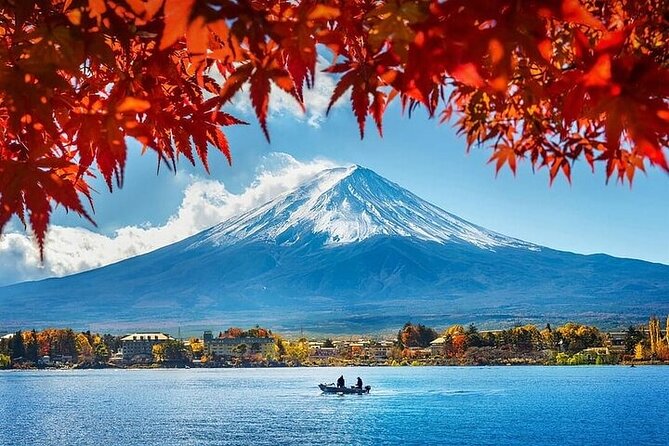
- Season decides the first stop: April 26 to Nov 30 goes to Mt. Fuji 5th Station; Dec 1 to Apr 25 goes to Arakurayama Sengen Park.
- Your time is scheduled: the tour is designed for carpooling, so you follow the driver’s stay times.
- Oshino Hakkai is short and sweet: expect about an hour at the springs.
- Onsen vs outlets is a real choice: Kinohana no Yu bathing isn’t included, while Gotemba Outlets is an option with set time.
- Free entry at key sights: the tour lists admission as free for the stops included on the plan.
- Group size stays small: maximum 15 travelers, which usually means less chaos on timing.
Mount Fuji 5th Station vs Arakurayama Sengen Park: what changes by season
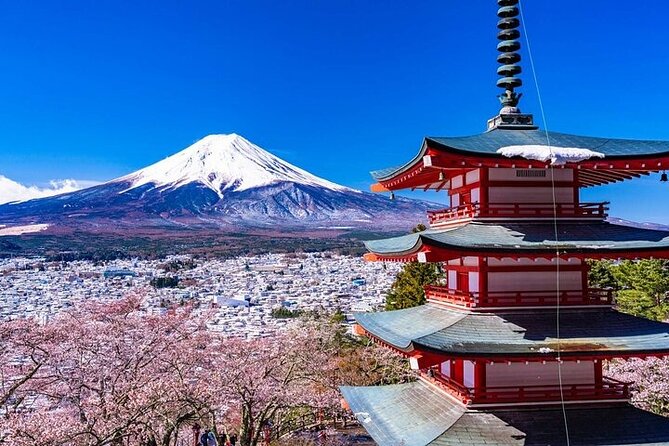
This tour runs a clever seasonal swap at the very first stop. From April 26 to Nov 30, you go to Mount Fuji 5th Station instead of Arakurayama Sengen Park. From Dec 1 to Apr 25, the plan goes to Arakurayama Sengen Park and not the 5th Station.
Why you should care: the two places give you different kinds of Fuji. The 5th Station is about getting higher and closer to the mountain’s slopes and the area above the tree line, when visibility cooperates. Arakurayama Sengen Park is more about viewpoint scenery and the famous temple-to-Fuji framing you get from that hillside area.
Time matters here. The schedule shows about 40 minutes for the 5th Station option, or about 90 minutes for Arakurayama. So if you’re hoping for a longer look-and-walk moment in the views zone, the season you travel in can make a big difference.
One more reality check: clouds and rain can shrink what you see. Fuji is famous, but you’re still at the mercy of weather. I’d check the forecast the morning of your trip and plan for the possibility that you’ll get atmosphere and shape rather than a sharp view.
You can also read our reviews of more tours and experiences in Tokyo
Oshino Hakkai’s springs: eight ponds with big day-trip payoff
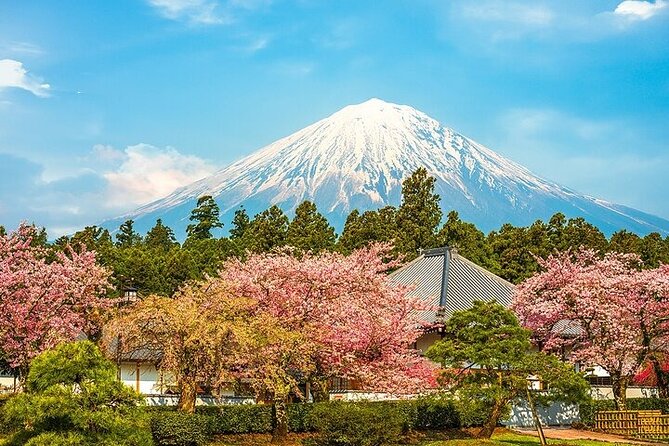
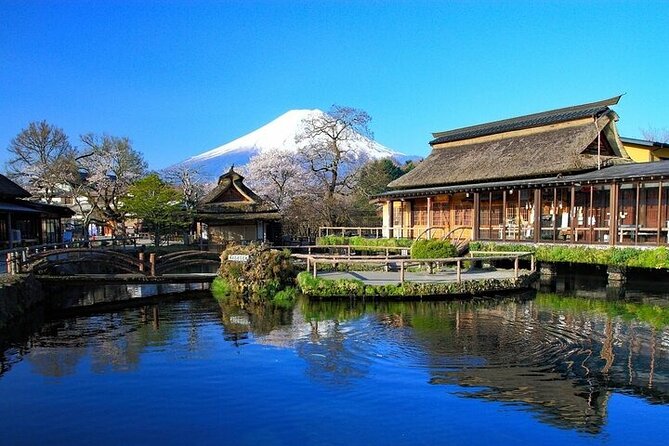
After Fuji’s viewpoint stop, the tour heads to Oshino Hakkai, a national monument area known for eight clear springs fed by snowmelt from Mount Fuji. You’ll have about one hour here, and the entry is listed as free.
What makes Oshino Hakkai worth the stop isn’t just that it’s pretty. It’s that you’re seeing a very Fuji-specific water story. The ponds stay clear and calm, and you can walk between them at an easy pace. It’s not a hike; it’s a strolling-photo-walking kind of experience.
For many first-time visitors, this is the moment that feels most uniquely tied to the mountain itself. Mount Fuji is the drama up top, but Oshino Hakkai is where the mountain shows up as living water.
Practical tip: wear shoes you’re comfortable walking in on uneven ground and keep your pace steady. One hour sounds short, but if you focus on a few ponds and viewpoints rather than trying to photograph everything from every angle, you’ll feel satisfied.
Gotemba Premium Outlets or Kinohana no Yu: pick the mood, not the brag
The last major decision point is Gotemba Premium Outlets versus a hot spring soak at Kinohana no Yu. The plan gives you a time block of about two hours either way, but the experience you get is totally different.
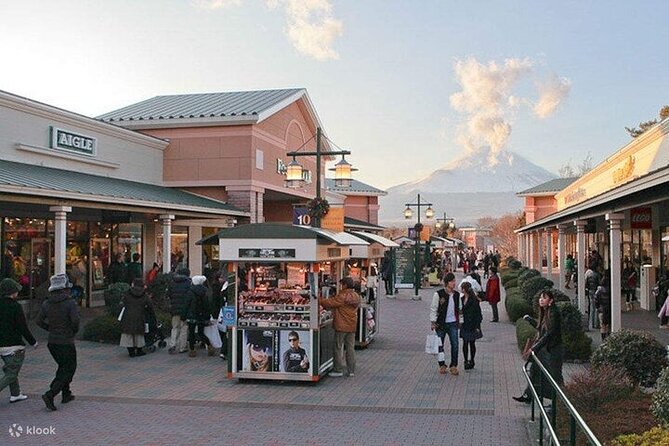
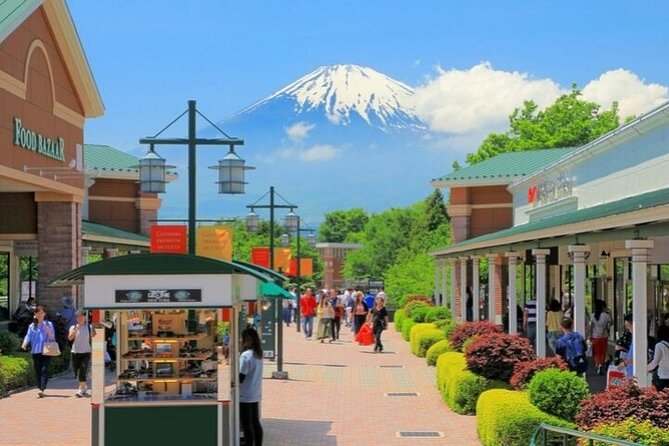
If you choose Gotemba Premium Outlets, you’re essentially using the route’s end portion for shopping time. This is a good option if you like browsing and you’d rather control your own shopping pace while the group is free to stay near the bus meeting area.
If you choose Kinohana no Yu, you’re trading stores for recovery time. The tour materials mention views of Mount Fuji from the hot spring, which is the kind of payoff that can turn a long day into a pleasant one. The key catch is cost: the bathing fee is not included, and it’s listed as 1,600 yen on weekdays and 1,900 yen on weekends and holidays.
Also, remember that you’re in a timed day trip. This style of tour works best when you treat the onsen or outlets as a “set-piece” experience. You shouldn’t plan on staying way longer than the group schedule allows.
A 10-hour Fuji day from Tokyo: logistics that affect your enjoyment
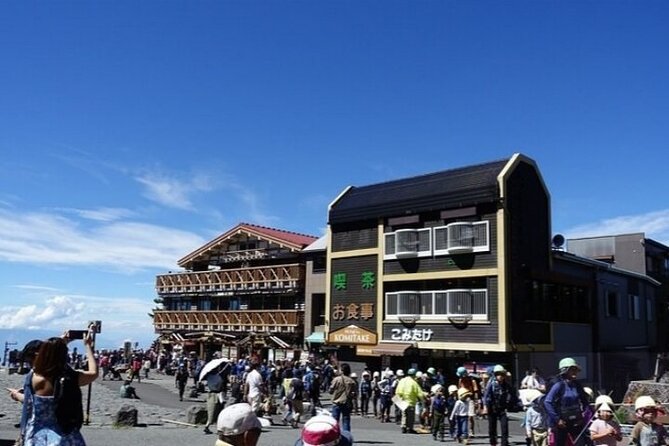
This is a day trip with an approximate 10-hour duration, and the tour starts back at the same meeting point in Tokyo. The meeting point is JR Tokyo Station (1-chōme-9 Marunouchi, Chiyoda City), and the pickup option is offered at 8:00 am or 8:30 am from major locations.
That timing detail matters because you’re starting early enough that you’ll feel the day quickly. You’re not just traveling; you’re also dealing with the real stuff that slows plans down—traffic, weather, and crowds.
The tour notes that traffic jams can happen on weekends and red days, and they warn that arrival times can shift due to weather and crowd levels. That’s normal for Fuji-area routes, but it’s good to mentally accept it so you don’t get grumpy at the clock.
One more important “how the day works” detail: the itinerary is described as fixed for carpooling. That means you should follow the driver’s stay arrangements at each attraction. If you’re the type who needs flexibility—like you might want to add a stop or linger to chase better views—this format can feel limiting.
Finally, keep your trip light. The tour says it’s not recommended to carry luggage, and if you do, you must clearly note it when booking. The allowance is 1 luggage per person, and if you don’t note it (or it turns out you brought more than one), there’s an extra 100 yuan per piece charge.
Price and value: what $68.74 really covers
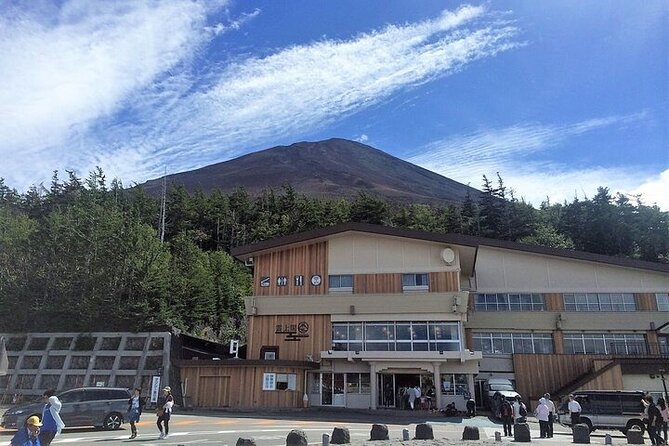
At $68.74 per person, you’re paying for a full-day Tokyo-to-Fuji routing with transport and a guide. The included items list vehicle service fees for the 10 hours (transportation and attraction visiting), fuel costs and tolls, a driver service fee, and an in-person licensed/certified guide.
You also get admission free for the main scheduled attraction stops listed on the tour plan. The notable exception is the hot spring bathing fee, which you pay yourself if you pick Kinohana no Yu.
So is it good value? For most people, yes—if you want a one-day “best hits” trip without the hassle of transfers and without building a schedule from scratch. The big question is how you’ll use the free time. If you’re happy with the set stop durations and you’re fine with a fixed itinerary, the cost feels justified. If you’re trying to maximize time in just one place, the format might feel tight for the money because your schedule is controlled.
Also, the tour caps at 15 travelers, and that can help keep the experience more orderly than huge bus day trips.




Who should book (and who should skip)
This tour is a good match if you’re taking your first Tokyo-to-Fuji day and you want the highlights without DIY stress. It fits especially well when you like a plan, you don’t need long hiking time, and you’re happy with a mix of viewpoints, short walks, and a clear-spring stop.
You might consider another style of tour if:
- You strongly care about maximizing time at a single location.
- You prefer full flexibility to adjust the route based on weather.
- You’re traveling during conditions that could hide Fuji (cloudy/rainy days), because the tour still follows the same rhythm.
The materials also advise moderate physical fitness and caution for elderly people, people with cardiovascular issues like hypertension or heart disease, and pregnant women to be accompanied by relatives. If any of that applies, I’d treat this as a planning checkpoint and ask your group leader or travel advisor what parts of the day might be most demanding.
Should you book this Mount Fuji day trip?
If you want a smooth, guided day that hits Mount Fuji’s viewpoint area, then Oshino Hakkai, and finishes with either shopping or hot springs, this is worth considering. The pricing makes sense because transport, a licensed guide, and key free-entry stops are baked in, and you only add cost if you choose the hot spring bathing.
My main decision filter is simple: which season are you traveling in, and do you understand what you’ll get at the first stop. The schedule is not the same year-round, and that affects how much time you spend at the 5th Station (about 40 minutes) versus Arakurayama Sengen Park (about 90 minutes). If you align your expectations with that, you’re much more likely to feel satisfied at the end of the day.
FAQ
FAQ
What is the total duration of the tour?
The tour runs for about 10 hours from pickup to returning back to the meeting point.
Where does the tour start and end?
It starts and ends at JR Tokyo Station (1-chōme-9 Marunouchi, Chiyoda City, Tokyo 100-0005).
Do I get picked up from Tokyo, and when?
Pickup is offered, with pickup time options listed as 8:00 am or 8:30 am.
Which first stop do I visit: Mt. Fuji 5th Station or Arakurayama Sengen Park?
It depends on the season. Apr 26 to Nov 30 goes to Mt. Fuji 5th Station. Dec 1 to Apr 25 goes to Arakurayama Sengen Park.
How long do I spend at Oshino Hakkai?
You’ll have about one hour at Oshino Hakkai, and admission is listed as free.
Are attraction tickets included?
For the scheduled stops listed on the plan, admission tickets are listed as free. Other local self-funded projects are not included.
What about hot spring costs at Kinohana no Yu?
The bathing fee is not included. It’s listed as 1,600 yen on weekdays and 1,900 yen on weekends and holidays.
Is luggage allowed on the tour?
It’s not recommended to bring luggage. If you do, you can bring 1 luggage per person, but you need to note it clearly when booking. The tour also mentions an extra 100 yuan per piece if you didn’t note it or if you bring more than one piece per guest.
How big is the group?
The tour has a maximum size of 15 travelers.