REVIEW · TOKYO
Tokyo: City Tour B
Book on GetYourGuide →Operated by NIPONEANDO · Bookable on GetYourGuide
Start with Tokyo’s calm, then flip to pop culture. This Spanish city tour strings together major neighborhoods with real local flavor, from Meiji Shrine to Shibuya’s famous crossing. I like how it’s built around contrasts you can feel in your legs and eyes, not just photos on a screen.
What I really like is the close, friendly guiding style and the practical tips so you keep enjoying Tokyo after the tour. You also get cultural immersion across neighborhoods that usually feel like separate trips.
One possible drawback: the schedule packs in a lot of stops in 8 hours. If you prefer slow wandering, you may find some segments feel short and move on before you’re fully ready.
In This Review
- Key Points to Know Before You Go
- Why This 8-Hour Spanish Route Works
- Meeting Point at the Harajuku Torii Arch: Easy Start
- Yoyogi Park and Meiji Shrine: The Day’s Quiet Reset
- Harajuku Takeshita Street: Trend-Making in a Short Window
- Akihabara by Train: Geek Pop Culture With a Real Break
- Ginza to Odaiba and Tokyo Bay Feel: Modern Luxury to Waterfront
- Shibuya City Finale: Scramble Crossing and Hachiko
- Guide Style, Cultural Immersion, and the Small Eco Touch
- Price and Logistics: What You’re Really Getting for $96
- Pacing Reality Check: When the Schedule Feels Ambitious
- Who This Tour Fits Best (and Who Should Skip It)
- Should You Book Tokyo: City Tour B?
- FAQ
- What language is the Tokyo tour in?
- How long is the tour?
- Where do I meet the group?
- Is hotel pickup included?
- Does the tour skip lines?
- How do we get between neighborhoods?
- What does the tour price include?
- What costs are not included in the price?
- Are luggage and large bags allowed?
- Is the tour wheelchair accessible?
Key Points to Know Before You Go
- Spanish only tour, so you’ll want basic comfort with Spanish conversation.
- Skip-the-line entry using a separate entrance helps you use more time sightseeing.
- Public transport day plan connects Yoyogi Park, Harajuku, Akihabara, Ginza, Odaiba, and Shibuya.
- Friendly, close guiding with recommendations to keep your Tokyo going.
- Eco-friendly approach is part of the experience design.
- Packed route in 8 hours means good walking shoes matter.
Why This 8-Hour Spanish Route Works
Tokyo can feel like a choose-your-own-adventure city. This tour basically gives you a guided “main line” through it, using neighborhoods that show different sides of Japan. You start in a calm sacred space, then go straight to trend streets, then to the tech and geek world, then to high-end Ginza, and finally to Shibuya’s big-screen energy.
I also like that it ends where many first-timers get their bearings: Shibuya Scramble Crossing. Finishing there helps you mentally stitch the day together and know where to head next.
The tone is family-friendly and approachable. One guide name that stood out from the experience team is Ismael, described as enthusiastic and a great facilitator. That matters because when a day is structured, the guide’s pacing and explanations decide whether you feel rushed or informed.
You can also read our reviews of more city tours in Tokyo



Meeting Point at the Harajuku Torii Arch: Easy Start
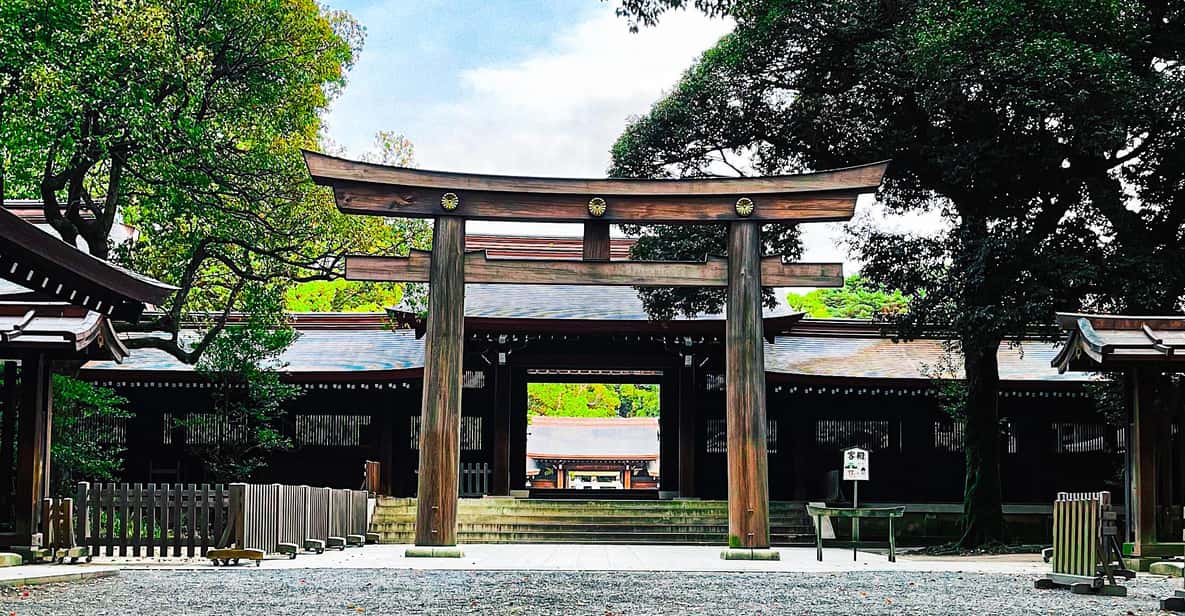
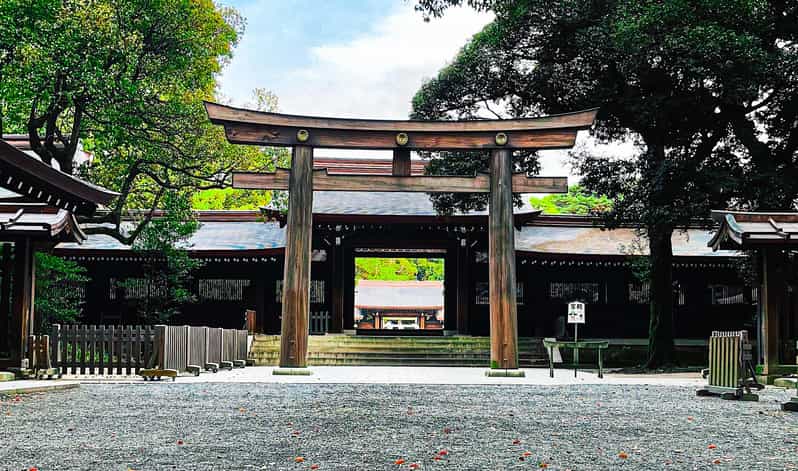
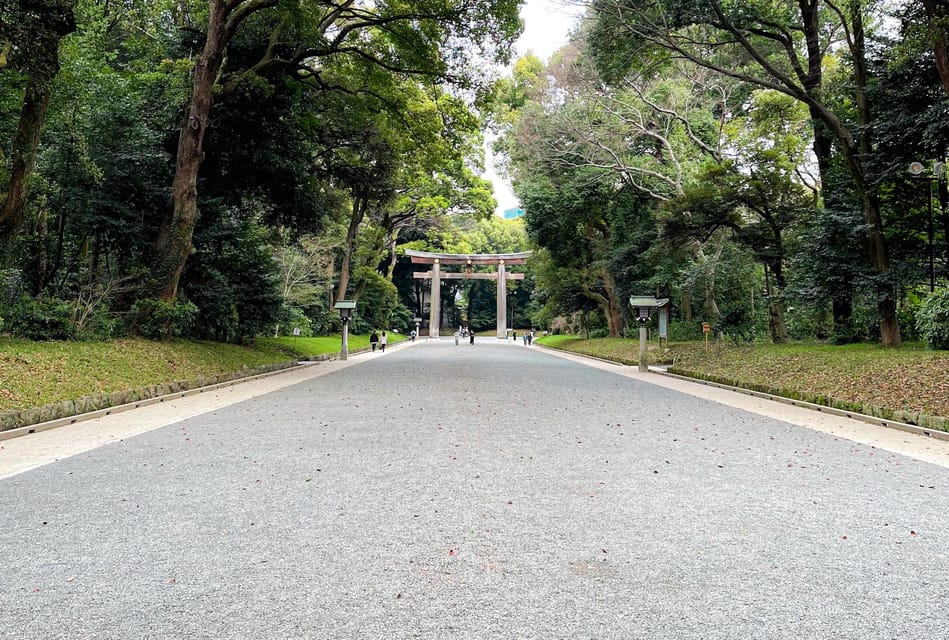
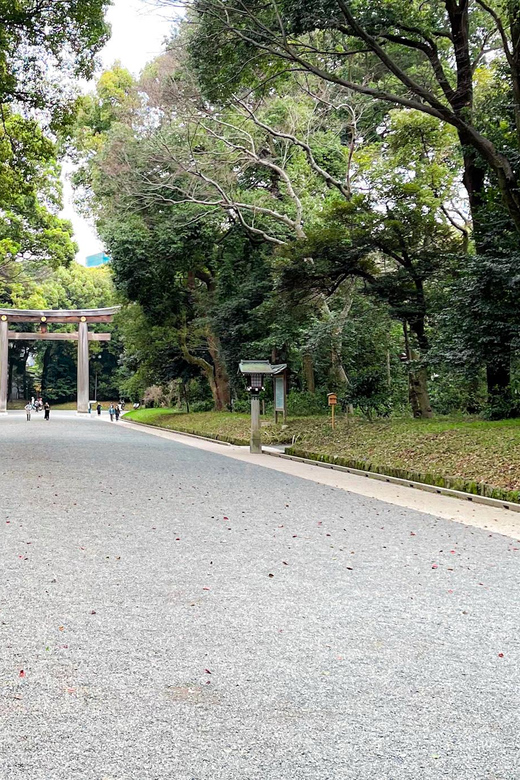
You meet at the entrance to Yoyogi Park, at the west side of Harajuku Station. The exact spot is in front of the large wooden torii gate/arch, with the guide waiting and showing a name tag that says NIPONEANDO.
Arrive about 5 minutes early. With a torii landmark and a clear guide sign, you’re unlikely to miss the group, but Tokyo station exits are still easy to overthink when you’re tired.
Two practical notes:
- There’s no big-bag policy. If you’ve got luggage or large bags, this won’t work.
- Unaccompanied minors are not allowed, so the tour is best for adults or accompanied kids.
Yoyogi Park and Meiji Shrine: The Day’s Quiet Reset
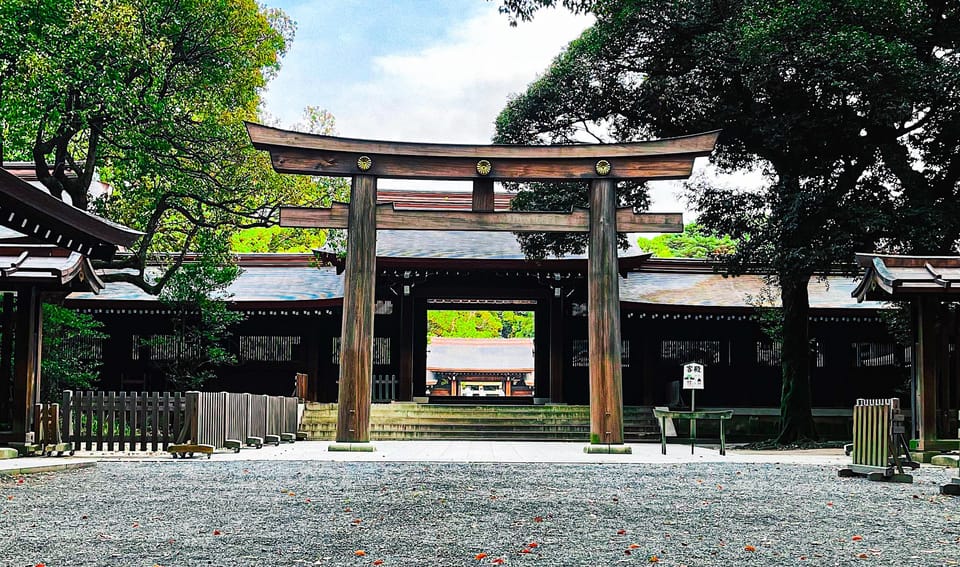
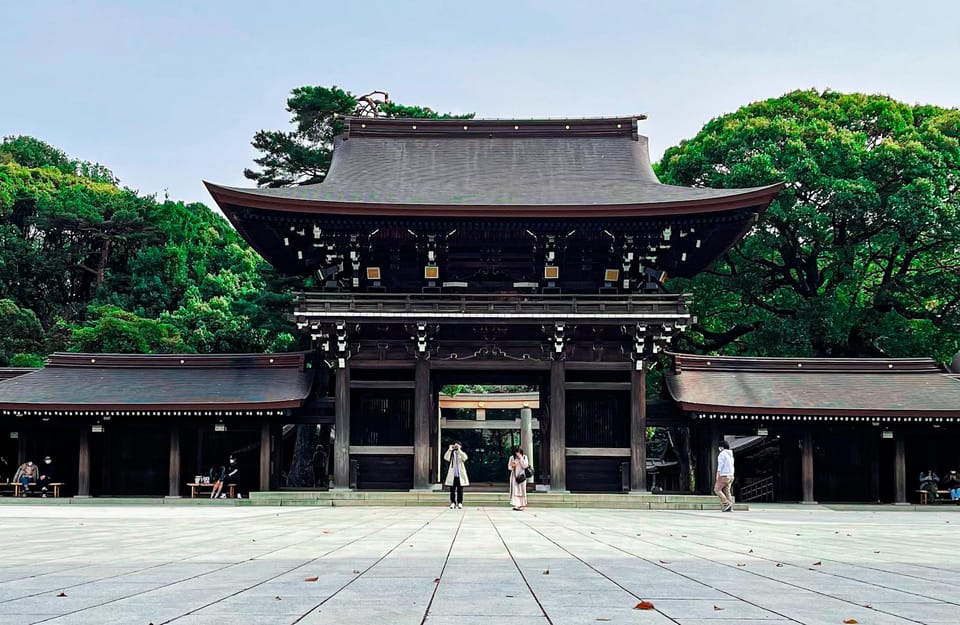
You begin in Yoyogi Park and then head into Meiji Shrine for a guided visit of about 1.5 hours. This is the “slow start” of the day on purpose. It gives you a breather before crowds, shopping streets, and neon-tech shopping corridors.
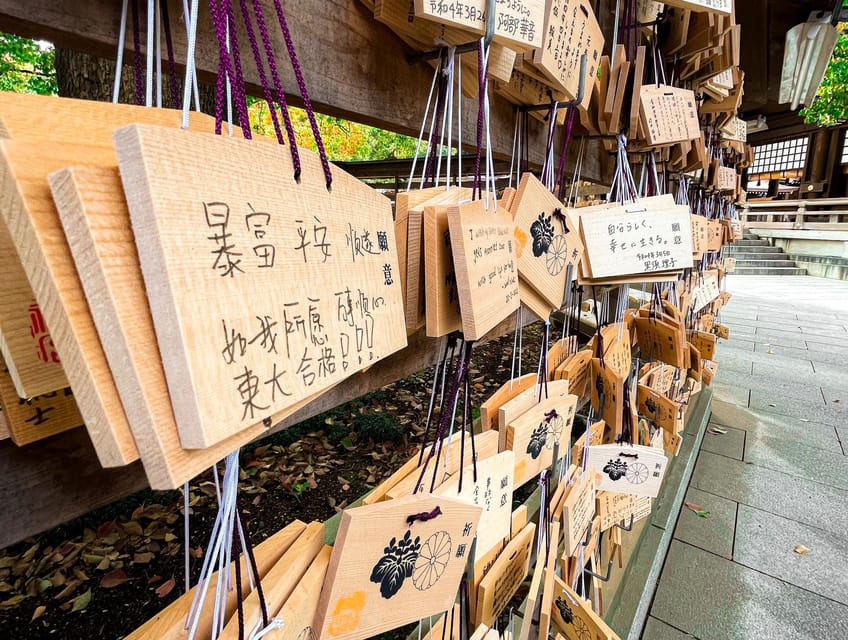
Meiji Shrine is dedicated to the emperor who ended Japanese feudalism. Even if you don’t read every sign line-by-line, a guided explanation here helps you understand why later parts of the day—Harajuku style, Akihabara pop culture, and modern Tokyo districts—feel so different from what you just saw.
The key value of this start: it helps you see Japan as layered. You’re not just ticking landmarks; you’re learning how modern neighborhoods sit next to older meanings.
Harajuku Takeshita Street: Trend-Making in a Short Window
Next comes Takeshita Street in Harajuku, with a guided visit of about 40 minutes. This is the birthplace of many trends and one of Tokyo’s most long-running fashion-focused neighborhoods.
Forty minutes sounds short—because it is. But that’s actually useful on a first day. You get an overview of what people wear, how style clusters, and what the vibe is, without getting stuck in the loop of nonstop window-gazing.
Here’s how to make it work for you:
- Walk with the group first, then use any extra moments to look at what you’re seeing rather than trying to buy everything.
- If you’re photo-happy, plan for moving shots rather than long pauses in the densest spots.
You’ll also transition quickly after this, so treat it like a quick orientation to Harajuku rather than a full shopping expedition.
Akihabara by Train: Geek Pop Culture With a Real Break
After Harajuku, you take the train (about 25 minutes) to Akihabara. The guided time here is longer—about 80 minutes—and that’s where the tour leans hard into “Tokyo is tech too.”
Akihabara is known as the geek pop culture district, and the point of visiting with a guide is context. You’ll likely get a better sense of what things are for—what people come here to find, what’s trendy now, and how the area’s identity works beyond stereotypes.
Then comes a major practical moment: lunch and break time. You get about 70 minutes during the day at Akihabara. This is the smart trade-off for a packed itinerary. You can refuel, recharge, and decide what you want to do in the rest of the day without feeling like every second is a sprint.
After that, there’s another train ride (about 10 minutes) before you move on to Ginza. So while Akihabara is a highlight, it also functions like a midday reset: culture, then food, then onward.





Ginza to Odaiba and Tokyo Bay Feel: Modern Luxury to Waterfront
Next is Ginza, the luxury district, with a guided visit of about 40 minutes. Even if you don’t shop luxury, this stop is valuable for atmosphere. Ginza gives you a different tone from the street-level shopping and fandom areas earlier in the day.
After Ginza, the tour continues toward Tokyo Bay and then out to Odaiba, where you get a guided visit of about 1 hour. Odaiba is where Tokyo starts to feel more open and modern, and it makes sense this comes after Ginza. You’ve already seen the polished shopping center vibe; now you’re seeing Tokyo’s waterfront side.
You should expect this segment to be more about views and city feel than about deep-ticket attractions (nothing is described as an indoor museum stop here). In other words: dress for walking, and bring your patience for transit timing, since this tour uses public transport throughout.
Shibuya City Finale: Scramble Crossing and Hachiko
The last leg is Shibuya City, with a short guided visit of about 20 minutes. The tour ends at Shibuya Scramble Crossing, and you’ll also connect to the area around the famous Hachiko dog statue.
This is a strong finish for first-timers because Shibuya is where Tokyo’s speed becomes visible. You get the iconic crossing, the energy of a central district, and you can immediately continue exploring on your own right after the tour ends.
Because the Shibuya guided time is brief, you’ll want to do one thing: keep your senses open during the tour so you know where you are when you step out at the finish point. Once you’re there, you’ll be able to plan your next move faster.
Guide Style, Cultural Immersion, and the Small Eco Touch
This tour is designed for cultural immersion and also emphasizes that it’s eco-friendly. The eco part isn’t described in technical detail here, but the presence of that promise usually means the operator tries to reduce waste and keep the experience responsible. On a public-transport day, that fits the overall structure.
More importantly, the guiding style is close and friendly. One highlighted detail from Spanish bookings: Ismael was described as very nice, enthusiastic, and a helpful facilitator. That kind of energy matters most in a route like this, because you’re bouncing between totally different neighborhoods.
A good guide also makes the “why” stick:
- Why Meiji Shrine is a meaningful opener.
- Why Harajuku style is more than costumes.
- Why Akihabara is a district with its own logic.
- Why Ginza feels like its own category of Tokyo.
- Why Shibuya is the perfect final punctuation mark.
And the tour includes tips and recommendations, which is exactly what I look for. A tour that ends with a list of follow-up ideas helps you turn the day into longer travel momentum.
Price and Logistics: What You’re Really Getting for $96
The price is $96 per person for an 8-hour Spanish tour. That’s not “cheap,” but it’s also not priced like a premium private driver day. What you’re paying for is the guided routing and the time-saving structure: multiple neighborhoods in one day, with guided stops and skip-the-line access via a separate entrance.
What’s not included:
- Transportation (¥1,160)
- Food and drink
This means you should plan to cover transit costs plus your own meals. The good news is the tour is built around public transport, so you’re not paying for private logistics. Still, budget that ¥1,160 and have a cash plan or a payment plan ready in Tokyo.
Included value you’ll feel during the day:
- Live guide in Spanish
- 8 hours of guided neighborhood hopping
- Hotel pickup only if you add the supplement or choose the private tour option
- Skip-the-line entry via a separate entrance
- Tips and recommendations to help you keep going after
One more practical note: luggage or large bags aren’t allowed. That can change how you plan your day in Tokyo, especially if you’re moving between hotel stays.
Pacing Reality Check: When the Schedule Feels Ambitious
From the experience feedback, one common caution is that the number of stops can be a bit ambitious. That’s not a deal-breaker, but it’s worth stating plainly.
Here’s what “packed” looks like in practice:
- You spend meaningful guided time at Meiji Shrine, Takeshita Street, and Akihabara.
- You also get shorter guided blocks in Ginza, Odaiba, and Shibuya.
- Transit happens between every major area.
If your style is slow travel, you might want to pick one or two neighborhoods to revisit after this tour. If your style is “see the range,” this works well. It’s basically a fast education in Tokyo variety.
Also, the tour is not suitable for hearing-impaired people. That suggests the Spanish explanations are a key part of the experience, and you’ll want to be comfortable following spoken guidance.
Who This Tour Fits Best (and Who Should Skip It)
This is a great fit if you:
- Want a first-time-friendly structure through multiple Tokyo districts
- Prefer learning with a live Spanish guide
- Like contrast—tradition, fashion street, tech pop culture, upscale city areas, and modern waterfront
- Appreciate recommendations you can use the same day
It may not be the best fit if you:
- Need a quiet, very slow pace
- Don’t feel comfortable with Spanish-only guiding
- Travel with luggage or large bags (this tour restricts them)
- Have accessibility needs beyond what’s described here (it is wheelchair accessible, but hearing-impaired suitability is specifically flagged as not appropriate)
Should You Book Tokyo: City Tour B?
I’d book this if you want one day to give you a clear mental map of Tokyo’s biggest personality differences. The route logic is strong: Meiji Shrine sets meaning, Harajuku shows style energy, Akihabara adds tech and fandom context, Ginza shifts to polished city life, Odaiba gives you modern space, then Shibuya closes with the iconic scene.
I’d pause if you hate tight timing or you want a deep, unhurried experience in just one neighborhood. Also, make sure your Spanish comfort is real, because the tour is entirely in Spanish and that shapes everything about how you’ll enjoy it.
If you want my simple decision rule: book it as a starter day. Then plan to return on your own to the place you like most.
FAQ
What language is the Tokyo tour in?
The tour guide leads the experience in Spanish.
How long is the tour?
The tour duration is 8 hours.
Where do I meet the group?
Meet in front of the large wooden torii gate/arch at the entrance to Yoyogi Park, at the West Exit of Harajuku Station. The guide will wait with a name tag showing NIPONEANDO.
Is hotel pickup included?
Hotel pickup is included only if you add the supplement or choose the Private Tour option. For the private tour option, pickup is by public transport (not included).
Does the tour skip lines?
Yes. The tour includes skip the line through a separate entrance.
How do we get between neighborhoods?
This tour is done using public transport.
What does the tour price include?
The price includes the Spanish tour, the full 8-hour experience, and hotel pickup if you select the supplement or private option.
What costs are not included in the price?
Transportation is not included (¥1,160). Food and drink are also not included.
Are luggage and large bags allowed?
No. Luggage or large bags are not allowed.
Is the tour wheelchair accessible?
Yes, it is wheelchair accessible.