REVIEW · TOKYO
Hands On Wagyu Sushi Making Experience
Book on Viator →Operated by Patia's Japanese Cooking Class · Bookable on Viator
Wagyu sushi sounds like a plot twist. This small-group Tokyo class is a hands-on way to learn classic sushi technique, but with premium Wagyu beef instead of the usual fish. You’ll make styles like nigiri, gunkan maki, and temaki, plus practice the plating so your finished pieces look as good as they taste.
I really like two things about this experience: the hassle-free setup (ingredients and equipment are provided), and the teaching style. In particular, English support is available, and the class vibe feels patient and step-by-step, with instructors such as Hiroko and Saori showing up in some sessions. The one drawback to consider is simple: there are no vegan or vegetarian options, so this is very much for meat lovers.
In This Review
- Key highlights to look for in the Hands-On Wagyu class
- Wagyu sushi in Tokyo: why this class works (and who it’s for)
- A 1.5-hour flow you can actually fit into your day
- Nigiri, gunkan maki, temaki: the sushi skills you’ll practice
- Plating lessons: making food look right, not just edible
- Instructors, language help, and the small-group advantage
- Price and value: is $104.51 worth it?
- Logistics: where it starts and how to plan your Tokyo afternoon
- Should you book this Wagyu sushi-making experience?
- FAQ
- How long is the Wagyu sushi-making experience?
- What time does the class start?
- Is lunch included?
- Do you provide ingredients and cooking equipment?
- How big is the class?
- Are there vegan or vegetarian options?
- Do they include hotel pickup and drop-off?
- Are photographs included?
- What happens if weather is bad or I cancel?
Key highlights to look for in the Hands-On Wagyu class
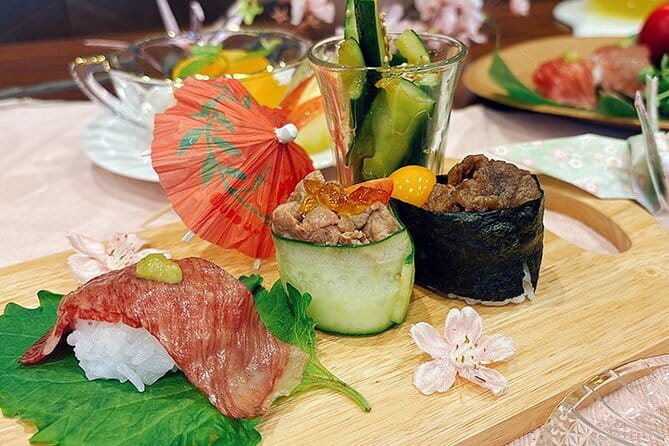
- Small group size (max 6): you get more attention while you’re shaping and plating
- Premium Wagyu beef focus: you learn sushi technique with a meat-first ingredient swap
- Make-and-eat format: lunch is included, and you eat what you build at the end
- Multiple sushi styles: nigiri, gunkan maki, and temaki in one session
- Photo support during the experience: later downloadable photographs are included
- Hassle-free supplies: ingredients and equipment are provided so you’re not hunting around Tokyo
Wagyu sushi in Tokyo: why this class works (and who it’s for)
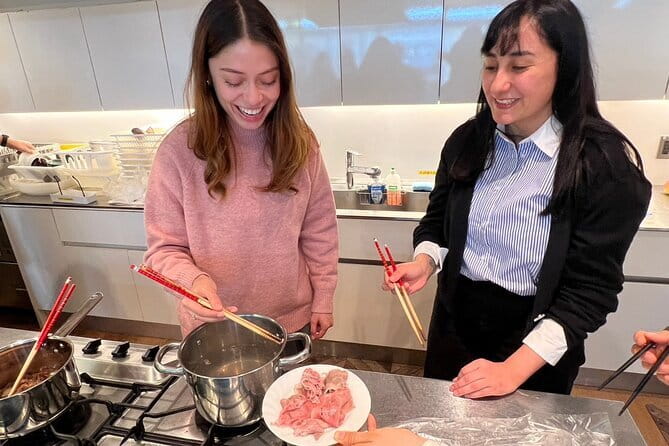
Tokyo has plenty of sushi options. What’s rarer is a class that takes the sushi-making basics seriously, then lets you apply them with a luxury ingredient: Wagyu beef. If you love sushi but want a different flavor direction, this is a fun way to level up your skills without feeling like you’re just watching someone else work.
This experience is also a good fit if you’re the type who cares about technique. You’re not just assembling one kind of roll. You’ll learn multiple formats—nigiri, gunkan maki, and temaki—so you get a real sense of how shape, texture, and presentation change with each style.
One note before you book: it’s not a fish-sushi class and it’s not a plant-based class. If you’re hoping for vegetarian-friendly alternatives, the answer is no. And if you dislike rich meat flavors, you may not love the “Wagyu first” approach.
You can also read our reviews of more tours and experiences in Tokyo.



A 1.5-hour flow you can actually fit into your day
The class runs about 1 hour 30 minutes, starting at 12:00 pm and ending back at the meeting point. It’s a lunch-timed activity, which matters in Tokyo. You can plan it like a self-contained block, then spend the rest of your afternoon exploring without worrying about dinner plans.
Here’s the practical rhythm you should expect:
You’ll start by getting oriented and then moving straight into hands-on prep. The experience is designed so ingredients and equipment are provided, which means you’re not dragging supplies across the city. After that, you’ll learn how to create different sushi pieces and how to arrange them neatly so they look intentional, not random.
You’ll also get guidance on plating—turning what you made into something you’d be proud to photograph. During the session, the included photographs are taken so you have something to reference later (downloadable later). Then you eat your creations as part of the included lunch.
Because it’s short, you’ll get instruction fast and then apply it right away. If you like workshops where you do the work, this format is ideal.
Nigiri, gunkan maki, temaki: the sushi skills you’ll practice
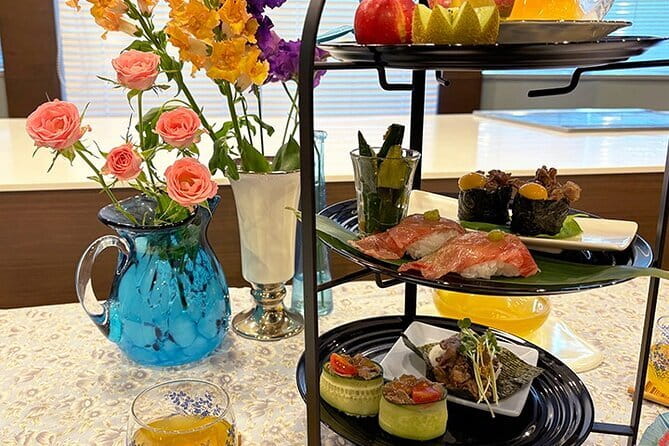
A lot of sushi classes get stuck on one format. This one covers several, and that variety is where the value is.
You’re learning how to create:
- Nigiri: where balance and shape matter, and the topping needs to sit cleanly on the rice
- Gunkan maki: where the seaweed wrap and filling shape create a more sculpted bite
- Temaki: a hand roll where you’re shaping it as you go, aiming for a stable cone
Even though this class swaps in Wagyu beef, the technique focus stays on the “sushi craft” side. That means you’re not just cooking meat and calling it sushi. You’re practicing how the sushi forms come together and how to plate them so the final look matches the effort.
One extra skill you may pick up here is how sushi rice is handled and prepared. People specifically mention learning about shari (the sushi-rice component), plus guidance on cooking the Wagyu meat for the final pieces.
If you’re the kind of traveler who wants a souvenir that isn’t a magnet, learning these formats gives you something you can repeat later at home—without needing to be a chef.
Plating lessons: making food look right, not just edible
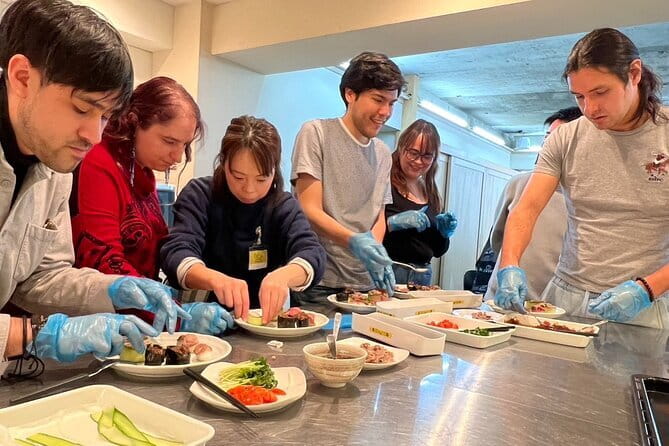
This class treats plating as part of the lesson, not an afterthought. That’s a big deal, because in sushi (and food photography), presentation isn’t just decoration. It changes how you portion bites and how each piece feels intentional.
You’ll practice transforming your sushi into a plated set that looks attractive and photographable. Since later downloadable photos are included, you’ll likely get a chance to compare your plating with instructor guidance in a way that’s motivating rather than stressful.
If you’ve ever tried to copy sushi at home and ended up with rice everywhere and toppings sliding off, plating instruction helps more than you’d think. You’re learning the small “finishing” details that make a handmade plate look like it belongs at a restaurant.
Instructors, language help, and the small-group advantage
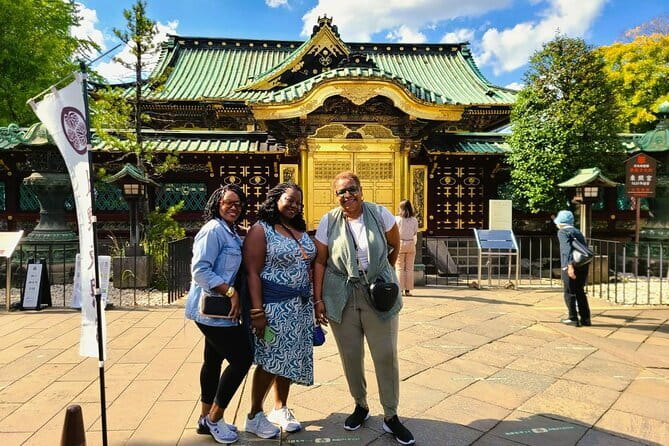
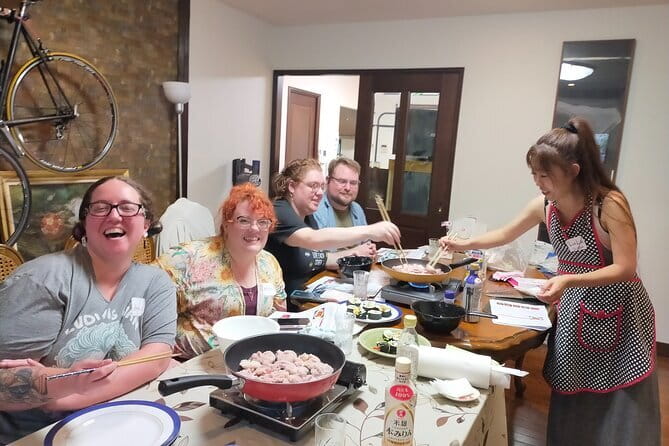
The class is capped at six travelers, and that size shows up in the experience. With fewer people, instructors can watch your technique and correct issues before they turn into a mess. It also means you can ask questions without waiting your turn for 20 minutes.
Language is also handled well. English-speaking guidance is available, and the teaching tone is described as friendly and supportive, with staff helping throughout the process. Some sessions are associated with instructors like Hiroko and Saori, and the key takeaway is consistency: you’re not left alone with ingredients and a vague recipe.
This is especially helpful if you’re not confident in the kitchen. Even if you cook at home sometimes, sushi skills are precise. The small group and step-by-step help makes the difference between learning something and just getting hungry.






Price and value: is $104.51 worth it?
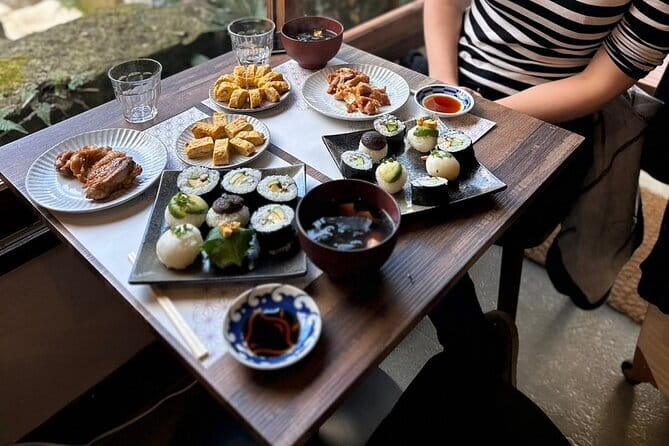
At about $104.51 per person, this isn’t the cheapest cooking class in Tokyo. But it isn’t overpriced either when you compare what’s included.
Here’s what you’re paying for:
- Premium ingredient focus on Wagyu beef
- Ingredients and equipment provided, so you avoid extra shopping time
- A class format that teaches multiple sushi types (not just one quick roll)
- Lunch included: you eat what you make
- Later-downloadable photographs added into the package
For context, sushi at good restaurants can get pricey fast, and Wagyu usually commands a premium. What this class does well is turn that cost into an experience where you learn technique and then eat your work—so you get both value-for-money and value-for-skills.
If you’re the type who wants an inexpensive meal, skip this. But if you want a memorable skill-building lunch where the main ingredient is genuinely special, the price starts to make sense.
One more practical thing: the experience is commonly booked around 36 days in advance. That timing suggests popular sessions fill up. If you see a slot that fits your schedule, it’s smart to lock it in.
Logistics: where it starts and how to plan your Tokyo afternoon
The class meets in Tokyo and ends back at the meeting point. It’s near public transportation, and there’s no hotel pickup or drop-off. So you’ll want to plan your route and arrive on your own.
The mobile ticket format also matters. If you’re traveling light, it’s one less thing to juggle—just keep your phone charged and ready to show the ticket.
Since it starts at noon, I recommend treating it like a lunch anchor. Plan nearby activities after, not far away. You’ll finish ready to roam, but you’ll also be eating—so save the hardest walking for later in the day if you’re prone to getting overly enthusiastic with food.
Should you book this Wagyu sushi-making experience?
Book it if:
- You love sushi and want to learn real technique, not just assemble food
- You’re a meat person and enjoy Wagyu flavors
- You want a small class with direct help and English support
- You’d like a lunch plan that includes both making and eating
Skip it if:
- You’re looking for vegan or vegetarian options (none are available)
- You only want classic fish-and-seafood sushi formats
- You’re trying to minimize cost and time
FAQ
How long is the Wagyu sushi-making experience?
It lasts about 1 hour 30 minutes.
What time does the class start?
The start time is 12:00 pm in Tokyo.
Is lunch included?
Yes. Lunch is included, and you eat what you make at the end of the experience.
Do you provide ingredients and cooking equipment?
Yes. Ingredients and equipment are provided, so you don’t need to bring supplies.
How big is the class?
The experience has a maximum group size of 6 travelers.
Are there vegan or vegetarian options?
No. Vegan and vegetarian options are not available.
Do they include hotel pickup and drop-off?
No. Hotel pickup and drop-off are not included.
Are photographs included?
Yes. Photographs are included and available to download later during the experience.
What happens if weather is bad or I cancel?
The experience requires good weather. If it’s canceled due to poor weather, you’ll be offered a different date or a full refund. You can also cancel for a full refund up to 24 hours before the experience start time.