REVIEW · TOKYO
Tokyo: Sumo Morning Practice Viewing Tour
Book on GetYourGuide →Operated by Japan Wonder Travel · Bookable on GetYourGuide
Tokyo’s morning training is raw and real. This Tokyo sumo stable tour is one of the rare chances to step inside the place where wrestlers live and train, not a show built for crowds. You’ll watch practice up close in Ryogoku, the city’s sumo heart, and learn what you’re seeing from an English-speaking licensed guide.
I love how close you get to the action without it turning into a spectacle. The experience also comes with clear context—why drills matter, what the rituals mean, and how the sport prepares for the tournaments held six times a year. You may even get photo time with the wrestlers when it’s available.
One consideration: you’re expected to stay for the full practice (roughly 09:00 to 10:00), and once you leave the stable there’s no re-entry. Also, the rules are strict—quiet, still, modest clothing, and no flash or video—so it’s not a casual walk-through.
In This Review
- Key things you’ll notice on this sumo morning
- A Tokyo sumo stable you can actually enter
- Ryogoku: Tokyo’s sumo neighborhood in the early light
- From meeting point to stable door: how the flow works
- Watching morning training: what you’ll actually see
- Stable etiquette: the rules aren’t just paperwork
- The culture lesson you get while you watch
- Q&A and photos: the moments after the training
- Price and value: why $81 can feel fair for this access
- Timing reality: the 09:00 to 10:00 commitment
- Who should book this sumo morning practice tour
- Small practical tips that make the morning smoother
- Should you book this Tokyo sumo morning practice viewing tour?
- FAQ
- What time does the practice usually run?
- Where is the stable located?
- How long is the tour?
- Are photos with wrestlers included?
- What are the rules for photos and video?
- Is the tour suitable for children and mobility needs?
Key things you’ll notice on this sumo morning
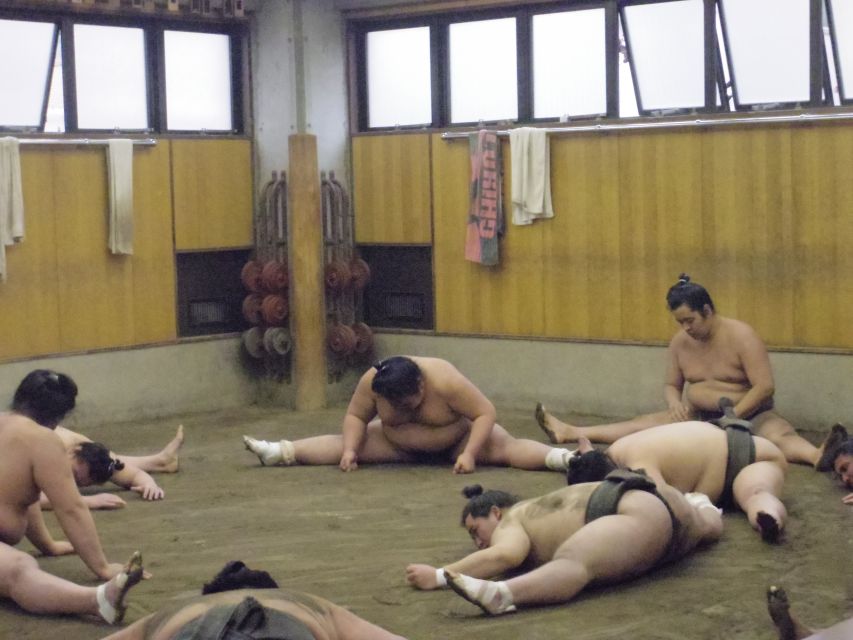
- Access to a real stable: stables aren’t usually open to the public, so entry feels special even for locals
- Training you can feel: drills and practice bouts are intense, fast, and loud enough to remind you these are athletes
- Culture explained while you watch: you’re not just staring—you learn what matters as it happens
- Staying rules are part of the experience: sitting quietly isn’t optional; it keeps the stable running smoothly
- Photos depend on the day: some days include a photo with wrestlers, others may not
A Tokyo sumo stable you can actually enter
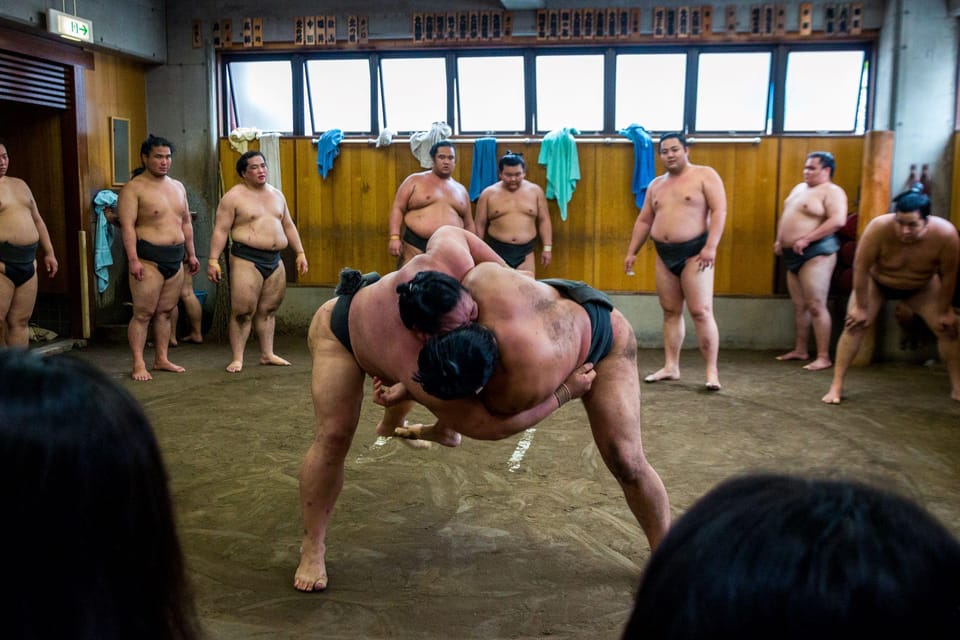
Sumo has a reputation that’s almost too easy to package into a highlight reel. This tour breaks that habit. Instead of a performance, you’re seeing the work: early-morning training inside the stable where wrestlers live, practice, and prepare for the next test of rank.
What makes it interesting is the access. Sumo stables in Tokyo are not widely open, and your visit is treated as a privilege. You’ll follow stable rules and stay for the session, so you’ll experience the pace of the day the way the rikishi do it.
You should also understand what you’re watching. Sumo training centers on forcing your opponent out of the ring or making any part of the body touch down. That means technique isn’t decorative—it’s survival in the next clash.
You can also read our reviews of more tours and experiences in Tokyo

Ryogoku: Tokyo’s sumo neighborhood in the early light
This tour is anchored in Ryogoku, a district built around sumo—stadiums, stables, and the everyday culture that surrounds the sport. Even before the practice starts, you’ll feel like you’re in the correct part of the city.
Ryogoku matters because sumo isn’t just a sport here. It’s tied to tradition and ritual, including Shinto beliefs and the kind of seriousness that comes from centuries of formality. Watching practice in the sumo district makes the explanations feel real, not like museum trivia.
After the tour, you’ll be well positioned for a sumo meal nearby. You don’t have to turn the day into a puzzle—once you’re done, you can eat and keep the morning momentum going.
From meeting point to stable door: how the flow works
The meeting point can vary based on your booked option, so treat it like a do-this-first part of your day. After you meet, you may take a train to the stable, so it’s smart to plan for a quick transit window before practice begins.
Once you arrive, the tour runs on stable time, not tourist time. That’s why you need to be ready to sit and listen immediately. Your guide sets expectations early—where to stand, how to behave, and what the rules mean while you’re watching.
Your English-speaking guide also plays a practical role: keeping the group together and moving as a unit so the wrestlers’ routine doesn’t get disrupted. Some guides are particularly funny and quick with safety reminders, which helps because you’ll be on the floor and still for a long time.
Watching morning training: what you’ll actually see
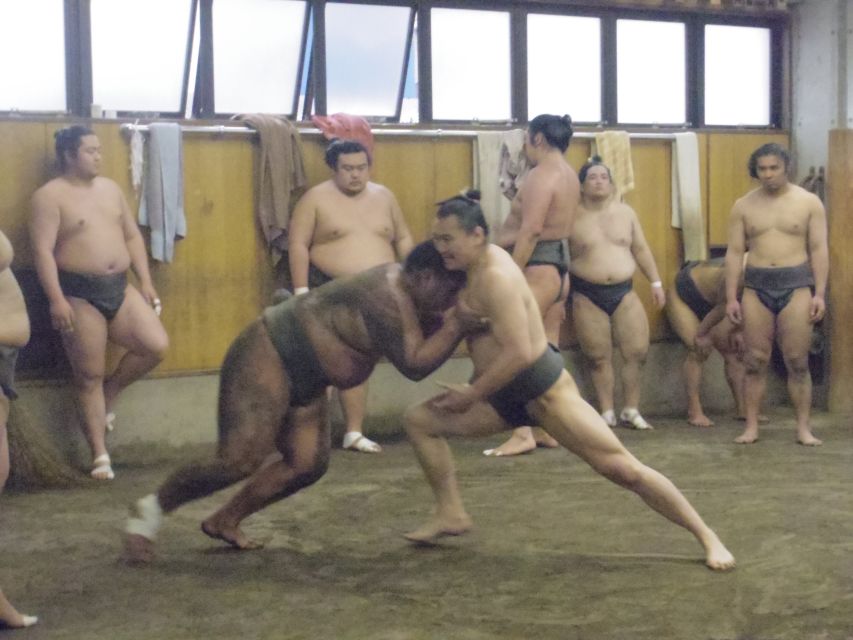
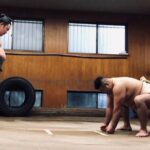
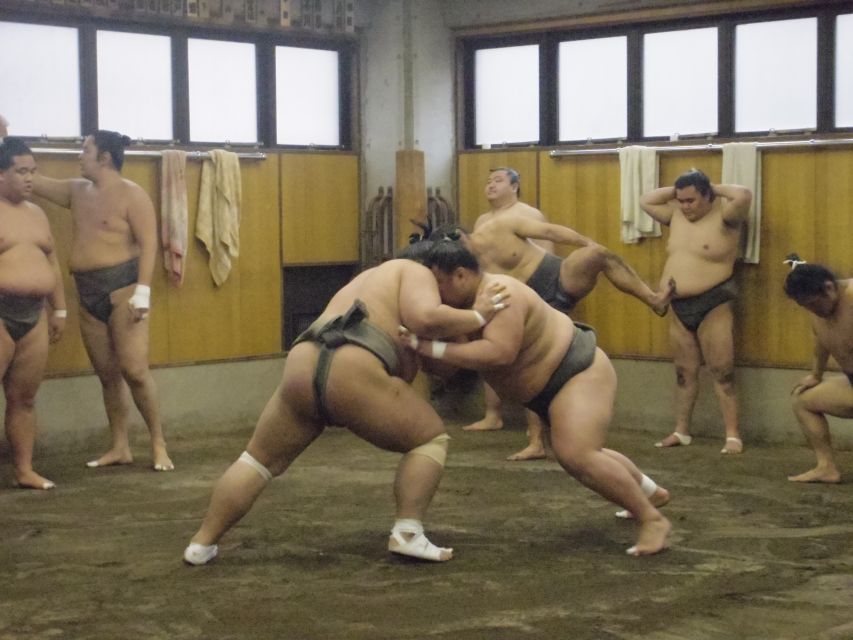
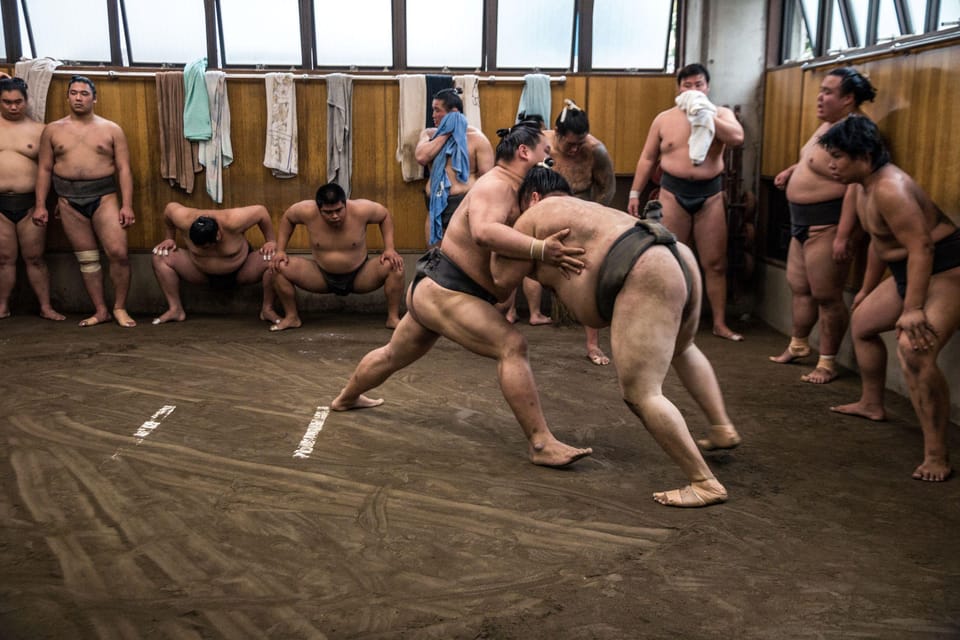
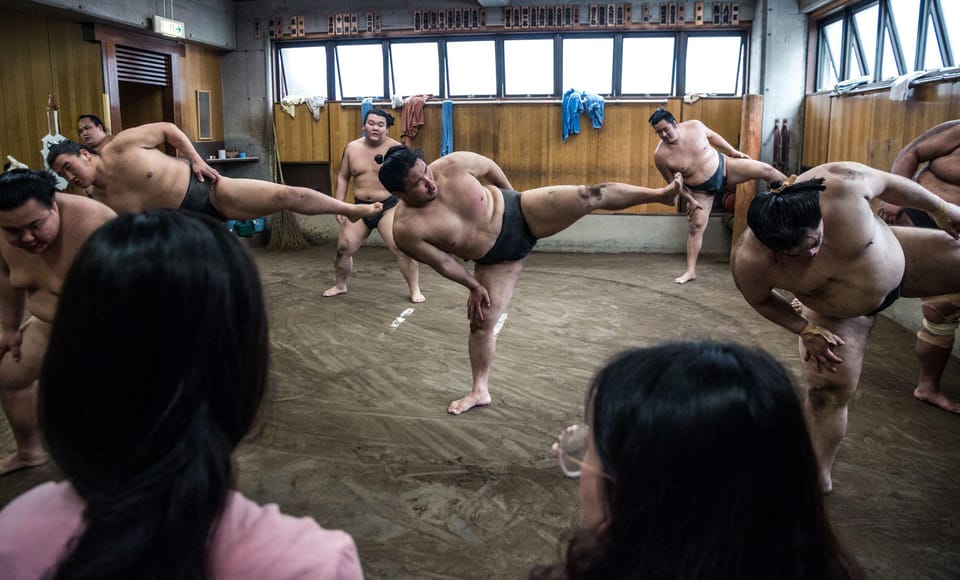
The heart of the tour is watching the practice session from very close range. This is not a distant view with binoculars. You’re seated near the action, often close enough to notice how controlled the wrestlers are between clashes.
What training looks like can feel intense right away. The drills build into bouts where they test techniques against each other with real power. It can sound and look shocking if you’re expecting soft warm-ups. But that’s the point: most of this is work meant for the next tournament cycle.
This is also where the quiet rules matter. You won’t be standing up, moving around, or talking over the session. Flash photography and video recording are out. Even hats and sunglasses are restricted. In return, the stable lets you watch like you belong there.
If you’re the kind of person who likes to understand sports by watching details, you’ll probably have fun with the way practice is explained in real time. Guides often provide cue sheets or instructions for what to look for, so you’re not lost when something happens quickly.
Stable etiquette: the rules aren’t just paperwork
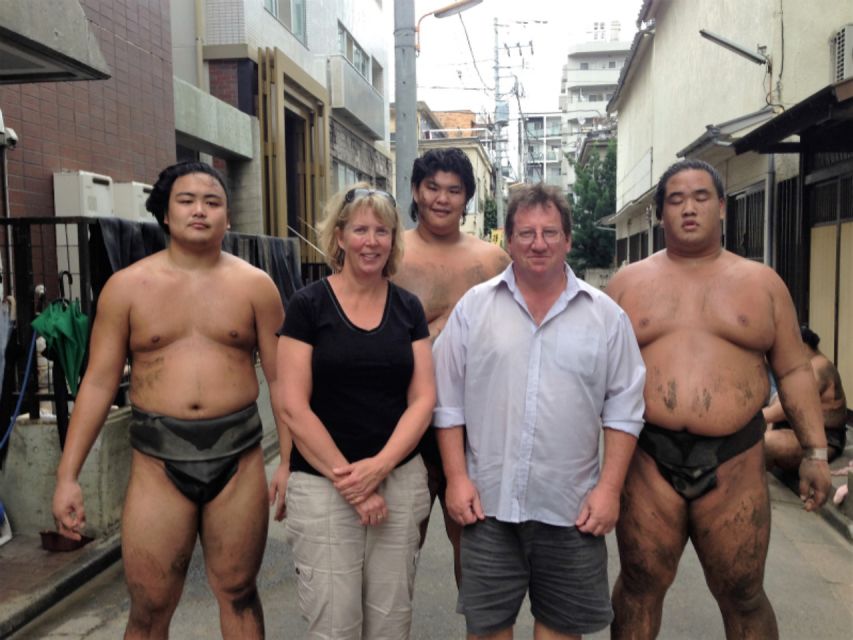
This isn’t a lecture hall. It’s a workplace, and the etiquette is part of the visit.
Plan for modest clothing. Skip hats and sunglasses. Keep your phone silent. Don’t stand up or roam during the practice. The rule about staying until the end (roughly 09:00 to 10:00) is important because the stable rhythm depends on everyone respecting that schedule.
One more rule you should take seriously: once you leave the stable, there’s no re-entry. So if you’re the type who needs time to step out for a photo or a breath of air, this tour can catch you off guard. Mentally commit to the session as a single block.
Also, no food or drinks inside the stable. That’s normal for places with strict quiet expectations. If you want a snack, do it before you arrive and keep your energy steady.





The culture lesson you get while you watch
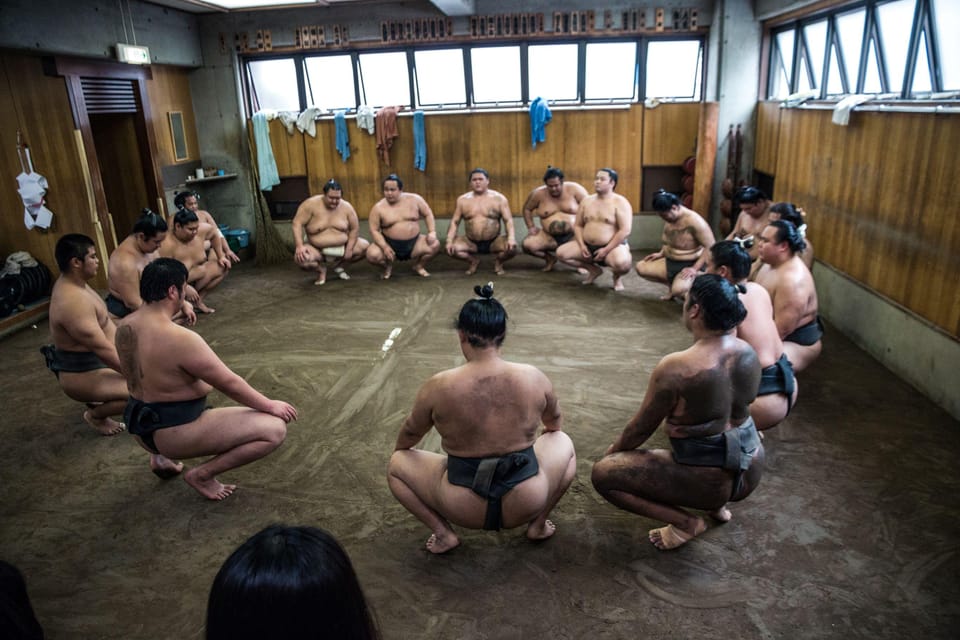
Sumo is often described as tradition, but the tour focuses on what makes that tradition functional. You learn how the sport is tied to Shinto beliefs and why ritual and discipline sit right next to hard physical training.
Your guide will explain what the wrestlers are doing and why it matters. That includes how the stable system works and how the tournaments shape daily practice. Because sumo tournaments happen six times a year, training isn’t a hobby cycle—it’s a constant routine built around performance and rank.
You’ll also get context about what you’re seeing as power shifts quickly. Many people notice how little wasted motion exists. The bouts can be short, so technique has to be sharp immediately.
This is the part that makes the experience more than watching strong men argue with gravity. With the right guidance, it becomes an education in how the sport thinks.
Q&A and photos: the moments after the training
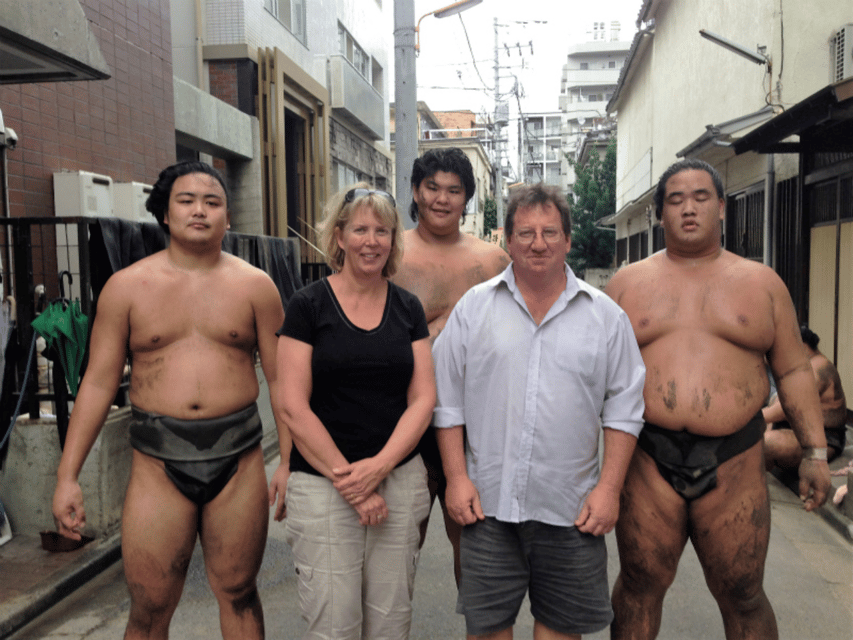
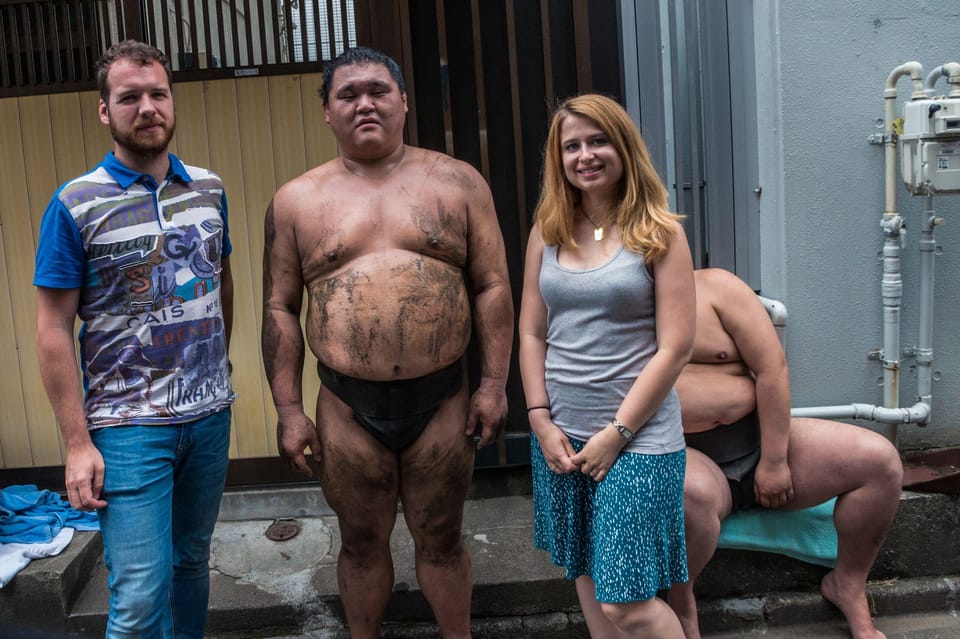
Depending on the day, you might get a photo with the wrestlers. Sometimes that’s the kind of bonus that makes the morning feel complete. When it’s offered, treat it like a brief, respectful moment—follow directions closely so the stable can keep its schedule.
You may also be able to ask questions. Some tours include the chance to speak with stable leadership after practice, which can add depth beyond the basics. Even if you don’t get a long conversation, you can still leave with practical answers: what a day in the stable is like, how training drills connect to technique, and what younger wrestlers are working toward.
If you’re hoping to spot famous names, remember you might not see the exact wrestlers you imagined. Training rosters vary day to day, and practice is about the stable’s current focus. Still, many visitors find the close-up quality more rewarding than trying to hunt specific athletes.
Price and value: why $81 can feel fair for this access
At $81 per person, this isn’t the cheapest morning in Tokyo. The value comes from the fact that you’re buying access to a working stable—not an arena seat and not a scripted performance.
You’re also paying for an English-speaking licensed guide, who handles logistics and turns the session into something you can actually understand. Without that explanation, you might still enjoy the spectacle, but you’d miss the structure behind the ritual and training.
The group size can vary. Some days feel very close and intimate; other days you may be one of a larger group seated together. Either way, the experience holds up because you’re not far away from the action, and you’re not stuck watching through a wall.
So who gets the best value? People who like behind-the-scenes access and who don’t mind quiet rules. If that’s you, it’s easy to see why this one becomes a morning highlight.
Timing reality: the 09:00 to 10:00 commitment
Your visit is scheduled around the morning practice window and you need to be there until the end. Expect it to run roughly 90 minutes to 2 hours, though the practice can be a bit shorter or longer depending on the day.
This matters because Tokyo mornings are efficient but unforgiving. If you’ve booked a later appointment the same morning, give yourself extra buffer. Your tour provider notes that commitments should be shared in advance, because the ending location may also differ from where you met.
Also, your photos and any post-practice interaction depend on the flow of the session. Don’t plan your day like it’s a timed museum slot. Treat it like a respectful meeting with a working schedule.
Who should book this sumo morning practice tour
This tour is a great fit if you want authentic access and you’re curious about how traditional sports operate in real life. You’ll likely enjoy it most if you:
- love Japan’s cultural traditions and want them tied to everyday discipline
- enjoy watching technique up close, not just watching outcomes
- can sit quietly on the floor and follow rules for about an hour
It’s also a smart pick for people who miss tournaments. If you can’t catch a match, this is one of the next-best ways to understand what the sport is actually like day to day—practice intensity, technique testing, and the seriousness of training.
It’s not a good fit if you:
- need mobility support (the tour is not suitable for people with mobility impairments)
- want a relaxed, standing-and-strolling experience
- plan to bring younger kids (it’s not suitable for those under 11)
If you’re traveling with family, it’s worth asking if everyone can commit to quiet and stillness. That’s part of the cultural exchange here.
Small practical tips that make the morning smoother
You’ll get the most out of the experience if you prepare for the stable rules and the seating setup.
Bring your patience, because you’ll be still and quiet. This can be genuinely calming if you treat it like a front-row performance, but it can feel long if you’re expecting constant action.
Wear modest clothing and skip items that are restricted like hats and sunglasses. Keep your phone on silent before you step in, not after.
Arrive early if you can. Even with a clear meeting point, Tokyo can be tricky when the last minute details matter. Getting there with breathing room helps you avoid stress, and stress makes it harder to follow the quiet rules.
If you’re sensitive to noise, note that practice can be loud—duels carry sound across the room. Once your brain adapts, you’ll start noticing the technique behind the impact.
Should you book this Tokyo sumo morning practice viewing tour?
Book it if you want a rare working-stable experience in Ryogoku, and you’re happy to trade convenience for authenticity. The price makes sense when you focus on the access: being inside the training space, watching close up, and learning what matters from your English-speaking licensed guide.
Skip it if you need a very mobile, casual tour, or if you can’t comfortably follow quiet rules for the full session. Also, if you’re traveling with someone who struggles with floor seating, this one can be tough.
If you’re choosing one sumo-related activity and you care about the real thing, this is a strong call. It gives you context for tournaments, names for the techniques you see, and a morning memory that feels different from any arena crowd.
FAQ
What time does the practice usually run?
You’re expected to stay until the end of the practice, around 09:00 to 10:00 AM. The session may be slightly shorter or longer depending on the day.
Where is the stable located?
The stable is located in Ryogoku, Tokyo, in the sumo district.
How long is the tour?
The duration is about 90 minutes to 2 hours, depending on the schedule.
Are photos with wrestlers included?
Photos with wrestlers are included when available, and rules at the stable still apply.
What are the rules for photos and video?
Flash photography is not allowed, and video recording is not allowed.
Is the tour suitable for children and mobility needs?
The tour is not suitable for children under 11 years and not suitable for people with mobility impairments.