REVIEW · TOKYO
Tokyo: Japanese Home-style Cooking Class with Meal
Book on GetYourGuide →Operated by Patia's Japanese Cooking Class · Bookable on GetYourGuide
A hot pan changes how you understand Japan. This Tokyo home-style cooking class turns Japanese comfort food into a hands-on lesson, finished with the meal you cook. You’ll work with an English-speaking instructor and focus on the small stuff that makes food taste right.
I especially like the mix of practical dishes and clear technique. You’ll learn classics like Japanese Dashi stock and saikyo-yaki-style grilled fish, plus rice ball and miso soup, and you’ll see how nutrition, seasoning, and presentation fit together.
One thing to consider: the course quality seems to depend a lot on the instructor. One review flagged an amateur feel in parts of the class, including tools and pacing, so it’s smart to go in with the mindset of learning recipes, not expecting restaurant-level chef tricks.
In This Review
- Key things to know before you cook in Tokyo
- Why this home-style class feels different in Tokyo
- What you’ll cook: dashi stock, saikyo yaki, rice ball, miso soup
- Japanese Dashi stock: the flavor engine
- Saikyo-yaki-style grilled fish: sweet, savory, and gentle
- Rice ball: comfort food that teaches shape and timing
- Miso soup: the finishing touch
- About dashimaki tamago (rolled omelet)
- The flow of the day: 11:00 to 13:00 cooking, then 13:00 to 13:30 tasting
- What you actually learn: seasoning, balance, and presentation
- Instructor support in English: Nao and Erika get mentioned a lot
- Price and value: what $90 buys you (and what you should check)
- Who should book this class in Tokyo
- Getting to the right studio near Shinjuku, Chiyoda, and Minato
- Should you book this Tokyo Japanese home-cooking class?
- FAQ
- What time does the class run?
- How long is the experience?
- What dishes are included in the cooking class menu?
- Will the instructor speak English?
- Is hotel pickup included?
- Where do I meet for the class?
- Is the class suitable for vegans?
- Are drinks included?
- Can I cancel and get a refund?
- Is smoking allowed indoors?
Key things to know before you cook in Tokyo
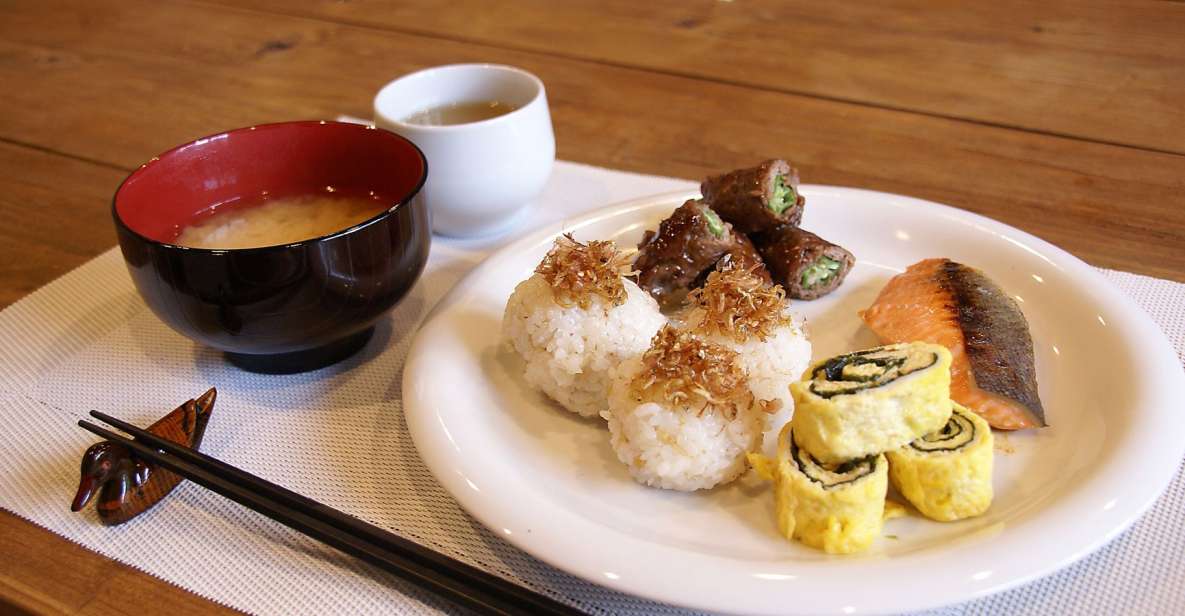
- Saikyo-yaki-style fish + miso soup + rice ball give you a complete, satisfying Japanese meal
- Dashi stock is the foundation, so you learn how flavor starts at the very beginning
- A 30-minute tasting window means you get to slow down and actually eat what you made
- English instruction with hands-on guidance makes it easier to reproduce at home
- Not vegan-friendly because the menu includes fish and dashi stock
- Meeting locations vary near Shinjuku, Chiyoda, and Minato, so you’ll need the confirmed studio address
Why this home-style class feels different in Tokyo
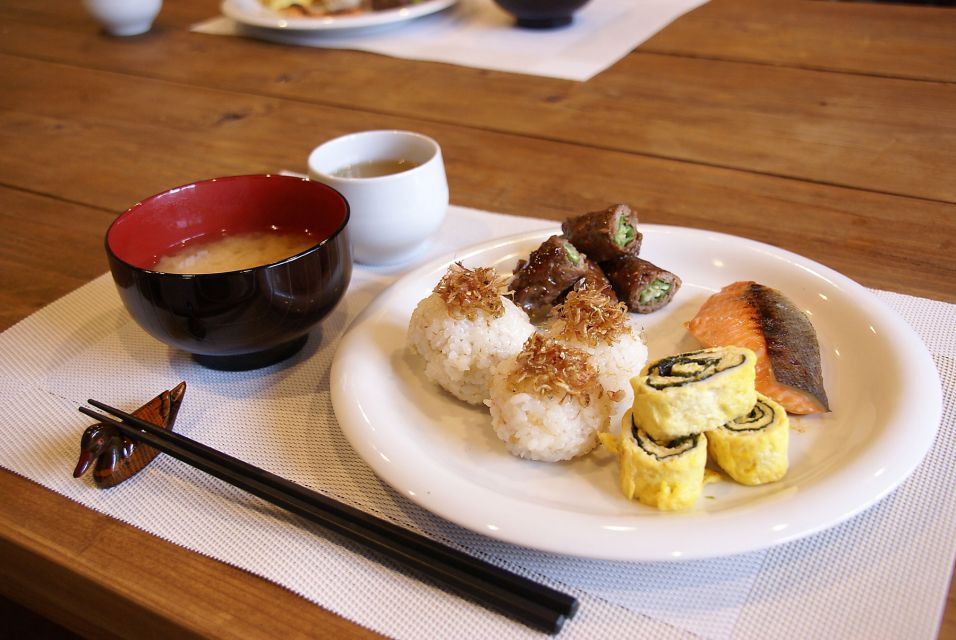
Tokyo has tons of food experiences, but this one is built around the rhythm of home cooking. The payoff isn’t just the meal. It’s the chance to understand why flavors balance the way they do, and how Japanese seasoning affects taste in real life.
You also get a lesson that sticks because you practice it. Dashi stock isn’t something you can fake later if you don’t learn the logic and the timing. And when you grill saikyo-yaki-style fish, you learn how marination changes the final texture and flavor.
The vibe is also simple and direct. You’re not collecting fancy techniques for show. You’re making dishes you’d actually want to cook again, which is what makes this kind of class good value for your future self.
You can also read our reviews of more cooking classes in Tokyo


What you’ll cook: dashi stock, saikyo yaki, rice ball, miso soup
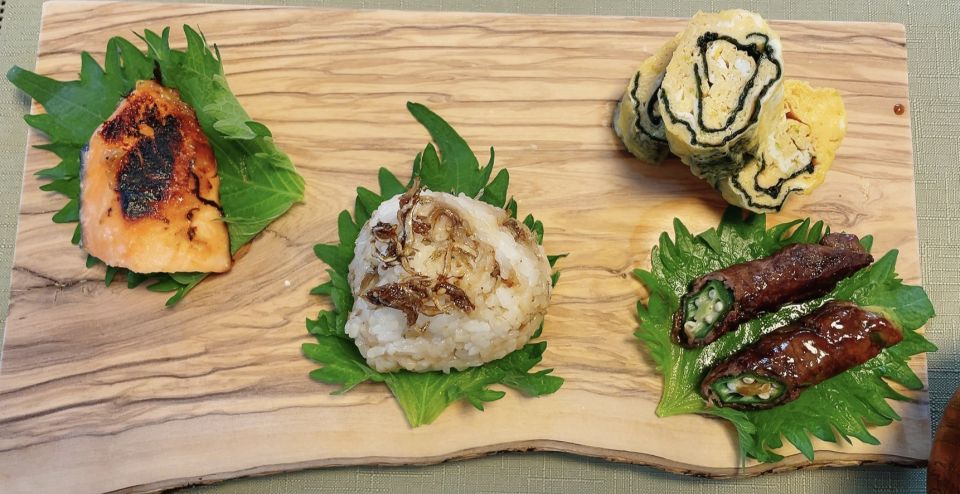
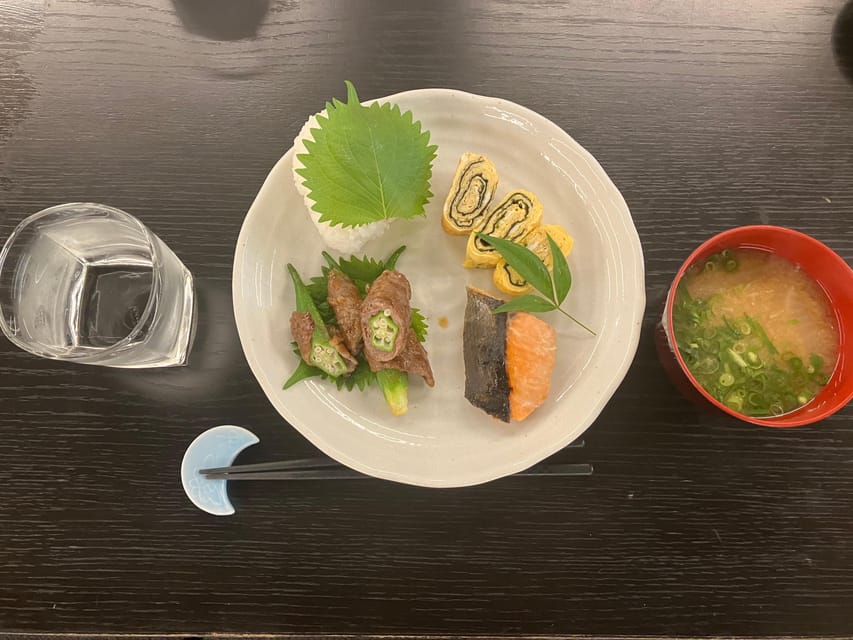
This class centers on a short list of Japanese dishes that work well together. The menu is Japanese Dashi stock, grilled fish in saikyo-yaki style, a rice ball, and Japanese miso soup. That set isn’t random. It builds a whole meal from the ground up.
Japanese Dashi stock: the flavor engine
Dashi is the backbone of so much Japanese cooking. Even if you’ve eaten it before, learning how it’s made helps you understand why it tastes both light and deep. You’ll leave with a better sense of how broth and seasoning work together, not just a recipe you copy blindly.
Saikyo-yaki-style grilled fish: sweet, savory, and gentle
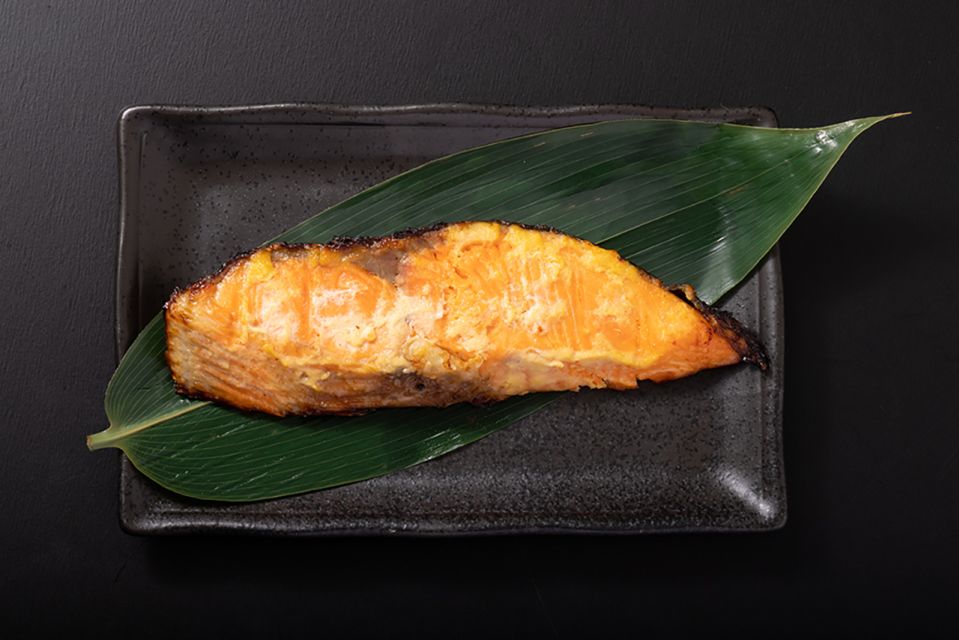
Saikyo yaki is miso-marinated fish, usually with a mild, slightly sweet profile. In this class, you’ll cook grilled fish using the saikyo-yaki style approach. It’s a great dish to learn because it shows how marination affects flavor without making everything heavy.
This is also where you’ll likely feel the hands-on benefit most. You’ll be working during the steps, not just watching. That matters if your goal is to reproduce the taste at home.
Rice ball: comfort food that teaches shape and timing
A rice ball might sound basic, but it’s one of those dishes where small choices matter. Texture, handling, and how it’s served all influence the final experience. It’s also a nice bridge between the savory broth/fish side and the more bite-sized part of the meal.
You can also read our reviews of more tours and experiences in Tokyo



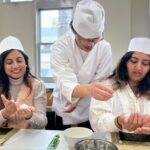
Miso soup: the finishing touch
Miso soup is where the meal feels complete. It’s not about complexity; it’s about balance. When you make it, you’re learning how miso works in warm liquid and how seasoning should feel in the bowl.
If you’ve been hoping for more than one dish to take home mentally, this menu is a smart mix. It gives you both foundational flavor (dashi), a showcase dish (saikyo-yaki-style fish), and supportive sides (rice ball and miso soup).
About dashimaki tamago (rolled omelet)
The class highlights mention Japanese family recipes like dashimaki tamago and saikyo yaki. The specific menu lists items you’ll cook, but you should expect that these classics are part of the overall teaching focus. If dashimaki tamago is especially important to you, check ahead of time what’s guaranteed on the day you book.
The flow of the day: 11:00 to 13:00 cooking, then 13:00 to 13:30 tasting
The schedule is straightforward. Cooking runs from 11:00 to 13:00, then there’s a tasting window from 13:00 to 13:30. That timing matters because it prevents the common problem with classes where the meal feels like an afterthought.
Instead, you cook, then you sit down. You get a chance to notice how your own broth tastes once it cools slightly, how the fish comes out after grilling, and how everything works together as one meal.
This also helps your learning. While you eat, you can connect the technique you practiced to the result in front of you. If you’re trying to make Japanese food at home later, that moment is where it usually clicks.
What you actually learn: seasoning, balance, and presentation
One of the best promises here is that you’ll get guidance on nutritional balance, seasoning, and food presentation. In plain terms, that means you’re not just learning what to do. You’re learning how to judge whether it’s right.
Japanese home cooking often relies on restraint. Flavor comes from good broth, careful seasoning, and knowing when to stop. In a class like this, you’re likely to get feedback tied to those ideas, like how the seasoning should taste and how plating affects the eating experience.
Presentation also counts more than people expect. A meal can taste correct but feel off if it’s served poorly. Learning simple presentation habits makes it easier to recreate the overall feel at home, not just the flavors.
Instructor support in English: Nao and Erika get mentioned a lot
The instructors are described as English-speaking. Reviews also mention Nao and Erika specifically, with praise for making traditional Japanese cooking feel approachable and for being patient when people needed extra help.
That combination is a big deal. A class where you can ask basic questions in English usually leads to better results, because you’re not stuck guessing what step means. And patience tends to matter when you’re learning knife work, heat control, or timing that you don’t already have muscle memory for.
Still, one review raised concerns about execution, including whether the instructor had full cooking experience and whether some tools were sharp enough. I take that as a heads-up that this is a home-style class. Your expectations should match the setting. If you want a polished, restaurant-level production, you might be happier with a higher-end culinary workshop.
Price and value: what $90 buys you (and what you should check)
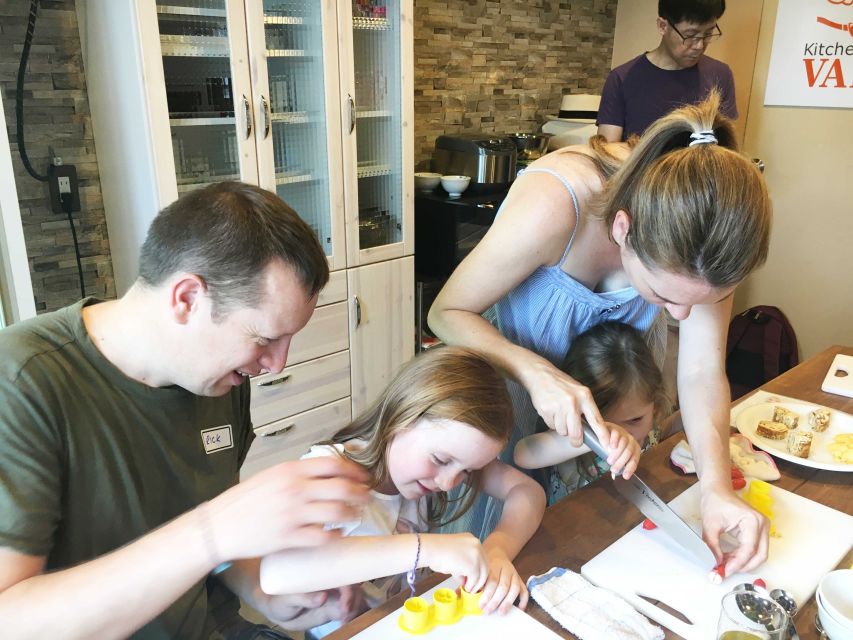
At $90 per person, this class isn’t a budget snack tour. You’re paying for a structured lesson, ingredients, a meal, and drinks, plus an instructor guiding you through it.
For value, the key is that you’re not just buying a tasting. You’re learning. And since the food includes multiple dishes that build into a whole meal, you’re getting a more complete dining experience than you’d get from many simple food stops.
Two practical points to keep in mind:
- Hotel pickup and drop-off aren’t included, so factor in your own transit time.
- The menu includes items like fish and dashi stock, so it’s not a vegan class.
If you’re the kind of traveler who cooks at home sometimes, $90 starts to look more reasonable fast. You’re buying skills you can reuse, and you’re also getting a meal that feels earned.
Who should book this class in Tokyo
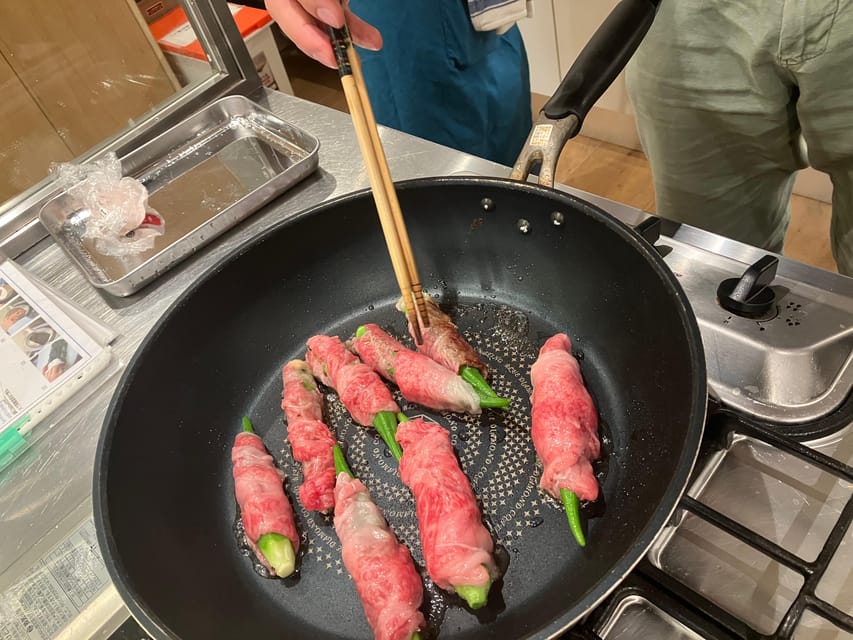
This works best if you want a hands-on window into Japanese home cooking. You’ll get the most out of it if you like learning by doing, asking questions, and then actually eating the result.
It’s not a fit for everyone:
- It’s not suitable for vegans.
- It’s not suitable for children under 3 years.
- People with back problems may want to reconsider.
If you’re traveling with food allergies or strict diets, the menu items listed (fish and dashi stock) suggest you should verify what’s possible before booking.
Also, if your main goal is learning how to make one single dish perfectly, you might find the class broad rather than hyper-specialized. It teaches multiple pieces that add up to a meal, which is ideal for building a working Japanese cooking foundation.
Getting to the right studio near Shinjuku, Chiyoda, and Minato
The meeting setup can trip people up. The address shown on Google Maps displays a different location, so don’t rely on that pin alone.
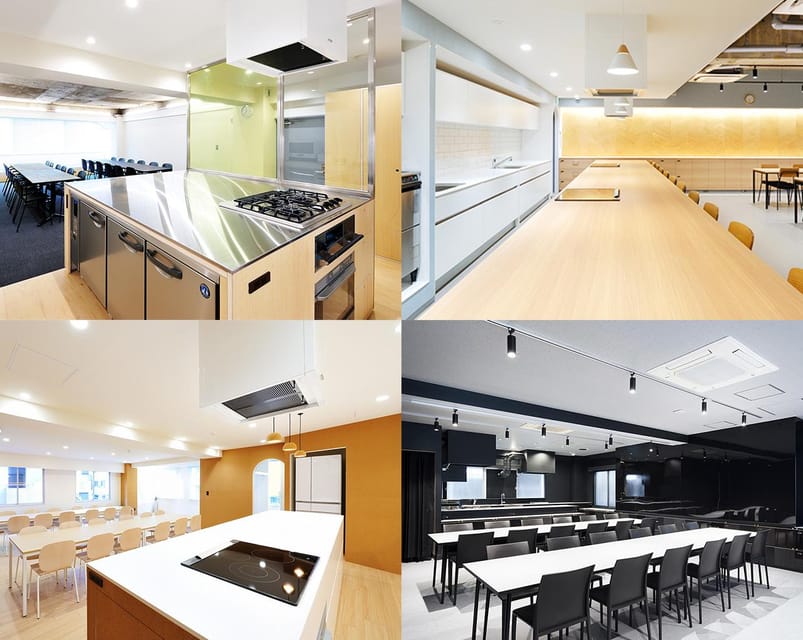
The studios are located near Shinjuku, Chiyoda, and Minato wards, and you’ll receive the confirmed details about the location three days before your reservation date. Plan to check your message carefully and arrive a little early so you can settle in before cooking starts.
Since pickup isn’t included, you’ll want to budget extra time for getting there smoothly.
Should you book this Tokyo Japanese home-cooking class?
If you want a practical Japanese cooking experience with a real meal at the end, I’d lean yes. The structure is clear: a focused 11:00–13:00 cooking session followed by tasting, and a menu that teaches you how Japanese flavor is built from dashi, miso, and saikyo-yaki-style fish.
Book it if you’re excited to learn recipes you can realistically recreate, especially if you like the idea of class guidance in English and a meal that matches what you made.
Skip or think twice if you’re strict about vegan food, want a child-friendly setup for kids under 3, or expect a fully polished culinary-production feel. One review suggested the instructor’s cooking depth and pacing weren’t always up to the level someone might expect, so go in with the right mindset: home-style learning, not culinary showmanship.
FAQ
What time does the class run?
Cooking is scheduled for 11:00–13:00, followed by tasting time from 13:00–13:30.
How long is the experience?
The duration is about 150 minutes.
What dishes are included in the cooking class menu?
The menu includes Japanese Dashi stock, grilled fish in Saikyo-Yaki style, a rice ball, and Japanese miso soup.
Will the instructor speak English?
Yes, the instructor teaches in English.
Is hotel pickup included?
No, hotel pickup and drop-off are not included.
Where do I meet for the class?
The studios are located near Shinjuku, Chiyoda, and Minato wards. You should come to the designated cooking studio before the start time, and the confirmed details are provided 3 days prior.
Is the class suitable for vegans?
No. It is not suitable for vegans.
Are drinks included?
Yes. Drinks are included with the meal.
Can I cancel and get a refund?
Yes. Free cancellation is available up to 24 hours in advance for a full refund.
Is smoking allowed indoors?
No. Smoking indoors is not allowed.