REVIEW · TOKYO
Tokyo: Sumo Morning Practice Tour at Sumida City
Book on GetYourGuide →Operated by Japan Wonder Travel · Bookable on GetYourGuide
Sumo training in Tokyo is a front-row kind of magic. You’ll learn the rules and rituals as you watch morning practice from inches away, feeling how fast and powerful these athletes really are.
I especially love the guided context. With English guides like Tadashi, Kiyomi, and Yoko (and others), you’re not just staring at big guys in circles—you’re understanding what you’re seeing, and why the smallest actions matter.
My only real caution: you must follow strict stable rules, including no chairs and no bathroom during practice, and you’ll sit on the floor for about 1.5 hours. If kneeling or sitting cross-legged is tough for you, this tour can feel like hard work, not fun.
In This Review
- Key highlights you’ll care about
- Dawn Logistics: Oshiage meeting point, shoes, and the “no restroom” rule
- Finding the stable: why that 15–20 minute walk is part of the experience
- Inside the sumo stable: what’s allowed, what isn’t, and how to be prepared
- The morning practice you’ll witness: intense training up close
- Learning sumo with an English guide: rituals, rules, and what to notice
- The Q&A with the stable master: why this part lands so well
- Photo time with wrestlers: do it right, and don’t miss the window
- Seating and comfort: the unglamorous part you should plan for
- Price and value: is $116 for two hours a fair deal?
- When this tour fits best (and when it won’t)
- What to bring (and what to leave home)
- Should you book this sumo morning practice tour?
- FAQ
- What time do I need to arrive?
- How long is the walk to the sumo stable?
- Can I use the restroom during the practice?
- What is the duration of the tour?
- Are chairs available inside the sumo stable?
- What photos or videos are allowed?
- What should I avoid bringing?
- Is there a minimum age?
- When are morning practice tours not held?
- Is hotel pickup included?
Key highlights you’ll care about
- Close-up morning practice from right beside the ring
- English guide explanations of sumo rules, rituals, and what’s happening
- Q&A with the stable master after training, with time to ask questions
- Photo time may happen, but only with the stable’s photo rules
- Strict etiquette: silence, no flash, no social posting of your photos
Dawn Logistics: Oshiage meeting point, shoes, and the “no restroom” rule
The tour starts early—meet at 7:15AM at Tokyo Metro Oshiage (Skytree Mae) Station, Toei-Asakusa Line Oshiage Station A1 Exit (ground floor). The tour begins at 7:30AM, and then you’ll walk about 15–20 minutes to the stable, which is part of the morning rhythm.
Bring a towel if rain might be in the forecast. It can be wet on the path, and you’ll be taking shoes off when you arrive, so wiping your feet helps you feel more comfortable right away.
You’ll want to use the restroom before you join. Once practice starts, you cannot go to the toilet during the session, so don’t assume there will be a break.
One more thing that matters: the stable has strict behavior rules, and they’re not flexible. You’re there to watch training respectfully, so keep your voice low and follow the guide’s instructions instantly.
You can also read our reviews of more city tours in Tokyo

Finding the stable: why that 15–20 minute walk is part of the experience
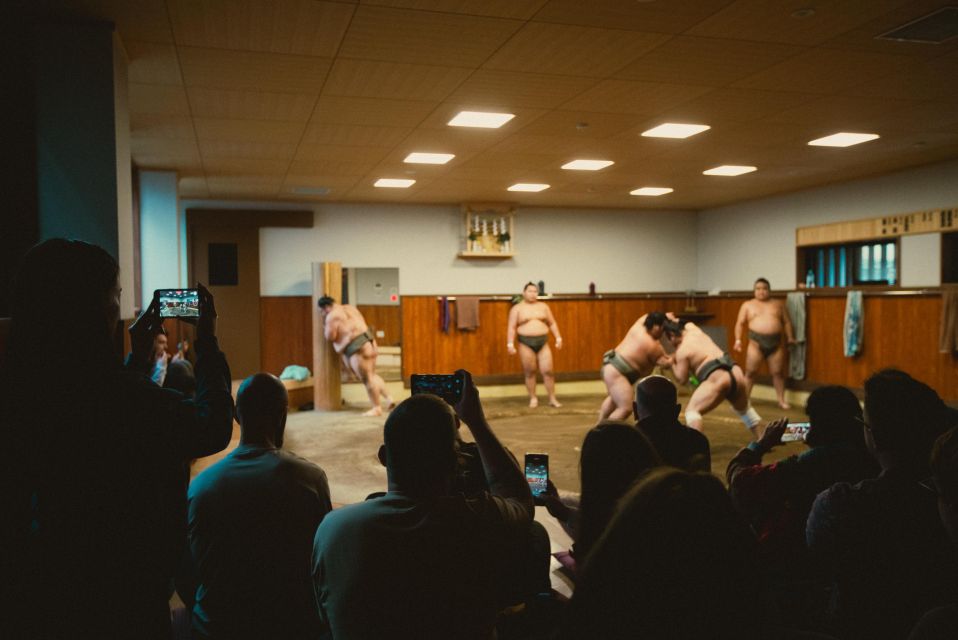
That walk from the Skytree area is more than transport. It’s your buffer time to get briefed on what to expect and how to behave once you’re inside, which makes a big difference when everyone has to be quiet.
If you arrive late, you may be sent the stable address so you can go on your own. But you still won’t be able to enter without coordinating with the provider, so it’s worth leaving yourself extra time.
Also, don’t show up expecting to roam around. You’ll be guided to the right place, and the stable’s space is controlled. It’s not an open museum where you can drift and take your time.
Inside the sumo stable: what’s allowed, what isn’t, and how to be prepared
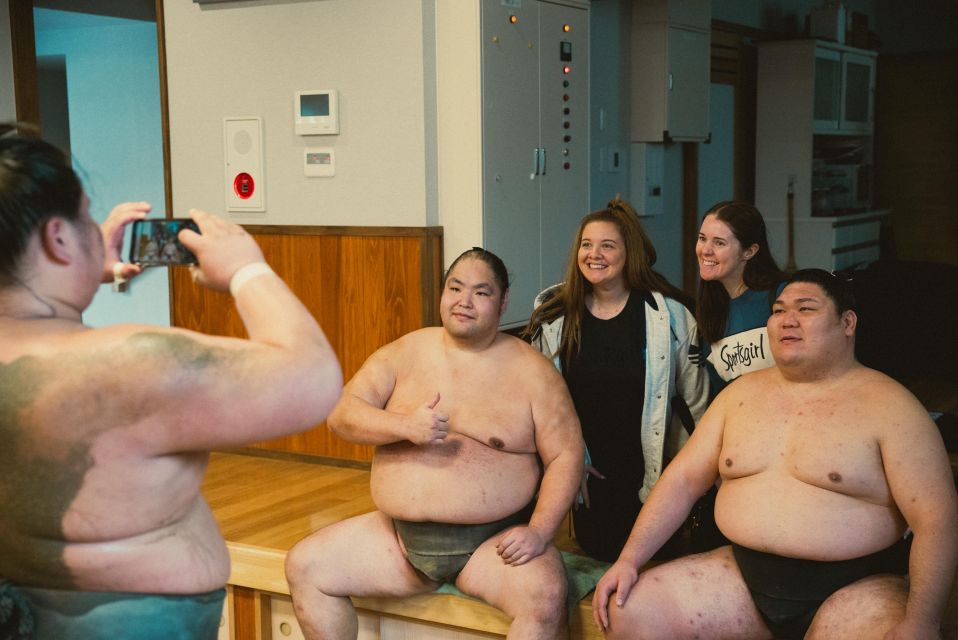
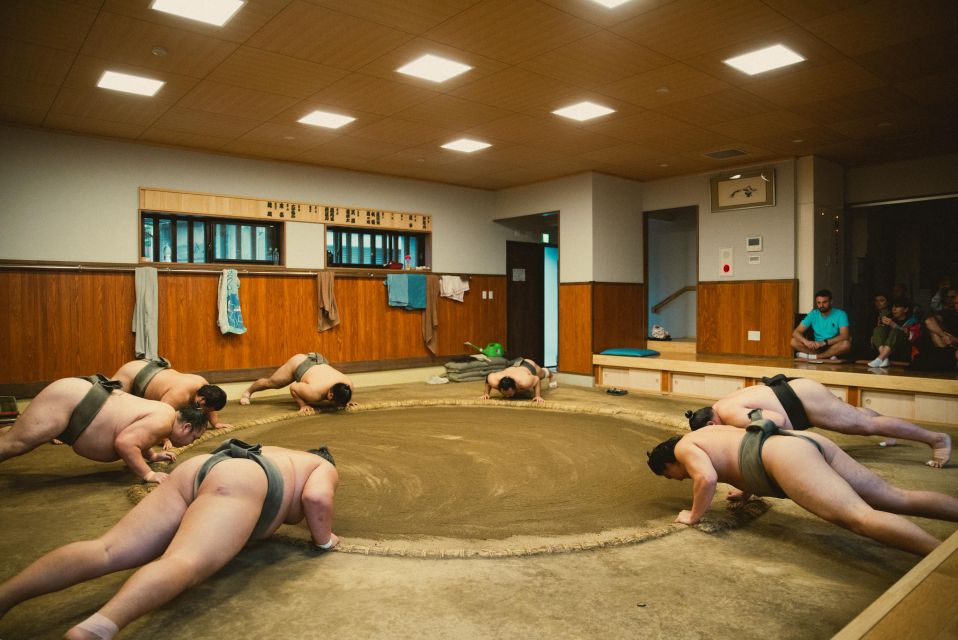
Inside the stable, your experience is shaped by the rules. No chairs are allowed, and you’ll be asked to sit on the ground during practice. If sitting cross-legged for around 1.5 hours sounds unpleasant, the provider recommends skipping this tour.
Plan for shoes-off time. Some folks in the group noted it’s helpful to wear shoes that are easy to take on and off quickly, because you’ll transition between standing/walking outside and sitting inside.
Photo and media rules are strict, too. You can take photos and videos, but no flash and no shutter sounds. Even if you capture great shots, you can’t upload them to social media afterward.
You also shouldn’t bring much clutter. Large luggage or bags aren’t allowed, and food isn’t allowed either. If you’re sensitive to bright light, note that sunglasses and hats aren’t allowed, so dress accordingly.
The morning practice you’ll witness: intense training up close
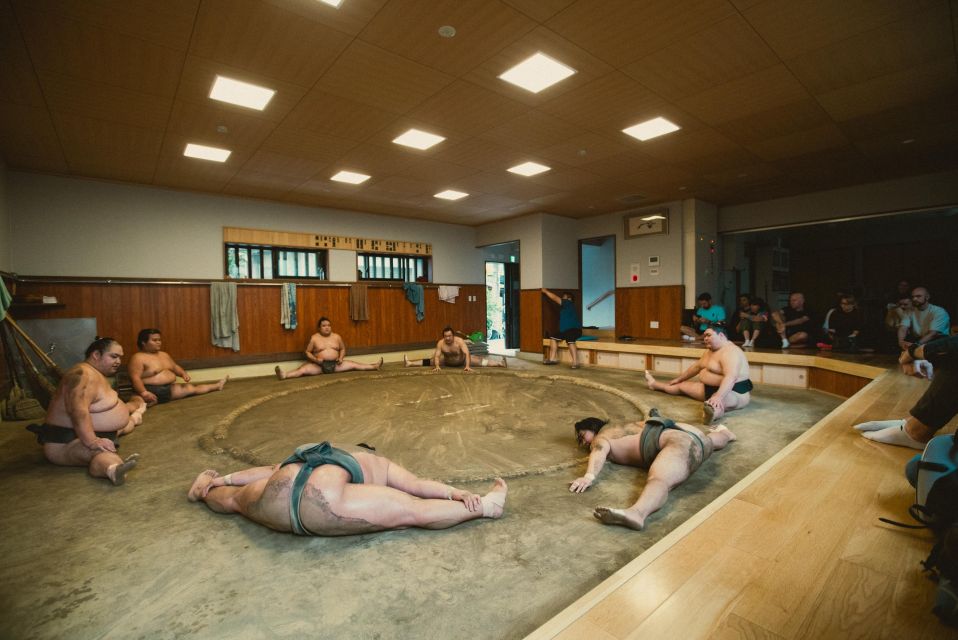
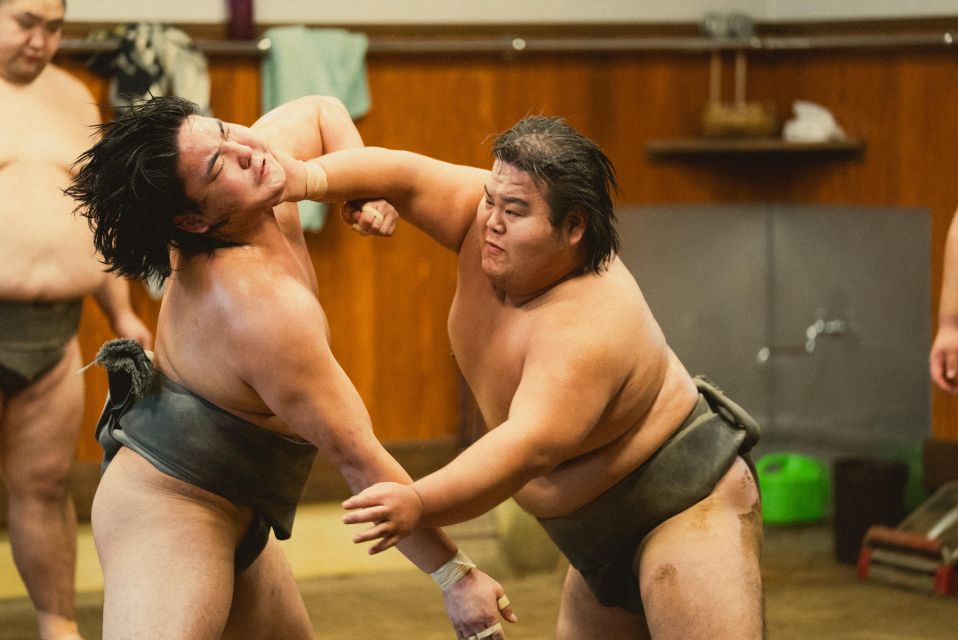
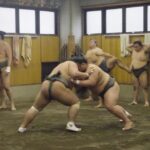
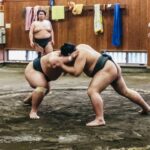
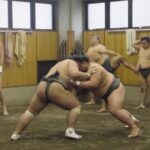
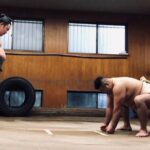
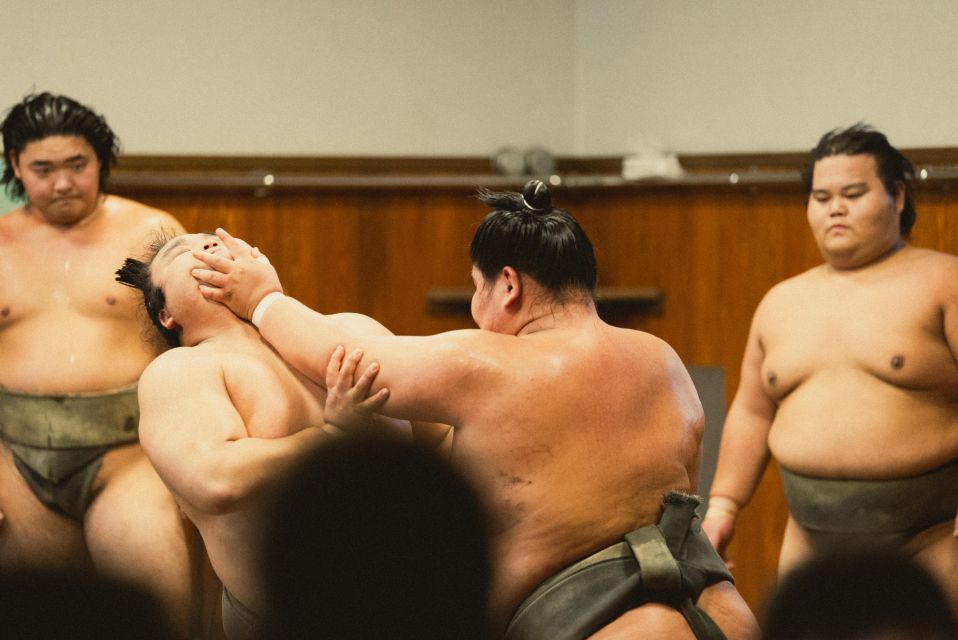
Once everyone settles, you’ll watch sumo morning practice from very close range. This isn’t a distant grandstand experience, so you’ll see details that TV never really communicates—footwork, body control, and the hard focus in their routine.
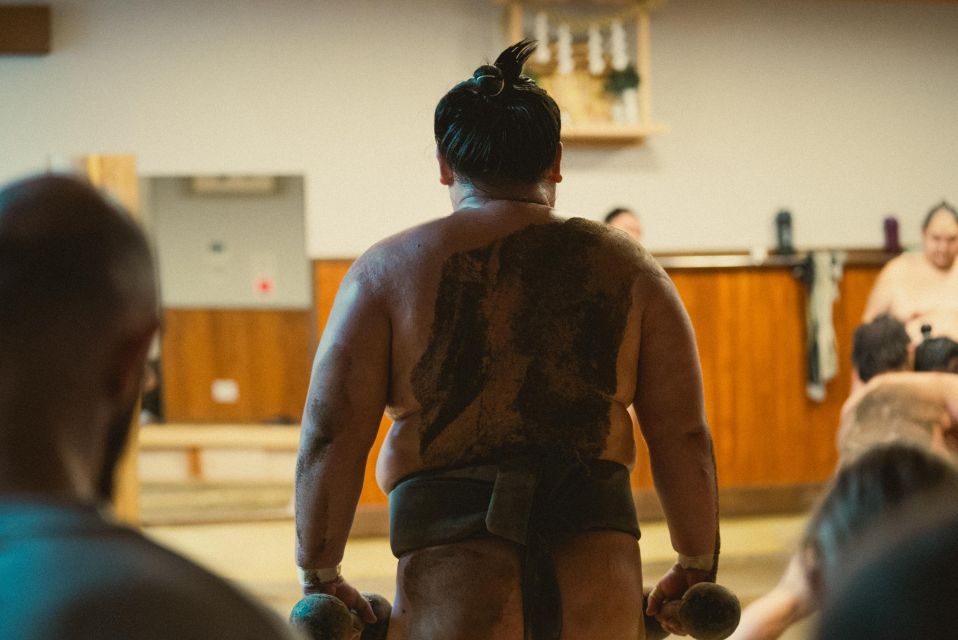
In many sessions you’ll see several wrestlers training through the morning block, and you’ll get a clear sense of their physical presence. Even without a full tournament match, the training itself is intense and fast.
There’s also an important reality check. Some tours on certain dates may feel lighter in terms of what you see—like when tournaments affect schedules. So aim for the mindset of watching practice and technique, not hunting for big headline bouts.
If you’re hoping to recognize the sport’s biggest stars, keep expectations flexible. This is a stable practice setting, and you may be watching trainees and regular training sessions more than elite, famous matchups.
Learning sumo with an English guide: rituals, rules, and what to notice
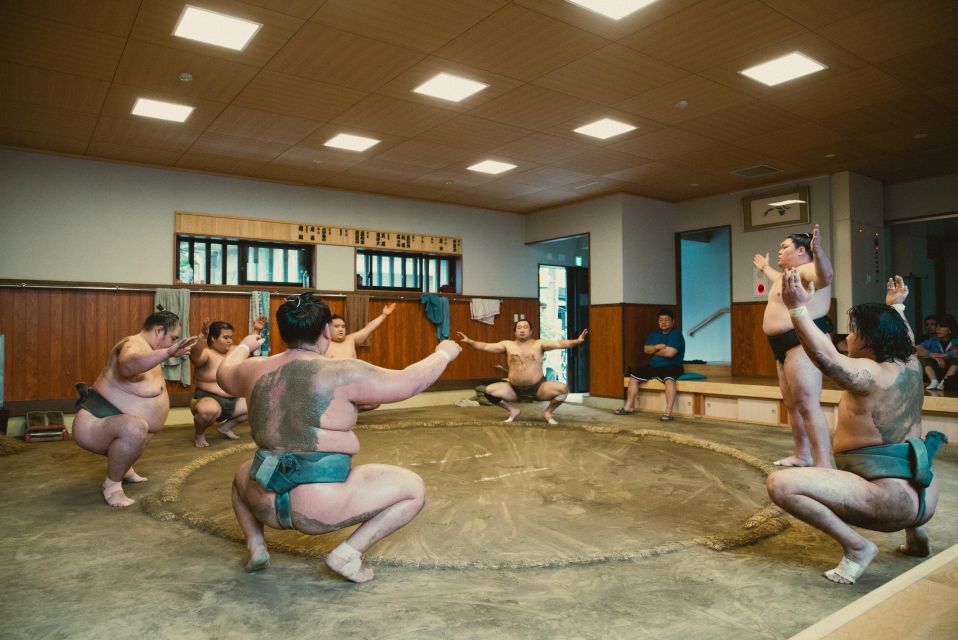
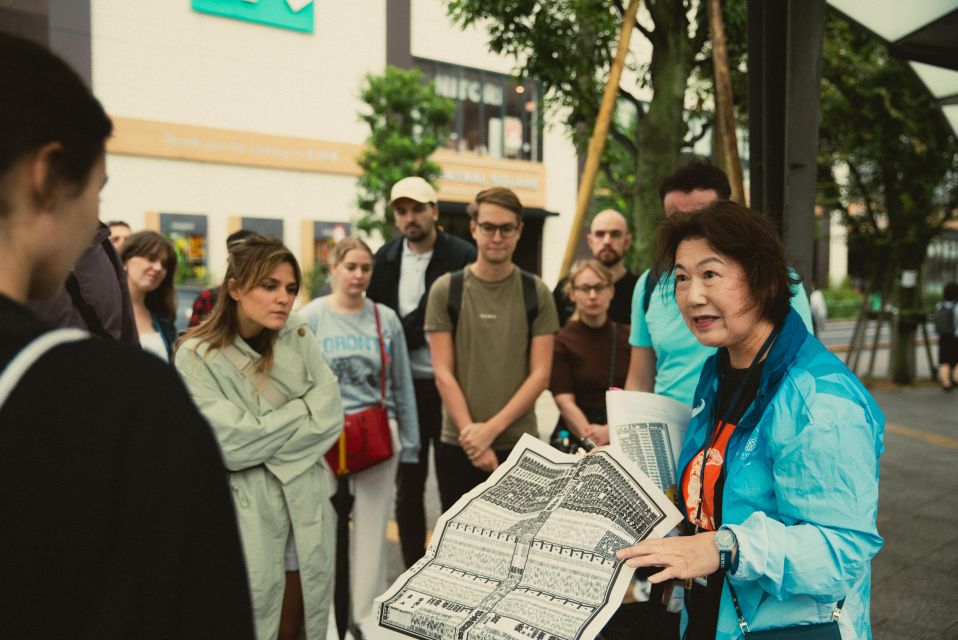
What makes this tour valuable is the translation layer. The guides explain the rules and rituals so you can follow what’s going on without needing to research beforehand.
More than one guide has led with their own teaching style and helped people understand not just the sport, but the culture around it. For example, one participant learned about the connection between sumo and religion during the walk and briefing period, which shows how broad the explanations can be.
You’ll also get help with the practical “what happens next” parts. Guides often walk the group through stages of the training, so you’re not guessing why everyone suddenly shifts or pauses.
A small but real tip: take the guide’s quiet instructions seriously during the session. The more you respect the stable’s focus, the smoother the whole experience runs for everyone around you.
You can also read our reviews of more tours and experiences in Tokyo
The Q&A with the stable master: why this part lands so well
After the practice ends, you’ll get a chance to ask questions during a Q&A with the stable master. This is one of the strongest reasons to book, because it turns the morning from observation into understanding.
Participants repeatedly highlight that the stable master is happy to answer questions and share insights about sumo life. The tone tends to be welcoming, and your guide helps you get your questions across clearly.
This is also where you can ask what you’re genuinely curious about. The best questions usually connect to what you just saw: training habits, what matters most in discipline, and what the daily routine is like for wrestlers.
You’ll also feel the difference between sumo as entertainment and sumo as a full-life discipline. In practice, the respect and order are visible, and the Q&A makes that feel real, not just symbolic.
Photo time with wrestlers: do it right, and don’t miss the window
You may get a chance to take pictures with the sumo wrestlers. The tour timing can include a set photo window after practice, and some participants described having time for pictures along with Q&A.
Follow the photo rules every step of the way: no flash and no shutter sounds. That keeps the atmosphere calm for training while still letting you capture a memory.
One practical note: make sure your phone or camera settings are ready before you reach the photo time. You don’t want to be fiddling with brightness or sound when the group is called.
And remember the social media restriction. Even if you take great photos, you can’t upload them to any social media platform. Keep that in mind so you’re not surprised later.
Seating and comfort: the unglamorous part you should plan for
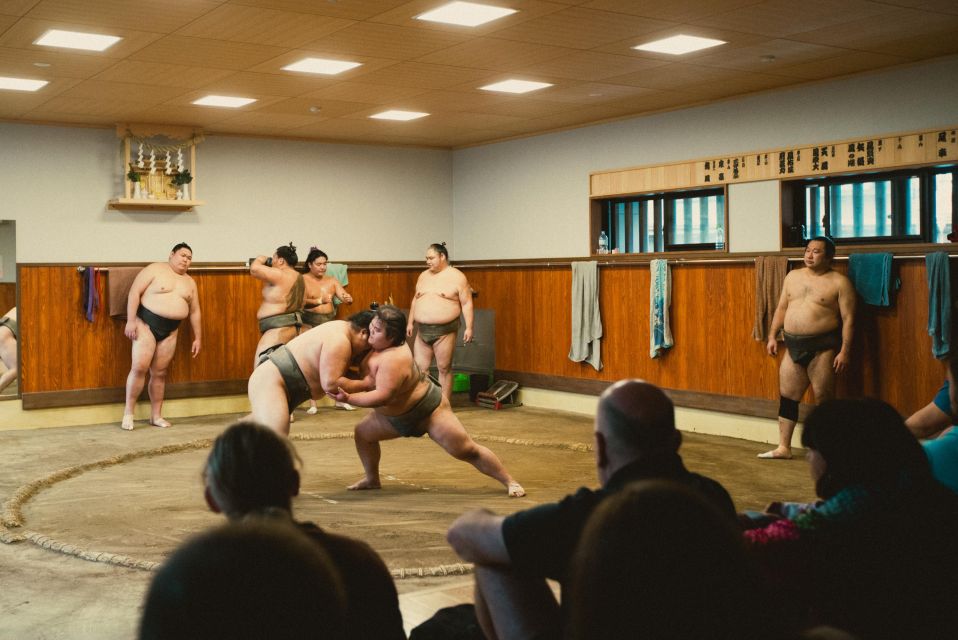
Here’s the tradeoff: this is close-up access, but you pay for it with floor seating. You’ll be sitting without chairs for about 1.5 hours, and the provider notes that if you can’t sit cross-legged, you shouldn’t book.
One participant said it was uncomfortable for someone in their group and they had to step away, which tells you the comfort challenge is real. Another emphasized that you may need to kneel or stand at times depending on where you are in the group.
If you’re someone who can manage floor seating for a short chunk of time, you’ll likely be very happy with the proximity. If not, you’ll probably spend your best photos thinking about your legs.
Price and value: is $116 for two hours a fair deal?
At $116 per person for 2 hours, the question isn’t whether it’s cheap. The real question is what you’re buying: access, context, and insider access to a working stable.
Your money covers an English-speaking guide and the entrance fee to the stable. It does not include food or drinks, and there’s no hotel pickup or drop-off, so you’re responsible for getting yourself to Oshiage early.
When this is a good value, it’s because you’re not paying for a stage show. You’re paying for the chance to watch real training up close, plus the guided explanations that make the experience make sense.
Still, I’d be honest about one caution: on some dates tied to tournament schedules, the practice you see can feel different in intensity. If your goal is maximum spectacle, understand you’re there for training, etiquette, and learning more than for a full event.
When this tour fits best (and when it won’t)
This tour is a great fit if you want authentic, respectful cultural access and you’re okay with early mornings. It’s also ideal if you like learning the story behind what you’re seeing, since the explanations cover rules, rituals, and how sumo works.
Minimum age is 6. If kids are noisy, moving around, or can’t watch quietly, you can be asked to leave the stable during the tour.
It’s also not suitable for people with mobility impairments, mainly because there are no chairs and you’ll be on the floor for a significant stretch.
What to bring (and what to leave home)
Pack for quiet, shoes-off, and potentially wet ground. You’ll want shoes that come off easily, and a towel can save you from a soggy mess.
You should not plan to bring sunglasses, hats, food, luggage, or large bags. The stable rules are clear, and the guide will expect you to comply from the start.
Also, consider the silent etiquette part. You’ll want your phone settings ready for non-flash filming, but keep your attention on the practice rather than post-processing or sharing.
Should you book this sumo morning practice tour?
I’d book it if you want something more meaningful than watching sumo on a screen. The combination of up-close practice, English guidance, and Q&A with the stable master is exactly the kind of Tokyo morning that turns into a real memory.
Skip it if floor seating is a deal-breaker for you, if you need chairs, or if your group can’t keep quiet for the duration of practice. Also skip if you’re not prepared for strict photo rules and the social media restriction.
If you can handle an early start and you enjoy cultural learning, this is one of the most direct ways to understand sumo as discipline instead of spectacle.
FAQ
What time do I need to arrive?
Meet at 7:15AM at Tokyo Metro Oshiage (Skytree Mae) Station, Toei-Asakusa Line Oshiage Station A1 Exit (ground floor). The tour starts at 7:30AM.
How long is the walk to the sumo stable?
It’s about a 15–20 minute walk from the meeting point to the stable.
Can I use the restroom during the practice?
No. You should use the restroom before joining, because you cannot go during the practice.
What is the duration of the tour?
The tour duration is 2 hours.
Are chairs available inside the sumo stable?
No chairs are allowed inside the stable. You’ll sit on the ground during practice.
What photos or videos are allowed?
You can take photos and videos with no flash and without shutter sounds, but you cannot upload them on any social media platform.
What should I avoid bringing?
You can’t bring sunglasses, baby strollers, food, flash photography, luggage or large bags, or hats.
Is there a minimum age?
Yes, the minimum age is 6 years old. Younger kids aren’t suitable for this experience.
When are morning practice tours not held?
Morning practice and tours will not be held in March, July, and November because there are Grand Sumo tournaments outside of Tokyo.
Is hotel pickup included?
No. Hotel pickup and drop-off are not included. You’ll need to get to the meeting point on your own.