REVIEW · TOKYO
Private Zen Meditation in English in Shinjuku, Tokyo
Book on Viator →Operated by 外国人向け体験ツアー · Bookable on Viator
Quiet thoughts in a Tokyo temple. In Shinjuku, a private zazen session led by a Zen monk in English gives you clear guidance from day one, and you can practice with chair zazen if sitting cross-legged is tough (even for kids). The one possible drawback is time: you only get about 1 hour 30 minutes, so it’s best for learning fundamentals, not a long retreat.
What makes this feel special is the setting and the connection behind the practice. Denchuji Temple dates to 1628, and it’s been known for zazen since 1640, with ties to Soto Zen through the Eiheiji tradition. You start at 5:30 pm in the Shinjuku area, with pickup offered and a mobile ticket for smoother evening logistics.
In This Review
- Key points to look for
- Denchuji Temple in Shinjuku: Where Soto Zen Still Makes Sense
- Your 5:30 pm Private Zazen Flow (Private, English, and Beginner-Friendly)
- Three Essentials of Zazen: Posture, Breathing, and Mind
- Posture: the foundation, not the punishment
- Breathing: steady rhythm over performance
- Mind: training attention gently
- Chair Zazen and Family Comfort: When Sitting Cross-Legged Is Not Realistic
- Samurai Spirit and the Why Behind the Practice
- The Spiritual Layer You Might Notice: Shintoism and Kannushi-Led Themes
- Price and Value in Tokyo: Paying for English Monk Guidance
- Logistics That Make or Break Evening Calm
- Who Should Book This Private Zazen Lesson
- Should You Book This Private Zen Meditation in Shinjuku?
- FAQ
- Is this a private meditation session?
- How long is the zazen experience?
- Is instruction offered in English?
- Can I meditate without sitting cross-legged?
- What time does the experience start, and where do we meet?
- Is pickup included?
- Are meals included?
- What if I need to cancel?
Key points to look for
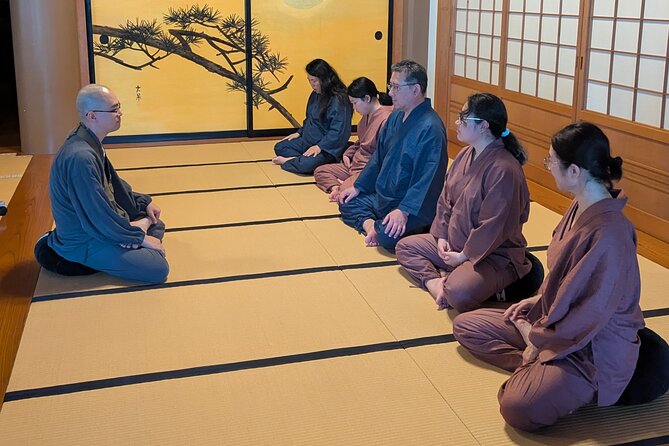
- English instruction by monks at Denchuji Temple, tailored for beginners
- Private group experience so you can ask questions without feeling rushed
- Chair zazen available for kids and anyone who can’t sit cross-legged
- The “three essentials” explanation: posture, breathing, and mind
- Soto Zen context linked to Eiheiji and past Zen master Hata Egyoku
- A calm 5:30 pm start that works well for an evening temple visit
Denchuji Temple in Shinjuku: Where Soto Zen Still Makes Sense
If you want Zen practice without the guessing game, the temple matters. Denchuji Temple in Shinjuku is a Soto Zen site dating back to 1628, and it has been associated with zazen practice since 1640. That’s not just trivia. It helps you understand why the guidance you receive isn’t performance or vague spirituality—it’s a practice rooted in a long, continuous tradition.
There’s also a direct line you’ll hear about during your session: Denchuji’s former head priest, Zen Master Hata Egyoku, served as the 76th chief priest at Eiheiji Temple in Fukui Prefecture, the head temple for the Soto school. When a teaching traces back to that kind of lineage, the whole experience can feel more grounded. You’re not just learning what to do; you’re learning where it comes from.
And yes, this is in Tokyo, in a busy area people associate with neon and crowds. That contrast is part of the charm. You get the rare chance to slow down in the middle of the city, and the temple setting gives your practice a natural sense of boundary—once you’re inside, your focus has a place to land.
You can also read our reviews of more private tours in Tokyo



Your 5:30 pm Private Zazen Flow (Private, English, and Beginner-Friendly)
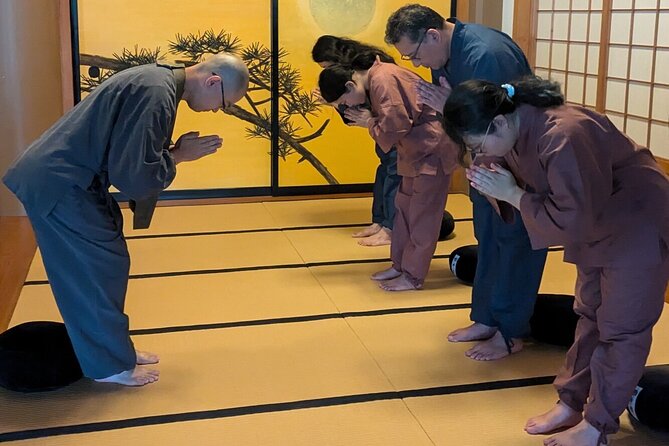
This is a private tour/activity, meaning only your group participates. That’s a big deal for meditation. You can take your time, ask practical questions, and adjust your body without worrying about matching a larger group’s pace.
The session lasts about 1 hour 30 minutes, starting at 5:30 pm. That timing works well if you want something calm in the evening rather than another daytime sightseeing stop. It also means you can pair it with an earlier meal or a light pre-temple walk—keeping the schedule from feeling frantic.
You’ll also have multiple language layers depending on what you need. The tour includes a multilingual local guide (English / French / German / Spanish), and instruction for zazen is guided in English by a monk at Denchuji Temple. In plain terms: you should be able to understand what to do, why you’re doing it, and how to fix common beginner problems.
The experience is built for people who are new. The format is designed to make Zen feel learnable: you receive direct instruction in English, plus a visually guided explanation of the essentials. That visual support matters because meditation can be one of those things where adults assume they must “already know how.” Here, the approach is to help you start correctly from the beginning.
A small consideration: since this is a short private session, you’ll likely leave with a working method, but not a full “mastery” plan. Think of it as a strong first lesson and a confidence-builder for future practice.
Three Essentials of Zazen: Posture, Breathing, and Mind
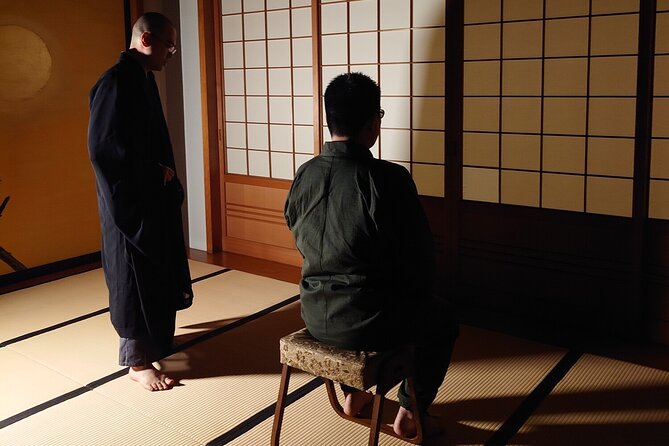
Zen meditation can sound mysterious until someone translates it into simple mechanics. This experience keeps it focused on the essentials—three main components that drive the practice:
- Adjusting posture
- Regulating breathing
- Adjusting one’s mind
The key here is how the instructions are framed. You’re not pressured to force yourself into a perfect technique. Instead, you’re taught the essentials in a way that helps you relax into the practice. That’s especially valuable if you’ve tried meditation before and found yourself getting tense about doing it wrong.
Posture: the foundation, not the punishment
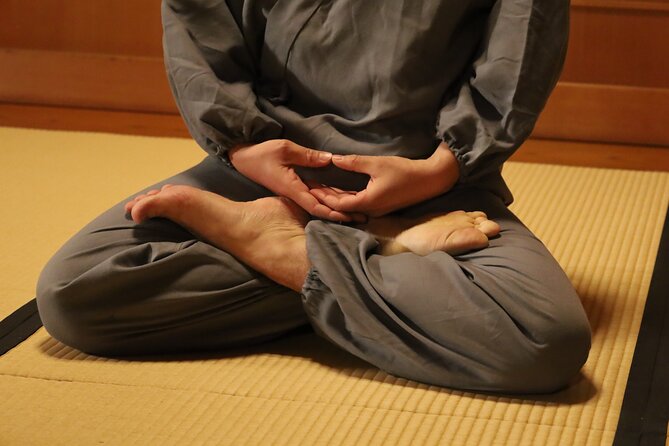
Posture in zazen is about stability and comfort that supports attention. You’re guided to position your body in a way that lets you stay present without fidgeting constantly. If you’re new, you might notice how quickly your mind reacts to discomfort. That’s normal. The guidance helps you treat posture as a tool for calmer focus, not a test.
Breathing: steady rhythm over performance
Breathing regulation doesn’t have to be dramatic. The point is to create a consistent base so the mind has something reliable to return to. If your mind wanders, it’s easier to come back when your breathing is set to a familiar rhythm.





Mind: training attention gently
The third essential is adjusting your mind. That can be the hardest part to explain, but the experience aims to make it feel practical. You don’t need special thoughts or a mystical state. You’re learning how to notice distractions and return—again and again—without turning it into self-criticism.
If you’re the kind of person who likes structure, you’ll probably appreciate how the lesson stays tight. Zen isn’t presented as a pile of complicated rules. It’s presented as a small, repeatable practice you can actually carry home.
Chair Zazen and Family Comfort: When Sitting Cross-Legged Is Not Realistic
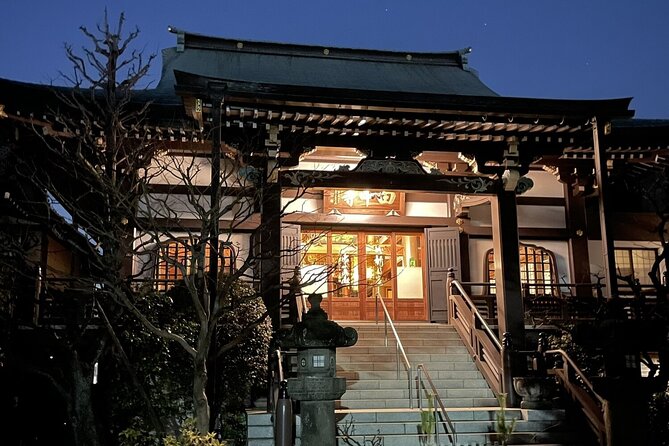
One of the best value points here is that chair zazen is available. If you can’t sit cross-legged—because of knees, hips, strength, or age—you can still do the practice in a way that fits your body.
This matters for two reasons:
- You can participate without turning the session into physical pain.
- Beginners don’t have to suffer through the hardest position just to learn the basics.
The tour specifically notes chair zazen is available for those who can’t sit cross-legged, including children and those with physical limitations. Just tell the organizer in advance if you’d like to try it.
From a practical standpoint, this also helps families. If you’re traveling with kids, meditation can either become an enjoyable calm moment or a frustrating struggle. Chair zazen increases the odds that everyone can participate with dignity and comfort.
A quick consideration: since you need to request chair zazen in advance, don’t wait until the last minute if this is important to your group. The more you plan, the smoother the experience tends to feel.
Samurai Spirit and the Why Behind the Practice
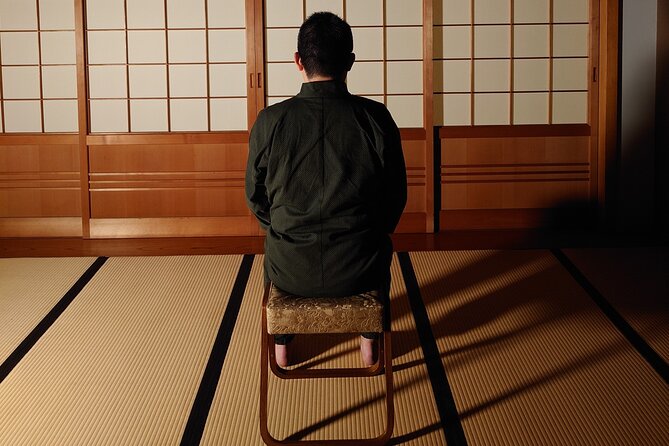
This session doesn’t teach Zen only as a breathing exercise. It also connects Zen practice to ideas people associate with the samurai spirit—discipline, attention, steadiness under pressure.
You might not come away with a history lecture. Instead, you’ll likely feel the logic: zazen is training for the mind. That training becomes more meaningful when it’s placed in the cultural context of how Japan valued calm focus and self-control.
And because this is Denchuji Temple, you also get the Soto Zen context. You’ll hear about how the experience relates back to the Soto school’s head temple Eiheiji via Zen Master Hata Egyoku. That lineage helps explain why the teaching style emphasizes fundamentals. Soto Zen is often about consistent practice rather than flashy breakthroughs, and that theme fits the way this session teaches the basics.
The Spiritual Layer You Might Notice: Shintoism and Kannushi-Led Themes
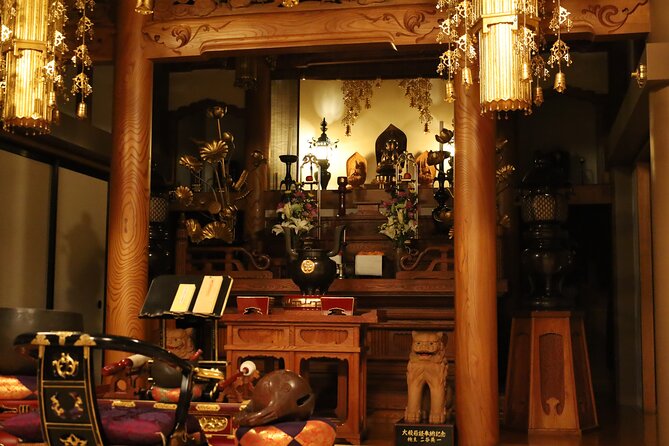
One of the more interesting aspects, based on what’s described for these experiences, is that you may also discuss relationships between Zen practice and broader Japanese spiritual traditions—especially Shintoism and the role of a Kannushi (Shinto priest) in guided meditation topics tied to harmony with nature.
That doesn’t mean you’ll leave with a comparative religion textbook. But it can add texture, especially if you’re curious about why Japanese spirituality often feels blended in daily life. Buddhism and Shinto have historically interacted in many places, and understanding the cultural overlap can make your temple visit feel more connected to what you’re seeing outside the gates.
If you prefer a strictly Zen-only session, it’s worth keeping in mind that the experience can include spiritual discussion beyond meditation technique. The upside is that it can help you interpret what you see and hear during your time in Tokyo’s religious spaces.
Price and Value in Tokyo: Paying for English Monk Guidance
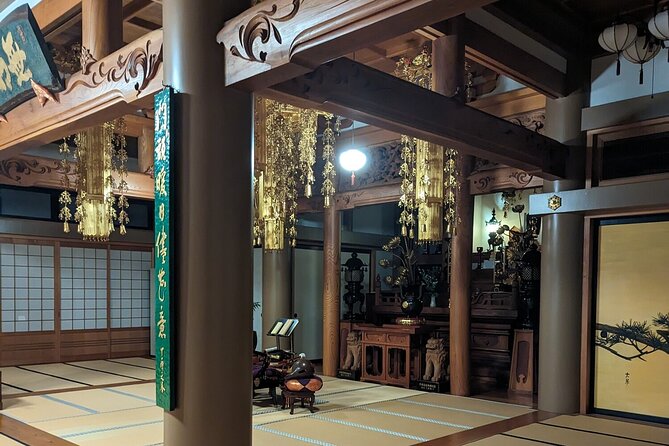
At $169.08 per person for about 1 hour 30 minutes, the price can look steep at first glance. In a city where you can find plenty of low-cost activities, why pay this?
Here’s the value equation that makes sense:
- You’re paying for private instruction rather than joining a big class.
- You’re paying for English guidance by a monk, which reduces confusion fast.
- You’re paying for a teaching format built for beginners, including visual explanation.
- You’re paying for flexibility like chair zazen so you’re not forced into an unsuitable position.
That combo is the real product. It’s not only the location. It’s the clarity, the coaching, and the chance to ask questions in your language—right in a temple setting that’s been practicing zazen since the 1600s.
Also, the experience is booked on average about 7 days in advance, so if you want a specific plan, waiting can make scheduling harder. Private temple experiences tend to sell out, and evening slots are often tighter than daytime ones.
Logistics That Make or Break Evening Calm
This experience includes pickup offered, plus a mobile ticket. That matters because Tokyo evenings can be convenient but can also be stressful if you’re trying to coordinate multiple transfers right before a quiet activity.
The start location is given near Edogawabashi Station: 1-chōme-19-6 Sekiguchi, Bunkyo City, Tokyo 112-0014, Japan, with a 5:30 pm start. The tour is near public transportation, so even without pickup, you should have options.
A few practical notes to keep your evening smooth:
- Plan to arrive a little early so you’re not rushing right as the session begins.
- If you want chair zazen, communicate it ahead of time.
- Wear comfortable clothes that let you move naturally. (Even without being told specific requirements, temple settings usually expect respectful behavior and modest presentation.)
And yes, service animals are allowed, so if you travel with one, you can still participate.
Who Should Book This Private Zazen Lesson
This is a strong fit if you want any of the following:
- Beginner-friendly Zen with direct English guidance
- A private setting where you can ask questions
- A meditation option that supports bodies that can’t sit cross-legged via chair zazen
- A short evening activity that feels calm, meaningful, and not overly touristy
It’s also a good choice if you’re interested in the cultural side: Soto Zen connections to Eiheiji and historical ties around Denchuji Temple, plus possible discussion of Shinto themes and nature harmony.
If you’re looking for a full-day retreat with long silent periods, this won’t match that format. But if you want a first taste that actually teaches you the mechanics, it’s the kind of lesson you can repeat on your own afterward.
One extra human detail: the experience provider’s representative, Shinya Yamada, signs off on messages with a warm, specific tone—thanking people for what resonated and appreciating details like how informative the monk felt. That kind of attention to how people experience the session is a good sign for service quality.
Should You Book This Private Zen Meditation in Shinjuku?
Book it if you want to learn zazen with real instruction, in English, in a place that’s practiced for centuries. The private format, short length, and chair-zazen option are practical advantages that make it easier to succeed the first time.
Skip it or think twice if you want hours and hours of silent practice or if you’re hoping for a long cultural tour with multiple temple stops. This is a focused meditation lesson. The value is clarity and guidance, not a day packed with sightseeing.
If you’re traveling with family or anyone with mobility limits, this is especially worth considering. The ability to practice comfortably changes the whole experience.
FAQ
Is this a private meditation session?
Yes. It’s a private tour/activity, so only your group will participate.
How long is the zazen experience?
The duration is about 1 hour 30 minutes.
Is instruction offered in English?
Yes. The zazen meditation is guided in English by a monk at Denchuji Temple.
Can I meditate without sitting cross-legged?
Yes. Chair zazen is available. Let the organizer know in advance if you’d like chair zazen.
What time does the experience start, and where do we meet?
It starts at 5:30 pm. The meeting point is listed near Edogawabashi Station in Bunkyo City.
Is pickup included?
Pickup is offered.
Are meals included?
No lunch or dinner is included.
What if I need to cancel?
This experience is non-refundable and cannot be changed for any reason. If it’s canceled due to the minimum number of travelers not being met, you’ll be offered a different date/experience or a full refund.