REVIEW · TOKYO
Tokyo Shibuya and Harajuku Walking Tour With A Guide
Book on Viator →Operated by Guydeez · Bookable on Viator
Tokyo’s street style starts here. I love that this walk strings together the Shibuya Scramble Crossing and Harajuku fashion without making you fight the transit map. You get a guided route through the big-name stops plus the kinds of side streets and street-level details that make Tokyo feel real fast.
Two things I especially liked: the guide helps you read what you’re looking at (not just point at it), and the whole route is built so you spend time outside, walking, and people-watching. One thing to keep in mind: it’s a lot of walking in about 3 hours, so comfy shoes matter more than you think.
In This Review
- Key Things to Know Before You Go
- First Steps in Shibuya: Meeting at the Station Hub
- Shibuya Scramble Crossing and Hachiko: Tokyo’s Crowd Energy, Explained
- Center-gai and Shibuya 109: Shopping With a Street-Level Lens
- Harajuku Station to Takeshita Street: The Main Strip, Without Getting Lost
- Ura-Hara (Urban Harajuku): Backstreets for Alternative Style
- Omotesando: Tokyo’s Fashion Avenue, From Designer to Café
- Meiji Shrine Grounds: A Quiet Break From the Noise
- Tour Value and Pace: Is This Worth the $48.21?
- What Guides Bring to the Experience (From the Names I Noticed)
- Who This Tour Fits Best (and Who Should Think Twice)
- Should You Book This Shibuya and Harajuku Walking Tour?
- FAQ
- How long is the Tokyo Shibuya and Harajuku Walking Tour?
- What does the tour cost?
- What’s included in the tour price?
- Are food and drinks included?
- Is public transport included during the tour?
- Is entry to monuments and museums included?
- Is this tour private, or do I join a group?
Key Things to Know Before You Go
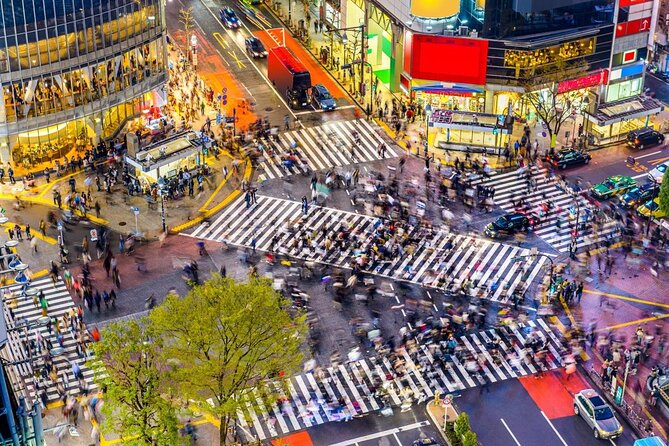
- Shibuya Scramble Crossing as your starting punch: you’ll orient fast at the Shibuya Station area, then flow into classic landmarks.
- Fashion stops planned, not random: Shibuya 109, Takeshita Street, and Omotesando are right there, so you see different sides of Tokyo style in one run.
- Backstreet contrast in Harajuku: Ura-Hara (Urban Harajuku) gives you a different mood than the main shopping strip.
- Most stops are free to see: the listed highlights are free admission, so your money goes to the guide and timing.
- Guides tailor the walk: they can adjust to your interests, and many guides running this route focus on how Tokyo life feels day to day.
- You keep control of food and transit costs: drinks/food and public transport during the tour are not included.
First Steps in Shibuya: Meeting at the Station Hub
This tour starts at Tokyu Tokyo Metro Shibuya Station Tourist Center (near your main meeting point in Shibuya). If you’ve never navigated Tokyo before, Shibuya can feel like a video game level: tons of exits, tons of people, and signs that look designed by someone who enjoys chaos. Starting right here is smart. You get a real orientation around a place you’ll definitely pass later anyway.
At the start, you’ll spend about 20 minutes in the station area. This matters because Shibuya isn’t just a sight; it’s a transit system that spills into street life. Once you understand that flow, everything else feels easier.
A nice bonus: the tour uses a mobile ticket, so you’re not scrambling with paper tickets before you even step outside. That’s a small thing, but it reduces stress when your first day in Tokyo already has enough moving parts.
You can also read our reviews of more walking tours in Tokyo


Shibuya Scramble Crossing and Hachiko: Tokyo’s Crowd Energy, Explained
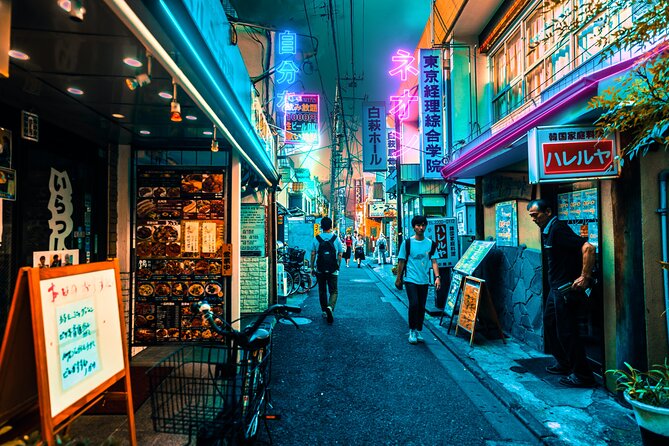
Next up is Hachiko, the famous statue outside Shibuya Station. It’s a meeting point, a photo spot, and a reminder that Tokyo has both modern tech energy and older cultural stories in the same few blocks.
Why this stop works on a walking tour: it gives you a human anchor. You’re not only watching crowds—you’re connecting the area to a specific local story of loyalty. It also helps you get oriented before you start moving into the shopping layers of Shibuya.
You’ll also get time around Shibuya’s pedestrian world, including a look at the iconic scramble crossing area. This is where the guide’s value shows. Instead of you trying to figure out where to stand and how long the waves of people last, you’re guided through how the area functions and why it’s such an identity marker for Tokyo.
Practical note: the crowd factor is real. Even if the route timing is planned, Shibuya is Shibuya. You’ll want to keep your pace steady and your phone secure.
Center-gai and Shibuya 109: Shopping With a Street-Level Lens
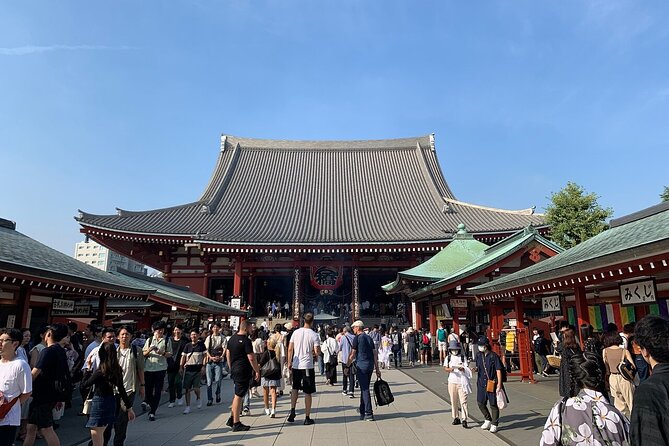
From Hachiko, you head to Shibuya Center-gai, a pedestrian street known for youth-focused storefronts, cafes, and quick, casual shopping. This stop is less about one single landmark and more about understanding Shibuya’s rhythm: quick decisions, loud storefronts, and the kind of street atmosphere that makes Tokyo feel like a live feed.
Then comes Shibuya 109. This is a landmark department store built around youth fashion, especially style aimed at young women. If you’re a style watcher, this stop is useful because it shows you how trends are packaged and sold at scale. It’s not only streetwear you’ll see in Harajuku; you’ll also see fashion made into a retail machine.
Here’s the balanced part: if you hate crowds or you’re not into shopping, Shibuya 109 may feel like sensory overload. But if you want a snapshot of what Tokyo style looks like in a mainstream, high-visibility setting, it’s hard to beat.
Harajuku Station to Takeshita Street: The Main Strip, Without Getting Lost
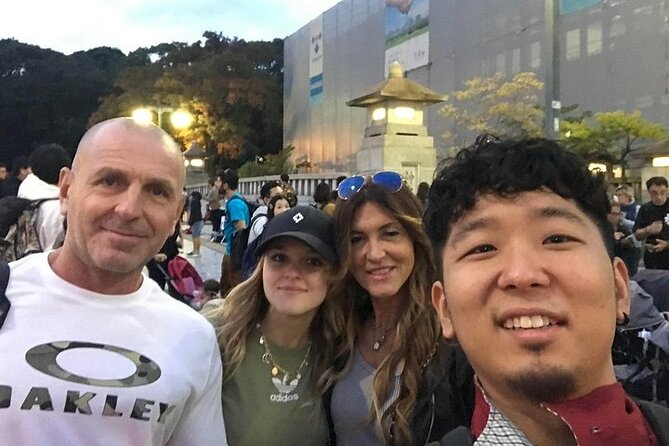
After Shibuya, you move to Harajuku Station and into Takeshita Street. The big idea here is contrast. Shibuya can feel fast and polished; Harajuku often feels playful and costume-forward—more street style, more mix-and-match, more novelty energy.
You’ll spend about 20 minutes at Harajuku Station area, which is enough time to adjust to a different crowd and a different vibe, before heading into Takeshita Street. Then it’s about 20 minutes walking the strip itself. This is a people-watching stop as much as it is a shopping stop.
What makes Takeshita Street work on a guided walk: you don’t just wander. You get pointers for what to look for—types of stores, common styles, and how the area shapes what you see on the street. Guides also tend to offer practical advice on where it’s easier to move and what streets tend to feel calmer a few blocks away.
If you’re coming from a place where street fashion is more subtle, Takeshita Street can feel like the volume knob is turned up. That’s part of the point. You’re not going to “solve” the style world here—you’re going to sample it.
Ura-Hara (Urban Harajuku): Backstreets for Alternative Style
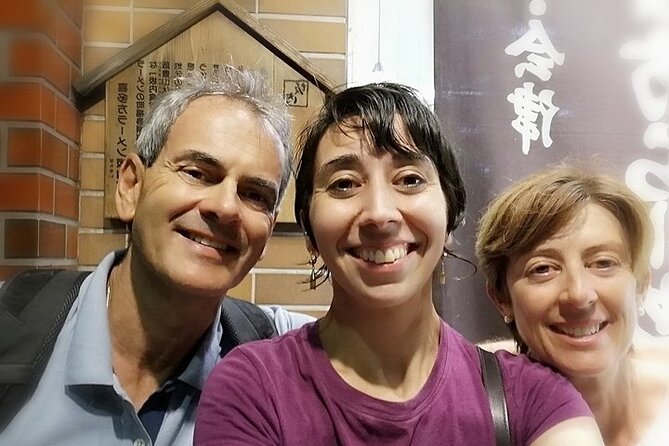
Then you’ll move from the main strip toward Urban Harajuku, also known as Ura-Hara, the backstreets side of Harajuku. This is where the mood shifts again. Instead of the headline stores, you get smaller shops and a different slice of the style map.
Why I like including Ura-Hara: it helps you avoid the trap of thinking Harajuku is only one look. Backstreets tend to show the more personal side of fashion—stuff you might not see in a big, obvious shopping corridor.
This stop is also a good reset. It’s still Harajuku, but the narrower streets make it easier to feel like you’re actually walking through a neighborhood rather than moving through a theme park.
A quick consideration: if you’re mainly here for big-name brands or luxury browsing, Ura-Hara might feel more niche than you expected. But if you like the idea of street style as culture, not just shopping, it’s a highlight.
You can also read our reviews of more guided tours in Tokyo


Omotesando: Tokyo’s Fashion Avenue, From Designer to Café
Next comes Omotesando Avenue, often compared to famous shopping avenues abroad because of how clean the streets look and how prominent the architecture-and-brand combo becomes. This part of the walk is about the other end of the fashion spectrum: sleek storefronts, designer flagships, and a more polished street experience.
You’ll also get time for a short pause at street level. Even if you don’t plan to buy anything, it’s worth looking at how the architecture frames the brands, and how people move differently here compared with Harajuku’s tighter lanes.
This is one of the most practical stops for first-timers: it gives you context. You see that Tokyo style isn’t only street-level chaos—it also has planned, high-design versions of the same idea.
Meiji Shrine Grounds: A Quiet Break From the Noise
After all the shopping streets, you’ll end with Meiji Shrine Imperial Garden. This is one of Tokyo’s major Shinto shrines, dedicated to Emperor Meiji and Empress Shoken. The biggest value here is the contrast. You’ve been in loud crowds and busy retail zones; now you get to slow down in a forested setting.
This tour doesn’t position Meiji Shrine as a deep, inside-only museum visit. It’s a walking tour, so you’re getting the outside grounds experience—enough time to feel the shift and reset your head before the tour finishes back near where you started.
Practical note: even on a short stop, it helps to act like the space matters. Keep your voice down and move at a respectful pace. It makes your photos better, too.
Tour Value and Pace: Is This Worth the $48.21?
At about $48.21 per person for an approximately 3-hour walk, you’re paying for three things: a guided route through major areas, cultural context, and time saved from figuring out where to go and how to connect stops.
You also get a few “value wins” built in:
- Most listed stops are free to view, so you’re not paying monument fees to see the highlights.
- You’re not juggling multiple days of planning for Shibuya + Harajuku—this compresses the must-sees into one session.
- The guide can tailor the tour to your interests. That’s not just comfort. It’s how you get more out of a short timeframe.
What you’re not paying for (and should plan for):
- Food and drinks are not included.
- Public transport costs during the tour are your responsibility.
- This is a city walk, not an inside-the-monument type day.
So if you’re a solo traveler on limited time, or you want a first-day orientation that doesn’t involve buying museum tickets or hunting train platforms, this pricing starts to make sense fast.
What Guides Bring to the Experience (From the Names I Noticed)
I like that this tour tends to attract guides who share more than facts. In past groups, names like Riccardo and Sébastien have guided this route with a focus on Tokyo daily life and getting you into a few spots you might not notice on your own.
Other guide names I saw in the mix include Francine, Sergio, Timothy, Joe, and Jenny. The common thread: they’re friendly, English-speaking, and they spend time explaining how and why people do things in these areas—not only what the landmarks are.
If you’re choosing this as a first taste of Tokyo, that kind of street-level interpretation is the difference between collecting photos and actually understanding the place.
Who This Tour Fits Best (and Who Should Think Twice)
You’ll probably love this tour if:
- You’re short on time and want Shibuya + Harajuku in one go.
- You’re a style fan who wants to see different fashion zones side-by-side (Shibuya 109, Takeshita Street, Omotesando).
- You want to skip the mental load of figuring out the best walking path between areas.
You might think twice if:
- You don’t like crowds and prefer quiet sightseeing.
- You expect lots of indoor stops or long museum time. This is a walk outside, mostly around streets and public spaces.
- You want food included. You’ll need to budget for snacks or meals separately.
Should You Book This Shibuya and Harajuku Walking Tour?
My take: book it if you want a confident first day in Tokyo with major sights + real fashion street culture, without turning your schedule into a transit spreadsheet. The mix of Shibuya’s giant pedestrian energy, Harajuku’s street style, and the calm reset at Meiji Shrine makes the route feel balanced.
If you hate walking, or you only want quiet, structured sightseeing, you may find the pace less fun. But for most first-timers—and especially style lovers—this is a solid way to get your bearings fast and see Tokyo’s personality in street-level form.
FAQ
How long is the Tokyo Shibuya and Harajuku Walking Tour?
It’s about 3 hours (approx.).
What does the tour cost?
The price is $48.21 per person.
What’s included in the tour price?
You’ll get a walking tour with an in-person guide (English, Spanish, French, or Italian speaking), customization of the tour, and help from the team to book tickets for the desired visits. The tour also uses a mobile ticket.
Are food and drinks included?
No. Drink or food is not included.
Is public transport included during the tour?
No. Transportation costs for using public transport during the tour are at your own expense.
Is entry to monuments and museums included?
No. Entry to monuments and museums is not included.
Is this tour private, or do I join a group?
It can be private or small group. A private option is available (only your group participates). If you choose the group option, a minimum of 2 participants is required.