REVIEW · TOKYO
Watch Sumo Morning Practice at Stable in Tokyo
Book on Viator →Operated by Beauty of Japan · Bookable on Viator
A quiet ring beats a loud arena. Watching sumo morning practice at a Tokyo stable is one of the rare chances to see the sport in its working form, not as a TV show. I love the small group size and the up-close view where you feel the intensity.
I also like how the experience asks you to behave like part of the training crowd. You’ll settle in, watch stretches and footwork, and keep things calm—no eating, no loud chatter, and no attention-grabbing camera use.
The main drawback is comfort and timing. You sit on the floor for about 60–90 minutes (sometimes shorter during tournament season), and the mats can be unforgiving—so bring a plan if your legs or back get cranky, and expect timing to vary.
In This Review
- Quick hits before you go
- Why a sumo stable morning feels different in Tokyo
- Getting to Ryogoku Kokugikan area without stress
- What you’ll see on the dohyo: stretches, warm-ups, and training
- The photo at the end: included, but don’t plan too tightly
- Floor comfort and viewing strategy: your legs matter more than you think
- Price and value: what $95.77 buys you (and what it doesn’t)
- Group size, rules, and why “quiet” is part of the experience
- Who should book this sumo morning practice, and who should skip it
- Should you book this Tokyo sumo stable morning?
- FAQ
- What duration should I expect?
- When does it run in Tokyo?
- Is food included?
- Are photos included?
- Do I need to sit on the floor?
- What’s the minimum age?
- How large is the group?
- Will I know the exact stable schedule ahead of time?
- Is there a risk the practice time changes?
- What if the weather is bad?
Quick hits before you go
- Small group (max 10 travelers) means you’re not swallowed by a wall of people.
- Photo moment included at the end, with the wrestlers (but the schedule can shift).
- Quiet etiquette rules matter: don’t eat, don’t talk loudly, and skip bright-flash photography.
- Duration depends on the sumo calendar: typically 60–90 minutes, often 30–40 during tournaments in Tokyo.
- Floor seating is real: plan for long sitting on the tatami and coordinate chair requests ahead.
- Staying close to the action is the point—front-row access is a big deal.
Why a sumo stable morning feels different in Tokyo
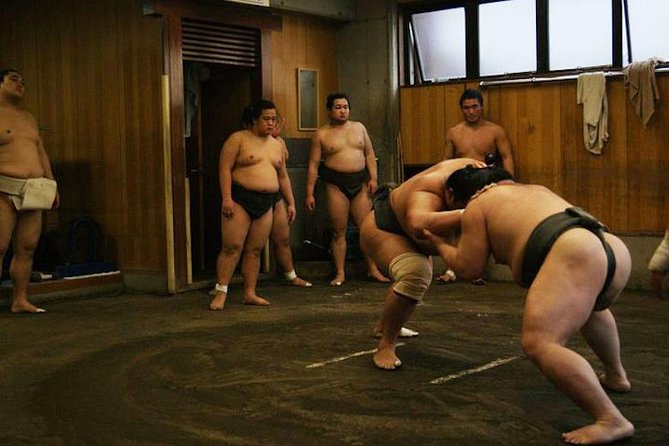
If you only see sumo on match day, you mostly see spectacle. A stable morning practice shows the other side: discipline, repetition, and warm-up routines that look simple until you watch the power come through. It’s traditional Japan you can actually witness, not just read about on a signboard.
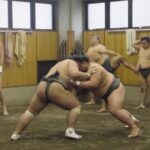
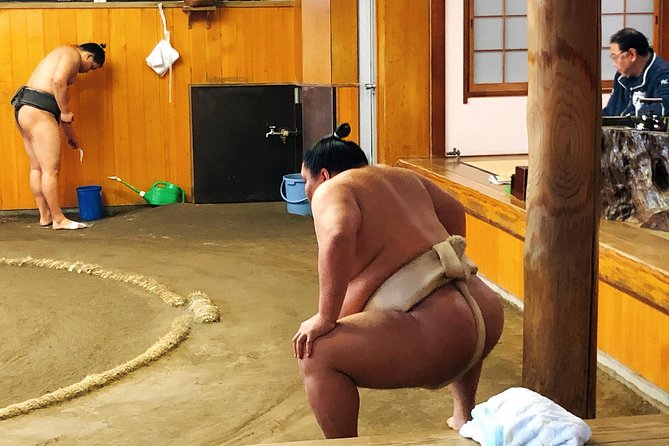
This format is also unusually direct. You’re seated inside the training space while wrestlers stretch, warm up, and work the dohyo (the ring). There’s usually no big performance feel—just serious athletes doing serious work, with a rhythm you can understand even if your Japanese is zero.
And you’ll get the human scale of sumo. Some of the best moments come from the small interactions—how practice partners adjust, how attention moves when someone steps in, and how the group settles into the next sequence.
You can also read our reviews of more tours and experiences in Tokyo
Getting to Ryogoku Kokugikan area without stress
Your tour starts in Tokyo and includes a set meeting point so you’re not stuck playing “where is this stable?” at dawn. The program centers on the Ryogoku Kokugikan area, which is the right neighborhood for sumo.
Still, treat it like a morning assignment. You’ll want to arrive early enough to find where your group will sit, because sightlines can be tough in a crowded stable environment. One practical tactic: if you’re taking a taxi, have the destination address in Japanese characters ready—many drivers can’t read English addresses well.
Once you’re with your guide, you won’t need to solve the route yourself. The value here is you show up, get oriented quickly, and then focus on the practice.
What you’ll see on the dohyo: stretches, warm-ups, and training
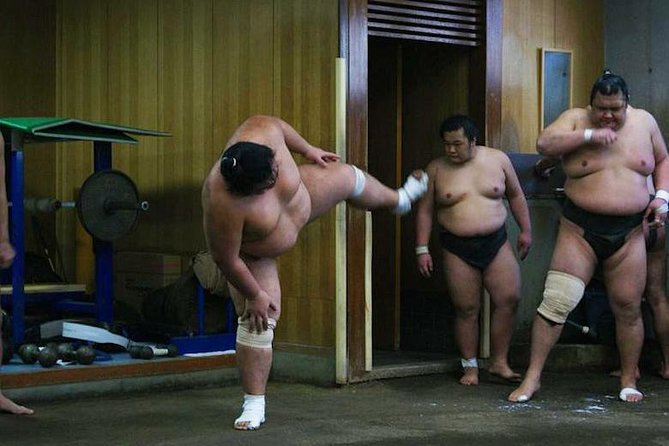
This is the core of the experience: you watch morning practice in real time, from the floor. Plan on a calm atmosphere. You’ll be asked not to eat, not to talk loudly, and not to use intrusive camera noise or bright flashes. It’s not strict just to be strict—it’s how you avoid disrupting professional training.
A typical session includes:
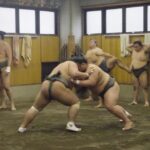
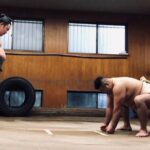
- Wrestlers stretching and warming up
- Technique-focused practice on the dohyo
- Sparring or more contact-heavy segments as the morning progresses
- A brief end portion for photos
Expect a lot of stillness from your side. You’ll be seated on the floor, watching athletes move with purpose. That slow build—from warm-ups into sharper training—turns out to be part of the fascination. You can see how the body gets prepared and how technique shows up before full intensity.
Also, don’t expect a movie soundtrack. This isn’t entertainment. It’s work, done with tradition and rules. If you come in ready for quiet observation, you’ll get far more out of it.
The photo at the end: included, but don’t plan too tightly
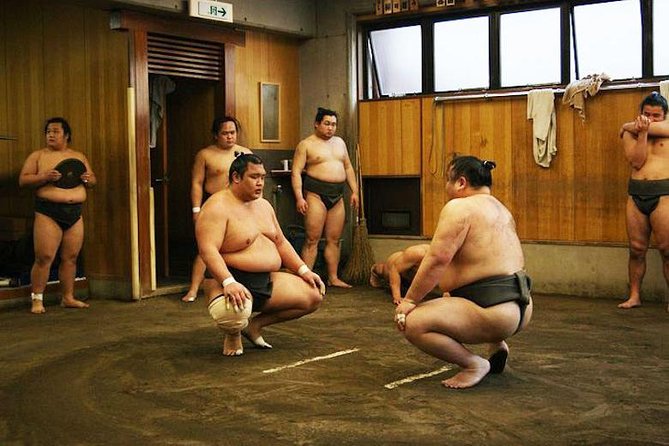
You get photos with sumo wrestlers at the end—that’s explicitly included. This is a nice payoff after the silent watching, and it’s usually why many people book this rather than just wandering past a stable.
The timing can shift, though. Practice duration varies day to day, and during tournament season in Tokyo (around 15th–25th in January, May, and September), practice can drop to 30–40 minutes while the price stays the same. On regular days you’ll typically be around 60–90 minutes, and the tour length can end up shorter or longer depending on the stable schedule.
My advice: keep your morning schedule flexible after the start time. If you’re commuting to another reservation right after, give yourself a buffer. The quiet training session is one thing; the photo moment depends on how practice runs that day.
Floor comfort and viewing strategy: your legs matter more than you think
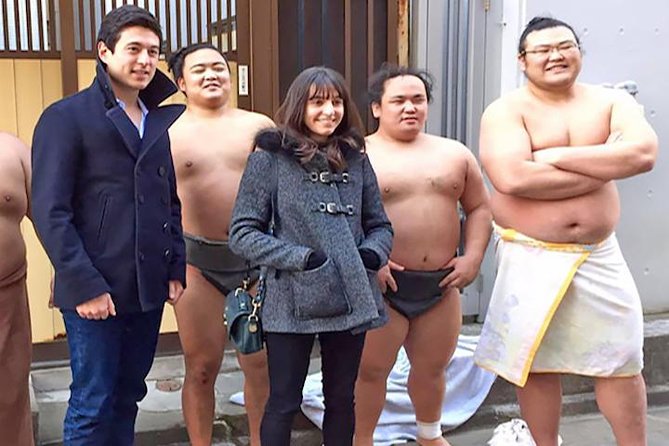
Here’s the deal-breaker for some people: you need to sit on the floor for an extended period. The activity runs roughly 60–90 minutes in most conditions, and the experience is often described as a full stretch of quiet observation. If you’re thinking chair is guaranteed, don’t assume it. Chairs exist, but you may need to request them, and even then, your view can vary.
What helps:
- Arrive early enough to secure a better sightline. Front rows make a huge difference in a small stable space.
- If you have back or leg issues, plan ahead and request extra seating/stool support as early as you can.
- Wear something you can sit in for a while. This is not a quick peek; it’s a commitment to watching.
Also consider how seating works inside a stable. If someone more central (like a coach or key figure) ends up blocking part of your view, you might feel it. So if there’s any chance to adjust your position on arrival, take it.
Bottom line: if you’re comfortable sitting cross-legged or in seiza-style positions, you’ll enjoy this much more. If not, you’ll want the seating option ready before you step into the room.






Price and value: what $95.77 buys you (and what it doesn’t)
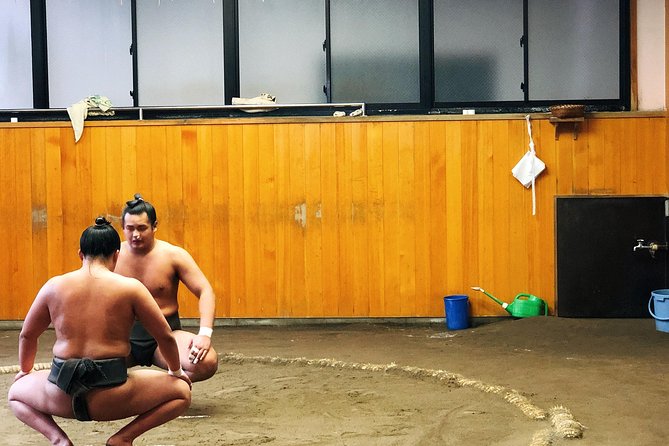
At about $95.77 per person, this isn’t a budget impulse buy. The value comes from three things you can’t fake:
- Access to an active morning practice in a stable environment (not a staged demo).
- An included entrance fee to watch training.
- Photos included at the end.
There’s also real value in the small group cap (max 10 travelers). In a setting where everyone must sit, fewer people generally means less crowding and better chances for viewable seats.
What’s not included is important: no food or beverages. So plan to eat beforehand, and don’t count on having snacks during the session. Also, since the tour happens in the morning window (not late afternoon), you’ll likely want to eat early enough that you’re not hungry—and you’re not tempted to break the quiet rules.
If you love hands-on culture and you’re okay with quiet, this price can feel fair. If you want lots of commentary, standing-room comfort, or a flexible “look around anytime” format, you may feel the cost more sharply.
Group size, rules, and why “quiet” is part of the experience
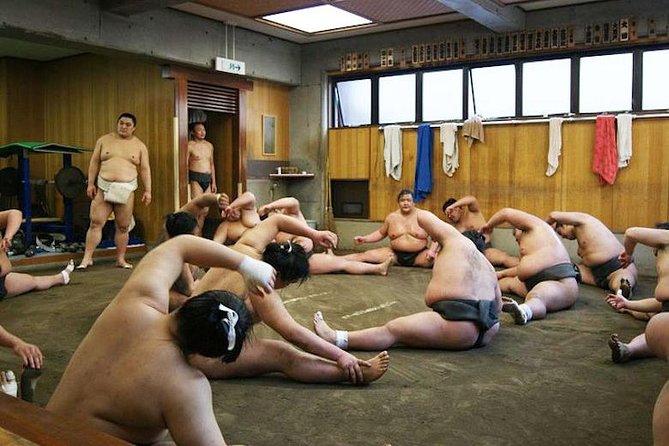
The training itself is serious, and the stable asks visitors to act accordingly. That’s why you’ll hear the etiquette reminders: don’t eat, don’t talk loudly, and be careful with photography and sound.
This matters because it shapes your experience. When you keep still and quiet, you start noticing the details: how wrestlers reset between sequences, how space is managed, and how the pace changes when practice turns more intense.
I also recommend doing a little reading before you go about how sumo training works inside a stable—especially the idea of roles and hierarchy. Even with limited formal explanation during some sessions, knowing there’s an order to who trains when and how attention shifts helps you watch more intelligently.
Who should book this sumo morning practice, and who should skip it
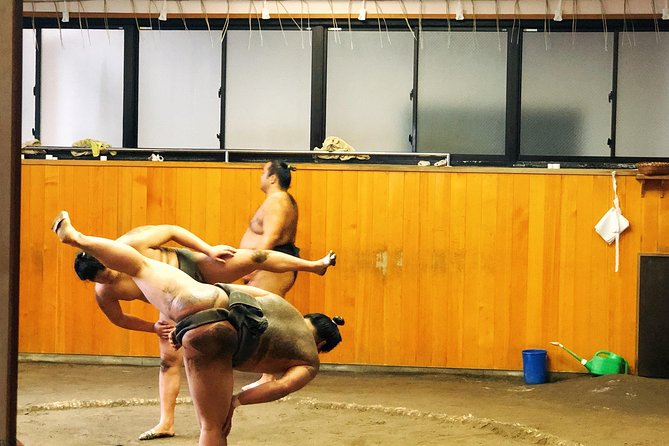
Book this if:
- You want authentic sumo training access rather than a match-day experience.
- You’re fine with quiet observation and long sitting.
- You’d enjoy seeing stretching, warm-ups, and practice progression at close range.
- You care about getting photos included at the end.
Consider skipping if:
- You need a standard chair for long periods. Floor seating is central here.
- You’re looking for standing, roaming, or lots of interactive instruction during the session.
- You have a tight schedule and can’t tolerate timing shifts, especially around tournament periods.
Age note: the minimum age is 13 years. The tour also says most travelers can participate, but you should take the sitting requirement seriously.
Should you book this Tokyo sumo stable morning?
I’d book it if your idea of a great trip includes slow culture moments and real training, not a performance. The up-close access, the small group size, and the included photo moment make the value feel concrete—especially if you’re already in central Tokyo and want something genuinely different.
I wouldn’t book it if you hate floor seating or you need heavy guidance throughout. For some people, the silence and stillness feel like boredom. For others, that’s the point: you’re watching professionals do their work.
If you do book, go prepared: arrive early for better sightlines, request seating support if you need it, eat beforehand since no food is included, and keep your next plans flexible.
FAQ
What duration should I expect?
The session is typically 60 to 90 minutes. During tournament season in Tokyo (around the 15th–25th in January, May, and September), practice duration can be 30 to 40 minutes while the price remains the same.
When does it run in Tokyo?
It operates on Monday–Saturday during specific windows, with start times in the 8:00 AM–10:00 AM range. The listed date windows include Feb 2–14, 2026, Mar 31–Apr 30, 2026, and May 1–May 9, 2026.
Is food included?
No. The tour does not include any food or beverages.
Are photos included?
Yes. Photos with sumo wrestlers at the end are included.
Do I need to sit on the floor?
Yes. The experience requires sitting for long periods on the floor. The information also notes that you can request a chair/stool, but plan for floor seating first.
What’s the minimum age?
The minimum age is 13 years.
How large is the group?
This activity has a maximum of 10 travelers.
Will I know the exact stable schedule ahead of time?
Conditions depend on the stable’s schedule and can only be confirmed about one week before. Some months are closed due to tournaments, and exact dates vary each year.
Is there a risk the practice time changes?
Yes. The ending time of practice varies by day, and duration can shorten during tournament periods. Because the photo is at the end, it can depend on how the session runs.
What if the weather is bad?
The experience requires good weather. If it’s canceled due to poor weather, you’ll be offered a different date or a full refund.