REVIEW · TOKYO
Gyoza Making from Scratch- Tokyo Ultimate Cooking Class
Book on Viator →Operated by Patia's Japanese Cooking Class · Bookable on Viator
Gyoza tastes better when you fold it yourself. I love making wrappers from scratch, and I love the hands-on, step-by-step guidance that turns into yaki-gyoza you can actually repeat later. One thing to consider: there’s no hotel pickup, so you’ll want an easy route to the central studio.
This Tokyo class runs in a modern Patia Kitchen studio in central Tokyo, with a small group (up to 12). The instructor is English-speaking and guides you carefully, which makes the cooking feel doable rather than intimidating—especially if your Japanese is limited, but your curiosity is not.
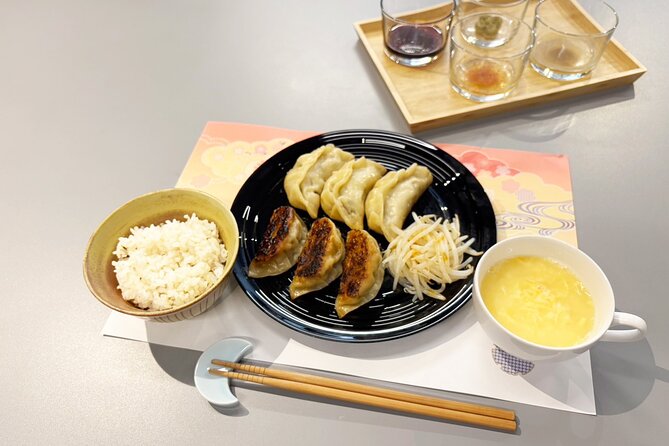
You won’t just cook and snack. You’ll make and enjoy gyoza with several different dipping sauces, plus a soup and a side dish, and you’ll take home an English recipe and digital photos after the class as a souvenir.
In This Review
- Key things to know before you go
- Why this Tokyo gyoza class beats the usual dinner plan
- Inside Patia Kitchen: a real cooking studio in central Tokyo
- Kneading gyoza wrappers from scratch: what you learn (and why it matters)
- The juicy filling secret, plus the pork-versus-chicken option
- Folding techniques: making the pleats you actually want
- Pan-frying your yaki-gyoza: the payoff step
- Soup, side dish, and dipping sauces: turning cooking into a full meal
- The takeaway kit: English recipe and digital photos you can use
- Price and timing: what $92.24 buys you in real terms
- Who should book this gyoza making from scratch class
- Should you book it?
- FAQ
- How long is the gyoza making class?
- Is the instructor English-speaking?
- What will I make and cook during the class?
- What’s included in the price?
- Can I request chicken instead of pork?
- How big is the group?
- Is hotel pickup included?
- Do I get an English recipe and photos?
- Is there a refund if I cancel?
Key things to know before you go
- Wrappers and filling from scratch: you knead dough, make filling, then build your gyoza.
- Handmade vs store-bought comparison: you’ll actually see how texture and bite differ.
- Folding technique practice: you learn the mechanics of a good pleat, not just a final result.
- Juicy filling focus: the class emphasizes how to get filling that stays succulent.
- Optional chicken filling: request chicken instead of pork at least 48 hours ahead.
- Photo + English recipe follow-up: you get a way to recreate the results later.
Why this Tokyo gyoza class beats the usual dinner plan
If you only eat gyoza in Tokyo, you’ll learn what it tastes like. If you make it, you learn why it tastes like that. This class gives you the full chain: dough, filling, folding, pan-frying, and then pairing it with sauces.
I like that it’s not a passive food demo. You’re doing the work—kneading, mixing, shaping, and cooking—so the learning sticks. And because it includes the meal pieces (gyoza plus soup and a side dish), you leave with both a new skill and a satisfying result.
One practical perk: the class format is friendly for a wide range of ages. So if you’re traveling with a mix of people, this is often easier to organize than a more technical food tour.
You can also read our reviews of more cooking classes in Tokyo
Inside Patia Kitchen: a real cooking studio in central Tokyo
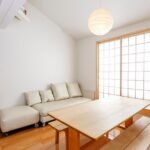
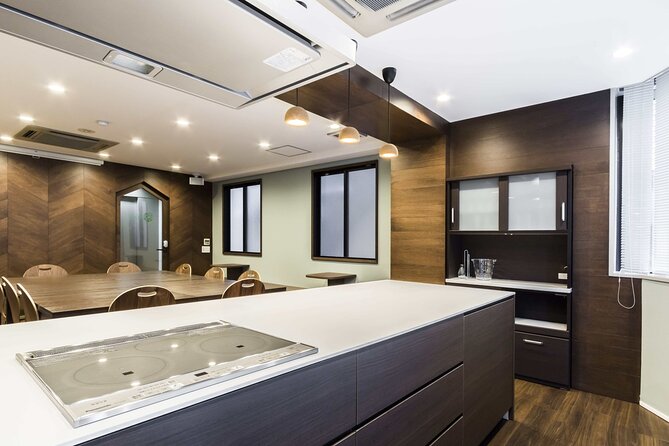
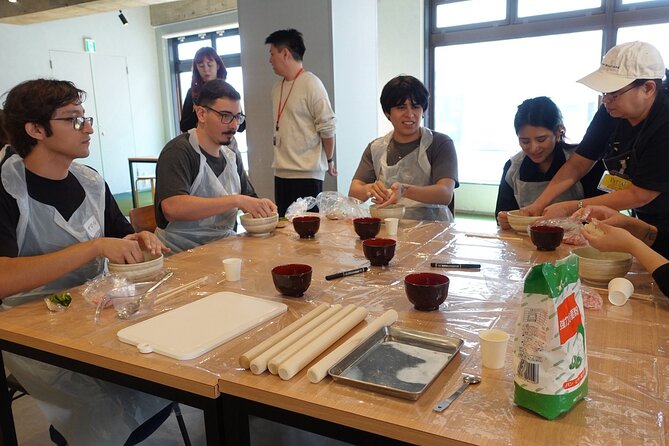
The class takes place at the Patia Kitchen studios in central Tokyo. The kitchens are described as modern, stylish, and spacious, with fully equipped cooking stations—exactly what you want for hands-on work.
This matters more than people think. When you’re learning dough thickness, folding, and pan-frying, you need room to work and tools that are ready to go. Here, you’re not fighting for space or improvising.
You’ll also have a mobile ticket, and the location is near public transportation. That makes timing simpler, especially if you’re building this into a busy day of sightseeing. Just plan your route so you’re not rushing right at start time.
Kneading gyoza wrappers from scratch: what you learn (and why it matters)
The core of the experience is making gyoza wrappers from scratch and also learning how store-bought wrappers compare. You start with the wrapper dough—kneading it properly is where good texture begins.
From there, you’ll work on creating wrappers and then move into filling and folding. The big takeaway here is not just that homemade wrappers are possible. It’s understanding the feel and structure: how thin you go, how elastic dough behaves, and how wrapper quality affects the final bite after pan-frying.
Then comes the comparison. The class includes a chance to use both handmade and store-bought wrappers so you can notice differences in taste and texture. That’s a useful reality check. You’ll know which parts you’re improving when you make your own dumplings later.
The juicy filling secret, plus the pork-versus-chicken option
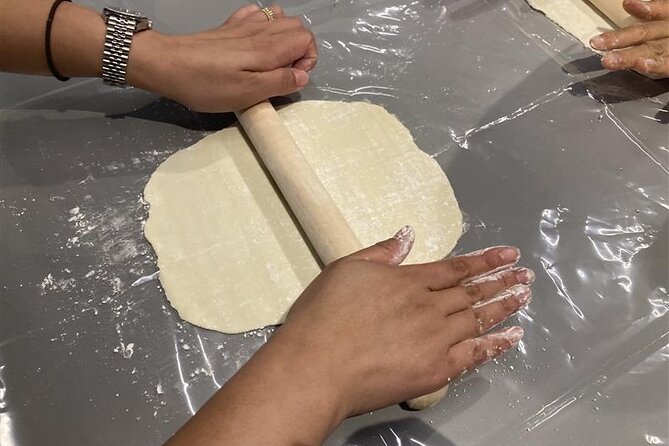
A good gyoza is as much about the filling as the wrapper. The class specifically teaches a secret to making juicy gyoza filling, using fresh ingredients and step-by-step guidance.
What you’re really learning is balance: how the filling mixture behaves when cooked and how the dumpling’s seal affects that final juiciness. When filling stays moist, the whole dumpling feels more satisfying, and that’s the kind of improvement you notice immediately.
You can also get chicken filling if you request it more than 48 hours in advance. If you’re not a pork eater, this gives you an important flexibility without forcing you to sit out parts of the lesson.
If you’re picky about ingredients, treat this as your checklist moment. Decide early what filling you want, because the class has an option but it’s time-sensitive.
Folding techniques: making the pleats you actually want
Folding gyoza is where many people feel their confidence drop. This class is built to prevent that. You’ll practice folding techniques and learn how to form dumplings step by step.
You’ll see the difference between simply closing a dumpling and doing it in a way that helps it cook well. Proper pleating and sealing can influence how the dumpling texture holds up during pan-frying—and whether you get that nice, even shape.
The other smart part: because the class uses both handmade and store-bought wrappers, you’ll notice how folding technique changes slightly with wrapper texture. That’s the kind of practical detail that helps you succeed outside the kitchen later.
You can also read our reviews of more tours and experiences in Tokyo


Pan-frying your yaki-gyoza: the payoff step
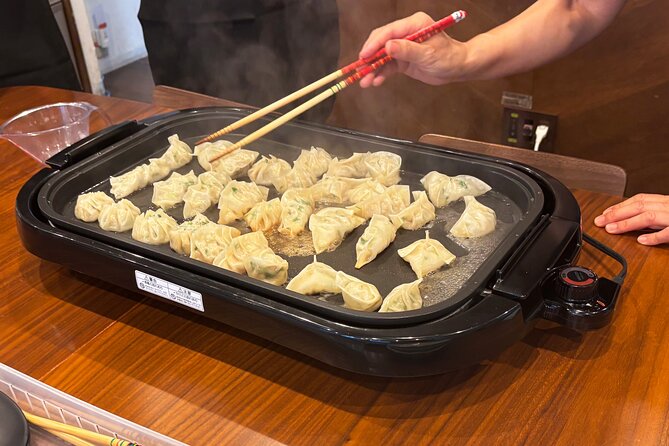
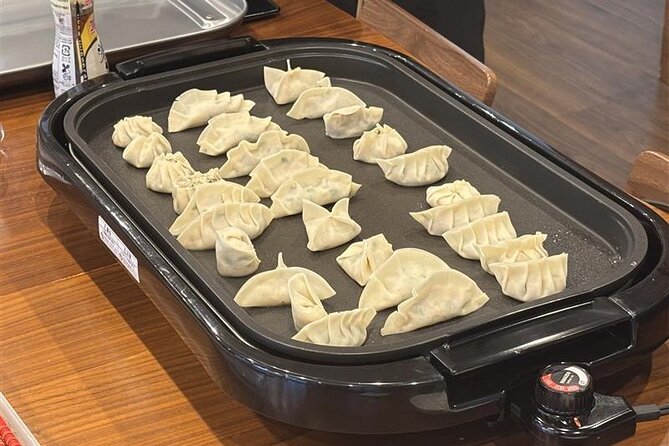
Once your dumplings are folded, you cook pan-fried (yaki-gyoza.) in the studio. This is the step most people remember, because yaki-gyoza is where the dumpling transforms from raw to food you want to keep eating.
The class structure guides you through cooking both handmade and store-bought dumplings so you can compare results. Watch for how the wrapper browns, and how the texture contrasts between versions. That’s how you connect your earlier dough work to the final bite.
This is also a skill you can reuse. Pan-frying dumplings at home is easier than you think once you know what you’re aiming for: a browned bottom and a dumpling that stays juicy rather than dry.
Soup, side dish, and dipping sauces: turning cooking into a full meal
This class doesn’t stop at gyoza. You’ll also prepare soup and a side dish to enjoy alongside your dumplings. That gives you a more complete Japanese meal experience instead of a single-item workshop.
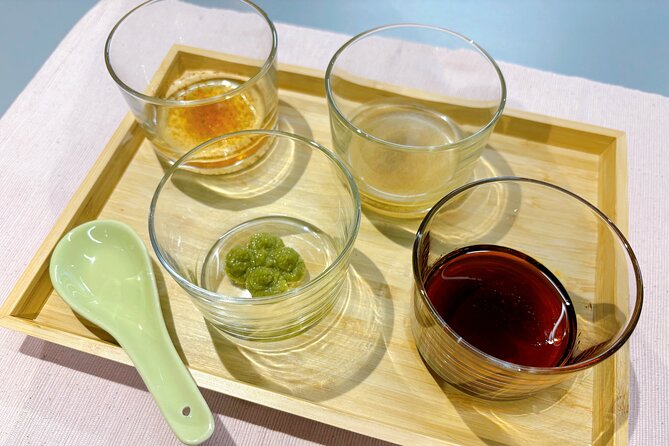
You’ll also taste your gyoza with several different dipping sauces. This matters because the same dumpling can feel different depending on sauce balance—salty, tangy, or savory-forward.
If you’re the type who likes to understand flavor pairings, this part helps you build instincts. You can then recreate meals at home more confidently, not just cook the dumplings.
The takeaway kit: English recipe and digital photos you can use
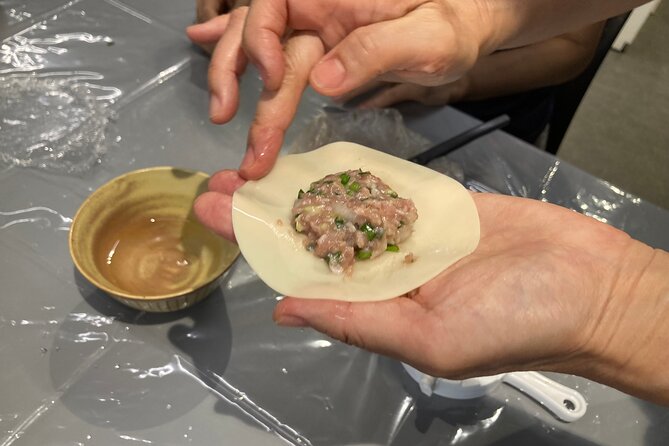
At the end, you’ll receive an English recipe to recreate gyoza at home. That’s one of the biggest value drivers in this type of cooking class, because the recipe helps you translate memory into action.
You’ll also receive digital photos as a souvenir, and there are later-downloadable photographs connected to the experience. Those pictures aren’t just decoration. They help you remember how your finished dumplings should look, which is useful when you try folding again.
If you’re returning home after a Japan trip, this is the kind of souvenir that keeps paying off. A photo fades. A recipe and method let you cook again.
Price and timing: what $92.24 buys you in real terms
This experience costs $92.24 per person and runs for about 1 hour 50 minutes. It has a maximum group size of 12, and meals are included, along with the cooking experience and photography.
On the surface, it looks like a cooking class price. In practice, it’s also paying for ingredients, studio setup, and instruction time in a central Tokyo kitchen. The “from scratch” part matters here: you’re not just learning a method with a pre-made kit. You’re working from dough and filling.
Value also comes from the comparisons. Learning how handmade wrappers differ from store-bought, and seeing how that affects taste and texture, is a real upgrade over classes that only do one approach.
The one trade-off is time. At 1 hour 50 minutes, you’ll learn the fundamentals and make a batch or at least enough to enjoy a meal, but you won’t have endless practice time. If you’re hoping for a slow, repeated folding session to master every wrinkle, you might want to schedule another cooking activity later in your trip—or keep your expectations realistic.
Who should book this gyoza making from scratch class
This works especially well if you:
- Want a hands-on Tokyo cooking experience that goes beyond eating
- Like learning techniques you can repeat, like folding and pan-frying
- Travel with a small group and want a shared activity with clear results
- Appreciate English guidance and a patient, step-by-step structure
It also fits a wide age range, since the class is designed to be enjoyable for all ages. If you’re traveling with kids, it’s usually more engaging than a long sit-down meal. If you’re older, the studio setup helps you stay comfortable and focused on learning.
If you dislike kitchens, hot pans, and getting your hands involved, then this may feel like work. But if you like making things—and tasting the results right away—this is exactly the kind of class that sticks with you.
Should you book it?
Book it if you want the skill, not just the snack. This class gives you wrappers from scratch, folding technique, and yaki-gyoza cooking, plus a full meal with soup, a side dish, and dipping sauces. The English recipe and digital photos make it more than a one-off event.
Skip it only if central Tokyo logistics are a headache for you. Since there’s no hotel pickup, you’ll need to get to the studio yourself. Also, if you’re looking for a super-long practice session, the 1 hour 50 minutes will feel concise.
FAQ
How long is the gyoza making class?
The class lasts about 1 hour 50 minutes.
Is the instructor English-speaking?
Yes, the class is guided by a friendly English-speaking instructor.
What will I make and cook during the class?
You’ll make gyoza wrappers and filling from scratch, practice folding techniques, cook pan-fried yaki-gyoza, and also prepare soup and a side dish.
What’s included in the price?
Meals, the cooking experience, and later-downloadable photographs are included.
Can I request chicken instead of pork?
Yes. Chicken filling is available upon request if you notify more than 48 hours in advance.
How big is the group?
The class has a maximum of 12 travelers.
Is hotel pickup included?
No. Hotel pickup and drop-off are not included.
Do I get an English recipe and photos?
Yes. You’ll receive an English recipe, and you’ll get digital photos from the class afterward.
Is there a refund if I cancel?
There is free cancellation. You can cancel up to 24 hours in advance for a full refund.