REVIEW · TOKYO
Tokyo 4hr Private Tour with Government-Licensed Guide
Book on Viator →Operated by Japan Guide Agency · Bookable on Viator
Tokyo can feel like a maze fast. This private 4-hour tour gives you a smart route through major neighborhoods, with a guide who helps you move and see more without the stress of figuring it out alone. You can also customize the stops, so the day fits what you actually care about, not what’s on someone else’s list.
Private, licensed guiding is the core value here, and it shows in how the tour is paced and routed.
Two things I especially like: first, the tour is flexible. You choose 2–3 sites from a menu of top Tokyo choices, which is a lifesaver if you only have half a day. Second, you’re not just getting sightseeing—you’re getting help navigating the city, including how to work the transit system and handle practical issues like stairs. In past group experiences, guides like Seizo and Julie have been praised for doing exactly that kind of on-the-ground support.
One drawback to consider: it’s a walking tour, so you should plan for time on your feet, and some of the most “worth it” stops (like gardens and museums) may have admissions not included. Also, the Imperial Palace stop is for viewing the grounds, not going inside the palace itself.
In This Review
- Key things that make this Tokyo half-day tour work
- A 4-Hour Private Taste of Tokyo, Without the Map Stress
- What you’re really paying for: time, routing, and a licensed guide
- How the customization actually helps you choose 2–3 stops
- The “menu” of Tokyo sights: what each stop feels like
- Asakusa and Senso-ji: where old Tokyo starts
- Imperial Palace grounds: the history lesson without the inner access
- Shinjuku Gyoen National Garden: calm with an admission caveat
- Shibuya Crossing and Hachiko: modern Tokyo in one controlled visit
- Tsukiji Fish Market: quick food energy, not a long sit-down
- Meiji Jingu: a shrine stop that feels like a reset button
- Harajuku’s Takeshita Street: fashion energy, watch your time
- Akihabara: electronics and pop-culture gravity
- Koishikawa Korakuen and Rikugien: traditional gardens with extra tickets
- Hama Rikyu Gardens: seaside gardens and tide-linked atmosphere
- Tokyo National Museum: best if art and artifacts matter to you
- Odaiba: modern bay-area strolling and shopping
- Golden Gai: narrow alley nightlife energy
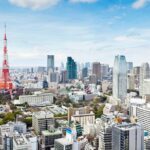
- Tokyo Tower: main deck is included, top deck isn’t
- Nezu and Shibamata: old-school neighborhood charm
- Gotokuji Temple: the maneki-neko cat origin story
- Walking comfort and transit tips you’ll be glad you asked about
- Price vs. value: when this tour is a smart buy
- Should you book it?
- FAQ
- How long is the Tokyo private tour?
- What is the price per person?
- Is this a private tour or a shared group experience?
- Is pickup included, and is it a walking tour?
- Does the tour include transportation or a private vehicle?
- Are entrance fees included?
- Does this tour include access inside the Imperial Palace?
- Is Tokyo Tower top deck included?
- Is the tour customizable?
Key things that make this Tokyo half-day tour work
- Choose 2–3 sights from a site list so you don’t waste time at places you’d skip anyway
- A government-licensed English guide means fewer misunderstandings and faster decisions
- Transit help is part of the value, not an afterthought, especially when stations are crowded
- Walking pacing keeps it realistic for 4 hours, which is often the sweet spot for first-time orientation
- You get both classic icons and local-feeling neighborhoods, depending on what you pick
- Entrance costs vary by stop, so you’ll want a little spending budget ready
A 4-Hour Private Taste of Tokyo, Without the Map Stress
A good Tokyo day is equal parts sights and logistics. The subway is excellent, but it can also be confusing when you’re tired, hungry, or trying to read signs at speed. This tour helps you avoid the most common first-timer problem: turning your “sightseeing time” into “transfer time.”
Because it’s private, your guide can set the pace. You’re not negotiating around someone else’s agenda. And because it’s a half-day, you don’t need to cram in everything just to feel like you did Tokyo.
I also like that the tour is described as customizable from a list of potential landmarks. That means you can steer toward temples and old neighborhoods, modern city energy, or parks and gardens—without booking a whole new tour type.
You can also read our reviews of more guided tours in Tokyo
What you’re really paying for: time, routing, and a licensed guide
The price is $109.43 per person for about 4 hours. For many cities, that might feel high for a walking tour. In Tokyo, it makes more sense because a guide can save the two things you can’t easily buy back: time and energy.
You also get a licensed local English-speaking guide, which matters more than it sounds. With Tokyo, small details—where to exit, how to get around stairs, what route makes sense with current crowds—can make the difference between a smooth day and a stressful one.
Plus, your guide meets you within a designated area on foot, and the tour is near public transportation. That setup is usually efficient: you’re not burning half your morning trying to find a bus or wait for a vehicle.
How the customization actually helps you choose 2–3 stops
Your tour isn’t meant to be an all-day sprint. It’s structured around picking a small number of highlights so you can enjoy them instead of just checking boxes.
Here’s how I’d think about your selection:
- If you’re after iconic Tokyo photos and big sights, choose Shibuya Crossing and one nearby theme (like Meiji Jingu or Harajuku/Takeshita Street).
- If you want traditional Tokyo energy, choose Asakusa/Senso-ji plus a second stop that matches the vibe (Imperial Palace grounds, or a quiet older neighborhood like Nezu/Yanaka).
- If gardens and calm are your thing, pick a park/garden stop such as Shinjuku Gyoen, Koishikawa Korakuen, Hama Rikyu, or Rikugien. Then add one contrasting moment—like Meiji Jingu or Tokyo National Museum.
A lot depends on how you travel. If you’re visiting with older relatives or anyone who needs to avoid long stair routes, you’ll want to tell your guide at the start. Guides like Julie have been specifically praised for adapting routes to reduce stair stress.
The “menu” of Tokyo sights: what each stop feels like
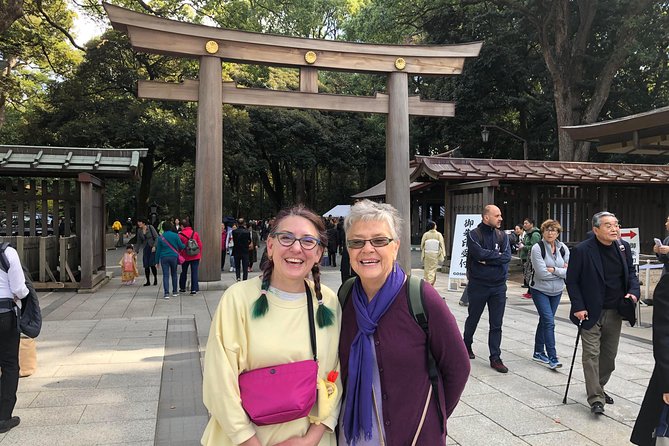
Below is a practical walkthrough of the stops you can choose from. Think of these as building blocks for your half-day route.
Asakusa and Senso-ji: where old Tokyo starts
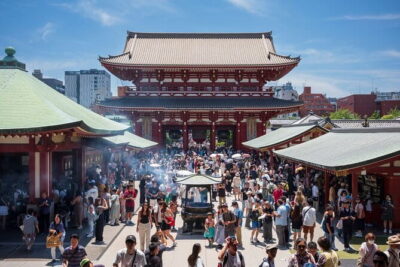
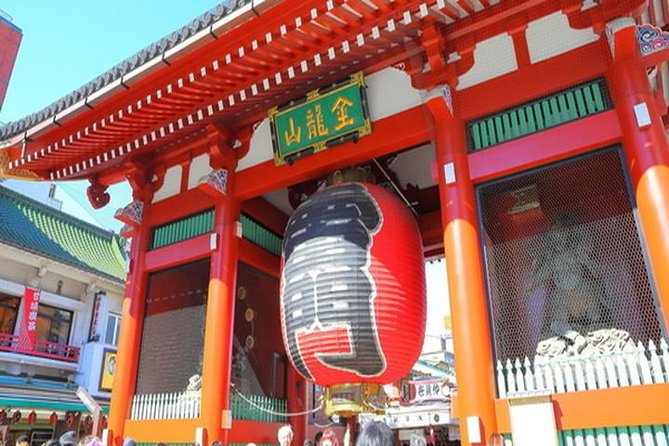
Asakusa is the heart of Tokyo’s “old downtown” atmosphere. If you want the classic temple-town feel, Senso-ji Temple is the anchor. It’s colorful, busy in a good way, and easy to understand even if it’s your first time in Japan.
What I like about starting here on a short tour: it gives you a strong cultural anchor early, before the day becomes pure transit and photos. Plus, Senso-ji is listed as free, which helps you keep extra spending under control.
Plan for crowds near major temple gates, and take your time at the main approach area. Your guide can help you move through it without losing your rhythm.
You can also read our reviews of more private tours in Tokyo


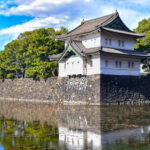
Imperial Palace grounds: the history lesson without the inner access
The Imperial Palace stop is described as not including access inside the palace. What you will get is the palace area context—historically tied to Edo Castle—with free viewing grounds.
This is a smart choice for first-timers who want a big-name historic site without spending time chasing special permissions. It also fits well if you’re mixing “old city” with “modern city” in one half-day.
If you’re the type who wants to see the palace area in full, just remember: you’re touring the grounds, not touring rooms.
Shinjuku Gyoen National Garden: calm with an admission caveat
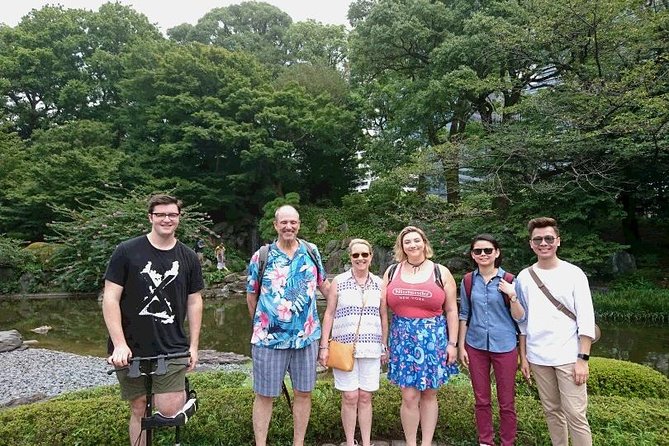
If your idea of Tokyo includes breathing space, Shinjuku Gyoen National Garden is a great pick. It’s one of Tokyo’s largest and most popular parks, with walking paths and relaxed scenery close to Shinjuku Station.
One consideration: the admission ticket for this stop is marked not included. So you’ll want to budget for it if you pick it as one of your main 2–3 stops.
In a short tour, this works best when you want a noticeable “pause” between busier neighborhoods.
Shibuya Crossing and Hachiko: modern Tokyo in one controlled visit
Shibuya Crossing is one of the most famous crosswalk scenes in the world, and it’s also where you’ll find the Hachiko statue. This is the kind of stop that’s worth seeing even if it’s crowded—because it captures Tokyo’s commuter energy in a way few places do.
In a private tour, your guide can time your walk so you’re not stuck at the worst moment. Also, they can point out photo angles and how to get across without turning it into a slow traffic jam.
Tsukiji Fish Market: quick food energy, not a long sit-down
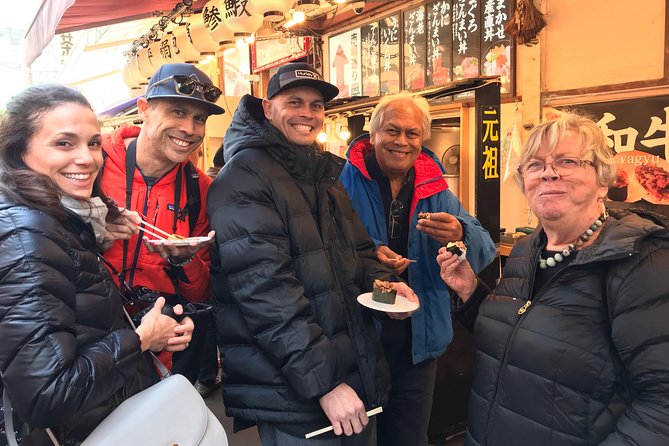
Tsukiji is famous for food, and the market area is built for fast tasting. Since lunch isn’t included on this tour, Tsukiji can work as your “snack-and-walk” payoff—grab a bite, try something simple, keep moving.
The stop is listed as free, which helps. The practical question is how much you want to eat versus sightsee. Your guide can help you decide what to prioritize.
Meiji Jingu: a shrine stop that feels like a reset button
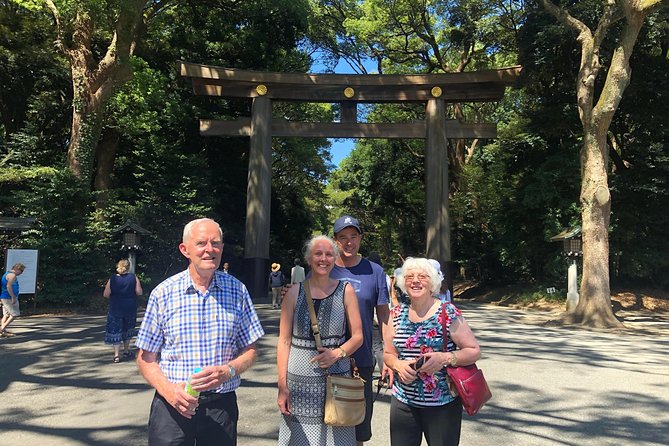
Meiji Jingu Shrine sits right by Harajuku, which means it’s an easy add-on when you want a break from shopping streets and big-city noise. It’s free, and it’s described as a shrine dedicated to Emperor Meiji and Empress Shoken.
In a half-day plan, I like it because it’s not just about photos. The setting itself changes your pace—more walking through a quieter, greener approach.
If your route includes Meiji Jingu, the plan data shows about an hour for that stop, so it’s a real chunk. It’s not just a quick photo stop.
Harajuku’s Takeshita Street: fashion energy, watch your time
Takeshita Street is the classic Harajuku teenage culture strip. Expect bright storefronts and lots of people. This is a stop for atmosphere and people-watching, not a quiet cultural site.
Since your tour is only about 4 hours, I’d treat Takeshita as one “photo + snack + wander” portion, not something you try to fully explore.
Akihabara: electronics and pop-culture gravity
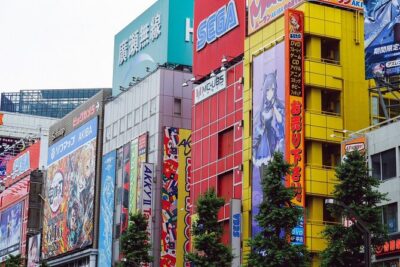
Akihabara is where Tokyo’s electronics shops and pop-culture influence concentrate. If you’re interested in gadgets, anime, or the Tokyo “tech geek” vibe, this stop can be fun even if you don’t buy much.
In a private short tour, it’s also a good “time-boxed” choice: you can see the main streets and then decide if you want to go deeper on your own afterward.
Koishikawa Korakuen and Rikugien: traditional gardens with extra tickets
Two garden stops in the menu—Koishikawa Korakuen and Rikugien—are both marked as admission not included. Garden lovers often feel like these are “real Tokyo,” but in a short tour, you need to choose carefully because paying entry once can eat your flexible budget.
The good news: gardens are naturally time-efficient. Once you’re inside, you can move at your own tempo while the scenery does the work.
Hama Rikyu Gardens: seaside gardens and tide-linked atmosphere
Hama Rikyu Gardens is described as a landscape garden by Tokyo Bay with seawater ponds that change with the tides and a tea house. This is a lovely contrast if your other stops are temple or city-crosswalk style.
As with many paid gardens, admission is marked not included. If you like the idea of a garden that also has a water setting, this stop is a strong fit.
Tokyo National Museum: best if art and artifacts matter to you
Tokyo National Museum is listed as not included for admission. That’s not a deal-breaker—just a signal that this stop works best if you actually want museum time, not just exterior sights.
If you’re the type who enjoys artifacts and context, it’s a good choice. If you prefer streets and neighborhoods, swap it for a garden or another outdoor stop.
Odaiba: modern bay-area strolling and shopping
Odaiba is a man-made island district with shopping and entertainment. It’s free in the stop list, which helps. It’s also a good “modern break” if your other choices are older neighborhoods and temples.
Because it’s an area rather than a single icon, your guide will matter here: they’ll help you pick where to walk so your limited time doesn’t scatter.
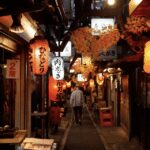
Golden Gai: narrow alley nightlife energy
Golden Gai is described as a cluster of small eating and drinking establishments and a compact nightlife zone. It’s listed as a stop option, but there’s no admissions mentioned, which usually means you’re stepping in for a look rather than a ticketed attraction.
If you want the mood of Tokyo after dark, this can be perfect. For a short half-day, it also helps if you’re stopping early enough to enjoy the area without making it your entire plan.
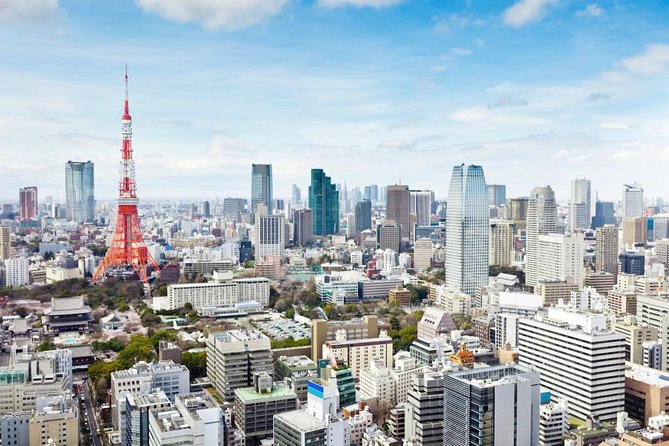
Tokyo Tower: main deck is included, top deck isn’t
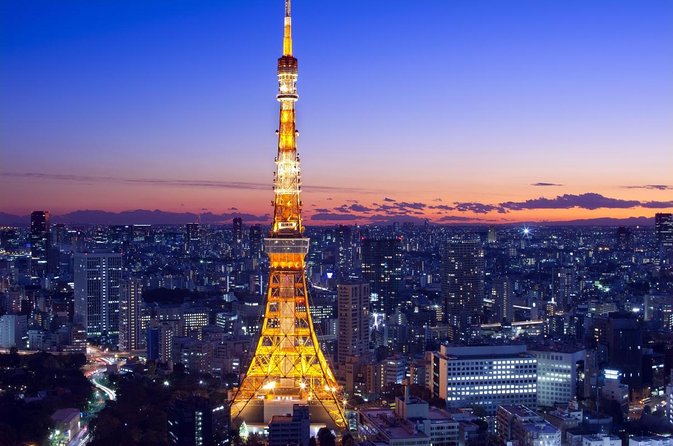
Tokyo Tower has a clear limitation: only up to the main deck is included; the top deck is not included. The stop list shows a 30-minute slot, so it fits a short tour well.
This is a great choice if you want a skyline icon without turning the day into a long viewing queue.
Nezu and Shibamata: old-school neighborhood charm
For a different Tokyo feeling, choose older neighborhoods like Nezu and Shibamata.
- Nezu and nearby Yanaka are described as areas that retained last-century character with limited damage from wars and disasters.
- Shibamata is described as having old-school charm and proximity to the Edogawa River.
These stops shine because they slow you down. You’re walking through a Tokyo that doesn’t feel built for tourists.
Gotokuji Temple: the maneki-neko cat origin story
Gotokuji Temple is tied to the story of the maneki-neko (luck-inviting cat). The stop list also suggests a short visit time (about 10 minutes) which makes it easy to include without eating your whole half-day.
If you like quirky cultural explanations, this is one of the more distinctive stops on the menu.
Walking comfort and transit tips you’ll be glad you asked about
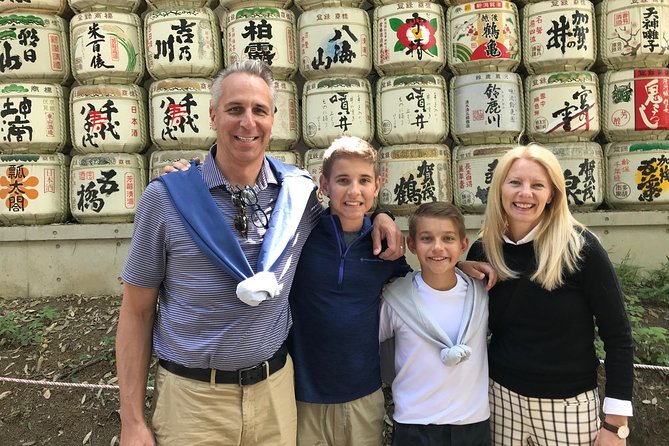
This is a walking tour, and pickup is offered on foot within a designated area. That means you should plan footwear accordingly. Tokyo sidewalks are great, but a full half-day still adds up.
A few practical things I’d suggest you ask your guide right away:
- Whether there’s a less-stair-heavy route between stations and sights (some guides are specifically praised for this kind of adaptation).
- How to structure the order of stops to minimize backtracking.
- Where to plan your food if you want snacks instead of a sit-down lunch (lunch isn’t included).
Also, transportation fees aren’t included, and there’s no private vehicle. So you’ll rely on public transit with your guide’s route help.
Price vs. value: when this tour is a smart buy
At $109.43 per person, this isn’t the cheapest way to see Tokyo. You’re paying for:
- a licensed guide,
- private pacing for your group only,
- and the ability to customize without doing the research yourself.
This is best value when you:
- have only one or half a day in Tokyo,
- want to see major icons but don’t want the “where do we go next” stress,
- are new to the subway and would rather have an expert help you navigate.
If you’re already super comfortable with Tokyo transit and you love planning routes hour-by-hour, you could do a DIY day cheaper. But the tradeoff is time and mental load—exactly what this tour is designed to reduce.
Should you book it?
Book this Tokyo private tour if you want a calm, efficient introduction where you control what you see. It’s especially worth it if you’re picking from a short list of big-name sights and you’d rather let a guide handle the city flow.
Skip or reconsider if:
- you hate walking,
- you’re trying to keep costs extremely tight (because some gardens, museums, and Tokyo Tower upgrades are not included), or
- you’re expecting access inside the Imperial Palace buildings (that’s not part of this stop).
If you’re flexible and you communicate what matters to you—temples, gardens, food areas, neighborhoods—this is a strong use of a half day in Tokyo.
FAQ
How long is the Tokyo private tour?
It runs for about 4 hours.
What is the price per person?
The price is listed as $109.43 per person.
Is this a private tour or a shared group experience?
It’s a private tour/activity, with only your group participating.
Is pickup included, and is it a walking tour?
Pickup is offered, but the tour is a walking tour. Pickup is on foot within a designated meeting area.
Does the tour include transportation or a private vehicle?
Transportation fees are not included, and the tour does not include a private vehicle.
Are entrance fees included?
Entrance fees are not included. Some stops are listed as free, while others are listed as admission not included.
Does this tour include access inside the Imperial Palace?
No. The Imperial Palace stop does not include access inside the palace.
Is Tokyo Tower top deck included?
Only up to the main deck is included. The top deck is not included.
Is the tour customizable?
Yes. You can choose your 2–3 sites from the listed options.