REVIEW · TOKYO
Tokyo Time Machine Exploring Old School Monzen Nakacho
Book on Viator →Operated by Culinary Backstreets · Bookable on Viator
Monzen-Nakachō feels like old Tokyo in motion. This 6-hour, small-group tour takes you away from the usual Tokyo stops and into a neighborhood where generations-old food shops, shrines, and tiny bars set the pace. You’ll walk with a guide who translates, then snack your way through the side streets like a local would.
I especially like the small-group size (max 6) because it keeps the pace human and makes it easier to ask questions mid-walk. I also like the food-and-drink focus with dinner included, so the day doesn’t turn into a constant decision about where to eat next.
One watch-out: there can be a sake-leaning moment during the drinking portion. If you’re not into sake, you’ll still find plenty of other tastes in the mix, but it’s smart to go in with that in mind.
In This Review
- Key Highlights You’ll Care About
- Why Monzen-Nakachō Works as a Tokyo Time Machine
- Price and What You’re Actually Paying For
- The 1:00 pm Start: How This Walk Feels in Real Time
- Stop 1: Tsurugaoka Hachimangu Shrine and Its Sumo Links
- Stop 2: Fukagawa Fudodo—Goma Fire Rituals and Fox Inari on the Approach
- Stop 3: Tatsumi Shindo Alley—Showa-Era Bar Hopping Without the Confusion
- The Included Food and Drinks: Why Dinner-Plus Changes the Day
- Guide Translation and the Real Skill: Explaining What You’re Looking At
- Who This Tour Is For (and Who Might Prefer Something Else)
- Should You Book Tokyo Time Machine Exploring Old School Monzen Nakacho?
- FAQ
- How long is the tour?
- What time does it start?
- Where do I meet the guide?
- How many people are in the group?
- Is the tour good if I don’t speak Japanese?
- What food and drinks are included?
- Do I need to pay entrance fees at the stops?
- Is transportation included?
- Do I get a ticket on my phone?
- Can I cancel for a refund?
Key Highlights You’ll Care About
- Monzen-Nakachō, not the obvious Tokyo: you’ll spend time in a neighborhood many first-timers skip.
- Guide translation that actually helps: no language guessing at temples or counter service spots.
- Dinner plus drinks included: you’re not paying extra meal costs all afternoon.
- Three very different stops: shrine, temple ritual atmosphere, then a Showa-era bar alley.
- Showa vibes at Tatsumi Shindo: tiny bars, yakitori, karaoke, and local drinks in a dense stretch.
Why Monzen-Nakachō Works as a Tokyo Time Machine
Monzen-Nakachō is one of those Tokyo areas where you can feel daily life layered over time. You’re not hunting for a single “sight.” Instead, you’re moving through streets where shrines, food counters, and narrow lanes all sit close together, and that makes the whole day feel like a movie with the camera kept at street level.
For me, the big value is the contrast. You start with a major shrine, shift into temple atmosphere and ritual details, and then land in a bar alley built around small places and loud conversations. That arc matters: it turns what could be a typical food tour into a story about how Tokyo’s public life, religion, and food culture connect.
Also, the guide approach helps. People like Diana, Michelle, China, Chika, Nicole, and Maira are mentioned as the kind of hosts who weave history and practical food info together—so you’re not just handed tastings. You get reasons to care about what you’re eating and why those shops and spaces exist.
You can also read our reviews of more tours and experiences in Tokyo.



Price and What You’re Actually Paying For
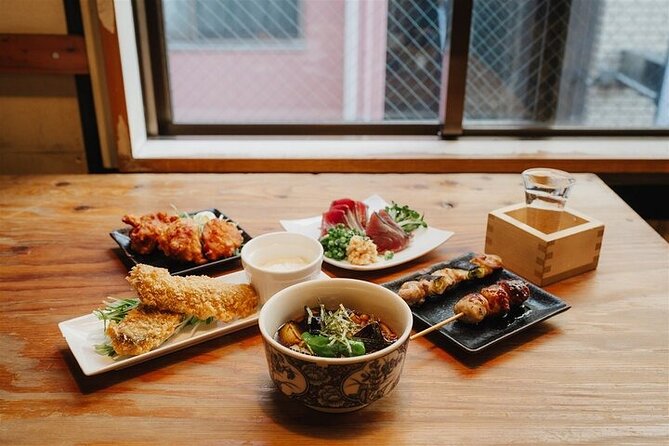
At $195 per person for about 6 hours, this isn’t a bargain-by-default kind of tour. But it can be good value because the day already includes a lot: coffee and/or tea, snacks, dinner, and alcoholic beverages, plus a guide who translates for you. On a solo day in Tokyo, that combination usually turns into multiple paid meals and several extra drink stops.
It’s also a small-group format with a maximum of 6 people. That matters if you hate feeling rushed or you want answers when you’re standing at a shop counter that uses fast, practical Japanese you’d otherwise miss.
The one trade-off is that private transportation isn’t included. The route is designed around public transit and walking, so you’ll want to plan for steps and street navigation (the meeting point is near public transportation, which helps a lot).
The 1:00 pm Start: How This Walk Feels in Real Time
You meet at Monzen-nakacho Station, 2 Chome-4 (Koto City), and the tour runs from 1:00 pm for roughly 6 hours, ending back at the meeting point. A mid-afternoon start is smart here. It gives you enough daylight for shrine and temple sights, then time for the bar alley to come alive later in the day.
Because there’s no private car involved, your timing depends on the group’s walking pace and how long each stop holds attention. With a small group, you’re unlikely to feel like you’re being herded. Still, if you’re the type who needs frequent long breaks, build that into your expectations.
A nice detail: you get a mobile ticket, so you’re not stuck hunting through paper confirmations.
Stop 1: Tsurugaoka Hachimangu Shrine and Its Sumo Links
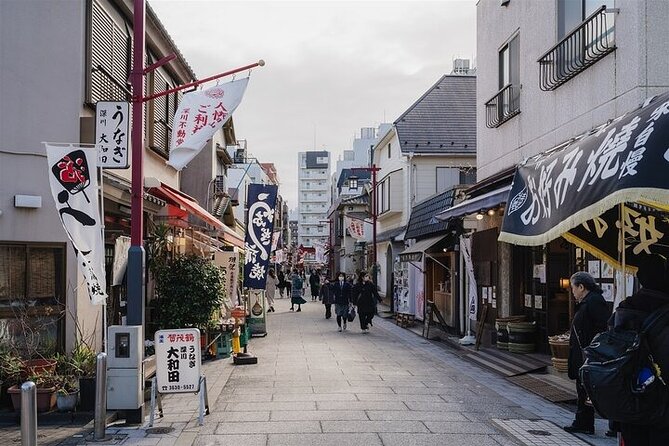
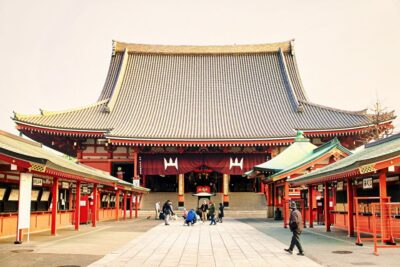
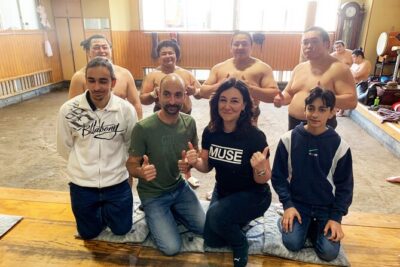
Your first big stop is Tsurugaoka Hachimangu Shrine, described as Tokyo’s largest Hachiman shrine, founded in 1627. Even if you don’t memorize dates, you’ll feel the weight of time here. Big shrines in Tokyo can be overwhelming; this one is easier to read because it’s tied to stories and events you can actually picture.
Two things to look for:
- The red torii and the strong visual feel of the approach.
- The connection to sumo history, including a yokozuna stele.
This shrine also ties into the rhythm of local life. Monthly markets happen on the 1st, 15th, and 28th, so depending on when you go, you might notice extra energy around those dates.
What I like about starting here: it anchors the day. Temple and bar alley tours can feel random if they don’t have a beginning. This shrine acts like the theme music, letting the rest of the route feel intentional.
Potential drawback: it’s one hour. If you like long, slow shrine wandering, you may wish you had more time. But for most people doing a food tour, one hour is just enough to get the atmosphere without losing the rest of the day.
Stop 2: Fukagawa Fudodo—Goma Fire Rituals and Fox Inari on the Approach
Next up is Fukagawa Fudodo, a temple that makes an especially interesting contrast to the shrine stop. Here, you’re dealing with ritual space and dramatic details, including the temple’s fame for Goma fire rituals and impressive wooden statues.
You may also catch smaller shrine moments on the way in, including fox Inari shrines along the approach. That little walk-through can be a big part of the experience because it’s where you see how religious spaces connect to everyday routes. Tokyo doesn’t always separate sacred from regular life. It just places them near each other and lets you notice.
This stop is listed as one hour and has free admission. That means you get a true cultural moment without paying extra fees on top of the tour.
Practical note: even if you’re not a ritual watcher, the guide translation can help you understand what’s happening around you. That matters, because Goma rituals aren’t always explained in a simple way once you’re standing there.
Potential drawback: if you prefer purely culinary stops, the temple time could feel like a detour. But it’s not just a sightseeing checkbox. It sets up the later food-and-drink portion by showing a side of local culture you won’t get from menus alone.






Stop 3: Tatsumi Shindo Alley—Showa-Era Bar Hopping Without the Confusion
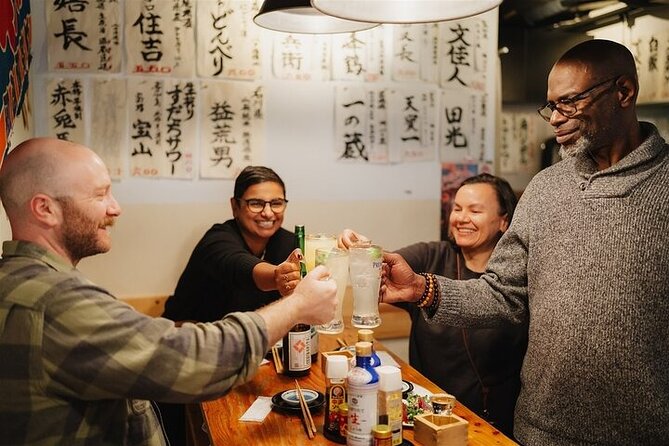
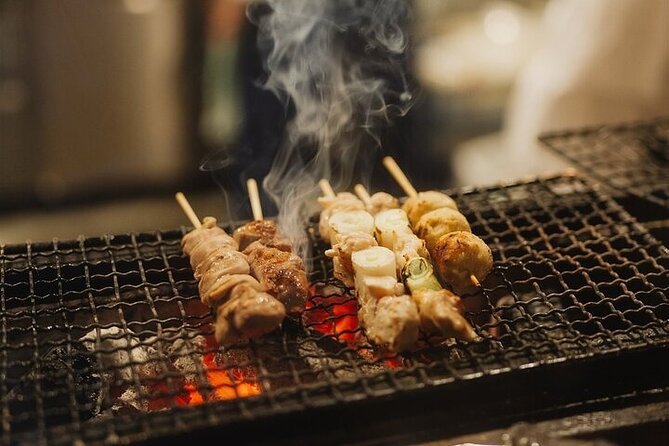
The final stretch is Tatsumi Shindo, a lively alley with around 30 tiny bars. This is where the tour turns into the kind of Tokyo nightlife scene you usually can’t replicate on your own—mostly because the lanes are small, the menus can be technical, and the best seats go to people who know the flow.
This part is listed for about 2 hours, and it’s basically built for late-day mood:
- yakitori
- motsu-nikomi
- karaoke
- local bar vibes and quick-fire snacks and drinks
What you’ll love here is the concentration. You’re not wandering across three different neighborhoods hoping to find the right kind of place. The alley format keeps it tight, so you try a lot in a short time—and you get a sense of how neighborhoods like this actually function at night.
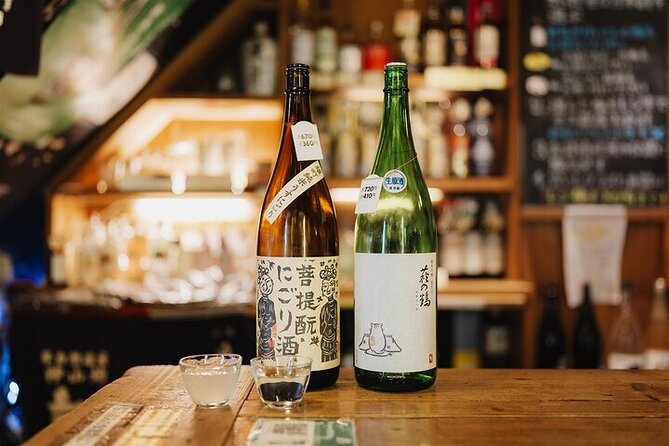
One more detail that stands out from the drinking-focused feedback: some people felt there was a stronger sake focus than the write-up suggested. That doesn’t mean sake replaces everything, but it’s a real consideration. If you avoid sake, I’d still join—just go in knowing that the alcohol choices likely lean that direction.
The Included Food and Drinks: Why Dinner-Plus Changes the Day
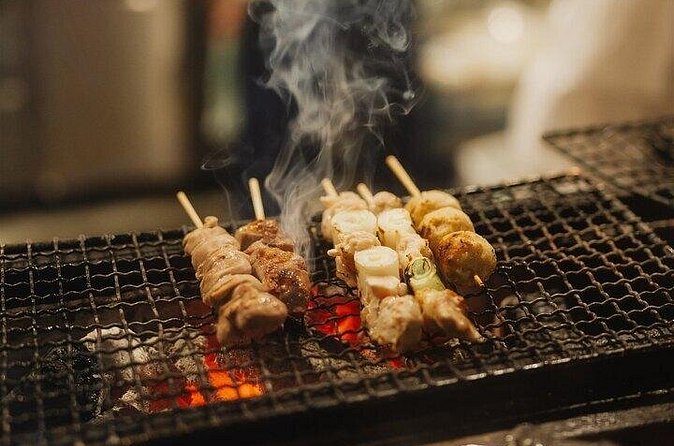
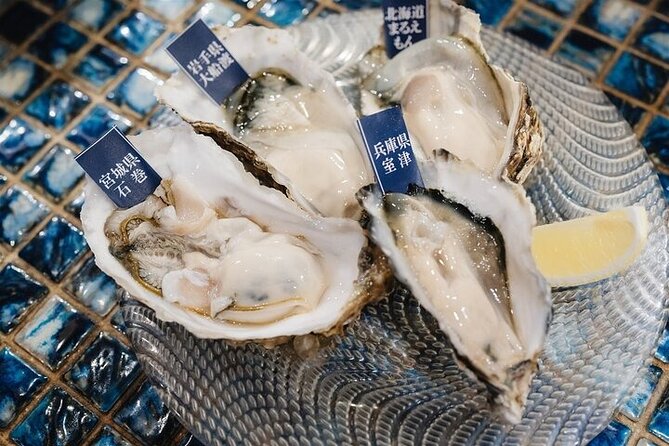
Food tours live or die on what’s included. Here you get snacks, dinner, and alcoholic beverages, plus coffee and/or tea. That’s a lot of calories and a lot of budget protection.
Why it matters: when dinner is included, you don’t hit the classic Tokyo-tour problem where you’re always deciding between places you don’t fully understand. Instead, the tour gives you a planned sequence and you taste your way through it.
The mix you’ll likely encounter includes classic and traditional items, plus some “practice food” that shows how local shops build flavor into everyday dishes. In the feedback, I saw mentions like plum wine tastings, mochi, and different drinking options alongside savory eats. Even when the exact lineup changes by day, the intention stays the same: you’re supposed to try enough variety that your own Tokyo restaurant choices later feel easier.
Alcohol is included, so you’ll want to pace yourself. If you’re hopping from one tiny spot to another, your drink choices can add up quickly. A small group makes it easier to slow down, but the best results still come when you drink with a plan.
Guide Translation and the Real Skill: Explaining What You’re Looking At
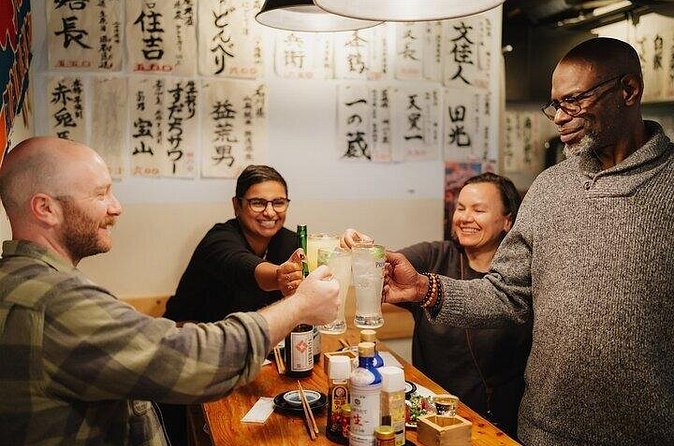
One of the best parts is also the least visible: language barriers are handled by the guide. That’s not just about ordering food. It’s about understanding the meaning of what you’re seeing—why a shrine matters, what ritual actions represent, and what a shop’s specialty says about local taste.
Names like Diana, Michelle, China, Chika, Nicole, and Maira show up in the feedback as guides who bring stories and practical context. That combination is what makes the day feel more like learning than just eating.
Another practical point: one review specifically noted that a guide accommodated someone with limited mobility. That suggests the hosts know how to adjust on the go, which is reassuring when you’re planning a walking-heavy afternoon.
I can’t promise every route adjustment, of course. But the overall approach seems built around smoothing real-life needs rather than pushing everyone through a fixed script.
Who This Tour Is For (and Who Might Prefer Something Else)
This experience fits you if:
- you want Monzen-nakachō specifically, not another generic Tokyo food checklist
- you like small-group pacing and conversation with a guide
- you want a day that mixes temples/shrines + serious local eating + tiny bars
- you appreciate when tastings come with explanations
It may not fit as well if:
- you hate sake or don’t drink much alcohol, since the drinking portion can have a stronger sake angle
- you strongly prefer long, slow sightseeing sessions rather than a structured 6-hour arc
- you’re expecting luxury comfort, since this tour is built around walking and small spaces
One more thought: because it ends back at the meeting point and follows a planned sequence, it works well for people who want their Tokyo day to feel guided—but not boxed in.
Should You Book Tokyo Time Machine Exploring Old School Monzen Nakacho?
I’d book it if you’re craving old-school Tokyo that feels lived-in. The combination of Tsurugaoka Hachimangu Shrine, Fukagawa Fudodo’s ritual atmosphere, and Tatsumi Shindo’s Showa-era bar alley is a rare trio. Most Tokyo food tours pick a food theme only. This one adds a cultural spine, so you leave with more than a photo list.
I’d be cautious only if sake is a deal-breaker for you. Otherwise, the included meals, translation help, and small-group format make it easier to enjoy without doing extra homework.
If you’re planning around the middle of the day, the 1:00 pm start is practical. Bring comfortable walking shoes, expect some steps, and go ready to eat and sip your way through Monzen-nakachō like you belong there.
FAQ
How long is the tour?
The tour runs for about 6 hours.
What time does it start?
It starts at 1:00 pm.
Where do I meet the guide?
You meet at Monzen-nakacho Station, 2 Chome-4, Monzennakacho, Koto City, Tokyo 135-0048, Japan.
How many people are in the group?
The maximum group size is 6 travelers.
Is the tour good if I don’t speak Japanese?
Yes. The tour is designed for no language barriers, and the guide translates for you.
What food and drinks are included?
Coffee and/or tea, snacks, dinner, and alcoholic beverages are included.
Do I need to pay entrance fees at the stops?
For the shrine and temple stops listed, admission tickets are free.
Is transportation included?
Private transportation is not included.
Do I get a ticket on my phone?
Yes. The tour uses a mobile ticket.
Can I cancel for a refund?
Yes. You can cancel for a full refund up to 24 hours in advance of the experience start time.