REVIEW · TOKYO
Mt. Fuji, Oishi Park & Arakurayama Pagoda Bus Tour with Lunch
Book on Viator →Operated by JTB Global Marketing & Travel Inc. · Bookable on Viator
Mt. Fuji in one day can feel unreal. This guided bus tour stacks the best photo viewpoints—Mt. Fuji 5th Station, Oishi Park, Lake Kawaguchi, and Arakurayama Sengen Park—into a tight schedule without you wrestling trains or transfers. It also includes a proper lunch and an English guide interpreter, so you’re not just sightseeing, you’re getting context as you go.
What I like most is the round-trip bus comfort from central Shinjuku (not hotel pickup), which keeps the day from turning into a logistics puzzle. The other big win is the licensed English guide interpreter, who helps you connect what you’re seeing to Japanese culture and how Mt. Fuji is understood in daily life and belief.
One possible drawback: weather can steal the view, and even when Mt. Fuji is hidden the tour still runs. Also, the Chureito Pagoda stop includes a real stair climb (398 steps one way), so plan for some walking and standing time.
In This Review
- Quick Take: What Makes This Tour Work
- Getting There Without the Tokyo Headache
- Mt. Fuji 5th Station: The Highest Payoff Stop
- Oishi Park: The Lake View That Keeps Its Promise
- Lunch at the Kawaguchiko Hotel Restaurant: A Real Included Meal
- What $99.10 really buys you
- Lake Kawaguchi and the Bridge Moment
- Arakurayama Sengen Park and Chureito Pagoda: The Stair Climb Reality Check
- Guides, Learning, and the Stuff You Can’t Google
- Logistics That Matter: Where You Meet, Where You End
- Weather Plans: When Fuji Is Clouded
- Who This Tour Suits Best (And Who Might Want Another Option)
- Should You Book This Mt. Fuji Day Trip?
- FAQ
- How long is the Mt. Fuji, Oishi Park & Arakurayama Pagoda Bus Tour with Lunch?
- Where do I meet and where do I get dropped off?
- What lunch options are included?
- Does the tour guarantee Mt. Fuji will be visible?
- What happens if the bus can’t reach Mt. Fuji’s 4th or 5th Station?
- How much walking and stairs are involved at Arakurayama Sengen Park?
- What dietary accommodations are available besides Japanese and vegetarian?
Quick Take: What Makes This Tour Work
- Mt. Fuji 5th Station at 2,300 meters: rare elevation for a day trip and a huge viewpoint payoff
- Oishi Park timing: a classic lake-and-mountain angle with time to take photos and breathe
- Lake Kawaguchi bridge crossing: a quick scenic moment without needing extra walking
- Chureito Pagoda via Sengen Park stairs (398 steps): famous view, but it’s physical
- Lunch at a hotel restaurant: Japanese meat-and-fish or vegetarian option, included in the price
- Small-group feel up to 40: enough structure to move smoothly, not so huge it feels chaotic
Getting There Without the Tokyo Headache
If you’ve spent any time in Tokyo, you know how fast a “simple day trip” can become a transfer marathon. This tour solves that problem with a bus route that starts at Shinjuku Station West 1 Chome (Nishishinjuku), so you’re using one clear meeting point rather than juggling routes.
The day runs about 9 hours, and the return is also in the Shinjuku area (near 5:30 PM). That matters because you can plan dinner back in the city without guessing whether you’ll be stuck crossing town after dark.
One small but real detail: the bus company (Hato Bus Co., Ltd.) turns off the engine and heating/cooling while waiting to reduce warming impact. That can affect how chilly it feels at stops, so I’d treat it like normal Japan winter bus life: bring a layer you can handle.
You can also read our reviews of more tours and experiences in Tokyo

Mt. Fuji 5th Station: The Highest Payoff Stop
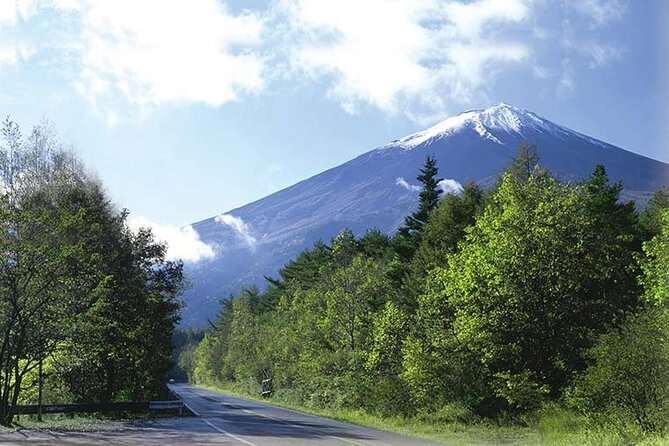
This is the anchor stop for most people, and for good reason. The bus heads up the Subaru Line to the 5th Station, located around 2,300 meters above sea level. At that altitude, the views can be startling, and the air feels different even if you only hang out for a short while.
You get about 40 minutes here, and the important part is how the time is shaped: it’s long enough to look around, take pictures, and soak in the “I’m actually near the mountain” feeling. Since there’s an admission ticket included (the 5th Station ticket is listed as free), you’re not adding extra costs on the fly.
Now the practical part: Mt. Fuji visibility isn’t guaranteed. The tour notes that if weather hides the view, the trip still goes on and no refund is given for lack of visibility. That doesn’t mean it’s pointless—it means you should manage expectations and treat the day as a culture-and-view tour, not a guaranteed summit moment.
Also, there’s a smart contingency: if the bus can’t reach the 4th or 5th Station due to freezing roads, an accident on the Subaru Line, weather, or other issues, the guide will shift to Oshino Hakkai or the Fujisan World Heritage Center. That’s a safety net that keeps your day from collapsing.
Oishi Park: The Lake View That Keeps Its Promise
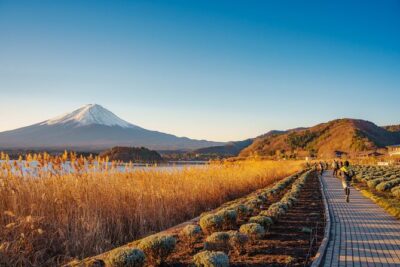
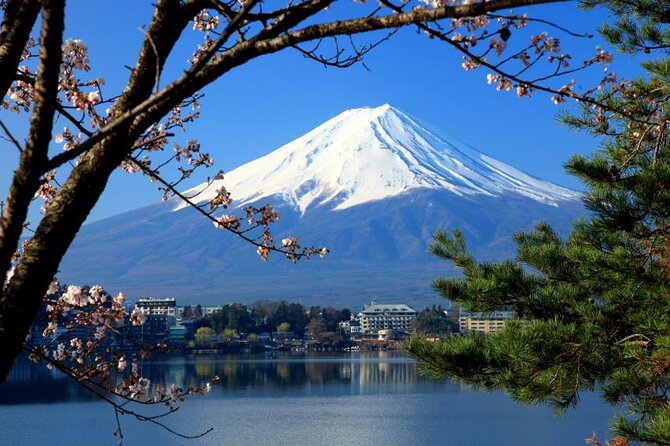
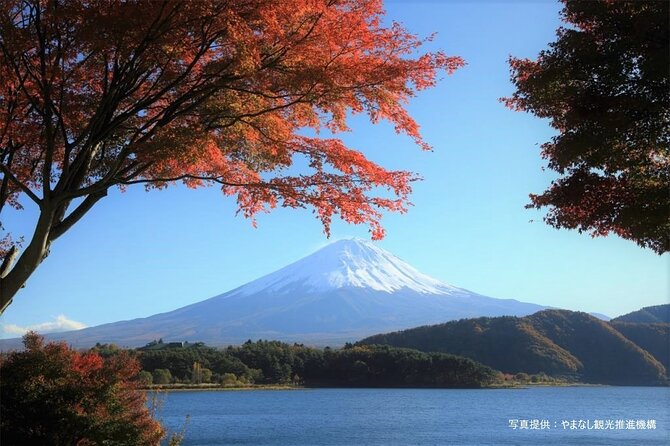
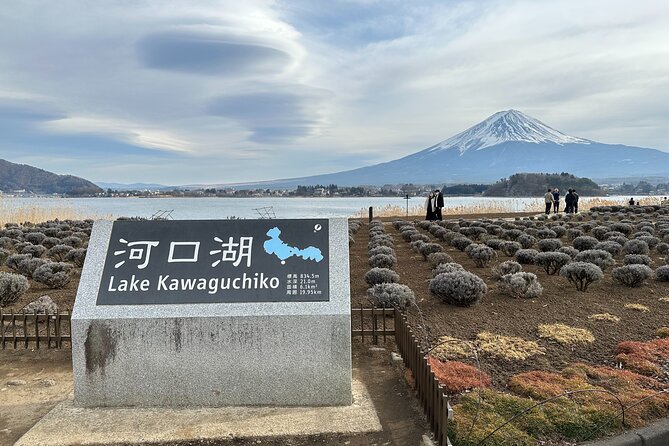
After the altitude, the day drops you into the classic Lake Kawaguchi photo zone with Oishi Park. This is a popular spot because of the composition: Mt. Fuji towering over the lake, with a viewpoint that’s easy to aim your camera at.
You’ll have about 30 minutes here. That’s enough time to walk to a few angles, snap photos, and still avoid feeling rushed. It’s also a nice “reset” after the 5th Station because you’re not at high altitude anymore, and you can spend a bit more time just watching the light move on the water.
Value-wise, the stop is also efficient. Admission is listed as free, so you don’t feel like you’re paying for entry just to stand at one place for five minutes. The real benefit is how smoothly it flows into the rest of the Kawaguchiko area.
Lunch at the Kawaguchiko Hotel Restaurant: A Real Included Meal
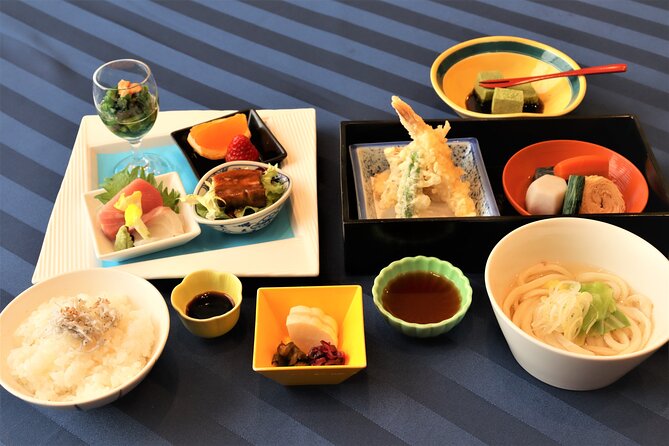
The midday break is 50 minutes, and lunch is included in the tour price. You can choose between a Japanese meal with meat and fish or a vegetarian option, served at either Hotel Regina Kawaguchiko or Highland Resort Hotel & Spa.
Two useful things here. First, lunch is not a random convenience stop. It’s a sit-down meal at a hotel restaurant, which usually means better pacing for a long day trip. Second, there’s a specific note that the restaurant venue can change depending on circumstances, so don’t expect an exact dining address every time, even if you’ve booked the same tour.
Diet notes you should take seriously: there are no Muslim-friendly, allergy-friendly, or gluten-free meals listed. If you need something beyond the provided Japanese/vegetarian choices, this tour may not fit. For most people, though, the included lunch is one of the best pieces of value because you’re not adding another cost after paying $99.10.
What $99.10 really buys you
At first glance, $99.10 sounds like a “tour premium.” But compare it to doing this independently: you’d need long-distance transport, a driver, and you’d still be paying for lunch. Here, you’re covering round-trip bus fare and a licensed English guide interpreter, plus the meal. For a day trip where timing matters (to hit multiple viewpoints), paying for someone else to handle routing is often the cheapest way to avoid wasting hours.




Lake Kawaguchi and the Bridge Moment
You’ll cross Lake Kawaguchi Ohashi Bridge from the bus window. This is one of those “small” moments that ends up being memorable because it gives you a different slice of the scenery without adding more walking.
You don’t get a separate stop for it, so think of it as a scenic transit break. The benefit is that it stretches the day visually: mountain at altitude, then lake views, then the town/park area around Arakurayama.
Arakurayama Sengen Park and Chureito Pagoda: The Stair Climb Reality Check
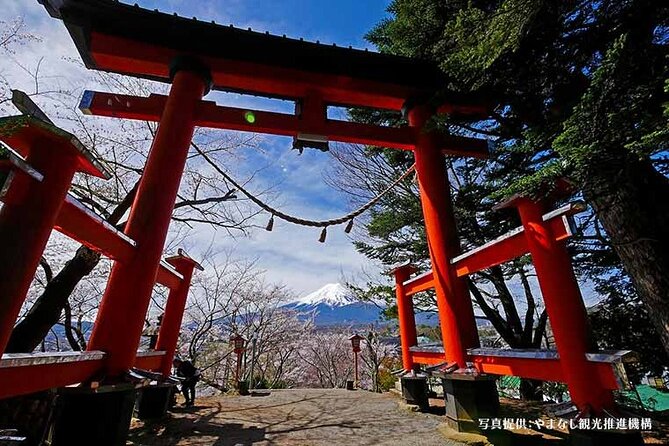
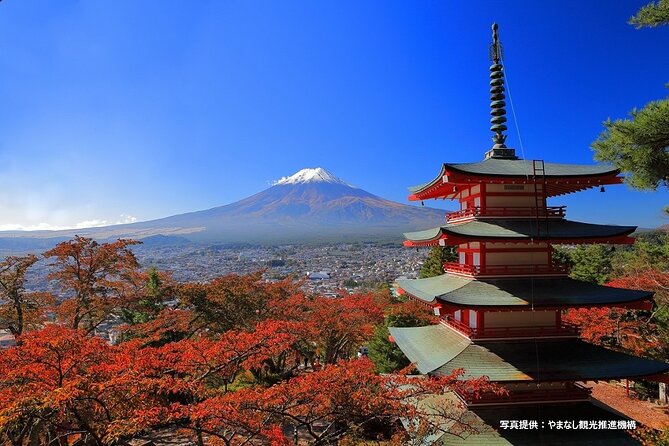
This is the stop people come for, but the tour also gives you the honest shape of the experience. The bus disembarks at Shimo-Yoshida Station on the Fujikyuko Line, then it’s about a 10-minute walk one way to Sengen Shrine.
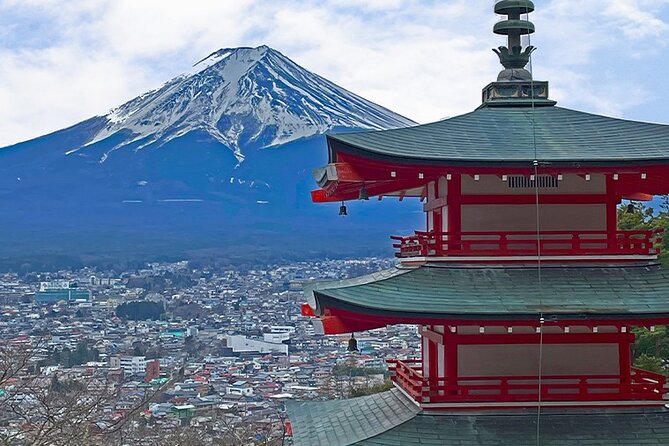
From there, the view that made this place famous—the Chureito Pagoda—requires climbing a stairway with about 398 steps. That’s listed as around 15 minutes one way, so plan for a steady climb and time at the top to enjoy the view.
There’s also a practical option built in: if you’re not confident about your stamina, you can wait for a few minutes at Sengen Shrine rather than pushing yourself to the full climb.
What you can expect in terms of scenery: the park offers views of the area with Mt. Fuji in the background. The info also points out that this spot is especially stunning around cherry blossom season, which makes sense given how often the Chureito Pagoda is photographed during spring.
Timing here is generous enough to be enjoyable—about 1 hour 20 minutes in the park area—so you’re not forced to sprint for one quick photo and then run back.
Guides, Learning, and the Stuff You Can’t Google
This tour’s real secret ingredient is the guide. The tour includes a National Government Licensed English Guide Interpreter, and the experience is clearly built around explanation, not just sightseeing.
In past versions, guides have included names like Makoto and Saiki-Sun, and there’s also mention of a guide named Atsushi adding extra personality and even a show-like element. I’d treat that as a bonus depending on your specific day and guide, but the broader point is consistent: you’ll get stories and symbols tied to Mt. Fuji and Japanese culture, which makes the viewpoints feel less like postcards.
Even if you’re not a trivia person, the explanations help your photos land better. You start noticing details you would normally ignore: how people talk about the mountain, why certain spots are sacred or symbolic, and what those scenic compositions represent.
Logistics That Matter: Where You Meet, Where You End
This is a day trip, so the “start and end” details are not trivia—they affect your whole evening.
You meet at Shinjuku Station West 1 Chome-5 Nishishinjuku, and you return to Shinjuku Station (West Exit). The tour specifically notes that drop-off is only at Shinjuku Station and it won’t return to Tokyo Station.
That means you should plan your last train or dinner around Shinjuku. If you’re staying near Tokyo Station, it’s still doable, just factor in a short ride after you get dropped.
Also, the tour is capped at 40 travelers. For a bus day trip, that’s a decent size: you can move as a group without feeling like you’re in a packed stadium.
Weather Plans: When Fuji Is Clouded
Mt. Fuji is famous for being visible… and also famous for playing hide-and-seek. The tour states that Mt. Fuji may not be visible due to weather, and in that case the tour won’t be canceled and refunds aren’t given.
But you’re not stuck with nothing. As mentioned earlier, if road conditions prevent reaching the 4th or 5th Station, the guide will reroute to Oshino Hakkai or the Fujisan World Heritage Center. That keeps the day structured.
My advice: if the forecast looks bad, still go. You’ll likely get cultural value and lake views, plus you’ll see parks and shrines that are interesting even without the perfect mountain silhouette. A foggy Fuji day can still be atmospheric; just don’t bank your day on a sharp peak.
Who This Tour Suits Best (And Who Might Want Another Option)
This tour fits you best if you want:
- A one-day plan that covers major Mt. Fuji viewpoints efficiently
- English guidance so the day feels more meaningful than just photos
- Lunch included, so you don’t have to find food between stops
- A structured route from Tokyo that avoids transfer stress
It’s less ideal if:
- You hate stairs. The Chureito Pagoda stop includes 398 steps and a walk from the station area.
- You need special dietary accommodations beyond the standard Japanese/vegetarian options.
- You’re hoping for an guaranteed clear view of Mt. Fuji. Visibility is weather-dependent and refunds aren’t offered for that.
If you’re traveling solo, it can feel reassuring because you’re never navigating alone. If you’re traveling with family, it’s also worth noting children up to 5 can join free, but they won’t have a bus seat unless booked on a child rate.
Should You Book This Mt. Fuji Day Trip?
Book it if you want a well-paced day that hits the headline sights—Mt. Fuji 5th Station, Oishi Park, Lake Kawaguchi, and Chureito Pagoda—with a guide and lunch already handled. The price makes sense when you factor in round-trip bus transport, a licensed English guide interpreter, and a real included meal.
Skip it or consider another option if stairs and walking are a problem for you, or if you need meal accommodations beyond the listed Japanese/vegetarian choices. Also, if you need Mt. Fuji visible no matter what, go in with tempered expectations because the tour runs even when the views are blocked.
FAQ
How long is the Mt. Fuji, Oishi Park & Arakurayama Pagoda Bus Tour with Lunch?
It’s about 9 hours (approx.) from the Shinjuku meeting point to the return in the Shinjuku area.
Where do I meet and where do I get dropped off?
You meet at Shinjuku Station West 1 Chome-5 Nishishinjuku and you’re dropped off at Shinjuku Station (West Exit). The tour does not return to Tokyo Station.
What lunch options are included?
Lunch is included and you can choose either a Japanese meal with meat and fish or a vegetarian meal. The meal is served at Hotel Regina Kawaguchiko or Highland Resort Hotel & Spa (venue may change).
Does the tour guarantee Mt. Fuji will be visible?
No. The tour notes that Mt. Fuji may not be visible due to weather, but the tour will still run and refunds won’t be given for visibility issues.
What happens if the bus can’t reach Mt. Fuji’s 4th or 5th Station?
If it can’t be reached due to things like freezing roads or other conditions, the guide will route the tour to Oshino Hakkai or the Fujisan World Heritage Center.
How much walking and stairs are involved at Arakurayama Sengen Park?
You’ll disembark at Shimo-Yoshida Station, walk about 10 minutes to Sengen Shrine, then climb about 398 steps to reach the Chureito Pagoda. The tour notes you may be able to wait at Sengen Shrine if you aren’t confident with the climb.
What dietary accommodations are available besides Japanese and vegetarian?
The tour data says Muslim-friendly, allergy-friendly, gluten-free, etc. meals are not available. Only the Japanese and vegetarian lunch options are listed.