REVIEW · TOKYO
From Tokyo: Nikko World Heritage Site Private Full-Day Trip
Book on GetYourGuide →Operated by Tourist Attractions · Bookable on GetYourGuide
Nikko is the kind of day trip that actually feels like a trip. In one packed schedule, you get UNESCO-listed Toshogu Shrine plus the big-name nature stops like Kegon Falls and Lake Chūzenji—all without wrestling trains or buses. It’s a true group-only experience, so the day can match your pace, not the other way around.
I especially like the private luxury vehicle angle: a Toyota Vellfire/Alphard, Lexus, Crown, or Land Cruiser gets you out of Tokyo fast and comfortably. Second, I love the practical touch of an English-speaking driver who can help with photo spots and timing as you go. The one thing to watch is that the day can feel tight if you’re determined to do every optional extra (like Edo Wonderland), and some outdoor components (like ropeway/boat) can shift when weather turns.
In This Review
- Key things that make this Nikko day trip worth your time
- A one-day Nikko escape that actually feels comfortable
- The Tokyo-to-Nikko drive: when timing makes or breaks the day
- Nikkō National Park photo stop: your first look at the scale
- Akechidaira Ropeway: the panoramic “wow, that’s Nikko” moment
- Lake Chūzenji: alpine calm, plus a food-and-coffee pause
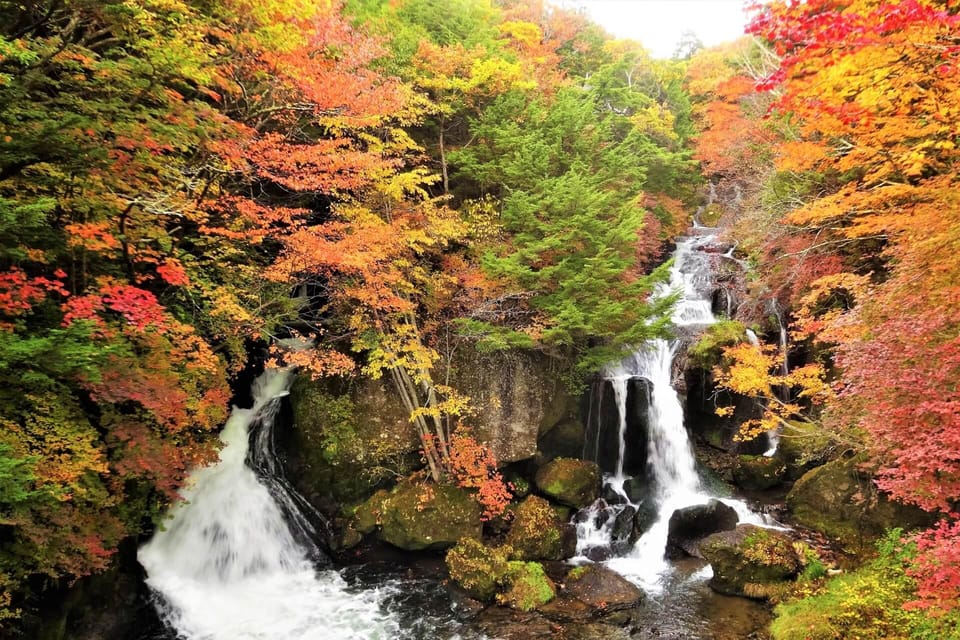
- Kegon Falls: famous for a reason
- Tamozawa Imperial Villa Memorial Park: the quiet contrast
- Toshogu Shrine (UNESCO): where the details do the talking
- Rinno-ji Temple and Shinkyo Bridge: the religious core plus the postcard frame
- Lunch break: a scheduled pause you don’t have to plan
- Edo Wonderland and Kanmangafuchi Abyss: optional adds for different tastes
- Edo Wonderland
- Kanmangafuchi Abyss (and Jiunji Hondo Temple)
- Price and value: why the per-group cost can make sense
- Who this tour is best for (and who should look elsewhere)
- Should you book this Nikko World Heritage Site Private Full-Day Trip from Tokyo?
- FAQ
- How long is the Nikko day trip?
- How many people can be in one group?
- What’s included in the price?
- Are entrance fees and meals included?
- Where will I be picked up and dropped off?
- What language will the driver speak?
- What vehicle types are used?
- Is the ropeway and boat cruise guaranteed?
- What should I bring or avoid?
Key things that make this Nikko day trip worth your time
- Private ride, not a shared bus: travel in a clean, air-conditioned Toyota Vellfire/Alphard, Lexus, Crown, or Land Cruiser.
- UNESCO focus: Toshogu Shrine and Rinno-ji Temple are the religious core of the day.
- Mountain views and classic nature stops: Akechidaira Ropeway, Lake Chūzenji, and Kegon Falls.
- Flexible pacing with photo help: the driver is there for comfort, timing, and picture moments.
- Big scenery, still manageable in one day: you’re not trying to do Nikko by yourself under a strict schedule.
- Optional extras are real options: Edo Wonderland and Kanmangafuchi Abyss can be added depending on your interests and time.
A one-day Nikko escape that actually feels comfortable
If you’ve tried doing Nikko on public transport, you already know the drill: connections, transfers, and then standing in line while you’re tired. This private format fixes that. You’re picked up from multiple locations across Tokyo (and even as far as Narita/Yokohama/Chiba areas), then driven to Nikkō National Park with a smooth, air-conditioned ride.
The tour is built for small groups—up to 6 in your party—and that matters. You’re not watching other people’s snack breaks or waiting for strangers to decide which path to take. You can spend a little longer where you care most, like the shrine carvings and temple grounds, then keep moving when you’ve had your fill of waterfalls.
The vehicle choice also signals the style of the day. Expect a premium Toyota Crown/Lexus type of experience or the spacious Vellfire/Alphard when you’ve got more people and luggage. And yes, the car is professionally maintained and not a smoking zone, with water provided.
You can also read our reviews of more private tours in Tokyo

The Tokyo-to-Nikko drive: when timing makes or breaks the day
Most people think the fun starts when you arrive in Nikko. I think the real work is getting there in one piece. The drive is about two hours each way (traffic can stretch it), so an early start is your friend.
This matters for two reasons:
- You’ll get better lighting for photos at the main stops.
- You won’t feel rushed at the UNESCO sites where walking slowly is part of the point.
One of the best parts of having a driver instead of a strict coach schedule is the ability to manage the day. If you’d rather linger at Toshogu’s main areas, you can. If you want more nature time, that’s also workable. Drivers with names like Jagroop, Hamza, Baba, Cheema, Ali, Haroon, Kashif, and Moazam show up in past feedback as people who adjust the plan to the group’s priorities—whether that means helping with older family members or adding extra stops when requested.
Nikkō National Park photo stop: your first look at the scale
Before the ropeway and major viewpoints, the plan includes a Nikkō National Park photo stop with a short guided moment. This is a good “set your bearings fast” stop. You start seeing how Nikko works: mountains nearby, valleys dropping away, and the sense that the shrines sit inside a larger natural world.
If you’re the type who likes to understand a place before you wander, this helps. You can quickly connect what you see later—Lake Chūzenji’s basin, Kegon Falls’ dramatic drop, and the mountain views—from one earlier viewpoint.
A small caution: this stop is shorter than some later ones. If you love roadside views, don’t rely on this one stop to do the heavy lifting—save your energy for Akechidaira and the lake.
Akechidaira Ropeway: the panoramic “wow, that’s Nikko” moment
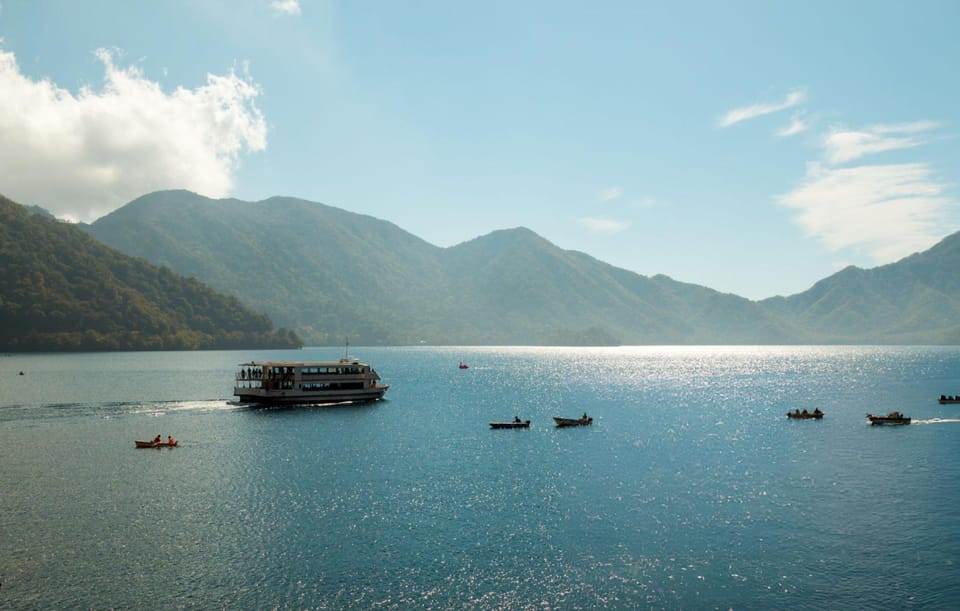
The Akechidaira Ropeway ride is where the day starts to feel like a full tour, not just shrine hopping. You ride up to an observation area with broad views over Nikko’s mountains, Lake Chūzenji, and the waterfall area.
This stop is popular for a reason: it gives you the big picture. From down at ground level, it’s easy to think each sight is separate. Up here, you see how they’re all linked by terrain.
Practical tip: wear comfortable shoes and dress for cooler temps higher up. And if weather is bad, you might not get the cable ride. One past group couldn’t take it due to conditions, but they still had a great day. The lesson: in Nikko, weather isn’t a minor detail—it’s part of the planning.
Lake Chūzenji: alpine calm, plus a food-and-coffee pause
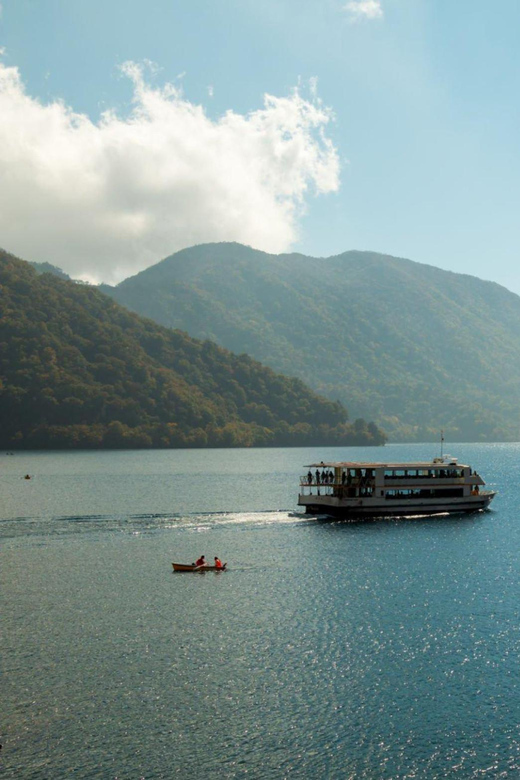
Next is Lake Chūzenji, set at the foot of Mount Nantai. The schedule gives you time to walk a bit and enjoy the view, plus it can include a boat cruise depending on conditions.
Even when it’s windy or the water looks less calm, the lake is worth your time. It’s a different mood than the shrine areas—more open air, more room to breathe, and a slower rhythm that resets your brain after driving.
You also get a coffee tasting element here. That sounds small, but it’s a smart mid-day brake. It’s the kind of break that keeps everyone pleasant during later temple walking.
Possible drawback: if you want a guaranteed boat cruise, don’t count on it in every weather setup. That’s not a “gotcha” so much as normal Nikko reality.
You can also read our reviews of more historical tours in Tokyo


Kegon Falls: famous for a reason
Kegon Falls is one of Japan’s best-known waterfall sights, and the tour builds in real time: a photo stop, visit, guided component, and additional sightseeing time, plus food tasting. One hour is a solid chunk, enough to take the main viewpoint photos and still spend a few minutes adjusting to the sound and mist.
Why it works in a one-day itinerary: it’s not just a single view from far away. The setup gives you a sense of height and scale, and you can get the dramatic angles that make people stop mid-sentence.
A tip for your photos: stand where you can balance “water + structure” in your frame. The views get better when you’re not shooting only from the same angle as everyone else.
Tamozawa Imperial Villa Memorial Park: the quiet contrast
Before you go back into temple mode, the tour includes Nikko Tamozawa Imperial Villa Memorial Park with time for visiting and free wandering.
This stop is valuable because it adds variety. You shift from waterfall power to refined architecture and peaceful grounds. It’s not the loud centerpiece of the day, but it helps the day feel balanced.
If you like Japanese estates and garden planning, you’ll enjoy the slower pace here. If you’re laser-focused on UNESCO religious sites only, you might treat this as a shorter stretch break and save your energy for Toshogu and Rinno-ji.
Toshogu Shrine (UNESCO): where the details do the talking
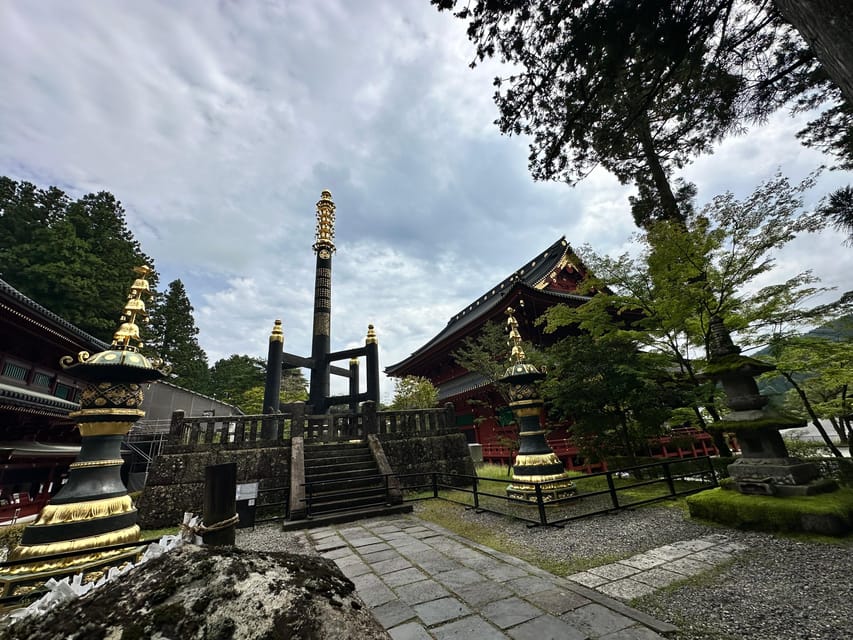
Then you hit the main event: Toshogu Shrine, a UNESCO World Heritage site. The plan includes a photo stop and guided tour time (about an hour).
Toshogu is famous for ornate design and historic carvings. And here’s the practical angle: carvings are not a “quick glance” thing. They reward patience. A guided walk helps you notice symbols and the structure of the shrine areas instead of just seeing a blur of gold-and-wood.
This is also where having a driver matters. You’re not coordinating ticket lines or transit. You’re just there, walking at the pace your group can handle.
One drawback to consider: because it’s a major stop, it can feel busy at peak times. The private setup helps, but you still may have moments where you move slower than you want. If you care about calm, aim for an earlier part of the day.
Rinno-ji Temple and Shinkyo Bridge: the religious core plus the postcard frame
After Toshogu, you go to Rinno-ji Temple with photo stop and a guided visit window (about 30 minutes). This is the other major piece of Nikko’s religious scene, and it complements Toshogu well.
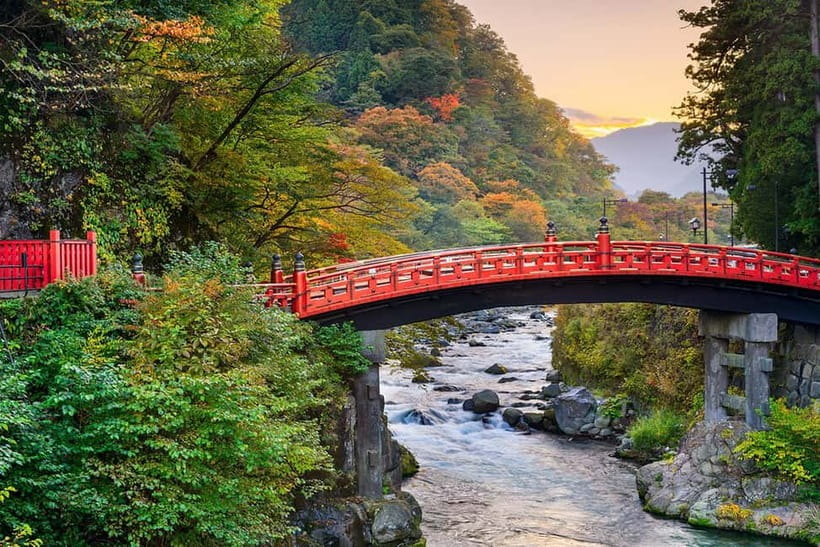
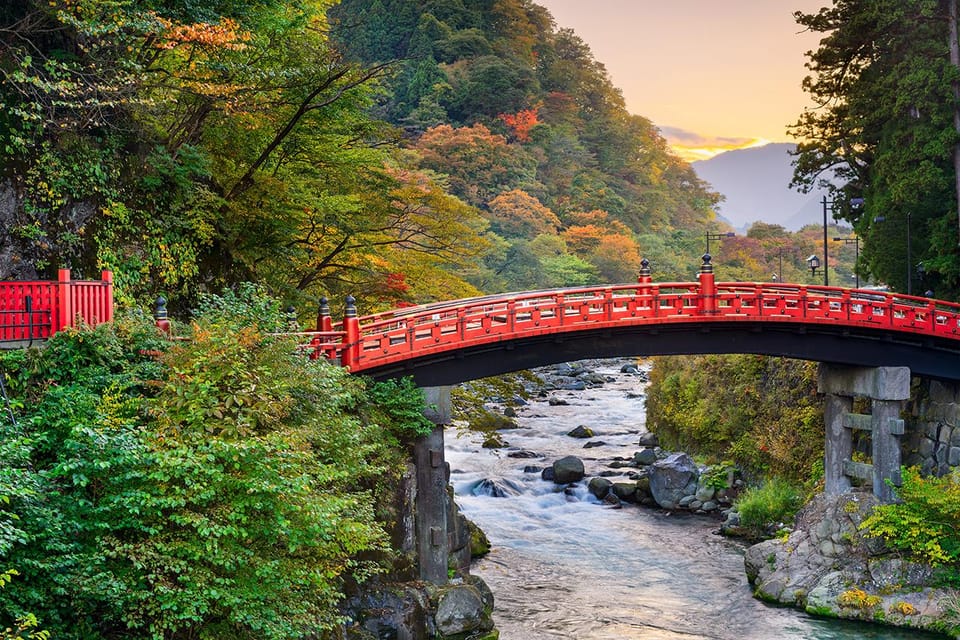
Then the plan includes Shinkyo Bridge, one of Nikko’s most photographed landmarks. You’ll get time to view and walk a bit around it (photo stop plus guided sightseeing, about 30 minutes).
Shinkyo is that postcard moment where the whole day clicks. It’s the scene most people picture when they think of “old Japan,” and it’s tied to Nikko’s sacred geography.
Tip: treat this as both a photo stop and a mental reset. After temples, the bridge gives you a clear, iconic frame before more nature walking.
Lunch break: a scheduled pause you don’t have to plan
There’s a local restaurant lunch stop (30 minutes). Meals and drinks aren’t included in the price, so you’ll pay for your own food, but the big value is that the day doesn’t force you to hunt for a place while you’re tired and hungry.
Also, drivers who have guided groups before often help with food options. Names that popped up in feedback include Jagroop and Kashif as people who recommended where to eat and kept the group comfortable with rest stops.
What to do with this info: you can ask for a lunch style you like—something quick, something hearty, something casual—because you’re in a private car and can communicate easily.
Edo Wonderland and Kanmangafuchi Abyss: optional adds for different tastes
Depending on time and preferences, the schedule can include two “side quests” that are very different from shrines and waterfalls.
Edo Wonderland
Edo Wonderland is a cultural theme park recreating the Edo period. If you like costumes, set-style scenes, and a more playful, staged experience, it can add energy to the day. The plan allocates up to two hours here, which is a big block—so it can stretch your schedule if you also want long stops at the natural sites.
Kanmangafuchi Abyss (and Jiunji Hondo Temple)
Kanmangafuchi Abyss comes with time for sightseeing and even the Jiunji Hondo Temple component. This is a riverside walking area surrounded by nature, more of a scenic stroll than a theme-park feel. The time allocation is 45 minutes, so it’s enough for a walk and photos without turning it into a full hike day.
These optional stops are a good example of the tour’s real strength: flexibility. If you’re mainly shrine-and-temple focused, you can prioritize that and cut back. If you want both culture and nature, you can fit them in.
Price and value: why the per-group cost can make sense
At $483 per group (up to 6) for a one-day trip, this isn’t a budget outing. It’s a comfort-and-control option. So the value question isn’t just “is it expensive?” It’s “what are you paying to avoid?”
Here’s what you’re getting for the money:
- Hotel pickup and drop-off, with many Tokyo-area options (and even Nikko pickup options listed).
- A private luxury vehicle matched to your group size (Vellfire/Alphard, Lexus/Crown, or Land Cruiser).
- An English-speaking driver who helps manage the timing and photo opportunities.
- Fuel, tolls, and parking, which can quietly add up on your own.
- Water, plus a schedule that can flex to your pace.
If you’re traveling as a couple, the cost is still high, but splitting per person can make it feel more reasonable—especially if you would otherwise need taxis, separate transit tickets, and time-consuming planning. If you’re a family or small group, the private vehicle advantage becomes more obvious.
The only cost “surprises” to anticipate are the ones listed as not included:
- Entrance fees
- Meals and drinks
Who this tour is best for (and who should look elsewhere)
This is a great fit if you:
- want a stress-free one-day escape from Tokyo
- care about UNESCO Nikko sites without managing logistics
- have mixed ages in your group (the driver is used to supporting slower walking and slippery slopes, based on feedback)
- prefer a relaxed pace over a rushed checklist
It may be less ideal if you:
- want a long, slow trip with lots of hiking (this is a one-day format)
- expect every single optional element—ropeway/boat/theme park—regardless of weather
- have your own transport and don’t mind doing the planning work
Should you book this Nikko World Heritage Site Private Full-Day Trip from Tokyo?
If your top goal is to see Toshogu Shrine and the major nature highlights—Akechidaira, Lake Chūzenji, Kegon Falls, Rinno-ji, and Shinkyo Bridge—without turning your vacation into a transit project, then I think this is a strong booking choice.
My advice: book it if you like the idea of being driven, having an English-speaking guide/driver handle timing, and staying comfortable in a luxury vehicle for a full day. Skip it (or at least adjust expectations) if you’re trying to maximize “every optional stop” with zero flexibility, because Nikko’s outdoor pieces can be weather-dependent.
One final practical note: bring comfortable shoes and have cash on hand, since entrance fees and food stops will likely be paid separately.
FAQ
How long is the Nikko day trip?
It’s a 1-day experience.
How many people can be in one group?
The price is listed per group up to 6.
What’s included in the price?
Included are a private luxury vehicle, an English-speaking driver, fuel/tolls/parking, hotel pickup and drop-off, flexible sightseeing schedule, photo assistance, and water.
Are entrance fees and meals included?
No. Attraction entrance fees and meals and drinks are not included.
Where will I be picked up and dropped off?
Pickup and drop-off are available across Tokyo City, plus Yokohama, Chiba, and Nikko. You can send your pickup address, and there are many listed pickup locations in Tokyo.
What language will the driver speak?
English is available, and the tour also lists other languages including Japanese, Italian, Arabic, Dutch, and Hindi.
What vehicle types are used?
Depending on group size, you may ride in Toyota Vellfire/Alphard, Lexus, Toyota Crown, or Toyota Land Cruiser. All are air-conditioned and maintained.
Is the ropeway and boat cruise guaranteed?
The Akechidaira Ropeway is part of the plan, and the Lake Chūzenji boat cruise is listed in the experience. If weather is poor, parts of the plan may not run exactly as scheduled.
What should I bring or avoid?
Bring comfortable shoes and cash. Smoking and alcoholic drinks in the vehicle are not allowed.