REVIEW · TOKYO
Tokyo: Imperial Palace and Shogun Historical Walking Tour
Book on Viator →Operated by Traveling Tokyo · Bookable on Viator
Stone gates and quiet ponds, explained on foot. This guided Imperial Palace East Gardens walk takes you through the former Edo Castle grounds, with a guide to connect what you see to the shogun and imperial eras. One thing to note: it’s a punctual meeting-point style tour, so being late at the Starbucks start can cut your time inside.
I love how this tour makes the palace area feel easy and human. You get an intimate group (up to 15), and the guide’s commentary helps you spot details you’d otherwise miss while wandering on your own. A walking route also means you’ll be moving for the full stretch, so wear shoes you’re happy to stand and walk in for about two hours.
In This Review
- Key Things I’d Make Time For
- Imperial East Gardens, But With a Guide’s Story Thread
- Starting at Starbucks: Simple Meeting Point, Real-Life Timing
- Stop 1: The East Gardens of the Imperial Palace and Edo Castle Ruin
- Stone gates and castle-wall remnants
- Stand on the keep foundation (and use your imagination)
- Ninomaru Garden: ponds, seasonal flowers, and a breather
- The drawback: mostly outdoors, so plan for walking and light
- Guides Who Turn Architecture Into Clear, Human Meaning
- Why This Tour Beats a Quick Palace Stop From Your Own List
- Group Size: Better Questions, Less Herding
- What to Expect From a Relaxed Pace in a Royal Precinct
- Price and Value: Why $22 Can Feel Like a Bargain
- Who This Tour Works Best For
- One Last Reality Check Before You Book
- Should You Book This Imperial Palace East Gardens Walking Tour?
- FAQ
- How long is the Imperial Palace and Shogun Historical Walking Tour?
- What does the tour cost?
- Where do I meet the tour?
- Is an admission ticket included?
- What’s the group size limit?
- Can I cancel and get a full refund?
Key Things I’d Make Time For
- A guided path through the Imperial Palace East Gardens instead of self-guided wandering
- Edo Castle ruin foundations and stone gates that help you visualize feudal-era power
- Ninomaru Garden’s ponds and seasonal flowers for a calmer pause in the middle of the walk
- Small group size (max 15) for questions and a more relaxed pace
- Admission ticket included for the East Gardens stop, so you’re not juggling extra entry steps
- Mobile ticket for simpler check-in
Imperial East Gardens, But With a Guide’s Story Thread
Tokyo’s Imperial Palace grounds can look straightforward from a map: greenery, walls, gates, and paths. The part that makes this experience feel worth it is the way a guide stitches the details together into one clear narrative. You’re not just walking past pretty landscaping. You’re walking across the layered footprint of Japan’s royal era and the earlier Edo Castle presence.
Also, this isn’t built like a race. The tour runs about 2 hours and keeps the group small. That matters in the Imperial Palace area, where you can easily get separated or feel rushed if you’re with a larger crowd.
The big payoff is context. The guide helps you translate what you’re seeing—stonework, gates, and garden design—into something you can actually picture from centuries ago.
You can also read our reviews of more walking tours in Tokyo



Starting at Starbucks: Simple Meeting Point, Real-Life Timing
You’ll meet at Starbucks Coffee – Kokyo Gaien Wadakura Fountain Park (3-1 Kōkyogaien, Chiyoda City). It’s an easy landmark and it’s in the Chiyoda area, which is handy if you’re moving around Tokyo by train.
One practical note: this is the kind of tour where timing matters. There are reminders and schedules you’ll want to respect, because the walking route assumes everyone arrives together. If you’re prone to “I’ll just be a few minutes late,” this is the one that can punish you with missed time at the gardens.
Stop 1: The East Gardens of the Imperial Palace and Edo Castle Ruin

This is the heart of the experience, and it’s where the tour earns its keep. You spend about 1 hour 30 minutes here, with an included admission ticket. That alone helps value—because you’re not paying for a guided walk and then separately handling entry.
Stone gates and castle-wall remnants
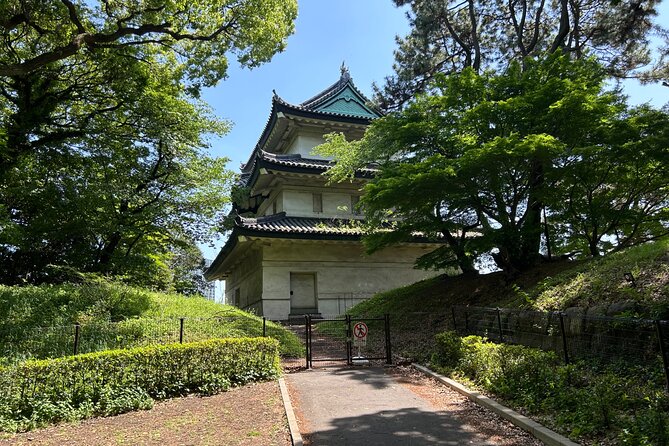
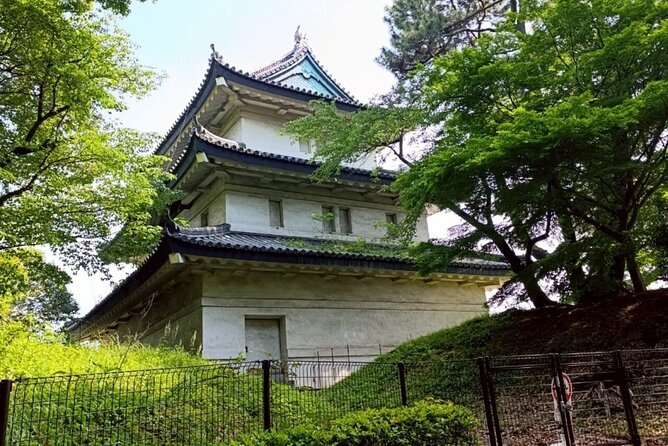
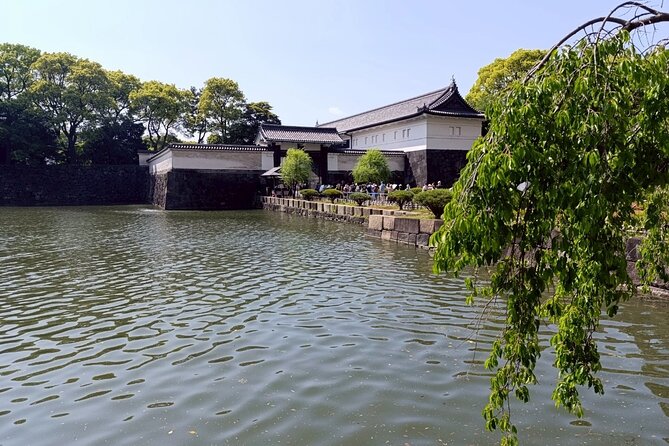
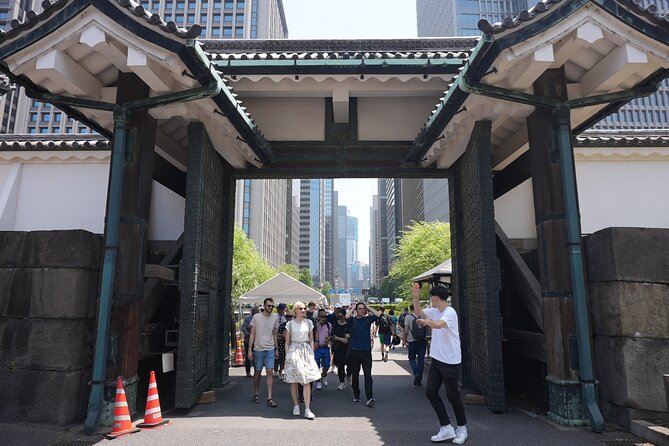
You start by walking through majestic stone gates and past remnants of towering castle walls. Even if you don’t know much Japanese history, you can feel the “this was built for control” vibe. The guide’s job is to slow you down just enough to notice the features that communicate status and power: the layout, the scale, and the way stonework frames each turn.
The benefit of having a guide here is that you’ll connect these ruins to the former Edo Castle setting. The grounds aren’t just scenery; they’re a physical reminder of how the shogun era shaped the capital.
Stand on the keep foundation (and use your imagination)
Next, you’ll be taken to the foundation of the once-mighty castle keep. This is one of those spots where photos alone don’t do the job. Being at the base makes it easier to understand height and positioning—why walls and gates mattered, and why the layout would have felt imposing.
What I like about this part of the tour is that it’s not museum-only. You’re outside, on site, looking at the bones of what used to be there. The guide helps you “read” the space instead of guessing.
You can also read our reviews of more historical tours in Tokyo





Ninomaru Garden: ponds, seasonal flowers, and a breather
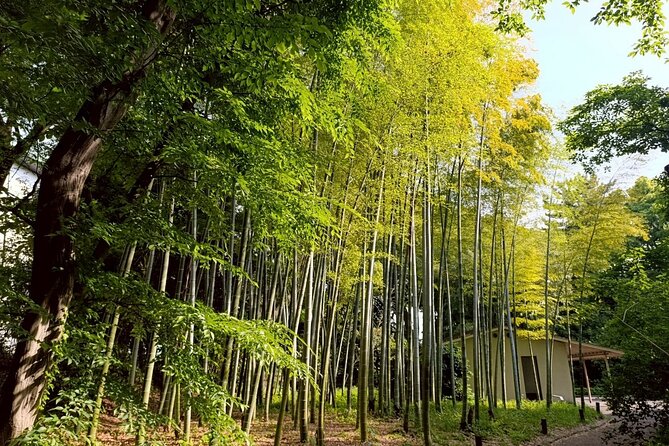
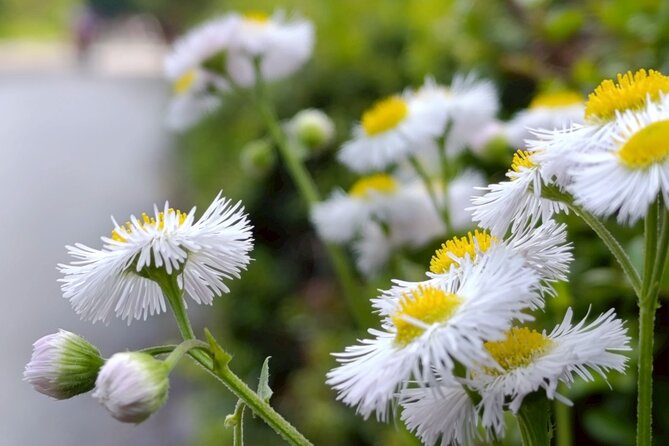
Then comes Ninomaru Garden. This is the contrast piece: the earlier parts of the route lean toward strength and fortification, while the garden gives you that refined, calmer Edo-period feeling. The description includes seasonal flowers and tranquil ponds, and that checks out with the best reason to visit the palace grounds at all—green space inside one of the world’s busiest cities.
This stop is also where a guided pace helps. Garden areas can blur together when you wander. With a guide, you get a clearer sense of what you’re looking at and why it’s arranged the way it is.
The drawback: mostly outdoors, so plan for walking and light
The trade-off is that this tour is built for walking outdoors. In a place like this, the conditions you get—sun, wind, crowding in pathways—will affect how enjoyable it feels. One review specifically warned about slopes, so expect some uphill/downhill sections and bring footwear that can handle it.
Guides Who Turn Architecture Into Clear, Human Meaning
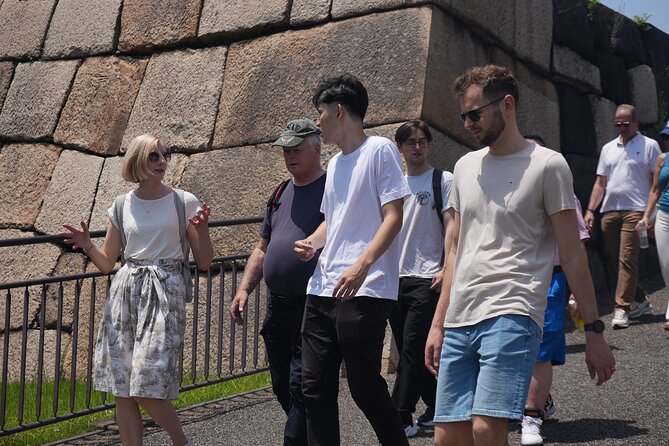
The tour lives or dies by its guide. The standout theme from guide praise is how they keep things engaging and understandable, not just reciting dates. Names that come up include Blake, Jim, Miguel, Tony, Aya, and Izzy, and the common thread is that they make the Imperial Palace and Edo Castle context click.
Here’s what you should look for when you’re with a good guide on this route:
- Clear storytelling that connects the visible stone and garden features to the imperial and shogun eras
- Fun facts and context about both historical and modern Tokyo, so you’re not stuck in the past the whole time
- A patient style that keeps the group together and makes questions feel normal
That’s a real advantage over self-guided visits. You can read signs, sure, but a guide helps you ask the exact question you’d wonder about in the moment—why something is laid out a certain way, what a structure used to mean, or how the space fits into Tokyo today.
Why This Tour Beats a Quick Palace Stop From Your Own List
You can technically visit palace grounds more independently, but this tour’s pitch is different: it’s a guided path through the East Gardens that targets the points you’d most likely skip or misread.
This is how I’d frame the value:
- If you just want a scenic walk, self-guided can work.
- If you want the “I get it now” feeling—how the gardens and remnants connect to Japan’s royal and shogun past—this tour does that work for you.
Also, the “places bus tours can’t reach” angle matters. Big-group bus tours often skim the perimeter. A walking route lets you get closer to the specific structures and garden sections that form the real story here.
Group Size: Better Questions, Less Herding
A max group size of 15 is not a small detail. It’s the difference between hearing the guide clearly and losing the plot when you’re far away. In a place like the Imperial Palace East Gardens, where paths narrow and signage can be spaced out, a compact group helps you stay oriented.
This is also a tour where asking questions can genuinely improve your experience. The overview emphasizes that you can ask questions and get deeper context, and that matches what you want from a guided history walk: you shouldn’t have to guess what something means.
What to Expect From a Relaxed Pace in a Royal Precinct
Even though it’s about history, you’re not stuck in a classroom. Think of it as a calm morning or afternoon walk with periodic stops where the guide points out features and explains what they represent.
A good pace shows up in a practical way: the guide has time to answer questions, and you get to look around without feeling like you’re being pushed along by a giant schedule.
That said, you should be prepared for the reality of walking tours:
- You’ll be moving for most of the experience
- You’ll want to keep up with the group
- You may encounter some slopes
If you like structured sightseeing but hate feeling rushed, this is likely a strong fit.
Price and Value: Why $22 Can Feel Like a Bargain
At $22 per person for about 2 hours, the cost is low for Tokyo, especially when the East Gardens admission ticket is included for the main stop. When admission is bundled, you avoid the “cheap tour, then expensive entry later” problem.
But the bigger value question is this: what do you get that you wouldn’t get alone?
- A guided reading of gates, walls, and foundations
- Context for the imperial and shogun eras that makes the site make sense
- A small-group pace that helps you actually absorb what’s in front of you
If you’re the type who enjoys learning while you walk—architecture, planning, and how history shows up in real space—this price-to-experience ratio looks very solid.
If you’re only interested in quick photos and a gentle stroll, you might find a self-guided visit more economical. Still, even then, having someone translate what you see can turn the same scenery into a more satisfying visit.
Who This Tour Works Best For
This is the kind of tour I’d recommend if:
- You want a guided intro to Tokyo’s imperial area without getting overwhelmed
- You like history that you can physically stand in (foundations, stone gates, garden design)
- You’d rather ask questions than rely on reading alone
- You want a small-group experience (up to 15) with a relaxed pace
It’s less ideal if:
- You hate walking tours or feel uncomfortable on uneven/sloped ground
- You arrive late often and don’t like strict start times
- You’re expecting a lot of interior museum-style stops (the focus here is outdoor gardens and ruins)
One Last Reality Check Before You Book
The vast majority of the experience ratings are excellent, with consistent praise for engaging guides and meaningful context. The main caution I’d carry into your decision is that tour quality can hinge on the specific guide and that punctual meeting-point timing matters. If you do arrive on time and stick with the pace, this tour is built to turn a free-looking garden visit into something you understand.
Should You Book This Imperial Palace East Gardens Walking Tour?
Yes, I think you should book it if you want the palace grounds to make sense, not just look nice. For $22, you get a guided walkthrough of the East Gardens and the Edo Castle ruin area, plus an included admission ticket, in a small group that keeps the experience calm and question-friendly.
If you’re coming to Tokyo and only have room for one guided stop in this part of town, this is a strong choice. It’s also a great way to balance the city’s pace with a quieter garden setting—while still getting real historical context.
If you want, tell me your travel dates and what you’ve already planned in Chiyoda/Marunouchi, and I’ll help you slot this into a smooth day.
FAQ
How long is the Imperial Palace and Shogun Historical Walking Tour?
It runs for about 2 hours (approx.).
What does the tour cost?
The price is $22.00 per person.
Where do I meet the tour?
The meeting point is Starbucks Coffee – Kokyo Gaien Wadakura Fountain Park, 3-1 Kōkyogaien, Chiyoda City, Tokyo 100-0002, Japan.
Is an admission ticket included?
Yes. Admission ticket is included for the East Gardens of the Imperial Palace – Edo Castle Ruin stop.
What’s the group size limit?
The tour has a maximum of 15 travelers.
Can I cancel and get a full refund?
Yes, you can cancel for a full refund up to 24 hours before the experience’s start time. Free cancellation is offered, and changes within 24 hours of the start time aren’t accepted.