REVIEW · TOKYO
Mt. Fuji Heritage Tour: Traditional Villages, Lakes & Shrine
Book on GetYourGuide →Operated by TAIHOU CO,LTD · Bookable on GetYourGuide
Fuji looks different every time you blink, and this tour lines up multiple photo-first stops that aim for clear mountain sight. I like the Saiko Iyashi no Sato Nenba traditional village for thatched-house scenes, and I also like the built-in payoff at Arakurayama Sengen Park with the Chureito Pagoda framed by Mt. Fuji. One thing to consider: visibility can change fast, so you should expect that clouds might soften the view on your day.
You’ll also get a smooth, guided day built around timing: Lake Kawaguchi parks for seasonal color, then the quiet, reflective stop at Oshino Hakkai. I especially appreciate that the tour runs with pickup and drop-off from central Tokyo and includes key site admission so you’re not piecing things together. The main practical snag is lunch is not included, so plan ahead with cash and snacks for gaps between stops.
In This Review
- Key points worth knowing before you go
- Mt. Fuji day-trip route: why this tour works
- Tokyo pickup to the Fuji area: the long bus ride you should plan for
- Saiko Iyashi no Sato Nenba: thatched-roof village + Fuji backdrops
- Lake Kawaguchi parks: Oishi Park and the Maple Corridor timing game
- Oishi Park: summer lavender to fall broom grass
- Maple Corridor: the Fuji + fall foliage photo frame
- Arakurayama Sengen Park: the shrine climb and Chureito Pagoda views
- Lunch break (not included): how to handle the 40-minute window
- Oshino Hakkai: eight spring ponds and calm Fuji reflections
- Group pacing, bathrooms, and getting your photos right
- Weather reality: the one thing you can’t control
- Price and value: what $50 buys you (and what it doesn’t)
- Who should book this tour
- Should you book Mt. Fuji Heritage Tour: Traditional Villages, Lakes & Shrine?
- FAQ
- How long is the Mt. Fuji Heritage Tour?
- How much does the tour cost?
- Is lunch included?
- Where do I meet the group in Tokyo?
- What language is the guide available in?
- What should I bring?
- Does the route change during peak fall foliage?
Key points worth knowing before you go
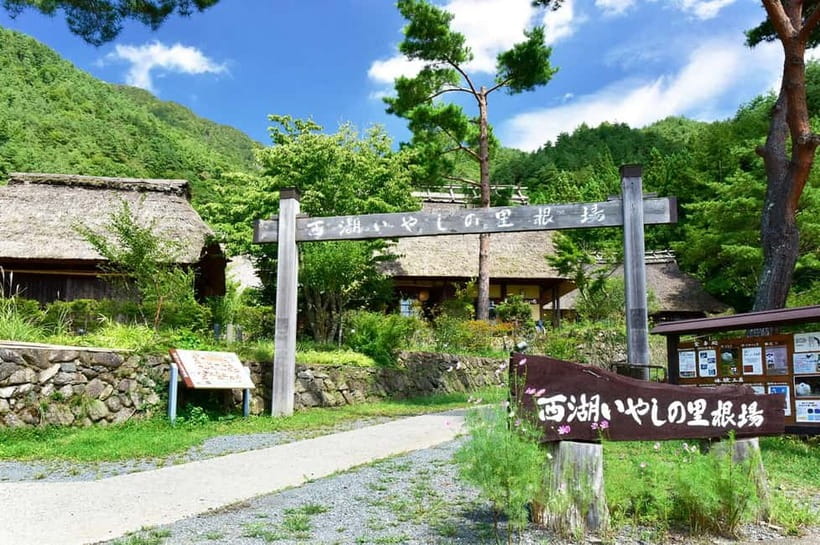
- Saiko Iyashi no Sato Nenba pairs a guided walk with Mt. Fuji backdrops you’ll want to shoot from multiple angles
- The Arakura Sengen area stacks shrine + steps + iconic pagoda views in one compact stretch
- Oishi Park vs. Maple Corridor season swap matters: during Oct 26–Nov 20, the route skips Oishi Park
- Oshino Hakkai gives you 8 spring ponds to slow down, photograph, and taste local treats near the water
- Bring cash: some locations may not take credit cards
Mt. Fuji day-trip route: why this tour works

This is a classic Mt. Fuji “best hits” day, but it’s built with a smart logic: you start with traditional scenery, move into Lake Kawaguchi’s famous viewpoints, then finish at the quiet spring ponds that make the whole day feel calm instead of rushed.
The tour is listed at $50 per person for 10 hours, and that price is really about what you avoid. You’re paying for a round-trip coach from Tokyo, a live multilingual guide, and included admission at Saiko Iyashi no Sato Nenba, plus parking. Lunch is on you, but the core tour costs are handled.
It’s also a shared group format. That means you trade a bit of freedom for coordination, and you gain the guide’s help with timing and where to stand for photos. On this route, timing is everything because Mt. Fuji can vanish behind clouds and weather.
You can also read our reviews of more historical tours in Tokyo

Tokyo pickup to the Fuji area: the long bus ride you should plan for
The day starts with pickup at one of two meeting points in Tokyo, including Tokyo MODE學園 in Marunouchi. From there, you take a coach north. The schedule shows about 2.5 hours of bus time to reach the first stop area.
That bus time can be useful. It gives you a buffer for weather, and it sets you up to arrive before your best photo windows close. Still, treat it like a transit day: wear comfortable shoes, bring water, and have a small snack ready because lunch is not included later.
You’ll also get an email the night before with the tour guide’s contact number and the vehicle license plate, so you can find your group without stress if you’re running late or confused about where to go.
Saiko Iyashi no Sato Nenba: thatched-roof village + Fuji backdrops
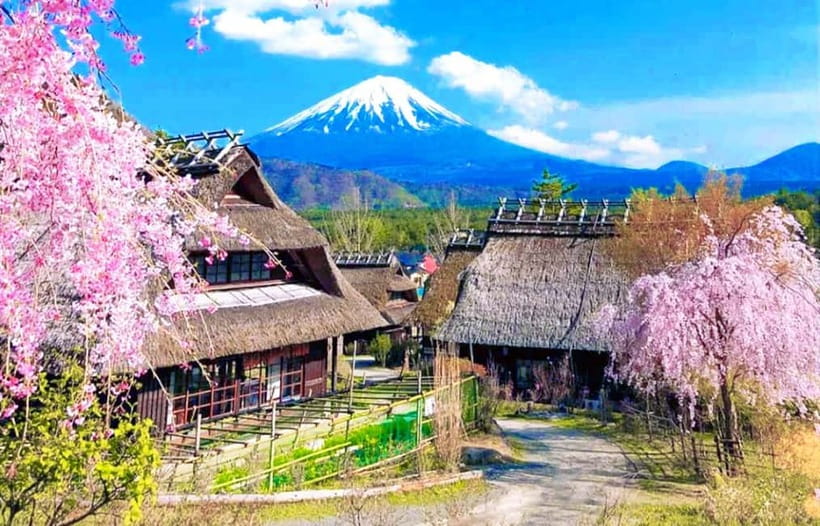
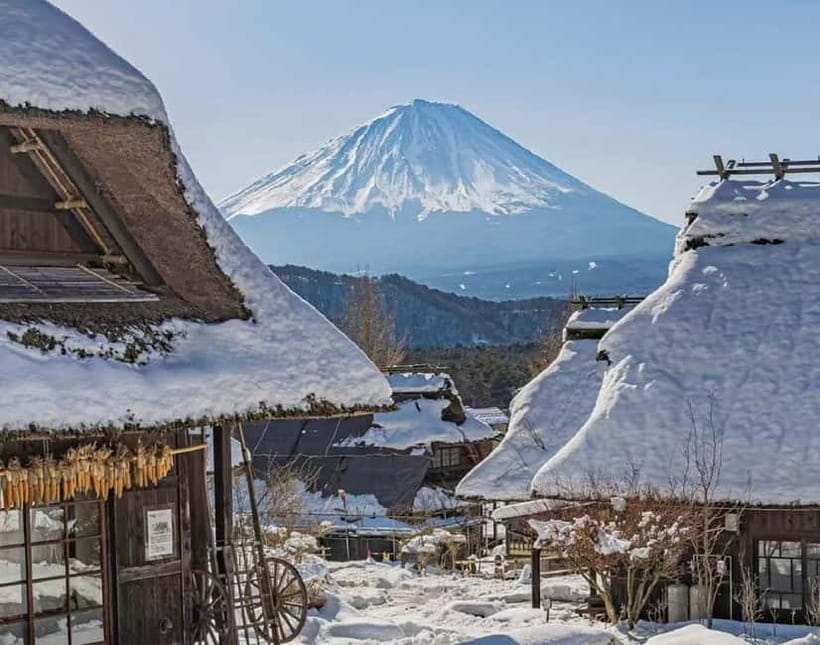
Your first major stop is Saiko Iyashi no Sato Nenba, a traditional thatched village connected to the Fuji lakes area. You’ll get a guided visit (about 1 hour) plus a photo stop focus, which is exactly what this kind of place needs.
Why it’s worth your time:
- The thatched houses give you a classic Japan look that photographs well from multiple corners.
- The village is set up for Fuji framing, so you can work the shot like you would at an overlook, not just stand in one spot.
A couple of practical details make the difference. The village entrance has snack options, and you can also rent a ninja costume for extra fun photos if that’s your style. I’d see it as optional entertainment, not a requirement.
One practical caution: you’ll want comfortable footwear. Even though this is not described as a hike, villages and photo stops add up, especially when your group is moving on a tight schedule.
Lake Kawaguchi parks: Oishi Park and the Maple Corridor timing game
After Saiko, you head toward Lake Kawaguchi with a shorter transfer. From there, the tour focuses on viewpoints and seasonal color, especially around the lake.
Oishi Park: summer lavender to fall broom grass
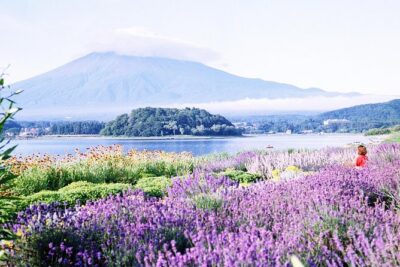
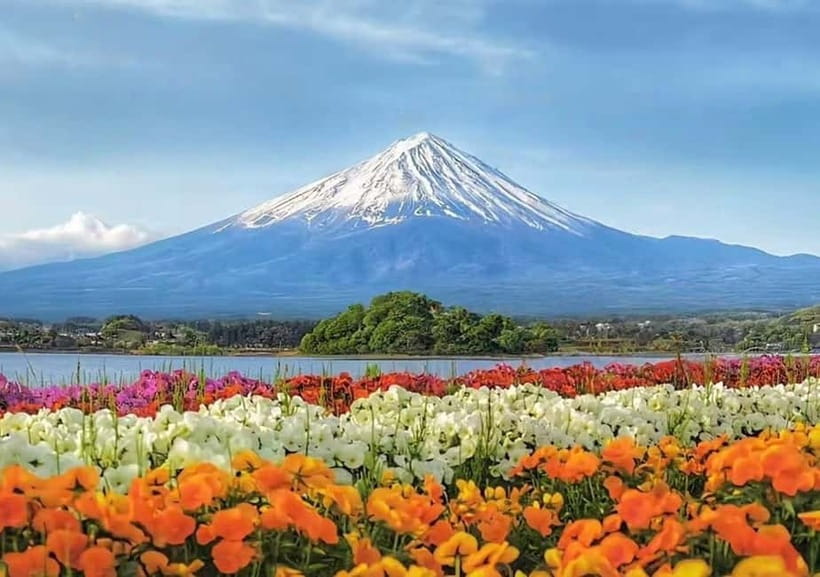
You’ll have a photo stop at Oishi Park with about 40 minutes on site. Oishi Park is known for strong seasonal changes:
- In summer, fields can turn fragrant and purple-toned.
- In autumn, red broom grass can paint parts of the grounds in warm color that still frames Fuji when weather cooperates.
For planning: this tour includes Oishi Park as part of the itinerary except during the peak foliage swap mentioned below.






Maple Corridor: the Fuji + fall foliage photo frame
Next comes the Lake Kawaguchi Maple Corridor photo stop with about 40 minutes. Peak autumn foliage is listed from Oct 26 to Nov 20, and during that period the tour does not go to Oishi Park.
That detail matters because it changes what your day looks like. If you’re booking for fall color, you’re not choosing between two options on the fly. The route calendar decides your scenery order.
Arakurayama Sengen Park: the shrine climb and Chureito Pagoda views
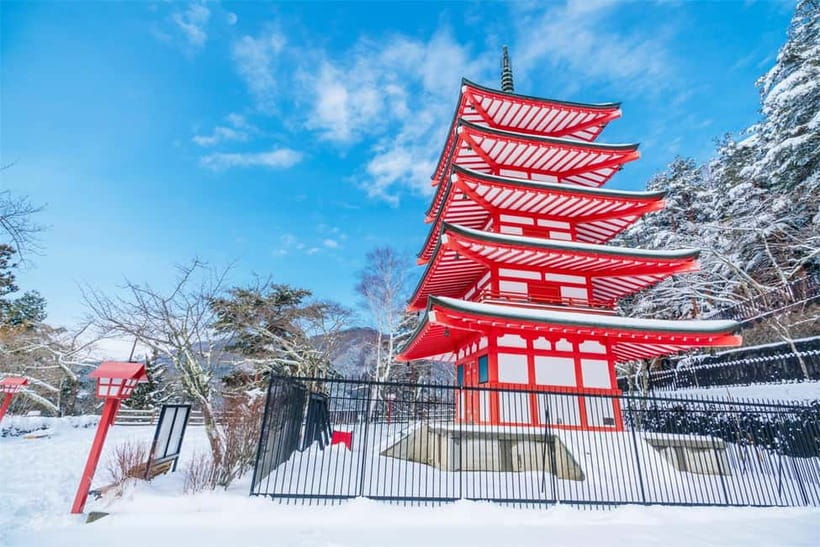
If you want the most famous Mt. Fuji “icon” on the tour, it’s this part of the day. The schedule takes you to Arakurayama Sengen Park, then onward to the shrine area and the pagoda viewpoints.
You’ll spend about 40 minutes at Arakurayama Sengen Park, then additional time at Arakura Fuji Sengen Shrine and for pagoda photo stops. The route shows multiple brief windows, but they’re designed so you can do the climb and still have time to take photos.
Why this stop is a big deal:
- This is one of the most recognizable views in the Fuji region: the five-story pagoda composed with Mt. Fuji behind it.
- The steps and shrine approach give you a sense of arrival, not just a flat viewpoint.
One useful on-the-ground tip from the trip experiences: if you want to get a goshuin (shrine stamp/inscription), give them your book before you climb the stairs. Waiting can run long once you’re already up on the steps, which can eat into your short time window.
Also plan for crowds and weather. Even when Fuji is visible, people move in waves. You’ll get the most from this stop by treating it like a photo session with a plan: where you want the pagoda in frame, then when you want the wider Fuji look.
Lunch break (not included): how to handle the 40-minute window
The itinerary includes a local restaurant break time of about 40 minutes, but lunch is not included in the tour price. In plain terms: you’ll have time to buy food, but you should not expect the tour to cover your meal.
Bring a basic plan so you don’t end up hunting while your group is waiting. If you’re the type who likes options, you might consider bringing snacks from Tokyo for the bus ride and the earlier gaps. Then you can use the restaurant break for a hot meal or dessert.
You’ll also want cash. Credit cards may not be accepted at certain locations, and this matters most when you’re hungry and time is tight.
Oshino Hakkai: eight spring ponds and calm Fuji reflections
The day ends at Oshino Hakkai, a set of eight crystal-clear spring ponds fed by Mt. Fuji’s melted snow. You get a longer window here—about 70 minutes—and that extra time is well used.
This stop is different in mood from the shrine and parks. Instead of chasing big viewpoints, you slow down and let your eyes adjust to reflections. Clear water also means good photos, as long as the light and weather play along.
What I like about Oshino Hakkai for visitors:
- It’s scenic without being loud. The ponds encourage quiet wandering.
- It’s a natural wrap-up: after stairs and viewpoints, you end with something serene.
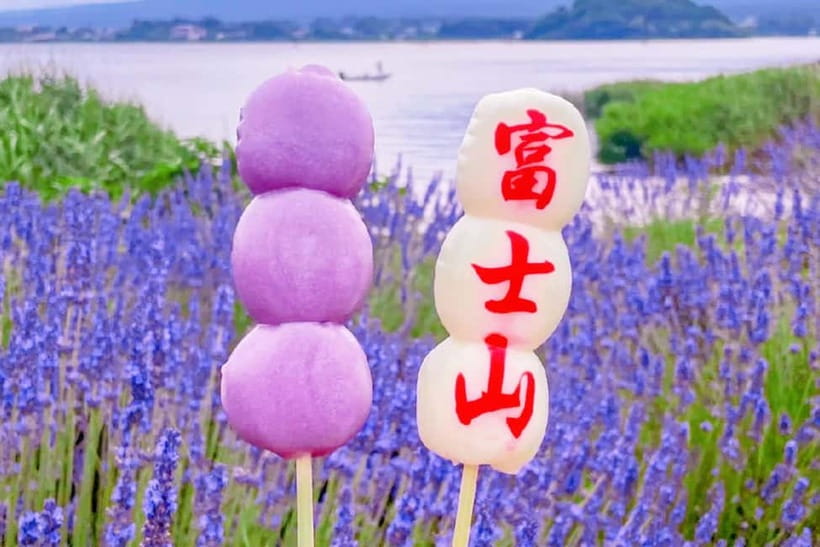
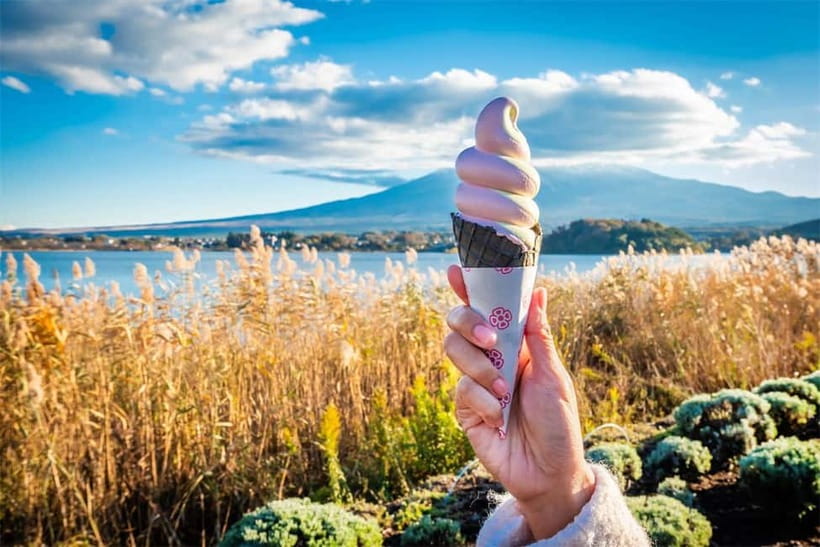
You’ll also find local treats around the area, like rice crackers and wasabi ice cream, which are easy to try during your walk. I’d see this as your chance to sample something without committing to a full sit-down meal.
Group pacing, bathrooms, and getting your photos right
This is a shared group tour, and that affects how your day feels. You’ll be guided to each stop and given explanations in English, Japanese, and Traditional Chinese. You’ll also get help with when to return to the bus, which keeps the whole day from turning into a scavenger hunt.
Still, you should manage your own timing too. The itinerary uses short blocks at some photo points (like the shrine and pagoda), so you’ll want to:
- Use the first couple minutes to scope your angle before people fill the frame
- Keep your camera battery ready
- Keep an eye on the guide’s cues for meeting points and restrooms
If it rains, it won’t ruin the day, but it can change how comfortable you feel moving between locations. Comfortable shoes and a small plan for weather are not optional here.
Weather reality: the one thing you can’t control
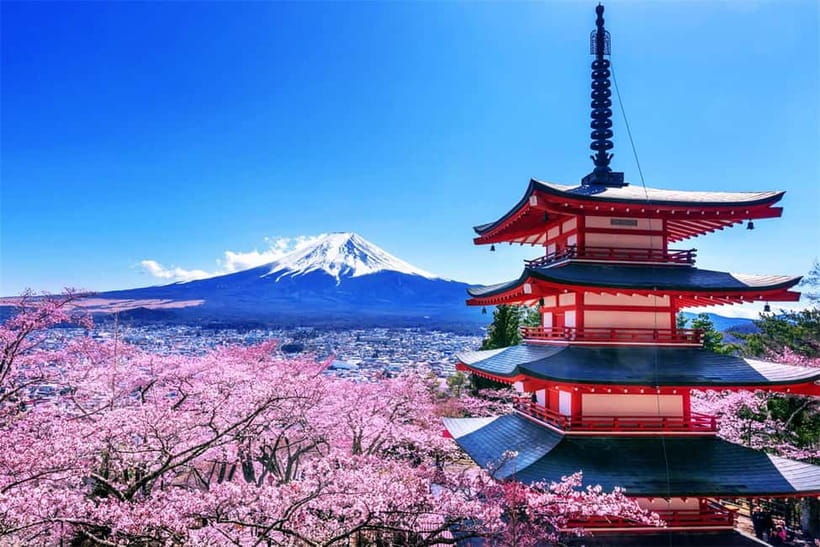
Mt. Fuji views can be perfect or faint, depending on cloud cover and timing. The tour explicitly warns that weather can prevent a clear view, so you should book with the right mindset.
Here’s the practical approach I’d use:
- Treat every photo stop as worth trying, not guaranteed.
- Keep expectations flexible. Even partial views still show the region’s character.
- If you’re traveling specifically for a razor-sharp Fuji skyline, understand that nothing on this day can force clear weather.
One reason I like this tour anyway: it gives you multiple chances to catch Fuji. You’re not pinning your whole day on one single viewpoint.
Price and value: what $50 buys you (and what it doesn’t)
At $50 for 10 hours, the value is strongest because your biggest costs are already folded in. You’re paying for:
- Tour guide (multilingual)
- Driver and coach
- Pickup and drop-off at designated Tokyo meeting points
- Parking fee
- Admission to Saiko Iyashi no Sato Nenba
What you’re not paying for:
- Lunch (and personal spending)
- Any extras like ninja costume rental
For most first-timers, that’s a win. You get a structured loop around the lake area and you avoid the cost and hassle of arranging separate transport and tickets to each attraction.
For budget planners: bring enough cash for snacks, shrine-side purchases, and any meal you want during the restaurant break.
Who should book this tour
This tour fits best if you:
- Want a single-day route that covers the Fuji icons without building your own itinerary
- Like photo stops, but also want at least one calmer finish at Oshino Hakkai
- Prefer guided timing, especially if you’re not fluent in Japanese
It might be less suitable if you:
- Need wheelchair-friendly access. The tour is not marked as suitable for wheelchair users, and the pagoda area involves stair climbing.
- Want a slow, free-form day. Some stops are timed tightly, so you’ll follow the group pace.
If you’re traveling with kids, this route can still work because it’s mostly walk-and-look segments, not long hikes, but you’ll want to be ready for the schedule rhythm.
Should you book Mt. Fuji Heritage Tour: Traditional Villages, Lakes & Shrine?
I’d book it if you want a well-organized way to see Saiko Iyashi no Sato Nenba, Oishi Park / Maple Corridor (depending on season), and the Arakura Sengen + pagoda photo zone, then finish at Oshino Hakkai. The price is hard to beat for the amount of guided transportation plus admission.
I’d think twice if you’re coming only for a guaranteed, crystal-clear Mt. Fuji silhouette. Weather can be the spoiler. But if you’re open to trying at multiple points and enjoying the sites even when visibility shifts, this tour gives you a solid shot at a memorable Fuji day.
FAQ
How long is the Mt. Fuji Heritage Tour?
The tour duration is 10 hours.
How much does the tour cost?
The price is $50 per person.
Is lunch included?
No. Lunch is not included. You can bring your own food, buy lunch at attractions, or eat at a restaurant suggested by the guide.
Where do I meet the group in Tokyo?
Pickup and drop-off are at two designated meeting points. One option listed is Tokyo MODE學園, 1-chōme-5-1 Marunouchi. The exact meeting point may vary by option booked.
What language is the guide available in?
The live tour guide provides commentary in English, Japanese, and Traditional Chinese.
What should I bring?
Bring comfortable shoes, water, and some cash.
Does the route change during peak fall foliage?
Yes. Peak autumn foliage at the Maple Corridor is from Oct 26 to Nov 20, and during that time the tour does not go to Oishi Park.