REVIEW · TOKYO
Mt. Fuji & Lake Kawaguchiko Ropeway Panorama Full-Day Tour
Book on GetYourGuide →Operated by TAIHOU CO,LTD · Bookable on GetYourGuide
Climb for 360-degree Fuji views. This full-day Mt. Fuji & Lake Kawaguchiko tour is built around the big moments: Kachikachi Ropeway panoramas and a hands-on matcha experience by the lake. One caution: Mt. Fuji visibility depends on weather, so you’re not guaranteed a crystal-clear day from every stop.
I also like how the day mixes “wow” views with calm, grounded culture. You get the famous Lawson Fuji alignment for photos and the serene spring ponds of Oshino Hakkai for that clear-water feeling at Mt. Fuji’s foot. The main drawback to plan for is the time pressure: it’s a 10-hour, bus-heavy day, so you’ll want to stay flexible and follow the guide’s timing.
For value, the tour is priced at about $54 for a route that would take real effort to piece together yourself. You’re paying for the guided pacing, the included ropeway ride and matcha class, and the air-conditioned coach with pickup and drop-off in central Tokyo. If you’re afraid of heights, skip the ropeway part and consider a different Mt. Fuji plan.
In This Review
- Key moments worth your attention
- Tokyo Pickup to Kachikachi Ropeway: the Fuji reveal game
- Tenjozan Park and the Lake Kawaguchiko loop: quick hits, good flow
- Matcha by the lake: the short ritual you’ll remember
- Lawson Fuji photo stop: iconic for a reason, but plan your behavior
- Lunch on your own: build in cash and flexible expectations
- Oshino Hakkai spring ponds: clear water at Mt. Fuji’s foot
- The real timing: 10 hours that feel full, not dragged
- What this tour is best for (and who should choose another option)
- Price and value: $54 makes sense if you want the full route
- Should you book this Mt. Fuji & Lake Kawaguchiko full-day tour?
- FAQ
- Where do we start in Tokyo?
- How long is the tour?
- Is Mt. Fuji guaranteed to be visible?
- What’s included in the price?
- Is lunch included?
- What if the ropeway doesn’t run?
- What should I bring?
- Which languages are available for the guide?
Key moments worth your attention
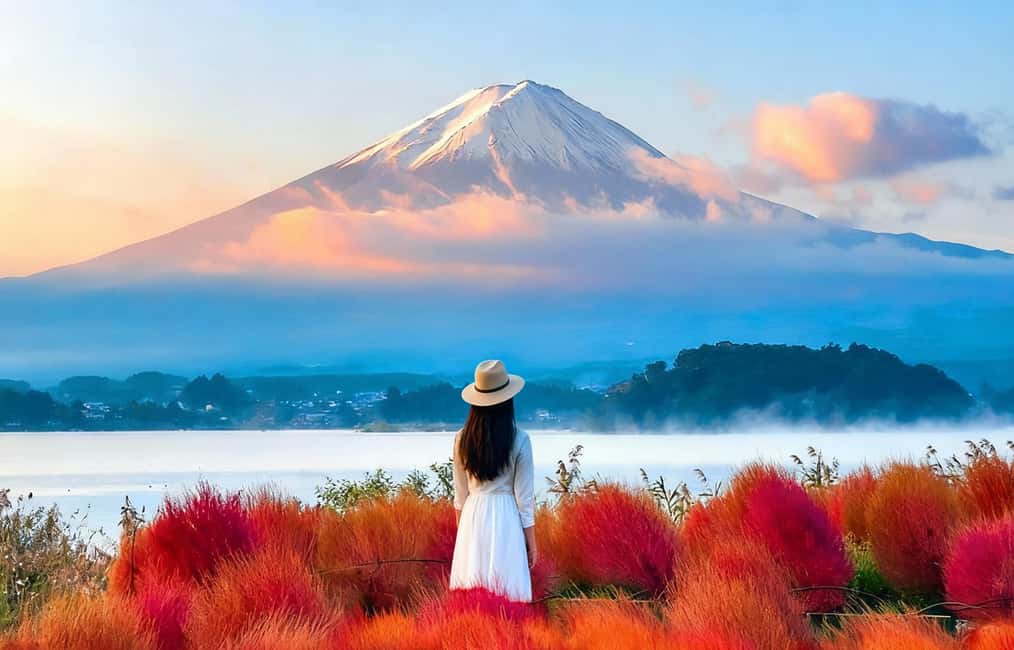
- Kachikachi Ropeway 360° views from an observatory about 1,075 meters up
- Hands-on matcha by Lake Kawaguchiko with a local instructor and Ichigo Ichie talk
- Lawson Fuji photo stop at Kawaguchiko, a real social-media magnet
- Oshino Hakkai spring ponds fed by Mt. Fuji snowmelt and filtered through lava rock
- Group-tour structure with multilingual guides (English, Japanese, Korean, Traditional Chinese)
Tokyo Pickup to Kachikachi Ropeway: the Fuji reveal game
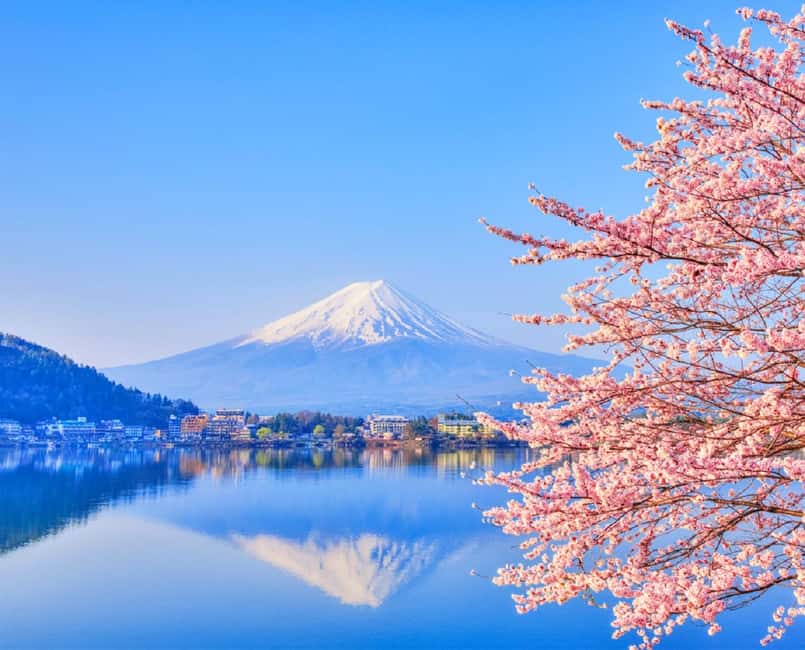
This tour runs like a well-run Fuji highlight reel. You start in central Tokyo, then settle in on the air-conditioned coach for the ride out to Lake Kawaguchiko. The big payoff is that you hit the Kachikachi Ropeway early enough to give yourself the best shot at clear skies, not just the back half of the day.
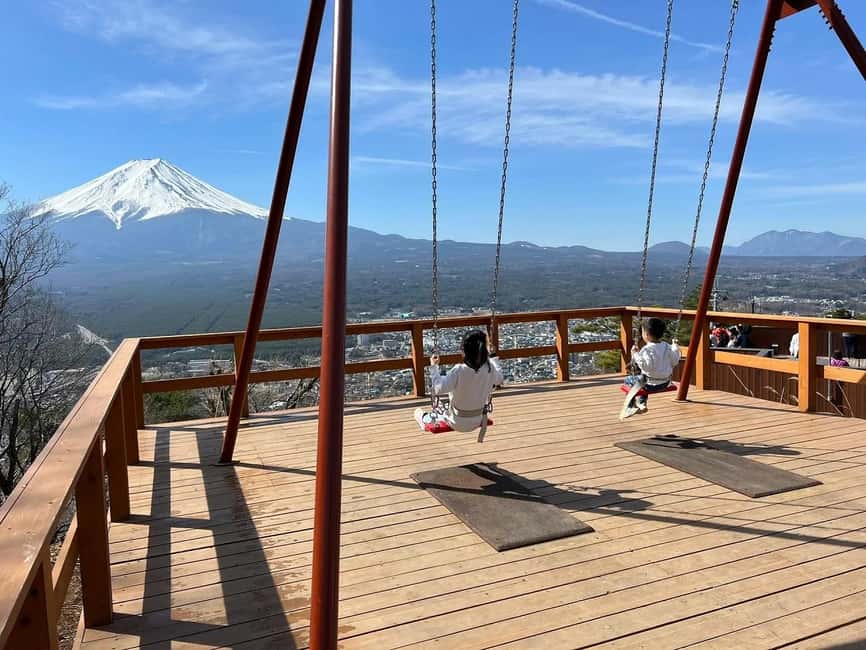
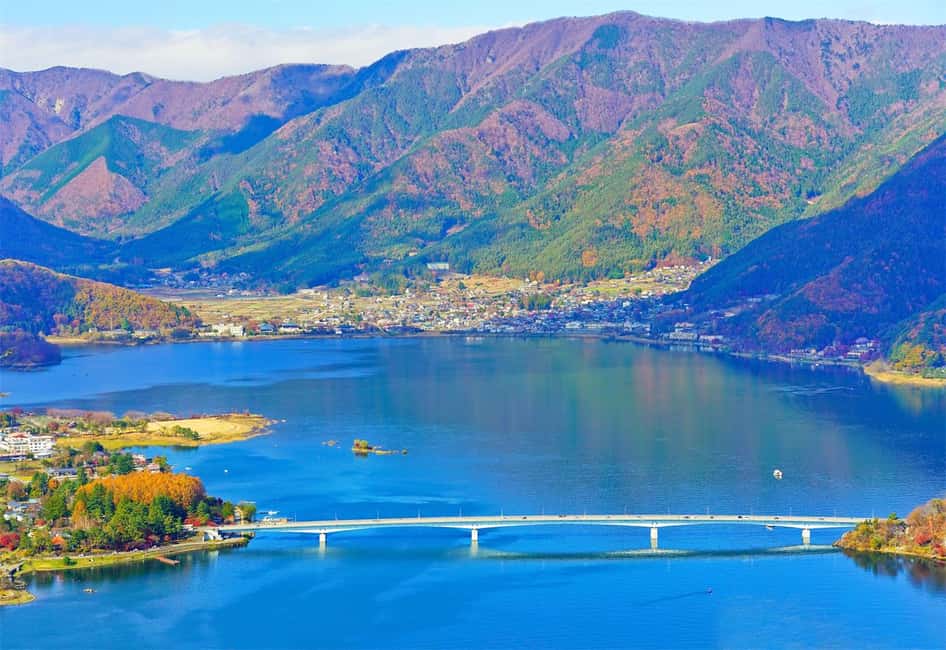
The ropeway itself is the star. As the cable car climbs, the mountain gradually comes into view, and that “wait for it” moment is part of the fun. At the observatory around 1,075 meters, you’re in position for a panorama over Mt. Fuji and Lake Kawaguchiko. On clear days, you can even spot Japan’s Southern Alps in the distance, which is a nice bonus if your sky cooperates.
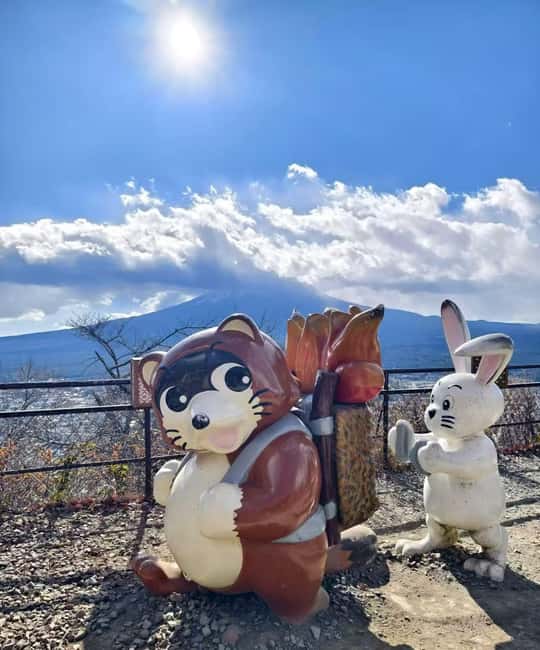
Up top, it’s also not all serious sightseeing. There’s a legend tied to a Bell of Tenjo—ring it and you’re supposed to make a wish. The stations and observatory have cute tanuki and rabbit mascots inspired by Kachikachi Yama by Osamu Dazai. It’s the kind of detail that makes your photos look more intentional, not just like everyone else’s.
A reality check: this is where the tour can feel a little intimidating. The ropeway includes height exposure, and the activity isn’t recommended if you’re afraid of heights. If the ropeway is canceled due to weather or other reasons, the tour notes a possible refund request for the ropeway fee (1,000 JPY per person), and the itinerary can change.
Also watch for the seasonal note: from Dec. 8 to Dec. 19, 2025, the ropeway has planned regular maintenance, and the itinerary adjusts to include a Samurai Ship experience instead.
You can also read our reviews of more tours and experiences in Tokyo
Tenjozan Park and the Lake Kawaguchiko loop: quick hits, good flow
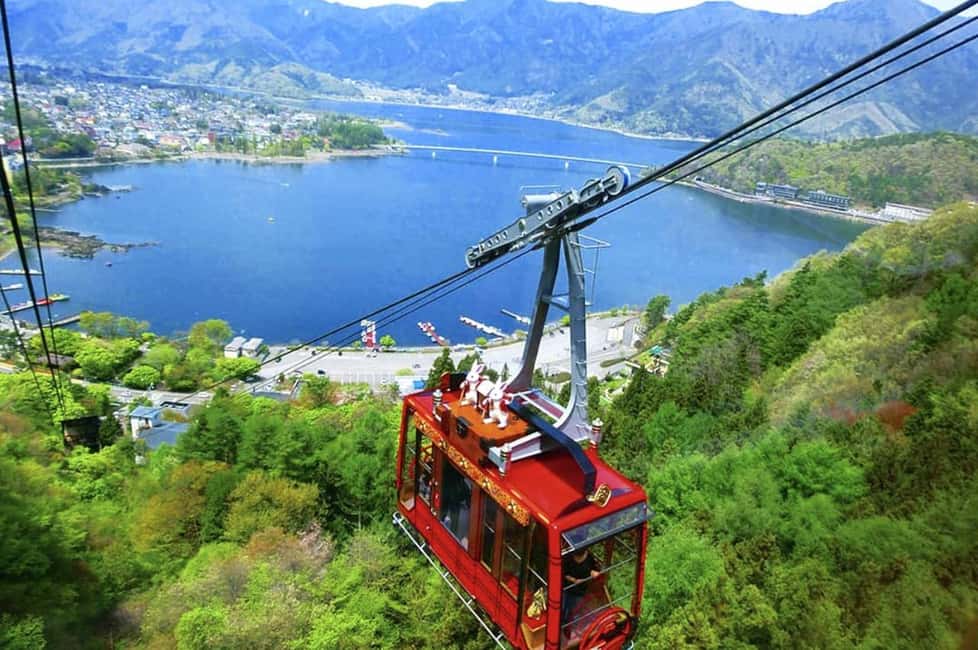
After the ropeway ride, you’ll move through the Kawaguchiko area in a way that keeps the day from dragging. First you stop at Kawaguchiko Tenjozan Park for a photo pause and some free time (about 30 minutes). This is the “reset your eyes” portion of the itinerary. You’ve just been up above the lake, so the park gives you a lower, softer view to balance the day.
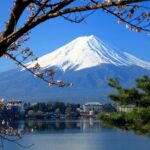
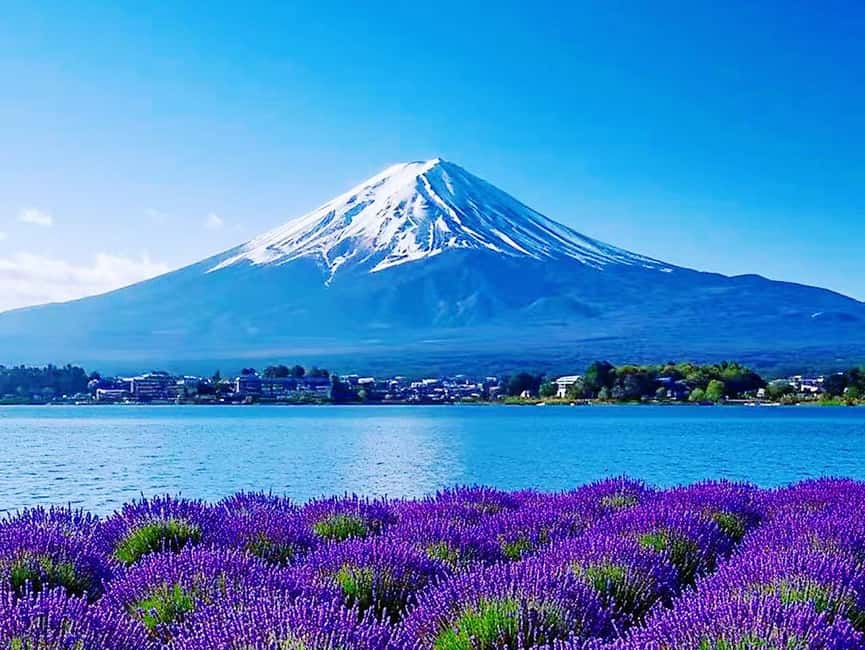
Then comes the main lake stop. You’ll have time at Lake Kawaguchiko for sightseeing and photos (around 45 minutes). The pacing matters here. It’s enough time to walk and reposition for reflection shots, but not so long that the group gets scattered or the bus schedule turns chaotic.
If you’re chasing the classic Mt. Fuji reflection in the water, this is one of your better moments. But don’t rely on it as a guarantee. Fuji itself can fade behind clouds, haze, or seasonal smoke, and the lake surface changes by time of day and breeze.
One more practical note: this day is built for “photo opportunities,” not long wandering. You’ll get short windows at each attraction, which is great if you want maximum variety. If you want slow travel, you may find it fast.
Matcha by the lake: the short ritual you’ll remember
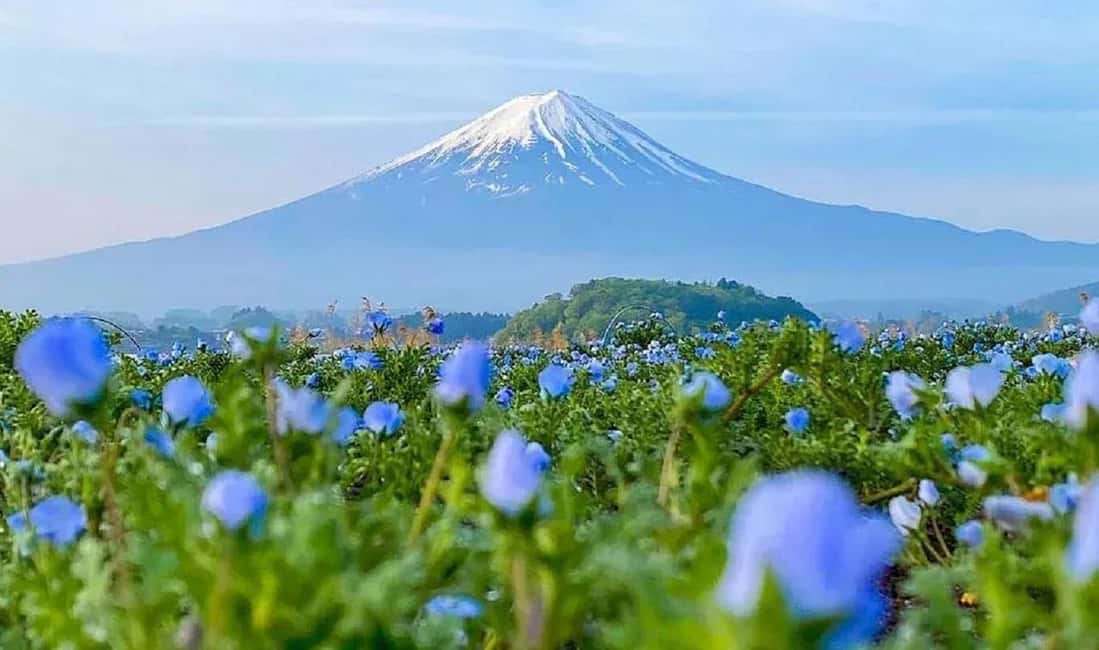
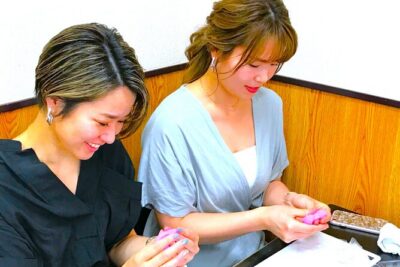
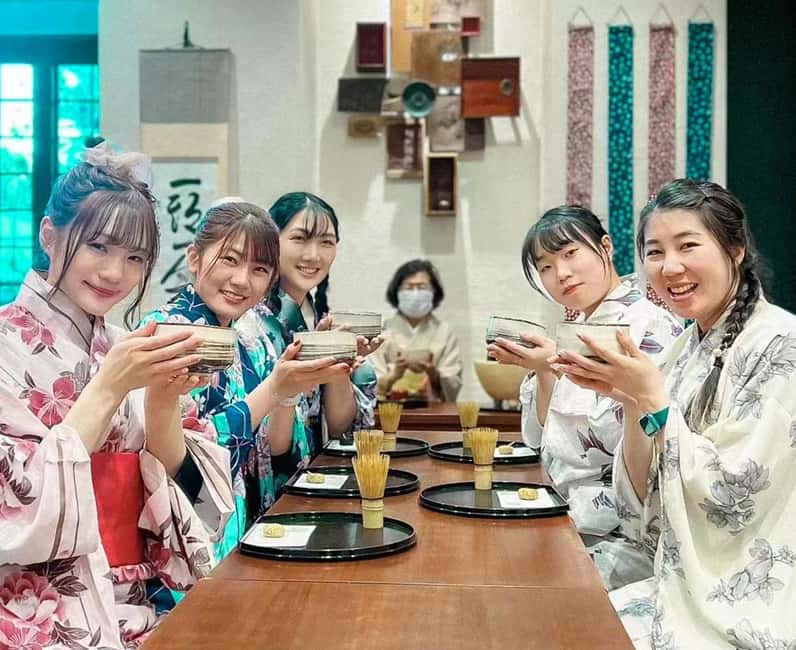
This is the part of the tour I think you’ll feel even after the bus ride ends. The itinerary includes a guided matcha experience at Lake Kawaguchiko (about 15 minutes). You’re not just tasting a drink. You’re guided through making matcha—whisking, serving, and sipping your own bowl.
What makes it land is the mindset message that comes with it. Your instructor explains Ichigo Ichie, the idea that each encounter in life is unique and worth appreciating. You don’t have to be into tea ceremonies to enjoy this. It’s more like a calm pause that gives your brain a break from sightseeing.
And because it’s guided and hands-on, it’s also easier to participate than you might expect. You’re in a shared group, but the structure helps you follow along without getting lost. If you’ve ever had matcha where you just nodded politely, this is the better version.
This is also a good moment for photos with a human-scale connection. Fuji is big and distant; matcha is close and personal. The contrast makes your day feel more complete.
Lawson Fuji photo stop: iconic for a reason, but plan your behavior
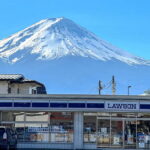
Next comes the stop everyone seems to recognize: the Lawson convenience store at Fujikawaguchiko Town Hall with Mt. Fuji framed by the building and signage. It sounds silly at first, like how much can a store photo matter. Then you get there and realize why it’s iconic: the angle, the timing, and the way Fuji lines up with the storefront make it a one-shot composition.
The good part for you is that the tour sets up the timing. You’re not wandering around hoping to find the right spot. The guide’s directions help you get aligned for photos quickly.
The caution is crowd flow. Convenience stores are not designed for tour-group photo traffic. Expect people to cluster, cars and pedestrians to mix, and the area to feel chaotic for a few minutes. If you want your photo, do it efficiently: step into position, shoot, then move on so others can rotate in.
Also, remember lunch isn’t included in the tour price, so this stop is primarily about photography and a quick glance, not a meal break. The tour schedule does include a local restaurant stop later for lunch time, but you’ll pay your own food.
Lunch on your own: build in cash and flexible expectations
This tour includes a break for lunch at a local restaurant (about 40 minutes). The important detail for your wallet is that the tour itself lists food and drinks as not included. So you should plan on spending extra here, even if the stop is scheduled for you.
In practice, this lunch window can feel rushed if you’re used to long sit-down meals. You’ll be better off ordering simply and keeping an eye on the departure time. Also, the tour instructions recommend bringing cash for personal expenses, which usually covers situations like this.
If you have dietary needs, this is one of the moments where you’ll want to be ready to adapt. The tour data doesn’t specify menu options, so don’t assume your preferences will be fully accommodated. Bring patience, ask questions calmly, and choose what you can.




Oshino Hakkai spring ponds: clear water at Mt. Fuji’s foot
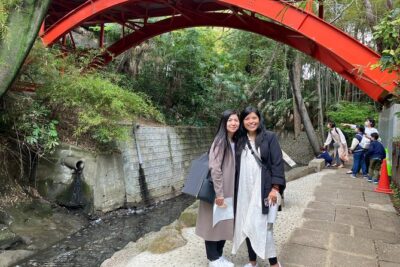
Oshino Hakkai is the calm finale that makes the whole day feel like more than a checklist. You’ll visit the area with photo stops, a guided tour, and sightseeing for about an hour. The ponds are fed by snowmelt from Mt. Fuji and filtered through lava rock layers, which is why the water is so clear.
What you’ll notice first is how different it feels from the lake. Lake Kawaguchiko is scenic and wide. Oshino Hakkai is focused and reflective. The gentle ripples and the pond edges make it easier to slow down, even with a schedule.
This is also a meaningful stop culturally and geographically. The site is a nationally designated Natural Monument, and it’s a great place to connect Mt. Fuji’s presence to everyday water and local life. The reflections can be stunning, but again, clarity depends on the weather and light.
If you timed the day right earlier, this is where the mountain stops feeling like a distant postcard and starts feeling like a real physical neighbor. By the time you’re taking photos in Oshino Hakkai, your eyes have learned the day’s rhythm: look up for Fuji, look level for water, then look down at the detail.
The real timing: 10 hours that feel full, not dragged
Yes, it’s a long day. Yes, you’re on a bus for several stretches. But the itinerary is broken into enough pieces that it doesn’t feel like one endless ride.
From Tokyo, you spend about 2.5 hours heading toward the Lake Kawaguchiko area. Then you get an hour on the ropeway and several short stops afterward: Tenjozan Park, Lake Kawaguchiko, the matcha session, the Lawson photo pause, lunch, and then Oshino Hakkai. The return trip runs about 2.33 hours.
This structure is a big part of why people rate it highly for value. You’re not only buying transportation. You’re buying organization: guided explanations, set photo points, and scheduled time blocks so you’re not improvising a day-trip route.
Your biggest threat to the schedule isn’t the tour. It’s weather, traffic, and crowds, especially during holidays and peak travel periods. The tour data is clear that delays can happen and that stops might be shortened or rescheduled. Your best strategy is simple: don’t stack other plans after the tour, and keep your day open.
What this tour is best for (and who should choose another option)
This is a strong pick if you want a first-time-friendly Mt. Fuji day trip with built-in stops. It’s also good for people who don’t want to wrestle with transit planning and timed photo locations.
It’s not for everyone. The tour notes it’s not suitable for wheelchair users and people afraid of heights, mainly because of the ropeway. If you’re worried about height exposure, consider a lower-stress plan that skips the cable car.
Language support is a plus. The tour runs with a live guide in English, Japanese, Korean, and Traditional Chinese, and the guide works for a shared group format, providing explanations for everyone.
One more thing: guides can add energy and personality. You’ll see that in the way many guides run the bus time with facts and humor, and some even bring small extras to make the day more memorable. For example, Sawaki has been known to make origami Mt. Fuji for the group, which is exactly the kind of small touch that makes a long day feel lighter.
Price and value: $54 makes sense if you want the full route
At around $54 per person, this tour is priced for travelers who want a ready-made route rather than a DIY itinerary. You’re paying for:
- the round-trip air-conditioned bus
- expressway tolls, parking fees, and fuel costs
- a multilingual guide
- the Kachikachi Ropeway ride
- the matcha experience
Food isn’t included, so budget extra for lunch and drinks. But even with that, the included ropeway entry and the guided matcha class are usually the cost anchors that make the bundle worth it for a one-day window.
If you’re the type who enjoys planning and likes making your own stops, you could piece together parts of this independently. But if your priority is efficiency—getting to the right places with minimal hassle—the structure and guide help you move faster and worry less.
Should you book this Mt. Fuji & Lake Kawaguchiko full-day tour?
Book it if you want a structured day that hits the main Fuji icons: Kachikachi Ropeway, Lake Kawaguchiko views, matcha with a guide, the Lawson Fuji photo spot, and Oshino Hakkai. This is especially smart for a first trip to the area or for travelers who dislike complicated transit.
Consider skipping (or switching to a different format) if you’re afraid of heights, have limited mobility, or need long, slow breaks at each location. Also book with weather realism. Mt. Fuji is famous for vanishing when clouds roll in, and the tour itself can’t guarantee clear views.
FAQ
Where do we start in Tokyo?
You can choose from two meeting points: Tokyo Station Marunouchi North Exit 2 (with the Robert Indiana Sculpture LOVE nearby) or the Robert Indiana Sculpture LOVE area.
How long is the tour?
The tour lasts about 10 hours.
Is Mt. Fuji guaranteed to be visible?
No. Visibility depends on weather conditions, and the tour cannot guarantee that you’ll see Mt. Fuji clearly.
What’s included in the price?
Included are the Kachikachi Ropeway ride, matcha experience, round-trip transportation by air-conditioned bus, multilingual tour guide, expressway tolls, vehicle fuel cost, and parking fees.
Is lunch included?
Lunch is not included in the tour price, but the itinerary includes a scheduled lunch break at a local restaurant where you pay for your own meal.
What if the ropeway doesn’t run?
If the ropeway is canceled due to weather or other reasons, you can email to request a refund of 1,000 JPY per person for the ropeway fee.
What should I bring?
Bring comfortable shoes, a camera, water, and cash for personal expenses.
Which languages are available for the guide?
The live guide is available in English, Japanese, Korean, and Traditional Chinese.