REVIEW · TOKYO
Tokyo: Imperial Palace Japanese History Walking Tour
Book on GetYourGuide →Operated by Sunrise Adventure · Bookable on GetYourGuide
Shogun politics made Japan what it is. This Imperial Palace grounds walk turns the Eastern Gardens into a story you can walk through, from Edo Castle traces to how power shifted from shogun to emperor. For me, the best part is how the guide connects sights you already see with the forces that shaped everyday life in Japan.
Two things I really like: you get interactive, friendly English guiding (many guests singled out guides like Mika and Lakki for clear explanations and smart question answering), and you’ll stop for standout photo moments in gardens you usually only pass by. It’s also a great intro if you want history without a museum-feel lecture.
One consideration: the tour is a walking route on palace grounds, and it is not a fit for everyone (it’s not suitable for wheelchair users or people with low fitness, recent surgeries, heart problems, or mobility/back issues). If you’re in that group, you’ll want to choose a different kind of Tokyo outing.
In This Review
- Key highlights worth planning for
- Meeting at Wadakuramon Fountain Park: the easiest start you’ll have
- Otemon Gate and Edo Castle traces in the Eastern Gardens
- The Shogun’s world: where stories change from castle to palace
- Koi fish, shared nature, and photo stops that feel earned
- The pace, shade breaks, and why guides like Mika and Lakki matter
- Inner Palace is not included: plan what you can see instead
- Price and value: what $32 buys you in Tokyo terms
- Who should book this Imperial Palace grounds walk
- Quick practical tips before you go
- Should you book the Tokyo Imperial Palace history walking tour?
- FAQ
- Where is the meeting point for the Imperial Palace Japanese history walking tour?
- Which Imperial Palace areas are included?
- What languages are available for the tour?
- What is the weather plan for this tour?
- What is the price for the tour?
- Are there restrictions on what you can bring or do?
- Is this tour suitable for everyone?
Key highlights worth planning for
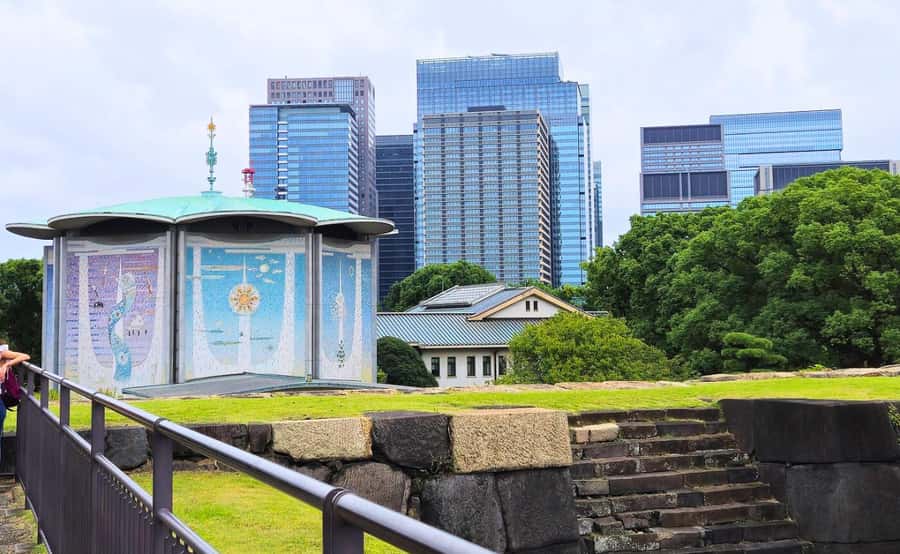
- Eastern Gardens pacing you can actually handle: you move at a comfortable walking speed, with shade breaks when the day is hot.
- Shogun-to-Emperor context on the ground: you connect the old castle layout to what became the Imperial Palace.
- Otemon Gate area as your historical anchor: you start with the grand gateway feel, then translate it into Edo-era reality.
- Royal koi fish and bamboo forest stops: you don’t just look at plants; you hear why they matter.
- Cross-Japan trees gifted to the emperor: you get a neat visual way to understand Japan’s cultural exchange.
- Your guide is set up for questions: many guests mentioned guides who talk clearly, help with photos, and even offered extra tips.
Meeting at Wadakuramon Fountain Park: the easiest start you’ll have
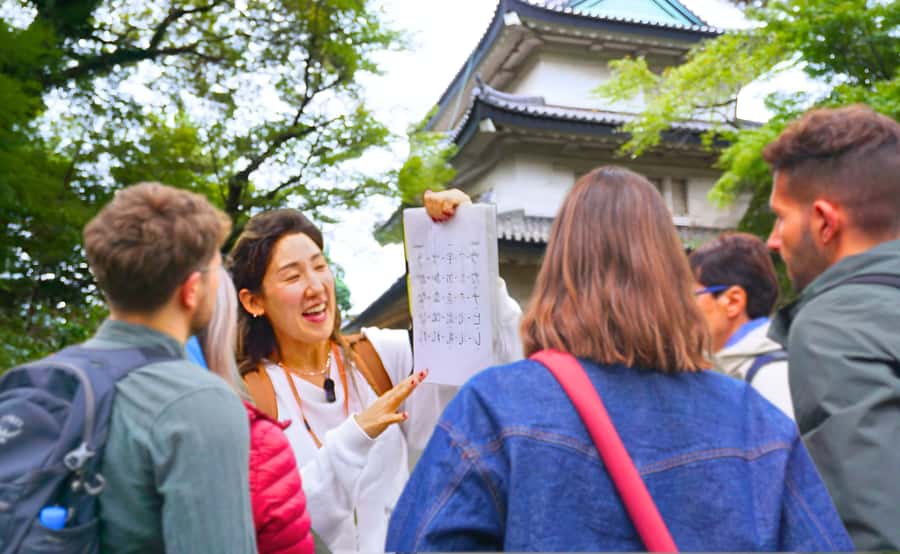
You meet near the Imperial Palace area at the Wadakuramon fountain park, at Starbucks close to the palace. If you’re coming by train, Tokyo Station or Otemachi Station are both convenient, and then it’s about a 5–10 minute walk to the meeting spot.
Look for your guide holding a sign with the Sunrise Adventure logo. This sounds small, but it matters in Tokyo: a clear meeting point keeps your morning stress-free and helps you get moving quickly.
The tour runs rain or shine, so wear what makes sense for weather and humidity. You’ll be outside most of the time, and the palace grounds can feel very natural and bug-prone in warmer months, so having your own repellent can be smart if you’re concerned.
You can also read our reviews of more walking tours in Tokyo


Otemon Gate and Edo Castle traces in the Eastern Gardens
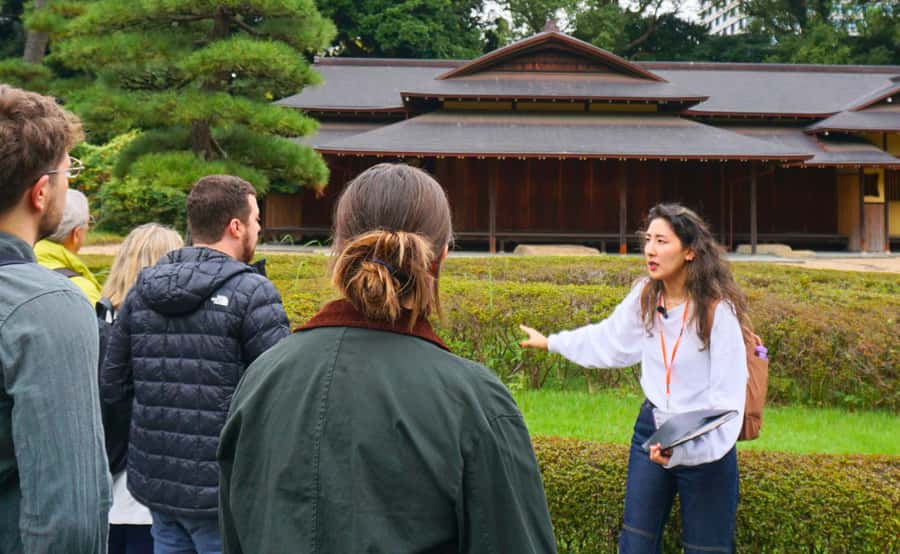
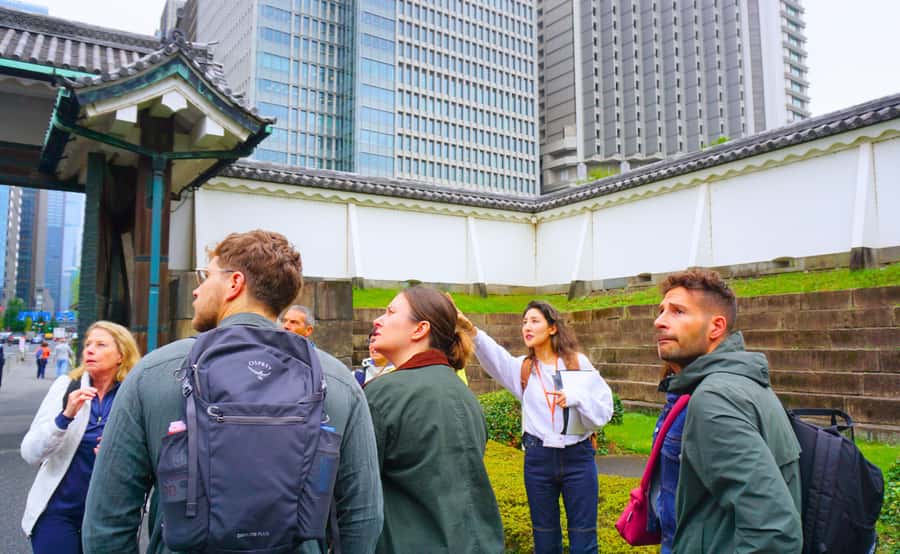
The tour route centers on the Imperial Palace grounds and starts you off toward the Otemon Gate (the grand entrance area). The big idea here is simple: the original castle isn’t standing anymore in the same way, but the guide helps you “read” what remains—especially the sense of where Edo Castle stood over time.
One of the most helpful parts is the way the guide explains what used to be there, using a miniature model to make the scale make sense. Instead of seeing a gate and trees with no context, you get a mental map for why the layout mattered.
You’ll also walk through areas connected to samurai life and hierarchy. One guest favorite topic was the old ranking system, including roles like farmer, samurai, daimyo, and shogun—not as trivia, but as a lens for understanding how power worked and why Japan developed the way it did.
The Shogun’s world: where stories change from castle to palace
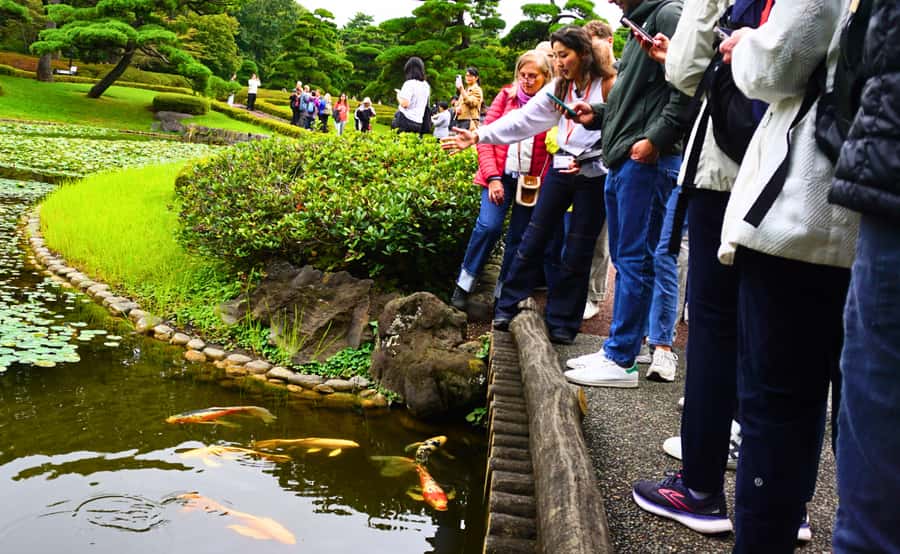
A lot of Tokyo history walks stop at atmosphere. This one pushes the story toward cause-and-effect: how shogun-era ambition shaped Japan’s political foundations, and how that legacy transformed into an Imperial setting.
You’ll hear about the shift from the shogun’s world—linked to the former Edo Castle site—to the palace that stands today. The tour explanation focuses on the line between eras, so you understand that this is not just one building. It’s a transformation of authority.
You’ll also see signs of older eras around the grounds, including an area with an old samurai house stop. It’s the kind of moment where your brain goes, Oh, this wasn’t just “history.” It was a life system. That’s where a good guide earns their price.
Koi fish, shared nature, and photo stops that feel earned
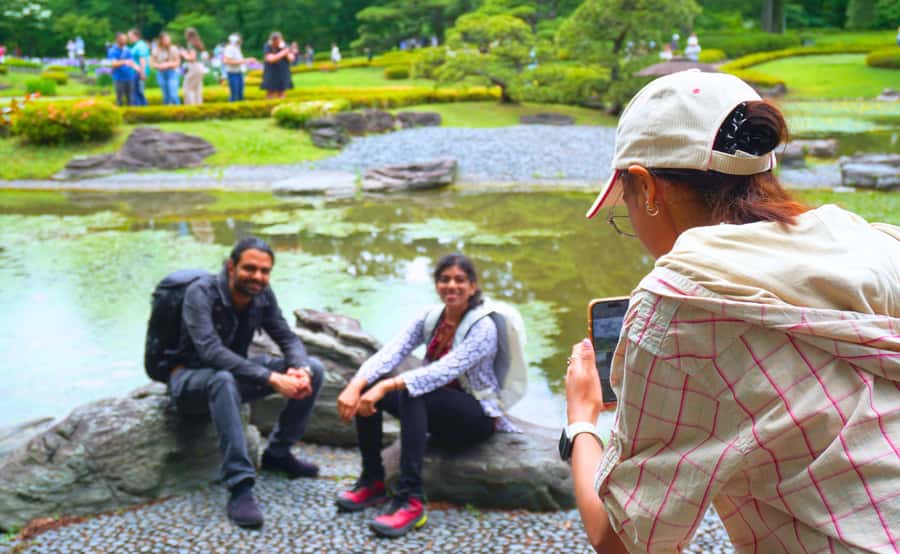
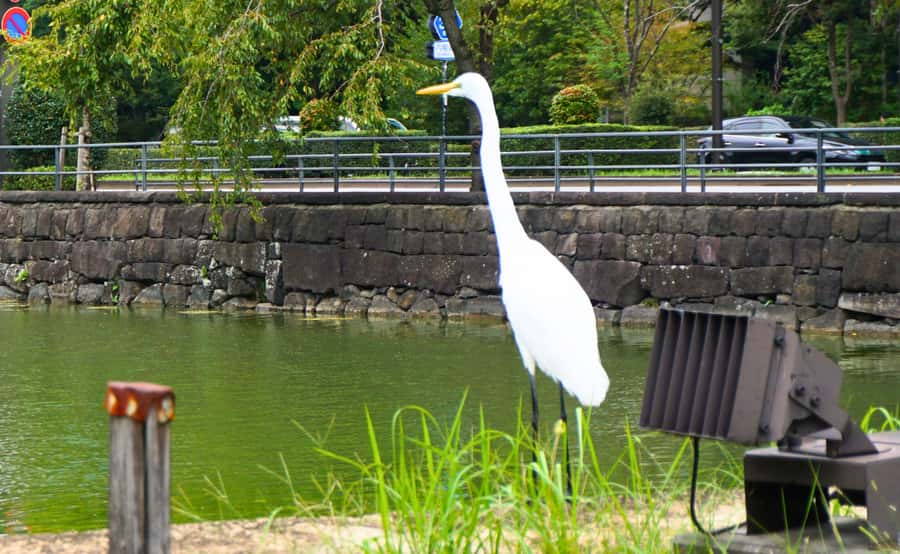
The tour includes a special moment for nature lovers: a stop featuring royal koi fish. Seeing koi at the palace is one thing; hearing how the setting fits into the palace garden tradition is what makes it memorable.
You’ll also get a bamboo forest stop. Bamboo has a way of turning any walk into a mood shift, and here it’s not just scenery—you’ll get context that makes it more than a quick photo.
Another standout is the look at trees gifted to the emperor from different parts of Japan. When you hear the story behind the gifts, those trees become a living map of how regions connected through court culture. Even if you’re not the type to chase “perfect” views, this stop is worth slowing down for.
And yes, there are great photo spots built into the route. Many guests mentioned that guides helped take pictures and offered guidance on where to stand. That’s practical in a place where you don’t want to waste time searching for the best angle mid-walk.
The pace, shade breaks, and why guides like Mika and Lakki matter
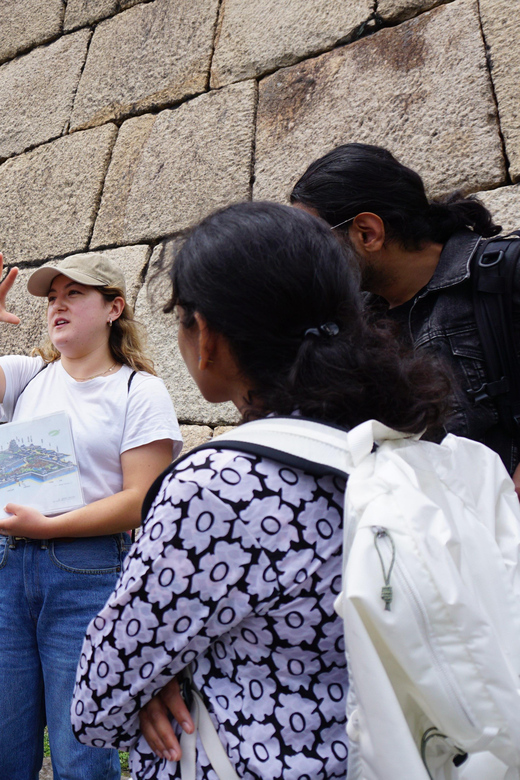
This is a walking tour, so comfort matters. The route is paced so you’re not sprinting between stops, and guides often watch for what the group needs on the day.
In hot weather, you’ll appreciate the guide’s effort to find shade when available. Several guests praised guides for doing exactly that, and one guide even brought small items to help with the heat. If you’re traveling in summer, bring water and a hat, but it’s reassuring to know the tour isn’t completely rigid.
You’ll also be outdoors around lots of greenery, and that can mean mosquitoes. One guest specifically noted mosquito spray provided during the walk. It’s a reminder to pack your usual insect repellent, even if you hope you won’t need it.
In terms of communication, many guests mentioned that their guide spoke clearly enough for everyone to hear, plus they were happy to answer questions. That’s the difference between passively walking and actually learning—especially when you’re walking around a place where access is limited.
You can also read our reviews of more historical tours in Tokyo





Inner Palace is not included: plan what you can see instead
Here’s the straightforward part: the tour does not include access to the Inner Palace. The good news is that you still spend your time in areas that make sense historically, especially the Eastern Gardens and the grounds where the story is told through remains, models, and garden tradition.
If you’re picturing a full palace tour with interior rooms, adjust your expectations now. Your value is in the guided context: you’ll understand what you’re looking at, even without entering the most restricted sections.
This also helps with decision-making for first-time Tokyo visitors. The Imperial Palace area is famous, but it can feel confusing if you don’t know what you’re looking for. A structured walking route solves that fast.
Price and value: what $32 buys you in Tokyo terms
At $32 per person, this tour lands in the “worth it if you care about context” category. You’re not paying for entry to restricted buildings. You’re paying for a guide who turns the grounds into an explanation you can follow step by step.
That value shows up in the details:
- you get stops tied to history (shogun-to-emperor shift, Edo Castle location context)
- you get garden features (koi fish, bamboo forest, gifted trees)
- you get helpful photo moments
- and you get a guide who can share practical Tokyo tips if you ask
It’s also a good use of a morning or early afternoon slot because it’s not a half-day slog. You’ll get a sense of place, learn the big story, and still have plenty of time to plan the rest of your Tokyo day.
Who should book this Imperial Palace grounds walk

This tour is a strong fit if you want:
- a guided history explanation focused on the Edo period and the evolution toward the Imperial era
- a calmer pace than city sightseeing circuits
- a walking experience with garden highlights and plenty of photo stops
It’s less ideal if you:
- need wheelchair access or can’t do uneven walking
- have back problems, recent surgeries, heart problems, or low fitness
- are pregnant (it’s listed as not suitable)
If you’re traveling with kids, you’ll probably enjoy that your guide encourages questions and keeps things engaging. One family-style note from a guest: the tour was interactive enough to keep children interested while still teaching the adults.
Quick practical tips before you go

Bring:
- comfortable shoes for a walking tour
- a hat and sunscreen if it’s sunny
- water, especially in Tokyo heat
- insect repellent if you run into mosquito seasons
On site:
- watch for the guide sign at Starbucks near the fountain park
- don’t worry about finding every stop—your guide keeps the route connected
- be ready with questions. Guides here tend to answer thoughtfully, and some guests mentioned extra tips for food and places around Tokyo
Also, you should know the basic rules: no smoking, no drones, no alcohol or drugs, and no weapons or sharp objects.
Should you book the Tokyo Imperial Palace history walking tour?
If you’re the kind of traveler who wants history explained in a way you can see, then yes—this is a good booking. For the price, you get a guide-driven route that turns the Imperial Palace grounds into an understandable timeline: Edo Castle traces, shogun power, the shift toward the emperor, and the garden language that supports it.
One last decision help: if you’re aiming for restricted-access interiors, you’ll be disappointed. But if you want an efficient, story-rich walk through the Eastern Gardens with photo-worthy scenery and clear English (or French) explanations, this tour is an easy yes.
FAQ
Where is the meeting point for the Imperial Palace Japanese history walking tour?
You meet at Starbucks inside Wadakuramon Fountain Park, near the Imperial Palace. The guide will be waiting there and holding a sign with the Sunrise Adventure logo.
Which Imperial Palace areas are included?
The tour focuses on the Imperial Palace grounds and Eastern Gardens, but inner palace access is not included.
What languages are available for the tour?
The tour is offered in English and French.
What is the weather plan for this tour?
It runs rain or shine, so you should dress for the weather and expect to spend time outdoors.
What is the price for the tour?
The price is $32 per person.
Are there restrictions on what you can bring or do?
Yes. The tour does not allow weapons or sharp objects, smoking, drones, alcohol or drugs, skateboards, or making fire.
Is this tour suitable for everyone?
It is not suitable for wheelchair users and is also listed as not suitable for people with mobility impairments, back problems, heart problems, low fitness, recent surgeries, or pregnancy.