REVIEW · TOKYO
Yanaka Walking Tour: Historic and Traditional District of Tokyo
Book on Viator →Operated by Trip Designer Inc. · Bookable on Viator
Yanaka makes Tokyo feel centuries older. This walk takes you through Edo-period streets and quiet temple grounds that trade rush-hour noise for everyday old-Tokyo calm, explained in plain English by an English-speaking guide. I especially like how it pairs recognizable landmarks with the kind of side streets where you can actually feel how people lived centuries ago. One possible drawback: the cemetery portion can feel like the longest stretch, so go in ready to slow down a bit.
Meet at Nippori Station and enjoy about 3.5 hours with a small group (up to 8). You can start at 9:00 am or 2:00 pm, and the route can include afternoon-only additions like a bathhouse art gallery, depending on the day and the group.
In This Review
- Key highlights worth your time
- Yanaka’s Edo-era feel starts on day one
- Nippori meeting point and how the 3.5 hours works
- Tennoji Temple: old wooden gate, garden calm, and a bronze statue
- Yanaka Cemetery: 100,000 square meters of stories you can walk through
- Optional tea on tatami at Gallery Okubo
- Afternoon-only culture: bathhouse art at SCAI and studio time
- Shitamachi Customs Museum: how “down town” culture gets explained
- A very old shrine and the Yanaka Ginza snack street
- Your guide is the real engine: Keita, Charlotte, Kiyo and others
- Price and value: is $72.96 fair for what you get?
- Who should book this Yanaka walk (and who shouldn’t)
- Should you book this Yanaka Walking Tour?
- FAQ
- How long is the Yanaka Walking Tour?
- How much does the tour cost?
- Where do I meet the group, and where does the tour end?
- What time options are available?
- How big is the group?
- What’s included, and what’s not included?
- Are any optional stops extra cost?
- FAQ
- Is there free cancellation?
- Can the tour be extended?
Key highlights worth your time
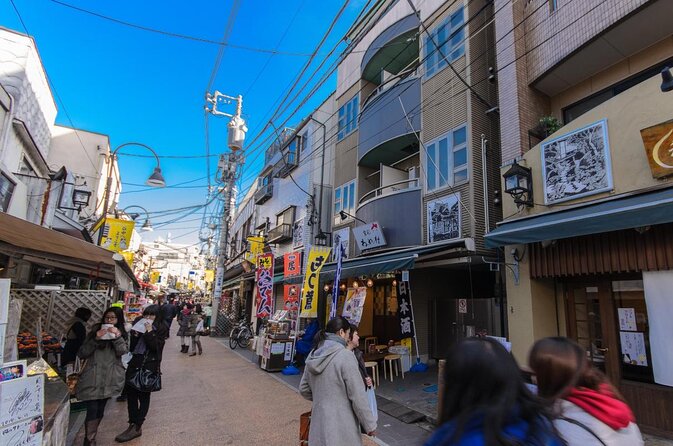
- Edo-era Yanaka streets: a preserved older neighborhood view, not a theme park version
- Tennoji Temple (dating to 1274): peaceful temple gardens right by the cemetery
- Yanaka Cemetery: a respectful, historical walk through a place with thousands of graves
- Optional culture stops: tea on tatami, a bathhouse gallery, and local-history museum time
- Yanaka Ginza for snacks: a Shitamachi-style shopping street with plenty to nibble
- Small-group guide power: questions welcome, and your guide shapes the pace for the group
Yanaka’s Edo-era feel starts on day one
Yanaka is one of those Tokyo neighborhoods that doesn’t try to compete with the skyline. Instead, it leans into the older layers of the city: narrow streets, wooden homes, and clusters of temples and shrines. The overall effect is like stepping sideways in time. You’ll hear how this area helped define what people meant by Edo-era Tokyo, then you’ll see the physical clues: gates, garden layouts, and the way sacred spaces sit inside everyday blocks.
What I like most is that the walk feels like a neighborhood outing, not a stamp-collecting loop. Even when you’re visiting major religious sites, the guide keeps connecting it back to daily life—where people traveled, how the town organized itself, and why certain places mattered.
If you’re visiting Tokyo for the first time, this is a smart “slow day” choice. It’s also a nice break if you’ve been piling on big-ticket sights and you want something more human-scaled. Spring is a big theme here, including cherry blossom season and flowering azalea (tsutsuji), but it’s also worth going outside peak blooms because the street character stays the same.
You can also read our reviews of more walking tours in Tokyo


Nippori meeting point and how the 3.5 hours works
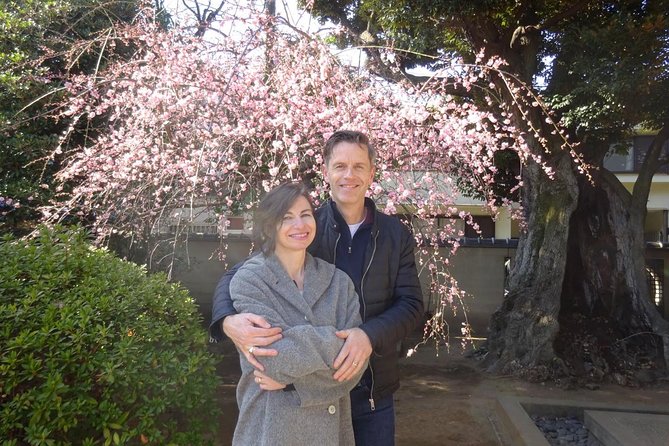
You’ll start at Nippori Station (2 Chome-19 Nishinippori, Arakawa City). The tour ends back at the same meeting point, so you’re not left navigating Tokyo at the finish.
The schedule runs about 3 hours 30 minutes, and you can pick either 9:00 am or 2:00 pm. That matters because some stops are afternoon-only. If you want the extra art and studio-style locations, the later start is the way to go.
This is also a walking tour with moderate fitness required. The pace is manageable for most people, but it is not a sit-and-watch experience. Do yourself a favor: wear shoes you can walk in comfortably for a few hours, and plan for weather. Several guides have clearly handled heat and rain well, but your best move is still to come prepared.
Tennoji Temple: old wooden gate, garden calm, and a bronze statue
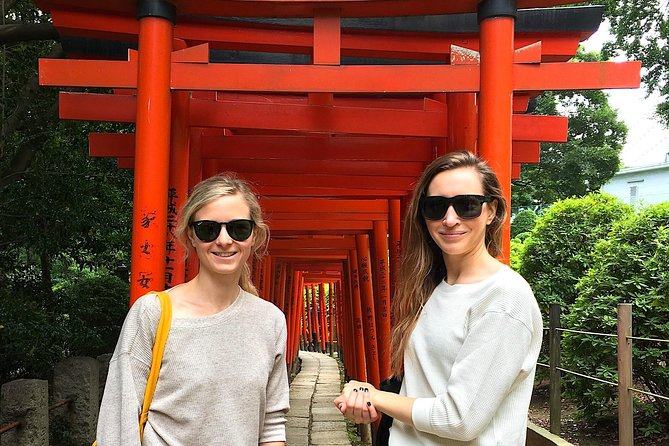
One of the first meaningful stops is Tennoji Temple, placed right on the edge of Yanaka Cemetery. It dates back to 1274, which is the kind of detail that makes the stone and wood feel less decorative and more like infrastructure—part of how people kept their spiritual lives running for generations.
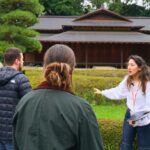
What makes this stop pleasant (even if you’re not a “temple person”) is the setting. You’ll move through a garden area behind an old wooden gate, then you’ll see a bronze Buddhist statue in the grounds. The mood here is gentle and quiet—exactly what you want after walking through a city that otherwise never fully shuts up.
A practical tip: this kind of temple stop is also where a guide’s explanation helps the most. When your guide shares how to behave respectfully—where to look, how to pause, what to notice—you spend less time guessing and more time actually seeing.
Yanaka Cemetery: 100,000 square meters of stories you can walk through
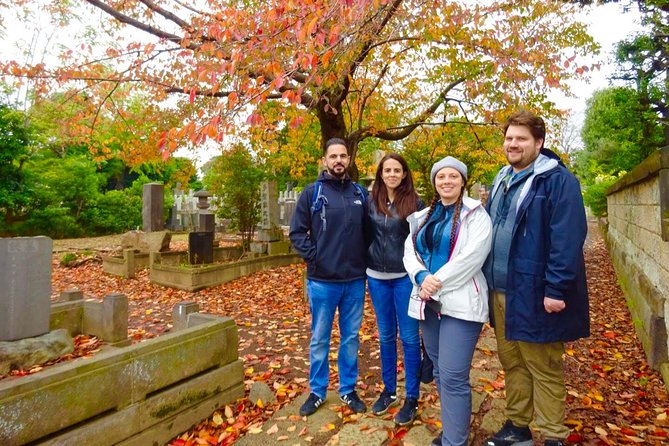
Yanaka Cemetery is a standout stop, and not because it’s a rushed look. It’s impressive on a scale that’s hard to picture until you’re there: it covers 100,000 square meters and includes over 7,000 graves. The tour includes time to explore it properly, and the stop is long enough that it can feel like the “main event” for some people.
Why is a cemetery worth your attention on a sightseeing walk? In Japan, cemeteries can be places of history and community identity, and Yanaka is known for that sense of continuity. You’re not just staring at names—you’re walking a landscape designed to be approached with respect. Your guide usually frames what you’re seeing, which helps you understand why some routes include this space even if many casual itineraries skip it.
The trade-off is timing. If you like tight, movement-heavy tours, the cemetery portion may feel like too much time. If you prefer slower travel—pauses, shade, quiet details—this is one of the most rewarding parts of the day. Either way: bring a mindset adjustment. Think of it as a historic walk, not a sightseeing checklist.
Optional tea on tatami at Gallery Okubo
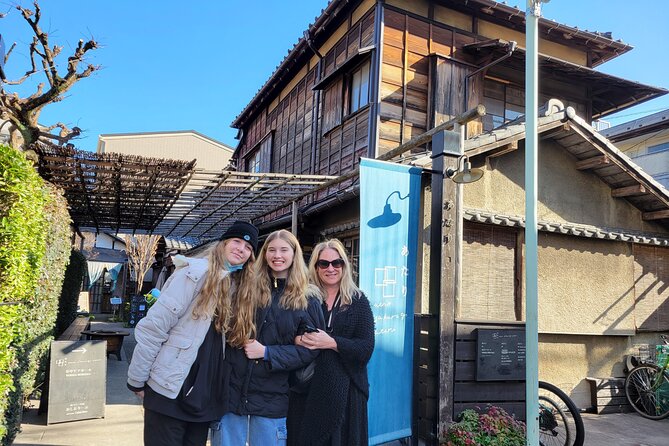
Not every stop is guaranteed in the same way, and that’s where your afternoon or morning choice can matter. One optional add-on is a chance to do a tea ceremony on tatami mats at Gallery Okubo.
Here’s the key detail: the tea itself costs ¥1,000 and is not included in the tour price. If you’re considering it, treat it as a bonus cultural experience with a specific cost, rather than something you’re accidentally missing.
The upside of adding tea is simple. You get a short, structured moment where you slow down and connect with etiquette and atmosphere. For this kind of tour, that pause can feel like a helpful gear change after temple and cemetery walking. If you’re traveling on a tight schedule or you already have tea experiences elsewhere, you can skip this optional component and keep your energy for the rest of the route.
You can also read our reviews of more historical tours in Tokyo




Afternoon-only culture: bathhouse art at SCAI and studio time

If you choose the afternoon start, you may include stops that highlight how old and new Tokyo can coexist in the same physical space.
One is SCAI The Bathhouse, described as a contemporary art gallery in Yanaka housed in a venerable public bath. The setting is part of the point: the town ambiance feels like older Tokyo even while the gallery is modern. You’ll usually spend a shorter window there, but it’s a smart way to break up the heavier historical stops without losing the neighborhood theme.
Another afternoon-only option is Edokoro Alan West, a studio located in traditional old-town surroundings around Buddhist temples. It’s described as once being an auto body garage and now operating as a distinctive creative space. That contrast—industry to art, everyday blocks to a studio—fits the Yanaka vibe well: Tokyo’s history doesn’t always get turned into museums. Sometimes it gets turned into working spaces.
If you’re the type who likes variety in one day, afternoon is a great choice. If you’d rather keep everything focused on Edo-era atmosphere and religious sites, the morning route may feel simpler.
Shitamachi Customs Museum: how “down town” culture gets explained
Another optional stop is the Shitamachi Customs Museum & Exhibit Hall. This museum was established to teach future generations about Shitamachi culture—often described as downtown culture—and many items on display are things that were actually used.
The practical value here is context. Yanaka is about old Tokyo, but Shitamachi helps explain what people meant by the lifestyle, not just the architecture. It’s the kind of stop that turns your walk into a clearer story: who lived here, what they did, and how everyday routines shaped the town’s look and feel.
Since this is optional, you can decide based on your energy level. If you’re already museum’d out, skip it and use the time for strolling and snack breaks. If you want that cultural grounding, this is one of the most logical add-ons.
A very old shrine and the Yanaka Ginza snack street
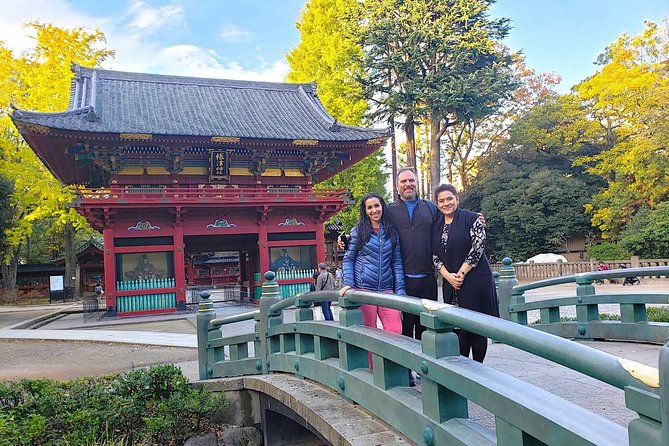
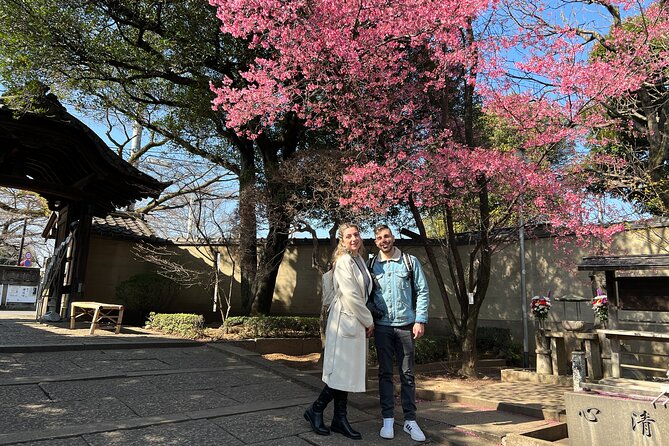
The tour also includes a stop at a very old shrine, described as striking and set among huge trees and flowering azalea (tsutsuji). You’ll see ponds, pathways, and the classic look of colored wooden structures that reflect traditional Japanese aesthetics.
This is a good moment to regroup. After cemetery and temple walking, a shrine visit brings a slightly different spiritual flavor. Your guide’s explanations—how shrines differ in focus from temples, and what to look for—can make the difference between just taking photos and actually understanding the space.
Then you end with Yanaka Ginza Shopping Street, about 30 minutes of time to wander a nostalgic Shitamachi shopping corridor. This is where the tour becomes more personal. You’ll get the sense of a local shopping street, and you’ll have a chance to grab snacks. One of the best parts of a walk like this is that you don’t just look; you taste and snack in the neighborhood where the people live.
Your guide is the real engine: Keita, Charlotte, Kiyo and others
This tour lives or dies on the guide, and the pattern in the guide feedback is consistent: friendly, clear explanations, and good pacing. You’ll see English-speaking guides who make the walk feel safe and understandable—people who can answer questions without rushing you off to the next stop.
Several guides have been praised by name, including Keita, Charlotte, Kiyo, Mutsuko, Machi, Kaori, Miho, Michiko, Mana, Ken, Ryan, Muchan, Satsuki, Fumiko, and Sue. That’s a helpful clue for you: you’re not booking a faceless walking route. You’re booking a person who helps translate the neighborhood into something you can grasp fast.
A couple of practical things you can ask your guide for (and it often improves the whole experience):
- Which parts are most worth slowing down for photos
- How to tell temple vs shrine cues as you pass them
- What snack stop is best based on your tastes and timing
- Where to take short breaks if the weather turns
Also, don’t underestimate what a guide can handle with small logistics. One guide was praised for being prepared on an extremely hot day with bug spray and cooling spray, and other guides have handled rain well by keeping the tone calm and the group moving safely. You still control your comfort—water and sun protection are on you—but a good guide can reduce the stress.
Price and value: is $72.96 fair for what you get?
At $72.96 per person, you’re paying for an English-speaking guided walk of about 3.5 hours with included fees and taxes. That price typically feels fair in Tokyo because you’re not just paying for sightseeing. You’re paying for interpretation—someone who can connect the Edo-era setting to how the neighborhood functions and why the places matter.
You also get a couple of helpful extras: photos of tour participants are included. If you’re traveling with someone and you don’t want to constantly play photographer, this matters more than you might expect.
What’s not included is also clear, and that affects value decisions: food and drinks aren’t part of the package, and there’s no hotel pickup or drop-off (though that can be added for an extra fee). So build a simple plan for snacks or a drink stop, especially since you’ll end at Yanaka Ginza where food temptation is basically built in.
One more angle: since some stops are optional and some are afternoon-only, choose your start time based on what you actually want. If you want tea on tatami or museum context, the morning route might be fine. If you want the bathhouse art and studio time, pick the afternoon start.
Who should book this Yanaka walk (and who shouldn’t)
This tour fits you if:
- You want Edo-era Tokyo without the stress of a train-and-transfer checklist
- You like walking in neighborhoods with real street life
- You enjoy temples, shrines, and cemetery history as part of the cultural landscape
- You want a guide who explains etiquette and local context, not just dates and names
You might skip (or reconsider) if:
- You dislike longer cemetery time and would rather keep everything strictly “touristy”
- You’re not comfortable with a multi-hour walking pace
- You expect hotel pickup, since that’s not included by default
If you’re on a first trip to Tokyo, this is a great way to balance big sights with a calmer, more human neighborhood feel.
Should you book this Yanaka Walking Tour?
I think you should book it if you want Tokyo to slow down. Yanaka works best when you treat it like a neighborhood visit: pause, watch, ask questions, and let the streets do their job.
A few quick decision tips:
- Pick the 2:00 pm start if you want the afternoon-only options like the bathhouse gallery and studio stop.
- Pick the 9:00 am start if you want a more straightforward historical walk with less extra add-on time.
- Wear comfortable shoes and plan to take things slowly during the cemetery portion.
- If tea ceremony time at Gallery Okubo interests you, budget the extra ¥1,000 and keep expectations clear that it’s not included.
If your goal is to understand what Edo-era Tokyo feels like when it’s still standing in the middle of modern life, this is a strong choice.
FAQ
How long is the Yanaka Walking Tour?
The tour lasts about 3 hours 30 minutes.
How much does the tour cost?
The price is $72.96 per person.
Where do I meet the group, and where does the tour end?
You meet at Nippori Station (2 Chome-19 Nishinippori, Arakawa City, Tokyo 116-0013, Japan). The tour ends back at the meeting point.
What time options are available?
Start times are 9:00 am or 2:00 pm. You should inform the starting time when booking.
How big is the group?
The tour is limited to a maximum of 8 travelers.
What’s included, and what’s not included?
Included: an English-speaking guide, all fees and taxes, and photos of tour participants. Not included: food and drinks, and hotel pickup/drop-off (available for an additional fee).
Are any optional stops extra cost?
Yes. Tea ceremony at Gallery Okubo costs ¥1,000 and is not included. Some stops are also optional, including the Shitamachi Customs Museum & Exhibit Hall.
FAQ
Is there free cancellation?
Yes. You can cancel up to 24 hours in advance for a full refund.
Can the tour be extended?
Yes. The tour duration can be extended at a rate of 3,000 yen per group, per hour, payable in cash.