REVIEW · TOKYO
From Tokyo: Private Tour Snow Monkey Park & Zenko-ji Temple
Book on GetYourGuide →Operated by Glorious Travels · Bookable on GetYourGuide
Snow monkeys, temples, and an onsen town. A private day out of Tokyo that mixes Jigokudani’s hot-spring monkeys with Zenko-ji and old Nagano stops is the kind of route that feels like you’re getting more Japan in one long day. I love the door-to-door comfort (hotel pickup, premium vehicles, and drinks waiting for you), and I also love the flexibility to adjust timing so you can slow down where it matters. The main drawback to know up front: it’s a long day, and from Tokyo you’ll spend a lot of time riding—so this isn’t a quick “day trip that’s mostly walking.”
In practice, the tour works best when you treat it like a proper excursion: wear comfy shoes, bring your camera, and expect a big chunk of driving before the magic part. The drivers—often guides like Waqas, Bilal, Sarfy, or Ali—tend to keep things smooth, safe, and easy to talk to (English support is common), with thoughtful touches like early-morning coffee and sometimes local treats.
In This Review
- Key points before you go
- Why the Snow Monkey Day Route Works (Even If You Hate Early Starts)
- Price and value: what $445 per group really buys you
- Door-to-door logistics from Tokyo: comfort beats chaos
- Stop 1: Zenko-ji Temple—start with calm, not chaos
- Matsushiro Castle Ruins: samurai-era leftovers you can actually walk
- Shibu Onsen town break: warm tradition, winter pacing
- Jigokudani Monkey Park: the hot-spring snow monkey moment
- Obuse town walk: a gentler ending with local flavor
- The long drive reality: how to make the ride feel worth it
- What to bring (and what to plan to pay for)
- Who this tour is best for
- Should you book this private Snow Monkey Day Tour?
- FAQ
- How long is the tour, including commuting time?
- What’s included in the price?
- Are meals included?
- Are paid tickets included for temples and the monkey park?
- Where does pickup happen in Tokyo?
- What is the cancellation policy?
Key points before you go
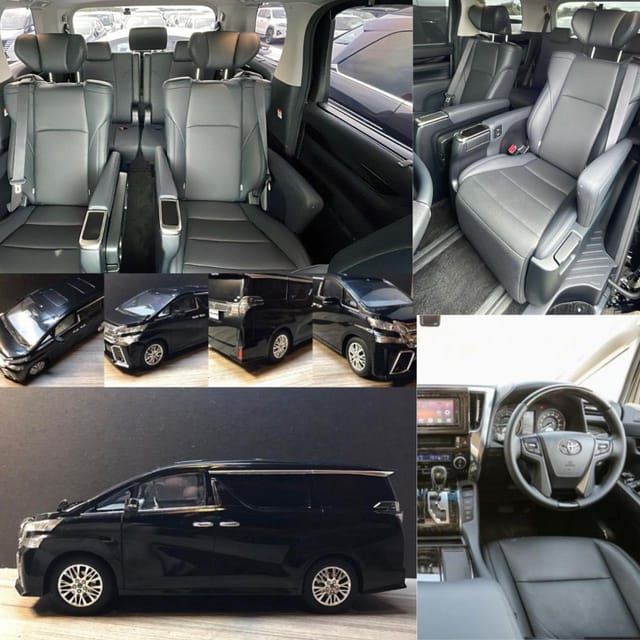
- Premium door-to-door transfers in vehicles like Toyota Vellfire, Crown, and Land Cruiser
- Hot-spring snow monkey viewing at Jigokudani, with a guided visit and time to photograph
- Culture stops that aren’t throwaway: Zenko-ji and Matsushiro Castle Ruins get real time
- A Shibu Onsen break for that old-school onsen-town atmosphere
- Obuse town walk for a slower, local-feeling finish
- One group, one schedule: private tour with itinerary flexibility and free in-car water/tea/coffee
Why the Snow Monkey Day Route Works (Even If You Hate Early Starts)
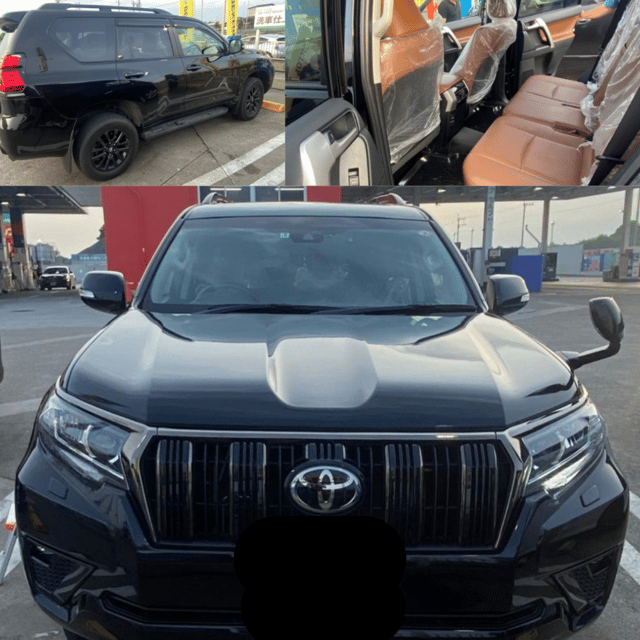
This route is designed around one big idea: don’t just see snow monkeys—pair them with places that give context. The result feels less like a checklist and more like a journey through Nagano’s mix of faith, samurai-era ruins, onsen culture, and winter wildlife.
I particularly like that the day starts with Zenko-ji Temple. It gives you calm right away, then you pivot to the bustle of winter sightseeing, and finally you end with Obuse, which feels gentler and more “local.” Also, the timing usually gives you the monkey moment as the highlight, not as a rushed stop at the end.
The tradeoff is time. You’ll be in the car a lot. One of the best ways to make that part feel worth it is to use the ride time: take photos of scenery when it’s safe, chat with your driver about what you’re passing, and treat drinks/snacks like your “travel fuel.”
You can also read our reviews of more private tours in Tokyo
Price and value: what $445 per group really buys you
The price is $445 per group (up to 6 people) for a one-day private tour. That sounds like a lot if you think of it as “transport only,” but the value is in what gets bundled into that one price: private vehicle, hotel pickup/drop-off, and an English-fluent driver who helps manage the day from start to finish.
If you compare this to doing it yourself—getting local trains or buses out of Tokyo, transferring to a remote area, then trying to line up temple time, onsen town time, and the monkey park—this private format is basically you buying back stress and schedule control.
Two more value points matter:
- You get drinks in the car (free coffee, tea, and bottled water are included for your comfort).
- You get customization. If you want more time walking one stop and less at another, your driver can adjust so the day fits how you like to travel.
One thing to budget for: meals and paid entry tickets are not included. So think of $445 as the “guided day + transport” cost, not the full “everything you eat and enter” cost.
Door-to-door logistics from Tokyo: comfort beats chaos
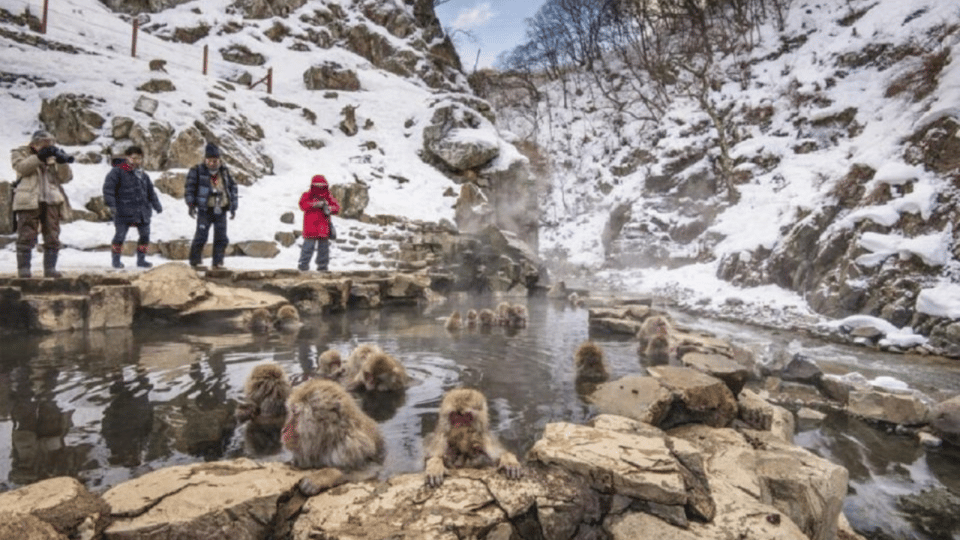
The pickup system is one of the reasons this tour is easy. You can be picked up from your accommodation within Tokyo’s 23 wards (plus a long list of options depending on where you’re staying). There’s no airport/port pickup, and you’ll want to be ready in the hotel lobby about 10 minutes before your scheduled pickup time.
The tour duration is about 10 hours including commuting. That means you should plan for a day that starts early and ends later, with the monkey park and key cultural stops as the “anchor blocks” in between.
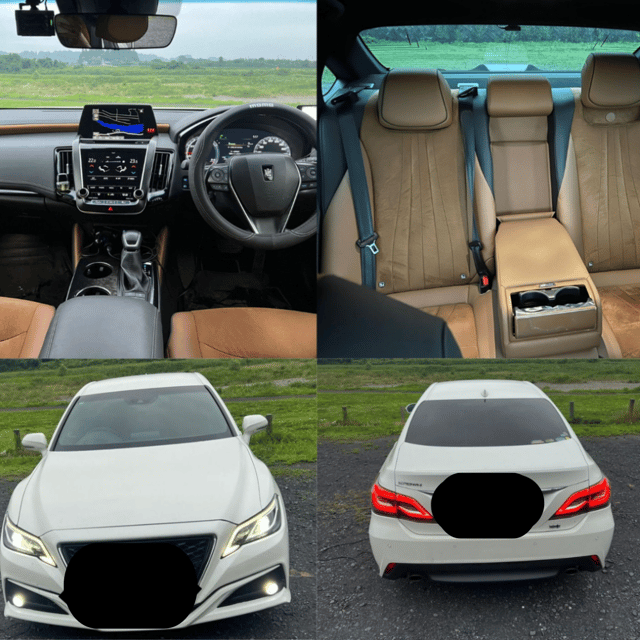
The vehicle choices are a big deal for comfort on a long day:
- Toyota Vellfire and Crown
- Land Cruiser options for groups that need it
In-car Wi‑Fi is included as a hotspot when available, and air-conditioning is included, which matters when you’re traveling from the city into winter weather. Also, you’re not stuck in a crowded shuttle—this is a private group, so your pace is your pace.
One more practical note: drivers wait up to 60 minutes after the scheduled pickup time. So if you’re running late, don’t assume the day will magically pause for you.
Stop 1: Zenko-ji Temple—start with calm, not chaos
Zenko-ji Temple is where the day gets grounded. You get about one hour for a photo stop and guided visit with time to walk and take in the atmosphere.
Why this stop is smart: Zenko-ji provides cultural “breathing room” before you head toward winter outdoors. It’s also a good way to stretch your legs after the morning drive. If you like temples that feel lived-in (not just photo backdrops), you’ll probably enjoy how serene the temple grounds can be compared to the road noise of getting there.
What to watch for: you’re time-boxed. One hour can feel fast, especially if you want to read or look slowly. I’d treat the visit like a focused walk—pick your key areas, take photos, then move on so you’re not mentally rushing later.
Matsushiro Castle Ruins: samurai-era leftovers you can actually walk
Next comes Matsushiro Castle Ruins, with about 45 minutes. You’ll get a photo stop, guided tour, and a bit of walking.
This is a solid contrast to Zenko-ji. Instead of religious space, you’re seeing remnants tied to samurai-era strength and strategy. The time is shorter here, so it’s best if you’re the type who likes “see enough to understand” rather than “read every plaque for an hour.”
If you’re traveling with anyone who cares about Japanese history beyond the big headline sites, this stop gives them something concrete. And if you’re not that person, don’t worry—the walking is manageable for most travelers, and it helps break up the drive rhythm.
You can also read our reviews of more tours and experiences in Tokyo
Shibu Onsen town break: warm tradition, winter pacing
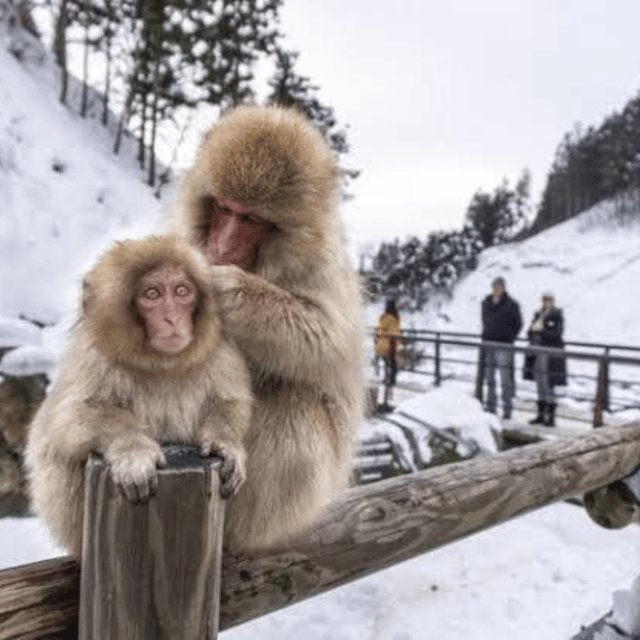
Then you move into Shibu Onsen, with about one hour. Expect a photo stop, guided sightseeing, and time to explore the town’s atmosphere. There’s also mention of onsen waters known for healing properties—this is the kind of stop that can feel like “Japan outside the big-city map.”
The onsen-town time is valuable even if you skip soaking. Why? Because the vibe is different from Tokyo: quieter streets, winter steam, and a sense of how locals slow down. It’s also a good moment to reset—use the time to stretch, take photos, and regroup before the monkey park hike and cold exposure.
One caution: this is a time-boxed stop. If your goal is a long soak, ask your driver to manage expectations early. The schedule is built around seeing everything listed, not turning Shibu Onsen into a half-day spa day.
Jigokudani Monkey Park: the hot-spring snow monkey moment
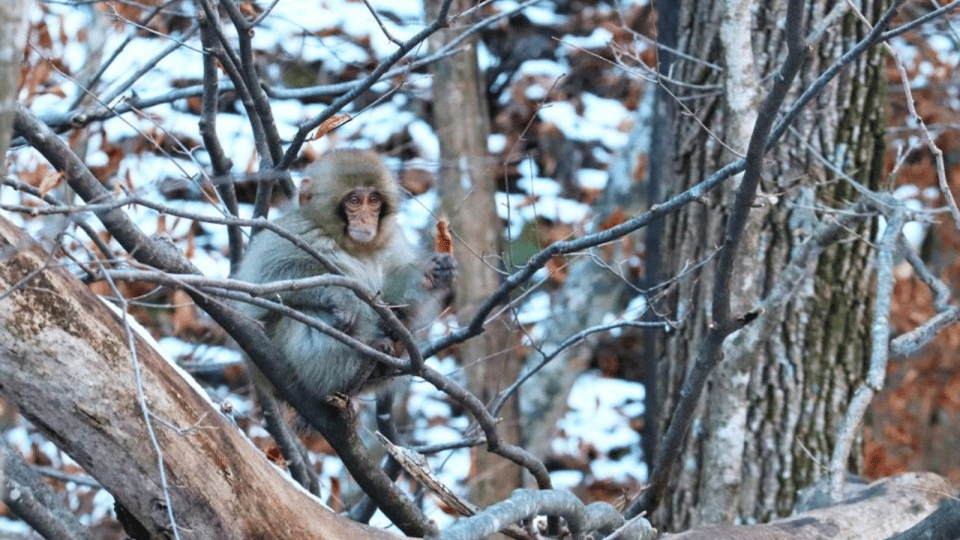
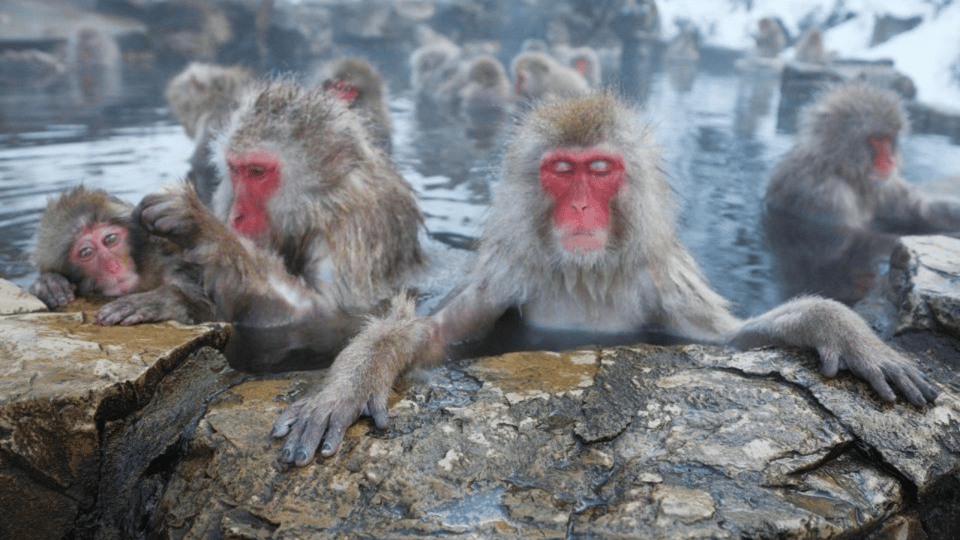
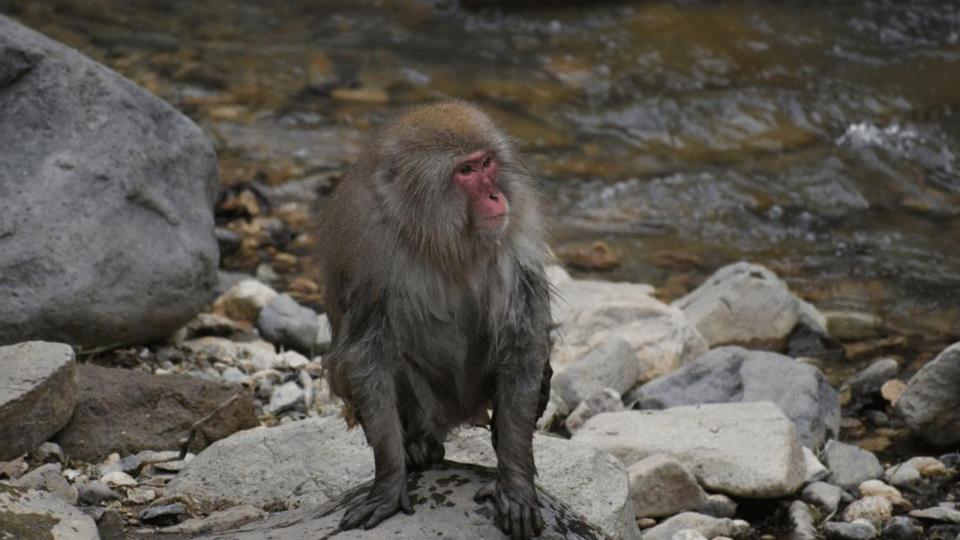
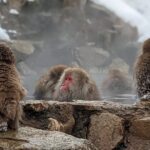
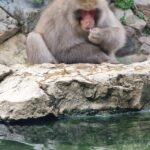
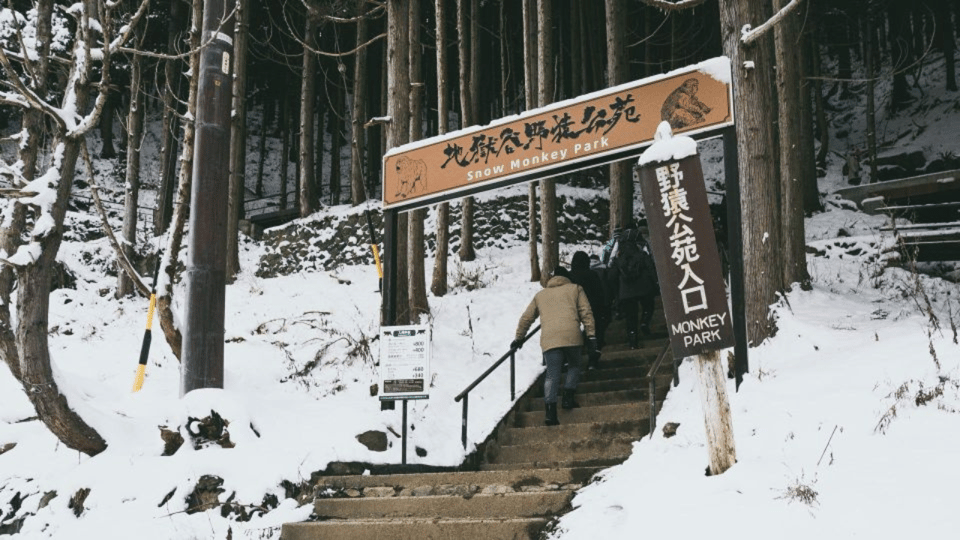
This is the main event: Jigokudani Monkey Park. You get about one hour for guided sightseeing, photo stops, a walk with scenic viewpoints, and wildlife viewing.
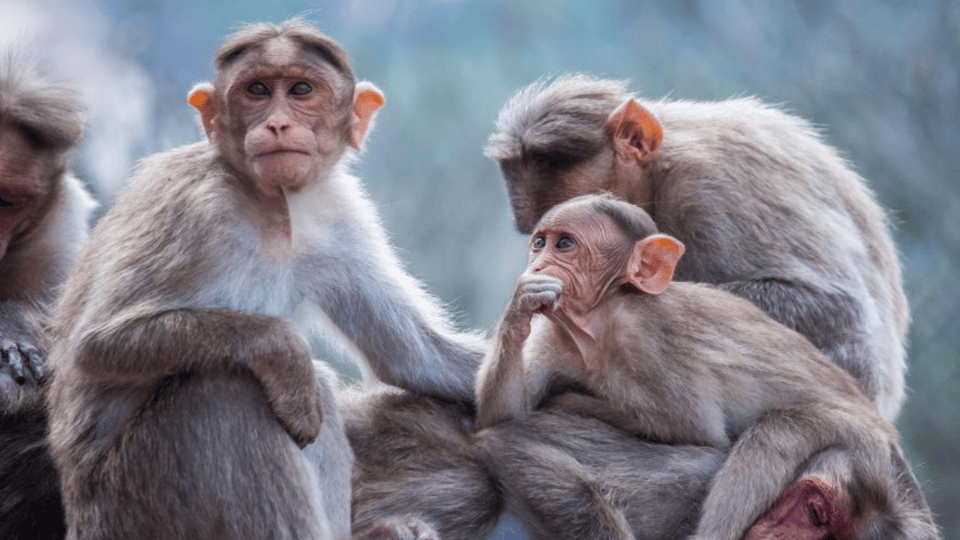
What makes Jigokudani special is the setting. The monkeys are in their natural habitat, and the whole point of going is seeing how they behave around the hot springs in winter—especially when there’s snow around. Many days create that “snow plus warm water” magic scene that people remember for years.
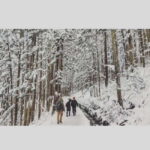
A practical detail that matters: the park involves walking. Some people report the walk can feel like a couple kilometers of gentle-but-real winter effort, and winter conditions can mean packed snow and slippery patches. Bring comfortable shoes, and if you’ve got them, consider winter traction like snow cleats for added confidence.
Also, expect short waits and crowd dynamics around the key viewing areas. This is why private timing and flexibility help. If the monkeys are active where you are, you’ll benefit from staying put. If conditions change, your driver can help you adjust your viewing plan without you spiraling into a bad timing loop.
Photo tip: bring your camera and be ready for quick moments. Monkey behavior can change fast—one minute you’re photographing steam, the next minute they’re climbing or shifting positions.
Obuse town walk: a gentler ending with local flavor
After the cold and the hot-spring chaos, Obuse gives you a softer landing. You get about one hour for guided sightseeing and walking the town.
Obuse works well at the end of a long day because it’s less about “intense sightseeing” and more about enjoying a small town pace. You’ll have time to browse streets, take photos, and sample local delicacies (meals aren’t included, but this is a perfect place to grab something you actually want).
This stop also balances the day emotionally. You go from wildlife and temple/castle sites to something human-scale and easy to wander. If you still have energy, it’s a nice way to end without rushing back into transit immediately.
The long drive reality: how to make the ride feel worth it
Let’s be honest: this tour is not a “mostly walking” itinerary from Tokyo. You’ll spend a significant chunk of the day commuting, because Nagano is far enough that you’re essentially treating this as a full excursion.
Here’s how I’d make that work for you:
- Use the comfort. Settle in, drink the provided water/coffee/tea, and let the driver do the navigation and timing.
- Plan your energy. Wear layers, since winter mornings can feel colder when you’re stopped.
- Have your camera ready. You’ll likely pass winter scenery that’s worth a quick photo pull-over.
- Think “flexibility,” not “strict plan.” Guides are often willing to adjust timing and rest breaks so you don’t feel cooked by hour seven.
One thing I’d call out from the experience vibe: many guides are attentive and proactive—people mention clear communication about timelines and even small personal touches like coffee early in the morning or local fruit surprises. That doesn’t change the physics of travel time, but it does make the long day feel smoother.
What to bring (and what to plan to pay for)
Bring:
- Comfortable shoes (the park involves walking in winter)
- Camera
- Comfortable clothes and layers
- Daypack
Plan for:
- Meals: not included
- Paid entry tickets: not included
- Winter conditions: even if it’s “just one hour outside,” the cold can add up
Not allowed:
- Alcohol and drugs
If you want the day to feel effortless, pack like this is an all-day winter walk-and-photo plan, not a city sightseeing day. The car helps, but the monkey park walk is where your body will notice the cold and the ground.
Who this tour is best for
This is a strong fit if you want:
- A private day with one group and one driver
- Door-to-door pickup from Tokyo
- A mix of culture and nature rather than only one theme
- Comfort on a long route (premium vehicles help a lot)
It’s also a good pick if you’re traveling with people who don’t want to manage logistics. The value is partly mental: you arrive, you see, you leave, and you don’t worry about transfers.
Not suitable for:
- People with back problems
- People over 95 years
Should you book this private Snow Monkey Day Tour?
I’d book it if your top priority is a low-stress, comfortable way to reach Jigokudani from Tokyo and you want Zenko-ji, Matsushiro Castle Ruins, Shibu Onsen, and Obuse in one coordinated day. The $445 group price makes sense when you’re splitting between up to six people, especially because it includes private transport, premium vehicle comfort, and the drinks that turn a long day into a manageable one.
I’d think twice if you hate long commutes or you’re hoping for a short, relaxed itinerary with minimal riding. Also, keep expectations flexible for wildlife. Winter weather and conditions can affect what you see on the day, so plan for the experience as “snow-monkey possibilities plus cultural hits,” not a guaranteed photo-perfect outcome.
If you want my practical advice: decide early on your priorities. If monkeys are first, stick close to your monkey viewing time and don’t overstuff the walking stops. If you love temples and historical ruins, Zenko-ji and Matsushiro are the places to linger slightly within the time you have.
FAQ
How long is the tour, including commuting time?
The tour duration is approximately 10 hours including commuting time.
What’s included in the price?
Included are private transportation, an expert English-fluent driver, flexibility to customize the itinerary, pickup and drop-off at your hotel, air-conditioning, a Wi‑Fi hotspot router in the vehicle when available, highway taxes and fuel charges, and water.
Are meals included?
No. Meals are not included.
Are paid tickets included for temples and the monkey park?
No. Any type of paid tickets/entry tickets are not included in this tour.
Where does pickup happen in Tokyo?
Pickup is provided from accommodations within Tokyo’s 23 Wards listed in the tour details. Pickup is not available at airports or ports.
What is the cancellation policy?
Free cancellation is available up to 24 hours in advance for a full refund.