REVIEW · TOKYO
Half Day Sightseeing Tour in Tokyo
Book on Viator →Operated by Japan Panoramic Tours · Bookable on Viator
Tokyo can feel like information overload. This half-day tour strings together classic sights in a deluxe coach with a professional English-speaking guide. You start with a quick intro photo stop, then move from Meiji Jingu’s forest calm to central Tokyo city-drive highlights, finishing with Asakusa’s matcha and Senso-ji.
Two things I really like: first, the way the route mixes big-name landmarks with local-feeling stops, without requiring you to hop on and off trains. Second, you actually get a included matcha moment: premium-style matcha made from first-flush ichibancha from Uji, Kyoto (plus the option of matcha gelato). One important consideration: the tour ends in Asakusa, not back at your original pickup spot—so you’ll want a plan for getting home from there.
Key moments to know before you go
- Coach-first efficiency: you see multiple districts fast, with an air-conditioned bus and built-in Wi‑Fi
- Meiji Jingu time to slow down: about 50 minutes in the shrine grounds
- Imperial Palace area is more view than full access: expect a stroll, but access can vary
- Asakusa includes a real matcha experience: premium-style matcha (not bitter) plus time at the shop
- Senso-ji + Nakamise Street, short and sweet: you get shopping/photo time at the temple approach
In This Review
- How the Half-Day Deluxe Coach Plan Fits a Busy Morning
- Robert Indiana LOVE Sculpture: A Fast, Free Start
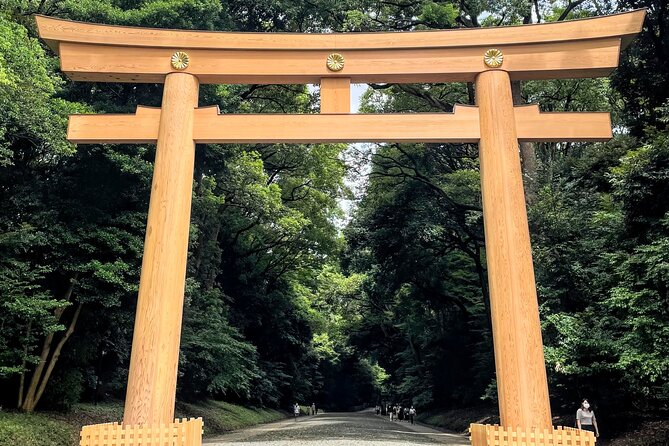
- Meiji Jingu Shrine: Forest Calm and Sacred Space in Minutes
- Imperial Palace Area and the Big-Window Tokyo Drive
- Otaku Culture and Ueno-Style Details From the Bus
- Asakusa Matcha Experience: Premium-Style Flavor You Can Actually Taste
- Senso-ji Temple and Nakamise Street: Short Temple Time, Real Street Energy
- What You’re Paying for at About $94.84
- Best Seats, Best Pace, and How to Get More From the Tour
- Who Should Book This Half-Day Tokyo Tour—and Who Should Skip It
- Should You Book This Tokyo Half-Day Tour?
- FAQ
- How long is the Half Day Sightseeing Tour in Tokyo?
- Where do I get picked up, and where does the tour end?
- What is included in the price?
- What stops are included?
- Is there admission cost for the sights?
- What languages are available for audio guidance?
How the Half-Day Deluxe Coach Plan Fits a Busy Morning
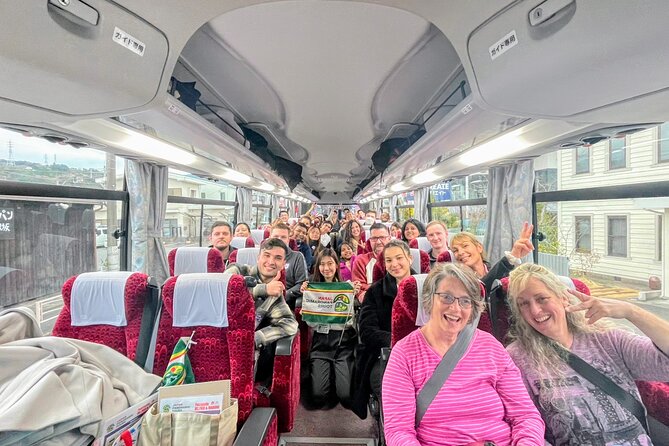
This is built for one simple goal: see a lot of Tokyo without spending your energy on transit. The tour runs about 3 to 4 hours and uses a coach to connect distant neighborhoods quickly. That matters in Tokyo, where one wrong train transfer can eat your whole schedule.
You’ll board via morning pickup options listed as Matsuya Ginza (7:20am) or Love Shinjuku (7:50am), and you’ll travel with Wi‑Fi on the bus plus multilingual audio guidance (English, Spanish, French, Italian, German, Portuguese, and UK wording; the info also mentions Ukrainan). Even if you prefer listening to the guide live, it’s nice to have backup narration for the streets you’re driving through.
The max group size is 43 travelers, so you’re not trapped in a tiny bus—but it’s also not a private tour. That’s why the pace works. You get enough time at each stop to enjoy it, but you won’t be wandering for hours.
One practical tip: if your tour ends near the finish area and you still want dinner plans, think ahead. This tour finishes at Asakusa, and there’s no hotel drop-off included.
Robert Indiana LOVE Sculpture: A Fast, Free Start
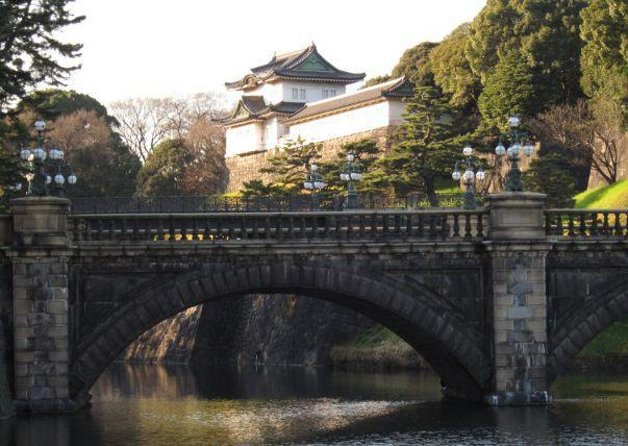
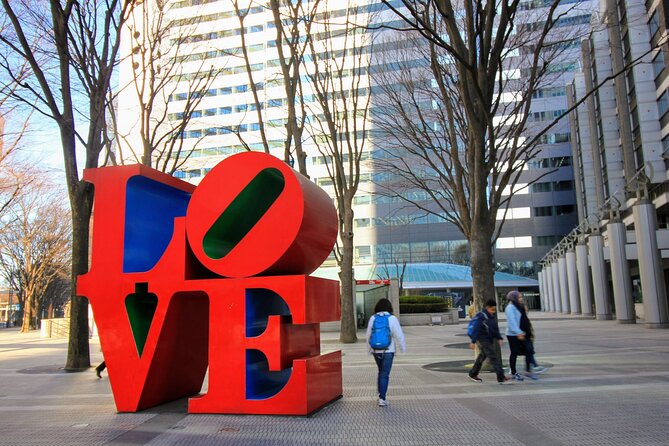
The route includes a short stop at the Robert Indiana sculpture commonly known as the Love piece. It’s quick—about 5 minutes—and the listing says no admission ticket is needed.
Why it’s useful: it gives you a calm, low-stakes start. You’ll get oriented before you move into the bigger emotional shift of shrine grounds and historic neighborhoods. Also, it’s an easy photo if you want a recognizable landmark early, before Tokyo’s later crowd energy kicks in.
You can also read our reviews of more tours and experiences in Tokyo.



Meiji Jingu Shrine: Forest Calm and Sacred Space in Minutes
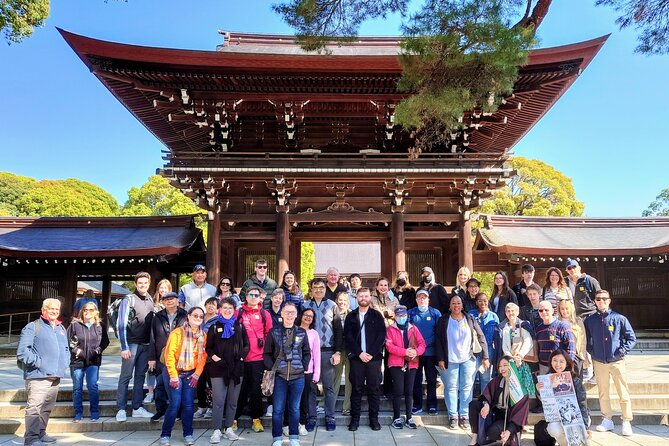
Meiji Jingu Shrine is the tour’s “pause button.” You get roughly 50 minutes on site, and the atmosphere is exactly what people picture when they imagine a shrine inside a huge city.
This shrine is dedicated to Emperor Meiji, built in 1920, and the grounds are described as lush and natural. That’s not just pretty wording. This stop tends to feel different from the rest of Tokyo because it’s designed for walking slowly, listening, and letting your head clear.
What I’d do with your time here:
- Aim to walk past the main shrine area at a relaxed pace.
- Don’t try to “win” the stop by rushing. If you only have a half day, this is the place where slowing down pays off.
The guide context also helps. Several guides on this kind of tour are praised for explaining the difference between shrines and temples and for sharing small stories that make the place feel more than a photo stop. If you get a guide with that style, you’ll enjoy this section more than you expect.
Admission is listed as free for this stop, which is always a nice bonus on a paid tour.
Imperial Palace Area and the Big-Window Tokyo Drive
After Meiji Jingu, you’re back on the coach for a scenic drive through central Tokyo. The tour description specifically calls out views past areas like Akihabara, Ueno, Harajuku, and other major attractions.
This is where the “coach tour” part matters most. You’re not just riding—you’re being shown the geography. From the bus, you get a fast map of how Tokyo’s neighborhoods overlap: pop culture streets, old-school districts, and government-area grandeur all within one morning loop.
Then there’s the Imperial Palace portion: about 50 minutes and described as a stroll with traditional gardens and historical structures. The listing says entry is free.
Here’s the reality to expect: an Imperial Palace stop can be partly about what you can access on that day. In some days, you might feel like you’re mainly viewing from a distance rather than doing a long walk inside the grounds. The good news is that you still get a structured break from the bus, plus a sense of the scale and design around the palace area.
If you want photos: look for bridges and the moaty feel around the complex from the public approach points. Even a short stroll can be enough to appreciate the setting.
Otaku Culture and Ueno-Style Details From the Bus
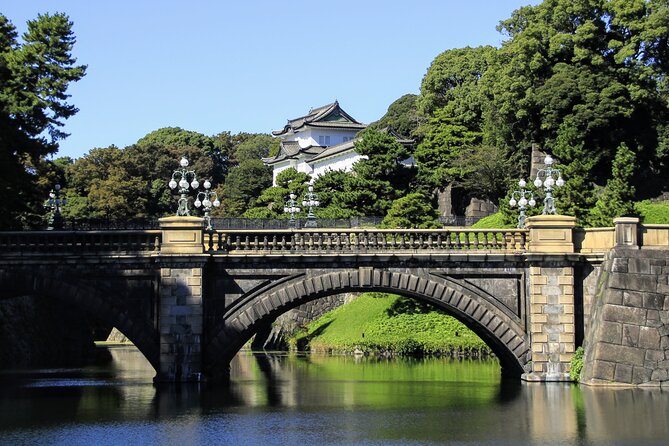
Between major stops, the drive is where the tour tries to turn Tokyo into a story. The description references pop culture and “otaku” culture, noting districts known for anime and games, plus things like maid cafes as part of the modern flavor you pass by rather than something you necessarily enter.
It also mentions Ueno Park and Ameyoko market as you get near that area in the route. While you’re not spending long blocks walking here, the bus timing is still valuable if you’re new to Tokyo and want your mental map to stick.
A small but telling detail from the tour notes: the itinerary talks about finding kitchen items like Japanese knives and very real-looking food replicas. That’s a “Tokyo specific” detail that can make you notice things later—like how replica food and specialty shops are common in certain neighborhoods.
If your group is noisy, this is also where the audio matters. Some people prefer sitting nearer the front so they can hear the guide clearly over the engine noise. If you’re the type who wants to catch every bit of commentary, aim for a front-middle seat at boarding.
Asakusa Matcha Experience: Premium-Style Flavor You Can Actually Taste
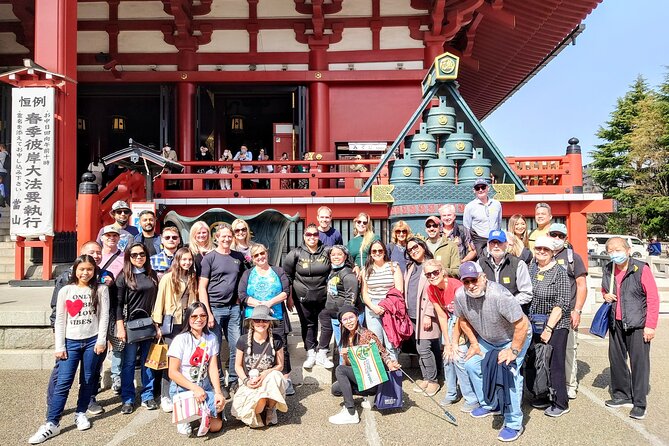
Now for the part you get to physically enjoy: matcha.
The tour includes an “Authentic Uji Match experience” at Asakusa, with about 30 minutes. Admission for the matcha stop is listed as free, and the tour includes either a matcha drink or matcha gelato.
The matcha itself is described as Not Bitter Matcha Green Tea, using ichibancha (first flush) from Uji, Kyoto. “Not bitter” may sound like marketing, but if you’ve ever had matcha that tastes harsh or grassy, the difference is noticeable. This is the kind of included food moment that gives you something to take home—not as a souvenir, but as a taste memory.
Practical expectations:
- You’re on a schedule, so you won’t have time for a long menu comparison.
- You’re getting the experience package, not a full food crawl.
One additional note from the tour details: the matcha shop is said to be closed on May 9, and in that case the tour will provide matcha souvenirs as a compensation. That’s worth knowing so you don’t feel surprised if you go on that specific date.






Senso-ji Temple and Nakamise Street: Short Temple Time, Real Street Energy
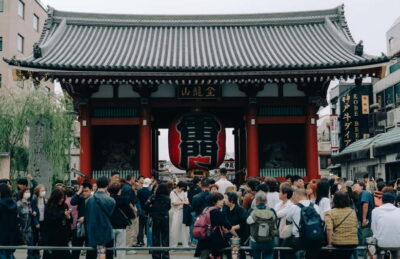
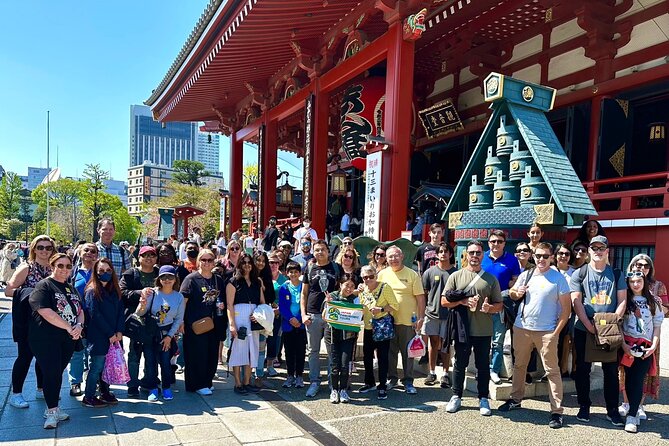
The last major sightseeing stop is Senso-ji Temple, with about 10 minutes listed for the stop—and the experience includes the classic temple approach.
This is the part of Tokyo where the photos almost take care of themselves:
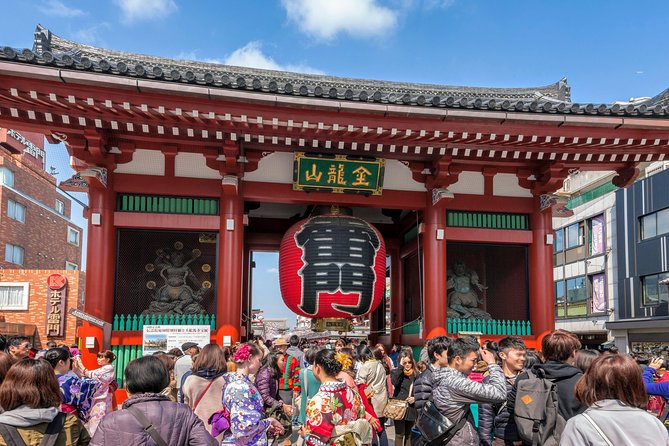
- The Kaminari-mon gate for that iconic thunder gate look
- Nakamise Avenue shopping along the temple approach
You should think of this as “quick hit Tokyo,” not a slow temple morning. Ten minutes can be enough to:
- take photos
- walk through the main approach area
- grab a small snack or souvenir if you spot something that catches your eye
The tour description also says the tour ends at Senso-ji Temple and that you can take free time at the temple area. Since the exact length of that free time isn’t spelled out in the notes you have here, the smartest move is to treat it as short. If you want a longer Senso-ji walk, plan to stay after the tour ends in Asakusa.
What You’re Paying for at About $94.84
At $94.84 per person, you’re paying for convenience and structure. You’re not just buying admission to a shrine. You’re buying:
- coach transport between far-apart districts
- a guided route with live commentary (plus audio backup)
- an included matcha drink or gelato
- Wi‑Fi and air-conditioning for the ride
- a timed sequence that helps first-timers avoid the “which train do I take now” scramble
Is it worth it if you’re a confident self-guided traveler? Possibly, but only if you truly value not managing logistics. A few negative experiences point out that the half-day can feel like a busy bus ride, especially if the narration is mostly automated or if a stop ends up limited due to access.
That means the value equation comes down to your priorities:
- If you want maximum sightseeing with minimal planning, the price can make sense.
- If you want deep, long site time and lots of detailed walking, you may feel short-changed.
Also note something important: this is the half-day format. Some people directly recommend choosing the full day if you can. If you’re the type who reads signs and wants more than one slow hour per neighborhood, half-day may feel like a sampler.
Best Seats, Best Pace, and How to Get More From the Tour
Because this is a bus-heavy morning, you’ll get more out of it by setting yourself up for the right experience.
Here are the habits that pay off:
- Sit closer to the front if audio clarity matters to you.
- Bring comfortable shoes. Even if walking time at each stop is not huge, you’ll move through shrine and street areas.
- Don’t plan a tight schedule right after you finish. Since you end in Asakusa, you may need extra time to get oriented and continue your day.
The guide quality seems to be a major factor in the overall experience. In the ratings, many guides get praised for being organized, funny, and warm. Names that appear frequently include Lisa, Marin, Yume, Hiro, Yasushi, Tsubasa, Aiko, Mao, Angela, Yuki, Levin/Elven, and Elven. When the guide is strong, the whole tour feels more like a guided story than a checklist.
The tour also has built-in multilingual audio, which can help you keep up even in a large group.
Who Should Book This Half-Day Tokyo Tour—and Who Should Skip It
This tour fits best if you:
- want a first-time Tokyo overview
- prefer guided stops over rail navigation
- like getting a mix of modern districts seen from the bus plus classic neighborhoods on foot
- will enjoy a included matcha tasting as a highlight
It’s not the best match if you:
- need a long, unhurried walk at each site
- get frustrated when a stop offers limited access or is more “viewing” than “exploring”
- want the tour to end back at your original pickup point (it doesn’t—it finishes in Asakusa)
If you can’t walk long distances, the tour notes say it isn’t recommended. Even with short stop times, the ground at shrines and street shopping areas can add up.
Should You Book This Tokyo Half-Day Tour?
Book it if you want a tidy Tokyo hit with coach efficiency, a real Meiji Jingu experience, and a scheduled Asakusa matcha moment that’s included. It’s especially good for mornings when you want to get your bearings quickly.
Think twice if you’re chasing long site time or a “deep dive” into Imperial Palace gardens, or if you hate surprises around what you can access on that day. In those cases, plan for the half-day to feel like a fast sampler—and consider choosing a longer format instead.
If you book, do one thing that improves your odds: double-check where you’ll board and where you’ll finish. The notes you have show pickup points in Ginza or Shinjuku, while the meeting/finish location is listed as Asakusa. That isn’t dangerous, but it can be confusing—so confirm the exact start and end for your departure day.
FAQ
How long is the Half Day Sightseeing Tour in Tokyo?
The tour runs about 3 to 4 hours.
Where do I get picked up, and where does the tour end?
Pickup is listed from Matsuya Ginza at 7:20am or Love Shinjuku at 7:50am. The tour ends in Asakusa, and no hotel drop-off is included.
What is included in the price?
You get a professional English-speaking guide, an air-conditioned vehicle, matcha drink or matcha gelato, Wi‑Fi on the bus, and multilingual audio guidance. You also receive a mobile ticket.
What stops are included?
The tour includes a quick stop at the Robert Indiana Love sculpture, Meiji Jingu Shrine, the Imperial Palace area, an Asakusa matcha experience, and ends at Senso-ji Temple.
Is there admission cost for the sights?
The tour notes list admission ticket free for the included sightseeing stops.
What languages are available for audio guidance?
Audio guidance is available in English, Spanish, French, Italian, German, Portuguese, and UK wording (and the notes also mention Ukrainan).