REVIEW · TOKYO
From Tokyo: Mount Fuji Full Day Customizable Private Tour
Book on GetYourGuide →Operated by Kyoto Horizon · Bookable on GetYourGuide
Fuji in a day feels like cheating. I love the Mount Fuji 5th Station viewpoint and I also love how the day pairs big views with quieter stops like Oshino Hakkai and Lake Kawaguchi. The one drawback to plan for is weather and a long day, because conditions around Fuji can shift quickly and the 5th Station can feel cold.
This is a private group setup (up to 3 people), so your guide can shift the pace toward your interests instead of herding everyone like luggage. You’ll also ride in an air-conditioned coach with free WiFi, which matters when you’re spending a lot of hours on the road.
Expect a full loop from Tokyo: you start with pickup from Shinjuku Station and return to Shinjuku after Hakone and Lake Ashi. It’s timed tight enough that comfort helps, so wear good walking shoes and dress in layers.
In This Review
- Key things I’d focus on before you go
- A private Fuji day that still feels efficiently planned
- Shinjuku pickup to Tokyo return: how the day actually fits together
- Mt. Fuji 5th Station: your first big mountain moment
- Oshino Hakkai’s 8 ponds: calm water near the village footpath
- Kitaguchi-hongu Fuji Sengen Jinja Shrine: a serene cultural pause
- Chureito Pagoda and Arakurayama Sengen Park: two hills, two Fuji looks
- Lake Kawaguchi and Oishi Park: Fuji in the distance, in your own rhythm
- Hakone’s calmer mood and Lake Ashi’s “slow travel” feeling
- Price and value: when $325 per group makes sense
- How the guides shape the day (Mac, Usman, Ali, and Efi)
- Practical tips so the day stays fun, not tiring
- Should you book this Mt. Fuji + Lake Kawaguchi + Hakone private tour?
- FAQ
- How long is the Mount Fuji Full Day Customizable Private Tour from Tokyo?
- How many people are in a private group?
- Where does the pickup happen?
- What languages does the guide speak?
- What are the main places you visit?
- What’s included for transportation and on-board comfort?
- Is the tour wheelchair accessible and are ticket lines skipped?
Key things I’d focus on before you go
- Mt. Fuji 5th Station (1 hour): The iconic “halfway up” perspective with panoramic views.
- Oshino Hakkai’s 8 ponds: Clear water fed by snowmelt, plus small-village strolling.
- Chureito Pagoda + Arakurayama Sengen Park: Two hilltop viewpoints for Fuji photos from different angles.
- Kitaguchi-hongu Fuji Sengen Jinja Shrine (2 hours): A calm, historic stop near the mountain’s base.
- Lake Kawaguchi and Oishi Park: Stroll time with Fuji in the distance and an easy pace.
- Hakone + Lake Ashi: A slower, more dreamlike rhythm after the main Fuji hits.
A private Fuji day that still feels efficiently planned
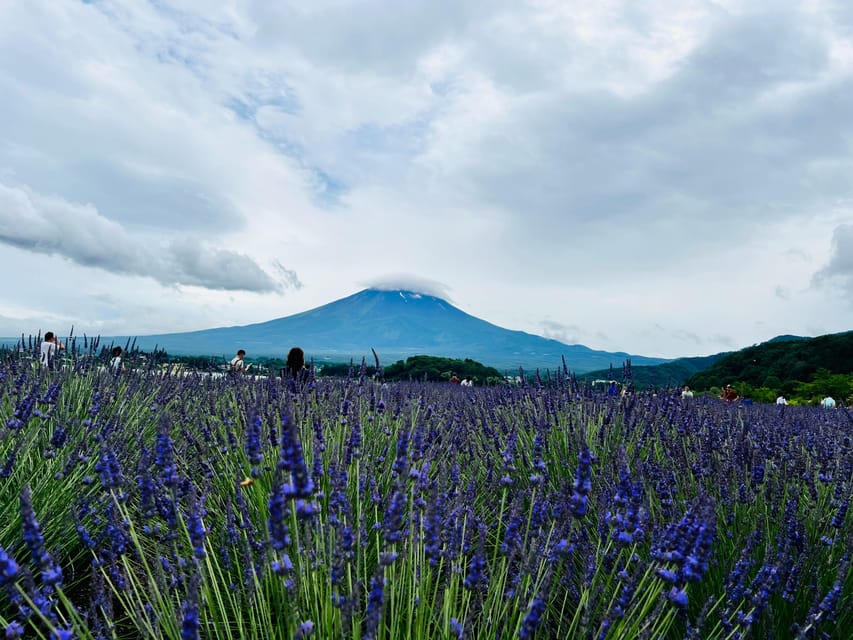
If you’ve only done day trips from Tokyo that feel like a checklist, this one is different. You’re not sharing the day with strangers in a giant group, and that makes the experience feel smoother when you’re moving between viewpoints.
I also like that it’s structured like a real route, not just “go to Fuji and see what happens.” You get the core Fuji icons—5th Station, Chureito Pagoda, Oshino Hakkai, and Lake Kawaguchi—then the day continues into Hakone and finishes at Lake Ashi. That means you’re not rushing back early, missing the chance to slow down with the lake views.
One more practical point: it includes an English-speaking guide plus transport by air-conditioned coach. When your day is 11 hours, removing logistics stress is real value.
You can also read our reviews of more private tours in Tokyo

Shinjuku pickup to Tokyo return: how the day actually fits together
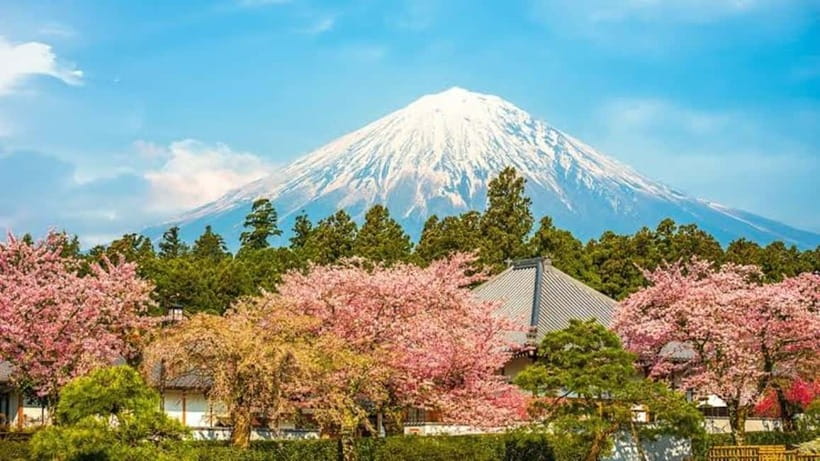
Your day is built around pickup from Shinjuku Station in Tokyo. After you book, you can send your location to the driver anywhere in Tokyo or nearby, which helps if you’re staying outside central Shinjuku.
The total time is 11 hours, which is plenty for multiple stops but still long. Roads to and from the Fuji area can be busy, and the best way to enjoy this trip is to think of it as a full-day outing, not a quick hit.
Also keep this in mind: walking is moderate. You’ll move around at Oshino Hakkai, take time around Chureito Pagoda, stroll Lake Kawaguchi and Oishi Park, and then do a longer walk at Arakurayama Sengen Park and Lake Ashi. If you go in with comfy shoes and realistic energy, everything feels easier.
Mt. Fuji 5th Station: your first big mountain moment
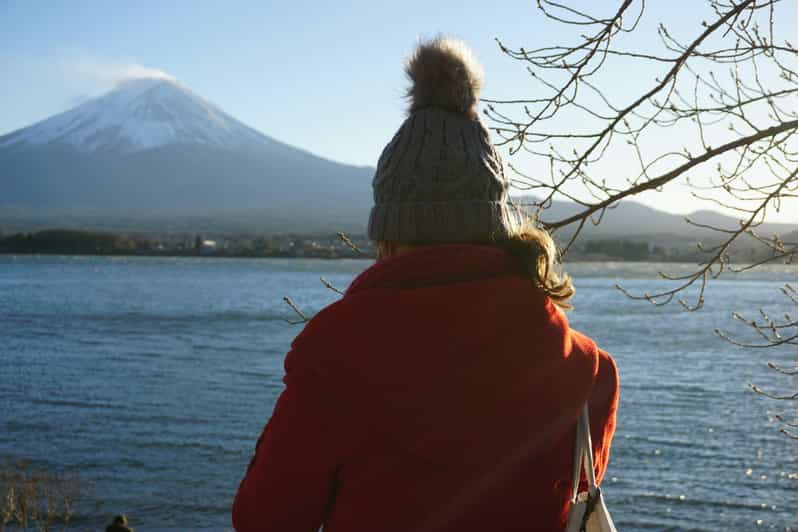
The day’s signature “whoa” moment often arrives at Mt. Fuji 5th Station. You’ll spend about 1 hour here, with panoramic views of the mountain and the surrounding area.
Why this stop matters: it gives you a sense of scale you can’t fully get from a distance. From the 5th Station, Fuji looks both massive and close enough to feel real, not postcard-level.
The practical catch is weather. The information provided for this tour calls out cold conditions at the 5th Station, so plan for it like a real outdoor moment. Bring layers and a camera, and give yourself a few minutes to adjust—wind can make you feel colder than you expect.
Oshino Hakkai’s 8 ponds: calm water near the village footpath
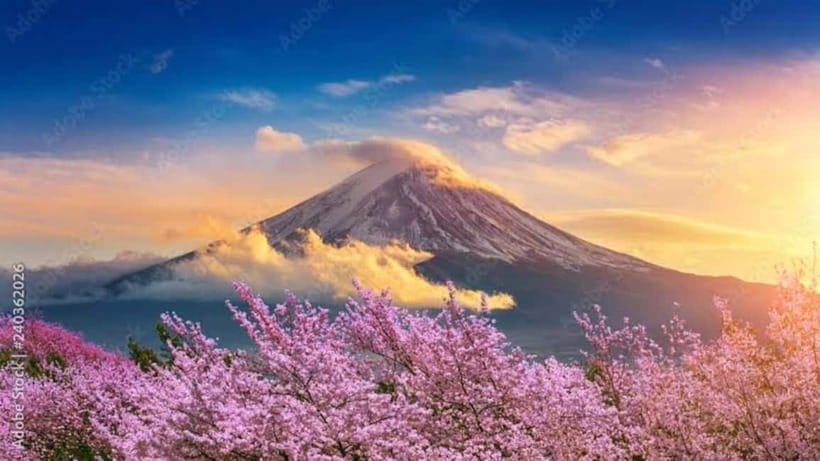
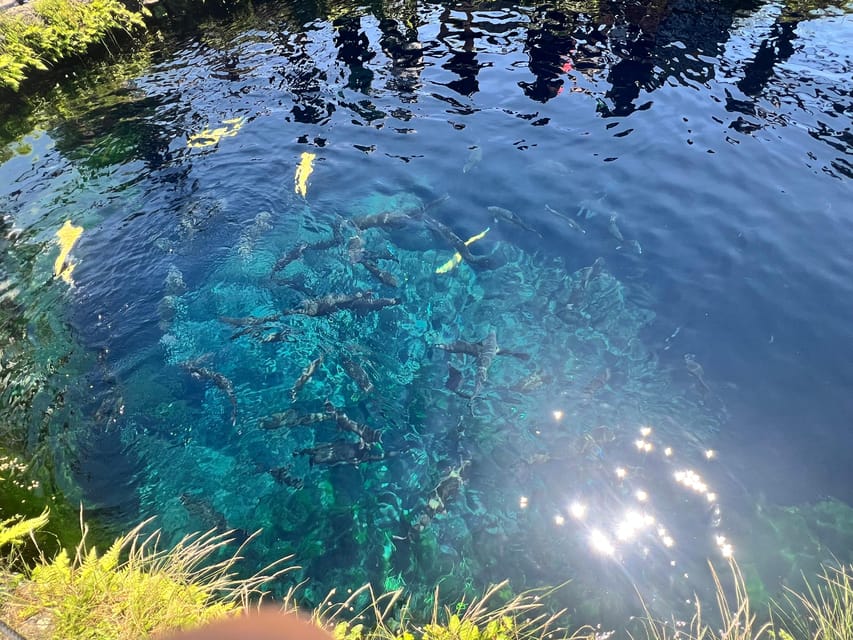
Next comes Oshino Hakkai, a small village at the foot of Fuji, with time for shopping and strolling (about 1 hour). The highlight is the eight spring-water ponds, which are fed by snowmelt from the mountain.
I love how this stop balances the dramatic views earlier in the day. It’s not about climbing or chasing skyline angles; it’s about slow walking, noticing the water, and taking photos that feel quieter than the big Fuji viewpoints.
What to expect: you’ll wander around the village and ponds. There’s time for browsing, and it’s a good place to reset after the cold and busier feeling at higher viewpoints.
A good mindset here: think of Oshino Hakkai as a breather. If you go in rushing, you’ll miss what makes it pleasant.
Kitaguchi-hongu Fuji Sengen Jinja Shrine: a serene cultural pause
The tour then includes Kitaguchi-hongu Fuji Sengen Jinja Shrine for about 2 hours. This is a historic shrine located near the base of Mount Fuji, which makes it more than a quick photo stop.
Why I think it’s worth your time: it adds context to the mountain beyond views. Fuji isn’t only scenery here—it’s part of belief and tradition, and a shrine stop gives you that grounded feeling.
In real life, shrine areas tend to be calmer than the busiest scenic spots. It’s also a good moment to slow your pace a bit so the rest of the day doesn’t blur together.
If you like traveling with a guide who can explain what you’re seeing, this is the kind of stop where that kind of talk helps a lot.
You can also read our reviews of more tours and experiences in Tokyo



Chureito Pagoda and Arakurayama Sengen Park: two hills, two Fuji looks
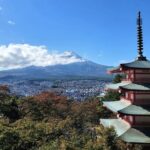
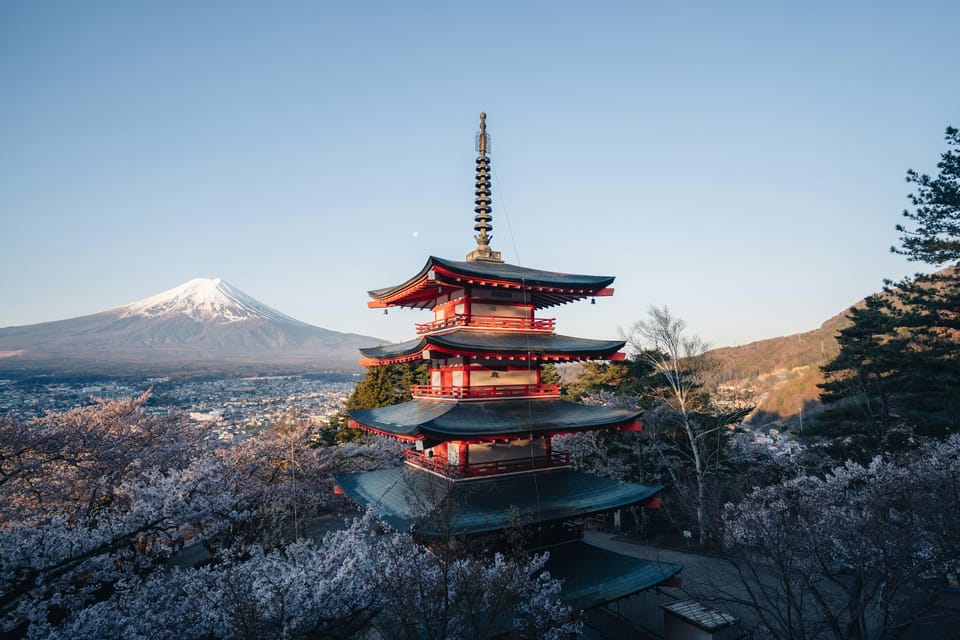
After the shrine, you’ll go to Chureito Pagoda for about 1.5 hours. The pagoda sits on a hilltop, and the views of Mount Fuji from there are why this stop is famous.
Then the itinerary continues to Arakurayama Sengen Park, with about 2 hours of walking. This park is another high viewpoint area, and the combination is smart: you get one iconic pagoda-style framing and then a separate sweep of view from a nearby higher vantage.
This is also where a strong guide really matters. In past experiences, guides like Mac have helped with photo spots and even worked around special moments. Others, including Efi, have shown up quickly for photos and helped find the right spot to eat or rest so you’re not just standing in crowds.
For you, the takeaway is simple: treat these like two separate photo missions. Give yourself time to wander, not just arrive, shoot, and leave.
Lake Kawaguchi and Oishi Park: Fuji in the distance, in your own rhythm
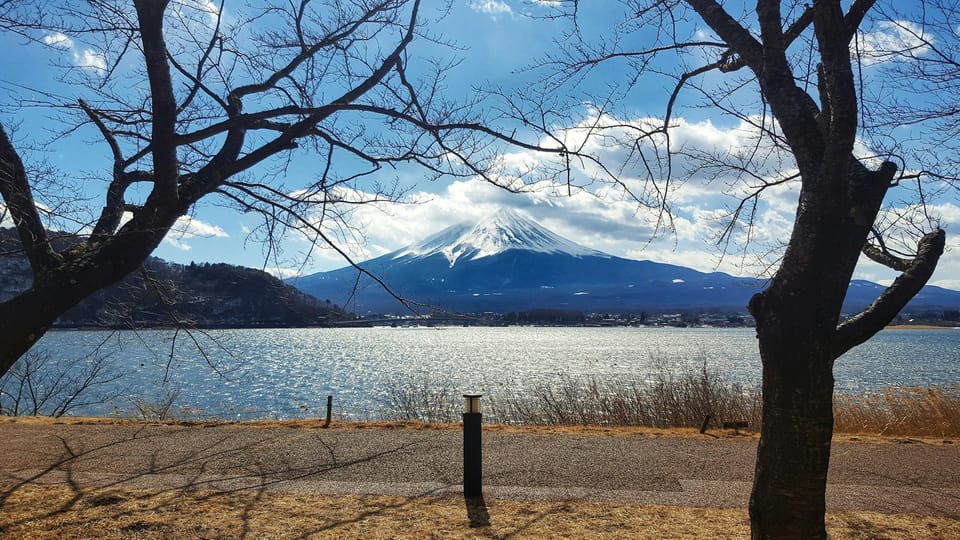
Now the day shifts from hilltops to water and strolling. You’ll visit Lake Kawaguchi for about 1 hour, then spend time at Oishi Park, with a break/free time segment of about 1 hour.
This part of the trip is a nice change of pace. You’re not chasing a single viewpoint. Instead, you get time for a relaxed walk along the lake area and the chance to enjoy Fuji in the distance.
Why it feels good: Lake Kawaguchi-area time tends to let your brain catch up after the earlier stops. You can breathe, take photos when the light is right, and avoid the feeling that the day is only about getting to the next location.
A small tip: if you feel even slightly tired, Oishi Park is where you can slow down without ruining the day. It’s built for break time, not just standing.
Hakone’s calmer mood and Lake Ashi’s “slow travel” feeling
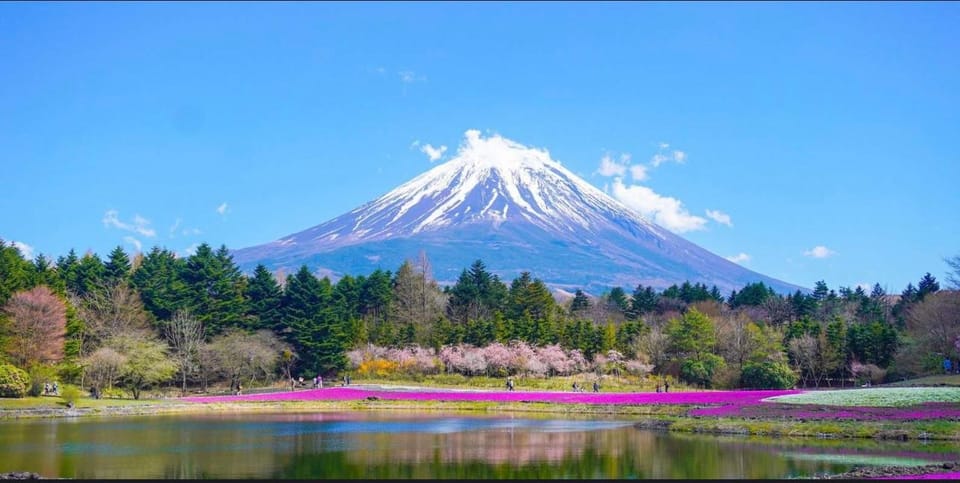
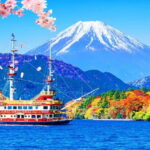
The itinerary continues into Hakone for a free time break (about 2 hours). Then you’ll visit Lake Ashi for walking and a bit of exploring (about 2 hours).
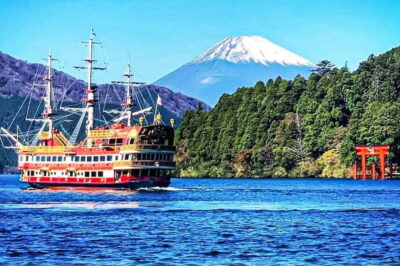
This is a smart pairing after Lake Kawaguchi. Hakone has a different vibe—more relaxed, more lake-and-views focused than mountain-hiking focused. One guide-driven experience described a calmer, dreamy feel from the Hakone lake area, hot-springs views, and peaceful landscapes, and that matches what this segment is set up to deliver.
You’ll also get the benefit of variety. Your Fuji day doesn’t end at the mountain photo finish line. It keeps going to a lake setting where the mood softens, and you can wander without feeling like every minute must be “the best minute.”
Price and value: when $325 per group makes sense
The price is $325 per group, and it’s for up to 3 people. That sounds simple, but the real value is what’s bundled: an English-speaking guide, air-conditioned transport, free WiFi in the vehicle, and skip-the-ticket-line help.
For a private day from Tokyo, you’re paying for time and coordination. You’re not just paying for seats on a bus. You’re paying for someone to run the route, manage the timing between stops, and guide you to photo opportunities without you needing to figure everything out on the fly.
Where it tends to be a good deal: if you’re traveling as a pair or trio and you care about seeing multiple classic sites without stress. If you’re a solo traveler, it may feel like more of a splurge compared with shared-group tours, but the private structure still can be worth it if you want flexibility.
Also consider what you’d otherwise pay to create the same day on your own. Between trains, transfers, and paying for guide help when you want context, the math often shifts fast.
How the guides shape the day (Mac, Usman, Ali, and Efi)
This tour’s quality isn’t only about scenery. It’s about the human layer.
In the experiences shared, guides stood out for being friendly and proactive with photo timing and local insight. Mac, for example, was described as genuinely going above and beyond, including helping find a great romantic proposal location with Mount Fuji in the background. That’s the kind of detail you don’t get when you’re just following strangers.
Usman was praised for knowing the best spots and delivering solid service. Ali was noted for making sure the day matched what the traveler wanted and prioritizing personal preferences. Efi was praised for helping with photos quickly and for steering people toward good food ideas, including recommending matcha-peach ice cream at a garden stop.
The point for you: when you book, think of the guide as part of the itinerary. If you communicate what you care about—photos, quieter moments, food, or cultural context—you’re much more likely to feel like the day was tailored rather than generic.
Practical tips so the day stays fun, not tiring
This tour runs a long day with outdoor stops, so your success depends on basics.
- Wear comfortable shoes. There’s enough walking that blister-level pain would steal the mood.
- Dress in layers for the 5th Station. Cold can surprise you, especially if you’re used to Tokyo weather.
- Bring a camera and water. You’ll be taking photos and walking, and there are moments where you want to stay out and enjoy.
- Plan for weather changes. Pack a raincoat or umbrella just in case.
One small strategy: at the photo-heavy stops (Chureito Pagoda and Arakurayama Sengen Park), slow down for the first few minutes. Get your bearings fast, then shoot, instead of arriving, panic-checking angles, and rushing your photos.
Also, if you have a hard schedule later that day, keep it light. This is a full-day loop back to Shinjuku.
Should you book this Mt. Fuji + Lake Kawaguchi + Hakone private tour?
Book it if you want a private, structured day that hits the classic Fuji sights and still finishes with Hakone and Lake Ashi for a slower mood. It’s especially strong for pairs or small groups who want an English-speaking guide, smooth transport, and time at multiple viewpoint locations without the stress of planning.
Skip it or reconsider if you hate long days or you know you’re very sensitive to cold and walking outdoors. The 5th Station and hilltop areas are the kind of places where weather can make or break your comfort.
My final take: this tour is a good choice when your top goal is seeing Mount Fuji from multiple angles—then enjoying the calmer water-and-lake side of Japan afterward.
FAQ
How long is the Mount Fuji Full Day Customizable Private Tour from Tokyo?
The tour duration is 11 hours.
How many people are in a private group?
The price is per group up to 3 people.
Where does the pickup happen?
Pickup is from Shinjuku Station in Tokyo, and you can send your location to the driver anywhere in Tokyo or nearby after reservation.
What languages does the guide speak?
The guide is English-speaking, and the experience is available in English and Japanese.
What are the main places you visit?
You’ll go to Mt. Fuji 5th Station, Oshino Hakkai, Kitaguchi-hongu Fuji Sengen Jinja Shrine, Chureito Pagoda, Lake Kawaguchi, Oishi Park, Arakurayama Sengen Park, Hakone, and Lake Ashi.
What’s included for transportation and on-board comfort?
You travel by air-conditioned coach, and there is free WiFi in the vehicle.
Is the tour wheelchair accessible and are ticket lines skipped?
Yes, the tour is wheelchair accessible, and it includes skipping the ticket line.