REVIEW · TOKYO
Mt.Fuji Hakone Day Tour With Lake Ashi Cruise, FREE Ropeway
Book on GetYourGuide →Operated by Tour Easy · Bookable on GetYourGuide
Fuji day trips are all about timing. This one layers in Hakone Shrine cedar shade, torii photos over Lake Ashi, and a free Ropeway ride toward volcanic Owakudani, guided by people like Jack who keep things moving.
I especially like the way you get multiple Fuji backdrops in one day, and the structure means you’re not guessing your way between Hakone and the Fuji Five Lakes area. The only real catch is the weather: Mt. Fuji visibility depends entirely on conditions, so your final views can be either postcard-perfect or more muted.
In This Review
- Key Highlights You Can Actually Plan Around
- A 10-Hour Fuji Factory That Still Feels Fun
- Hakone Shrine: Cedar Trees, Moss Steps, and That Torii Shot
- Lake Ashi and the Hakone Pirate Ship (Optional, but Cinematic)
- Hakone Ropeway and Owakudani: Steam, Sulfur, and Black Eggs
- Lake Yamanaka Swan Bay: The Calm After Volcanic Heat
- Oshino Hakkai: Eight Ponds, Traditional Houses, and Fuji Reflections
- Price and Logistics: What $58 Covers, and What You’ll Add
- Timing That Can Make or Break Your Fuji Photos
- What the Guides Actually Do for You
- Who Should Book This Tour (and Who Should Skip It)
- Should You Book This Mt. Fuji Hakone Day Tour?
- FAQ
- How long is the Mt. Fuji Hakone day tour?
- Where does the tour start in Tokyo?
- What is included in the tour price?
- Is lunch included?
- Is the Lake Ashi cruise included?
- Is the Ropeway actually free?
- What languages does the guide speak?
- Do I need cash?
- Is the tour wheelchair accessible?
Key Highlights You Can Actually Plan Around
- Hakone Shrine’s cedar forest approach and that classic red torii framing Mt. Fuji
- Lake Ashi on the Hakone Pirate Ship (optional fee) for wide, slow panoramic views
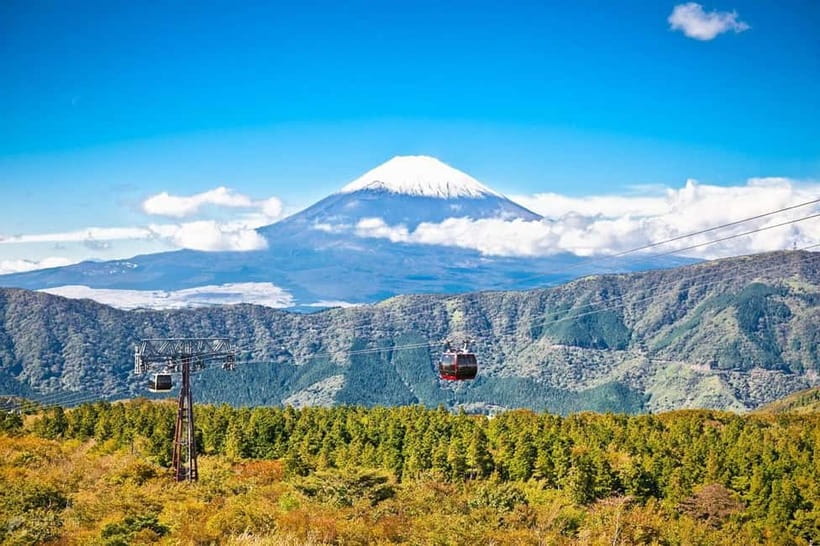
- Free Hakone Ropeway flying over volcanic terrain with views and quick access
- Owakudani’s steam valley plus the famous black eggs tradition
- Lake Yamanaka Swan Bay for calmer water and swan-and-Fuji photos
- Oshino Hakkai’s eight crystal ponds with traditional houses nearby
A 10-Hour Fuji Factory That Still Feels Fun
For $58 per person, this day tour is built for one goal: see the main icons around Mt. Fuji without turning your day into a transit spreadsheet. You’re picked up in Tokyo and handed a schedule with guided stops, transportation, and specific ticket coverage.
What makes it good value is what’s included. Round-trip transportation from Tokyo is covered, plus there’s a tour guide and driver, parking fees, and a Hakone Ropeway ticket. Even if you end up skipping the optional boat, you’re still getting a full day’s worth of major sights that can be hard to connect smoothly on your own.
The pace is “active day,” not lazy sightseeing. You’ll be on and off buses a lot, and some places can get busy, especially weekends and holidays. But the structure helps: each stop is timed so you can look, walk a bit, and take photos without spending half your day figuring out where to go next.
Also, remember this is a shared group tour with participants from various countries. The guide explains in English, Japanese, and Chinese, which is useful when everyone arrives at slightly different comfort levels with Japanese place names and signage.
You can also read our reviews of more boat tours in Tokyo


Hakone Shrine: Cedar Trees, Moss Steps, and That Torii Shot
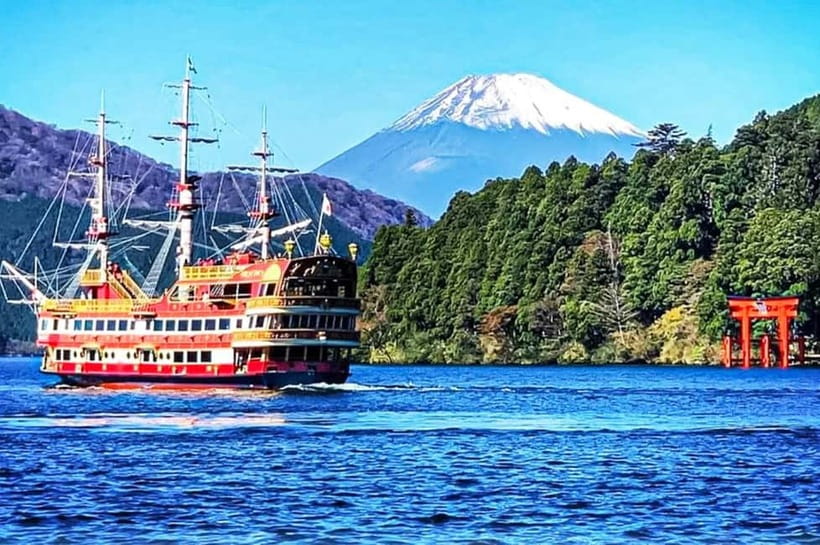
Hakone Shrine is where the “wow, this is Japan” feeling starts. You arrive around the 10:30 AM mark and get about 80 minutes to explore. The path is lined with towering cedar trees, with mossy stone steps that feel quiet and old-fashioned, even when crowds are nearby.
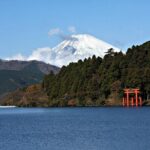
The reason this stop matters isn’t only the shrine itself. It’s your first big Fuji framing moment. At the edge of the shrine grounds, you can often line up a photo with the red torii gate and Mt. Fuji in the distance. It’s one of those angles that looks like a postcard because the composition is already there for you.
Practical tip: plan to slow down. If you rush, you’ll miss the little “choose-your-angle” moments between tree cover and open viewpoints. With a group schedule, you don’t get unlimited time, so it helps to decide early where you’ll stand for the torii photo.
Potential drawback: crowds. Shrine areas and famous viewpoints get busy fast, and you may have to share the best angle. If you care a lot about photography, wearing comfortable shoes and arriving with a calm mindset makes a difference.
Lake Ashi and the Hakone Pirate Ship (Optional, but Cinematic)
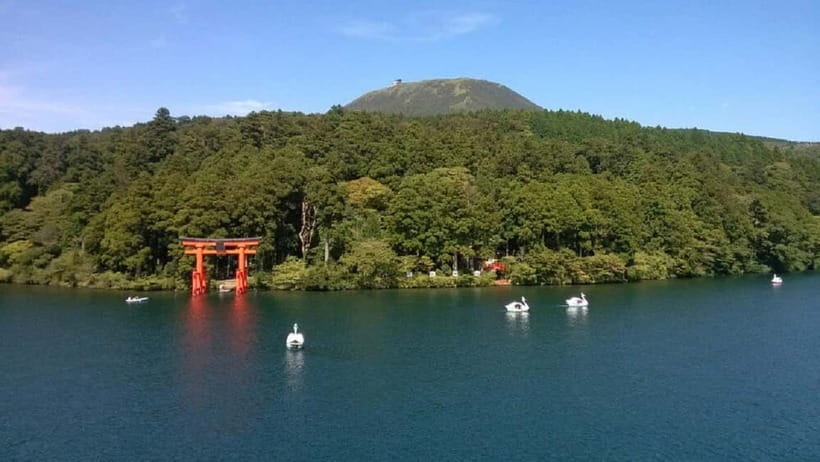
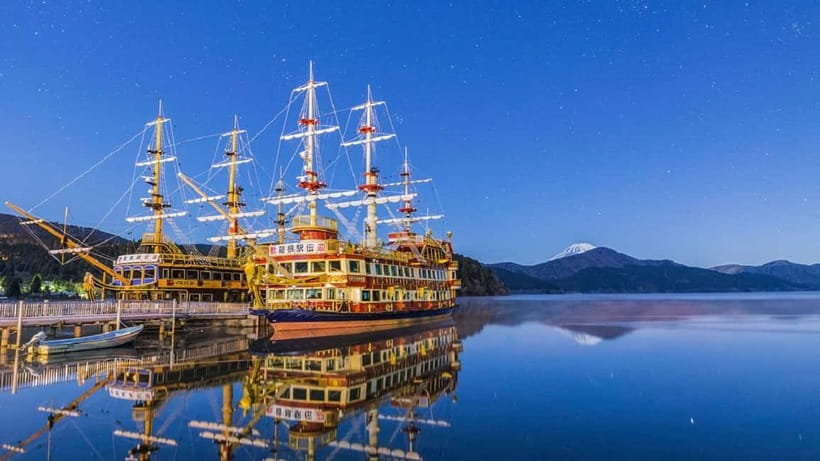
Around 12:10 PM, you’ll reach the Lake Ashi area for the Hakone Pirate Ship. The cruise itself is about 25 minutes, and it’s optional. The extra cost is listed at around 1700 JPY.
Here’s why it’s worth considering: Lake Ashi gives you a wider, calmer view of Mt. Fuji, the shoreline, and that iconic red torii that pops up on the water. On the ship, you’re not just looking from one spot. You’re moving, so the background shifts slightly, and those small changes can make the photo look more “real” than a single static viewpoint.
Good to know: if you don’t want the boat, the guide can help you skip it and continue by bus directly to the Togendai Ropeway station. That option exists, which helps if you have mobility limits or just want to move faster toward the volcanic area.
Practical tip: if you do go on the cruise, aim to be ready at the correct boarding time. With shared-group tours, delays at one step can ripple through the schedule. Once you’re on the water, though, it’s one of the most relaxing moments of the day.
Hakone Ropeway and Owakudani: Steam, Sulfur, and Black Eggs
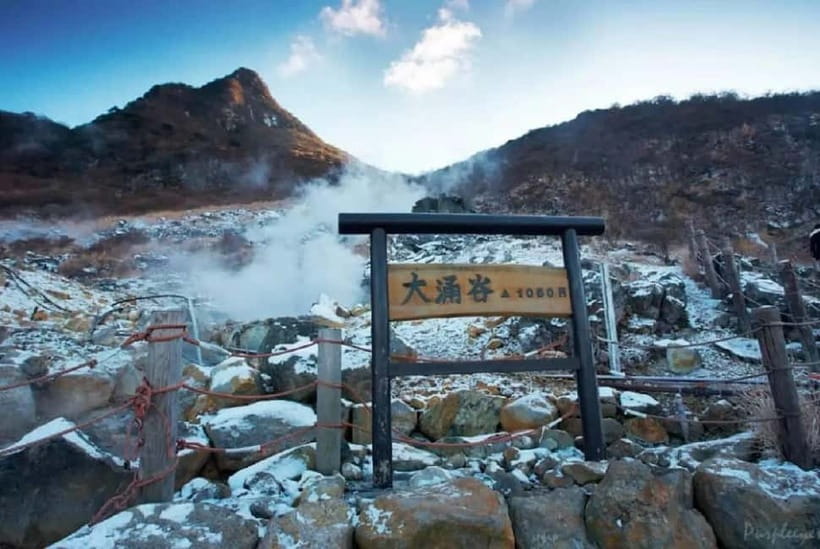
This is the “hands-on nature” part of the day. You’ll ride the Hakone Ropeway around 12:40 PM for about 30 minutes (the ropeway ticket is included). Then you’ll head into Owakudani Valley, with about 50 minutes for photos and walking.
The ropeway is basically your shortcut to views without the exhausting climb. You’re lifted above volcanic terrain, and the scenery changes quickly as you move—good for anyone who wants dramatic “where am I” moments without hiking all day.
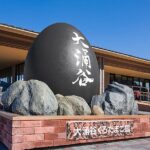
Once you reach Owakudani, it becomes a different experience. Volcanic steam hisses from the earth. Sulfur smell is part of the deal, and you’ll see the otherworldly effect of geothermal activity up close. This is also where you’ll encounter the famous black eggs tradition. The tour description notes the folklore that eating them adds seven more years of life, which is a fun bit of context while you’re standing there watching people buy and eat them.
Practical tips:
- Wear shoes that grip. Paths can be uneven.
- If you’re sensitive to strong smells, bring a mask or have tissues handy.
- Don’t treat this as a “quick photo stop.” Steam and terrain don’t look the same from every angle, so give yourself a little walking room.
Lake Yamanaka Swan Bay: The Calm After Volcanic Heat
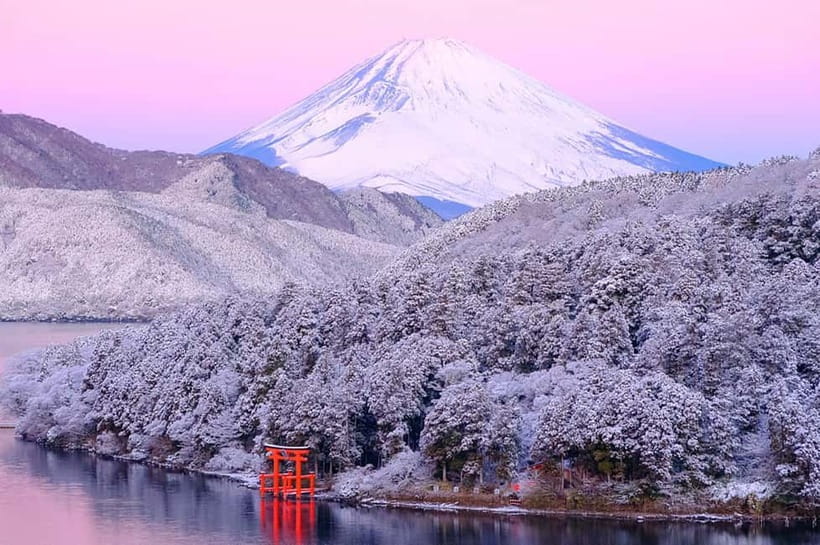
Around 3:00 PM, the tour heads to Lake Yamanaka, with time at Swan Bay. You get about 1.5 hours here, including guided time and sightseeing moments.
This stop works because it slows the day down. Instead of steam and stone steps, you’re dealing with open water and softer views. Swans often glide close to the shore, and Mt. Fuji can show up in the background when visibility is decent.
The photo logic is simple: water reflects. If the sky cooperates, you get that layered effect—foreground swans, midground water, and Fuji behind. Even when Fuji is partially hidden, you still get the “Fuji region vibe” from the lake setting.
Practical tip: keep your pace light here. Don’t sprint to one spot and miss the “alternate angle” view just five minutes away. It’s the kind of place where a slow walk feels better than chasing the perfect shot.



Oshino Hakkai: Eight Ponds, Traditional Houses, and Fuji Reflections
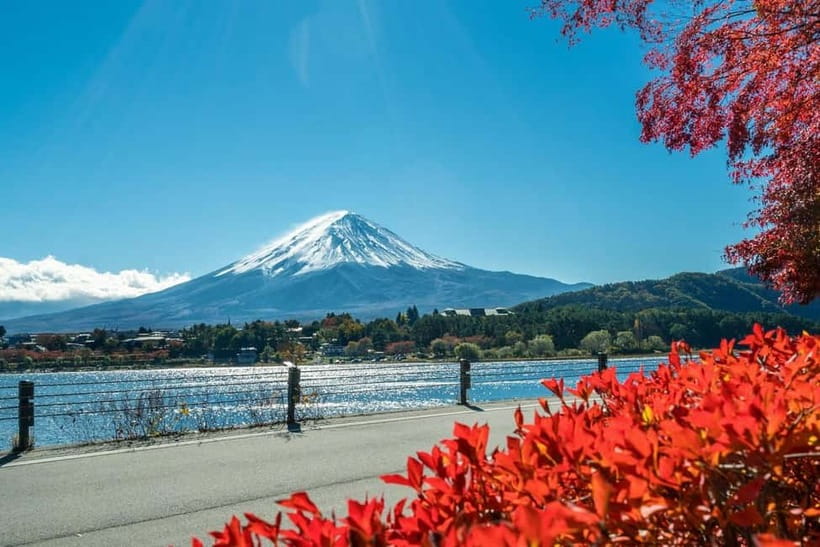
Next comes Oshino Hakkai, about 3:40 PM, with around 1.5 hours of guided sightseeing. This area is known for eight crystal-clear spring ponds in a picturesque village setting.
The ponds are the main event. You can see pebbles and plants through the water, and the surface often acts like a mirror when conditions are right. That’s why Mt. Fuji reflections are such a big deal here. When you get a clean reflection, it feels almost too perfect—but it’s also exactly why people come.
The village atmosphere adds texture. Traditional thatched houses and wooden bridges make it feel more like a place to wander than a single scenic overlook. If you enjoy slow travel moments, this is where you’ll likely relax a bit.
Crowd reality check: it can get busy. Multiple countries, multiple buses, one photo-worthy set of ponds. Move with purpose, but don’t skip the walking sections. The best views tend to come after you’ve changed your position.
Price and Logistics: What $58 Covers, and What You’ll Add
Let’s talk money honestly. The base price listed is $58 per person. For that, you get:
- Round-trip transportation from Tokyo
- A live tour guide
- A driver
- Parking fees
- A ticket for the Ropeway (the “free ropeway” part)
Not included:
- Lunch
- Personal expenses
- The cruise fee (optional, around 1700 JPY)
A real-world budgeting note from the info you were given: one person suggested planning an extra 3000 to 5000 yen for lunch, souvenirs, and the boat ride. That’s not a rule, but it’s a useful “don’t arrive broke” number.
Lunch is the big unknown because it’s not included. Your best move is to either bring something or buy food during the day at stops or recommended spots. Also note a rule you should respect: food isn’t allowed in the vehicle, so save snacks for when you’re off the bus.
Cash helps. Some local shops don’t accept cards, so having cash on you makes life easier for snacks, egg treats, and small souvenirs.
Timing That Can Make or Break Your Fuji Photos
This tour runs about 10 hours. You start around 8:00 AM, reach Hakone Shrine around 10:30 AM, and then work through Lake Ashi, Owakudani, Lake Yamanaka, and Oshino Hakkai before heading back toward Tokyo.
Here’s the practical takeaway: you can’t fully control weather or crowd levels. The tour itself warns that Mt. Fuji visibility depends on conditions, and traffic or holiday congestion can push the return time later. That could mean slightly less time at an attraction—or itinerary changes.
So if your evening plans are strict (dinner reservations at a specific time, for example), keep some buffer. The safest plan is to treat this as your main day, then leave your evening open or flexible.
What the Guides Actually Do for You
The tour is built around a live guide who keeps a shared group organized across language barriers. Your guide explains in English, Japanese, and Chinese, which helps a lot when instructions depend on when and where you meet again.
In the names shared for this experience, guides like Jack and Kousei are highlighted as particularly good at planning and keeping things smooth. Others listed include Andrew, Tom, and Sati Martin, with praise for being patient and helpful, plus making the day feel lighter with humor and clear explanations.
You’ll also rely on the guide for the parts that require tickets. The tour notes that if you want the cable car or the Lake Ashi cruise, the guide helps you buy the ticket on trip day. That matters because it reduces decision fatigue and helps you avoid missing the right line or station step.
My advice: listen closely to the meeting instructions, especially after stops with lots of people. One missed timing cue can turn a good photo moment into a stressful scramble.
Who Should Book This Tour (and Who Should Skip It)
This is a strong pick if:
- You’re short on time in Tokyo and want major Mt. Fuji and Hakone highlights in one day
- You like guided structure, and you’d rather not spend hours navigating between sites
- You want multiple Fuji viewpoints: shrine torii, Lake Ashi water views, and spring reflections at Oshino Hakkai
- You’re happy with a shared group day and want help from a multilingual guide
Skip it if:
- You’re a wheelchair user (the tour states it isn’t suitable)
- You need lots of free, unstructured time at each location
- You dislike crowds at popular photo stops
- You have a super tight evening schedule, since return time can shift with traffic or weather
Should You Book This Mt. Fuji Hakone Day Tour?
If your priority is seeing the big sights around Mt. Fuji without the solo-planning headache, this tour is a solid choice. The value sits in the included ropeway ticket and round-trip transportation, plus a guide who can help you navigate ticketed moments like the cruise and ropeway timing.
Just be smart about expectations: Fuji visibility is weather-dependent. If you’re lucky, you’ll get those crisp postcard backdrops across multiple stops. If not, you’ll still get a great sampler of Hakone shrine atmosphere, volcanic Owakudani drama, lake calm at Lake Yamanaka, and the distinctive eight-pond beauty of Oshino Hakkai.
Book it when you want a packed day that stays organized, and you can accept that nature controls the final view.
FAQ
How long is the Mt. Fuji Hakone day tour?
The tour duration is about 10 hours.
Where does the tour start in Tokyo?
The meeting point may vary depending on the option booked, with one listed option being STAND T, 東京MODE學園.
What is included in the tour price?
Included are round-trip transportation from Tokyo, a ticket for the Ropeway, a tour guide, a driver, and parking fees.
Is lunch included?
No. Lunch is not included. You can bring your own food, buy lunch at attractions, or dine at a restaurant recommended by the guide.
Is the Lake Ashi cruise included?
The Lake Ashi cruise is optional and may require an additional ticket fee (around 1700 JPY).
Is the Ropeway actually free?
The Ropeway ticket is included in the tour, which is why it’s described as free Ropeway.
What languages does the guide speak?
The live guide provides explanations in English, Japanese, and Chinese.
Do I need cash?
Yes. The tour advises bringing cash because some local shops do not accept card, and you’ll likely have personal expenses.
Is the tour wheelchair accessible?
No. The tour is not suitable for wheelchair users.