REVIEW · TOKYO
From Tokyo: Mount Fuji Full-Day Customizable Private Tour
Book on GetYourGuide →Operated by Zenjap Travel · Bookable on GetYourGuide
A private day trip to Fuji changes the whole mood. You can set the pace with a customizable route and a driver who handles the driving and timing, so you’re not wrestling trains or crowds. I also like that you start and end with hotel pickup and drop-off in central Tokyo. One thing to keep in mind: if weather hides Fuji, the day still works, but you may feel the disappointment more than on a longer stay.
This is built as two choices. Option A leans classic Fuji—shrines, the 5th Station, lake views, and Oshino Hakkai. Option B is more Hakone—ropeway views, a Lake Ashi cruise, and the Open-Air Museum. It’s a long day (10 hours with about 2 hours of driving/transfer), but it’s designed to feel relaxed.
In This Review
- Key points worth knowing before you go
- How a private Fuji or Hakone day works from central Tokyo
- Itinerary A: Fuji Five Lakes classics, plus Arakurayama, shrine calm, and Oshino Hakkai
- Itinerary B: Hakone’s ropeway-and-cruise views, then Open-Air Museum art in nature
- The stop-by-stop timing that makes this tour feel workable (not rushed)
- Price and logistics: what $483 per group up to 5 is really buying
- Fuji visibility, the 5th Station seasonal access rule, and how to stay flexible
- Who should book this private Mount Fuji day, and who should skip it
- Should you book it? A simple decision guide
- FAQ
- What’s the price for this Mount Fuji full-day private tour?
- How long is the tour?
- What’s included in the price?
- What costs extra during the day?
- Where can I be picked up and dropped off?
- Are there any seasonal access limits?
Key points worth knowing before you go
Private car means real schedule control (you can linger at viewpoints or cut earlier if timing gets tight)
You’ll visit multiple Fuji angles rather than doing just one “postcard stop”
Hakone option includes a ropeway + Lake Ashi cruise combo for big views with less effort
Cash comes up more than you expect (not just for food)
Season affects access to the 5th Station in a big way during summer dates
Drivers such as David, Raj, Doshi, Omi, Biky, and Jiju show up often in the program and many are praised for smooth driving and photo help
How a private Fuji or Hakone day works from central Tokyo
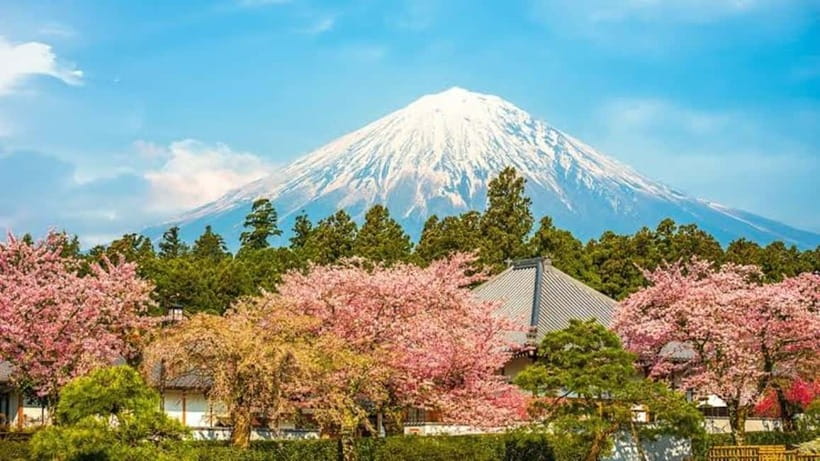
If you’ve ever tried to do Mount Fuji from Tokyo with public transit, you know the trade-off: you can get there, but you spend your energy on transfers and tight time windows. This kind of private tour flips that. You leave Tokyo in an air-conditioned vehicle with an English-speaking driver (English and Hindi are listed), and the day becomes more about where you want to stand than how you get there.
The pickup is one of the practical perks. You can be picked up from a long list of central Tokyo areas, including wards and neighborhoods like Shinjuku, Shibuya, Ikebukuro, Shinjuku City, Minato City, Bunkyo City, Chiyoda City, and more. Drop-off is just as flexible within Tokyo and nearby Kanagawa areas.
Also: this tour is paced for sightseeing, not speed. The day is roughly 10 hours total, and the itinerary leaves room for walking, photo stops, and waiting for the right light or clear conditions. Many stops include both a viewpoint moment and a chance to wander, shop lightly, or just reset your brain between scenic checkpoints.
The main downside is the schedule is full. Even though you’re customizing, you’re still stacking major stops into one day. If you’re the type who wants one relaxed area for half a day (instead of eight quick hits), you may find it a bit much.
You can also read our reviews of more private tours in Tokyo

Itinerary A: Fuji Five Lakes classics, plus Arakurayama, shrine calm, and Oshino Hakkai
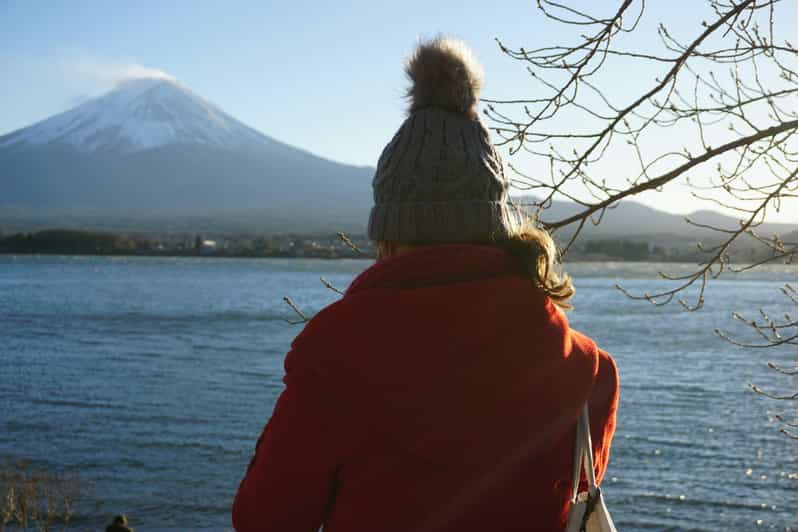
Option A is for you if you want the “most complete Fuji day” feeling. It mixes spiritual stops, high viewpoints, and the Fuji Five Lakes region, ending in a rural-feeling village.
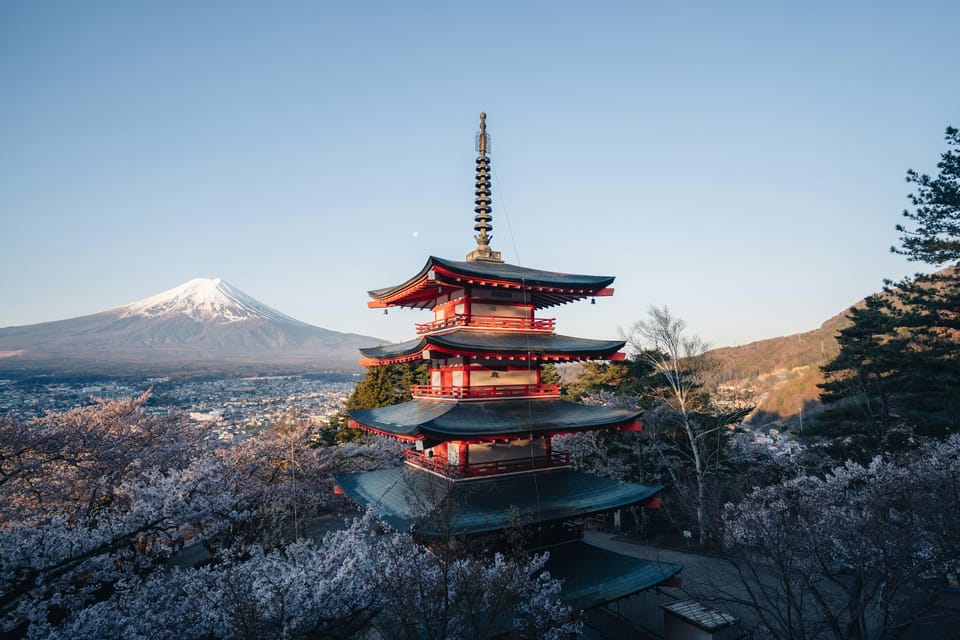
Arakurayama Sengen Park is usually how you start because the payoff is immediate. You get a classic Mount Fuji panorama after walking up through the park. The value here is perspective: it’s not just seeing Fuji from the road; you’re gaining height and angles fast.
Next is Kitaguchi-hongu Fuji Sengen Shrine, a pilgrimage site that connects Fuji to faith and tradition. This stop is shorter (around 35 minutes) but it changes the tone of the day. It’s a good place to slow down, breathe, and watch how locals move through the space.
Then comes the big one: Mount Fuji 5th Station. The itinerary assigns about 50 minutes, but that time matters because altitude view changes quickly with weather and clouds. You’ll have photo opportunities and some shopping around the area. Important reality check: the 5th Station entry fee is not included (listed as 2100¥ for a group up to 9 people). The tour says you can skip the ticket line, which is helpful when you’re trying to maximize time on-site.
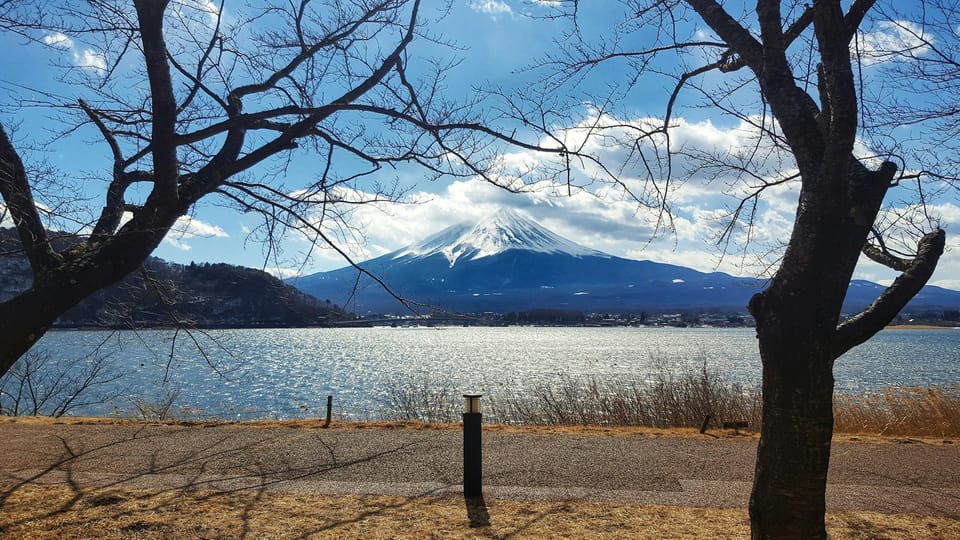
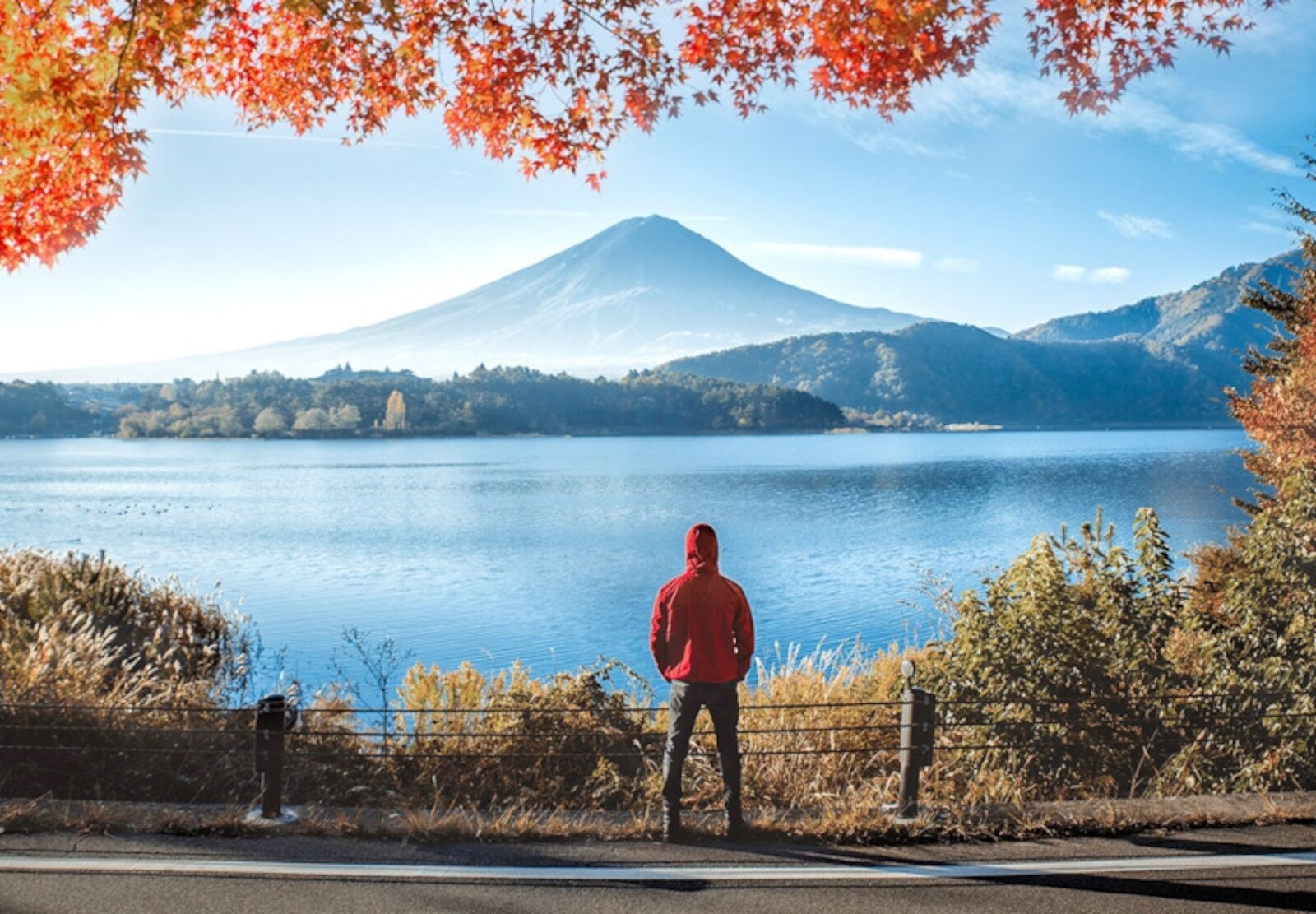
After that, you slide into Lake Kawaguchi. Expect a break plus a mix of viewpoints and a boat element (the schedule mentions a long-tail boat ride as well as a boat cruise, with lunch time built in). The area is designed for that reflective “Fuji in the water” feeling, and even when the sky isn’t perfect, the shoreline views and walking time keep the stop worthwhile.
You’ll also go up by Mount Tenjo via the Mount Fuji Panoramic Ropeway. This is one of those “pay once, get a new angle instantly” moves, and it helps you see the lake and surrounding ridges from above.
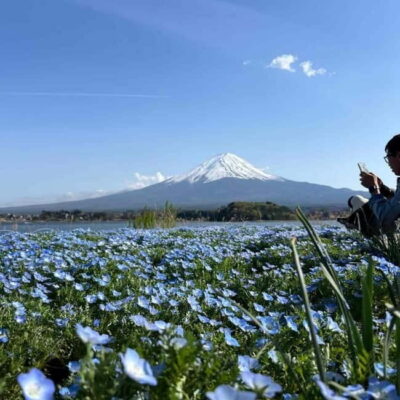
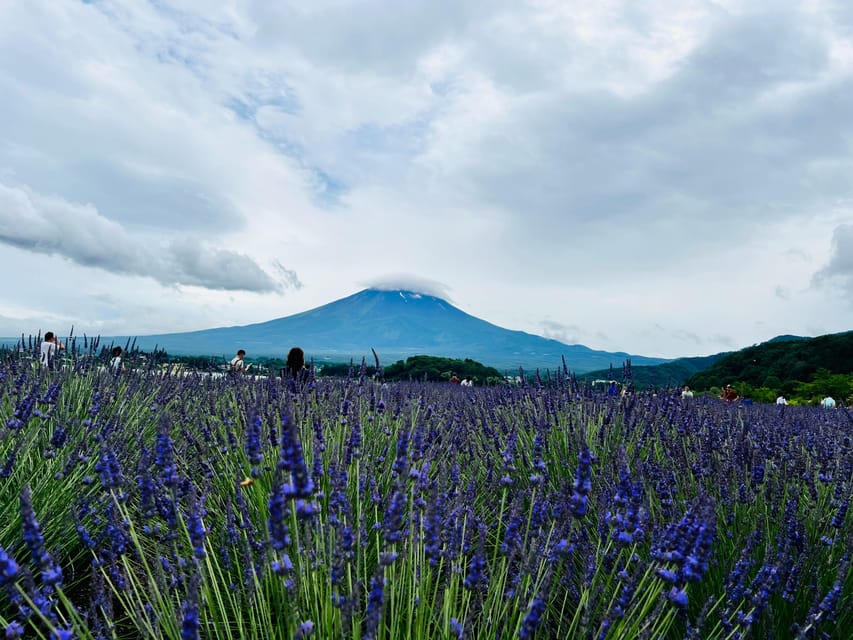
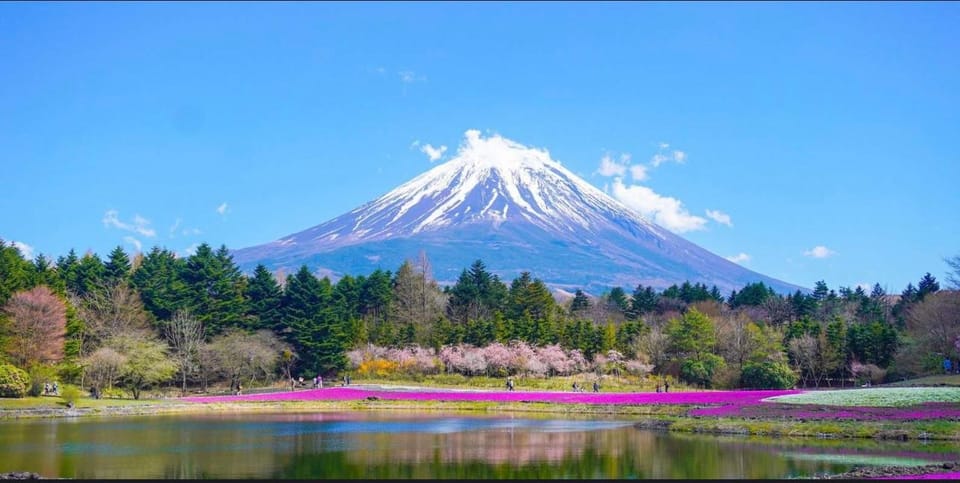
Then Oishi Park adds color and seasonal bloom vibes with Mount Fuji in the background. Even if your timing doesn’t match peak flowers, it’s still a pleasant walking break and a place to grab a simple snack or souvenir without committing to a long detour.
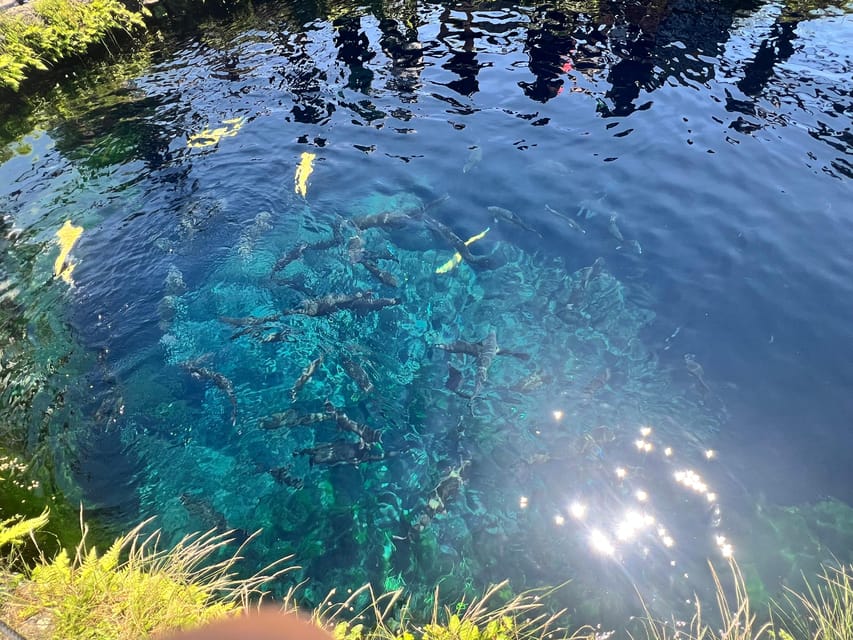
Finally, Oshino Hakkai gives you the village feel. The standout is the cluster of ponds fed by Mount Fuji’s snowmelt. The schedule allows about 45 minutes, which is enough to stroll the paths, take photos, and feel like you’ve stepped out of Tokyo-speed tourism.
Itinerary B: Hakone’s ropeway-and-cruise views, then Open-Air Museum art in nature
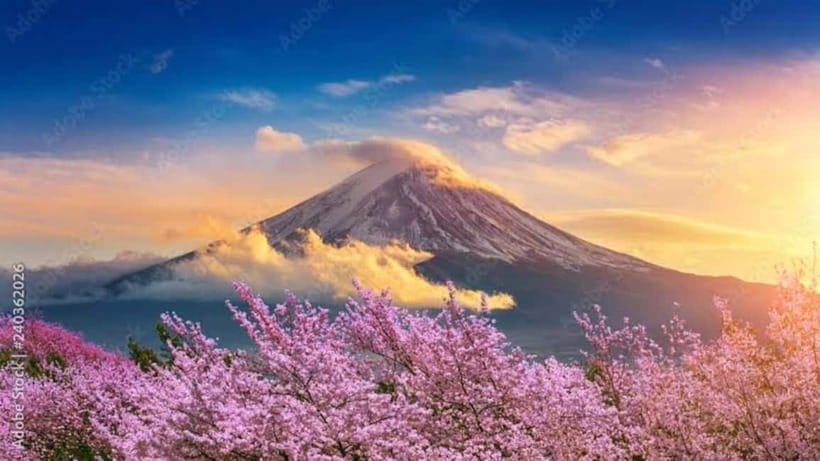
Option B is a smarter pick if you care about variety—especially if you want views plus an easy cultural stop that doesn’t rely on weather.
You still start with Arakurayama Sengen Park, so you’re not giving up that early Mount Fuji panorama chance. Then you continue to Oishi Park again. That overlap is useful: it means you’re still hitting Fuji-region scenery even while the day shifts into Hakone.
The heart of Hakone option is Hakone Ropeway. You’ll ride aerial transport toward the summit of Mount Komagatake (the schedule lists it as part of the experience). The benefit is vertical movement without a long hike. In good visibility, you’ll see valleys and Lake Ashi from above; in thicker conditions, you still get that “moving through the clouds” feeling and the ridgeline views as they open and close.
Next is Hakone sightseeing cruise on Lake Ashi. It’s a calming segment after earlier walking and riding. The schedule notes you can see the famous torii gate of Hakone Shrine from the water. Even if the gate isn’t crystal clear, the atmosphere is the point here: you’re out on the lake, with time to look, breathe, and take photos without constantly changing locations.
Then you wrap with Hakone Open Air Museum, around 50 minutes for a self-guided walk. The tour description pairs art with the natural setting, and the practical value is that this stop is “structured but flexible.” You can take your time with sculptures and paths without feeling rushed by a group timeline.
One drawback to know: if you’re chasing a dramatic, clear Fuji silhouette all day, Hakone can feel a little less direct than the Fuji Five Lakes route. Still, Hakone gives you multiple view systems—sky, water, and museum grounds—so the day rarely turns into dead time.
The stop-by-stop timing that makes this tour feel workable (not rushed)
This tour is built from shorter blocks. That’s the secret. Each place isn’t just a photo line—it includes time to walk, shop a bit, or sit for a breather.
Here’s how that plays out across the most important segments:
- Early morning viewpoints (Arakurayama + shrine): These are quick emotional warm-ups. Arakurayama gives you the big view fast, then the shrine grounds you.
- Midday anchoring (5th Station or Hakone ropeway): These are your “main event” transportation moments. The 5th Station is time-sensitive and season-sensitive; the ropeway depends on visibility but still delivers the ride experience.
- Water time (Lake Kawaguchi or Lake Ashi): You get a pause from walking. Water stops often feel more worth it than another short roadside viewpoint because you’re changing pace.
- Final walk (Oshino Hakkai or Open-Air Museum): You end with a more human-scale environment—either ponds and paths or art gardens and sculpture trails.
Transport-wise, plan for a long day of moving. The itinerary indicates about 2 hours of transfer, and traffic can stretch timing. The tour notes your driver might be up to 30 minutes late due to highway traffic, which is worth factoring into expectations for departure and return.
Also note that the driver is the coordinator, not a formal guide. This is a key value difference: you’re not paying for a lecture every stop. You’re paying for someone who can organize the sequence, manage time, and keep you comfortable while you explore.
Price and logistics: what $483 per group up to 5 is really buying
At $483 per group up to 5 for a 10-hour private day, the price only makes sense if you want privacy and efficiency. Compared to piecing together trains, taxis, ropeways, and entry tickets yourself, you’re effectively buying time, comfort, and an optimized route.
What’s included:
- Hotel pickup and drop-off
- Private transportation in an air-conditioned vehicle
- English-speaking driver
- Fuel and tolls
What costs extra:
- Food and drinks
- Mt Fuji 5th Station entry fee (listed as 2100¥ for group up to 9)
- Activities entry fees (ropeway/cruise/museum-related costs aren’t listed as included)
- Airport pickup/drop-off isn’t included
That cash point is more than a footnote. The tour specifically says you should bring cash, and it also warns that some shops and activities might not accept credit cards. In practice, this matters most around places where you buy small snacks, souvenirs, or pay for access/optional add-ons.
Value tip: if you’re traveling as a small group (up to 5), private transport becomes a strong deal fast. If you’re solo, you’re paying more per seat, but you still get a smoother day and fewer transit headaches.
You can also read our reviews of more tours and experiences in Tokyo
Fuji visibility, the 5th Station seasonal access rule, and how to stay flexible
Mount Fuji is famous for showing up when it wants. The schedule itself anticipates a major access complication: from July 5 to September 11, private vehicles can’t reach the 5th Station, so you’ll need a shuttle bus from the parking lot (the schedule lists the shuttle cost as 1000¥).
This is a big deal because it changes how “direct” the 5th Station experience feels. Instead of simply pulling up close, you’re doing one extra transfer step. If your trip is in that window, go in expecting that the day still works, but the mechanics are different.
Visibility is another practical factor. Even with a perfect plan, clouds can blank out the mountain, and at that point you’ll want your itinerary to have other payoffs (shrines, ropeways, lakes, ponds, and walking areas). The Hakone option can be helpful here because you’re not relying on one viewpoint—your eyes are rewarded by sky rides, water views, and open-air museum grounds.
My advice: build your day around a flexible mindset. If Fuji is hidden, shift from chasing silhouettes to enjoying the walkways, the air, and the regional feel you didn’t come for. It’s less about winning the weather lottery and more about making the day count.
Who should book this private Mount Fuji day, and who should skip it
This tour fits best when you want:
- Privacy and comfort more than structured group time
- The freedom to spend longer at the stops that click for you
- A mix of famous spots and calm breaks without doing logistics
It also tends to work well for people who like photos but don’t want to spend the whole day sprinting between locations. Several guides in the program are specifically praised for helping with photography and finding good spots for angles.
Who should think twice:
- Pregnant travelers (listed as not suitable)
- People over 95 (also listed as not suitable)
Finally, keep your expectations realistic about a “full day.” This is not a slow, two-neighborhood stroll. It’s a curated sightseeing day with walking, waiting, riding, and timing.
Should you book it? A simple decision guide
Book this tour if you’re aiming for a Mount Fuji day that feels comfortable, timed, and customizable—and you want your own pace without the stress of trains.
Don’t book it if you only care about one single view and you’re likely to feel disappointed when cloud cover hides the mountain. In that case, you might prefer a trip with more buffer days, or a base-stay approach where you can try again tomorrow.
If you do book, do this and you’ll be happier:
- Bring cash for entry fees and any extras you decide on
- Wear comfortable shoes for walking (parks, lake areas, and museum paths add up)
- Choose Option A for a classic Fuji arc, Option B for more Hakone variety and water/sky experiences
- If your trip includes July 5 to Sept 11, mentally budget for the shuttle step to the 5th Station
FAQ
What’s the price for this Mount Fuji full-day private tour?
It costs $483 per group and is designed for up to 5 people.
How long is the tour?
The tour runs about 10 hours.
What’s included in the price?
You get hotel pickup and drop-off, private air-conditioned transportation, an English-speaking driver, and fuel and tolls.
What costs extra during the day?
Food and drinks are not included. Also, the Mt Fuji 5th Station entry fee is extra (listed as 2100¥), and activities entry fees may also be additional.
Where can I be picked up and dropped off?
You can be picked up from many central Tokyo locations listed by the provider, and you can be dropped off at multiple Tokyo areas (including some neighborhoods and wards) as well as parts of Kanagawa.
Are there any seasonal access limits?
Yes. From July 5 to September 11, private vehicles can’t reach the 5th Station, so you’ll use a shuttle bus from the parking lot (listed as 1000¥).