REVIEW · TOKYO
Ikebukuro Anime and Game Culture Experience Tour
Book on Viator →Operated by KOIKOI JAPAN CULTURE TOURS · Bookable on Viator
Ikebukuro turns culture-nerd volume way up fast. This 3-hour anime and game culture walk focuses on hands-on stops like a retro arcade and purikura, plus the kind of character-shopping that Tokyo does better than anywhere else. I especially like the mix of throwback games at Ikebukuro Mikado Game Center and the included purikura photo booth at namco Ikebukuroten. One drawback to consider: it’s short, so you’ll need to move with the group and keep spending focused, since game play and gachapon prizes cost extra.
The tour also keeps things organized with a small group size (max 7), a mobile ticket, and a guide who strings together pop-culture landmarks with quick context so the stops feel more than random name-drops. If you’re already mapping your Ikebukuro day, this is a nice way to avoid decision fatigue and get the must-see hits in a tight loop.
It works best when you treat this like a sampler platter: you’ll have time for photos and one photo booth experience, but not for hours of browsing. If you want long shopping marathons or deep game-playing breaks, you may prefer building a longer DIY day around Ikebukuro’s stores.
In This Review
- Key things to know before you start
- Getting Oriented in Ikebukuro: where you meet and where you end
- Ikebukuro Mikado Game Center: retro arcade fun with zero admission pressure
- The Toshima treble clef monument: a quick pause with real neighborhood meaning
- Animate Ikebukuro Main Store: the world-scale anime shop you pass through twice
- namco Ikebukuroten purikura: the photo booth that actually becomes a souvenir
- HoneyHoney Ikebukuro maid café: the included drink and the maid photo
- Gashapon Ikebukuro Sohonten: 3,000 machines and a budget check
- Pokémon Mega Center Tokyo: quick in-and-out decisions with exclusive merch
- The value math: how $84.70 turns into real inclusions
- Who should book this Ikebukuro anime and game culture tour
- Should you book this Ikebukuro tour or build your own day?
- FAQ
- What’s the duration of the Ikebukuro Anime and Game Culture Experience Tour?
- How much does the tour cost?
- What’s included in the tour price?
- Are arcade games and gachapon included?
- Is the tour ticket mobile?
- Where do you meet, and where does the tour end?
- Can I take photos at the maid café?
- Can I cancel for a refund?
Key things to know before you start
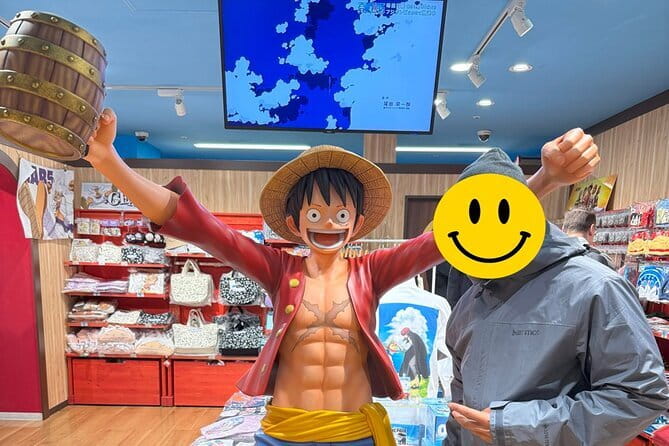
- Small group (up to 7): easier pace for photos, arcade questions, and one-on-one guidance.
- 3 hours is tight: you’ll do a lot of stops, so wear comfy shoes and be ready to walk.
- Included highlights: maid café drink plus a maid photo, and one purikura experience.
- Spending is optional but real: gachapon costs and arcade play fees are separate.
- Photo rules can vary: some cafés may not allow photos, even if yours is included.
- You can end with options: Sunshine City, Animate Ikebukuro Main Store, or Ikebukuro Station.
Getting Oriented in Ikebukuro: where you meet and where you end
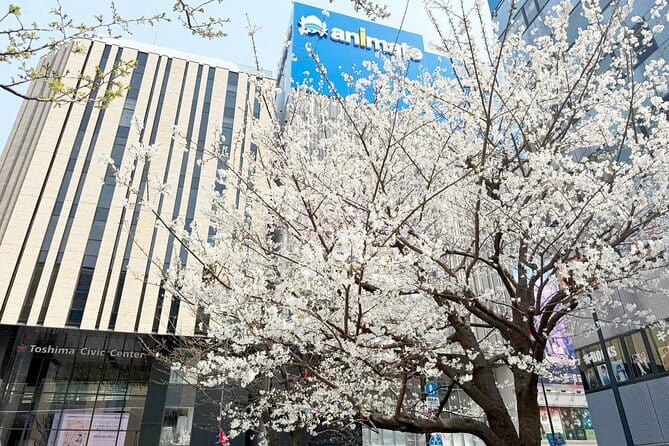
You start at Toshima Kuritsu Ikebukuro Ekimae Park, near Ikebukuro Station, which is convenient because you can reach it by public transit without a complicated transfer. The tour ends at Ikebukuro Station, but you get a bit of flexibility at the close: your guide can help you get to Sunshine City, Animate Ikebukuro Main Store, or simply back to Ikebukuro Station.
This matters because Ikebukuro is one of those neighborhoods where every train stop is basically a portal into another micro-world. A tour that drops you in the right location for your next move saves time, especially if you’re trying to layer on another stop afterward.
Timing is also part of the deal: at about 3 hours, the itinerary is built for quick entry and fast decisions. Plan to keep your gear light. If you’re carrying big shopping bags, you’ll feel it during the walks between stops.
And because the tour runs in a small group, you’ll likely get to ask practical questions as you go. That’s a real advantage in pop-culture shopping districts where signage can be overwhelming if you’re trying to figure it out alone.
You can also read our reviews of more tours and experiences in Tokyo.



Ikebukuro Mikado Game Center: retro arcade fun with zero admission pressure
The retro-game centerpiece is Ikebukuro Mikado Game Center. You get around 20 minutes here, and the good news is the admission ticket is listed as free. That’s a big value point because arcades can add up fast once you start feeding coins.
This is the spot for 1980s and 1990s arcade culture. If you like the feel of classic cabinets and want the era’s vibe—motion, sounds, and the slightly chaotic joy of button-mashing—this is the stop built for that.
In past experiences shared with the operator, the arcade time has been a highlight, especially for playing with others. One favorite moment involved co-op play, including rhythm-game-style controls and competitive rounds that made the group laugh at the intensity. Even if you’re not chasing scoreboards, arcade co-op is often the fastest way to feel like you’re participating instead of just watching.
Practical tip: since game play fees aren’t included, I’d set a small spending limit in your head before you arrive. That way you can enjoy a few cabinets without turning the arcade into an expensive blur.
The Toshima treble clef monument: a quick pause with real neighborhood meaning
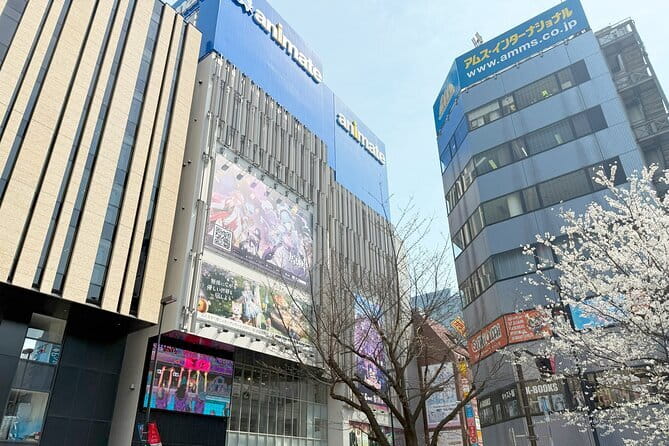
Between pop-culture storefronts, there’s a moment of civic symbolism: a treble clef-shaped monument that represents the culture and dignity of Toshima City. It was erected to commemorate the 70th anniversary of Toshima City, and it connects to the citizens’ song, Toshima Mi… (the tour references the song tied to local identity).
This stop is short, so you won’t get a lecture-fest. But I like including these small landmarks because they ground the day. Ikebukuro is often framed only as anime and shopping, yet the district is still a normal city neighborhood with its own pride and history.
Think of it as a reset button. After arcade noise, it’s a calm visual break, and it gives you something to photograph that isn’t another character poster or branded display.
It also helps you understand the district’s “future-facing” attitude. The monument is meant to commemorate a civic milestone, not just style points.
Animate Ikebukuro Main Store: the world-scale anime shop you pass through twice
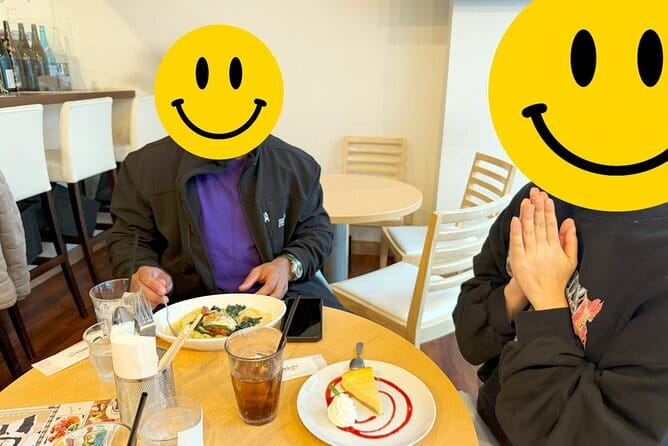
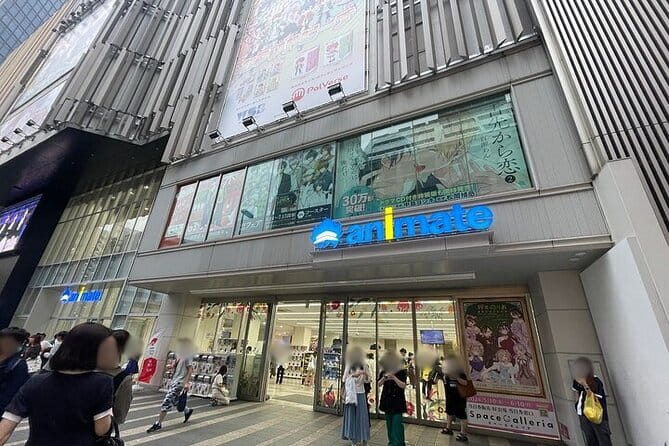
Animate Ikebukuro Main Store is a famous name in anime shopping. The tour route is designed so you pass by it, and the information explicitly calls it one of Japan’s 88 Anime Pilgrimage Sites. It’s also described as the world’s largest anime shop, which is exactly the kind of claim that usually matters more once you see the scale.
You do get a pass-by both in the outward flow and again on the way back, which is handy. It means you don’t have to commit to a long browse at the exact moment you arrive. You can get oriented first, then later decide if you want to spend time (and money) there.
A practical drawback: when a shop is huge, it can eat your attention. If you’re traveling on a tight timetable, it’s easy to wander for 45 minutes and suddenly realize the tour schedule is moving without you. Treat Animate as a navigation landmark. If you want to buy something, do it quickly or save your deeper browsing for a separate longer outing.
Still, even a quick look tells you a lot about how anime retail works in Japan: sections are organized, merchandise feels current, and fans often treat the store like a social destination.
namco Ikebukuroten purikura: the photo booth that actually becomes a souvenir
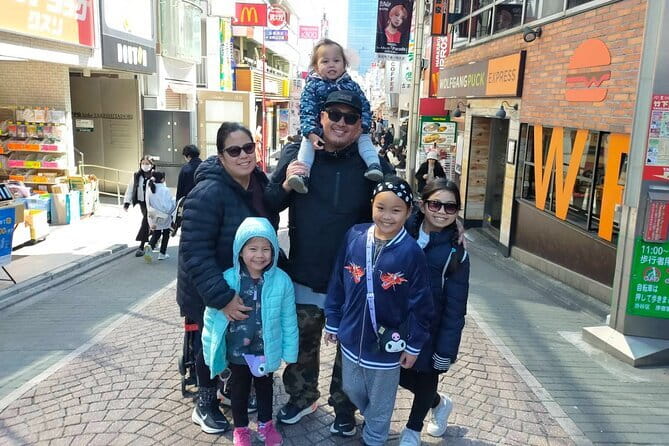
Next is namco Ikebukuroten, described as a purikura specialty store and noted as the largest in the area. You’ll spend about 30 minutes here, and the big win is that one amusement photo booth experience is included.
Purikura matters because it’s not just a photo. It’s an interactive print club style experience where you get the character-meets-fashion edit, and you walk away with something physical you can keep. If you like taking home small mementos rather than relying on phone photos, this is one of the most satisfying included stops.
Purikura is also a social equalizer. Even if your Japanese is basic, you can follow the steps and make it work with the visuals and the help of the machines. If you’re traveling solo, it’s one of the few activities where you can still feel part of the group rhythm because everyone finishes with their printed set.
Reality check: purikura machines can be addictive. Since only one experience is included, I’d enjoy the first one, then decide on extras only if your budget allows.




HoneyHoney Ikebukuro maid café: the included drink and the maid photo
HoneyHoney Ikebukuro is where the tour leans into a very specific Japanese experience: an authentic maid café atmosphere. You’ll have about 40 minutes here, and the inclusions say you get a drink plus a photo with the maid.
This is a fun stop if you enjoy performances that are role-based rather than just a theme. Maid cafés are built around interaction—greeting, serving, and a kind of scripted warmth. Even if you’re mainly there for the novelty, the structured service makes it easy to participate.
The practical consideration is in the note: some cafés may not allow photos. Your included photo experience is listed, but rules can vary. If photography matters to you, I’d arrive mentally ready to accept that it might be limited in practice.
What I like is the balance: the tour doesn’t only point you at stores. It gives you one hosted experience where you sit, order the included drink, and get the photo element handled. In a day full of shopping, that break is also genuinely refreshing.
Gashapon Ikebukuro Sohonten: 3,000 machines and a budget check
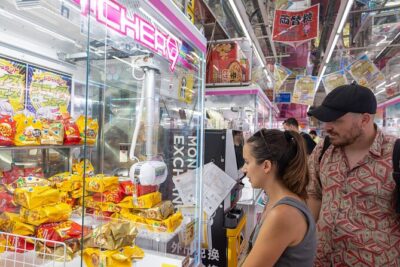
Gashapon shopping is pure Ikebukuro energy. The stop at Gashapon Ikebukuro Sohonten is described as a major gashapon specialty store with around 3,000 machines. The admission ticket is listed as free, which keeps the experience from feeling like yet another pay-to-enter setup.
Here’s the key value point: the tour gives you access to the selection and the know-how of where to look. But the actual cost of the prizes is not included. Gachapon costs are available for purchase, and the number of machines means you can easily lose track of how many rounds you’re spending on.
If you like collecting, set a goal before you start. For example: one capsule for a specific character you care about, or one random fun pick as your souvenir. That turns the store from an endless temptation into a satisfying hunt.
Also, these stores are often visually busy. Take a quick scan first. Then pick machines based on the themes you want, not just the loudest displays.
This stop is best for people who enjoy surprises and small collectible objects more than people who only want a single big purchase.
Pokémon Mega Center Tokyo: quick in-and-out decisions with exclusive merch
Pokémon fans get a clear payoff with a stop at Pokémon Mega Center Tokyo. It’s described as a must-visit shop with the latest Pokémon merchandise and exclusive items, and it’s popular with tourists.
You’ll spend about 20 minutes here, so this is not the stop for slow browsing marathons. It’s for smart choices: if you know what you want, you can grab it fast; if you don’t, you’ll still leave with something because the store is merchandise-forward.
What makes it worth a place on the tour is the time-saver. Buying Pokémon merch in Tokyo can mean comparing lots of shops. With this stop included, you concentrate your shopping into one place.
Practical tip: if you’re sensitive to packing space, decide whether you’re buying items you’ll use (like small accessories or stationery) or items you’ll mostly display (bigger figures). The tour timeline doesn’t support heavy tote expansions.
The value math: how $84.70 turns into real inclusions
At $84.70 per person for about 3 hours, the value comes from what’s actually included, not just from the shopping names. Your tour includes a guide for the full run and specific paid experiences: a drink and a photo with the maid café, plus one purikura photo booth experience.
Meanwhile, several other stops are handled without paid admissions in the information provided: Mikado’s retro arcade admission ticket is free, and both Gashapon and Pokémon Mega Center list free admission tickets. That means your money concentrates on experiences rather than entry fees.
Not included is also important: additional meals and drinks cost extra, gachapon costs are extra, and game play fees are extra. So, if you plan to spend heavily on arcade rounds and multiple gachapon capsules, the tour price is only part of your total day budget.
I’d think of it like this: you’re paying for organization and a set of guaranteed pop-culture experiences, with optional spending layered on top. That usually feels fair in Tokyo, where DIY days often turn into lots of wasted time figuring out what’s worth it.
Who should book this Ikebukuro anime and game culture tour
This tour is a strong fit if you want anime and game culture without building a complicated itinerary. It’s also a good choice for families with children, since the schedule is structured around friendly, public places with clear activities like arcade play and photo booths.
It’s especially good for:
- Pokémon fans who want a focused merch stop
- Arcade lovers who like classic cabinets and co-op play energy
- Purikura fans who want a printed souvenir, not just phone photos
- People curious about Japanese pop-culture service experiences, like a maid café
It might be less ideal if you hate quick transitions. The day is only 3 hours, and you’ll keep moving. Also, if you’re allergic to photo rules uncertainty, I’d treat the maid café photo inclusion as a possibility that depends on what the café allows in that moment.
Best approach: go in with a few must-do priorities, then let the rest be bonus fun.
Should you book this Ikebukuro tour or build your own day?
Book this tour if you want an efficient, small-group way to hit the most recognizable anime and game stops in Ikebukuro, with included experiences that are hard to replicate without planning (maid café drink plus maid photo, and a purikura session).
Consider building your own day instead if you want hours of free-form browsing, you’re planning to play lots of arcade games, or you want to chase specific store inventory without group time limits.
One more practical point: these tours are booked about 47 days in advance on average. If Ikebukuro is a top priority for your trip, I’d reserve it early rather than hoping your timing magically lines up.
If you want the best of Ikebukuro’s pop-culture flavor in a short window, this is a solid call.
FAQ
What’s the duration of the Ikebukuro Anime and Game Culture Experience Tour?
It runs for about 3 hours.
How much does the tour cost?
The price is $84.70 per person.
What’s included in the tour price?
A guide for 3 hours, a drink and a photo with the maid at the café, and one purikura (photo booth) experience.
Are arcade games and gachapon included?
No. Game play fees and gachapon costs are available for purchase and are not included.
Is the tour ticket mobile?
Yes. The tour uses a mobile ticket.
Where do you meet, and where does the tour end?
You start at Toshima Kuritsu Ikebukuro Ekimae Park. The tour ends at Ikebukuro Station, and you may be able to be dropped off at Sunshine City, Animate Ikebukuro Main Store, or Ikebukuro Station.
Can I take photos at the maid café?
The tour includes a photo with the maid, but some cafés may not allow photos. It’s something to be aware of before you go in.
Can I cancel for a refund?
Yes. Free cancellation is available up to 24 hours in advance for a full refund.