REVIEW · TOKYO
Tokyo: Private Vintage Shopping Tour in near Shibuya
Book on GetYourGuide →Operated by gotcha Corporation · Bookable on GetYourGuide
Shimokitazawa makes vintage hunting fun fast. This private 2-hour Tokyo outing takes you to three vintage stores near Shibuya so you can browse smarter and leave with real favorites, not just random piles. I like the way the guide helps you pick what fits your taste, and I also like that you get to compare multiple shops in one tight walk. One thing to consider: the tour fee covers the guide, not the shopping, so you’ll still need a separate budget for items you buy.
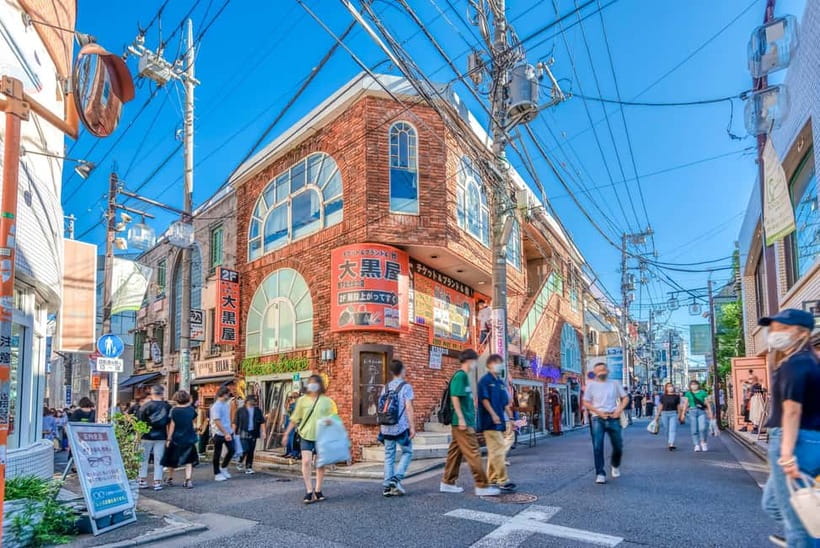
You’ll meet at THE STANDARD BAKERS at Shimokitazawa station (Odakyu line / Keio Inokashira line) and spend the session in the vintage-shopping lanes of Shimokitazawa, a short ride from both Shibuya and Shinjuku. If you tell your guide what you want ahead of time, you can usually aim your time better than wandering alone while your feet quietly file a complaint.
In This Review
- Key things to know before you go
- Why Shimokitazawa is the right place for vintage shopping near Shibuya
- Meeting at THE STANDARD BAKERS: getting there without stress
- The private 2-hour flow: three vintage stops with flexibility
- What happens inside the stores: how to shop smart in Japan’s vintage lanes
- A practical strategy you can use during the tour
- Finding your style: telling the guide what you want
- The part many people forget: leaving room for smaller shops
- Price and value: why $50 can make sense (if you budget for shopping)
- Who this tour fits best
- What to watch out for: vintage selection can be uneven
- Should you book this Shimokitazawa vintage shopping tour?
- FAQ
- How long is the private vintage shopping tour?
- How many vintage stores will we visit?
- Is the tour price $50 per person?
- What is included in the tour fee?
- What is not included?
- Where do we meet the guide?
- Do you provide an English guide?
- Is the group private?
- Can I cancel for a refund?
Key things to know before you go
- Meet at Shimokitazawa station by THE STANDARD BAKERS, making it easy to start without a long hotel pickup
- Three vintage stores in about two hours, a good pace for focused browsing
- Private group means the guide can adjust to what you’re actually looking for
- Ask for specific genres in advance, and your route can tilt toward your style
- You may spot independent shops with small, fun finds like stickers and bags between the main vintage stops
- Guides you might get include Misha, Ria, and Maki, and they’re described as easy to talk to and patient
Why Shimokitazawa is the right place for vintage shopping near Shibuya
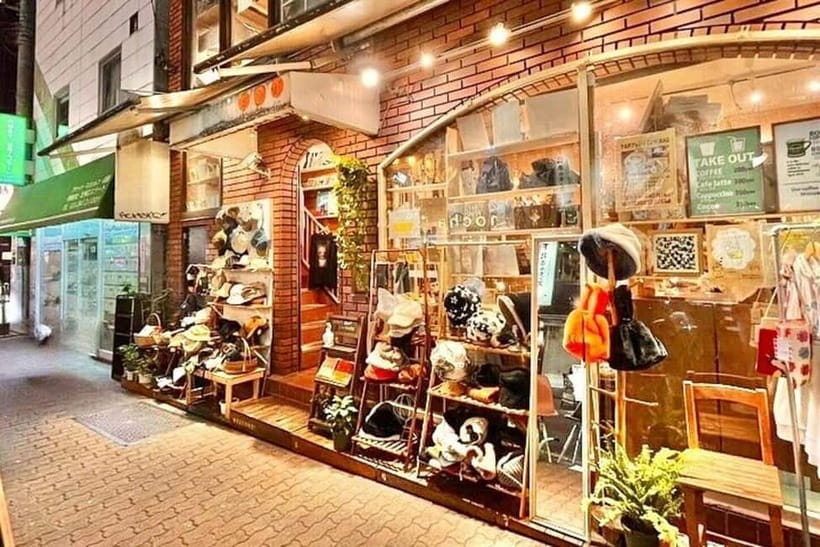
If you’re doing Tokyo for the first time, it’s easy to waste time. You arrive in the city, pick a neighborhood, then spend hours walking with no plan—cool for a mood, frustrating for a mission. Shimokitazawa solves that. It’s known for vintage shopping, and it’s close enough to Shibuya that you can treat it like a short detour instead of a full day project.
The practical sweet spot here is location. You’re going to Shimokitazawa, and it’s roughly 10 minutes from Shibuya and 15 minutes from Shinjuku. That matters because vintage shopping can be foot-heavy, and two hours is a real limit. This tour gives you a tight timeline plus local guidance, so you can focus on what you want rather than what you’ll stumble into.
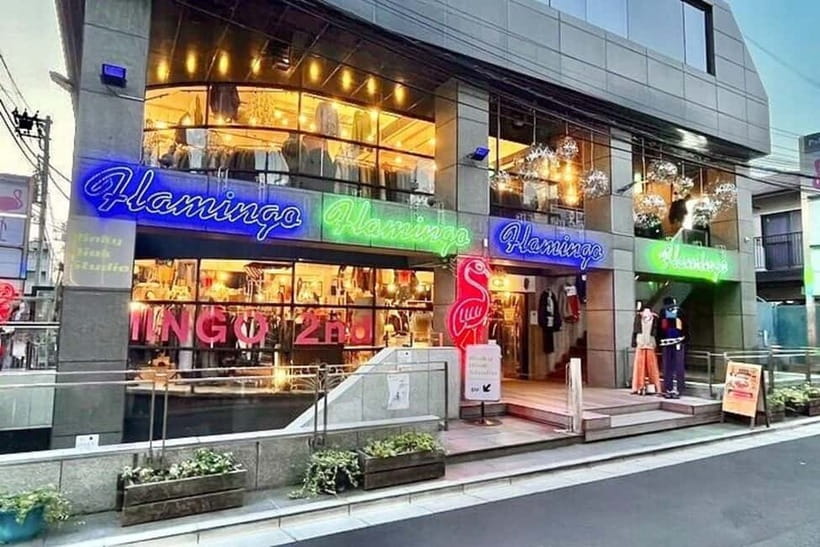
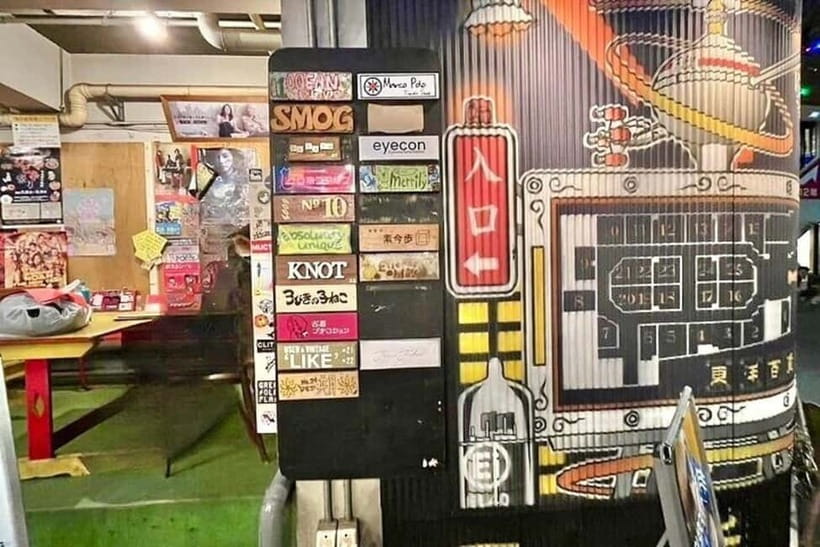
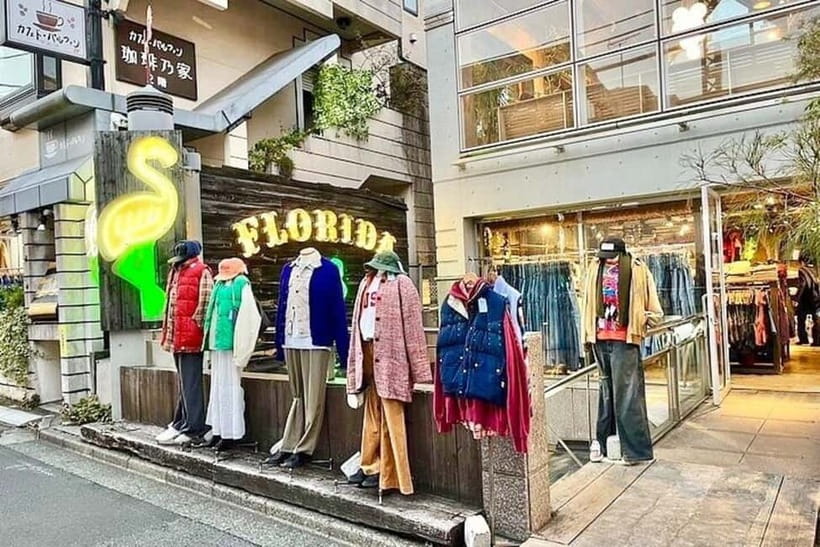
Shimokitazawa also tends to feel like a neighborhood where fashion-meets-quirky accessories. Between vintage stores, you can run into smaller shops with oddball items—think stickers and bags alongside the clothing. That’s a big deal if you like collecting small Tokyo souvenirs that still feel personal.
You can also read our reviews of more private tours in Tokyo



Meeting at THE STANDARD BAKERS: getting there without stress
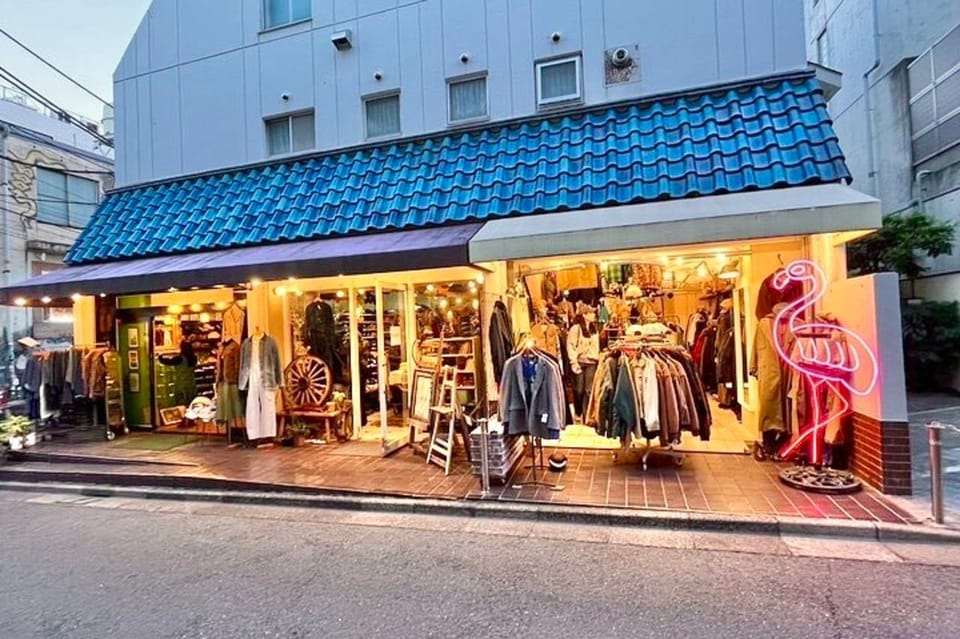
You start at a clear, easy-to-find point: in front of THE STANDARD BAKERS at Shimokitazawa station. The lines listed are the Odakyu line and the Keio Inokashira line, which is exactly what you need if you’re mapping your day.
Because hotel pickup and drop-off aren’t included, you’ll want to plan your arrival like you would for any neighborhood walk—show up, meet the guide, and go. My advice is simple: arrive a few minutes early, grab water if you need it, and wear shoes you can stand in. Two hours of browsing sounds short until you’re crouching to inspect hems and flipping through racks.
Also, keep your expectations aligned with a neighborhood meet point. This isn’t the kind of tour where someone escorts you from your hotel door. It’s a short, efficient “start here, shop now” format. If you like independence but want a guide to take the guesswork out, that’s a good match.
The private 2-hour flow: three vintage stops with flexibility
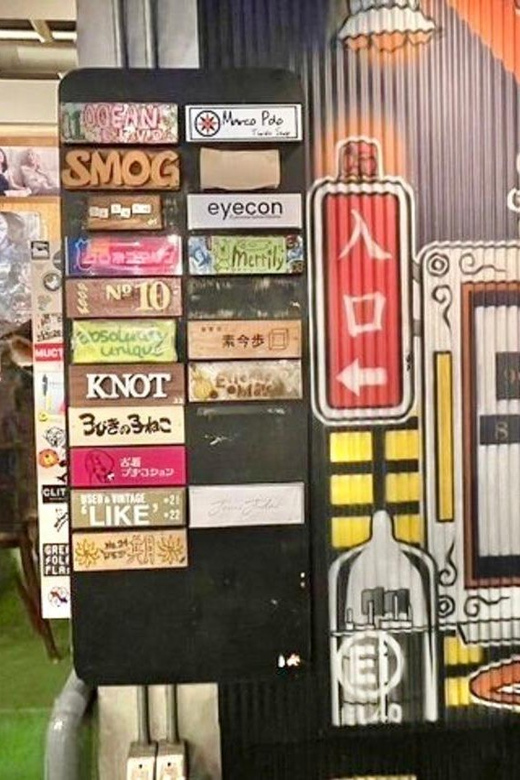
The headline promise is straightforward: you’ll visit three different vintage stores during the 2-hour experience. In practice, that structure is what makes the tour feel worth it. Three stops is enough variety to compare styles and prices, but not so many that you lose the thread.
Because it’s private, you’re not stuck with a pace set by strangers. The guide can adjust based on what you’re responding to on the racks. If you’re chasing a specific item category—shirts, jackets, tees—your route should lean toward shops where you’ll likely find more of that.
There’s also a built-in option: the tour is planned around three stores, but since it’s private, you can ask to go to another good store if the timing and the group fit. That’s useful if you hit your stride early and don’t want to end the hunt just because the “standard” plan is done.
One more detail that’s easy to miss: the tour often focuses on bigger shops first. That’s not a drawback by default; larger stores usually have the breadth to help you learn what you like fast. The benefit is that later, you can slow down and double back to smaller spots if you spot something you want to think about, then return when you’re ready.
What happens inside the stores: how to shop smart in Japan’s vintage lanes
Vintage shopping sounds casual, but good vintage shopping is part scouting, part pattern recognition. The biggest value of this tour isn’t that someone points at clothes. It’s that you get help turning browsing into decisions.
Here’s how the experience tends to play out:
- You look through a shop with guidance on what to pay attention to.
- You get a feel for the store’s style and quality level.
- Then you repeat that in a second and third store, so you can compare without wasting hours bouncing randomly.
You’ll likely see a mix of vintage clothing and accessories, plus small local shops mixed in around the main stops. From the experiences shared, the indie side streets can include fun extras like stickers and bags alongside more traditional vintage racks. Those are the kinds of items that make the day feel less like shopping and more like exploring.
A practical strategy you can use during the tour
If you want the session to actually change what’s in your suitcase, use this rhythm:
- Pick one “maybe” item in each store instead of trying to decide everything at once.
- Have the guide help you narrow to what fits your taste and your real travel life.
- Save the final decision for the end, once you’ve seen how similar pieces compare across stores.
Also, bring your standards. A lot of vintage pieces are one-of-a-kind. If a jacket fits right but the price stings, don’t panic—focus on whether it’s something you’ll wear right away, not something that looks good in theory.
You can also read our reviews of more shopping tours in Tokyo




Finding your style: telling the guide what you want
One of the most helpful parts of this tour is that it works best when you communicate your preferences. The tour info explicitly encourages it, and the way the guides are described makes that feel real. If you arrive saying what you like—your genre, your favorite era, your go-to brands or vibes—you’re more likely to hit stores that match instead of spending the two hours zigzagging.
In the experiences shared, guides like Misha, Ria, and Maki are described as easy to talk to and patient, and that matters more than you’d think. Vintage shopping often involves lots of small questions: Does this cut suit me? Is this material wearable in real weather? Will I regret not buying it?
A good guide also helps you see the neighborhood’s variety. One person found conversation points in their backgrounds. Another ended up with a mix of fashion and playful items like stickers and even a specific band-themed tee. The point isn’t what the item was. It’s that the guide can adapt to your interests, not force you into a single shopping lane.
If you’re traveling with a child, this format can also feel more relaxed than a group tour. A guide can stay patient and guide you to options that are fun and age-appropriate while still covering real vintage stores.
The part many people forget: leaving room for smaller shops
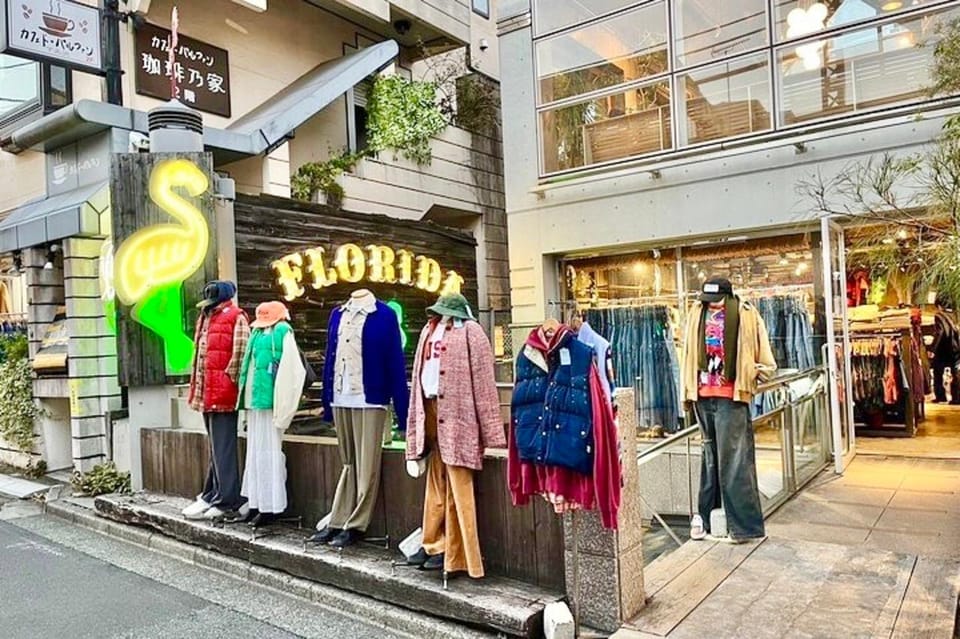
The tour’s core promise is three vintage stores, but the most satisfying moments sometimes come from the in-between. In one shared experience, the tour ended up mostly focusing on bigger shops, which gave time to then double back into smaller ones at the end. That’s a smart approach: big stores give breadth, small stores give personality.
Here’s how to use that for your benefit:
- Don’t force a full shopping decision at Stop 1 or Stop 2.
- Watch for the smaller shops that look like they could have the oddball piece you’ll love later.
- If you see something you like but aren’t sure, keep mental note—then revisit if there’s time.
Even if you’re not buying clothing, those smaller shops can still add value. Stickers and bags can be easy wins, especially if you want souvenirs that won’t take up half your luggage.
Price and value: why $50 can make sense (if you budget for shopping)
The tour price is $50 per person for two hours, and it includes all fees and taxes. What’s not included is equally important: shopping costs and hotel pickup/drop-off.
So is it worth it? The honest answer depends on how you like to shop.
If you enjoy vintage but hate the planning part, the tour can be good value because it reduces wasted time. You’re paying for guidance that helps you:
- get to the right stores fast,
- spend time in places that fit what you want,
- and compare multiple shops in a short window.
If you’re only browsing and you’re unlikely to buy anything, the value is more personal. You might still enjoy it as a neighborhood introduction. But financially, it’s best if you expect to purchase at least one item—or if you’ll seriously consider a couple of things before deciding.
One more value detail: because it’s private, your time is your own. You’re not sharing the guide’s attention with a bigger crowd, so the direction you get can feel more tailored.
Who this tour fits best
This tour is a strong match if:
- You want to shop vintage in Tokyo without doing the research yourself.
- You like the idea of three different stores in one outing instead of wandering for hours.
- You know the kind of item you want and want help finding it.
- You prefer a private group pace, especially if you’re shopping with someone else.
It’s also a good fit if you’re the type who enjoys chatting while you browse. The guide tone described—down to earth, friendly, patient—suggests it’s not just a transaction. It’s more like shopping with someone who knows the neighborhood and how to help you make decisions.
If you’re visiting for a short time and already planning to see classic sights elsewhere, this can be an easy way to add a stylish Tokyo experience without sacrificing your whole day.
What to watch out for: vintage selection can be uneven
Vintage is never a guaranteed checklist. Even with a guide, the stock depends on what’s out that day.
One consideration worth keeping in mind: there may not always be huge selection in every clothing category. One shared experience noted there weren’t many one-piece dresses, even though other items were fun and worth admiring. So if you’re traveling with a very specific wardrobe need—like multiple dresses, or a narrow size range—you might want to temper expectations and treat this as a find-it-when-it’s-right kind of shopping trip.
Also, because you’ll be shopping, your time and energy can swing based on what you find. The tour structure helps, but vintage browsing can stretch. Wear comfortable clothing, keep your priorities straight, and remember that leaving some room for indecision is part of vintage fun.
Should you book this Shimokitazawa vintage shopping tour?
I’d book it if you want a Tokyo vintage day that feels efficient and personal. The meeting point is clear, the timing is tight, and the format—three stores with a live English guide in a private setting—gives you a higher chance of leaving with items you genuinely like.
Skip it or rethink it if you’re not planning to shop at all, or if you’re hoping for a guaranteed specialty category. Vintage is still vintage: you’re hunting, not ordering.
If you do book, send your guide your interests ahead of time. Then use the tour pace like a shopping tool: compare across stores, keep a short list of maybes, and revisit smaller options if the day still has energy.
FAQ
How long is the private vintage shopping tour?
It lasts 2 hours.
How many vintage stores will we visit?
You’ll visit 3 different vintage stores.
Is the tour price $50 per person?
Yes. The price is $50 per person.
What is included in the tour fee?
The tour includes all fees and taxes.
What is not included?
Shopping costs are not included, and there is no hotel pickup or drop-off.
Where do we meet the guide?
Meet up in front of THE STANDARD BAKERS at Shimokitazawa station.
Do you provide an English guide?
Yes. The tour has a live English guide.
Is the group private?
Yes. It’s a private group.
Can I cancel for a refund?
Yes. You can cancel up to 24 hours in advance for a full refund.
If you want, tell me what kinds of items you’re hunting for (shirts, tees, denim, bags, band merch, etc.) and whether you’re shopping for yourself or someone else. I can suggest a simple wish-list approach to get the most out of the 2 hours.