REVIEW · TOKYO
From Tokyo: Must-Visit Mount Fuji Highlight Full-Day Tour
Book on GetYourGuide →Operated by JTOURSTORY · Bookable on GetYourGuide
Fuji day trips can make or break your Japan. I love that this tour gives you two scenic routes to tailor the day, and it stacks the classic photo spots like Chureito Pagoda and Lake Kawaguchi. The tradeoff is a long coach day with short stops, so you’ll want decent walking shoes and a plan for snacking.
Guides can make a real difference here. Names like Kei and Goldie show up again and again in the way people describe the day: clear directions, good timing, and smart photo guidance. One more consideration: Japan’s 10-hour vehicle limit can affect how the day runs, so your guide may adjust the flow if traffic or weather changes.
In This Review
- Key Things That Make This Mount Fuji Tour Worth Your Day
- The Real Value: What $69 Buys You Beyond the Fuji Photos
- Two Route Choices: Course A for the Classic Shot, Course B for the Slower Scenes
- Course A (Highlight Photo Spots)
- Course B (Signature Scenic Spots)
- Coach Day Reality Check: Timing, Group Size, and the 10-Hour Vehicle Rule
- Arakurayama Sengen Park and Chureito Pagoda: The Postcard Start (With Steps)
- Honcho Street and the Lawson Fujikawaguchiko Photo Moment
- Lake Kawaguchi and Oishi Park: Reflections and Flower-Season Color
- Shiraito Waterfall Break: A Cooling Stop That’s Also a Reset
- Oshino Hakkai: The Eight Ponds That Make Fuji Feel Close
- Lake Yamanaka and Hirano Beach: Finishing on Wider Views
- Mt. Fuji World Heritage Centre (And the Museum/Cafe Time Option)
- Obuchi Sasaba Tea Plantation: Where Green Meets Snow-Capped Peaks
- Food Strategy: No Meals Included, So Travel Like a Local
- When You’ll See Fuji (And When You Won’t)
- Who This Tour Suits Best (And Who Should Rethink)
- Should You Book This Mount Fuji Tour From Tokyo?
- FAQ
- How long is the tour?
- Is round-trip transportation included?
- What languages are the guides?
- What are the two route options?
- Are meals included?
- What should I bring?
- Where is the meeting point?
- Is there free cancellation?
- Is this tour stroller-friendly or wheelchair-accessible?
- Can the itinerary change on the day?
Key Things That Make This Mount Fuji Tour Worth Your Day
- Two distinct route styles so you can pick postcard Fuji or calmer pond-and-museum vibes
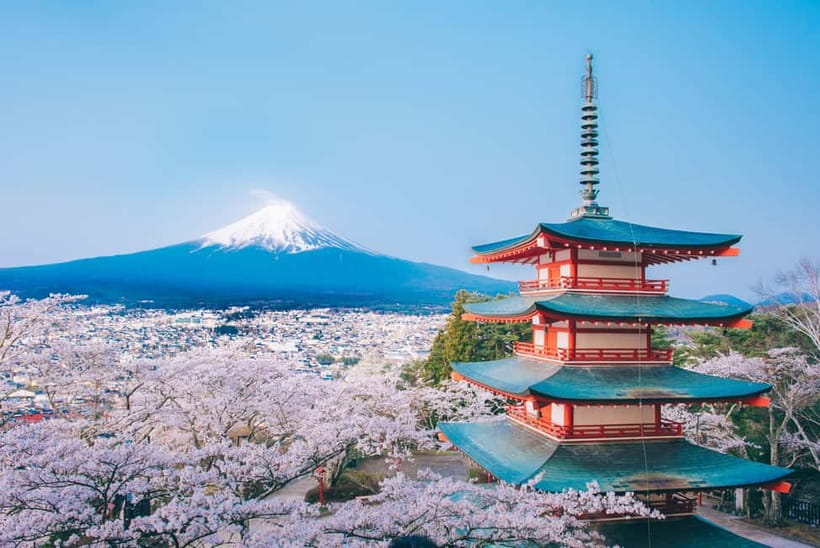
- Chureito Pagoda at Arakurayama Sengen Park, including the short step-filled climb for that famous view
- Lake Kawaguchi and Oishi Park for reflections and seasonal color
- Oshino Hakkai and Lake Yamanaka for clear spring ponds and wider lake views
- Round-trip central Tokyo transport plus an English/Korean/Chinese-speaking guide
- Your guide may shift timing based on real-time conditions to chase better visibility
The Real Value: What $69 Buys You Beyond the Fuji Photos
This is priced at $69 per person, and the value comes less from “seeing Mount Fuji once” and more from removing the biggest hassle: getting out there and back from Tokyo without stress.
You’re paying for round-trip transport and a live guide (English and Korean are guaranteed; Chinese also supported). With a max group size of 49, this isn’t a personal van tour. But you do get organization: set meeting points, a planned route, and frequent chances to stop, photograph, and reset.
The other value is practical: this is one full day that’s built around iconic Mount Fuji angles plus a ring of the lake area. If you’re trying to fit Fuji into a tight Tokyo itinerary, it beats guessing bus schedules and rental-car timing.
You can also read our reviews of more tours and experiences in Tokyo

Two Route Choices: Course A for the Classic Shot, Course B for the Slower Scenes
The tour gives you a choice of two scenic routes, and that matters because Mount Fuji viewing is weather-dependent. You can’t force clear skies. But you can choose the day’s “shape.”
Course A (Highlight Photo Spots)
Course A is made for the classic checklist:
- Arakurayama Sengen Park / Chureito Pagoda
- Shimoyoshida Honcho Street
- Lake Kawaguchi & Oishi Park
- Shiraito Waterfall (paired with a break)
- Obuchi Sasaba (tea plantation viewpoints)
If you want the most recognizable Mount Fuji framing, this is the pick. It also gives you water + waterfall + tea fields in one sweep, so you’re not stuck with only one type of scenery.
Course B (Signature Scenic Spots)
Course B leans more toward softer pacing and cultural context:
- Lawson Fujikawaguchiko Town Hall (for an early Fuji view chance)
- Arakurayama Sengen Park / Honcho Street
- Mt. Fuji Museum or an Opt Macha Cafe option
- Oshino Hakkai (eight spring ponds)
- Lake Yamanaka / Hirano Beach
Course B feels better if you want a bit more “Fuji understanding” in the middle of the day, plus a quieter lake finish.
Coach Day Reality Check: Timing, Group Size, and the 10-Hour Vehicle Rule
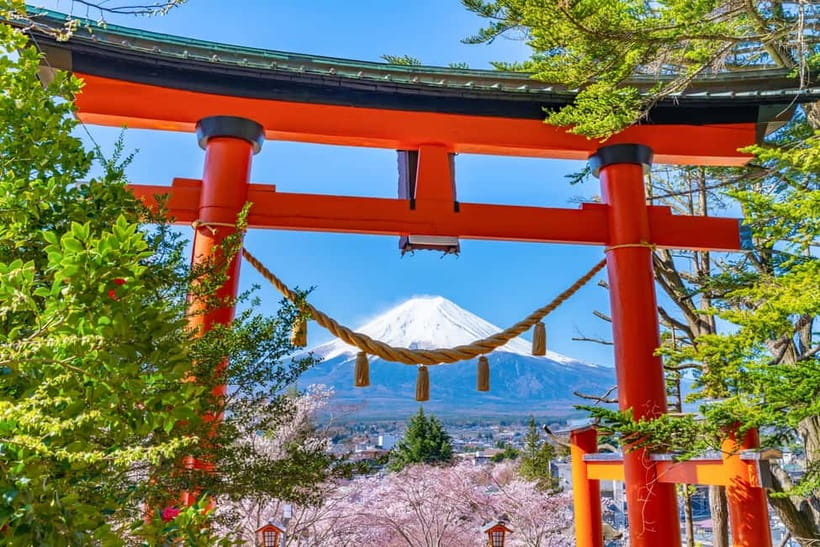
This runs about 11 hours, and you’ll spend a chunk of that in transit. The day includes multiple coach segments (including a longer ride out of Tokyo and later return), so the day can feel like “bus first, then stops.”
That’s why comfort choices matter. Bring comfortable shoes and expect uneven ground at viewpoints. Reviews also point out the bus is not a tiny van. It can be a big 50-person bus, but passengers describe it as comfortable with plenty of legroom.
One important operational detail: in Japan, vehicles can’t operate beyond 10 hours. Your guide may shift the itinerary based on real-time conditions like traffic and weather. So don’t plan on a perfect minute-by-minute script.





Arakurayama Sengen Park and Chureito Pagoda: The Postcard Start (With Steps)
Most people remember the Chureito Pagoda stop, and for good reason. From this viewpoint area, you get that iconic pagoda framing with Mount Fuji as the backdrop.
Here’s what to expect:
- A focused time to look, photograph, and climb up to the best angles
- A short but step-heavy walk (people report around 400 steps for the pagoda area in both directions)
- Seasonal changes that can shift what the area “feels like,” even if the view is the same
If you’re okay with a moderate climb, this is where you’ll feel like the tour delivered. If steps are a problem, plan to scale down your expectations here, because this is not a flat wheelchair-friendly stop.
Honcho Street and the Lawson Fujikawaguchiko Photo Moment
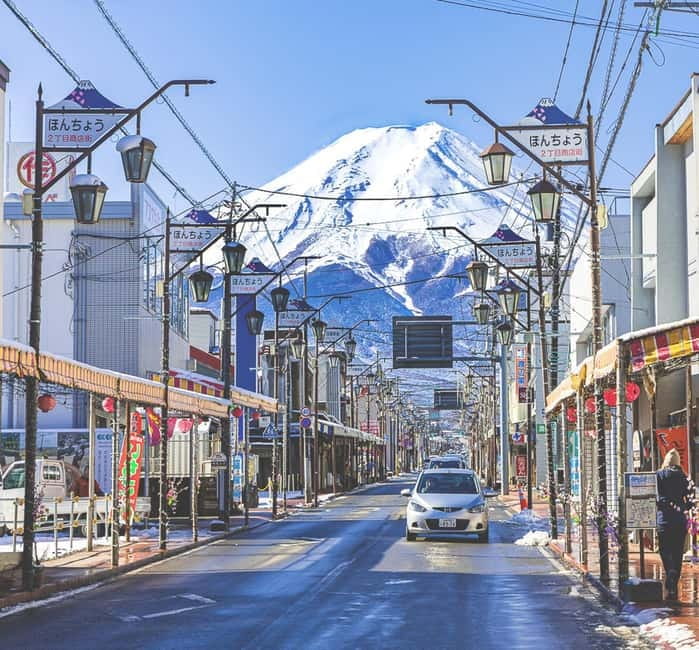
After the pagoda, you’ll head to Shimoyoshida Honcho Street. This is the nostalgic side of Fuji sightseeing: a street with local shops and the kind of pedestrian energy that’s different from Tokyo.
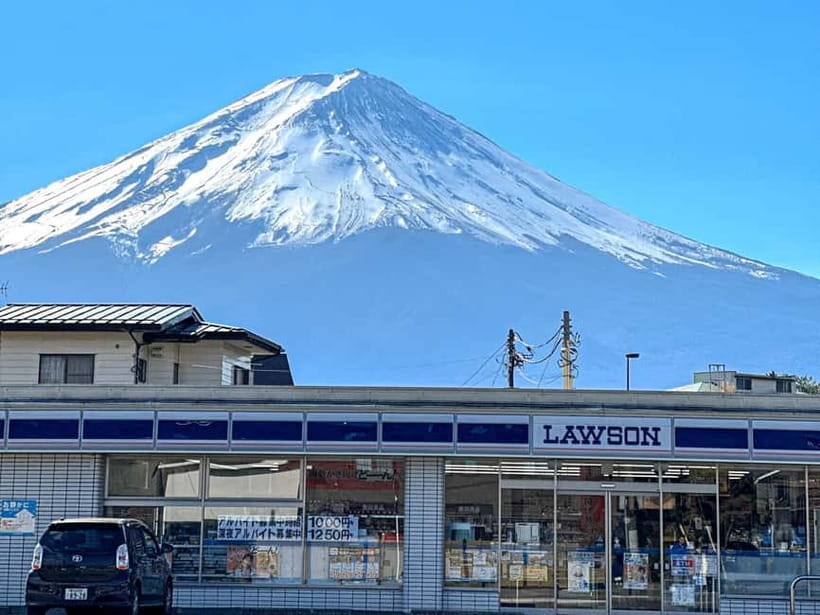
Next comes a quick stop at Lawson Fujikawaguchiko Town Hall. The point isn’t just the building—it’s the chance to catch Mount Fuji at a moment when the sky might cooperate. People recommend watching where you stand and which side of the bus you’re on. One handy tip that comes up: sit on the left side for better photo angles while riding.
If you’ve got limited time in the Fuji region, these small “in-between” stops help break up the drive and keep the day from feeling like one long viewing line.
Lake Kawaguchi and Oishi Park: Reflections and Flower-Season Color
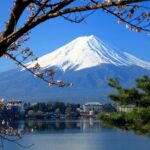
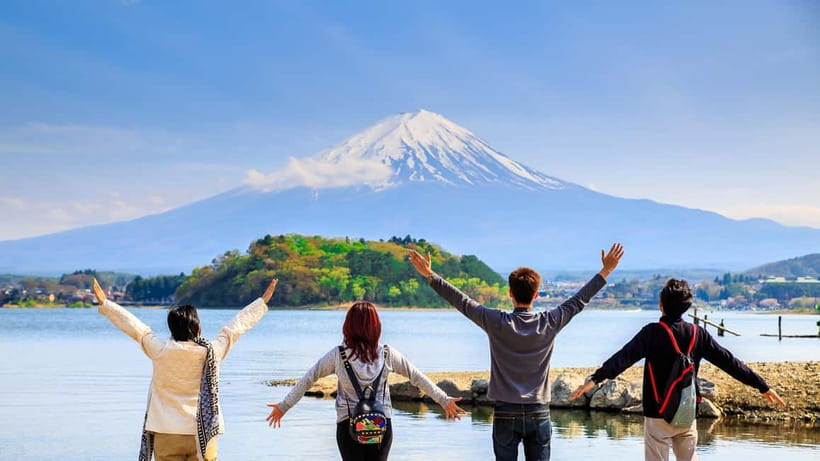
Lake Kawaguchi is one of the big reasons people do a Fuji day trip, because it turns a mountain into a mirror. When conditions are clear, you can get a reflection effect that feels more intimate than looking up at a distant peak.
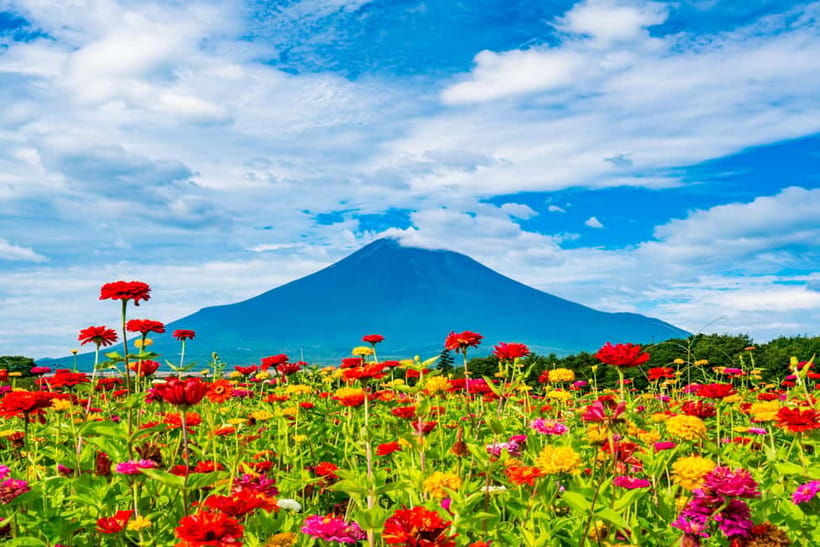
Then you’ll add Oishi Park, known for its seasonal flower displays. This is the part of the day that often feels most “Japan magazine cover.” Even when the mountain is partially obscured, the lake area usually still gives you wide, open views and a break from crowds in the street-style stops.
Course A includes these as major anchors, and they work well even for non-photographers. This is “slow down and look” scenery.
Shiraito Waterfall Break: A Cooling Stop That’s Also a Reset
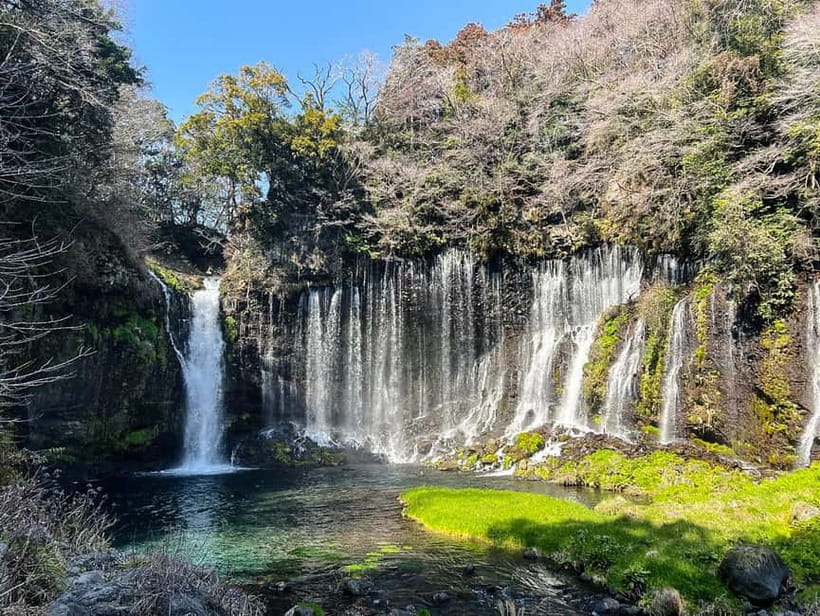
Course A features Shiraito Waterfall. This stop is practical: it gives you a chance to feel the mist, hear the water, and reset during a long day.
Your schedule includes time here that can be paired with a lunch break, but meals are not included. Translation: you get time to eat, but you buy what you want. Many people find snacks and treats along the way, and you’ll likely have multiple chances during designated stops.
If it’s hot or the air feels dry in Tokyo before the trip, this waterfall stop can feel like relief rather than just another photo stop.
Oshino Hakkai: The Eight Ponds That Make Fuji Feel Close
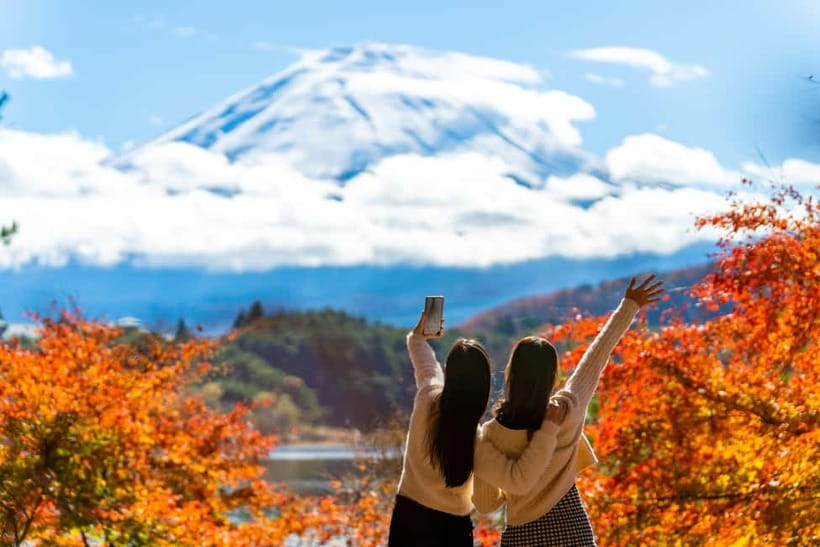
Course B highlights Oshino Hakkai, a village known for eight crystal-clear spring ponds fed by the Fuji area. This is one of the best “quality stops” on a day where most locations feel similar at first glance.
Why I like it for your trip planning:
- It gives you variety: ponds and village atmosphere, not only viewpoints
- It’s easy to take in without requiring a long hike
- You can slow down, look closely, and get context for what makes the region special
If you’re coming from Tokyo and want one stop that feels more rural and grounded, this is a strong candidate.
Lake Yamanaka and Hirano Beach: Finishing on Wider Views
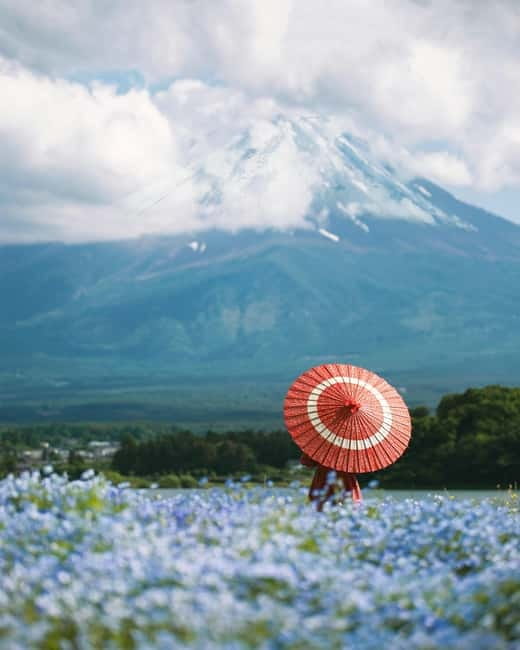
The day often ends with more open lake scenery at Lake Yamanaka and Hirano Beach.
This is a smart final stretch because the views tend to feel broad and airy, and by then you’ve already gotten your “must-see” icons. If you got lucky earlier with Fuji visibility, Lake Yamanaka can give you a second chance at the mountain-in-sky framing. If the mountain is shy, you’ll still leave with a calmer sense of place around the lake.
Mt. Fuji World Heritage Centre (And the Museum/Cafe Time Option)
Your route may include a visit to the Mt. Fuji World Heritage Centre, which gives you a bit of structure to the day. If you’re the type who likes to understand what you’re looking at, this kind of stop makes the sightseeing feel less random.
In Course B, you also have the option of Mt. Fuji Museum or an Opt Macha Cafe. The museum option is about learning. The cafe option is about taking a break and cooling down with tea culture.
Either way, it’s time set aside so you’re not only chasing views on the clock.
Obuchi Sasaba Tea Plantation: Where Green Meets Snow-Capped Peaks
Course A finishes with Obuchi Sasaba, a tea plantation viewpoint where rolling fields meet Mount Fuji in the distance (when visibility allows).
This stop is a good closer because it feels different from the lakes and waterfalls. You get a layered view: foreground tea greens, mid-ground land shapes, and the peak beyond.
Reviews also mention small food moments here, so if you like wandering a viewpoint with a snack in hand, this is the kind of stop that makes the day feel complete.
Food Strategy: No Meals Included, So Travel Like a Local
Meals are not included, and the tour is built with breaks rather than included lunches. That’s why I suggest you come prepared.
A simple plan that works:
- Bring snacks in your day bag
- Expect to buy food at stops
- Use the “lunch break” timing at Shiraito Waterfall as your chance to eat, not as a guaranteed included meal
People note there are opportunities for food and treats around the stops. If you see something you want, grab it when you have the chance. The day keeps moving.
When You’ll See Fuji (And When You Won’t)
Mount Fuji visibility is weather-driven. Some days it’s crystal clear, and you’ll get multiple angles. Other days the mountain shows only in breaks between clouds.
This tour’s strength is that it doesn’t put all its value into one viewing moment. You get several chances across different locations—pagoda area, lake areas, and tea fields—so even a partial view can still feel rewarding.
One more practical tip: because your guide may adjust the schedule based on real-time conditions, you should follow instructions quickly. When they tell you where to stand, do it. That’s how you convert luck into photos.
Who This Tour Suits Best (And Who Should Rethink)
This tour is ideal if you:
- Want a full Mount Fuji day from Tokyo without DIY planning
- Love photo stops and want recognizable angles in one route
- Prefer guided structure over figuring out buses and timing
It may be less ideal if you:
- Need long, slow time at a single site (this day is built on short stays)
- Struggle with steps at the pagoda area
- Expect an included lunch and a hands-off food day
If you’re the independent type with lots of energy, you might prefer a car or train-based plan. But if you want convenience plus a strong run of iconic sites, this is a solid choice.
Should You Book This Mount Fuji Tour From Tokyo?
Yes, if you want a well-organized day with multiple Mount Fuji angles and you’d rather pay for transportation and guidance than manage it yourself. The price-to-value math works here because you’re getting round-trip transport plus a live multilingual guide, and the stops are designed to keep variety high.
I’d book especially if you can handle a step climb and you’re okay with buying your own meals. Pick Course A for the classic postcard vibe and Course B for a more pond-and-museum-feeling day.
If you’re going in winter or shoulder season, keep your schedule flexible in your head. Weather plays the lead role.
FAQ
How long is the tour?
It runs for about 11 hours.
Is round-trip transportation included?
Yes. Round-trip transport from central Tokyo is included.
What languages are the guides?
The tour offers a live guide in English, Korean, and Chinese.
What are the two route options?
You can choose between Course A for highlight photo spots (including Chureito Pagoda, Lake Kawaguchi, Oishi Park, Shiraito Waterfall, and Obuchi Sasaba) or Course B for signature scenic spots (including Lawson Fujikawaguchiko, Mt. Fuji Museum or Opt Macha Cafe, Oshino Hakkai, and Lake Yamanaka/Hirano Beach).
Are meals included?
No. Meals are not included, and lunch time is not provided as an included meal.
What should I bring?
Bring comfortable shoes and some snacks.
Where is the meeting point?
The meeting point may vary depending on which option you book. One listed option is Starbucks Coffee at Shinjuku L Tower (near Tokyo Station Maronouchi North Exit 2).
Is there free cancellation?
Yes. You can cancel up to 24 hours in advance for a full refund.
Is this tour stroller-friendly or wheelchair-accessible?
It is stroller-friendly if you inform the provider. It is not wheelchair-accessible.
Can the itinerary change on the day?
Yes. The route can be adjusted based on traffic and weather conditions, and vehicles cannot operate for more than 10 hours under Japanese law.