REVIEW · TOKYO
Tokyo: Traditional Tea Ceremony with a Tea Master
Book on GetYourGuide →Operated by Sunrise Adventure · Bookable on GetYourGuide
Tokyo tea tastes better when you slow down. This one-hour ceremony at Ocharu walks you through multiple teas, then hands you the whisk and says, try it. I especially like the hands-on matcha part with traditional tools, and I like the lineup of teas, including top-grade Gyokuro. One thing to think about: it isn’t suitable for wheelchair users.
The setting helps, too. It’s right across from Tokyo University, and you check in at a room with the OCHARU green logo so you can find it fast once you know what to look for. The vibe is relaxed and friendly, in English, with a guide who keeps the pace easy and the explanations clear.
By the end, you’re not just sipping. You’ll also leave with a completion certificate and a group photo, plus the fun feeling that you can talk tea without sounding like you memorized a menu.
In This Review
- Key things that make this tea ceremony different
- Setting the scene at Ocharu (and how to not waste time finding it)
- The warm-up: Wakocha tea and cake to start the right way
- Gyokuro sencha tasting: the tea upgrade you can taste immediately
- Wagashi from Ougiya: sweet stops that actually connect to the tea
- Matcha making: where the ceremony becomes hands-on
- The finale: Genmaicha for a comforting, easy landing
- Certificate and group photo: the keepsake you’ll actually use
- Price and value: is $38 fair for a one-hour tea lesson?
- Who should book this (and who might skip it)
- Should you book the Tokyo Traditional Tea Ceremony with a Tea Master?
- FAQ
- What is the duration of the Tokyo tea ceremony?
- Where does the tour take place?
- What teas and sweets are included?
- Is the guide available in English?
- How do I find the meeting point?
- Is this experience wheelchair accessible?
Key things that make this tea ceremony different
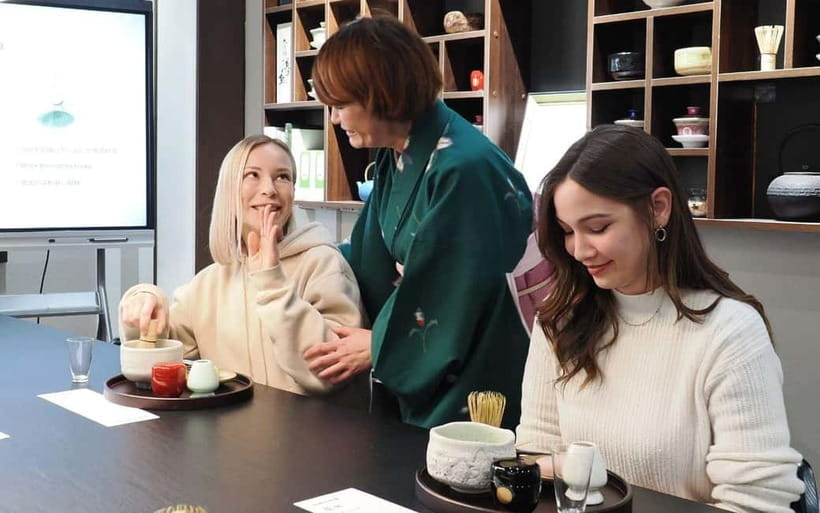
- You don’t just watch: you whisk matcha yourself, using traditional utensils.
- Tea flight, not one cup: Wakocha, Gyokuro sencha, wagashi from Ougiya, matcha, then Genmaicha.
- A calm, casual room: a structured ceremony with a relaxed tone that still teaches etiquette.
- Keepsakes included: a certificate and group photo to take home.
- Easy Tokyo access: opposite Tokyo University, so it fits cleanly into a sightseeing day.
Setting the scene at Ocharu (and how to not waste time finding it)
This is the kind of activity that works even on a busy Tokyo day, because the location is practical. Ocharu sits across from Tokyo University, so you can pair it with nearby stops without cramming transit too much.
Finding it is usually simple, but do yourself a favor: look for the building with the OCHARU green logo on the wall. Arrive about 5 minutes early so you can check in and settle before the ceremony starts. If you’re coming by metro, one route that works well is getting off at Nezu Station (Exit 14) and walking roughly 15 minutes from there. It’s not the shortest possible walk, but it’s straightforward.
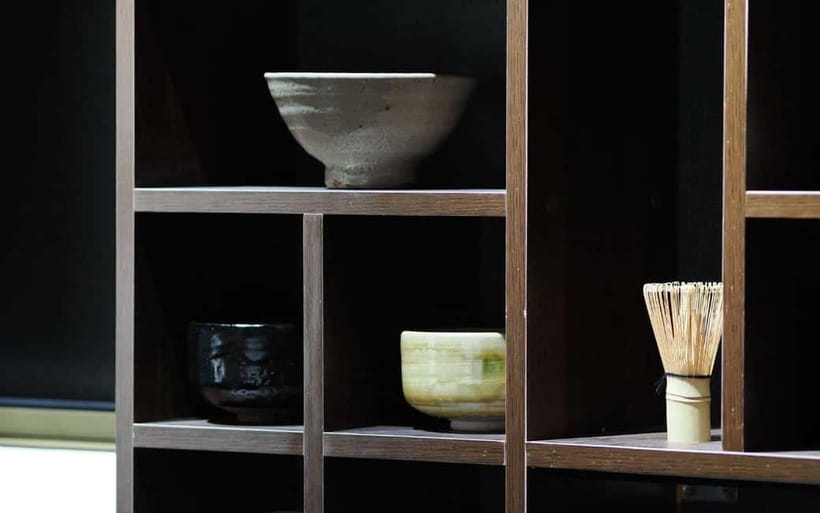
Inside, you’ll be in a dedicated tea ceremony room. One practical bonus: there’s also a small downstairs café where you can keep tasting or buy tea and accessories after your session.
You can also read our reviews of more tours and experiences in Tokyo.



The warm-up: Wakocha tea and cake to start the right way
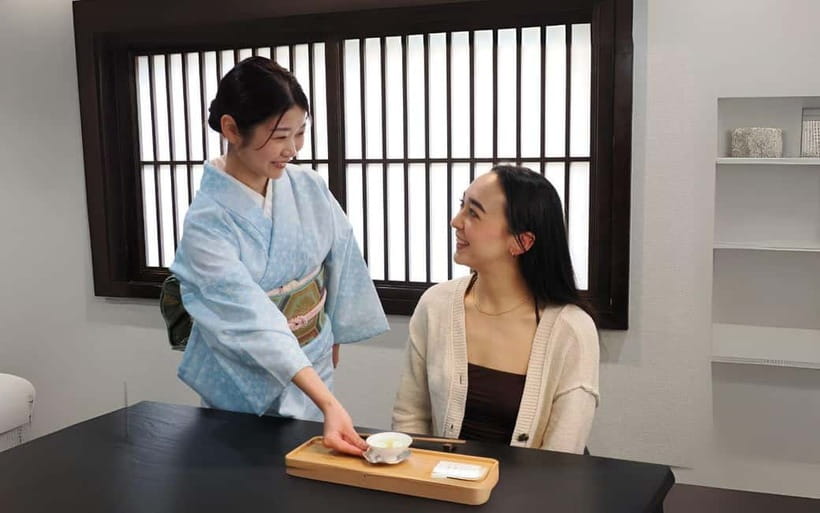
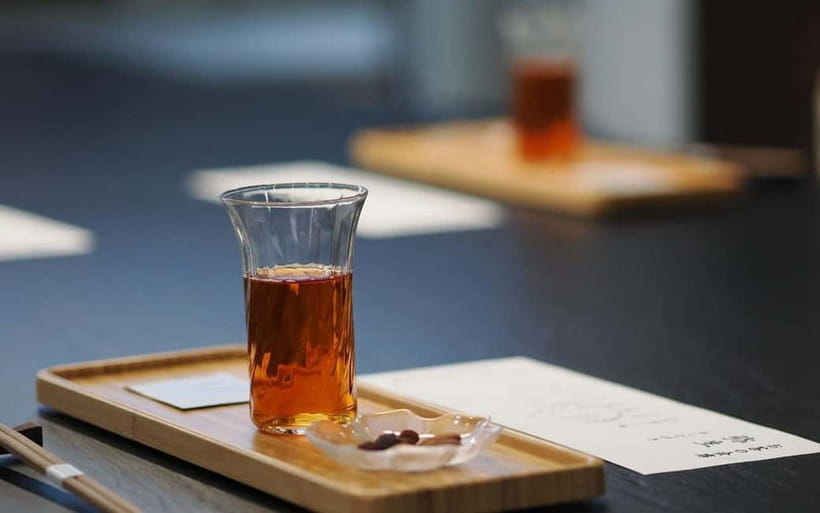
The experience starts gently, with a welcome tea and a sweet. You’ll be served wakocha, a Japanese black tea from Shizuoka, along with a traditional tea cake.
This matters more than it sounds. Wakocha sets your palate before you go into green tea territory, so when the session shifts to sencha and Gyokuro, you’re already ready for the flavors instead of starting cold-tasting and guessing. The pairing also makes the ceremony feel welcoming, especially if you’re new to tea etiquette.
A good guide will also frame what you’re tasting and what to notice. You’re not being rushed. You’re being trained, one cup at a time.
Gyokuro sencha tasting: the tea upgrade you can taste immediately
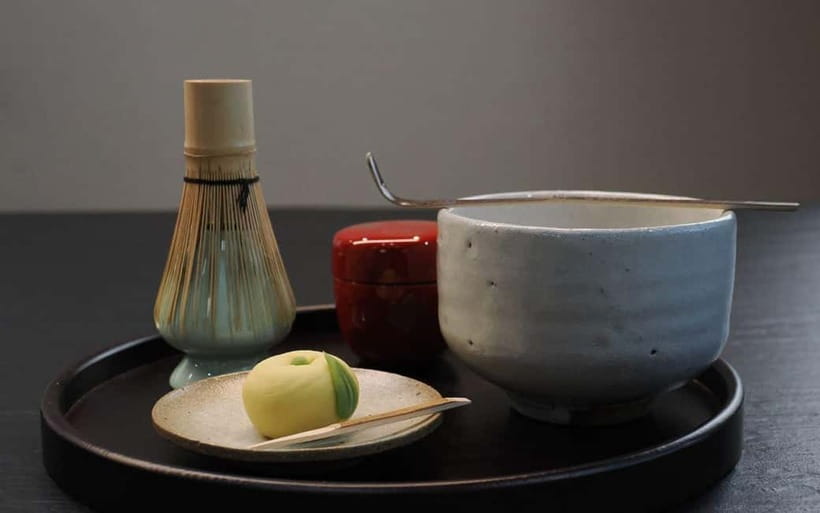
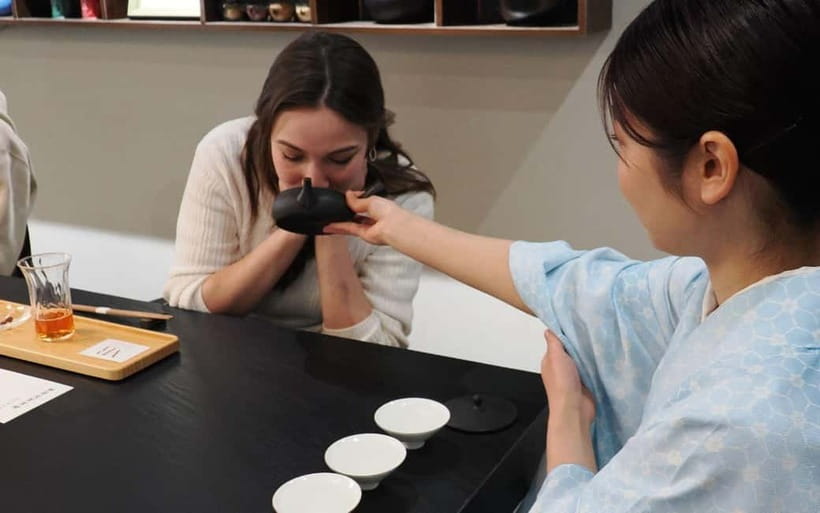
Next comes the centerpiece: the master brews and you taste Gyokuro sencha, described as the highest-grade green tea in this lineup. You don’t just drink it; you learn how the step-by-step process changes the flavor, and you get a chance to understand what to look for when tasting leaves.
This is where the ceremony feels most educational. Sencha and matcha aren’t the same drink in your mouth, even if they’re both green. The way Gyokuro is brewed tends to feel more layered and smoother, and you’ll start noticing differences like richness, aroma, and how the tea finishes.
If you’re picky about food experiences, this is the part I’d point to. Gyokuro is not the same as the green tea you might find in a convenience store cup. It’s a serious tea, served in a setting that explains it instead of leaving you to guess.
Wagashi from Ougiya: sweet stops that actually connect to the tea
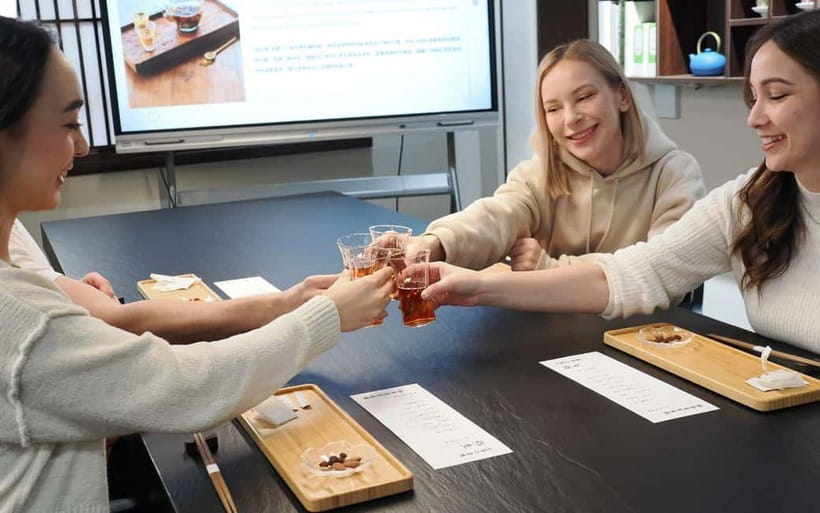
Between the savory-tea moments, you’ll also enjoy seasonal wagashi sweets from Ougiya, a well-known confectioner. This isn’t just dessert on the side. Wagashi are part of how Japanese tea culture shapes the whole experience: sweetness levels, seasonal flavors, and texture can balance the tea you’re tasting.
In a short 60-minute window, it’s smart to include wagashi. It gives your brain a contrast point. You sip, you reset your palate, then you move into the matcha part with a better sense of timing and flavor balance.
One small caution: accents can vary. A few guests mentioned that the guide’s English was sometimes challenging to catch, but the overall session was still interactive and clear. If you’re sensitive to language nuance, just be ready to slow down and focus on what you see the guide do.
Matcha making: where the ceremony becomes hands-on
Now you do the thing most people came for: you whisk your own matcha.
You’ll use traditional tools and a guided process. The tea master walks you through how to prepare it, how to handle the equipment, and how the motion and consistency affect the cup. This is where the ceremony stops being museum-like and starts being a real skill you can repeat later.
I like that the session is interactive in a practical way. You don’t just get told etiquette. You get to try it. Many guests say the process feels calm, and that you’re allowed to experiment enough to understand what matters, without being left to figure it out alone.
Also, don’t treat matcha like a single flavor. You’ll be shown how to pay attention to things like aroma and texture. And yes, your first attempt might not look perfectly Instagram smooth. That’s normal. The goal here isn’t winning a whisking contest. It’s learning what proper matcha preparation feels like.
A fun extra from some sessions: you may get to keep small items like chopsticks, and you can also buy tea or matcha-making accessories at the downstairs café after the ceremony.






The finale: Genmaicha for a comforting, easy landing

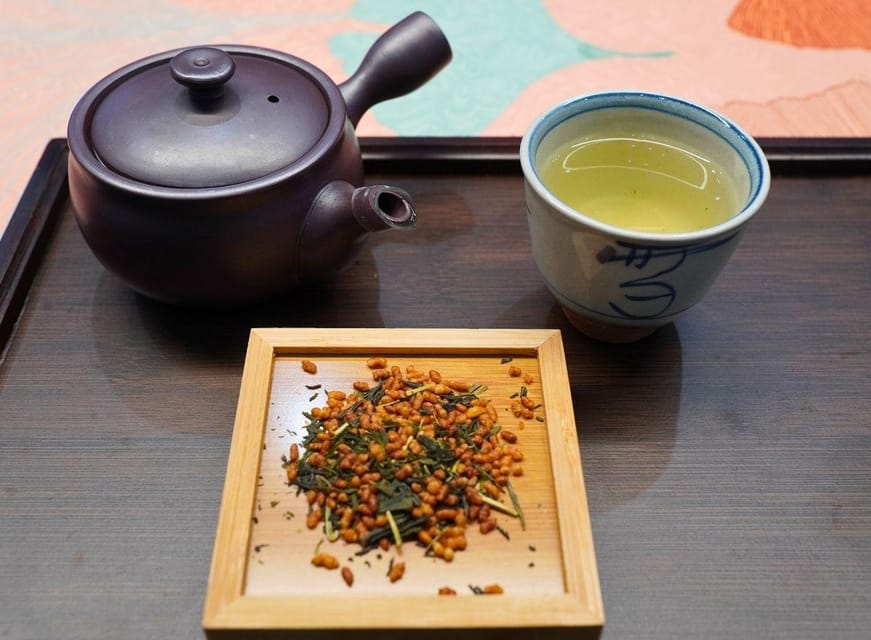
After the more intense matcha moment, you finish with genmaicha, a blend of sencha and roasted rice from Niigata Prefecture.
This final cup is a smart choice. Roasted rice brings a warm, slightly nutty note that softens the sharper edges you can sometimes get with straight green tea. It’s the tea-equivalent of closing the door softly after a quiet dinner: it lets you settle.
You’ll also appreciate this if you’re not trying to drink the strongest possible tea for the whole hour. Genmaicha makes the ending feel gentle, and it helps if you’re heading out immediately afterward.
Certificate and group photo: the keepsake you’ll actually use
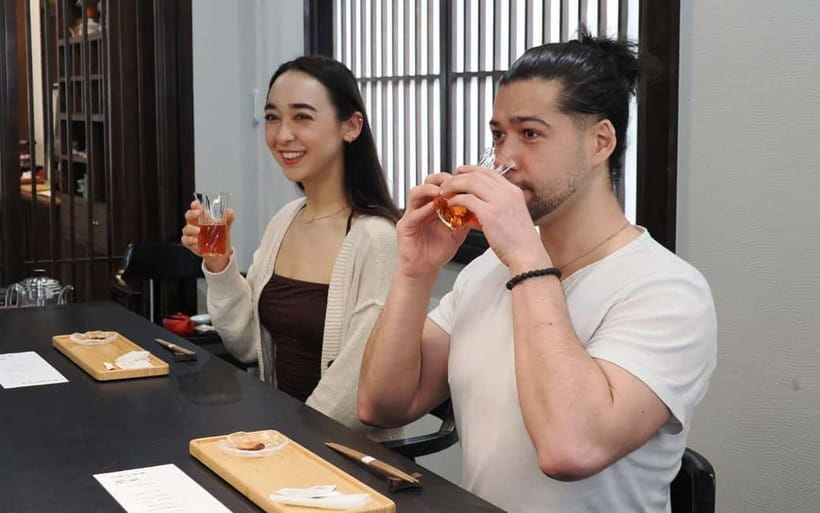
Before you go, you’ll receive a certificate of completion and a group photo. The certificate can even include your name written in Japanese, which sounds small, but it makes it feel real.
It’s also a nice pacing cue. Tea ceremonies can make you feel like time is moving slowly. Having a clear wrap-up moment keeps the experience satisfying without dragging.
Price and value: is $38 fair for a one-hour tea lesson?
At about $38 per person for roughly one hour, the value is strong if you care about doing something, not just tasting.
Here’s why. You get a sequence of teas (wakocha, Gyokuro sencha, matcha, Genmaicha), seasonal wagashi from Ougiya, and hands-on matcha preparation. In most Tokyo food experiences, you can pay a similar amount and still only sample one item. This turns tea into a mini lesson with a tangible output: you leave knowing how to make matcha and what to look for when you taste.
It’s also good for short attention spans, in a good way. Sixty minutes is long enough to learn and do, but short enough that you won’t hate yourself later.
Two small considerations: first, the session timing can run around an hour but some bookings were clocked closer to 50 minutes. Second, language experience depends on the guide. You’ll still be doing the activity, so you’re not stuck listening the whole time.
Who should book this (and who might skip it)
This tea ceremony fits best if you want a calm cultural activity that’s still hands-on. It’s great for:
- First-time visitors who want a genuine introduction to Japanese tea culture
- Tea lovers who like comparing flavors across different types
- People who enjoy food rituals and want etiquette explained without being stiff
It might be less ideal if:
- You need a very physical or high-energy tour (this is quiet, controlled, and sensory)
- You’re sensitive to language nuance in English
- You use a wheelchair, since it’s not suitable for wheelchair users
Should you book the Tokyo Traditional Tea Ceremony with a Tea Master?
If you’re choosing between tea as a quick tasting and tea as a real experience, I think this is the better pick. You get the full arc: warm welcome, multiple teas, wagashi from Ougiya, hands-on matcha, then a Genmaicha finish, plus the certificate and group photo.
Book it if you want value in the form of guided tasting plus a skill you can take home. Skip it if you already know matcha obsessively and only want a deeper brewing workshop, because this is a friendly one-hour introduction, not an all-day tea immersion.
FAQ
What is the duration of the Tokyo tea ceremony?
The ceremony lasts about 1 hour.
Where does the tour take place?
It takes place at Ocharu, in a room across from Tokyo University. Look for the building with the green OCHARU logo.
What teas and sweets are included?
You’ll enjoy welcome wakocha with tea cake, taste Gyokuro sencha, have seasonal wagashi from Ougiya, make and drink matcha, and finish with Genmaicha.
Is the guide available in English?
Yes. The instructor is English-speaking.
How do I find the meeting point?
Check in at the building with the green OCHARU logo on the wall. Arrive about 5 minutes early.
Is this experience wheelchair accessible?
No. It is not suitable for wheelchair users.