REVIEW · TOKYO
AKEMI’s SUSHiKiTCHEN: A fun sushi cooking lesson in Tokyo
Book on GetYourGuide →Operated by Blue-J ~ AKEMI's SUSHiKiTCHEN · Bookable on GetYourGuide
Sushi lessons get better at home. I love the hands-on focus on vinegar rice and the fact you’ll make four distinct sushi styles: nigiri, maki, gunkan, and inari. One note: it’s a set lesson, so you won’t be able to pick which sushi you make, just which diet option (including vegetarian) you prefer.
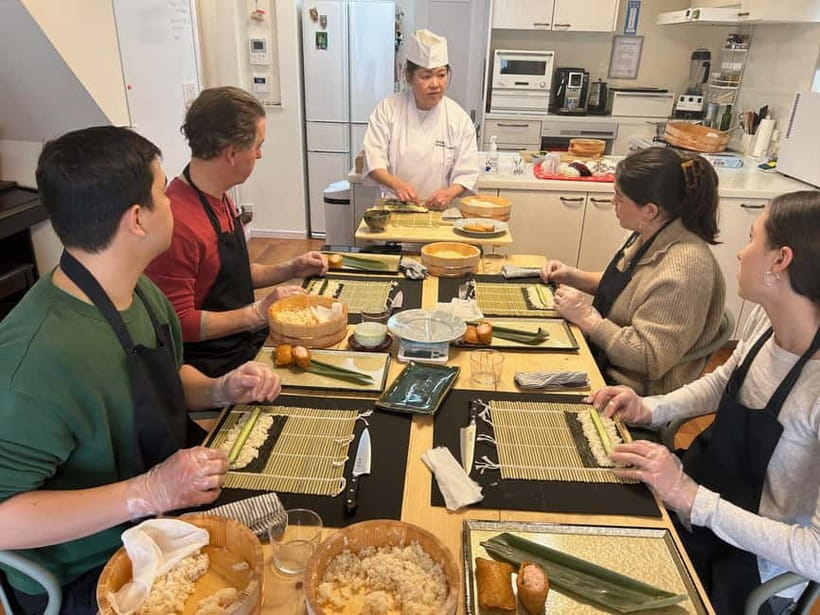
What really makes this different is the relaxed home setting with a small group capped at 6, taught by Akemi Castellano (English and Japanese). You’ll also hear the background of sushi, including Edo roots, while you work your way from rice prep to finished pieces you can actually eat.
The main trade-off is the allergy rule. The activity can’t accommodate food or animal allergies, so if that applies to you, you’ll want to reconsider or plan a different kind of experience.
In This Review
- Key Things to Know Before You Go
- A Tokyo Home-Cooking Setup That Makes Sushi Feel Understandable
- Meeting in Shinjuku or Shibuya Territory (and Getting to the House)
- Your Instructor and the Teaching Style: Akemi Castellano, English-Friendly, No Ego
- The Flow of the Lesson: From Rice to Nigiri, Then Everything Else
- Vinegar Rice: The Step That Makes Sushi Rice Sushi Rice
- Fish Preparation for Sushi: Knowing What’s Behind the Neta
- Nigiri-zushi: Hand-Pressed Sushi With a Real Technique
- Maki-sushi: Rolling Skills You Can Actually Use
- Gunkan (Battleship) Sushi: The Fun Shape, the Real Assembly Work
- Inari: Fried Tofu Pockets and a Great Vegetarian Fit
- The Meal: Lunch or Dinner You Earn, Plus Sake and Dessert
- Price and Value: Is $103 Worth 3 Hours of Sushi Skills?
- Who This Is Best For (and Who Should Skip It)
- Practical Tips to Make Your Class Smoother
- Should You Book AKEMI’s SUSHiKiTCHEN?
- FAQ
- How long is the sushi cooking lesson?
- Where is the activity located in Tokyo?
- How many people are in the group?
- What sushi types will I learn to make?
- Is there a vegetarian option?
- What’s included in the price?
- Is sake and dessert included?
- Can I choose which sushi I make?
- Do I need to speak Japanese?
- Is it suitable for children?
Key Things to Know Before You Go
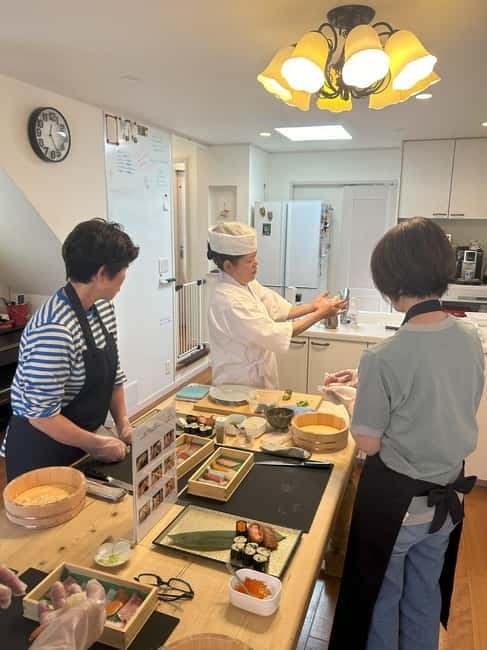
- At-home kitchen, small group: Limited to 6 participants for a calmer pace and more help.
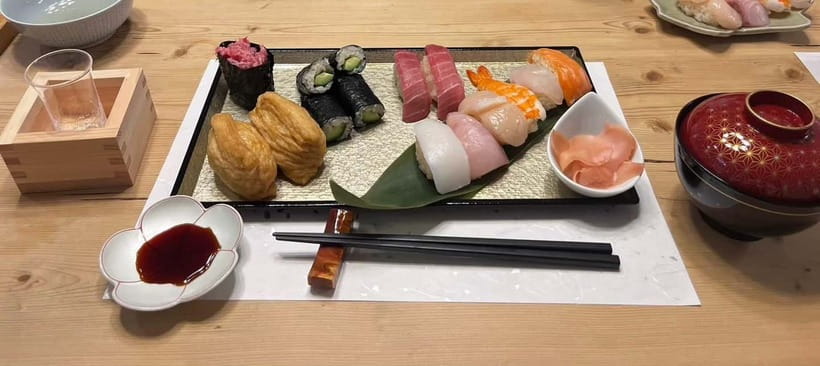
- Four sushi styles: Inari (fried tofu pockets), gunkan (battleship), maki, and nigiri.
- Vinegar rice is the core skill: You’ll learn how it’s built, not just how to roll.
- Fish prep with a purpose: There’s a demonstration of how fish are prepared for sushi.
- You eat what you make: Lunch or dinner plus sake for adults and dessert at the end.
- In central Tokyo: Easy access from Shinjuku and Shibuya, with help finding the meeting point.
A Tokyo Home-Cooking Setup That Makes Sushi Feel Understandable
This isn’t a classroom with name tags and worksheets. You’re in a real home kitchen, where sushi stops being mysterious and becomes a sequence of steps you can repeat at home (at least the basics). That matters because sushi technique isn’t one big trick. It’s timing, temperature, seasoning, and a steady hand.
The lesson also gives you context while you cook. Akemi Castellano teaches the history and technique of sushi, including the Edo angle that many people hear about but rarely connect to what’s actually on their plate. That blend of story plus skill is why the experience lands well, especially if you care about the food beyond just taking photos.
One more practical win: you’re not in a huge crowd. With a group size capped at 6, you can ask questions when you get stuck, and the pace stays friendly rather than rushed.
You can also read our reviews of more cooking classes in Tokyo


Meeting in Shinjuku or Shibuya Territory (and Getting to the House)
The location is convenient for Tokyo routing. The home is described as having easy access from both Shinjuku and Shibuya, two of the busiest hubs in the city. If you want to keep things simple, the organizer is happy to help you find the place—many people locate the house with Google Maps, but you can also request a meet-up at the nearest train station.
In practical terms, that reduces the usual “Tokyo maze” stress. You’ll still walk through a neighborhood, but you won’t be stranded trying to guess the last turns. It’s especially comforting if you don’t travel with much Japanese and you’d rather not wing the last mile.
There are two timing options. You can choose a morning lesson with lunch or an afternoon lesson with dinner. Same core cooking skills, different end meal.
Your Instructor and the Teaching Style: Akemi Castellano, English-Friendly, No Ego
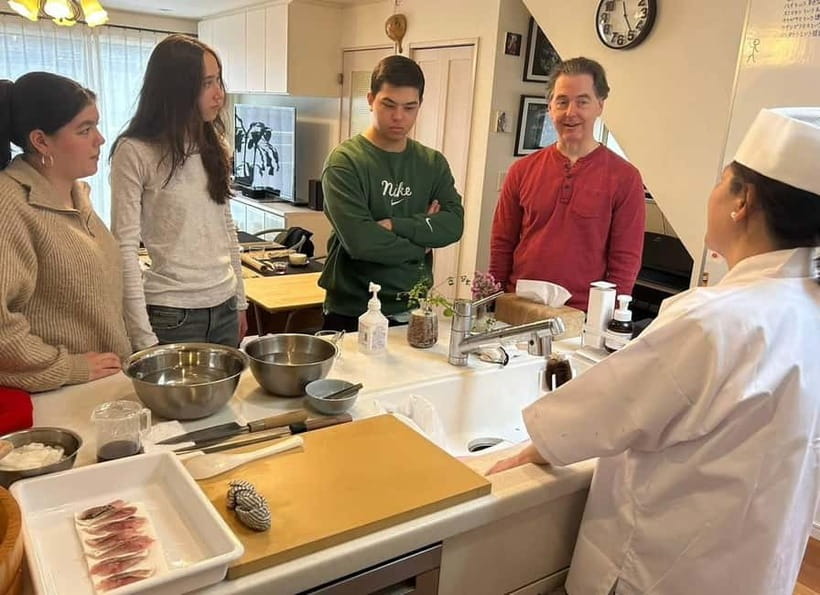
This lesson is taught by Akemi Castellano, a trained sushi chef, with English and Japanese instruction. The format is described as friendly and small-group, and the overall tone is supportive rather than stern. That’s important for sushi because the technique can look intimidating until someone slows it down and explains the why.
In the cooking sequence, you’ll get step-by-step guidance from rice prep through shaping and assembling. And you’ll also learn how fish are handled for sushi, which gives you a sense of professionalism rather than just a fun gimmick.
If you prefer learning where you can ask follow-ups while your hands are busy, this kind of class tends to work better than a fast “watch and copy” session.
The Flow of the Lesson: From Rice to Nigiri, Then Everything Else
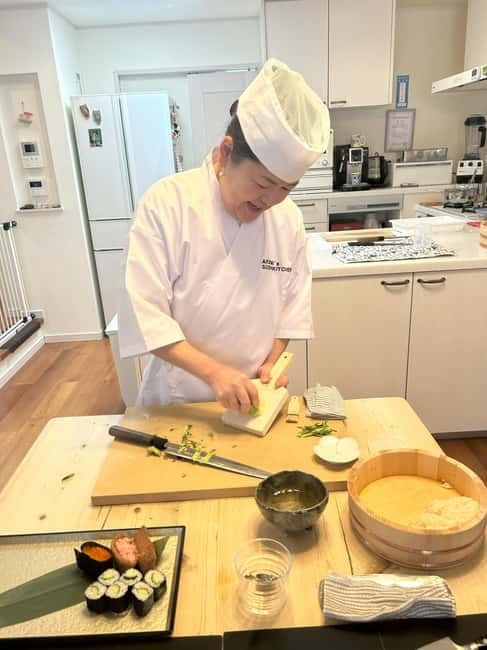
The lesson is built around four sushi types, with preparation starting from vinegar rice. That’s a smart order. If your rice is off, everything else feels off too. So instead of treating rice as background, the class makes it the foundation.
Here’s the process you should expect as the structure of your day:
Vinegar Rice: The Step That Makes Sushi Rice Sushi Rice
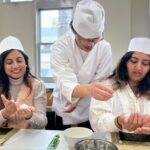
You’ll learn how to make vinegar rice—what goes into it and how it’s handled. The point isn’t only taste. It’s texture and consistency, plus how you treat the rice so it’s ready for shaping.
This is one of the most praised parts of the experience because it turns sushi from a restaurant-only skill into something you can understand. After this step, you’ll feel more confident moving to nigiri and maki.
You can also read our reviews of more tours and experiences in Tokyo



Fish Preparation for Sushi: Knowing What’s Behind the Neta
You’ll also get a demonstration of how fish are prepared for sushi. Even if you never plan to cut fish at home, it helps you appreciate what the term neta means in practice: the seafood topping needs the right handling and prep to work with the rice.
This section is valuable because it explains the behind-the-scenes work that never shows up on a basic tourist sushi tour.
Nigiri-zushi: Hand-Pressed Sushi With a Real Technique
Then you’ll make Nigiri-zushi, the classic hand-pressed pieces. This is where you learn the logic of balancing rice and topping, and how to keep the shape clean without crushing the texture.
Nigiri can feel like the hardest type at first because it relies on your hand movements and pressure. In a small-group lesson, you’re not stuck guessing.
Maki-sushi: Rolling Skills You Can Actually Use
After nigiri, you’ll make Maki-sushi (rolled sushi). Rolling is the kind of skill that looks simple until you try it. In this lesson, you’ll go through the steps in a guided way so you can replicate the basics without turning the roll into a sushi-shaped disaster.
If you’ve eaten lots of maki in Japan, this is the chance to learn what you’ve been eating all along: how ingredients are laid out and how the roll gets its tight form.
Gunkan (Battleship) Sushi: The Fun Shape, the Real Assembly Work
Next up is gunkan, also called battleship sushi. This style often looks playful, but the structure matters. You’ll learn how to build the form so toppings stay where they should.
This is a great included “wow moment” because it’s different from the standard roll-and-cut styles. It’s also a useful lesson in how Japanese sushi presentation can be functional, not just decorative.
Inari: Fried Tofu Pockets and a Great Vegetarian Fit
Finally, you’ll make Inari (fried tofu pockets). Inari is a traditional style and it’s a smart capstone because it doesn’t rely on fish handling.
If you’re vegetarian, the experience offers a vegetarian option if you indicate your preference when booking. Inari being built around tofu makes it a natural choice for plant-forward diners.
The Meal: Lunch or Dinner You Earn, Plus Sake and Dessert
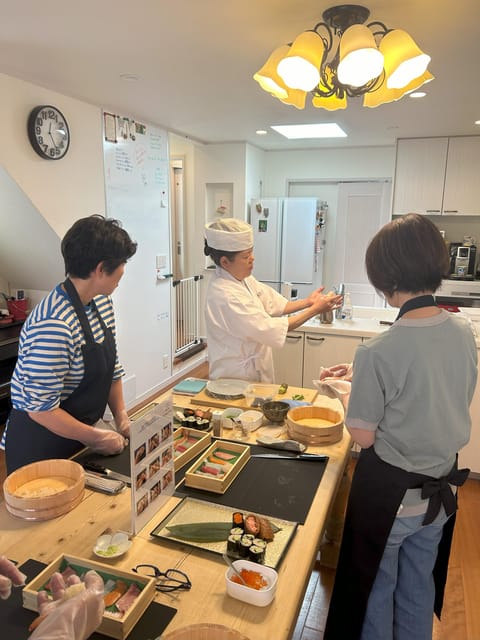
At the end, you eat the sushi you prepared. That sounds obvious, but it’s a big deal here because it turns technique practice into a full meal experience. You’re not leaving with a souvenir; you’re leaving with food that’s part of what you learned.
Adults get sake with the meal, and there’s also dessert. In past sessions, people have mentioned extras like matcha tea and ice cream-style dessert, which is a nice bonus because it turns the class into more of an evening (or a midday) event than a quick workshop.
Also, drinks and dessert feel included in the overall flow: you cook, you eat, you reset. That’s the right rhythm for a 3-hour lesson.
Price and Value: Is $103 Worth 3 Hours of Sushi Skills?
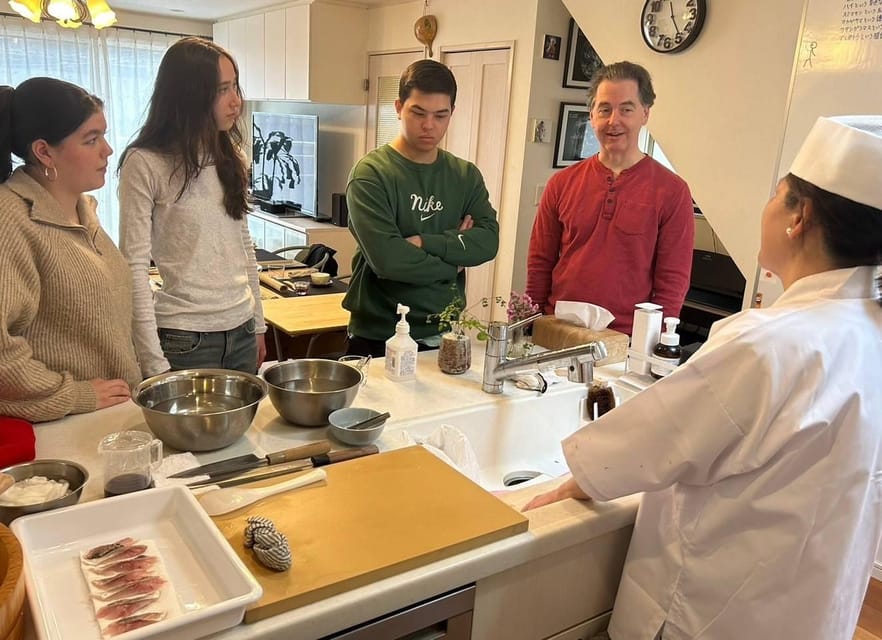
At $103 per person for a 3-hour class, this sits in the “serious experience” bracket. It’s not a cheap DIY shopping-and-eating day, and it’s not an ultra-luxe tasting menu either.
So where does the value come from?
- You learn multiple styles, not just one trick. Four sushi types in one lesson is efficient and keeps the skills varied.
- You get ingredient prep context, including a fish preparation demonstration and instruction on vinegar rice.
- You eat what you make, plus sake and dessert, so you’re not paying just for instruction.
- Small group size means your time with the chef isn’t diluted.
If you genuinely like sushi and want a practical skill set, the cost starts to make sense. If you only want a quick bite and photos, you’d probably get more satisfaction from a regular sushi meal in Tokyo. But for people who want to go home with real technique, this price feels fair for the hands-on teaching + meal.
Who This Is Best For (and Who Should Skip It)
This class is ideal for adults and older teens who like sushi and want to understand it, not just consume it. It also fits well if you appreciate Japanese food culture and want the Edo-era context connected to the hands-on process.
You’ll likely enjoy it most if:
- you want a small-group cooking experience in a real home setting
- you’re comfortable with basic cooking and learning by doing
- you want both instruction and a sit-down meal
You might want to skip it if:
- you have food or animal allergies (the class can’t accommodate them)
- you’re traveling with children under 10 (not suitable)
- you expect to choose exactly which sushi you make (the lesson has a set menu)
Practical Tips to Make Your Class Smoother
Since you’re cooking in a home kitchen, go in with a travel mindset: clean, comfortable, and ready to work with your hands.
Here are the practical things that usually matter for lessons like this:
- Plan your arrival with extra time, especially if you’re walking the last segment from a station.
- Come with curiosity. Sushi technique rewards attention more than speed.
- If you’re vegetarian, indicate it when booking so the kitchen can plan accordingly.
- If you have any allergy questions at all, contact the provider before booking, because allergies can’t be accommodated.
Also remember it’s a set lesson, so you’re not selecting the exact sushi lineup. The best approach is to treat that as part of the deal: you’ll get a well-rounded set of styles.
Should You Book AKEMI’s SUSHiKiTCHEN?
If you love sushi and want a real technique lesson with a cultural explanation, I think this is a strong booking. The home setting, the small group size, and the focus on vinegar rice plus four sushi styles make it the kind of activity that feels useful long after your Tokyo photos are uploaded.
I’d pass only if allergies are a concern, if you’re traveling with a child under 10, or if your idea of a Tokyo day is mostly to wander and snack rather than cook for a few hours.
For the right traveler, this is one of those meals that turns into a skill and a story at the same time.
FAQ
How long is the sushi cooking lesson?
The lesson lasts 3 hours.
Where is the activity located in Tokyo?
It’s in Honshu, Japan, with easy access from Shinjuku and Shibuya. Many people find the house using Google Maps, and meeting at the nearest train station is available if you prefer.
How many people are in the group?
The class is a small group limited to 6 participants.
What sushi types will I learn to make?
You’ll learn to make four kinds of sushi: Inari, Gunkan (battleship), Maki-sushi, and traditional Nigiri sushi.
Is there a vegetarian option?
Yes. A vegetarian option is available. You should indicate your preference when you place your order.
What’s included in the price?
Included are a demonstration of how fish are prepared for sushi, learning to make vinegar rice, learning to make the four sushi types, and enjoying the lunch or dinner you prepare.
Is sake and dessert included?
Yes. You’ll enjoy sake with the meal (for adults) and dessert at the end.
Can I choose which sushi I make?
No. It’s a set menu, so guests are not able to select the sushi they will be making.
Do I need to speak Japanese?
No. The instructor speaks English and Japanese.
Is it suitable for children?
No, it’s not suitable for children under 10 years. Also note that the activity cannot accommodate food or animal allergies.