REVIEW · TOKYO
Tokyo Walk through: Shinjuku, Harajuku, Omotesando & Shibuya
Book on GetYourGuide →Operated by Pinpoint Traveler · Bookable on GetYourGuide
Tokyo neighborhoods hit like a soundtrack. This 4-hour small-group walk led by an English guide lets you connect Shinjuku’s train-station chaos to the street-level fashion energy of Harajuku and the polished luxury of Omotesando. You’ll also get a welcome pause in Shinjuku Gyoen, which feels like another world.
I love how practical the vibe is. Guides like Renault, Tina, and Hiroshi bring real-world Tokyo context, from how to navigate daily life to help with ordering food at a good ramen stop. One possible drawback: it’s a fair amount of walking, so if your legs feel fragile, you’ll want to plan carefully.
In This Review
- Key Things I’d Watch For on This Tokyo Walk
- Starting at Gucci Shinjuku M Square: how the meeting point helps
- Shinjuku: post-war planning you can actually see on the street
- The food-and-art pulse of Shinjuku (and where a guide earns their fee)
- Shinjuku Gyoen Garden: your calm reset in the middle of the walk
- Shibuya: modern culture with a youthful edge
- Harajuku and Takeshita-dori: pop culture at full volume
- Omotesando: understated wealth, luxury brands, and backstreet finds
- What you actually get for $67 in 4 hours
- The walking reality: how to make it enjoyable
- Who should book this Tokyo walk (and who shouldn’t)
- Should you book this Shinjuku–Harajuku–Omotesando–Shibuya tour?
- FAQ
- How long is the tour?
- Where is the meeting point?
- What neighborhoods and stops are included?
- Is food or drinks included?
- Is the guide English-speaking, and how large is the group?
- Is it wheelchair accessible?
- Can I cancel and is there a pay-later option?
Key Things I’d Watch For on This Tokyo Walk
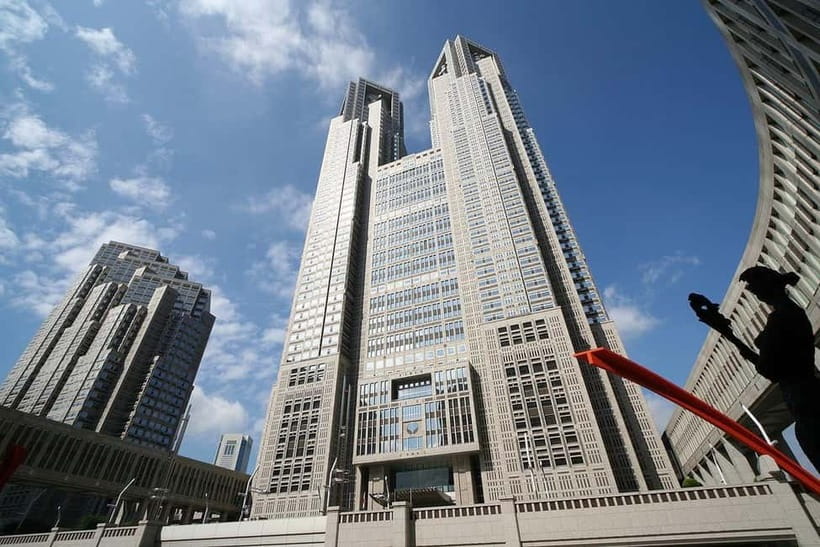
- Shinjuku Gyoen Garden break: a calm reset when the city crowd gets intense.
- Youth culture to luxury in one line: Takeshita-dori to Omotesando backstreets without extra travel time.
- Guide attention matters: the route can be tailored to what you want to see.
- Learn street-level Tokyo, not just landmarks: train-use tips and culture context make the neighborhoods easier to understand.
- You still choose food and shopping: it’s a tour for sights and guidance, not meals included.
Starting at Gucci Shinjuku M Square: how the meeting point helps
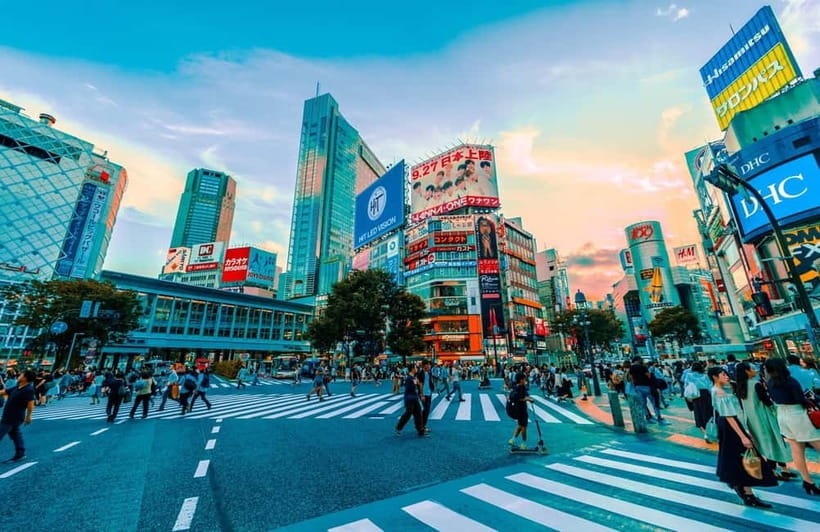
The tour meets right in front of the GUCCI Shinjuku M Square Store. That’s handy because Shinjuku can feel like a maze, especially if it’s your first day in Tokyo. Getting a clear, branded landmark as a starting point lowers stress and saves time.
Also, Shinjuku is one of the best launch pads for this kind of walk. You’re starting where you can spot the scale of Tokyo quickly: major streets, nonstop foot traffic, and constant transit movement all around you.
You can also read our reviews of more walking tours in Tokyo


Shinjuku: post-war planning you can actually see on the street
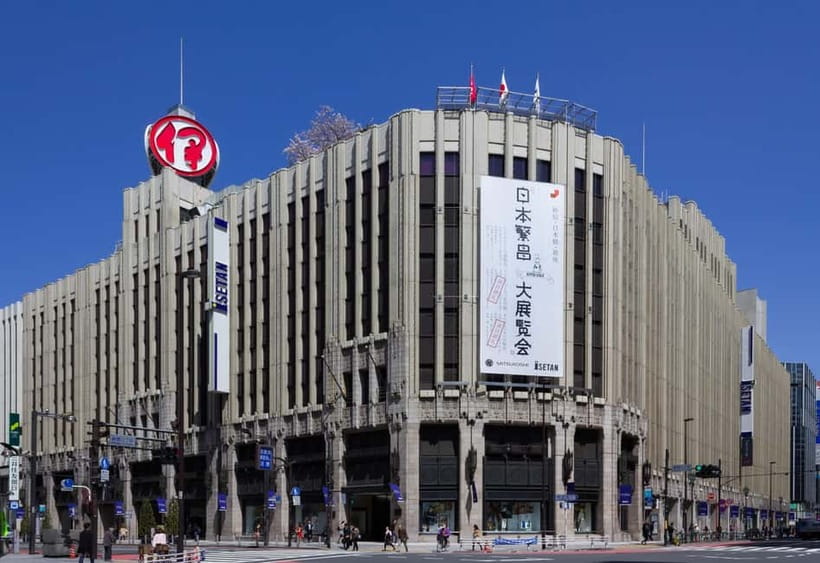
You’ll begin in Shinjuku, home to the busiest train station area in the city. The tour explains how post-war Tokyo was master-planned to create modern hubs like Shinjuku and Shibuya as populations grew and needs changed. The best part is that it doesn’t stay theoretical. You’ll connect the city’s design choices to what you’re experiencing right now—how people flow, where shopping clusters, and where people eat and drink after work.
During this part, expect a mix of mainstream shopping streets plus spots for food and casual drinks. The goal isn’t to list every shop. It’s to show you the “why” behind the patterns—where crowds gather, how streets branch off from the main arteries, and where art or cultural details can be easy to miss when you’re wandering alone.
One detail I like: the tour is set up so you’re not just standing next to famous streets. You’ll be walked through a neighborhood logic—how to look, where to pause, and what to notice.
The food-and-art pulse of Shinjuku (and where a guide earns their fee)
Shinjuku can be overwhelming. That’s exactly why having a guide helps. You’ll cover mainstream scenes, but you’ll also be pointed toward art and cultural treasures tucked into the area’s busy texture.
And yes, the practical stuff matters. In examples shared by the guides who lead this tour, they’ve helped people understand how daily Tokyo movement works—down to how to use the train system and where to aim your attention when you’re inside a big station area. If you want a fast way to get your bearings, this portion is the foundation.
Also, expect a mix of shopping types. This is not only window-shopping luxury or only bargain streetwear. It’s a blend, which is exactly what makes Shinjuku a useful first stop: it shows Tokyo’s “middle layer,” the place where different tastes overlap.
Shinjuku Gyoen Garden: your calm reset in the middle of the walk
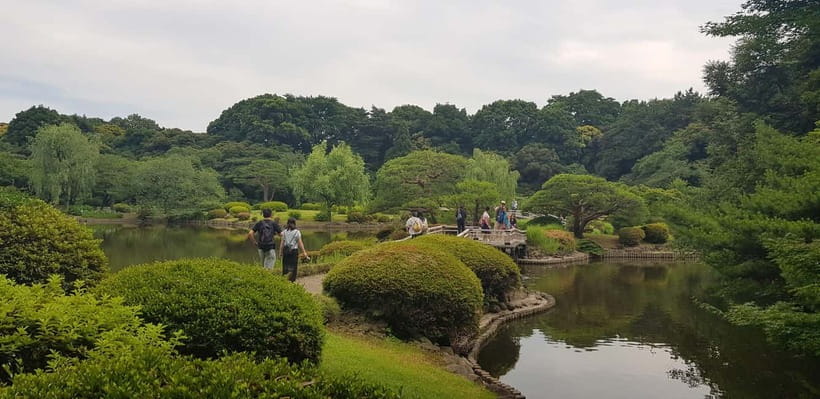
If the weather is decent, you’ll stop at Shinjuku Gyoen Garden. This is the tour’s most peaceful beat—an intentional contrast to the city’s constant motion. You’ll see multiple garden styles and approaches, which is a great way to notice how Tokyo can switch modes from traffic-and-shops to quiet pathways in a short amount of time.
I like that the garden isn’t treated as a background photo stop. It’s framed as a feast for your eyes, which means you’ll want to slow down and actually look: trees, paths, and the way the space is organized so you can breathe.
Practical tip: wear comfortable shoes even if you think you’ll just “walk a little.” Gardens still involve uneven pacing, and you’ll want to move steadily without rushing your photos.
Shibuya: modern culture with a youthful edge
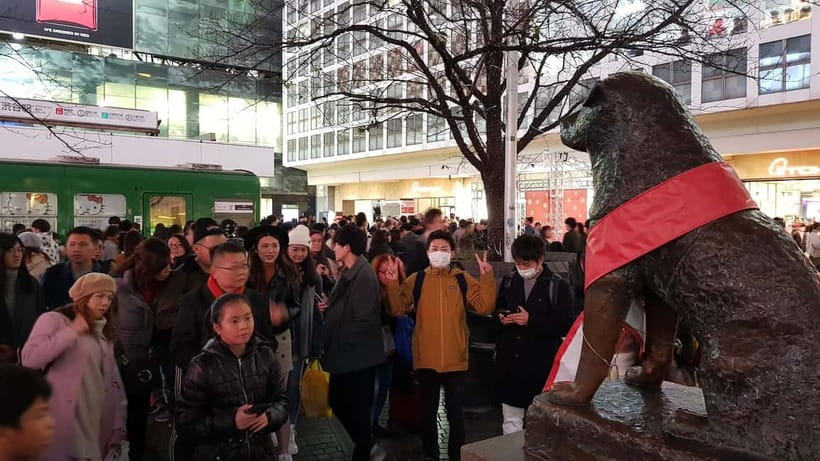
Next comes Shibuya, one of Japan’s clearest snapshots of modern culture. This part of the walk is tuned for the younger set, with a mild avant-garde feel and what you could describe as tame funkiness—fun, not chaotic. You’re not expected to “get it all.” You’re taught how to read the area: which streets match the mood, what kind of fashion presence you’ll see, and where to look for smaller details that don’t scream for attention.
This is also where the guide’s personality can really affect your experience. Some guides focus on how people actually live around the area. Others emphasize how to explore without getting lost in the crowd. Either way, you’ll be shown hidden corners that reflect the spirit of Tokyo’s youth culture—smaller streets and side areas where you feel the local rhythm more than you see a postcard.
If you like photo-watching, Shibuya is a strong match. If you prefer quiet, you’ll need to pace yourself. The tour’s value is that it helps you find the sweet spots, not just stand in the middle of everything.






Harajuku and Takeshita-dori: pop culture at full volume
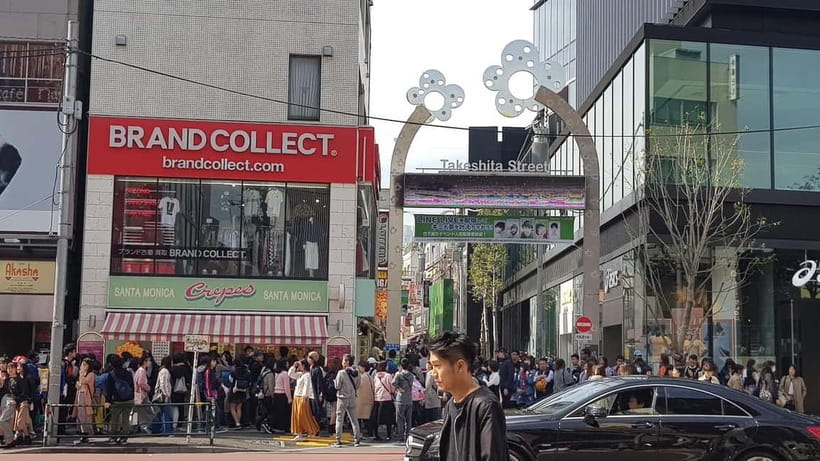
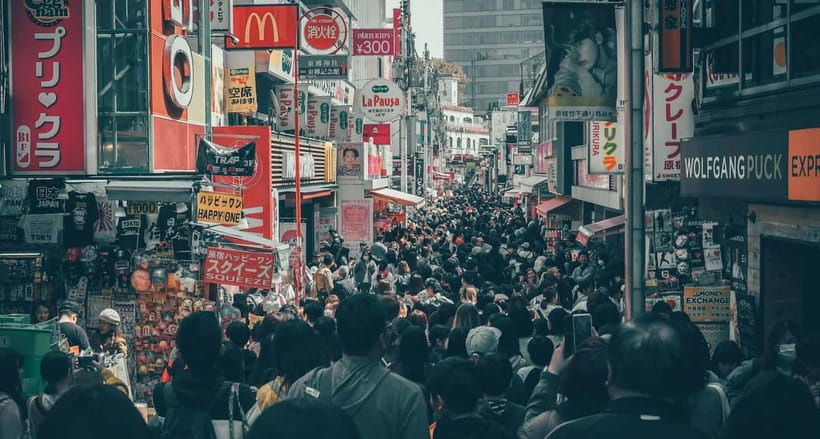
From Shibuya you head to Harajuku, and specifically the Takeshita-dori area. This street is aimed at the 12–16 age market, so it’s an easy place to understand Japanese pop culture in a very direct way. You’ll see styles that look playful, bold, and uninhibited, and you’ll feel the energy of a neighborhood where fashion is a main language.
What I like about this stop is how it balances spectacle with comprehension. A guide can help you understand what you’re seeing beyond the surface level—how street fashion fits into daily youth culture, and why Harajuku is its own kind of Tokyo universe.
If you’re shopping, this is where your eyes will catch everything. If you’re not shopping, it’s still worth it because you’ll walk away with a clearer sense of what’s popular, what’s experimental, and how quickly the vibe changes from one block to the next.
Omotesando: understated wealth, luxury brands, and backstreet finds
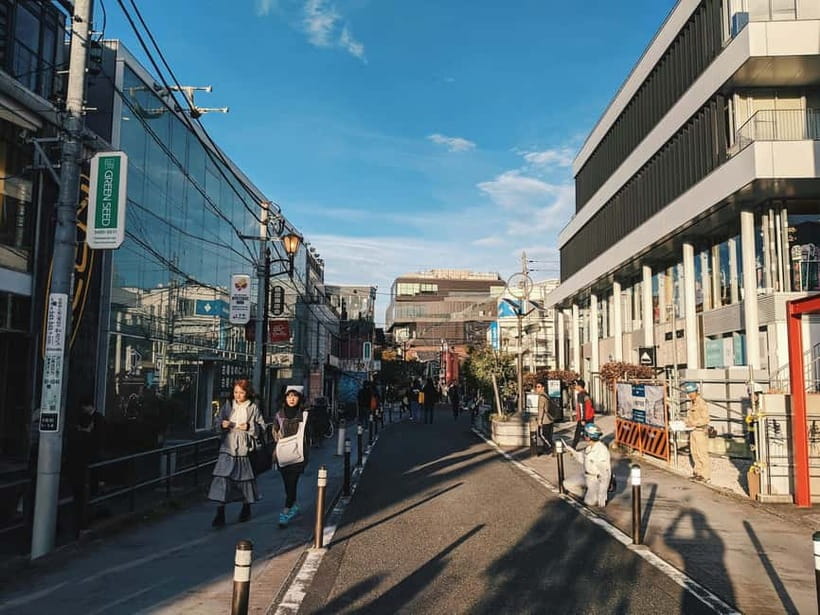
Then it’s on to Omotesando, the other side of the Tokyo style coin. Here, luxury brands coexist with a maze of backstreets where you can find unique fashion pieces. It’s a different tone from Harajuku—more polished, more design-forward, and often less “costume-like.”
The way the tour places Omotesando right after Harajuku is smart. You can compare styles and attitudes in a single afternoon. You’ll start to notice how Tokyo’s fashion scene isn’t only about one look. It’s about different spaces, different levels of expression, and different customer flows.
I also like that the tour doesn’t force you into expensive stores. The emphasis is on exploring and discovering. Even if you only browse, the backstreet walking gives you a better feel for Omotesando’s layout and the “why” behind its reputation.
What you actually get for $67 in 4 hours
At $67 per person for 4 hours, you’re paying for guided walking through four major areas plus the Shinjuku Gyoen stop. For Tokyo, that’s a solid value because you’re not just buying a route—you’re buying interpretation and direction.
This isn’t a long museum day. It’s a concentrated neighborhood experience, and the included cultural and shopping exploration is the key. You’re also capped as a small group limited to 8 participants, so it’s easier to ask questions and adjust your focus if something catches your interest.
What you should budget separately:
- Meals and drinks aren’t included.
- Personal shopping expenses are on you.
- Transportation to and from the meeting point isn’t included.
My practical advice: plan to snack or grab a meal on your own after the walk (or during a stop if your guide can point you to a good spot). If you like ramen, this tour style has the kind of guidance that can help you order with confidence.
The walking reality: how to make it enjoyable
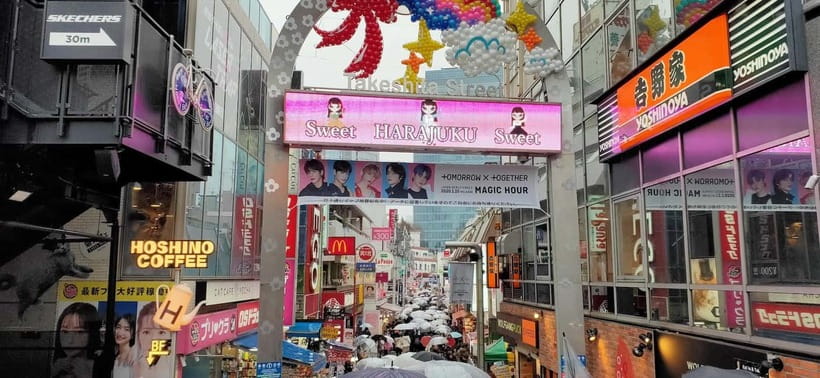
A “walking tour” in Tokyo can mean anything from a relaxed stroll to a serious city workout. Here, the info is clear: there’s a fair amount of walking, so comfortable shoes aren’t optional if you want to enjoy it.
Weather matters too. The Shinjuku Gyoen stop is tied to decent weather, so if conditions are rough, your experience may shift in pace. Bring weather-appropriate clothing, and assume you’ll spend more time on your feet than you might at home.
Photography is allowed, but you should be mindful that some places have restrictions. In practice, that means watch for signs, don’t block entrances, and keep your phone down where crowds surge.
Who should book this Tokyo walk (and who shouldn’t)
I think this tour is best for you if:
- You’re in Tokyo for a short time and want a fast, human-scale overview of major neighborhoods.
- You like fashion, shopping streets, and street culture, but also want help understanding what you’re seeing.
- You want a guide who can share practical Tokyo context, not only history facts.
It may not be the best fit if you:
- Have mobility constraints that make “a fair amount of walking” hard.
- Prefer tours that are mostly indoor or focused on long seated stops.
One more note: the tour is listed as wheelchair accessible, but it’s also marked not suitable for people with mobility impairments. Because that conflict exists in the provided details, I’d treat it as a “verify with the operator first” situation.
Should you book this Shinjuku–Harajuku–Omotesando–Shibuya tour?
If you want an efficient afternoon that moves between Tokyo’s youth culture and luxury design without wasting time on trains, I’d book it. The strongest part is the guide-driven approach: people leading this walk (like Renault, Tina, and Hiroshi) can tailor what you see and add practical context—train use, cultural explanations, and help finding good food spots when you want them.
I’d only hesitate if your priority is quiet, minimal walking, or if you’re expecting a slow, sit-down style itinerary. For most first-timers, though, this is a very good way to get oriented and leave Tokyo with neighborhood context you can actually use tomorrow.
FAQ
How long is the tour?
It lasts 4 hours.
Where is the meeting point?
You meet in front of the GUCCI Shinjuku M Square Store.
What neighborhoods and stops are included?
You’ll have a guided walking tour covering Shinjuku, Shibuya, Harajuku, and Omote Sando, plus a visit to Shinjuku Gyoen Garden.
Is food or drinks included?
No. Meals and drinks are not included.
Is the guide English-speaking, and how large is the group?
Yes, the tour has an English live guide. The group is limited to 8 participants.
Is it wheelchair accessible?
It’s listed as wheelchair accessible, but it’s also marked not suitable for people with mobility impairments. If this affects you, confirm details with the operator before booking.
Can I cancel and is there a pay-later option?
Yes. You can cancel up to 24 hours in advance for a full refund, and you can reserve now & pay later (book now, pay nothing today).