REVIEW · TOKYO
Asakusa Classic Ramen & Crispy Gyoza Cooking Class
Book on Viator →Operated by 茶御飯東京 · Bookable on Viator
Cook ramen like a local, in Asakusa. I like that you make the ramen broth and base from scratch, and I like that the class pairs it with crispy gyoza you fold by hand and cook for crunch.
One thing to keep in mind: there is knife work during vegetable prep, so plan for that if you are bringing younger kids or anyone who hates chopping.
In This Review
- Key Points You’ll Care About
- Why This Class Feels Better Than Just Eating Ramen
- Meet the Team at Chagohan Tokyo in Nishiasakusa
- The Ramen Part: Shoyu Broth and Toppings From Scratch
- What You’ll Walk Away Understanding
- Gyoza: Crispy Outside, Juicy Inside, Fold-By-Hand Technique
- A Useful Tip for First-Timers
- The Meal Moment: Build, Plate, and Eat Your Bowl
- What Makes This Class Feel Authentic (and Repeatable)
- Vegetarian and Vegan Options: You Must Plan Ahead
- Price and Time: Is It Good Value?
- Timing matters
- Who Should Book This Cooking Class (and Who Should Rethink It)
- Should You Book This Asakusa Classic Ramen & Crispy Gyoza Class?
- FAQ
- FAQ
- How long is the cooking class?
- What time options are available?
- What is the maximum group size?
- What will we cook during the class?
- Do I need to bring any cooking tools?
- Are the ingredients MSG-free?
- Are vegetarian or vegan options available?
- What recipes do I get after the class?
- Where does the class meet?
- What happens if the class is canceled due to weather?
Key Points You’ll Care About
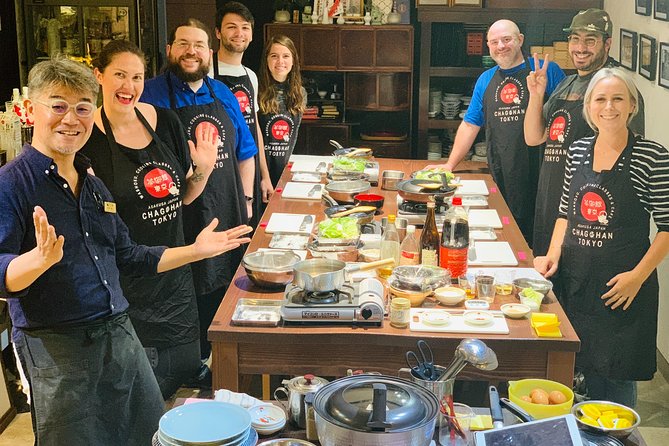
- Small-group teaching (max 8): more time with the instructors, not just watching.
- Ramen broth and toppings from scratch: you learn what actually makes shoyu ramen taste right.
- Gyoza folding for crisp results: you practice the filling and hand-folding method.
- No need to bring gear: apron and utensils are provided.
- Recipes to recreate at home: you leave with instructions, including digital copies reported by past students.
- Vegetarian/vegan options with advance notice: ingredient swaps are possible.
Why This Class Feels Better Than Just Eating Ramen
Tokyo has plenty of great bowls. This is different. You do the work, you learn the logic behind the flavors, and then you eat what you made.
This class focuses on two classics that often feel mysterious if you only order takeout: shoyu ramen and pan-crisp gyoza. You’ll get a practical feel for the broth base, the toppings, and the dumpling method that leads to that satisfying crunch on the outside and a juicy bite inside.
You can also read our reviews of more cooking classes in Tokyo


Meet the Team at Chagohan Tokyo in Nishiasakusa
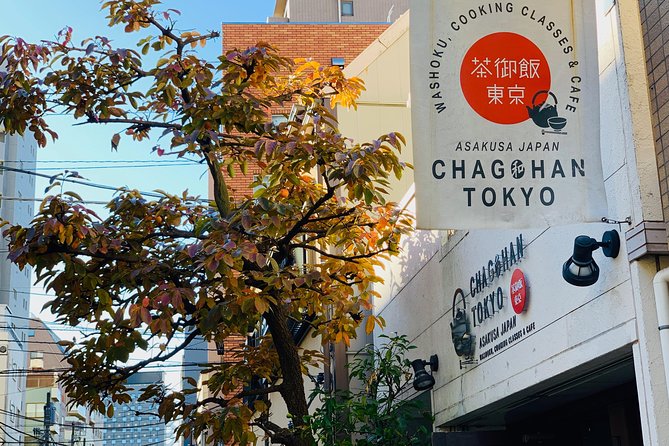
The meeting point is 茶御飯東京 Chagohan Tokyo, in Nishiasakusa (Taito City), near public transportation. Classes run at two times each day: 10:00 a.m. to 1:00 p.m. and 3:00 p.m. to 6:00 p.m.
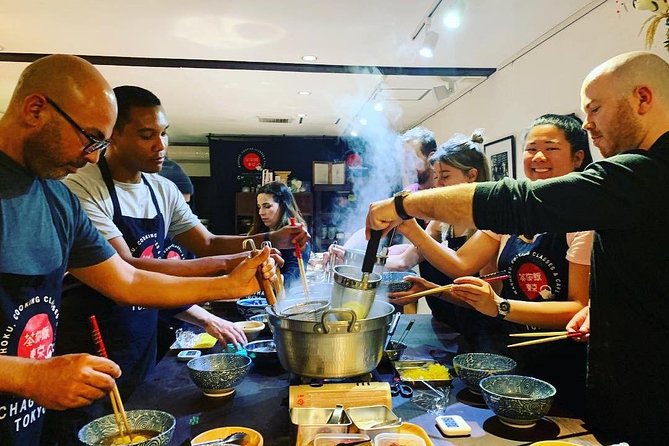
The vibe is intimate. With a maximum of 8 travelers, you’re less likely to get lost in the shuffle, and it’s easier to ask questions while things are actually happening. Past participants also mention the teaching team is a couple-led operation, with Masa and Junko guiding the experience. One helpful detail: they take photos and videos during the class, so you don’t spend the whole time thinking about your phone.
The Ramen Part: Shoyu Broth and Toppings From Scratch
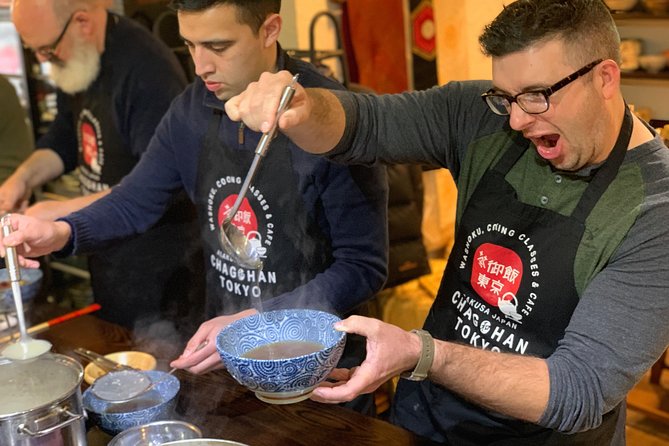
Ramen-making can sound like a black box. Here, you work toward understanding it instead of just copying steps.
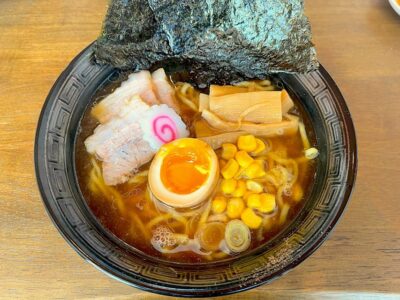
In the ramen portion, you learn how to prepare the ramen base and broth from scratch and how to get your toppings ready. The class is aimed at people who love ramen, but it also works for beginners because the process is broken into teachable parts. You’ll see how ingredients connect to taste, and you’ll get insider tips that explain what to watch for as you go.
A realistic consideration: ramen is a multi-step project. Some of the most complex timing and broth work may be demonstration-heavy, with you assembling most of the final bowl steps. If you’re expecting to do every technical move solo, you might find the experience is more guided than fully independent. Still, the recipe you get later is the bridge that turns a one-time class into a home cooking plan.
What You’ll Walk Away Understanding
- What makes a shoyu-style broth taste balanced
- How ramen toppings fit into the overall bowl
- Why timing and prep matter when you’re cooking broth and dumplings in the same session
Gyoza: Crispy Outside, Juicy Inside, Fold-By-Hand Technique
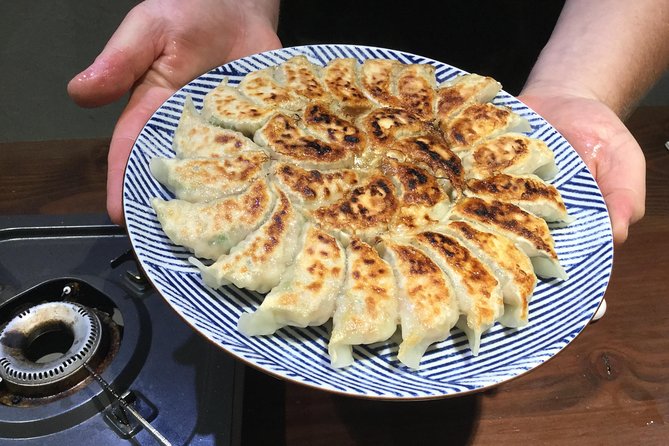
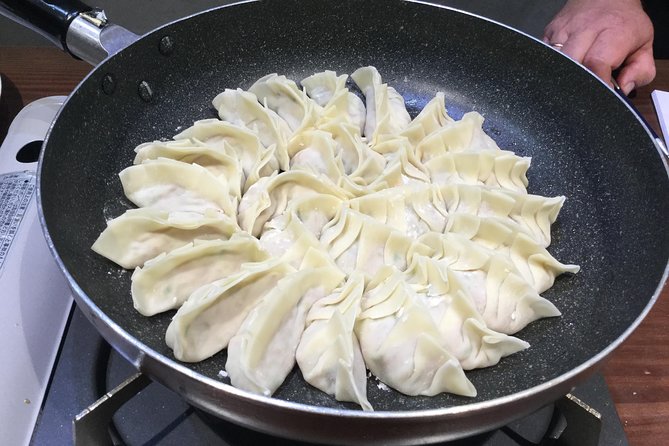
Gyoza is the star here. The class doesn’t stop at rolling dumpling skins and calling it a day. You practice the steps that help you get the texture people chase: crisp and crunchy outside, with a tender interior.
You’ll make the filling, then fold crispy gyoza dumplings by hand. The prep includes hand-cutting techniques for vegetables, so you’ll get more than just assembly practice. That knife time is also why I’d treat this class as a better fit for older kids and confident beginners rather than very young children.
The best part is that the class teaches you what to aim for. Crisp gyoza is not luck. It’s a result of method, heat control, and the way the dumpling is formed. When the end result hits, you’ll understand why those small steps mattered.
You can also read our reviews of more tours and experiences in Tokyo


A Useful Tip for First-Timers
Don’t rush the fold. Your goal is consistency. When your dumplings look and feel similar, cooking goes more smoothly and you’re more likely to end up with that crispy exterior everyone wants.
The Meal Moment: Build, Plate, and Eat Your Bowl
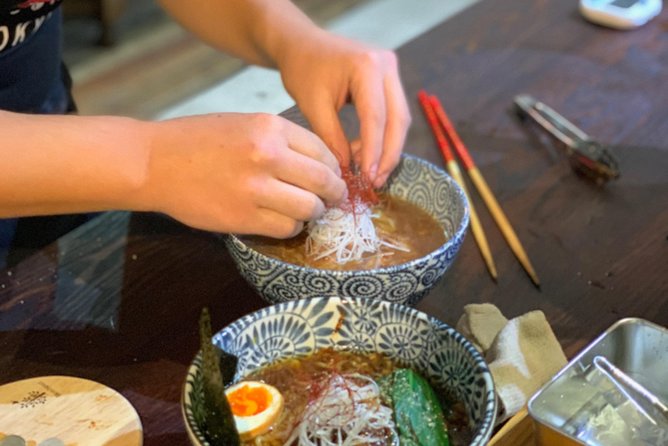
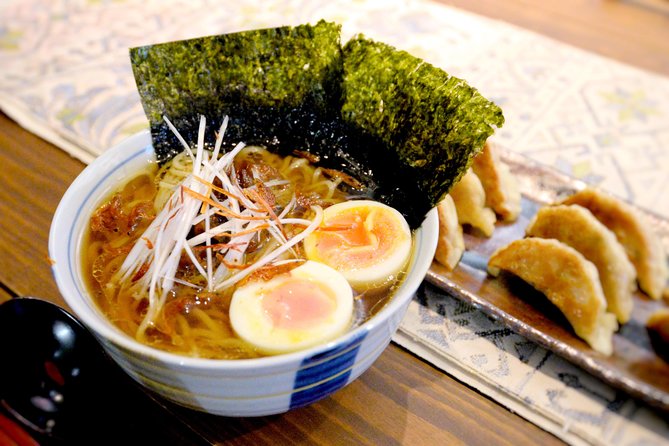
At the end, you sit down with what you made. The class description calls out assembling a photogenic bowl of ramen, and that part is genuinely satisfying because you’ve been working toward it for hours.
In practical terms, you’ll eat a full serving including ramen, plus the gyoza you cooked. One review detail you can count on for expectations: portions are described as about 8 gyoza and a full bowl of chicken ramen (depending on class flow and the specific menu that day).
This matters because cooking classes sometimes end with a sad taste and a pat on the back. Here, you actually get to enjoy the meal as a finished product.
What Makes This Class Feel Authentic (and Repeatable)
Some cooking classes teach recipes. This one tries to teach how Japanese cooking thinking works—what ingredients are doing, why the steps are sequenced, and how to replicate the outcome later.
You’ll also get a side of food context. Masa leads with explanations that include the history and culture around ramen and Japanese cuisine. That context isn’t just trivia. It helps you remember steps because you understand what the dish is trying to achieve.
And you leave with the tools to repeat the meal: the class provides recipes so you can recreate ramen and gyoza at home. Past participants specifically mention digital copies with detailed instructions, which is ideal for follow-along cooking later when your memory gets fuzzy.
Vegetarian and Vegan Options: You Must Plan Ahead
If you eat vegetarian or vegan, you’re not stuck skipping this. The class notes that vegetarian and vegan-friendly options are available with advance notice.
That means you should message ahead rather than assuming substitutions happen automatically. If you have strong dietary requirements, send a clear note early so the kitchen can prepare ingredient plans that match your needs.
Price and Time: Is It Good Value?
At $167.81 per person, this isn’t the cheapest activity in Tokyo. But it’s also not just a meal. You’re paying for instruction, ingredient prep, kitchen access, and the take-home recipe pack.
Think of it as a skill purchase. In a few hours you learn:
- how ramen base and broth are approached
- how toppings are prepared to complete the bowl
- how gyoza filling is made and folded
- how to chase crunch, not soggy dumplings
That makes the cost easier to justify if you truly like ramen and will use the recipes later. If you only want a quick bite, there are cheaper ways to eat in Asakusa. But if you want a hands-on Tokyo memory that translates into future meals, this class has more staying power than another restaurant reservation.
Timing matters
The class runs about 3 hours. That’s long enough to do real cooking, but short enough to fit into a day of Asakusa sightseeing. One more practical note: it’s often booked about 27 days in advance on average, so if you want a specific time slot, don’t treat it like a last-minute idea.
Who Should Book This Cooking Class (and Who Should Rethink It)
This class is a great fit if:
- you love ramen and gyoza and want to learn the method behind them
- you want a small-group experience with room for questions
- you’re a beginner who needs step-by-step clarity and structure
- you want to bring a partner, friends, or a family group where everyone can work together in the kitchen
It may be less ideal if:
- you’re bringing very young kids who can’t handle knife work (vegetable prep uses real cutting)
- you expect to do every single ramen broth step yourself without any demonstration support
- you only want eating, not cooking
In plain terms: this is for people who want to cook, not just watch.
Should You Book This Asakusa Classic Ramen & Crispy Gyoza Class?
If your ideal Tokyo day includes good food and hands-on learning, I’d book it. The combination is smart: you get both ramen broth/base and crispy gyoza folding, then you eat what you made. The small group size makes it feel personal, and the recipe handoff turns the class into something you can actually redo at home.
Book it especially if you want a Tokyo experience that feels more real than a ticketed food tour. You’ll leave with technique, not just memories.
FAQ
FAQ
How long is the cooking class?
The class duration is approximately 3 hours.
What time options are available?
There is a morning class from 10:00 a.m. to 1:00 p.m. and an afternoon class from 3:00 p.m. to 6:00 p.m.
What is the maximum group size?
The class has a maximum of 8 travelers.
What will we cook during the class?
You’ll learn to prepare ramen broth and base from scratch, handle ramen toppings, and make gyoza filling and fold crispy gyoza dumplings by hand.
Do I need to bring any cooking tools?
No. The class provides an apron and utensils, so you can come as you are.
Are the ingredients MSG-free?
The class states it uses all natural ingredients and has no MSG or artificial additives.
Are vegetarian or vegan options available?
Yes, vegetarian and vegan-friendly options are available with advance notice.
What recipes do I get after the class?
You receive recipes so you can recreate the dishes at home, and past participants mention digital copies with detailed instructions.
Where does the class meet?
The meeting point is 茶御飯東京 Chagohan Tokyo, 111-0035 Tokyo, Taito City, Nishiasakusa, 2-chōme1713 1F.
What happens if the class is canceled due to weather?
The experience requires good weather. If it’s canceled due to poor weather, you’ll be offered a different date or a full refund.