REVIEW · TOKYO
Eat and Drink Like a Local: Tokyo Ueno Food Tour-Taverns&Ramen
Book on Viator →Operated by Best Experience Japan · Bookable on Viator
Tokyo’s food scene can feel intimidating at first. This Ueno crawl turns that into an easy, fun night out, with standing bars and taverns plus enough tastings to help you actually understand what Japanese menus are doing. I especially like how it’s set up for food + drink pairing, and how the guide helps you order and eat without second-guessing yourself. The one thing to keep in mind: some dishes can be more adventurous than what you’d pick on your own, so come hungry and ready to try.
The route also helps you see Ueno the way locals use it—Ameya Yokocho for the street energy, then into nearby izakaya-style spots where people casually drop in for a few drinks. You’ll get a small-group vibe (max 10 people) and a guide who handles the language gap, so you’re not stuck deciphering menus while everyone else is eating.
If you’re in Tokyo for the first time, or you want a confident start for eating on your own later, this is a strong pick. If you’re only interested in very familiar Western-style flavors, you may want to mentally adjust your expectations before you go.
In This Review
- Key highlights in plain English
- Why Ueno works so well for a first food night
- Meeting at atré Ueno, then getting your bearings
- Stop 1 in Ueno: four dishes that teach you how Japanese menus think
- Through Ameya Yokocho: street energy, then izakaya mode
- Stop 2 near Okachimachi: izakaya drinking culture and smart ordering
- A quick Tokyo train lesson that actually helps
- Stop 3 in the Ueno district: drinks paired with what you’re eating
- Final stop near Okachimachi Panda Hiroba: how to order and eat ramen
- The real value: not just food, but confidence
- Who this tour is best for (and who should think twice)
- What to expect in your stomach, with a practical strategy
- Quick note on guide energy and translation
- Should you book this Tokyo Ueno food tour?
- FAQ
- How long is the Tokyo Ueno Food Tour – Taverns & Ramen?
- What’s the price per person?
- What’s included with the tour?
- How many people are in the group?
- Where do we meet and where does it end?
- Do I need to know Japanese to join?
- Is there a mobile ticket?
- Is the tour near public transportation?
- Can I get a full refund if I cancel?
Key highlights in plain English
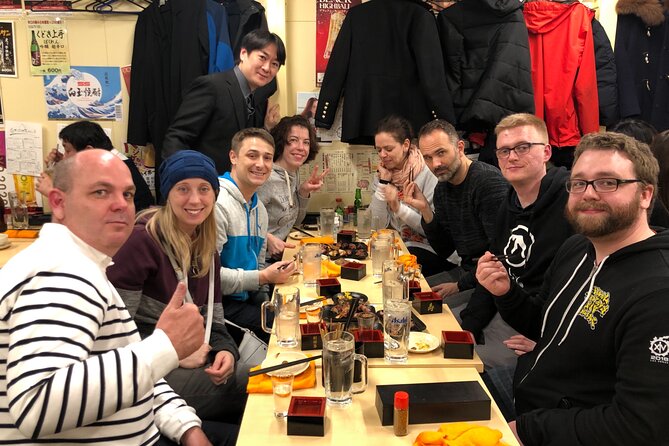
- Up to 10 people keeps the night feeling personal and manageable (not a big shuffle).
- No language barriers: the guide translates and helps with ordering and how to eat.
- Food tastings + drinks included, with drink choices tied to what you’re eating.
- Ueno’s real bar streets: you walk through Ameya Yokocho and nearby izakaya areas.
- Ramen at the end, with ordering tips so you know what to request and how to eat it.
- Culture stops along the way: quick context on Ueno Park and Ueno Zoo, plus Tokyo train know-how.
Why Ueno works so well for a first food night
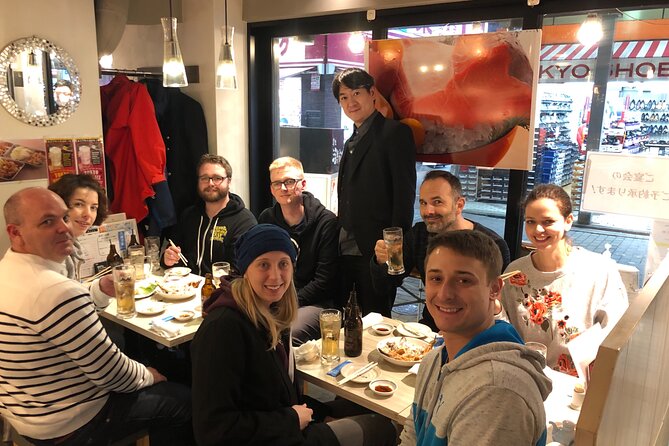
Ueno is one of those Tokyo areas where you can feel how the city runs. It’s not just museums and tidy streets. It’s markets, station life, and late-night drinking culture spilling into side alleys. That matters because Japanese food experience isn’t only about taste. It’s also timing, noise level, how you stand, and how you order.
This tour is built for that reality. You’re guided through the kinds of places that can be intimidating when you’re alone: small, busy, and designed for regulars. Instead of wandering and guessing, you follow a plan where you learn what you’re looking at and what you’re supposed to do with it.
And because it’s a short evening—about 3 hours—it’s a great “first night” move. You get enough context to stop eating like a tourist on night two.
You can also read our reviews of more food & drink experiences in Tokyo



Meeting at atré Ueno, then getting your bearings
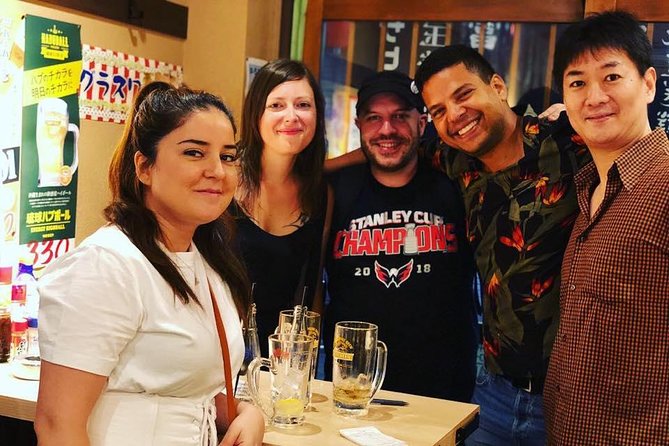
The meetup is at Starbucks Coffee inside atré Ueno (Ueno Station area), and the tour ends back in the Ueno neighborhood near Ueno 5-chome. That start location isn’t random. It’s close to the train lines, easy to reach, and familiar enough that you don’t burn time searching.
Right away, the guide sets the stage with a quick Tokyo intro, then shifts focus to Ueno: what’s going on around Ueno Park, and how Ueno Zoo fits into the area’s everyday rhythm. The point isn’t trivia. It’s orientation. When you know why the area looks the way it does, you appreciate the food streets more.
If you like walking tours that explain how neighborhoods work, this style is a win. If you hate introductions and want food immediately, expect this to be brief and then you’re off to the first eating stop.
Stop 1 in Ueno: four dishes that teach you how Japanese menus think
At the first restaurant stop, you’ll have 4 dishes served, and the guide explains what they are and what to watch for when you’re eating them. This is one of the best ways to start a food tour: early on, you get vocabulary for flavors and cooking styles, not just “taste this.”
You’ll also be shown how to navigate Japanese dish names and typical menu patterns. That matters later if you decide to return on your own. A big chunk of the value here is mental. After Stop 1, you’re not just hungry—you’re understanding what you’re tasting.
One small drawback: first stops often set the tone with food variety. If you know you want only a specific type of food (like only ramen or only seafood), consider whether you’re flexible enough for multiple styles in one evening.
Through Ameya Yokocho: street energy, then izakaya mode
Moving through Ameya Yokocho is part of the point. This is where the tour earns its “like locals” promise. The street is busy and full of sensory input—signs, smells, and people doing quick purchases. You’ll feel how Ueno works day to night.
Then the tour transitions into the more intimate rhythm of Japanese dining: tavern-style meals and drinks where conversation matters and food arrives in a steady flow. You’re not stuck in one place. You’re learning how the area’s food culture changes block to block.
If you don’t like crowds, show up early and keep your pace. The walking is part of the experience, and Ueno’s energy can be loud.
Stop 2 near Okachimachi: izakaya drinking culture and smart ordering
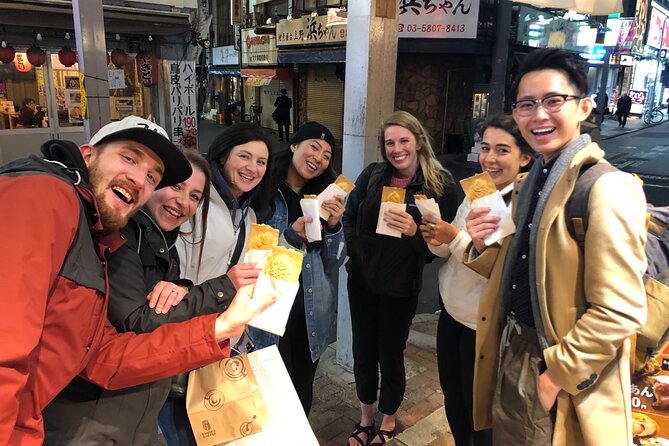
Next up is Okachimachi Ekimae Street. Here, the guide focuses on dishes again and also talks about drinking culture in the izakaya side of town. That’s useful because Japanese alcohol culture isn’t only about what you drink—it’s about pairing, pacing, and how the night typically unfolds.
This is also where you start to see why the tour is more than food sampling. The goal is to make you comfortable ordering in a place that’s not built for foreigners with time to spare. Instead of you waving your phone translation app around, you follow the guide’s lead and learn what questions matter.
One practical consideration: some alcohol choices may be a strong part of the tasting experience. That said, the tour includes non-drinkers, and you’ll still get the food program even if you choose to skip alcohol.
You can also read our reviews of more tours and experiences in Tokyo


A quick Tokyo train lesson that actually helps
After Stop 2, there’s a short explanation about the train system in Tokyo. This is the kind of “why didn’t I learn this sooner” moment. Tokyo transit is simple once you get the structure: lines, transfers, and how to read direction changes without panicking.
On a food tour, this matters because you’ll often end the night needing to get home quickly. If you leave with less stress about trains, you’ll enjoy the rest of your trip more, even if you never take the exact same route again.
Stop 3 in the Ueno district: drinks paired with what you’re eating
Stop 3 leans into Japanese alcoholic drinks and how they connect to the food you’re eating. In plain terms: you’ll learn why certain drinks show up with certain dishes, and how locals think about balance—crispness, sweetness, acidity, or warmth depending on what’s on the table.
You’ll also get another chunk of tastings and the chance to ask questions. This is where a good guide earns their paycheck. The best part isn’t just ordering. It’s understanding what you’re tasting and how to repeat it later without guessing.
From the names that appear in guide experiences—Aki (also mentioned as Akira) and Shota—you can see that the vibe tends to be energetic and friendly. People describe laughs as part of the evening, plus a steady pace where you never feel lost.
Final stop near Okachimachi Panda Hiroba: how to order and eat ramen
The last stop is a ramen store near Okachimachi Panda Hiroba. You’ll get direct help on how to order and how to eat ramen like a regular. That may sound small, but it removes a common annoyance: “Do I point? Do I ask for extra? Is there an order sequence I should know?”
Ramen is also the perfect closer. It’s filling, comforting, and easy to compare across shops later. If you’ve only eaten ramen in international chains before, this is where you reset your expectations.
Based on guide-guided experiences, the ramen tends to be a highlight, with people calling it among the best they’ve ever had. Even if you’re not a ramen super-fan, having it last keeps the night satisfying.
The real value: not just food, but confidence
Let’s talk value, because $95.21 for a 3-hour walking food-and-drink tour is not “cheap.” It has to earn its place.
Here’s why it can still be good value:
- You get multiple paid food moments in places you might not choose alone. In Tokyo, the wrong pick wastes your night. The right pick turns it into an experience.
- Drinks are included, and not as an afterthought. You learn pairing and pacing, which is hard to do on your own when menus are complicated.
- You avoid the menu stress tax. When you don’t understand what you’re ordering, you often end up with the safe option. Here, the guide steers you to the items that make sense in a local setting.
- Small group size helps. With a max of 10 people, the guide can answer questions and keep the pace comfortable.
Now, the main trade-off: you’re trying several dishes and you may run into flavors you wouldn’t automatically pick. One experience noted that some dishes felt unusual or hard to eat. That doesn’t mean it’s common, but it’s a real consideration. If you’re a very picky eater, you’ll want to think through your risk tolerance.
Who this tour is best for (and who should think twice)
This tour fits best if you:
- Want an easy first Tokyo food night with less decision fatigue
- Like standing bars, grilled bites, and tavern-style meals
- Enjoy drinking culture, or at least want to understand it
- Like guides who keep things moving while still explaining what’s happening
- Want to leave with the confidence to eat out on your own afterward
You may want to think twice if you:
- Have strict food preferences and don’t want anything outside them
- Know you dislike adventurous preparations
- Struggle with fast spoken explanations in a second language (communication quality can vary by guide)
If you do have dietary restrictions, there’s encouraging evidence from guide responses: the guide takes care to ask about needs and can handle adjustments, including vegetarian options at partner spots.
What to expect in your stomach, with a practical strategy
You’ll be walking between stops and eating through the night. Plan for:
- Come hungry. People consistently say it’s a lot of food.
- Pace your drinks if you’re not used to alcohol with meals. If you do drink, the best results usually come from slow sips tied to what’s on your table.
- Ask questions. The guide offers explanations for dishes and how to eat them, and the best nights are usually the ones where you interact.
If ramen is your goal, you’ll still enjoy the earlier stops because they set context for what you’ll appreciate in that final bowl.
Quick note on guide energy and translation
The tour promise is clear: no language barriers, with the guide handling translating and helping you order. In real-world guide experiences mentioned by name, English skills are consistently praised.
Still, here’s the practical reality: translation is only as good as the moment. One negative experience mentioned difficulty understanding a big share of what the guide said. That’s uncommon in the overall feedback pattern, but it’s a reminder to pick a role for yourself too: pay attention early, ask for repeats if you need them, and don’t wait until the ramen line if something feels unclear.
Should you book this Tokyo Ueno food tour?
Book it if you want a smart start in Tokyo—walking, explanations, and a clear food path through Ueno’s bar streets. The combo of small group size, guide-led ordering, and food plus drinks makes it a good value for people who want local dining without the guesswork.
Skip it (or choose a different style) if you’re set on only familiar dishes, hate any adventurous ingredient, or you know you won’t do well with a night that includes multiple tastings and some drinking culture.
If you’re wondering whether it’s worth it, here’s my straight answer: if you want to learn how to eat in Tokyo, and you’d rather follow a local guide than wander in confusion, this is an excellent use of your time in Ueno.
FAQ
How long is the Tokyo Ueno Food Tour – Taverns & Ramen?
It lasts about 3 hours.
What’s the price per person?
The price is $95.21 per person.
What’s included with the tour?
Food tastings and drinks are included.
How many people are in the group?
The tour has a maximum of 10 travelers.
Where do we meet and where does it end?
Meet at Starbucks Coffee – atré Ueno Japan, 1F. The tour ends at 5-chōme-27 Ueno, Taito City, Tokyo 110-0005.
Do I need to know Japanese to join?
No. The guide takes care of translating and helps with ordering.
Is there a mobile ticket?
Yes, the tour uses a mobile ticket.
Is the tour near public transportation?
Yes, it’s listed as near public transportation.
Can I get a full refund if I cancel?
Yes. You can cancel up to 24 hours in advance for a full refund. If you cancel less than 24 hours before the start time, it isn’t refunded.