REVIEW · TOKYO
Tokyo: Mt. Fuji 5th St, Gotemba & Hakone by Luxury Bus
Book on GetYourGuide →Operated by 株式会社PC-TAKU · Bookable on GetYourGuide
Fuji, volcano steam, pirate ship in one day. On this Tokyo to Mt. Fuji and Hakone day trip, what gets people excited is the jump from Mt. Fuji Fifth Station up into wide cloud views, then down into the sulfur-and-steam drama of Ōwakudani. It’s the kind of route that changes the scenery so often you don’t have time to get bored.
I also like the pacing that keeps the day moving: you get a real taste of Fuji up close, and then you transition to Hakone’s volcanic sights and lake views without the stress of switching trains and connections yourself.
The one thing to consider is visibility and timing. If the weather turns cloudy (or traffic slows things down), your time at Fuji can feel short and the famous views may not show as clearly as you hoped.
In This Review
- Key things to know before you go
- A Tokyo day trip that actually feels like two trips
- Shinjuku Center Building pickup: where the day starts
- Mt. Fuji Fifth Station: your quick-hit altitude moment
- Gotemba Premium Outlets: the shopping break that helps the day work
- Hakone Ropeway: the cable car ride you’ll remember
- Ōwakudani Valley: short time, big sensory impact
- Lake Ashi on a pirate ship: the calm ending
- Price and value: what $93 gets you (and what it doesn’t)
- Planning tips to make the day feel smoother
- Who this tour suits best
- Should you book this Tokyo to Fuji and Hakone luxury bus tour?
- FAQ
- Where is the meet-up point, and when does the bus leave?
- How long is the full tour?
- What attractions have tickets included?
- Is lunch included?
- Is there snow activity in winter?
- Is the tour wheelchair accessible, and what languages do you get?
Key things to know before you go
- Shinjuku pickup at 7:15 with a 7:30 depart means you’re working with the day’s best light windows.
- Mt. Fuji Fifth Station is a 40-minute guided stop, so you’ll want your camera ready fast.
- Winter snow play may happen, with snow sledding at Mt. Fuji’s 2nd station from late-December to mid-March.
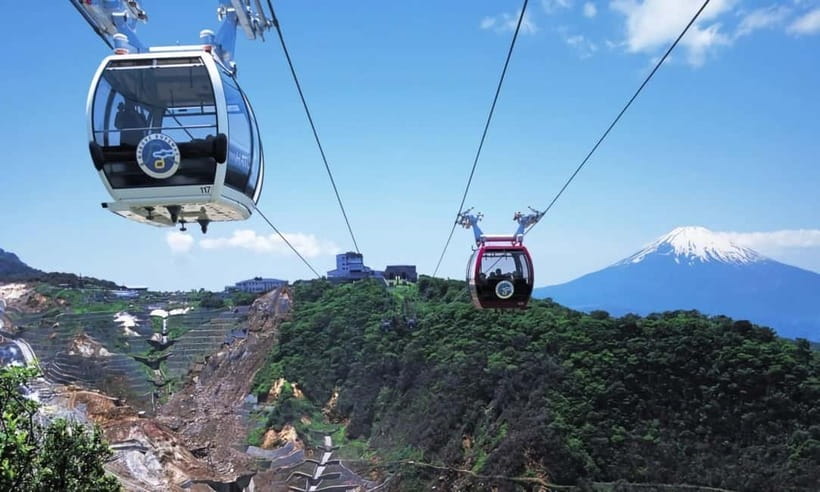
- Ōwakudani Volcanic Valley is reached by ropeway, with the cable car admission included.
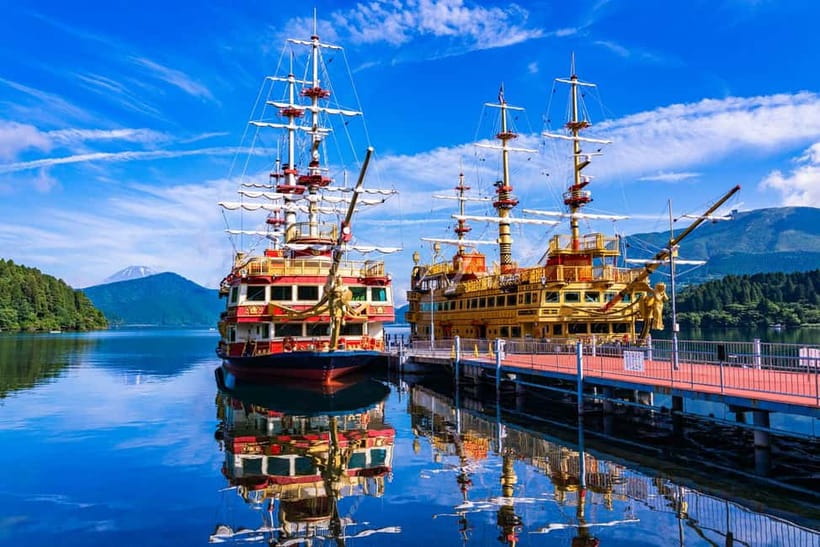
- Hakone Pirate Ship cruise is included, sailing on Ashinoko Lake from Tōgendai Port for a calm finale.
- Guides like Yui and drivers like Emiko/Emicko are praised for keeping the day friendly and organized.
A Tokyo day trip that actually feels like two trips
This tour is built for one thing: maximum wow-per-hour. You start in Tokyo, then you move into the Fuji zone, and after that you’re deep in Hakone’s volcanic and lakeside scenery. The route covers a lot of ground, but it’s done with a round-trip transfer system and guided checkpoints, so you’re not hunting for connections while your feet burn.
It’s also a good “first taste” tour. If you’re new to Fuji and Hakone, you’ll see the big-name landmarks in one day: the Fifth Station viewpoint area, the Ōwakudani volcanic valley by ropeway, and a lake cruise that feels like a movie scene. If you already know these places and want a slower, deeper exploration, you might prefer an overnight plan—but for a single day from Tokyo, this hits the main highlights.
You can also read our reviews of more tours and experiences in Tokyo


Shinjuku Center Building pickup: where the day starts
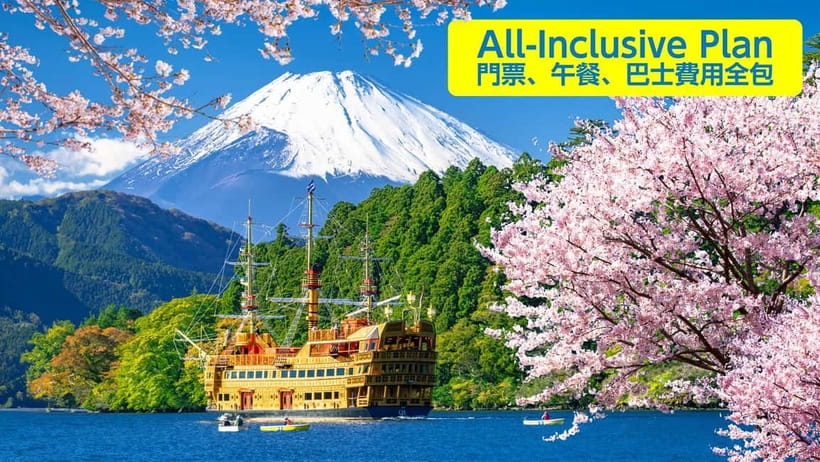
Your meet-up point is the sidewalk in front of the main entrance of the Shinjuku Center Building, with a clear landmark (the GET YOUR GUIDE logo). The schedule is straightforward: 7:15 meet-up, 7:30 depart. Show up early. Latecomers or no-shows can’t be refunded, and early departures matter because the route is long.
You’re on the coach for about 2.5 hours to reach the Fuji area. That ride time is part of the value here: you’re paying for comfort and reduced stress, not just transport. The tour includes insurance and a translation setup (Chinese/English video translation), which helps when you want to focus on sights instead of decoding everything on your own.
Also, you may find the guide’s spoken language varies in practice. Even if you choose English, the spoken guide may be in CN or JP, with English information provided via an interpreter device. It’s worth keeping that in mind so you’re not surprised when you hear something different on the bus.
Mt. Fuji Fifth Station: your quick-hit altitude moment
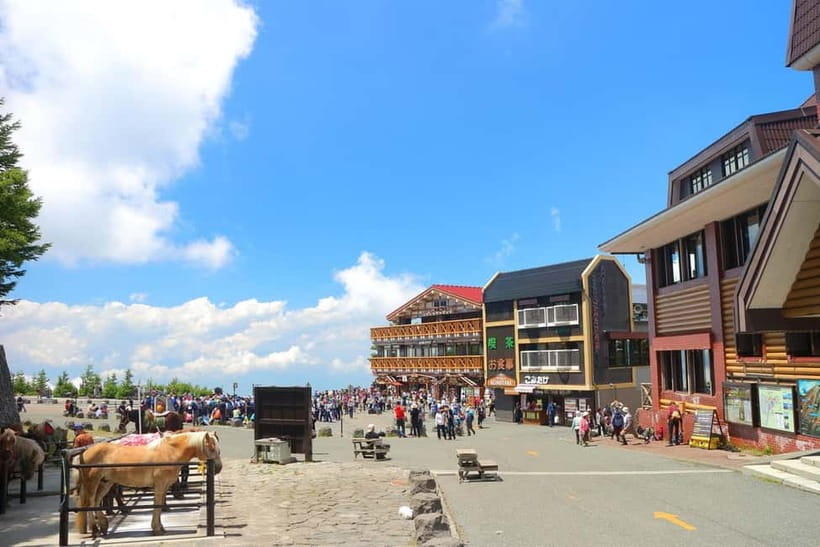
The Fuji part is the heart of the day. You’ll have a guided visit at Mt. Fuji Fifth Station for about 40 minutes. That’s not a long time, but it’s enough for the main goal: getting up into the higher viewpoints where the skies can open into cloud drama.
The tour’s own guidance stresses bringing a fully charged camera—because around this altitude you can get close to the sea-of-clouds effect. If conditions are clear, the air feels sharper, the views feel bigger, and Fifth Station becomes more than a stop. It’s the moment where the trip earns its name.
Winter note (important): from late-December to mid-March, snow sledding can happen at Mt. Fuji’s 2nd station. You might not see that exact snow activity year-round, but if you’re traveling in that window, it’s a real bonus included with the snow resort admission (if any).
One practical drawback: the tour time can shorten depending on seasonal conditions and traffic. And even with good planning, weather controls the visibility. If Fuji is hidden behind thick cloud, you’ll still experience the altitude and viewpoints, but the headline “Fuji reveal” might not land like you want.
Gotemba Premium Outlets: the shopping break that helps the day work
After Fuji, you’ll arrive at Gotemba Premium Outlets, where you’ll get about 105 minutes for lunch and shopping. This stop is valuable in a very practical way: it gives you a buffer to reset. After time on roads and at altitude, a shopping mall might sound boring—until you realize how much easier it makes the rest of the itinerary.
A key detail: lunch isn’t included. That means you’ll want to use this time to grab a meal you can handle quickly. Consider treating the outlets stop like your main food window, since later portions are shorter and focused on transit and sightseeing.
Also, if you’re traveling in colder months, you’ll probably appreciate having indoor options nearby. Even if you don’t shop much, this stop can keep the day from feeling like a full-on outdoors endurance test.
Hakone Ropeway: the cable car ride you’ll remember
Once you reach Hakone, the pace shifts from “go go go” to “look longer.” You’ll head to the Hakone Ropeway, and you’ll spend about 10 minutes in the ropeway visit portion. Admission to the ropeway is included, so you’re not adding another ticket step to your day.
This is the most efficient way to get into the volcanic zone. From Ōwakudani, you’re in the part of Hakone where you can see the signs of the earth being active—sulfurous steam and hot springs area below. The tour’s highlight here is the bird’s-eye perspective over those hot springs, which is hard to replicate from a distance.
Practical tip: wear shoes you can walk in on rougher ground around stations. It doesn’t sound like a big deal, but ropeway areas can involve short stretches of uneven surfaces, and your time is limited—so you want to move comfortably.






Ōwakudani Valley: short time, big sensory impact
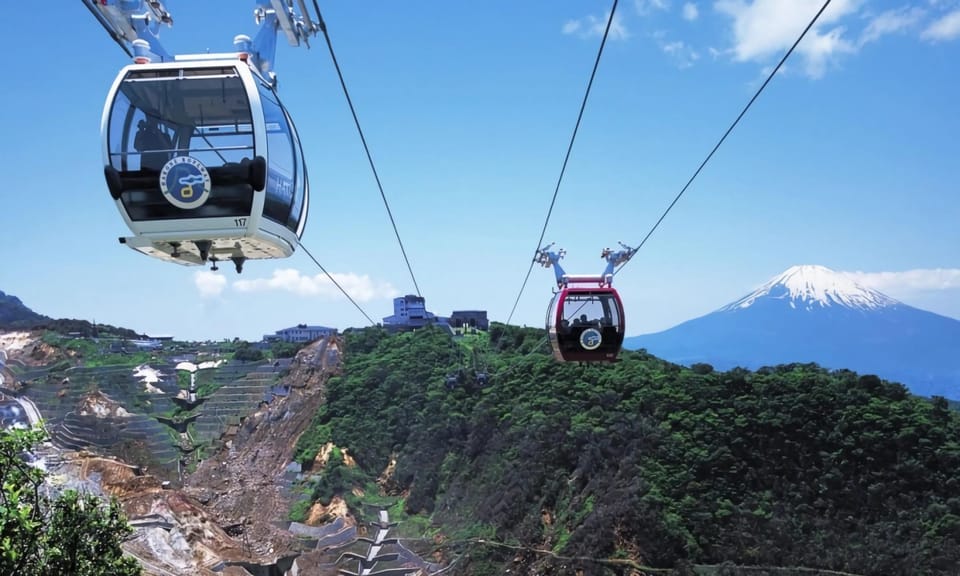
Ōwakudani Volcanic Valley is where the scenery changes from “pretty Japan views” to “active geology.” You’ll have about 20 minutes there, with a guided visit plus free time. That’s brief, but it fits the tour’s one-day format.
What you should expect here: frequent visuals of steam and heat haze, plus the sense that the ground is more alive than most places you’ll visit in Japan. Because your time is short, it helps to decide ahead of time what you want—wide viewing points for photos, or a quicker wander to take in the atmosphere.
If you love photography, this is a strong moment. Heat haze and steam can affect sharpness, but they also create that signature volcanic look. Bring your camera (you’ll thank yourself later for remembering to charge it).
Lake Ashi on a pirate ship: the calm ending
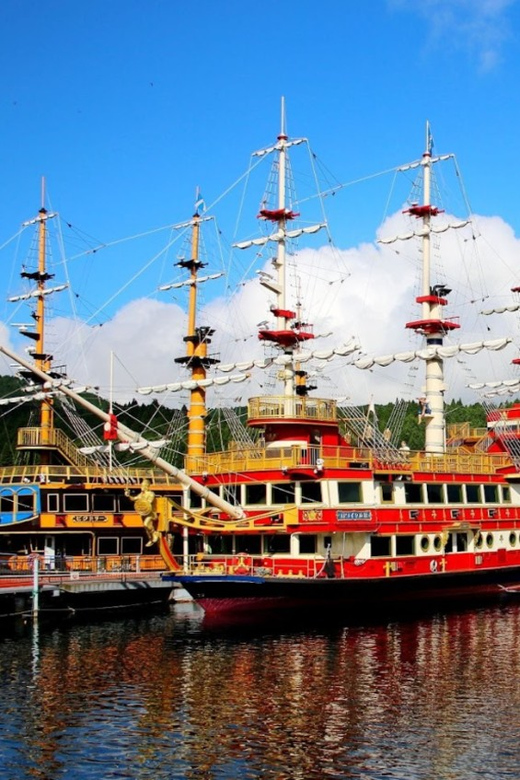
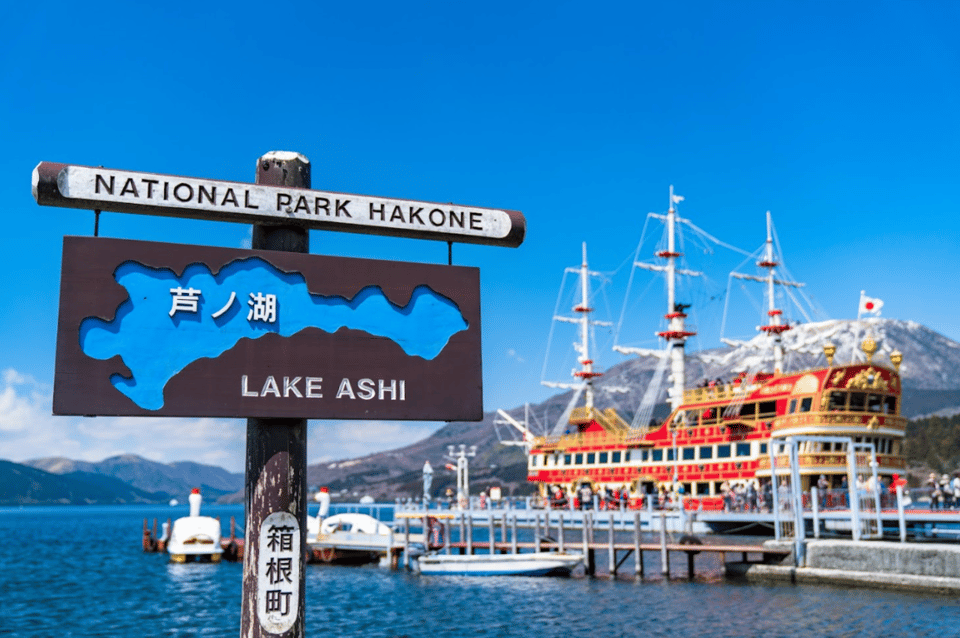
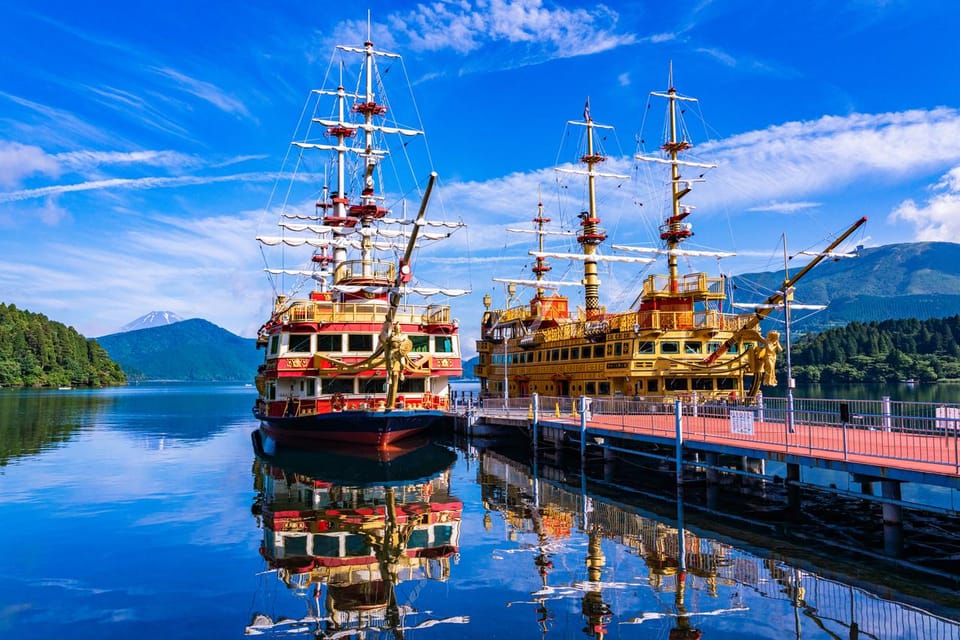
The finale is not just another photo stop—it’s a different tempo. You’ll board the Hakone Pirate Ship at Tōgendai Port for about 30 minutes. Ticket admission is included.
The point of this segment is serenity. Lake Ashi gives you space to breathe after the volcano intensity. You cruise past nature and take in the shoreline and mountain mood from the water. It’s also a good way to get everyone’s energy back up before the return trip.
Even if the day is long, the cruise tends to feel like a reward: you’re seated, you’re moving, and the views keep shifting without you having to walk for them.
Price and value: what $93 gets you (and what it doesn’t)
At about $93 per person for a roughly 12-hour day, the biggest value isn’t just the transport—it’s what’s bundled.
Included items you’re paying for indirectly:
- Round-trip transfers from Shinjuku
- Mt. Fuji guided tour component and sightseeing time
- Hakone Ropeway admission
- Hakone Pirate Ship cruise admission
- Insurance provided by the operator
- Chinese/English video translation service
- Snow resort admission (if any)
And what you should plan for separately:
- Lunch is not included
- Personal spending (souvenirs, snacks, shopping purchases)
From a value standpoint, this is a smart deal if you want all the landmark experiences without managing tickets and timed connections yourself. You’re effectively paying for convenience and guided flow. If you already have a car, or if you know exactly how to self-plan the Fuji and Hakone day, the cost might feel less “necessary.” But for most visitors, the reduced hassle is worth it—especially with a full day packed into one coach run.
Planning tips to make the day feel smoother
Here are the details that matter most for a tour like this:
1) Cameras and charging. You’re going to Fuji and volcano viewpoints where moments pass quickly. Keep your battery full. If you use lots of photos, bring a power bank.
2) Layers beat one warm jacket. You’re moving from Tokyo to higher altitude and then to Hakone. Conditions can shift fast. Think base layers + a jacket you can add/remove.
3) Build a quick “weather mindset.” If Fuji is clouded, you can still enjoy the sites and the viewpoint experience. But don’t plan on the perfect postcard view every second. Your odds improve when skies cooperate.
4) Use the Gotemba time for food. Since lunch isn’t included, treat the outlets stop as your main meal window.
5) Don’t overpack your expectations of “free time.” Many portions are guided and time-boxed. The good side: you see more. The trade-off: you can’t linger everywhere.
6) Language support is there, but don’t assume one accent. You’ll have live guide support in English and Japanese, plus audio guidance. Still, in practice you might hear CN or JP and receive English via interpreter device—so read the vibe, not just the setting.
Who this tour suits best
This is a strong fit if:
- You want a one-day Tokyo escape that still hits Fuji and Hakone’s signature sights
- You prefer guided structure and pre-arranged admissions over self-planning
- You like photos, panoramic viewpoints, and a mix of volcanic and lakeside scenery
- You’re comfortable with a bus-focused day and short stop windows
You might skip this if:
- You want lots of time to wander independently at Fuji or Hakone
- You’re chasing a single long, uninterrupted landscape moment and don’t handle time limits well
- You’d rather do Fuji and Hakone separately on different days for deeper pacing
Should you book this Tokyo to Fuji and Hakone luxury bus tour?
If you want the highlights—Mt. Fuji Fifth Station, the Ōwakudani ropeway volcanic zone, and a lake cruise on Ashinoko—this is a practical way to see them without logistical headaches. The included ropeway and pirate ship admissions plus guided flow make the $93 feel less like a ticket price and more like a bundle of hard-to-time planning.
The only real reason not to book is if you’re extremely strict about weather-dependent viewpoints and long stays. Since the schedule can shorten and Fuji can be hidden by clouds, you should go with the mindset: enjoy the journey even if the postcard view is imperfect.
If that sounds right for you, then yes—this is a solid, efficient day that delivers variety in a single ride.
FAQ
Where is the meet-up point, and when does the bus leave?
You meet on the sidewalk in front of the main entrance of the Shinjuku Center Building (look for the GET YOUR GUIDE logo). It’s 7:15 meet-up and 7:30 depart.
How long is the full tour?
The total duration is listed as 12 hours.
What attractions have tickets included?
The tour includes Hakone Ropeway cable car admission and the Hakone Pirate Ship cruise admission, along with round-trip transfers and guided sightseeing time.
Is lunch included?
No. Lunch is not included, so you’ll need to plan food during free time stops such as at Gotemba Premium Outlets.
Is there snow activity in winter?
Yes. From late-December to mid-March, the snow sledding experience can take place at Mt. Fuji’s 2nd station, and snow resort admission is included if available.
Is the tour wheelchair accessible, and what languages do you get?
Yes, it’s listed as wheelchair accessible. Live tour guide support is provided in English and Japanese, and audio/video translation services are included as well.