REVIEW · TOKYO
ENJOY-ALL-SHINJUKU《Red Light District Walking》with DEEPest info!
Book on Viator →Operated by OMOIDE JOURNEY JAPAN · Bookable on Viator
Shinjuku can feel overwhelming fast. This fast, friendly walk through Kabukicho and Shinjuku gives you local stories and photo-friendly stops without dragging you through the usual checklist. I like how the tour focuses on the real feel of the area and practical recommendations you can use the same day, and I also like that you’ll get help taking pictures as you go. One thing to keep in mind: the pace is speedy, and you’re spending time in busy nightlife zones, so it’s not the calmest walk in Tokyo.
If you want an efficient way to get your bearings, learn what you’re actually looking at, and leave with names of places to eat and drink, this tour is built for you. It’s short enough that it won’t steal a full afternoon, but structured enough that you won’t feel like you wandered around alone.
In This Review
- Key reasons to do this tour
- Entering Shinjuku fast: the value of a 90-minute orientation
- Price and time: why $25 is more than a “walk”
- How the logistics actually work: where you meet and how the loop ends
- Stop-by-stop: what you’ll see and why each place matters
- 1) Omoide Yokocho: the alley that feels like time travel
- 2) Kabukicho: the neon district with rules you should know
- 3) Godzilla Road & Head: a pop-culture landmark with local context
- 4) Shinjuku Golden Gai: tiny bars, big character
- 5) Shinjuku Kabukicho Noren Street: the fabric of the district
- 6) Hanazono Shrine: a calmer pause in the middle of noise
- 7) Don Quijote Shinjuku Kabukicho: where tourists and locals both shop
- 8) Toho Cinemas Shinjuku: the movie-world edge of Shinjuku
- Photos, food, and the kind of tips you can use immediately
- What the “REAL Japan” promise looks like on the ground
- Which guide style you’re likely to get (and why it shows in the reviews)
- Who this Shinjuku and Kabukicho walk is best for
- Should you book this tour?
- FAQ
- How long is the tour?
- How much does the tour cost?
- Where do I meet for the tour?
- Where does the tour end?
- What’s included in the ticket price?
- Are meals or drinks included?
- Is there an air-conditioned vehicle?
- What languages are available besides English?
- How does cancellation work?
- Is good weather required?
Key reasons to do this tour
- Photo support at the spots that usually look better in your camera than in real life
- Local recommendations for food and drinks, including “coolest place for dinner locals know”
- A structured loop that hits the big Shinjuku icons and a few quieter streets
- Small-group feel with a maximum of 20 people noted in the info
- “REAL Japan” approach: culture and context, not just signs and screenshots
- Guided orientation so Kabukicho stops being confusing within minutes
Entering Shinjuku fast: the value of a 90-minute orientation
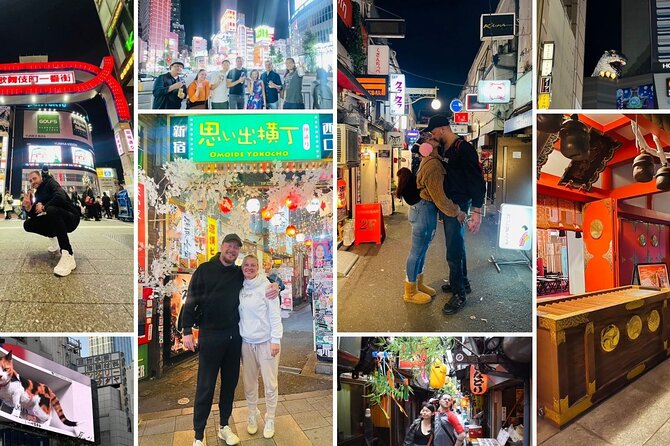
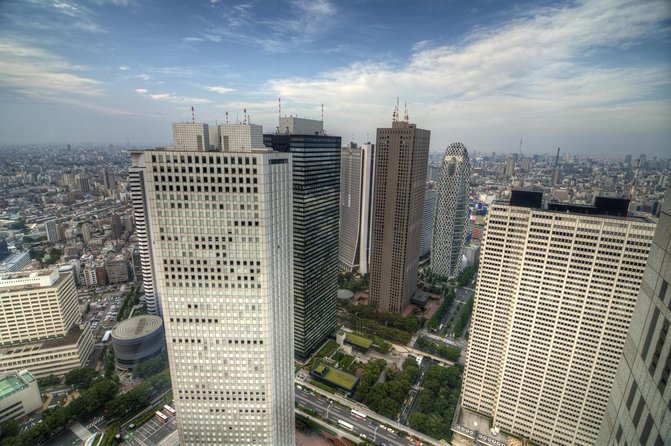
Shinjuku is huge, loud, and designed to keep you moving. The red-light district side of town in particular can throw off your sense of direction—one wrong turn and suddenly you’re in a totally different vibe. This is why a short guided loop works so well here. You’re not trying to “see everything.” You’re trying to understand what you’re looking at, then enjoy the rest of your trip with better instincts.
For me, the best part is the teaching style. The tour isn’t only about famous landmarks. It’s about what the neighborhood means and how locals think about it. The guide is explicit about sharing deeper context—culture, history, and current city realities—so you don’t experience Tokyo as a thin layer of tourist surfaces.
And it’s timed right. At around 1 hour 30 minutes, you can fit it into a travel schedule that’s packed with shopping, lunch, and dinner plans. If you’re staying near Shinjuku, you also get something practical: a mental map of where to go next without relying on guesswork.
You can also read our reviews of more walking tours in Tokyo
Price and time: why $25 is more than a “walk”
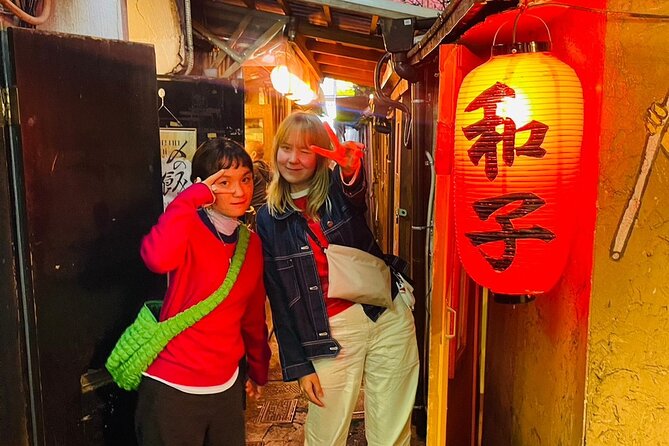
At about $25.04 per person for 90 minutes, this sits in the budget-friendly range for guided experiences in Tokyo. The key value isn’t just that someone walks you around. The value is in three things that would otherwise cost you time (and sometimes money):
First, you get guided navigation through a neighborhood that’s easy to get tangled in. Second, the tour includes photos during the walk, which saves you from the awkward solo-camera scramble. Third, you leave with local recommendations for food and drinks—tips like best places to drink and where locals go for dinner.
Also, the tour uses a mobile ticket, which cuts down on friction when you’re already managing trains, maps, and schedules. No air-conditioned vehicle is included, but honestly, for a walking tour in central Tokyo, you’re mostly outside anyway.
Is it a perfect fit for everyone? Not quite. If you want slow, quiet sightseeing, this isn’t that kind of pace.
How the logistics actually work: where you meet and how the loop ends
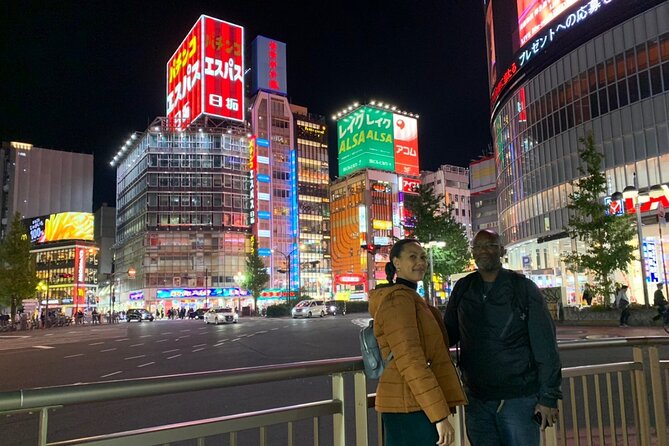
You start at the Shinjuku Tourist Information Center (3-chōme-37-2 Shinjuku, Shinjuku City, Tokyo 160-0022). The tour ends back at the meeting point. That “back where you started” design matters. It means you don’t need to line up a new transit plan mid-day just because you finished in a different corner of town.
The tour notes near public transportation, which is exactly what you want in Tokyo. You can plan around it like a building block: meet, walk the loop, then jump back to your next stop.
Group size is capped in the information you get. It’s designed for a small-group feel, with limits listed as up to 10 people and also a maximum of 20 travelers. Either way, it should feel organized rather than chaotic.
And yes, you’ll likely be with other people, so bring the normal walking-tour mindset: stay close, listen when the guide talks, and don’t treat every street scene like you’re filming a movie.
Stop-by-stop: what you’ll see and why each place matters
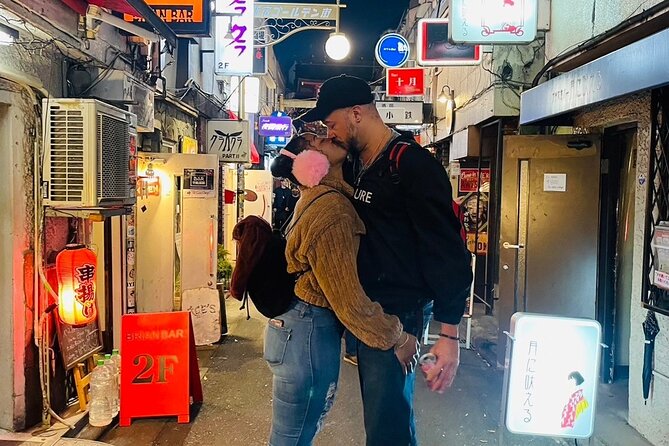
This tour is built as a loop through Shinjuku’s most story-heavy zones, with quick transitions that keep energy up.
1) Omoide Yokocho: the alley that feels like time travel
Omoide Yokocho is the kind of place where you suddenly stop thinking about maps and start thinking about smells, light, and small conversations. You’ll get a guide’s framing for why this area exists, how it functions as a dining alley, and what makes it different from the larger streets around it.
The practical benefit: you’ll learn what kind of spots to look for if you want a similar vibe later—small, atmospheric eating areas rather than big, anonymous restaurants.
Drawback to consider: alleys are tight. If you’re hoping for lots of wide-open photos, you might find angles limited.






2) Kabukicho: the neon district with rules you should know
Kabukicho is famous, but not everyone knows how to interpret it. Your guide helps you read the neighborhood—what’s going on, what kind of businesses fill the area, and how to move through it confidently.
The tour includes entry/admission tied to the Kabukicho District as part of the guided program. Translation: this isn’t just a casual stroll past signs. It’s structured to help you understand the district as you walk.
Photo tip: neon + night lighting can be tricky. Having the guide manage photo moments helps you avoid blurry, overly bright shots.
Drawback: it’s busy and loud. If you need quiet, you’ll feel it.
3) Godzilla Road & Head: a pop-culture landmark with local context
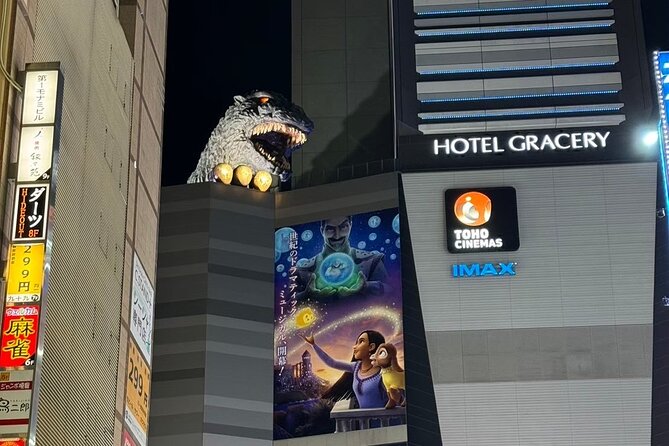
You’ll stop at Godzilla Road and the Godzilla Head area—one of those iconic points that’s fun even if you don’t consider yourself a movie person. The value here is the context: why the landmark is placed where it is, and how it fits into Shinjuku’s identity as a place where pop culture and city life overlap.
This stop is a good reset in the middle of the loop. It’s visual, recognizable, and quick.
Drawback: it can be crowded for photos. Go with the flow and let the guide help you time shots.
4) Shinjuku Golden Gai: tiny bars, big character
Golden Gai is all about small entrances and the feeling that every doorway could be a story. Your guide’s job is key here: without context, it’s easy to think you’re just looking at a maze. With context, you start noticing patterns—how the space is used, what kind of nightlife it represents, and why it has such a strong reputation.
This is also where photo timing matters. If you want pictures that show the mood, you need quick, well-chosen angles.
Drawback: it’s not a “wide streets, big vistas” kind of place.
5) Shinjuku Kabukicho Noren Street: the fabric of the district
Noren are those hanging fabric curtains outside shops. In a neighborhood like Kabukicho, they’re part of the visual language. On this stop, you’ll get a sense of how storefronts and small businesses advertise themselves, and how the district’s layout creates that tightly packed nightlife feeling.
This is a good stop for people who like details. It’s not just neon—it’s the texture of the city.
Drawback: if you’re only chasing headline landmarks, this one might feel quieter than you expect.
6) Hanazono Shrine: a calmer pause in the middle of noise
After nightlife streets, Hanazono Shrine gives you contrast. A shrine stop is never just about the building. It’s also a reminder that this area isn’t only about entertainment—it also holds everyday cultural spaces.
You’ll get time to see it without rushing so much that it turns into a blur between streets. It’s a mental breather.
Drawback: if you’re not comfortable with crowds, shrines in central areas can still feel busy.
7) Don Quijote Shinjuku Kabukicho: where tourists and locals both shop
Don Quijote is a Tokyo institution. This stop works because it’s practical. You’ll understand why it’s such a magnet and what it’s like to shop in this part of the city.
For many people, this is where they pick up travel basics, snacks, or simple souvenirs. The tour also includes hidden souvenirs, so even if you plan to shop later, you’ll get something extra built into the experience.
Drawback: it can be crowded. If you hate shoulder-to-shoulder shopping, plan for that feeling.
8) Toho Cinemas Shinjuku: the movie-world edge of Shinjuku
Toho Cinemas is a clean way to end the loop—another pop-culture anchor, but with a different vibe than Godzilla. It helps you round out your sense of Shinjuku as a district where entertainment isn’t just a theme. It’s part of how the city runs.
By the time you reach the end, you’ll have a clearer idea of how Shinjuku mixes districts and moods without switching neighborhoods on you.
Photos, food, and the kind of tips you can use immediately
This tour is very intentional about pictures. You’ll take photos throughout the walk, with the guide helping you frame shots at the best spots. That matters more than you might think in Tokyo. In areas like Kabukicho, signs and lighting can trick your camera. Getting the timing right saves you from the “why is everything blurry” problem.
Then there’s the recommendation angle. The tour promises what it calls REAL information: where to go for meals, good places for drinks, and where locals consider dinner worth seeking out. In the description, you’ll see examples like good place for ranch, best place for drink, and coolest place for dinner only locals know. The specific wording might be a translation, but the intent is clear: you’re not just seeing sights—you’re collecting practical next steps.
One more value point: the tour emphasizes that you can ask questions as you go. That’s not just polite. It helps you tailor advice in real time, especially if you care about where to eat based on your budget or what kind of vibe you want that night.
And if you’re wondering about meals and drinks: meals are not included. But you’re also told there’s no need to pay for meals and drinks to the guide. So you can treat the tour as a local-guided experience, then decide on your own food and drink stops.
What the “REAL Japan” promise looks like on the ground
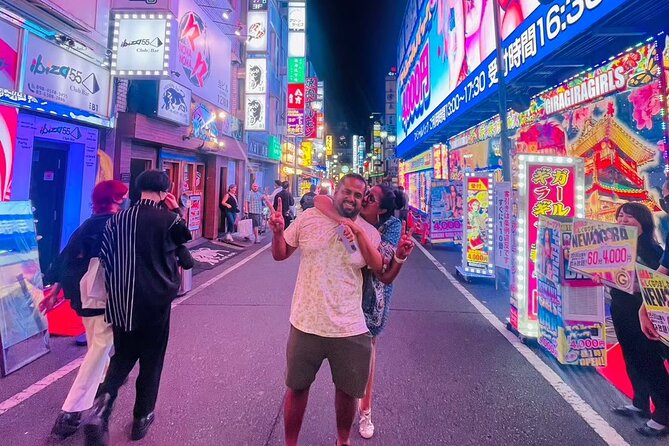
Tokyo’s surface layer is easy to collect. Photo posts and landmark lists are everywhere. What’s harder is understanding why places feel the way they do.
This tour pushes that deeper view in a fast format. Instead of lingering for hours, the guide ties each area back to culture, history, and how the district operates today. The wording specifically points to stories behind Shinjuku sights and the idea that the real beauty of Tokyo can’t be understood only through the most touristy places.
That’s exactly what you should want from a short guide-led experience. You get just enough background that you stop treating each stop as a random stop on a list.
And you’ll get local-style advice for things like shopping areas, lunch and dinner choices, and places to drink—especially helpful if you’re basing yourself in or near Shinjuku and want a plan that doesn’t rely on luck.
Which guide style you’re likely to get (and why it shows in the reviews)
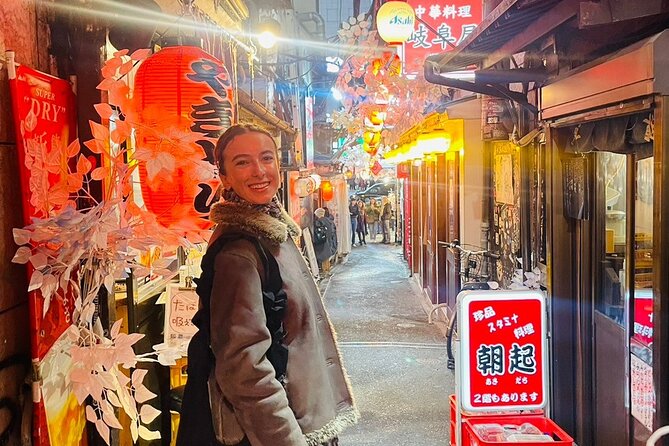
I can’t promise a specific guide for your date, but the tour description plus the guide names you’ll hear in this program suggest a friendly, story-driven style. Guides named Manaka, Dan, Suemi, and Aki have been highlighted for combining informative context with fun, fast momentum. That combination matters in a district like this.
You want two things from your guide:
1) clarity, so the district makes sense
2) energy, so you don’t feel like you’re getting lectured through neon
Based on the guide feedback patterns, this is the kind of tour where the day goes quickly because it doesn’t drag.
Who this Shinjuku and Kabukicho walk is best for
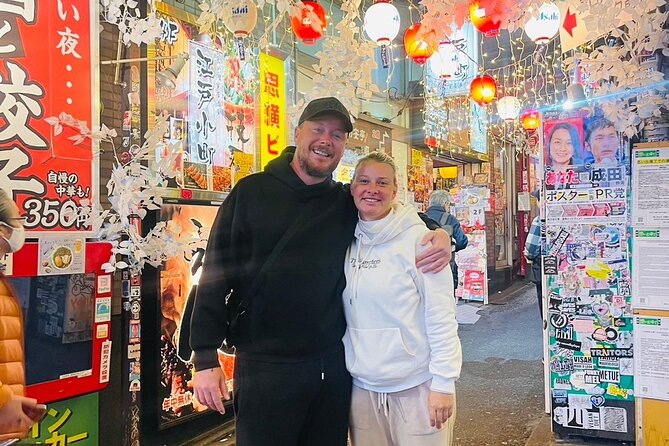
This is a strong match if:
- You’re short on time but want the Shinjuku side that most casual sightseeing misses
- You’re staying around Shinjuku and want a quick orientation before dinner plans
- You like photos but also want context, not just poses
- You want a local perspective on food and drinks
It may be less ideal if:
- You prefer quiet, slow sightseeing
- You’re easily overwhelmed by busy nightlife streets
- You’re traveling only for daytime scenic views (this tour spends a lot of time in entertainment zones)
Also, the tour notes availability in Spanish, Italian, and Korean if you need another language. If language support matters for you, confirm before booking.
Should you book this tour?
If your goal is to make Shinjuku feel less confusing fast, I’d book it. It’s one of those rare short tours where you leave with a map in your head, not just a list of photos. The price is reasonable for Tokyo, and you get more than sightseeing: photo help, local picks for food and drinks, and stories that explain what you’re seeing.
I’d especially book it early in your Shinjuku stay. That way, the recommendations you hear don’t stay trapped in your memory as “cool facts.” They become usable dinner and shopping decisions for the rest of your trip.
FAQ
How long is the tour?
It lasts about 1 hour 30 minutes.
How much does the tour cost?
The price is listed as $25.04 per person.
Where do I meet for the tour?
You meet at the Shinjuku Tourist Information Center, 3-chōme-37-2 Shinjuku, Shinjuku City, Tokyo 160-0022.
Where does the tour end?
The tour ends back at the meeting point.
What’s included in the ticket price?
Included are hidden souvenirs, photos during the tour, a guided exploration with a Japanese local guide, and entry/admission related to the Kabukicho District.
Are meals or drinks included?
Meals and drinks are not included.
Is there an air-conditioned vehicle?
No air-conditioned vehicle is included.
What languages are available besides English?
Spanish, Italian, and Korean are available if you contact the provider before booking.
How does cancellation work?
Free cancellation is offered if you cancel up to 24 hours in advance for a full refund.
Is good weather required?
Yes. The tour requires good weather, and if it’s canceled due to poor weather, you’ll be offered a different date or a full refund.