REVIEW · TOKYO
Mt. Fuji Day tour: Kawaguchi Lake Ropeway, Matcha, Oshino Hakkai
Book on Viator →Operated by Hotel Takitei · Bookable on Viator
Fuji day trips can feel like a checklist. This one adds real flavor and fast, photo-ready stops around Lake Kawaguchi and Mount Fuji Panoramic Ropeway. I like that the tour strings together the area’s best-known hits (plus matcha) without you needing to rent a car or figure out trains on a tight schedule.
What I also like is the balance between scenery and culture: a short, hands-on matcha experience with instructors, then a ropeway ride to lift you above the crowds. The main drawback to plan for is that this is a packed 10-hour loop, so you’ll need to move quickly and accept that traffic or queues can steal minutes from each stop.
In This Review
- Five things that make this Mt. Fuji day tour work
- Why this Mt. Fuji day loop is a smart choice from Tokyo
- The pickup reality: show up early or you lose time
- Stop 1: The Lawson Fuji photo spot near Kawaguchi Station
- Stop 2: Matcha with instructors (and why 10–15 minutes still matters)
- Stop 3: Mt. Fuji Panoramic Ropeway, 1,075 meters up
- Stop 4: Oshino Hakkai and its eight springs
- Traffic, queues, and the feeling of being on a clock
- Price and value: what you’re paying for at about $66
- The guide factor: you’ll feel it in the pacing
- Weather and expectations: plan for Fuji to be moody
- Should you book this Mt. Fuji day tour?
- FAQ
- How long is the Mt. Fuji day tour?
- Where do we meet for the tour?
- What is included in the price?
- Is lunch included?
- Do I need to rent a car to do this trip?
- How long is the matcha experience?
- What happens if the ropeway is suspended due to weather?
- Can you guarantee Mount Fuji visibility?
- Is there a maximum group size?
- Is there Wi-Fi on the vehicle?
- Can I get a refund if I cancel?
Five things that make this Mt. Fuji day tour work
- Yellow-flag guide pickup near Kawaguchi Station: your guide is easy to spot once you arrive early enough
- Matcha making that is brief but hands-on: you get a real routine, not just a demo
- Ropeway views from 1,075 meters: big panoramas with a clear “go time” at the observation deck
- Oshino Hakkai’s eight springs: a village stop that feels distinct from the lakeside
- A weather backup for the ropeway: if the ropeway can’t run, you shift to a Lake Kawaguchi cruise or get a 1,000 JPY refund
Why this Mt. Fuji day loop is a smart choice from Tokyo
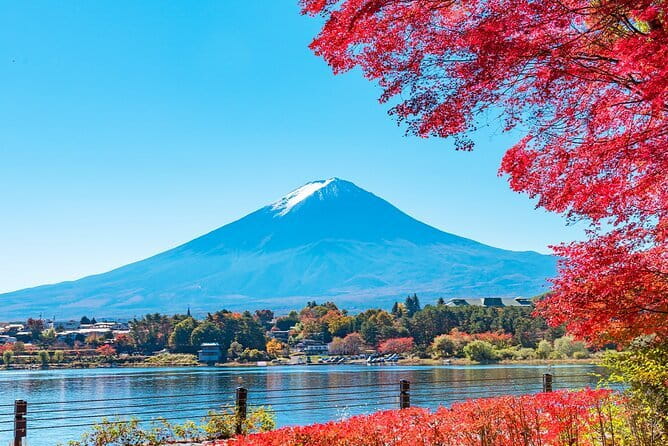
If you don’t have a car, Mt. Fuji day trips can turn into a puzzle. You’re trying to reach multiple places around the lakes, handle bus or train connections, and still make time for photos. This tour solves the big problem for you: round-trip transport from Tokyo in an air-conditioned vehicle.
That matters more than it sounds. The Mt. Fuji area can be humid in summer and chilly in shoulder seasons, and long drives feel longer when you’re not comfortable. Also, once you’re away from central Tokyo, schedules can be unforgiving. This route keeps you moving as a group so you’re not stuck waiting around.
This is also a small-group tour (max 45 travelers), which helps at crowded stops like Oshino Hakkai and during ropeway queues. You still need to be quick on timing, but you’re not stuck in a huge, chaotic mob.
You can also read our reviews of more tours and experiences in Tokyo.



The pickup reality: show up early or you lose time
This tour uses a simple guide-identification system: your guide holds a yellow flag with the Gogoday logo. You meet at a set point in Tokyo, and they’ll be waiting with that flag. The tour guide will be able to locate you faster if you arrive about 15 minutes early and share the name used when booking.
One thing to know: there are a lot of tours running in the same Fuji-lake zone, so meeting points can feel noisy. Multiple reviews mention confusion when it’s hard to match the right guide to your group, especially when you arrive late or when there are many groups using similar flags. Your best move is practical—arrive early, stand where the guide is likely to gather people, and confirm the group name.
Also plan on a long day. The schedule runs about 10 hours, and weekend or holiday traffic in Japan can push the return later than 8 p.m.. The company covers overtime fees for the driver and guide, but attraction visit times may get shortened if traffic is heavy.
Stop 1: The Lawson Fuji photo spot near Kawaguchi Station
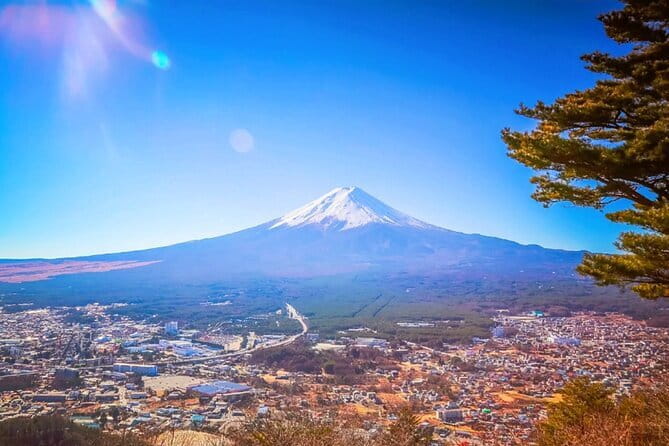
Your first stop is at a Lawson convenience store right by Kawaguchi Station, the kind of spot that gets shared because the framing is so easy. You get a short visit (about 20 minutes) right at this roadside view point, which is ideal if you want one clean “Fuji from a landmark” photo before the bus adds distance and time.
Two practical tips help here:
- Go right away and don’t wait for the perfect moment. Weather can shift fast in Fuji country.
- Bring a jacket even if Tokyo feels mild. The area around the lakes can feel different, and you may be standing still while the bus schedule stays strict.
When visibility is clear, this stop can be the quick highlight that makes the day feel instantly worth it. When clouds roll in, it’s still a good starting point because you get to set your expectations early and keep moving.
Stop 2: Matcha with instructors (and why 10–15 minutes still matters)
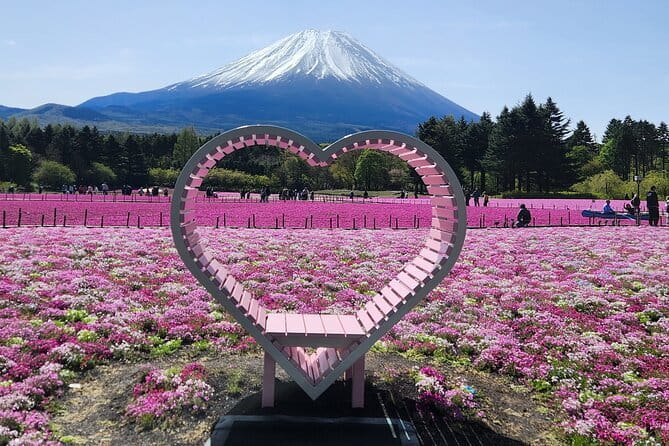
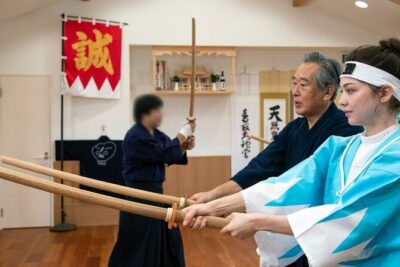
Next comes matcha. You’ll learn the art of making matcha with local instructors, then drink a freshly prepared cup. The matcha session is about 10–15 minutes inside a 1-hour stop, so you’re not stuck for long, but you do get the hands-on part.
This is where the tour earns its money beyond just transportation. A lot of Fuji day trips focus purely on views. This one adds a small culture moment you can actually participate in. I like that it’s structured: you’re guided through the steps, and you leave with a taste for the ritual instead of just a souvenir photo.
A heads-up from timing: in practice, the matcha experience can feel very short if your group is moving quickly. If you care most about the tea-making process, show up ready to focus when your instructor calls your group forward. Don’t wander off mid-session.
Stop 3: Mt. Fuji Panoramic Ropeway, 1,075 meters up
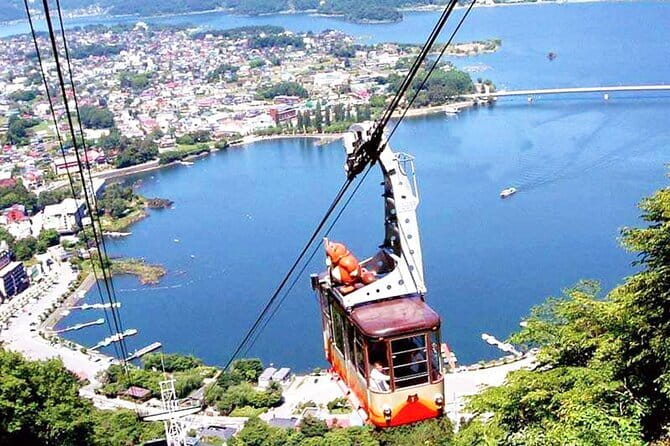
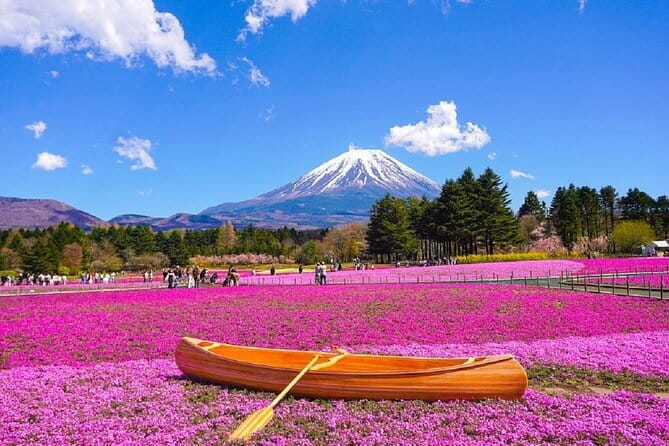
The ropeway is the visual payoff. You ride up and then spend about 1.5 hours total at the ropeway area, including observation time. The deck sits at 1,075 meters, so you’re not just looking across the lake—you’re getting that elevated, “above the noise” perspective that turns ordinary photos into something dramatic.
There’s also a clear operational advantage: queues tend to be heavy during peak periods, but your route is built around getting you onto the ropeway at a planned time. Still, build your mindset around waiting. If weather is good, you’ll be glad you had the patience.
The tour also has a backup if the ropeway can’t run. If the ropeway is suspended due to weather or other factors, the plan shifts to a Lake Kawaguchi cruise using the Warring States Daimyo ship, or you receive a 1,000 JPY refund (with details handled by email). That kind of contingency is valuable in Fuji country, where conditions can change quickly.
And one more reality check: visibility of Mount Fuji isn’t guaranteed. Even on a great trip, you may see clouds swallow the peak. If your goal is Mount Fuji itself, give yourself emotional flexibility. The ropeway views still matter even when the peak is partly hidden because you’ll get layered lake scenery.




Stop 4: Oshino Hakkai and its eight springs
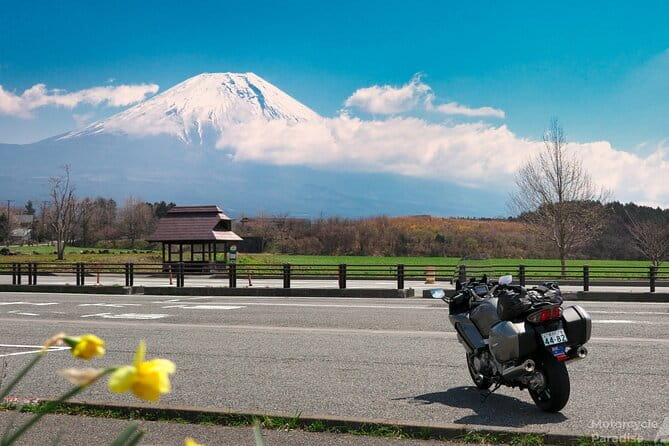
Oshino Hakkai is the part of the day that feels like you’ve arrived somewhere older and quieter. You’ll spend about 1 hour walking around the area, which is known for eight clear springs between Lake Yamanaka and Lake Kawaguchi.
This stop is popular for a reason: it looks distinctly different from the lakeside viewpoints and it slows your pace. Even with crowds, the springs and the village layout give you something to do besides taking photos of the same skyline.
The tradeoff is that Oshino can get busy. If you want calmer walking, head to viewpoints earlier in your time window rather than waiting until the last 20 minutes. The tour keeps the overall day tight, so it helps to decide your priority before you start strolling: springs, photo angles, or shopping streets.
Traffic, queues, and the feeling of being on a clock
A theme shows up in the feedback: the tour is exciting, but it can feel rushed. Some people said stops were short enough that they mainly captured pictures and moved on. Others said they had enough time to enjoy each stop. The difference often comes down to timing outside anyone’s control—traffic and line lengths.
Here’s how to make this day tour feel better for you:
- Be ready to board quickly and keep your group energy calm. If you’re slow with bags, you lose time for everyone.
- Treat each stop like a focused window, not a long hangout.
- Plan for a lot of moving. Even with air-conditioned transport, you’ll be outside taking photos and walking.
Transportation size is another factor. One review mentioned a smaller bus with cramped legroom and no comfort features beyond air-conditioning. If you’re tall or sensitive to legroom, mentally prepare for a tighter ride. The vehicle is climate-controlled, but it may not feel like a luxury coach.
Price and value: what you’re paying for at about $66
At $66.05 per person, this tour is priced like a budget-to-midrange day trip, and you should judge value by what’s included:
- Round-trip transport from Tokyo
- Ropeway round-trip tickets
- In-person guides
- Matcha experience ticket
- Mobile ticket support
What’s not included: lunch. That’s the main cost you’ll need to plan for. Bring a snack if you like, and use cash if you can—some scenic spots and restaurants in the Mt. Fuji area may only accept cash.
So is it a deal? For most people, yes, because the biggest expense is not just admission—it’s the hassle of getting between distant lakeside sights. When transport is included and ropeway tickets are built in, you’re buying time and structure.
If you’re the type who wants long stays at fewer locations, you might feel squeezed. But if you want a curated loop that covers Kawaguchi Lake views, matcha culture, a ropeway ascent, and Oshino Hakkai in one day, it’s efficient.
The guide factor: you’ll feel it in the pacing
The tour experience often rises or falls on the guide. In the feedback, several names show up with strong praise for clarity and keeping groups organized: Andrew, Erina, Martin, Laila, Brewski, Jack, Leonardo, Peter, Olivia, and Kumar.
You can’t guarantee who you’ll get, but you can count on the format: the guide holds the yellow Gogoday flag, leads you through each stop, and handles the timing so you don’t miss your windows. When guides are sharp with photo spots, the day feels smoother because you’re not guessing where to stand.
If you value photo guidance, watch for that support. Multiple comments highlighted that guides offered good locations and were willing to help take photos. That kind of small help can change how many good pictures you end up with, especially at the ropeway and Fuji-view stops.
Weather and expectations: plan for Fuji to be moody
You’re in the right region to chase Mt. Fuji, but you’re also dealing with reality. Light rain and cloud cover can mean the peak is not crisp, and one review mentioned a low-visibility day. The tour cannot promise a clear view, and the operator specifically notes that weather and Mount Fuji visibility are unpredictable.
What this means for you: if you’re going for a once-in-a-lifetime perfect shot, bring flexibility. If you’re going for a great day in Fuji country—lakes, views, a ropeway ride, and Oshino Hakkai—the experience can still land even when the mountain is half-hidden.
Should you book this Mt. Fuji day tour?
Book it if you want:
- An easy Tokyo-to-Fuji-lakes day without car rental stress
- A mix of views plus hands-on matcha
- A planned ropeway visit (with a weather backup option)
- A small-group feel up to 45 people
Skip it or switch plans if:
- You hate “clock pressure” and want slow, lingering time at each stop
- You’re worried about legroom on a smaller bus
- You need guaranteed Mount Fuji visibility (no tour can promise that)
My take: this is a good choice for first-timers who want to cover the highlights in one go and who are comfortable moving from spot to spot. If you go in ready for quick windows, you’ll come away with more than just photos—you’ll get a real taste of how the Fuji area feels beyond the skyline.
FAQ
How long is the Mt. Fuji day tour?
It runs for about 10 hours (approx.).
Where do we meet for the tour?
You meet at a meeting point in Tokyo, at Lawson Fujikawaguchiko Town hall. Your guide will be holding a yellow flag with the Gogoday logo.
What is included in the price?
It includes round-trip tickets to the ropeway, the matcha experience ticket, in-person guides, and air-conditioned round-trip transport from Tokyo.
Is lunch included?
No. Lunch is not included.
Do I need to rent a car to do this trip?
No. The tour includes round-trip transport from Tokyo in an air-conditioned vehicle.
How long is the matcha experience?
The matcha experience lasts about 10–15 minutes.
What happens if the ropeway is suspended due to weather?
If the ropeway is suspended, it will be changed to a Lake Kawaguchi cruise featuring the Warring States Daimyo ship, or you can receive a 1,000 JPY refund by email.
Can you guarantee Mount Fuji visibility?
No. Visibility of Mount Fuji cannot be guaranteed due to unpredictable weather.
Is there a maximum group size?
Yes. The tour has a maximum of 45 travelers.
Is there Wi-Fi on the vehicle?
One review specifically mentioned no Wi-Fi on the bus.
Can I get a refund if I cancel?
Yes, you can cancel up to 24 hours in advance for a full refund.