REVIEW · TOKYO
Tokyo: Private Walking Tour with a Local Guide
Book on GetYourGuide →Operated by Tokyo Vibes · Bookable on GetYourGuide
Tokyo feels manageable with a local guide. I like the private pace and how your English-speaking guide connects iconic sights to day-to-day Tokyo life. One drawback: it’s a walking tour, so you’ll want comfortable shoes and a head for crowds.
This is built for control. You pick what matters to you, your guide builds the order and timing, and you move by public transport where it makes sense. From first-time orientation to temple circuits and food-area wandering, it’s a smart way to stop guessing.
At $53 per person, the best value comes when you use the flexibility. If you walk well and communicate your priorities clearly, you can turn a half day into a real sense of the city.
In This Review
- Key things that make this tour work
- How a private Tokyo walking tour beats winging it
- Pickup zones and how you’ll actually get around
- Sensō-ji and Asakusa: start with old Tokyo that still feels alive
- Ueno and Ameya-Yokocho: culture stops plus street-level Tokyo
- Akihabara: tech culture with a human explanation
- Shibuya Crossing and Harajuku: youth culture at full volume
- Meiji Shrine and the calm break Tokyo needs
- Tsukiji Outer Market and Ginza: food choices plus shopping clarity
- Tokyo Imperial Palace and Shinjuku: symbols, then skyline energy
- Price and value: what $53 really buys you
- Practical tips so your day feels smooth
- Should you book this private Tokyo walking tour?
- FAQ
- How long is the Tokyo private walking tour?
- Is this a private experience or a group tour?
- What language is the tour guide?
- Does the tour include hotel pickup and drop-off?
- Are temple and shrine entrance fees included?
- Are meals included in the price?
- Are tickets for additional attractions included?
- Do I need WhatsApp before the tour?
- Is it suitable for wheelchair users or people with mobility impairments?
Key things that make this tour work
- True customization: you share interests, then your route gets finalized with your guide close to the tour day
- English-first communication: guides like Miwa, Rika, Momo, and Hina are praised for clear English and smooth explanations
- Navigation help: you learn how to use trains/subways without wasting time finding platforms
- Iconic meets local: big sights mix with calmer, less-touristy streets and local shopping areas
- Temple and shrine entrances covered: fewer surprise costs once you’re out sightseeing
- Photography and comfort tweaks: many guides help you coordinate group photos and pacing breaks
How a private Tokyo walking tour beats winging it
Tokyo is big, and its neighborhoods don’t behave like one big “tour circuit.” A private walking tour fixes the biggest problem: you get an efficient route that matches your energy and interests, instead of a one-size-fits-all checklist.
What I love here is the human scale. You’re not trying to keep up with a group while trying to read signs, figure out train transfers, and still enjoy the moment. Guides such as Miwa and Rika are repeatedly noted for being organized and for tailoring the plan so you spend less time in transit and more time actually seeing.
The main consideration is stamina. This is a walking tour and it also uses public transport, so plan for stairs, station crowds, and lots of moving. If you’re traveling with someone who gets tired fast, tell your guide early so the plan can include more breaks and smarter transport choices.
You can also read our reviews of more walking tours in Tokyo


Pickup zones and how you’ll actually get around
The tour includes pickup and drop-off in central Tokyo (or from your preferred meeting point). That matters because Tokyo sightseeing often falls apart when you burn time reaching the right neighborhood.
Expect to combine walking with convenient public transportation. You’re not paying for a private car in the base experience, and that’s part of the value. A good strategy for making the day smoother is planning for train rhythm: arrive at stations a few minutes early, keep your Suica or transit payment ready, and don’t overpack your hands.
One very practical tip from real experience: trains and stations can be crowded at peak times. If you prefer a lighter load of walking and crowded transfers, ask your guide to balance walking with transit more carefully. Just know that any added transport beyond the walking/public-transport mix may increase the cost, since other transport is not included.
Sensō-ji and Asakusa: start with old Tokyo that still feels alive
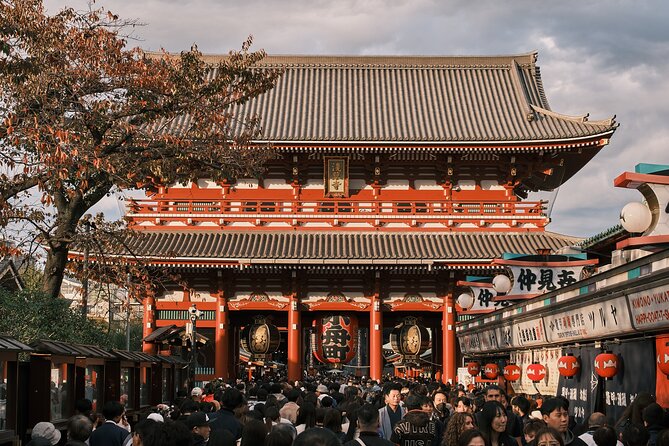
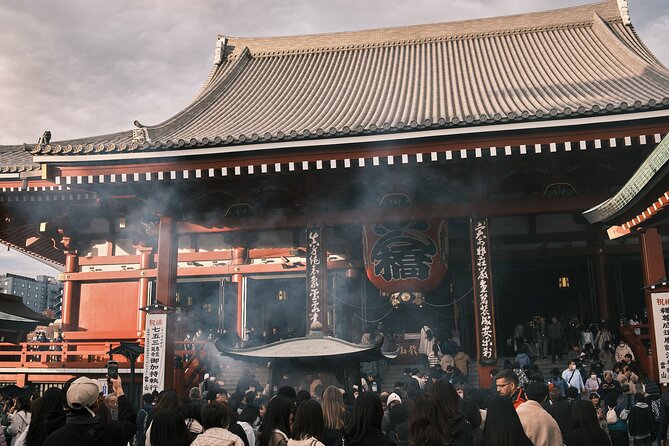
Sensō-ji is the classic entry point, and it’s the right place to start because it immediately frames what Tokyo is: layered tradition in a modern city. During your visit, you’ll get guided context for what you’re seeing and why certain spaces matter.
Asakusa usually pairs naturally with Sensō-ji. You’ll spend time walking the surrounding area and absorbing the atmosphere rather than treating it like a quick photo stop. This is also where your guide’s style shines. Some guides shift the focus from major landmarks to side streets and everyday details, which makes the area feel less like a set and more like a neighborhood.
If you’re aiming for maximum first-day orientation, this area is gold. It’s visually dramatic, easy to understand, and it gives you a foundation for interpreting later stops. Wear shoes you can walk in for a few hours, because you’ll want to keep moving.
Ueno and Ameya-Yokocho: culture stops plus street-level Tokyo
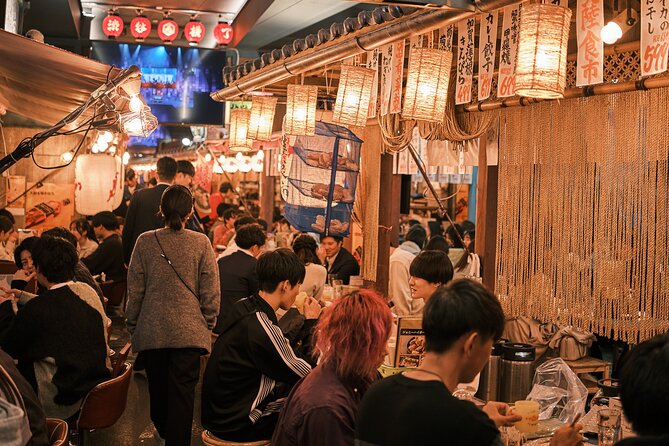
Ueno brings a different tone than Asakusa. It’s a place where you can feel Tokyo’s love for culture—then step right into a more casual, everyday market vibe.
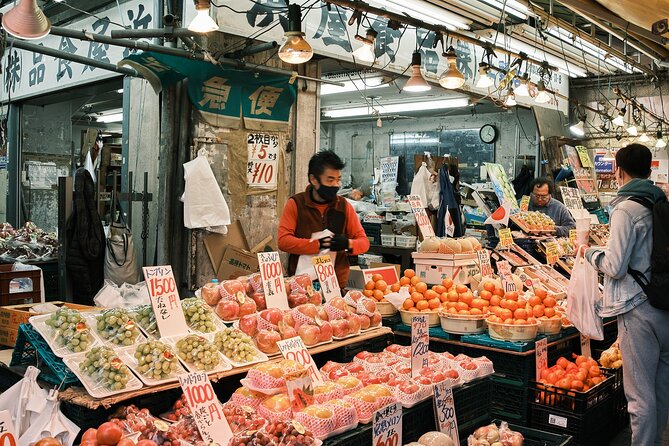
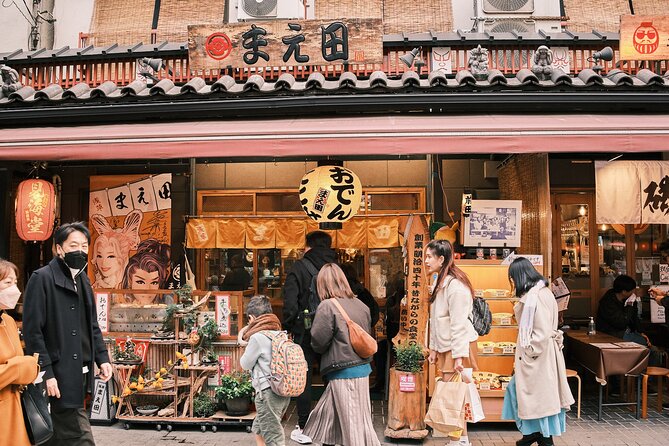
Then comes Ameya-Yokocho, where the experience turns into sensory browsing. You’ll get guided help around this kind of market area: what to look for, how to navigate efficiently, and how to interpret what you’re seeing without getting lost. Guides often steer people toward food and practical shopping decisions so the time feels purposeful.
If you like a tour day that mixes “see it” with “do something,” this part delivers. You’re not just moving between monuments. You’re learning how Tokyo commerce works in real life.
One drawback to watch: market areas can be busy, and you’ll likely stop, look, and walk again. If your day includes multiple shopping zones, build in water and short breaks so your energy stays steady.
Akihabara: tech culture with a human explanation
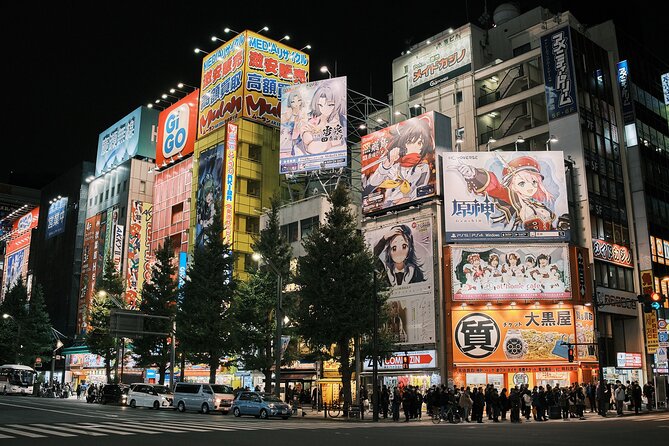
Akihabara is where Tokyo gets very specific, very fast. Depending on your interests, you can focus on electronics, pop-culture stores, and the wider subculture that grew around them.
The value of having a local guide here isn’t just knowing what stores exist. It’s understanding the categories, spotting what’s actually interesting to a newcomer, and avoiding time-wasting wandering. With English-speaking guides such as Momo or Hina, the explanations tend to stay practical—what you’re looking at, how it fits into Tokyo life, and what’s worth your money or time.
If you’re traveling with kids or you love fandom and gadgets, Akihabara can become a highlight quickly. If you’re hoping for quieter streets, just tell your guide and keep the focus on a shorter, targeted route through the most relevant areas.
Also, bring cash alongside your card. In busy market-and-shop zones, it can help when you want smaller purchases without fuss.
You can also read our reviews of more guided tours in Tokyo


Shibuya Crossing and Harajuku: youth culture at full volume
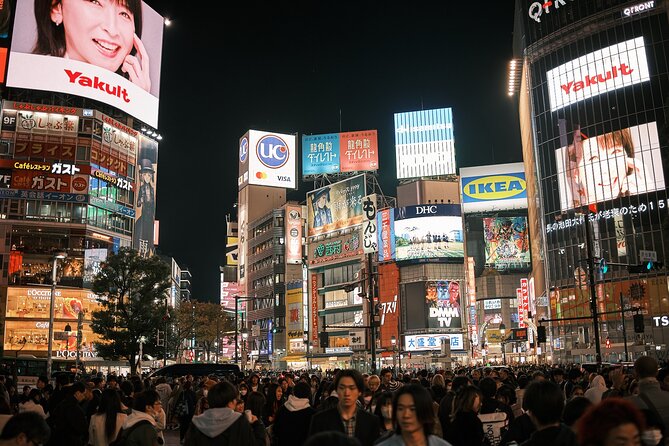
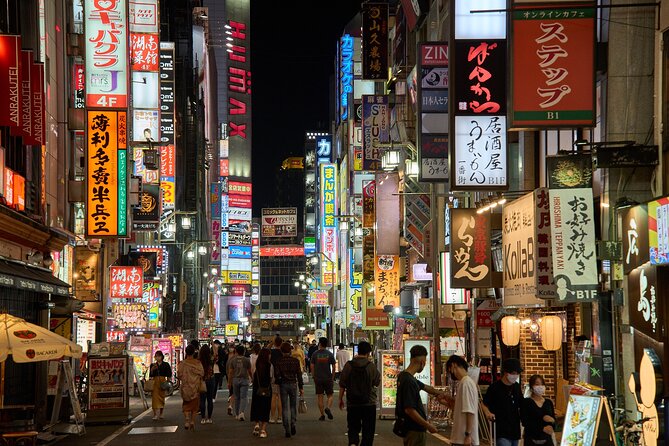
Shibuya Crossing is one of those places you either love instantly or feel slightly overwhelmed by—and that’s exactly why a guide helps. A good route helps you see more than the single iconic moment, and it helps you time things so you’re not just stuck waiting.
Harajuku adds a different layer: fashion, shopping streets, and a more youth-oriented vibe. This stop works well when your guide shifts the day’s theme from big landmark energy to something more personal, like what to look for and how to move efficiently along the most interesting lanes.
If you’re sensitive to crowds, this is still doable, but you’ll want a strategy: ask for a route that includes viewing points without lingering in the heaviest congestion. The best tours here don’t just stand in one spot—they use movement and timing to keep the day enjoyable.
I also liked the idea of pairing these stops with quieter religious sites on the same day. It gives you contrast: loud city energy, then calm, then back again.
Meiji Shrine and the calm break Tokyo needs
After the commercial and crowd-heavy parts of the city, Meiji Shrine can feel like a reset button. This is where Tokyo slows down physically and mentally.
A shrine visit isn’t only about the architecture and grounds. It’s also about social manners and respectful behavior—things guides can explain so you don’t accidentally do something awkward. You’ll also get context about the site that helps you understand what you’re seeing beyond surface-level photos.
This stop is especially useful in a longer itinerary because it adds breathing room. Your day gets structured: you see a major cultural reference point, then you move into neighborhoods with a clearer sense of what matters to locals.
If your schedule is short, consider whether you want a shrine/temple moment as your anchor. For many first-time visitors, these spiritual stops are the parts they remember most.
Tsukiji Outer Market and Ginza: food choices plus shopping clarity
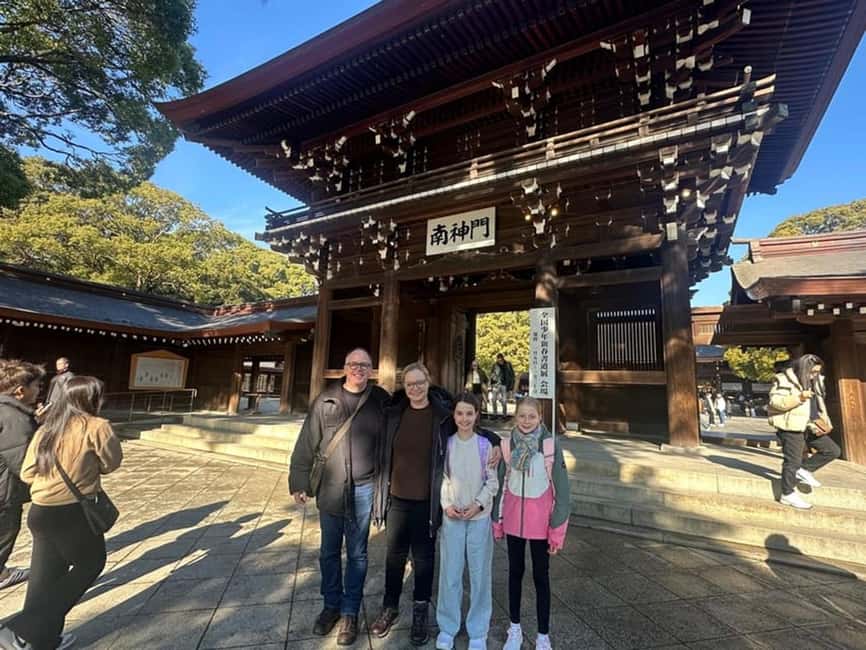
Tsukiji Outer Market is built for eating and browsing, and a guided walk helps you avoid the common mistake: wandering without knowing what to prioritize. Your guide can steer you toward foods that match your tastes and help you navigate the area efficiently.
Then Ginza brings the other side of Tokyo shopping—more polished, more upscale, and often easier to understand because it’s organized and visually uniform. With a guide, you can treat Ginza as both a stroll and a viewpoint stop, rather than a confusing maze of department stores.
What makes this section valuable is decision support. Instead of “try everything,” you get help narrowing down so your time becomes fun, not stressful.
If you plan to eat during the tour, the rules are simple: you’d invite your guide to join you and cover their meal cost. That’s not a problem when you’re in the mood to chat anyway, and it often turns into a more personal experience.
Tokyo Imperial Palace and Shinjuku: symbols, then skyline energy
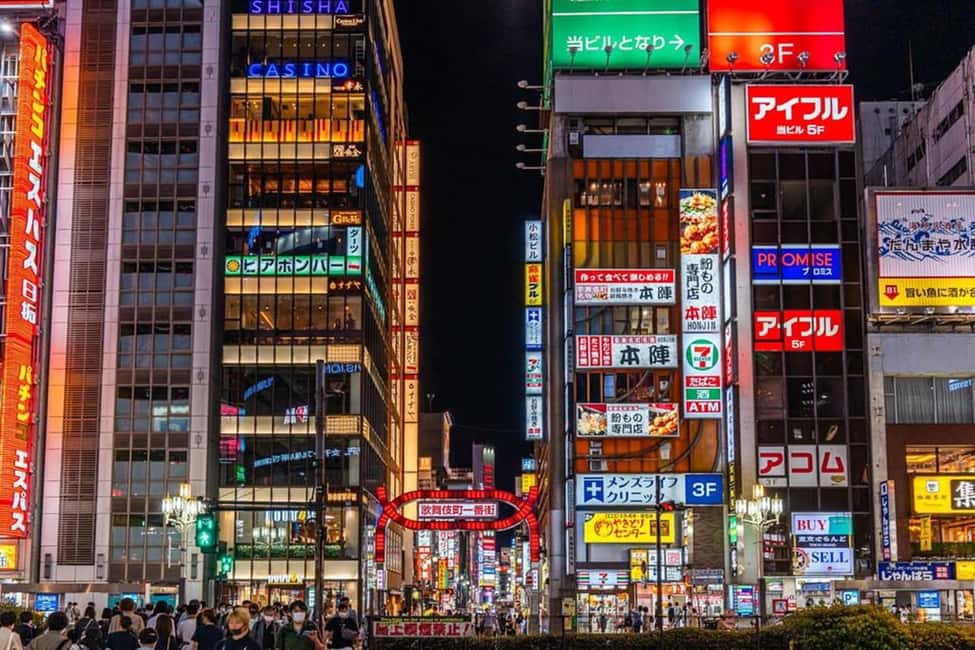
The Tokyo Imperial Palace area offers a formal, historic contrast. It’s a strong stop when you want something that feels official and ceremonial, especially after neighborhood walks.
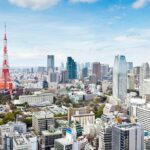
Shinjuku is the opposite vibe—high energy and modern Tokyo intensity. It works best when you treat it like a “choose your flavor” zone. You can go for city views, walk through major streets, or focus on the parts that feel most Tokyo to you that day.
A guide helps here with pacing. Shinjuku can eat time because there’s always something to see. With a private tour, you decide what’s worth lingering over, and your guide keeps you on schedule.
If you’re doing a longer route, this is where the day can feel like multiple cities in one: traditional reference points, busy commercial districts, then back to a calmer pace when you need it.
Price and value: what $53 really buys you
At $53 per person for a private tour, the value comes from three things.
First, you’re paying for attention. In a city that rewards research but punishes time waste, a good route saves your hours. Many guides are praised for being efficient with the train system and for customizing so you don’t repeat yourself.
Second, the experience includes temple and shrine entrance fees. That sounds small until you’re out walking and realize how quickly entrance costs can add up when you’re stacking several cultural stops.
Third, it’s not just “places.” It’s context and guidance in English. Clear explanations about customs and culture, plus practical help navigating Tokyo, is what makes the day feel worth the money.
Where the value can shrink is when you add lots of ticketed attractions beyond what’s included. Additional attractions may require you to pay admission for both yourself and your guide, so you’ll want to plan those choices carefully.
Practical tips so your day feels smooth
Bring a mix of passport or ID, comfortable shoes, a credit card, and cash. You’ll be in and out of stations and walking areas, and having both payment types reduces friction.
Also plan your expectations around the guide’s communication style. You’re asked to download WhatsApp because your guide will reach out within 24 hours before the tour date. Then, around 24 hours before, you’ll get the final itinerary based on your preferences.
If you want to avoid the day turning into nonstop walking, say so upfront. Some guides can pace with cooling stops when the weather feels heavy. If you have food priorities, tell them before you go so meal planning fits the route.
One more practical point: request help with photos if that’s important to you. Several guides are noted for taking clear group photos and sharing them afterward, which is a nice souvenir without you juggling your phone all day.
Should you book this private Tokyo walking tour?
I’d book this tour if you want a strong first-day orientation, you like mixing iconic stops with calmer neighborhoods, and you’d rather walk with guidance than spend your day decoding transit lines. It’s also a great fit for travelers who want control: you share interests, then your guide shapes the route and timing so you don’t feel rushed.
I’d think twice if walking is a struggle for you, because this isn’t designed for wheelchair users or mobility impairments. It also may not feel ideal if you hate crowds and want zero station time, since part of the experience uses public transport.
If your goal is to leave Tokyo with a clear sense of direction plus a few standout cultural moments, this private format is one of the more efficient ways to do it.
FAQ
How long is the Tokyo private walking tour?
It runs for 2 to 8 hours, depending on the option you choose.
Is this a private experience or a group tour?
It’s a private group, with your local guide leading you personally.
What language is the tour guide?
The live guide speaks English.
Does the tour include hotel pickup and drop-off?
Yes. Your guide will meet you at your hotel in central Tokyo or at your preferred meeting place in Tokyo, and the tour includes drop-off.
Are temple and shrine entrance fees included?
Yes. Entrance fees for temple and shrine visits are covered.
Are meals included in the price?
No. Meals and beverages are not included. If you have lunch or dinner during the tour, you’ll need to invite your guide to join and cover their meal cost.
Are tickets for additional attractions included?
Tickets for additional attractions or special requests are not included, and you may need to purchase admission tickets for both yourself and your tour guide if required.
Do I need WhatsApp before the tour?
You should download WhatsApp, since your guide will reach out within 24 hours prior to the tour date.
Is it suitable for wheelchair users or people with mobility impairments?
No. It is not suitable for people with mobility impairments and wheelchair users.