REVIEW · TOKYO
Tsukiji Fish Market: Street Food & Culture Walking Tour
Book on GetYourGuide →Operated by Local Guide Stars · Bookable on GetYourGuide
Tsukiji tastes like Tokyo history in two hours. The best part of this tour is how it moves fast from quiet, carved calm at Tsukiji Hongwanji Temple to the busy outer-market lanes where you get a fresh wasabi set to sharpen tuna, wagyu, and other street snacks. One thing to plan around: on Wednesdays, Sundays, and national holidays, about half of the outer-market shops may be closed, so the food lineup can feel thinner than usual.
What makes it worth the money is the human guide work. You’re not wandering cold and guessing what’s worth your yen, and you’ll hear cultural context while you eat, whether your guide is Kawa, George, Mao, Kenny, or another English-speaking local.
In This Review
- Key Things That Make This Tsukiji Tour Worth It
- Tsukiji Fish Market in 2 Hours: The Value Math You Should Do
- Tsukiji Hongwanji Temple: Start With Culture, Not Chaos
- The Outer Market Walk: Tuna, Wagyu, and Street Food You Can Actually Taste
- How Guides Turn Market Noise Into Clear Food Choices
- Temple-to-Market Culture: The Ritual Side of Japanese Food
- When Shops Close: What Happens on Wednesdays, Sundays, and Holidays
- What You’ll Actually Do During the 2-Hour Walk
- Price and Pacing: Why $22 Can Be a Smart Buy in Tsukiji
- Tips That Make Your Tsukiji Walk Easier (Especially in Warm Weather)
- Who This Tour Suits Best
- Should You Book This Tsukiji Street Food & Culture Walking Tour?
- FAQ
- Where is the meeting point for the tour?
- How long is the Tsukiji Fish Market street food and culture tour?
- Is the tour guided in English?
- Do I need to bring cash?
- What happens if I book for a Wednesday, Sunday, or a national holiday?
- What’s included in the tour?
Key Things That Make This Tsukiji Tour Worth It
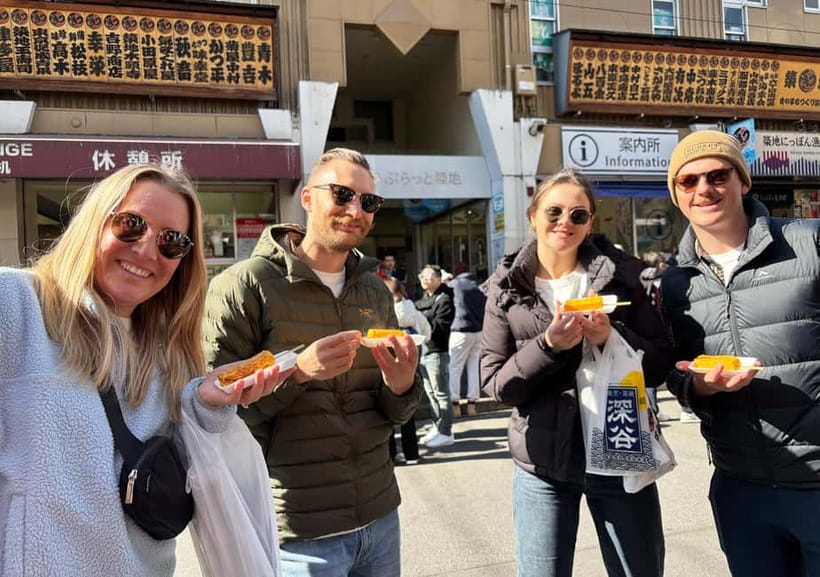
- Tsukiji Hongwanji Temple as your starting reset: quick culture first, then straight into market food.
- Fresh wasabi set included: an extra flavor step that makes your tastings feel more intentional.
- Tuna, wagyu, and classic street bites: you’ll get a mix instead of one repeated snack.
- Guides help you choose without overthinking: they steer you toward stalls that match what you want to try.
- Umami explained through preservation: you learn why certain flavors last and intensify in Japanese cooking.
- Smaller-group pace: easier navigation through crowded aisles.
Tsukiji Fish Market in 2 Hours: The Value Math You Should Do
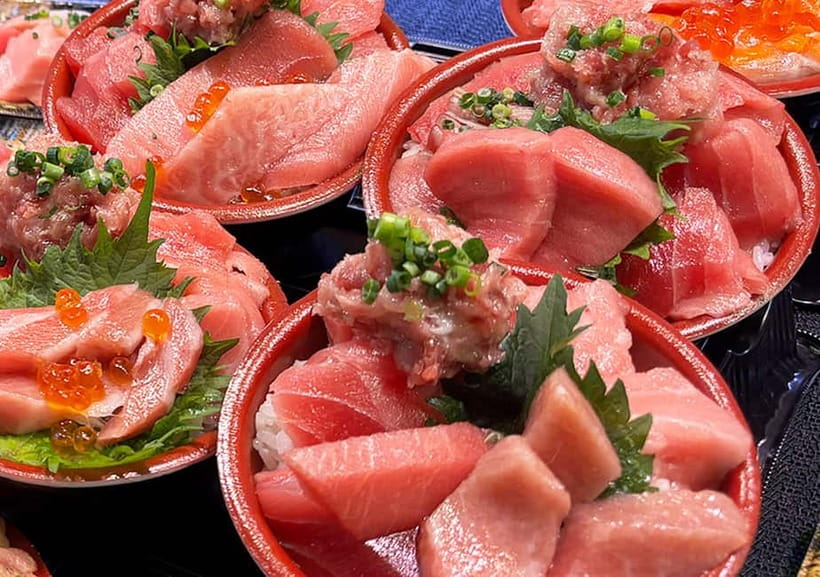
For $22 and about two hours, you’re paying for three things that add up fast in Tsukiji: time saved, better ordering, and food-tasting structure. The market is famous, but it’s also busy and confusing if you’re there on your own. A guide keeps the route sensible and helps you spend your energy eating, not figuring out which stall is right.
This tour also has a built-in pacing advantage. You get a temple introduction, then a focused outer-market walk with tastings, then a little more time to keep exploring with context. If you’ve got limited time in Tokyo, two hours is long enough to feel like you did something real, but short enough to still shop or grab lunch afterward at your own speed.
You can also read our reviews of more walking tours in Tokyo


Tsukiji Hongwanji Temple: Start With Culture, Not Chaos
You begin at Tsukiji Hongwanji Temple (Tsukiji Hongan-ji), where the atmosphere shifts immediately. Even though Tsukiji is known for fish and noise, this first stop gives you a calmer entry point into the neighborhood’s food culture. The temple’s architecture and carved details set the tone: respect, ritual, and everyday discipline are part of how Japanese cuisine is practiced.
From a practical point of view, this first segment is also smart timing. You’re not jumping straight into the hardest part of Tsukiji. You get oriented, you get a sense of how your guide approaches the area, and then you head to the outer market with clearer priorities.
The Outer Market Walk: Tuna, Wagyu, and Street Food You Can Actually Taste
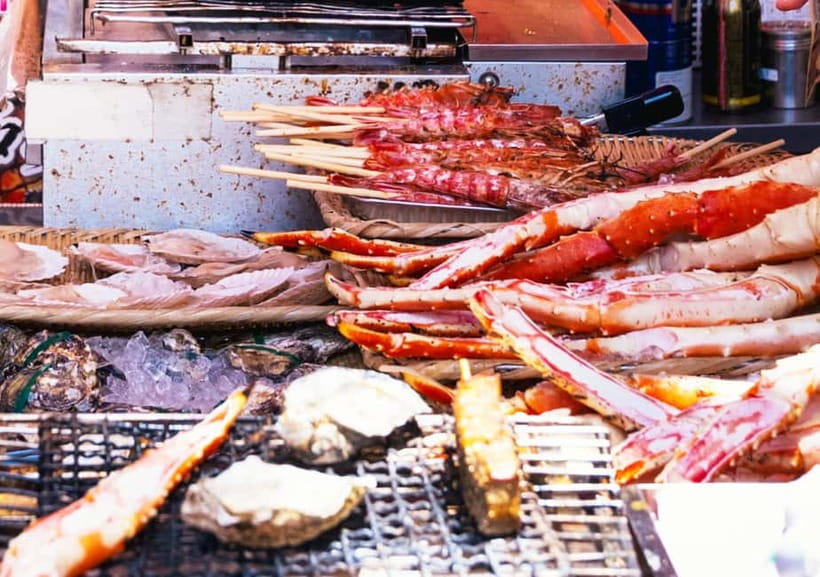
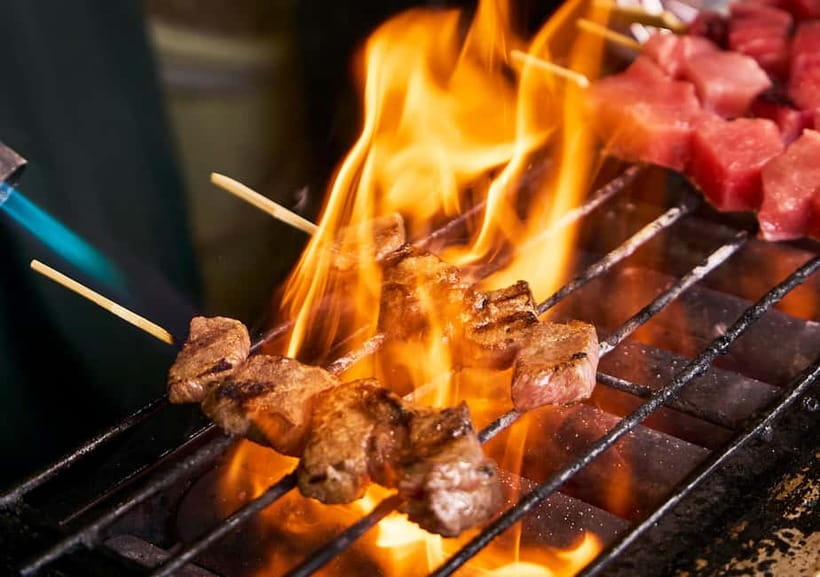
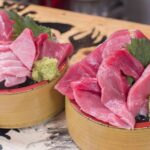
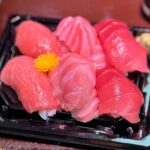
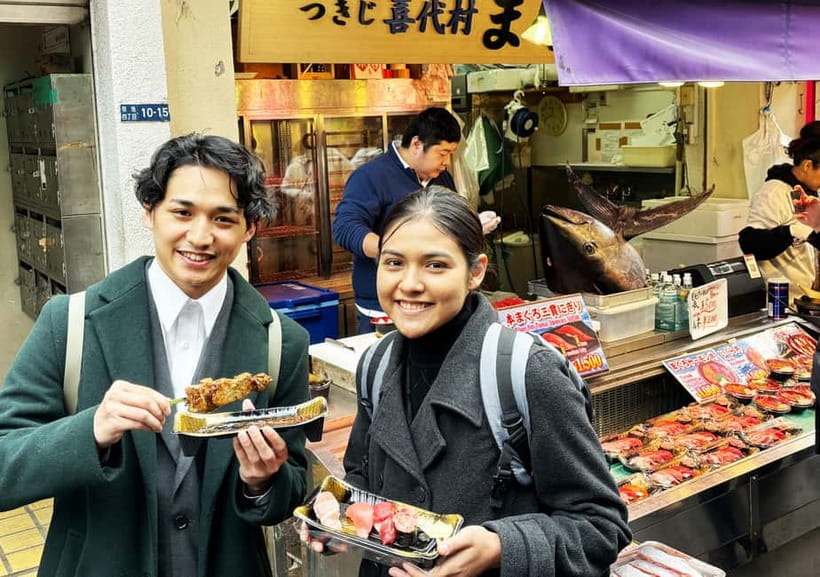
Once you step into the Tsukiji Outer Market, it’s all about bite-size decisions. This tour is designed around sampling, so you can try multiple foods without committing to a single meal you’re unsure about. Expect tastings that line up with what the market is famous for: fresh tuna, wagyu, and a variety of traditional street foods.
A standout detail in the highlights is the wasabi set your guide provides. Fresh wasabi is one of those things where it’s hard to understand the impact until you taste it. It doesn’t work like a generic condiment; it changes the whole rhythm of the bite, especially with fish and rich meats. Even if you’re not a big wasabi person, this is the kind of add-on that makes the food feel more precise instead of just salty or spicy.
You’ll also get hands-on guidance on what to try. Many guides on this route are very direct about matching a stall’s specialties to what you’re in the mood for. If you care about value, that matters: Tsukiji has everything from straightforward local favorites to pricier tourist-facing traps. A guide helps you land on the practical side of the aisle.
How Guides Turn Market Noise Into Clear Food Choices
In Tsukiji, your biggest risk is decision fatigue. Too many stalls, too many choices, and not enough context. What I like about this tour format is that it gives you a storyline while you eat: where you are, what you’re looking at, and what to expect from the flavor.
The guide component is repeatedly praised by name in recent bookings. You might be guided by Kawa, George, Mao, Kenny, or Chihiro—different personalities, same core job: keep you moving and keep your food choices grounded. People mention things like standing in lines for the best bites and guiding the group so everyone can taste without wasting time.
It’s also not only about ordering. Your guide gives insights into Japanese cooking and ingredients. That matters because you start noticing patterns. For example, you’ll pick up why certain seasonings work with certain textures, and why some ingredients are treated with extra care in the way they’re handled and presented.
Temple-to-Market Culture: The Ritual Side of Japanese Food
One of the most useful things you get here is perspective. This tour treats the market as more than a place to buy snacks. It’s part of how Japanese cuisine functions: ingredients arrive, get prepared with care, and then flavor becomes the final product through craft.
That theme shows up in what you learn about preservation and umami. The highlights mention traditional preservation techniques that enhance umami. Even without turning it into a lecture, that idea changes how you taste. When you understand that Japanese flavor culture often relies on concentration—through curing, drying, fermentation, or other methods—you start noticing deeper layers in simple bites.
You’ll also see the craftsmanship of Tsukiji’s artisans. In the market, craft isn’t abstract. It shows up in cuts, portion sizes, the way a stall builds flavor quickly, and how ingredients are paired. The guide helps you connect that craft to what’s in your mouth, not just what you can see.
You can also read our reviews of more food & drink experiences in Tokyo




When Shops Close: What Happens on Wednesdays, Sundays, and Holidays
Tsukiji can’t always deliver the full “every stall open” feeling. This tour explicitly flags the problem: on Wednesdays, Sundays, and national holidays, about half of the outer-market shops may be closed. Some places remain open, and tours still run, but the experience can differ from usual.
So here’s how to handle it like a pro. First, don’t treat closed shops as a failure. Treat it as a reason to go with the guide’s plan instead of expecting every signature stop to be available. Second, keep your expectations flexible. Your tastings should still happen, but the exact stalls might shift.
If you’re coming specifically to see everything at full intensity, then schedule matters. If your dates land on one of those closure days, you can still have a strong experience—just don’t go in planning to hit every iconic counter on your own.
What You’ll Actually Do During the 2-Hour Walk
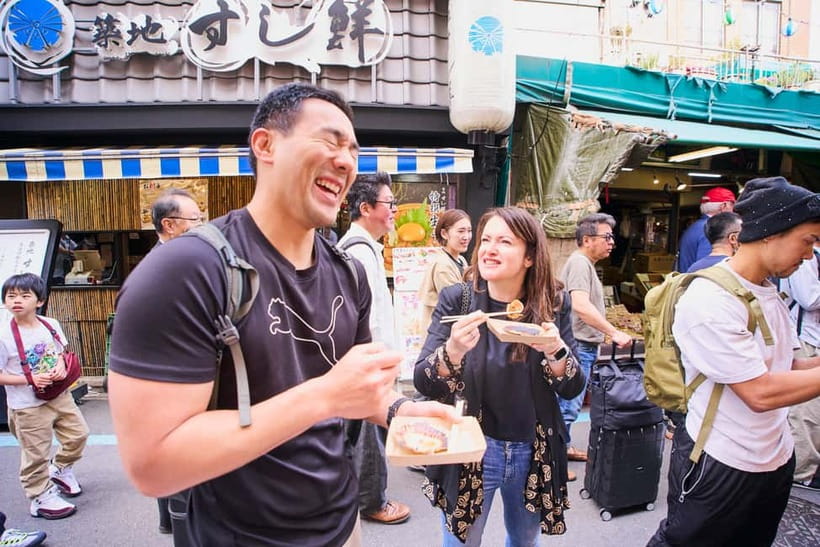
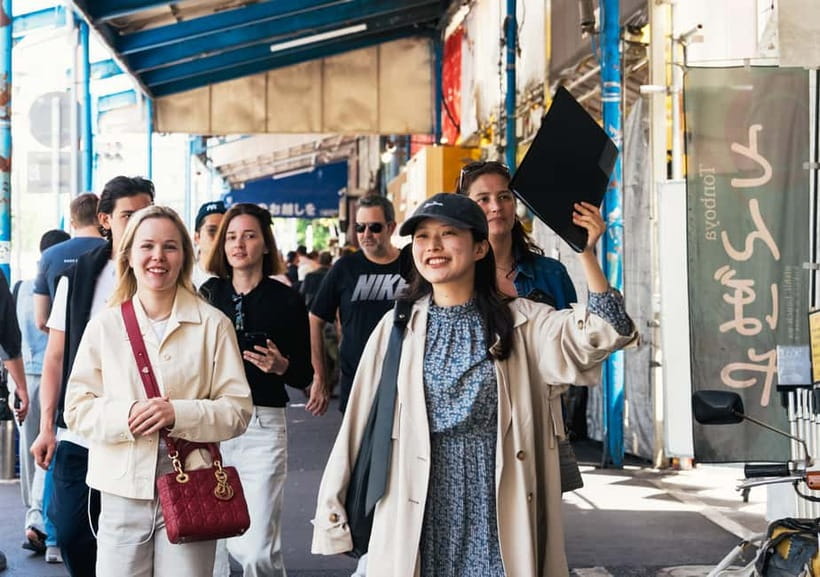
This is a walking tour with a clear flow: temple intro, then outer-market food time with tastings and guided stops, then additional guided time so you can keep exploring. In other words, you’re not rushing through Tsukiji like a checklist. You’re walking, tasting, and getting enough context to understand what you’re seeing.
The good news is that you’ll likely leave with a more confident sense of where to return later. Several people emphasize that the tour helps them know where to start wandering after the guided portion. That’s a real payoff: the guide teaches you the logic of the market, not just the food.
Also, the tour is wheelchair accessible and runs as a small group. In a place like Tsukiji, group size is more than comfort; it’s how well you can move, stop, and hear directions.
Price and Pacing: Why $22 Can Be a Smart Buy in Tsukiji
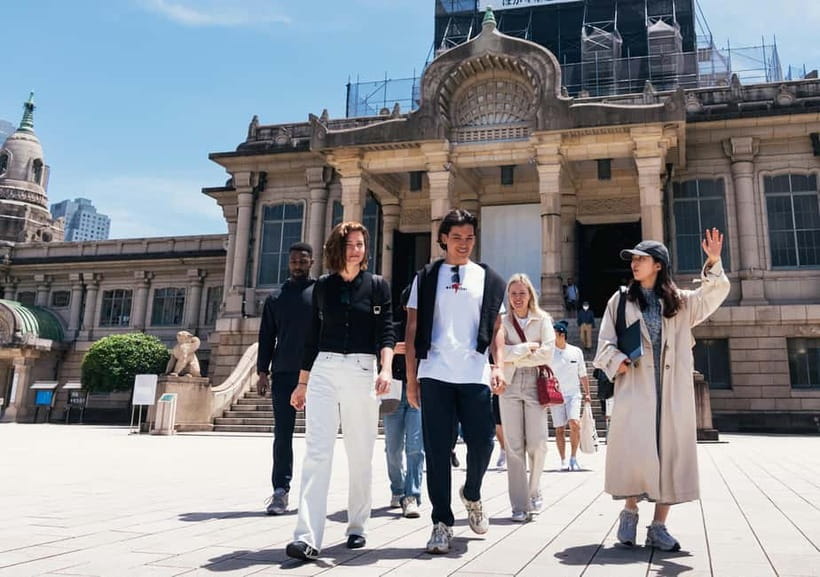
$22 for two hours might sound small, but in Tsukiji it can be a good deal because the tour isn’t just transportation. You’re paying for:
- a guide to reduce confusion and wasted stops
- tastings that help you try multiple things
- cultural context that makes the food feel more meaningful
If you were to buy a few snacks by yourself, you might spend that amount quickly, but without the structure and guidance you get here. You also might spend more on the wrong kind of stall if you’re new to the area.
My practical advice: think of the tour as your “market education” plus your “starter meal.” Then use what you learn to shop or eat again afterward with better instincts.
Tips That Make Your Tsukiji Walk Easier (Especially in Warm Weather)
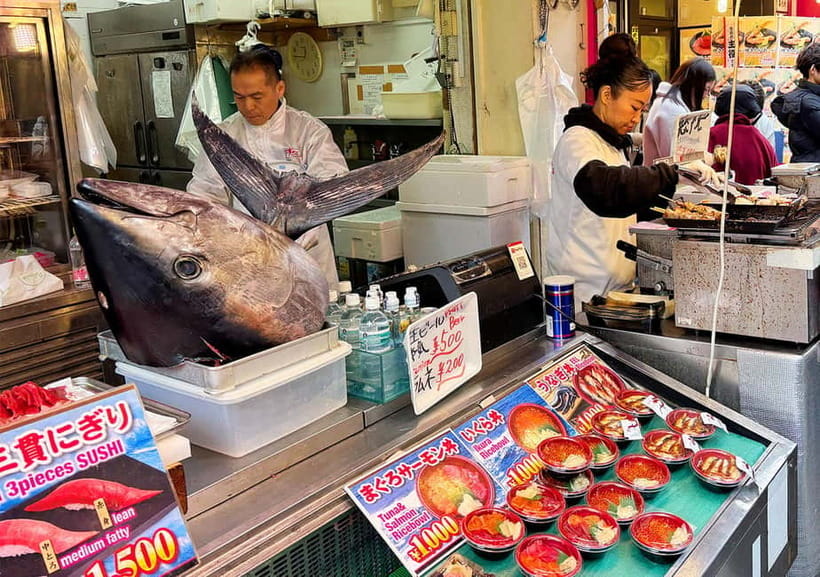
This tour is focused on walking and eating, so plan for comfort. The market area can get crowded, and you’ll be moving between stops. Wear shoes you trust. You’ll thank yourself later.
Bring cash, because it’s explicitly listed as a must. Even if your tastings are handled by the tour format, you’ll likely want to pick up small extras once you see what looks good.
One small human detail from guide feedback: in hot weather, some guides are attentive about finding shade or keeping the pace comfortable. You can’t count on any one tactic, but it’s a good reminder to go in with water and patience.
Who This Tour Suits Best
This is a great fit if you:
- want a short, high-impact food experience in Tokyo
- like guided tastings where you can try tuna, wagyu, and other market snacks
- prefer learning why flavors work, not only what to order
- don’t want to spend your time lost in a world-famous market
It may be less ideal if you want a totally self-directed wandering day with no tastings plan. The tour is structured, and you’ll be guided through set areas rather than choosing every stall yourself.
Should You Book This Tsukiji Street Food & Culture Walking Tour?
If you’re debating between DIY Tsukiji and paying for a guide, I’d lean toward booking this tour when time is tight or you want a smooth, food-first route. The combination of Tsukiji Hongwanji Temple, guided outer-market tastings, and the included fresh wasabi set gives you a fuller picture than most casual market stops.
Book it if you want help choosing, better context while you eat, and a small-group experience that keeps things efficient. If your dates land on a closure day (Wednesday, Sunday, or a national holiday), still consider it—just expect a slightly altered lineup and rely on the guide’s route to make the time count.
FAQ
Where is the meeting point for the tour?
The meeting point can vary depending on the option you book, but it’s tied to the Tsukiji Hongwanji Temple area. The provided coordinates are 35.66661467955698, 139.77199430835137.
How long is the Tsukiji Fish Market street food and culture tour?
It runs for about 2 hours.
Is the tour guided in English?
Yes, the tour includes a live English-speaking guide.
Do I need to bring cash?
Yes. The tour notes that you should bring cash.
What happens if I book for a Wednesday, Sunday, or a national holiday?
On those days, about half of the shops in the Tsukiji Outer Market may be closed. Some shops stay open and the tour still runs, but the experience can differ from usual.
What’s included in the tour?
You get a guided visit of the Tsukiji Fish Market area, exploration of the outer market, a visit to Tsukiji Hongwanji Temple, and insights into Japanese cooking and ingredients. The outer-market time includes food tasting.