REVIEW · TOKYO
Tokyo: Sushi Making Class
Book on GetYourGuide →Operated by Cooking Sun · Bookable on GetYourGuide
Fresh sushi skills, no mystery.
This Tokyo sushi making class is built for real beginners, with step-by-step guidance in English and a friendly, informal setup that feels like hanging with locals for an afternoon. I love the way the lesson starts at the foundation—especially sushi rice—and then turns that into multiple styles you can actually make at home. I also like the hands-on pace, where you’re rolling, shaping, and tasting rather than watching everything from the sidelines. One consideration: it’s in a residential building that can be a little tricky to spot the first time.
You also get more than just sushi. The class works in cultural context while you cook, and you finish with a real meal—miso soup and sushi pieces you made yourself. The one drawback to plan around is that fish is pre-sliced, and the class does not include instruction on cutting raw fish. If you were hoping to learn whole-fish prep or knife work, this won’t cover that.
In This Review
- Key Highlights I’d Prioritize
- Why This Sushi Workshop Feels More Local Than Tourist
- The 3-Hour Flow: From Ingredients to a Finished Sushi Feast
- Sushi Rice Is the Real Superpower Here
- Your Sushi Lineup: Nigiri, Inari, Hosomaki, and California Roll
- Nigiri (hand-pressed sushi)
- Inari (sweet tofu pouch sushi)
- Thin roll (hosomaki)
- California roll
- Tamagoyaki and Miso Soup: The Meal Side That Makes It Worth It
- Japanese rolled egg (tamagoyaki)
- Miso soup and dashi basics
- Small Group Help, English Instruction, and Real Support
- Allergy-Friendly and Dietary-Swap Ready
- Price and Value: Is $67 Reasonable in Tokyo?
- Getting There: The Beige Building Meets-Up Trick
- Who Should Book This Sushi Making Class (and Who Might Not)
- Should You Book Cooking Sun’s Sushi Making Class?
- FAQ
- How long is the Tokyo sushi making class?
- How much does the class cost?
- Is the class taught in English?
- What’s the group size limit?
- What sushi types will I learn to make?
- Do I learn how to cut raw fish?
- Are recipes included?
- Can the class accommodate dietary restrictions?
- Is pickup or transportation included?
- What’s the meeting point like?
- What if I need to cancel?
Key Highlights I’d Prioritize
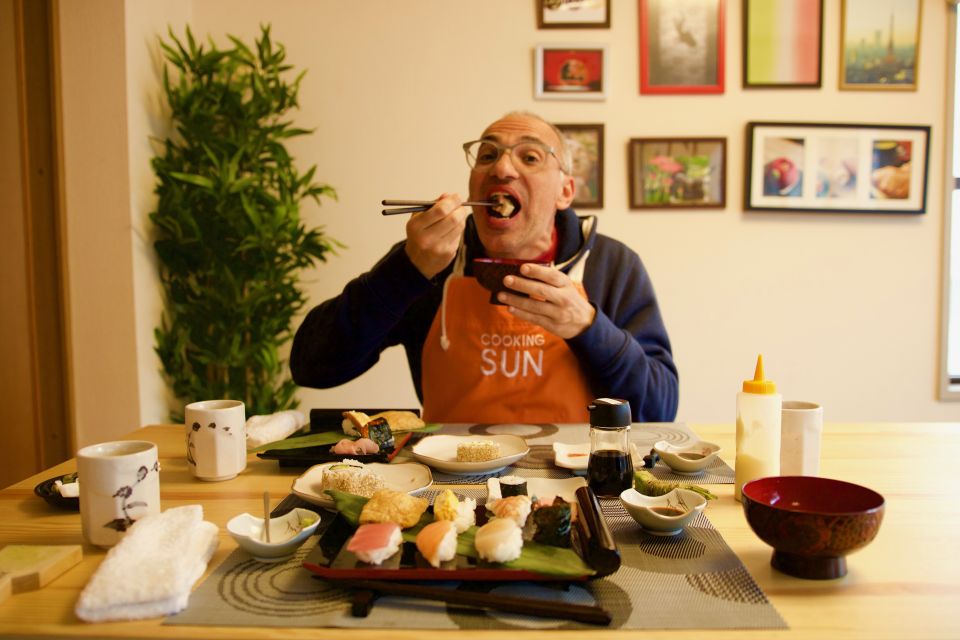
- Small group (up to 9): easier help when your rice or roll isn’t cooperating
- Sushi rice focus: the seasonings and technique matter for every roll and nigiri
- Multiple styles made by you: nigiri, inari, hosomaki, and California roll
- Warm, English-friendly instruction: supportive guidance with a calm rhythm
- A full meal at the end: miso soup plus wasabi and pickled ginger on the side
- Allergy-friendly swaps: substitutions are possible if you tell them in advance
Why This Sushi Workshop Feels More Local Than Tourist
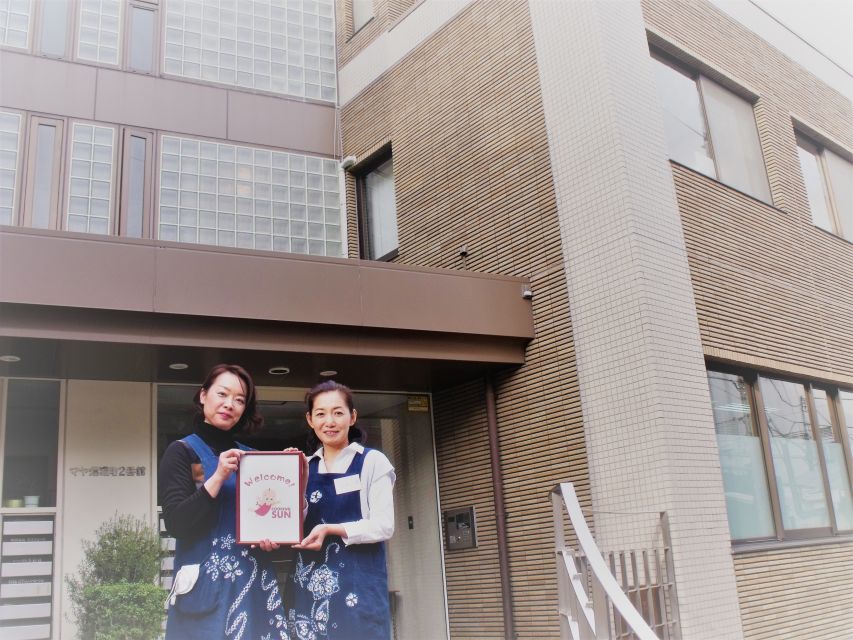
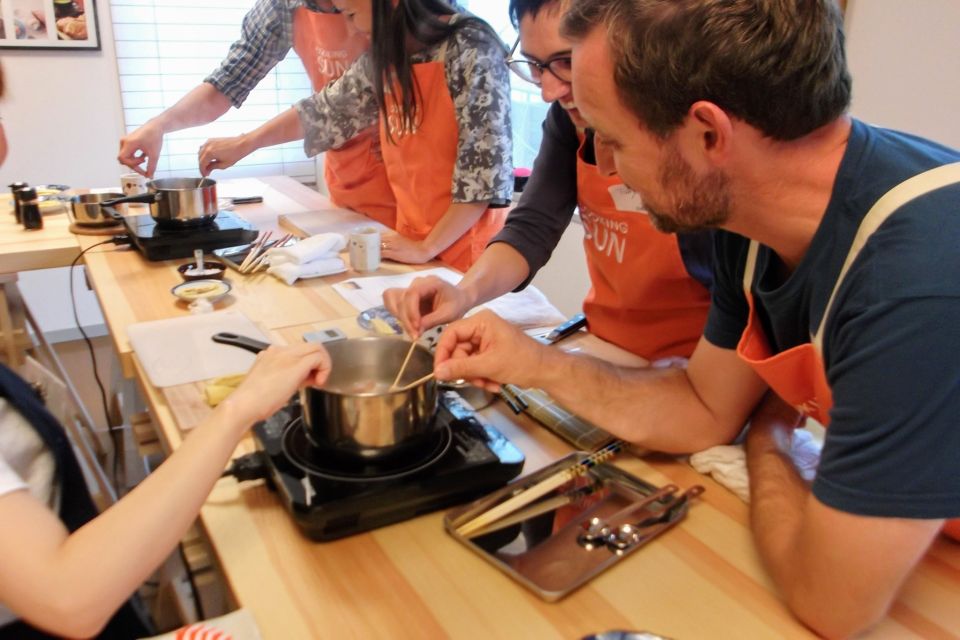
Tokyo has tons of cooking classes. This one stands out because it’s not staged like a show. You’re in a studio in a quieter residential area of Shinjuku, and the small group size keeps things relaxed. With English instruction and a hands-on kitchen layout, you’re learning in a way that feels practical—not performative.
The vibe matters because sushi is fussy. Rice texture, seasoning, and the way you handle ingredients all affect the final bite. In a class like this, you can ask questions, adjust your technique, and get feedback while you’re still in the middle of cooking, not after you’ve already packed your tools away.
You can also read our reviews of more tours and experiences in Tokyo


The 3-Hour Flow: From Ingredients to a Finished Sushi Feast
This is a 3-hour session, so you’ll move through several parts without feeling rushed. The structure is clear: learn a concept, see it done, then do it yourself.
Here’s the rhythm you can expect:
- Intro to Japanese ingredients and flavors: You’ll cover essentials like dashi, traditional seasonings, and miso soup basics.
- Tamagoyaki practice (Japanese rolled egg): You’ll make a fluffy omelet with step-by-step direction.
- Sushi prep: Rice prep and setting up toppings (including shrimp) so you’re ready to assemble.
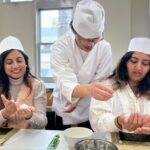
- Hands-on sushi making: You’ll form and roll multiple types with instructor support.
- Eat what you made: You’ll sit down together with miso soup and classic sides like wasabi and pickled ginger.
It’s a nice flow because it teaches you sushi as a system. Rice isn’t an afterthought. Eggs, soup stock, and seasoning aren’t just background—they’re part of how the meal feels complete.
Sushi Rice Is the Real Superpower Here
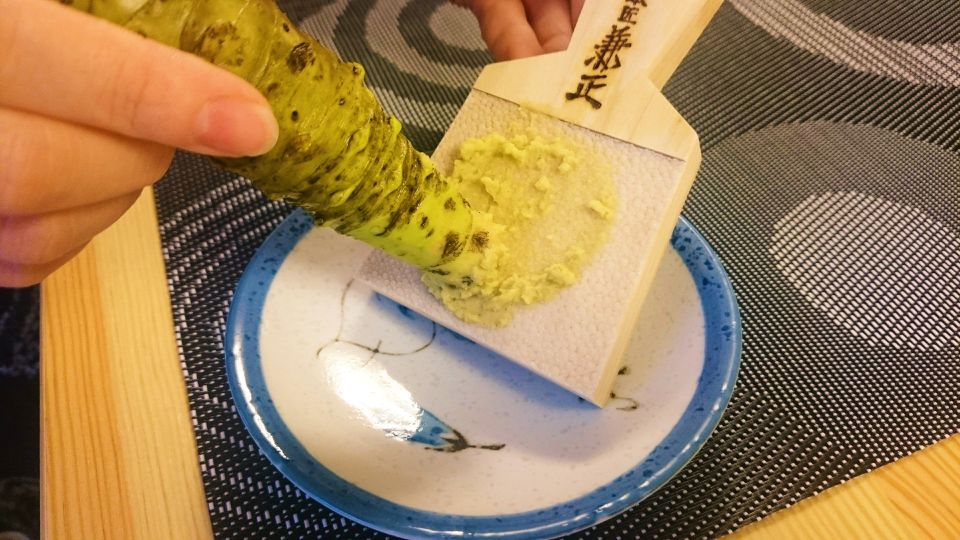
If you only remember one thing from this class, make it the sushi rice. The lesson is built around teaching you how to get that sticky-but-not-gummy balance, plus the right seasoning so each bite tastes like sushi should—not like plain steamed rice with toppings.
You’ll be guided through rice preparation and the process of seasoning it. In practice, this means you learn how to:
- manage temperature and handling so the rice clings properly
- season for the flavor profile sushi is known for
- work efficiently while you’re assembling rolls and nigiri
Why this matters: once you nail sushi rice, everything else gets easier. Rolls set better, nigiri holds together more reliably, and your finished plate tastes intentional.
Your Sushi Lineup: Nigiri, Inari, Hosomaki, and California Roll
You won’t just make one type of sushi. You’ll learn techniques for several, which is great value for a 3-hour class.
Nigiri (hand-pressed sushi)
You’ll practice shaping nigiri so it looks neat and holds its form. Nigiri is a good skill-builder because it forces you to think about rice pressure and balance—too much force and it turns dense, too little and it falls apart.






Inari (sweet tofu pouch sushi)
Inari uses sweet seasoned tofu pouches, and this is a fun contrast to fish-and-rice styles. It’s also a nice reminder that sushi isn’t only about raw seafood. You get to make a different texture and flavor profile while still applying the sushi-rice technique.
Thin roll (hosomaki)
For hosomaki, the skill is getting tight enough to slice cleanly without crushing the filling. The class format makes it beginner-friendly: you’ll get demonstrations, then support as you roll.
California roll
You’ll also make a California roll, which helps you compare style and texture across different roll formats. It’s approachable and satisfying, especially if you want something you’ll recognize from menus back home.
One important note: fish is pre-sliced, and the class does not include instruction on cutting raw fish. You’ll still learn assembly and shaping, but you’re not being trained for fish-butcher knife work.
Tamagoyaki and Miso Soup: The Meal Side That Makes It Worth It
Sushi is great, but it’s even better as part of a full Japanese meal. Here, you’re not just filling your stomach—you’re learning components you can actually reproduce.
Japanese rolled egg (tamagoyaki)
The tamagoyaki section is step-by-step. The goal is a fluffy result, and the process teaches you timing and layering. Even if you’ve cooked omelets before, rolled egg is its own technique, and having instructor guidance makes the difference.
Miso soup and dashi basics
You’ll learn miso soup using dashi (soup stock) and traditional seasonings. This is practical knowledge because miso soup is one of the easiest Japanese dishes to recreate, and it makes a homemade sushi night feel complete. For me, this is one of the sneaky value adds—rice skills are awesome, but being able to make soup too is what turns the experience into a repeatable habit.
After cooking, you’ll eat your sushi with miso soup, plus wasabi and pickled ginger served on the side.
Small Group Help, English Instruction, and Real Support
This class keeps group size limited to 9 participants, which is a huge deal in a cooking setting. More people can mean less attention and more waiting. Here, you’re more likely to get help at the exact moment something goes off—like when your rice is sticking too much, or your roll isn’t tightening the way you expect.
The instruction is in English, and the tone in the kitchen is supportive rather than strict. In the past, instructors seen in the classroom have included names like Mika, Yuko, Miki, Yuki, Aya, and Koyotama—so it’s clear there’s a real team teaching the process, not just one person translating.
The pace is also practical. You’ll get demonstration time, then you’ll jump in. You’re not standing around “learning” for three hours while someone else cooks.
Allergy-Friendly and Dietary-Swap Ready
If you have dietary needs, you’ll want this type of class. The studio says they can substitute ingredients as needed—for example for food allergies, gluten-free diets, religious restrictions, vegetarian preferences, and more. The key is that you have to tell them when you book.
That’s exactly how you want it handled: no last-minute guesses, no awkward scrambling. And since the class teaches multiple sushi types, they can adjust toppings and components while still keeping the overall experience similar.
Price and Value: Is $67 Reasonable in Tokyo?
At $67 per person for 3 hours, this isn’t a bargain bargain. But in Tokyo, cooking classes can get expensive fast—and this one includes a lot you’d otherwise pay for separately.
Here’s what you get for the price:
- the full hands-on cooking instruction (English)
- recipes to take home
- all ingredients and utensils
- towel and apron rental
- a meal you actually eat (your sushi plus miso soup)
Also, you’re learning several techniques and styles in one session, not just one assembly. For first-timers, that adds up. Even if you only end up repeating the sushi rice lesson and one roll at home, it still feels like a “takeaway” experience, not a one-off snack.
What’s not included: hotel pickup and transportation. You’ll handle getting there yourself, which is normal for many small studios, but it can affect your total cost if you’re far from Shinjuku.
Getting There: The Beige Building Meets-Up Trick
This studio is in a residential area, and that’s part of the charm—but it can be confusing the first time.
What to do:
- Use Google Maps search for Cooking Sun Tokyo (Shinanomachi 18-39, Shinjuku-ku, Tokyo)
- Look for a beige residential building
- Go to the 2nd floor
- At the entrance, use the right-side door to reach the studio
- If you need to call, press 314 on the intercom
If you’re arriving by private vehicle: the studio warns against stopping or waiting in front of the building and neighborhood. If your driver needs to wait, use a nearby coin-operated parking lot.
Bottom line: build in a little time the first day you go. When you’re ten minutes early, you can find the place calmly and start the class stress-free.
Who Should Book This Sushi Making Class (and Who Might Not)
This is a great fit if:
- you want an English-friendly cooking class in Tokyo
- you’re a beginner who wants clear guidance, not chef-level intimidation
- you love practical skills you can repeat at home (especially sushi rice)
- you want a complete meal experience, not just one quick dish
- you need dietary substitutions and can inform them ahead of time
- you’re traveling with family—patience and support have been highlighted by families who’ve attended with kids
You might consider another option if:
- you specifically want to learn how to cut raw fish with a knife
- you’re only interested in one sushi style and don’t want to learn the broader set
- you absolutely hate residential-area directions and intercom navigation (you’ll likely be fine with careful Google Maps use)
Should You Book Cooking Sun’s Sushi Making Class?
Yes—if you want a hands-on Tokyo food experience that actually teaches you the core skills. This class gives you a realistic beginner pathway into sushi making: sushi rice first, then tamagoyaki, then nigiri and rolls, with a full meal at the end.
Book it if you:
- like small-group instruction
- want recipes to take home
- enjoy cooking more than watching
- can handle pre-sliced fish and accept that raw fish cutting isn’t part of the curriculum
Skip it only if your main goal is fish cutting technique. Otherwise, this is the kind of class that turns sushi from something you buy into something you can make—comfortably—back home.
FAQ
How long is the Tokyo sushi making class?
It lasts 3 hours.
How much does the class cost?
The price is $67 per person.
Is the class taught in English?
Yes, instruction is in English.
What’s the group size limit?
The class is a small group with up to 9 participants.
What sushi types will I learn to make?
You’ll learn nigiri (hand-pressed sushi), inari (sweet tofu pouch sushi), thin roll (hosomaki), and California roll. You’ll also make rolled egg (tamagoyaki).
Do I learn how to cut raw fish?
No. The class uses pre-sliced fish, and it does not include instruction on how to cut raw fish.
Are recipes included?
Yes, recipes are included and you can take them home.
Can the class accommodate dietary restrictions?
They say they can substitute ingredients for needs like allergies, gluten-free diets, religious restrictions, and vegetarian preferences. Let them know at booking.
Is pickup or transportation included?
No, hotel pickup and transportation are not included.
What’s the meeting point like?
The studio is in a residential area in a beige residential building, 2nd floor. Use the right-side door at the entrance, and if calling you should press 314 on the intercom.
What if I need to cancel?
You can cancel up to 24 hours in advance for a full refund.