REVIEW · TOKYO
Tokyo:Mt Fuji & Hakone Day Tour with English Speaking Driver
Book on GetYourGuide →Operated by Tourist Attractions · Bookable on GetYourGuide
Fuji and Hakone in one calm day. This private luxury tour strings together the best viewpoints and classic Hakone scenery without the stress of buses and crowds. You get a personal English-speaking driver, Wi‑Fi in the vehicle, and a schedule that flexes with your pace, which is a big deal when weather and photos are unpredictable.
I especially like the private luxury car with quiet comfort for the long driving day. It also helps that your driver can guide the key sights while you keep control of how long you linger, from shrine steps to lake viewpoints. One practical consideration: access to Mount Fuji 5th Station changes by season, so in mid-summer you may need a paid shuttle bus from the parking area.
In This Review
- Key Things I’d Circle in This Tour
- Why This Private Fuji and Hakone Day Beats Public Transit Days
- Pickup, Timing, and the Real-World 10-Hour Day
- Mount Fuji 5th Station: The Photo Stop That Needs the Right Season
- Oshino Hakkai and the Fuji Shrine Circuit (Chureito and Arakura)
- Lake Kawaguchi: Boat Time, Duck Boats, and a Good Lunch Break
- Hakone’s Best Moves: Lake Ashi, Ropeway Views, and Owakudani
- The Driver Factor: Why an English-Speaking Pro Changes the Whole Day
- What’s Included, What’s Not, and How to Budget Smart
- A Few Common Questions That Actually Affect Your Day
- Should You Book This Mount Fuji and Hakone Private Tour?
- FAQ
- Is Mount Fuji 5th Station always accessible by private vehicle?
- How long is the tour?
- Where can I get picked up and dropped off?
- Is an entry ticket guide included?
- What language is the driver?
- What should I bring?
Key Things I’d Circle in This Tour
- English-speaking driver, private pace: You’re not stuck with a rigid group rhythm.
- Fuji from multiple angles: 5th Station plus lakeside viewpoints improves your odds.
- Oshino Hakkai and shrine stops: Easy walking, strong photo payoff, and a taste of Fuji lore.
- Hakone volcanic drama at Owakudani: It’s the stop that makes the whole day feel like more than sightseeing.
- Lake time with boat rides: You’re not just photographing water; you’re actually on it.
- Included photo/video help: Someone is ready to help you get the shot without fussing.
Why This Private Fuji and Hakone Day Beats Public Transit Days
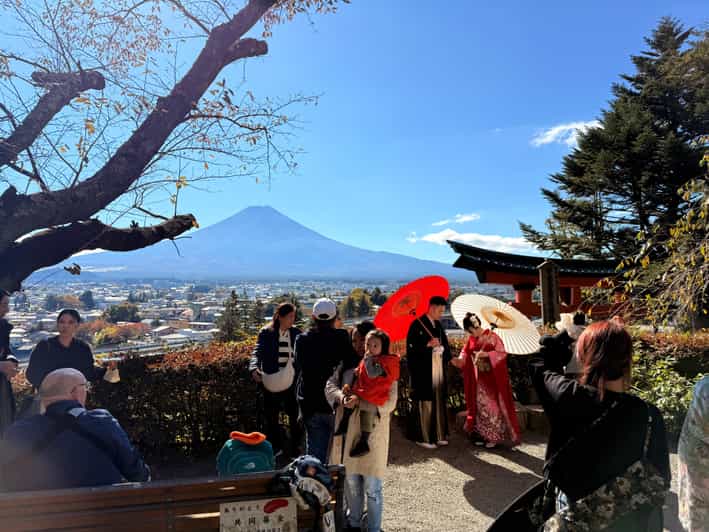
Tokyo to Mount Fuji and Hakone is one of those travel stretches that can feel like a whole second vacation. The train and bus options work, but you’re constantly balancing timetables, platform changes, and the slow creep of crowds. With this tour, the biggest advantage is simple: you spend your time looking at Japan instead of negotiating transfers.
I like the tone of the day, too. It’s not an hours-on-a-stopwatch tour. You have set places you’ll visit, but the real value is that you can decide what matters most in the moment. If Fuji is showing clear and you want extra minutes at a viewpoint, you don’t have to sprint to make someone else’s schedule.
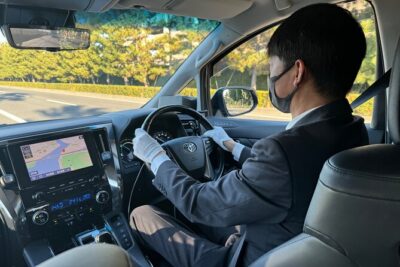
And since you’re traveling in a premium car (Toyota Vellfire, Lexus, Prado, or Crown), the comfort matters on a full-day outing. After a few hours on the road, you’ll appreciate having space, cold air conditioning, and a driver who’s focused on the route.
You can also read our reviews of more tours and experiences in Tokyo

Pickup, Timing, and the Real-World 10-Hour Day
This is built as an approximately 10-hour outing, including driving time and time on foot at each stop. The tour starts with pickup from many Tokyo-area neighborhoods and even specific options outside the center of town. If you’re staying in places like Shinjuku, Ginza, Asakusa, Roppongi, Akihabara, or down toward Yokohama, pickup is typically possible.
A couple of timing notes to keep your day smooth:
- Plan to be ready in the hotel lobby. There’s a short wait window before the drive starts.
- Traffic can add delay on highways, and the driver may run behind up to about half an hour.
- You should expect a long day, so wear shoes you can stand in for shrine steps and lakeside walking.
The driver also has a practical habit you’ll appreciate: they’ll wait if you’re delayed, and they handle the back-and-forth between sightseeing areas so you can stay relaxed.
Mount Fuji 5th Station: The Photo Stop That Needs the Right Season
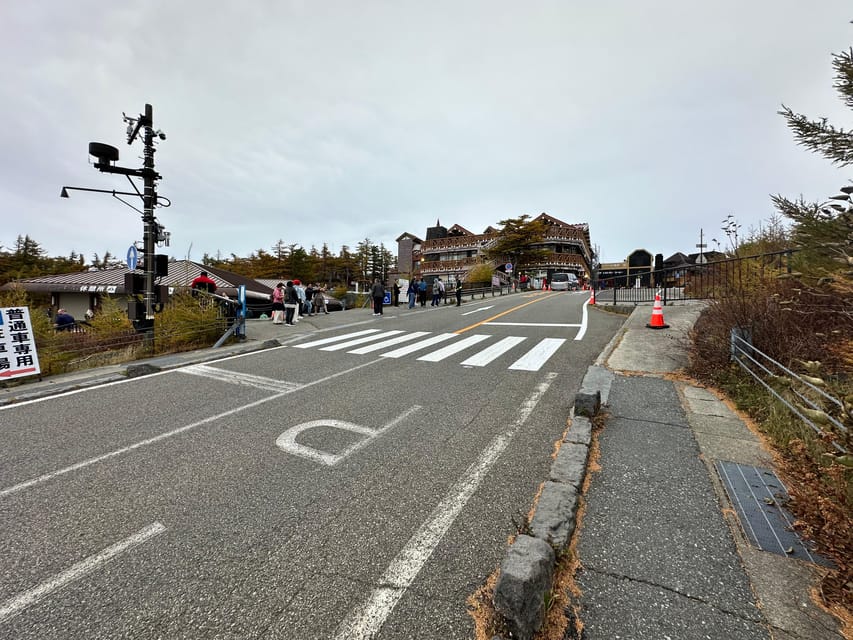
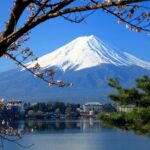
Mount Fuji 5th Station is the headline stop for a reason. On a clear day, it’s one of the best ways to feel how big this mountain really is. You’ll get a photo stop plus a guided walk that’s meant to help you make sense of the view and find the right angles.
Here’s the key wrinkle you should plan for: during the hiking season (July 1 to September 10), private vehicles can’t drive all the way up to the 5th Station. You’ll need a shuttle bus from the parking lot, and it costs 1,000 yen. That means you should bring cash, and you should mentally add a small buffer for that transfer.
Also, this is high altitude. If you’ve had altitude sickness before, skip this one. The tour isn’t set up for people who need easier breathing or a more gradual acclimation.
Finally, Fuji weather is a gamble. Your strategy here is not hoping for a miracle once; it’s building in multiple chances. This day trip does that by pairing the 5th Station with lakeside viewpoints later.
Oshino Hakkai and the Fuji Shrine Circuit (Chureito and Arakura)
Between the mountain views and Hakone’s volcanic reputation, Oshino Hakkai is a palate cleanser. You’ll spend about 1.5 hours here with time for a guided look, photography, and shopping. People also use this pause for regional snacks, and it’s one of the easier stops for stretching your legs without feeling rushed.
Then you’ll move into a cluster of Fuji-related shrine and pagoda sights. Two stops are especially photo-forward:
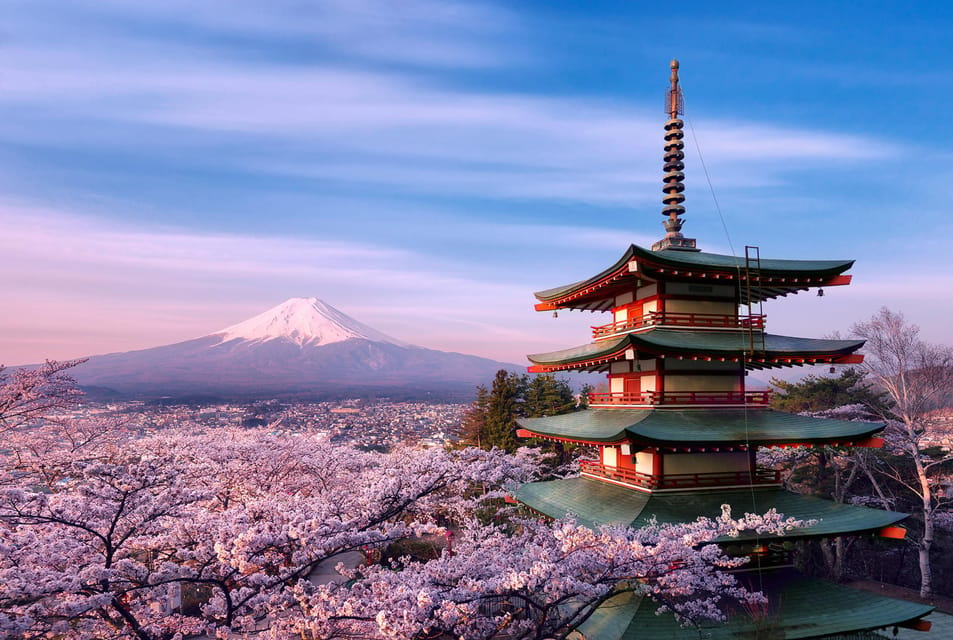
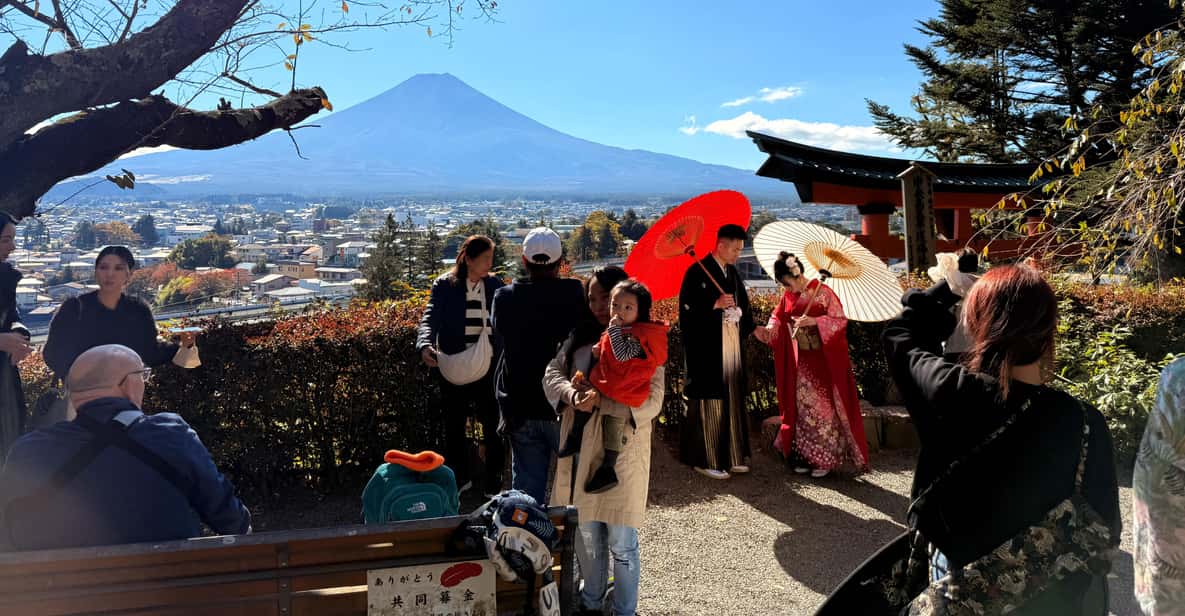
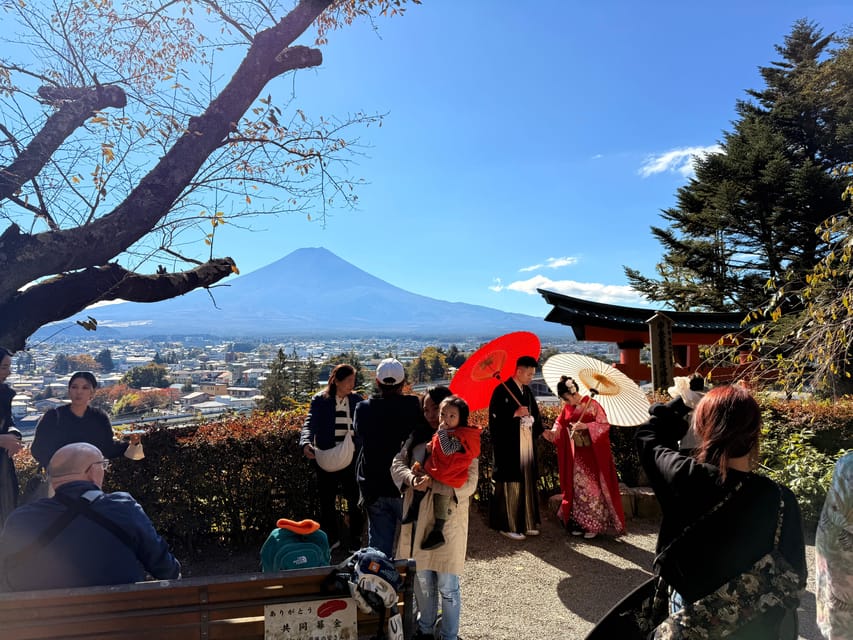
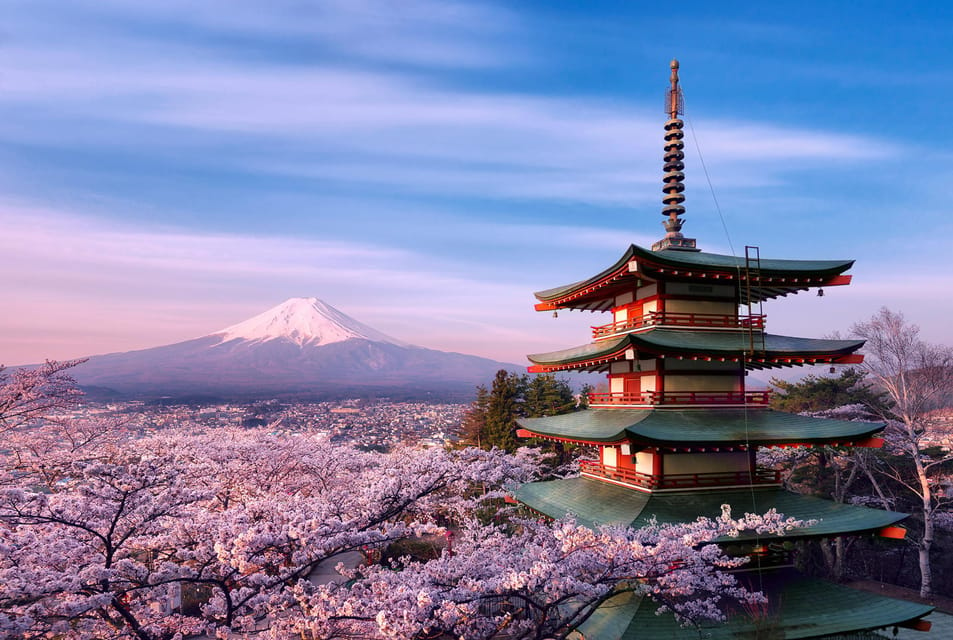
- Chureito Pagoda: You’ll have about an hour for self-guided exploring. This is the classic Fuji-with-pagoda composition spot, so give yourself time to try a few different angles rather than taking one quick photo and moving on.
- Kitaguchi-hongu Fuji Sengen Shrine and Arakura Fuji Sengen Shrine: These give you the cultural grounding behind the scenery. You won’t be hiking for hours, but you will get that sense of place that turns a view into a story.
The value of grouping these sites in one day is that you’re not bouncing between far-flung locations all evening. It’s a tight loop that keeps the pacing friendly while still giving you variety: water springs, architecture, and mountain worship culture.
Lake Kawaguchi: Boat Time, Duck Boats, and a Good Lunch Break
Lake Kawaguchi is where this tour shifts from mountain monumentality to water-level experiences. You’ll get a solid hour here with a mix of time for lunch (not included), sightseeing, and boat activities.
The big win is the boat ride setup:
- You’ll do a boat cruise.
- You’ll also have a duck boat ride.
If you’re traveling with kids, these are the kinds of simple, low-effort activities that still feel special. If you’re traveling as a couple, it’s a break from standing in crowds for photos. Either way, it’s a chance to slow down and let your eyes reset.
After that comes more viewpoint time around the lake. You’ll take in Oishi Park, plus you’ll ride Mt. Kachi Kachi Ropeway for elevated perspectives. This ropeway stop is timed to help you see the water and shoreline angles that you can’t get from street level.
One practical note: because lunch isn’t included, you’ll want cash ready for your meal choice. The tour provides water, but you’re responsible for your own food.




Hakone’s Best Moves: Lake Ashi, Ropeway Views, and Owakudani
Hakone is where the scenery gets dramatic. This day trip gives you the classic Hakone trio: a lake cruise, ropeway views, and volcanic valley visuals.
The day includes a Lake Ashi cruise with Mount Fuji as a possible backdrop. Even if Fuji is hazy, Lake Ashi’s atmosphere still feels like another world compared with Tokyo: open water, wooded slopes, and a slower pace you can actually feel.
Then you’ll ride the Hakone Ropeway. Ropeways can be hit-or-miss on cloud days, but they’re worth it because they add elevation you can’t replicate from the road. The goal is simple: more angles, fewer crowds, and a better sense of the Hakone geography.
Finally, you’ll reach Owakudani Valley, the volcanic stop that makes the day feel like it has its own personality. You’ll have about an hour here for photos and guided context. It’s the part of the tour where you’re not just taking in views; you’re seeing proof of the landscape’s power.
Hot spring town time also fits into the day’s rhythm. This is your chance to wander a little, grab something to drink, and enjoy the calmer vibe of Hakone compared with the intensity of Tokyo.
The Driver Factor: Why an English-Speaking Pro Changes the Whole Day
This tour works because of the driver. You’re not getting a separate tour guide included, so the driver’s role is even more important. You’ll be picked up and dropped off at your location, and you’ll rely on that person to keep the day efficient while letting you slow down where it counts.
The driver is English-speaking, but they may also speak other languages depending on assignment (Japanese, Hindi, Urdu, or Arabic). That’s useful if you’re traveling with mixed-language friends or if your group prefers comfort over translation.
One thing I’d watch for is how quickly the driver helps you find photo timing and viewpoint angles. In real use, different drivers have been praised for being patient and for steering people to the best spots without rushing. There’s also a common theme: communication before pickup is solid, and the vehicle stays clean and comfortable.
You’ll also get free assistance with photos and video if you want help. That small detail matters more than you’d think. If you’ve ever tried to take a group shot at a Fuji viewpoint while juggling phones and wind, you know why.
What’s Included, What’s Not, and How to Budget Smart
This is a group price of $383 per group up to 3 people. That pricing structure can feel surprisingly fair when you compare it to the cost of private cars plus paid guide services. For families and couples, it often works out as good value because you’re splitting the ride cost across more people than a solo private car.
Here’s what you get that makes the price easier to justify:
- Hotel pickup and drop-off
- Air-conditioned premium vehicle
- Wi‑Fi in the vehicle
- Fuel, parking, and toll charges
- Water
- Photo/video assistance if needed
What’s not included:
- Meals (so lunch and any snacks are on you)
- Paid ticket entry fees (the tour doesn’t cover admissions)
- Airport and port pickup
So how do you budget? Think of it as: pay for the tour, then add your own food plus any paid entries and the occasional shuttle (like the Fuji 5th Station transfer in summer).
Also bring cash. Even if most things take cards in Japan, this tour explicitly requests cash, likely for tickets, small purchases, and that 5th Station shuttle scenario.
A Few Common Questions That Actually Affect Your Day
This is the kind of tour where small rules can change your comfort level.
For example, smoking isn’t allowed in the vehicle, and alcohol and drugs aren’t permitted. If you’re traveling with a group, plan snacks and drinks accordingly.
The tour also notes that customers should wait briefly in the hotel lobby before departure, and the driver can wait if you’re delayed. That means your morning routine matters.
One more important note: this itinerary isn’t suited for people who deal poorly with altitude.
Should You Book This Mount Fuji and Hakone Private Tour?
Yes, if you want a one-day hit list of Fuji-and-Hakone highlights with less friction than public transit. It’s especially worth it if you care about comfort, hate crowds, or you want a flexible pace rather than a timed checklist.
Consider skipping or adjusting your expectations if:
- You’re traveling during July 1 to September 10 and don’t want the extra shuttle step at 5th Station.
- You’ve had altitude sickness before.
- You’re on a tight meal/ticket budget, since meals and paid entries aren’t included.
If you do book, pack comfortable shoes, keep cash handy, and give yourself permission to linger where the views line up. This tour is at its best when you treat it less like a race and more like a well-driven sightseeing day with smart stops.
FAQ
Is Mount Fuji 5th Station always accessible by private vehicle?
Not during the hiking season (July 1 to September 10). Private vehicles can’t access the 5th Station then, and you’ll need a shuttle bus from the parking lot for an additional 1,000 yen.
How long is the tour?
The tour lasts approximately 10 hours.
Where can I get picked up and dropped off?
Pickup is available from hotels, hostels, Airbnbs, apartments, and other addresses within Tokyo’s 23 wards. Drop-off is also available at many locations around Tokyo and nearby areas. Airport and port pickup are not available.
Is an entry ticket guide included?
No. Meals and any paid ticket entry fees are not included, and a tour guide is not included.
What language is the driver?
The driver speaks English and may also speak Japanese, Hindi, Urdu, or Arabic.
What should I bring?
Wear comfortable shoes and bring cash.