REVIEW · TOKYO
Tokyo: Sumo Morning Practice with journalists. Not fake show
Book on GetYourGuide →Operated by Japan Shine Tour · Bookable on GetYourGuide
A real morning. Not a staged tourist performance. What I like most is the journalist-led access to a working sumo stable. You get front-row views of training, plus context that makes the rituals and rules click.
Two things I really appreciate: the chance to watch live practice up close, and the Q&A time with a guide who also reports on sumo for a national newspaper. For a lot of people, it’s the difference between watching sumo on TV and understanding how stables actually run.
One drawback to consider: you’ll be sitting on the floor and the experience follows strict stable etiquette—quiet, no flash, no indoor shoes.
In This Review
- Key highlights to know before you go
- Why a sumo morning practice, not a tourist performance
- Getting to Ryogoku: meeting point and how to prepare fast
- Takasago-beya Sumo Stable: the 2-hour rhythm of morning training
- Rituals and etiquette you’ll recognize once the guide explains them
- Photo time and the reality of being close to rikishi
- Q&A with a sumo reporter: what you can actually ask
- The Ryōgoku Edo NOREN stop: tying practice to Tokyo’s sumo identity
- Timing, rules, and small things that prevent headaches
- Price of $103: what you’re really paying for
- Who should book this tour (and who should skip it)
- Should you book this sumo morning practice tour?
- FAQ
- Where is the meeting point?
- What sumo stable do you visit?
- How long is the tour?
- Can I take photos during the practice?
- What should I wear and bring?
- Is food included?
- Is the tour suitable for wheelchair users?
Key highlights to know before you go
- Special permission to visit Takasago-beya Sumo Stable and see a real morning routine
- Live practice viewing with time to take photos (without flash)
- Journalist-guided explanations plus room for your questions
- Rikishi photo session included as a commemorative memory
- Ryogoku area culture stop at Ryōgoku Edo Noren to connect practice with Tokyo heritage
Why a sumo morning practice, not a tourist performance
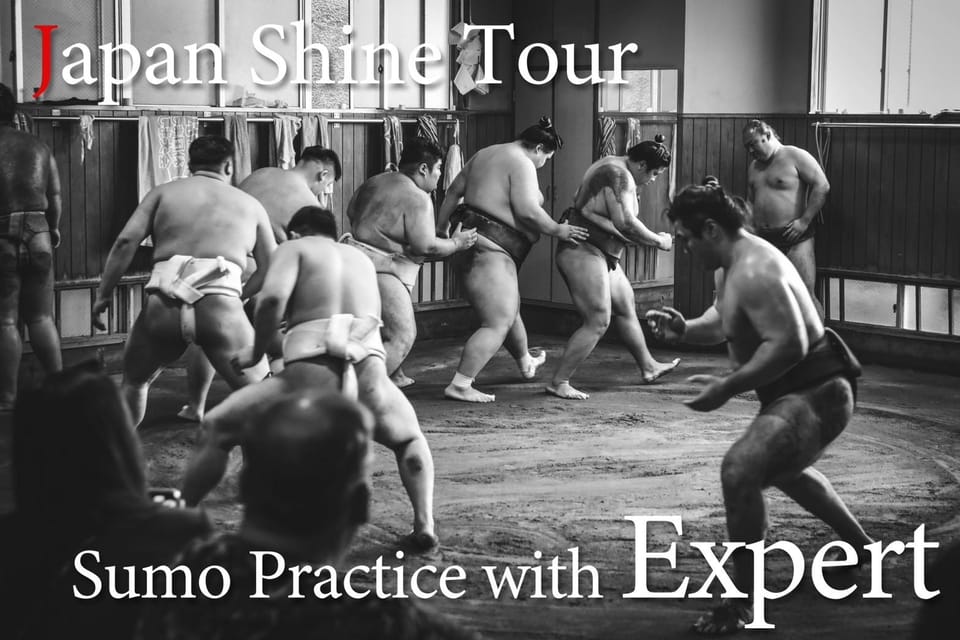
Tokyo has plenty of sumo-themed activities. Most are built for visitors. This one is built for the stable’s day—then shared with you under permission.
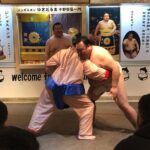
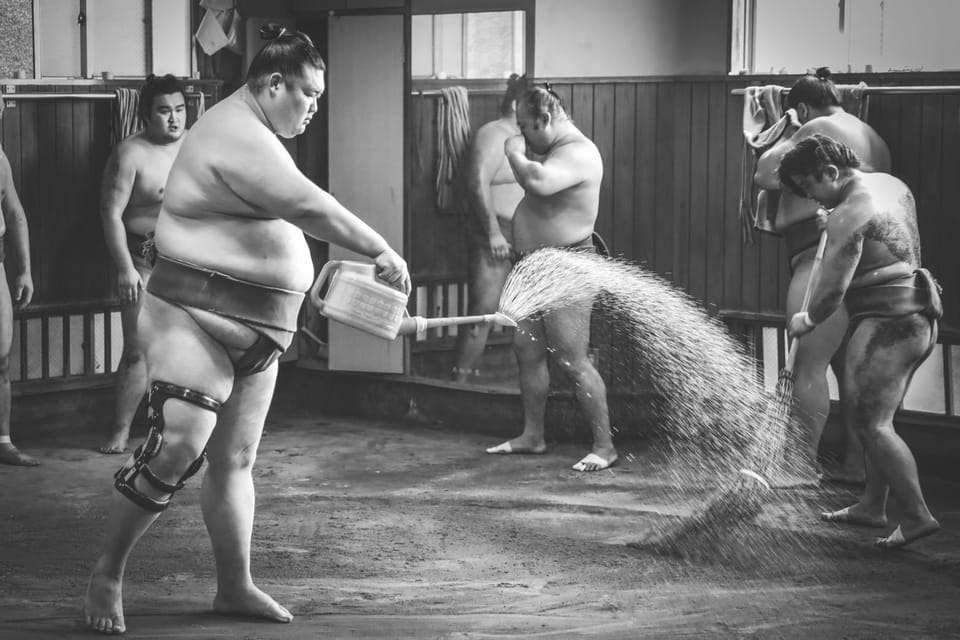
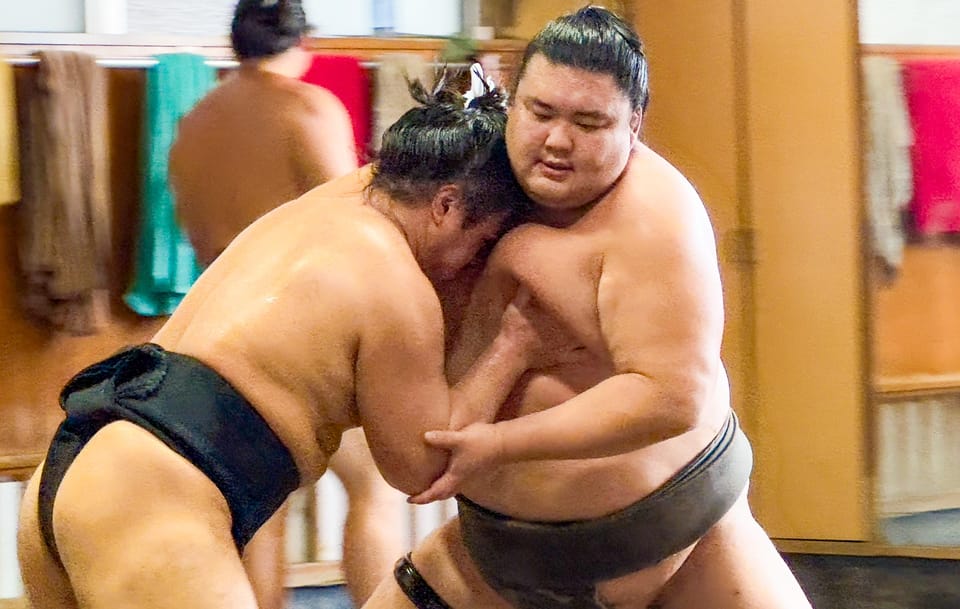
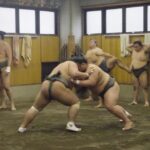
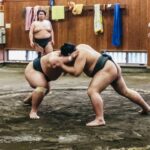
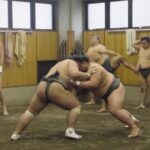
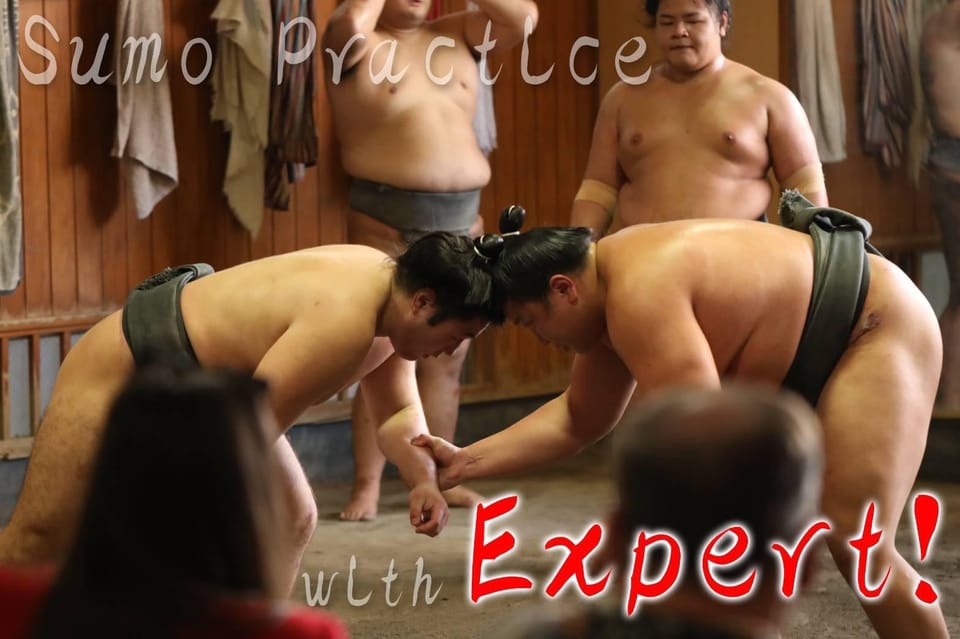
The big win is the training itself. You’re not watching a show designed around your schedule. You’re seeing how the wrestlers warm up, rehearse, and sharpen skills as part of a disciplined routine. That’s why the day feels serious in the best way: you’ll notice posture, timing, and the calm focus even before the intense parts of training.
I also like how the guide frames what you’re seeing. It’s not just facts. It’s how the sport thinks—rituals, hierarchy, etiquette, and what those details mean for a rikishi’s daily life. When you pair that with the live visuals, the sport stops being abstract.
One more plus: the guide is not just a talker. Based on guide backgrounds shared by past groups, you may be led by a sumo specialist who has reported on sumo for a national newspaper. Some tours have included guides identified as Shin or Shinya Setsu San, plus others like Karen and Ray, and the common thread is the ability to answer questions with actual reporting experience behind it.
You can also read our reviews of more tours and experiences in Tokyo


Getting to Ryogoku: meeting point and how to prepare fast
Your morning starts at 両国HANAWAビル, in the Ryogoku area. The practical meeting point is Subway Toei Oedo Line, Ryogoku Station (E12), Exit A2 (ground level), about a 5-minute walk from the east exit of JR Ryogoku Station. The operator will message you with details before your date, so keep an eye on your phone the night before.
This is one of those tours where being early matters. The stable visit is time-sensitive. If you show up late, you risk being the one holding up the group.
Preparation that actually helps:
- Bring a camera and enough battery/storage for practice (you’ll want it).
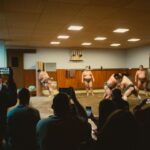
- Wear comfortable clothes. You’ll be sitting on the floor during the practice.
- Plan for quiet time. Stable etiquette is part of the experience, not optional.
Small tip: treat the camera like it’s for documentation, not filming. There’s no flash photography, so you’ll need to rely on whatever light you have and your camera’s settings.
Takasago-beya Sumo Stable: the 2-hour rhythm of morning training
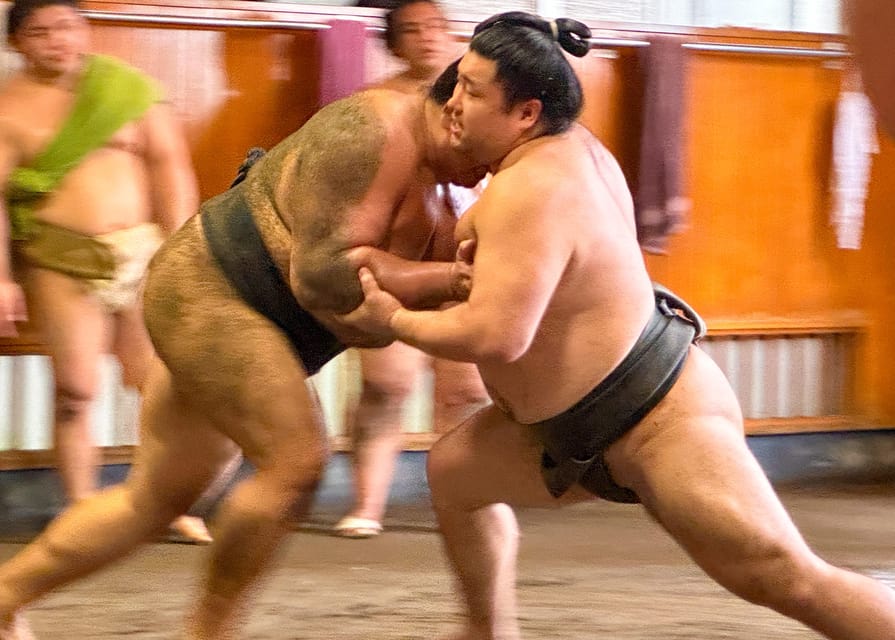
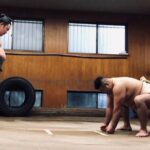
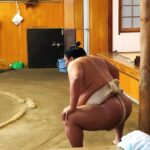
The main block of the tour is at Takasago-beya Sumo Stable. You get a guided visit there for about two hours, which includes the live morning practice viewing.
What makes this meaningful is the access. Sumo stables are private by nature. Your entry here is only possible because you have special permission from the stable. That changes your role as a visitor. Instead of wandering around a public attraction, you’re observing a working environment with clear rules.
What you’ll likely notice during training:
- Wrestlers are focused and repeat-focused. It’s about drilling fundamentals and building consistency.
- You may see rookies training as part of the session, which helps you understand how the stable trains across experience levels.
- If you’re lucky (not guaranteed), you might even spot a higher-profile former wrestler close up. One past group mentioned seeing a former ozeki, Asamoyama, during the practice.
Also, don’t assume this is a quick glance. The tour is structured so you’re not just in and out. You’re there long enough to see the “flow” of training—short segments, resets, and the way everyone moves with purpose.
Rituals and etiquette you’ll recognize once the guide explains them
At first, sumo practice can look like a lot of strength and movement. Then the guide puts words to what you’re seeing.
Expect explanations tied to:
- History and rituals of sumo wrestling
- How the stable’s daily routine works
- The hierarchy inside sumo and why behavior matters
- The rules of the ring and why etiquette is part of performance
The best part is that the guide doesn’t just tell you what’s happening. They help you interpret it. For example, you’ll get why silence and stillness matter in the stable environment, and why flash and extra distractions aren’t just annoying—they interrupt a setting built on focus.
There’s also a very human element. In past tours, groups noted that guides shared funny stories and inside context from reporting on sumo. That humor matters because it turns “this is traditional” into “this is how people live.”
One more practical detail: you’ll be told to avoid food during the practice and to keep your behavior aligned with stable rules. Even if you’re not a stickler for rules, following them is what keeps the experience respectful and smooth for everyone.
Photo time and the reality of being close to rikishi
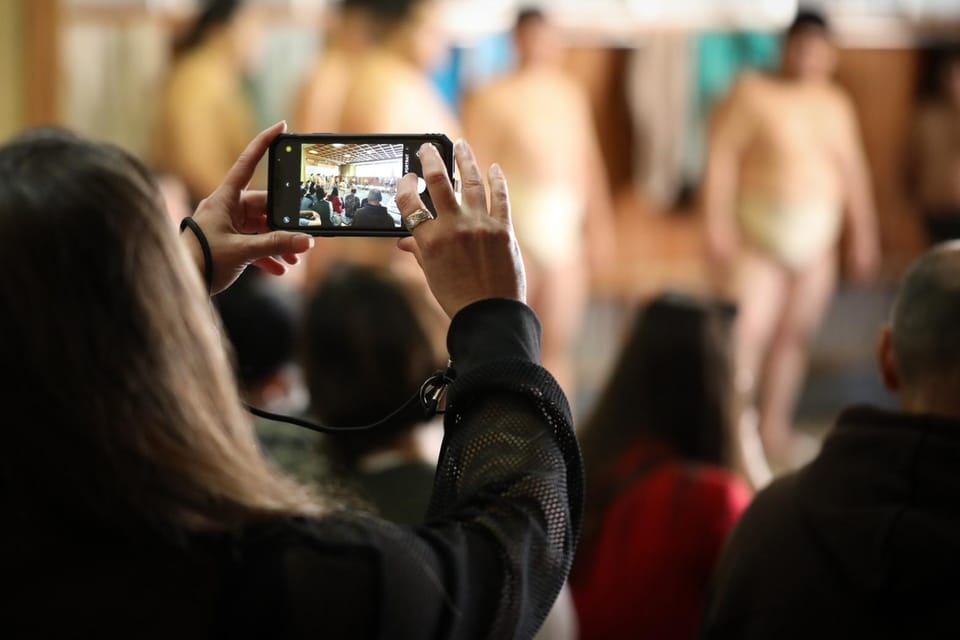
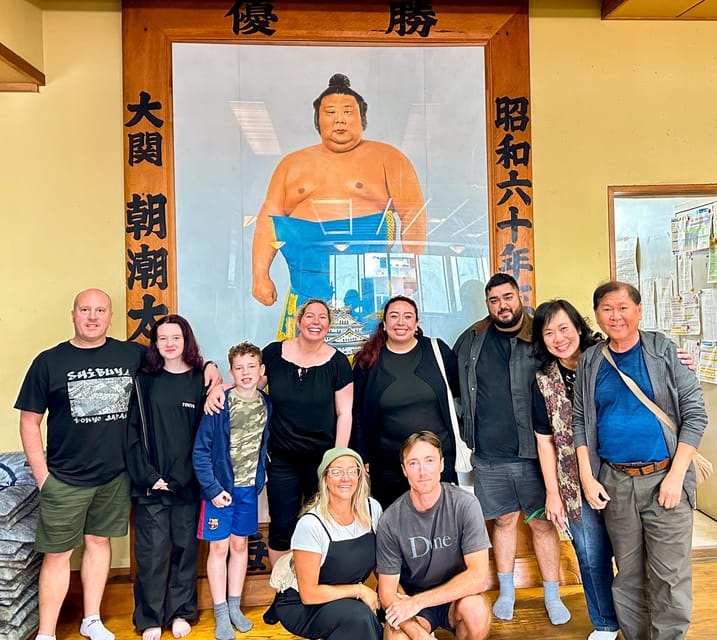
You’re not left with blurry distance shots. The experience includes commemorative photos, plus time to capture photos during the practice window.
Just know the boundary:
- Flash photography is not allowed.
- You should be ready to shoot without it, with slower shutter speeds or higher ISO depending on your camera.
Also, remember you’re in someone’s workplace. The best photos usually come from patience—watch, predict, then shoot. Your guide can also help you with positioning, and some groups mentioned being given seats that offered better viewing.
If you care about photos, plan your gear:
- Clean lens beforehand.
- Extra battery and memory card.
- Quick access settings so you aren’t stuck digging through menus mid-practice.
You can also read our reviews of more tours and experiences in Tokyo
Q&A with a sumo reporter: what you can actually ask
One reason this tour gets such strong feedback is the Q&A isn’t an afterthought. You get time to ask all the questions you want about sumo.
This is where a journalist background changes the tone. The guide can answer with more than “because tradition.” You may get context on:
- How wrestlers train day to day
- What you’re seeing in practice sessions
- Why certain rituals exist
- How sumo is structured as a system, not just a sport
A few past groups specifically mentioned that the guide’s reporting experience gave a unique perspective. Another mentioned receiving helpful follow-up materials and links after the tour—videos or documentaries connected to topics discussed during the day. If that happens on your date, it’s a nice way to keep learning after you return to your hotel.
The Ryōgoku Edo NOREN stop: tying practice to Tokyo’s sumo identity
After the stable portion, you shift gears to the Ryogoku area with a guided stop at Ryōgoku Edo NOREN (about 30 minutes). This is shorter than the stable visit, but it helps you connect what you saw with where sumo fits in Tokyo.
Why this matters: sumo isn’t just a match event. It’s tied to neighborhoods, rituals, and a local sense of identity. A short cultural stop gives your brain somewhere to hang the morning’s information.
You’ll still keep moving. There are transfers built in between stops—small walks and short rides—ending with the tour finishing near 両国駅 (Ryogoku Station).
Some past tours described extra walking around the Kokugikan/Sumo area zone and mention a museum or souvenir stop as part of the overall feel of this section. Even if the exact details vary by day, the intention is consistent: help you place the stable experience into the broader sumo world around Ryogoku.
Timing, rules, and small things that prevent headaches
This is a 3-hour experience with transfers included, so it’s compact for what you get. That’s part of the value—two hours at the stable plus a guided area stop, all morning and done.
Here are the rules that most often affect comfort:
- Wear comfortable clothes because you’ll be sitting on the floor.
- No flash photography during practice.
- No food during the practice segment.
- No indoor shoes. Stable spaces require you to remove footwear.
- You can bring a camera, and you should bring one.
One more note about accessibility: the experience is described as wheelchair accessible, but it’s also stated as not suitable for wheelchair users due to the traditional setup and floor-based viewing. If that’s you, treat it as a red flag and confirm specifics with the operator before assuming you can participate.
Price of $103: what you’re really paying for
At $103 per person for about three hours, this isn’t cheap. But the cost makes sense when you understand what’s included.
You’re paying for:
- Live access to a sumo stable under special permission
- A guided visit that explains history, rituals, and everyday stable life
- Photo time and commemorative photos
- A guide who (in many cases) has reporting experience tied to sumo
A pattern in feedback is that stable permission drives pricing. Some guides also handle the coordination that many visitors can’t manage on their own. If you’ve struggled to get tournament tickets, this kind of access can feel like a fair swap—different kind of sumo, but still real.
So yes, it’s higher priced than general Tokyo sightseeing. But it’s also a niche, time-sensitive opportunity that’s difficult to arrange independently. If you truly care about understanding sumo rather than just taking a quick look, this price is more defensible.
Who should book this tour (and who should skip it)
This tour is a strong match for:
- People who want real training instead of a staged show
- Sumo fans who already watch matches and want deeper context
- Travelers who enjoy asking lots of questions
- Anyone interested in Japanese tradition but tired of surface-level explanations
You might skip it if:
- You can’t handle sitting on the floor for a traditional practice viewing
- You need easy, flexible movement throughout
- You’re hoping for a casual, stop-and-snap kind of outing (stable rules limit distractions)
If your goal is simply to see wrestlers in a ring for a quick photo, you might find cheaper alternatives. But if your goal is understanding how sumo works as a world—this is the kind of experience that rewards attention.
Should you book this sumo morning practice tour?
I think you should book this tour if you want the closest thing to a working stable visit that tourism can legally and respectfully provide. The live practice, the journalist-guided explanations, and the Q&A are the big reasons.
Book it especially if:
- You can’t get tournament tickets
- You care about rituals and daily training life, not just match highlights
- You want a guided experience that helps you notice what your eyes might otherwise miss
My final check before you commit: be honest about floor seating and quiet etiquette. If that’s fine for you, this is a Tokyo morning that gives you a genuine look at sumo as a discipline, not a performance.
FAQ
Where is the meeting point?
You meet at Subway Toei Oedo Line, Ryogoku Station (E12), Exit A2 (ground level). It’s about a 5-minute walk from the east exit of JR Ryogoku Station.
What sumo stable do you visit?
The guided stable portion is at Takasago-beya Sumo Stable.
How long is the tour?
The tour runs for about 3 hours total.
Can I take photos during the practice?
Yes. The experience includes commemorative photos, and you’ll have time to capture photos of the wrestlers during the live practice. Flash photography is not allowed.
What should I wear and bring?
Wear comfortable clothes, since you’ll sit on the floor during the practice. Bring a camera, and be prepared for indoor rules like removing shoes.
Is food included?
No. Meals and drinks are not included.
Is the tour suitable for wheelchair users?
The information states wheelchair accessibility, but it also says the tour is not suitable for wheelchair users due to the traditional setup of the sumo stable. If you use a wheelchair, you should confirm details with the operator before booking.