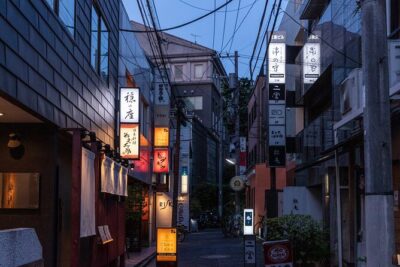
REVIEW · TOKYO
Exclusive Tokyo Ramen Kitchen Experience
Book on GetYourGuide →Operated by Tokyo Ramen Tours · Bookable on GetYourGuide
Entering a ramen kitchen feels like skipping the line. This is a VIP, behind-the-counter look at one of Tokyo’s award-winning ramen shops, where you help build your bowl while learning ramen origins and prep. What I like most is the hands-on rhythm of the kitchen and the payoff of two small bowls of ramen at the end. One possible drawback: at $83 for just an hour, it can feel steep unless you’re a real ramen fan.
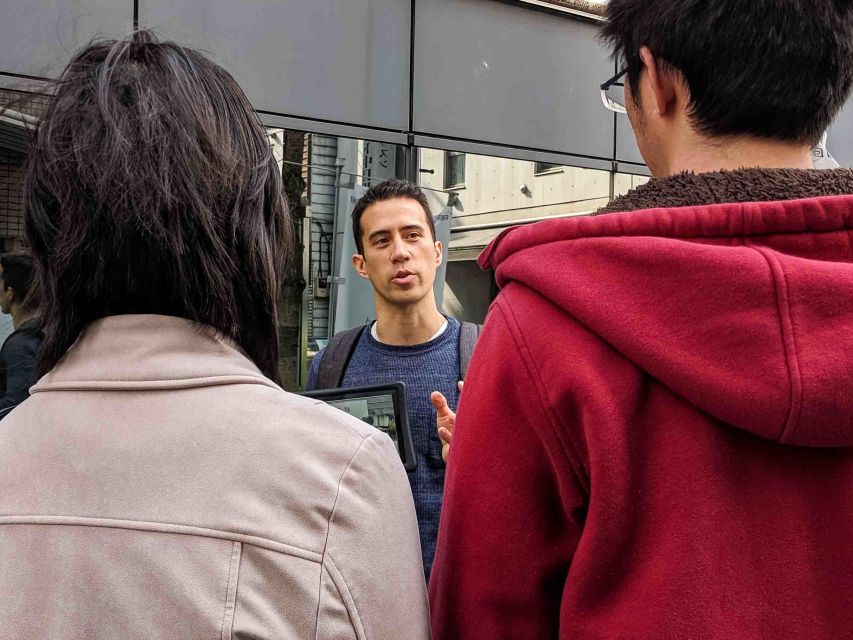
The experience runs as a small-group setup (limited to 6), so you’re not lost in a crowd. You meet at Nezu Station (C 14), Exit 1, right in front of the supermarket Akafudado, and your guide holds up a Tokyo Ramen Tours sign. In past groups, the host/guide Frank has been singled out for being friendly and careful, including when the kitchen welcomed younger guests. Just know the ramen contains chicken, pork, and fish, and you’ll be dealing with hot water and soup—wear comfortable clothes and keep your hands steady.
In This Review
- Quick Hits
- Why A Tokyo Ramen Kitchen Beats a Normal Dinner
- Nezu Station Meeting Point: Easy to Find, Easy to Miss
- Walking Into an Award-Winning Shop Kitchen
- What You Learn: Ramen Origins, Types, and Ingredient Logic
- Making Your Own Ramen Without the 10-Hour Wait
- Two Bowls and Two Gyoza: The Meal Part You’ll Actually Remember
- Price and Value: $83 for a 1-Hour VIP Look
- Who This Suits Best (And Who Might Skip It)
- Quick Tips: Be Comfortable in a Hot Kitchen
- Should You Book This Ramen Kitchen Experience?
- FAQ
- Where do I meet for the Tokyo Ramen Kitchen Experience?
- How long is the experience?
- Is this a private tour?
- Is this a full cooking class where I make everything from scratch?
- What food is included?
- What does the ramen contain?
- What should I bring or wear?
Quick Hits
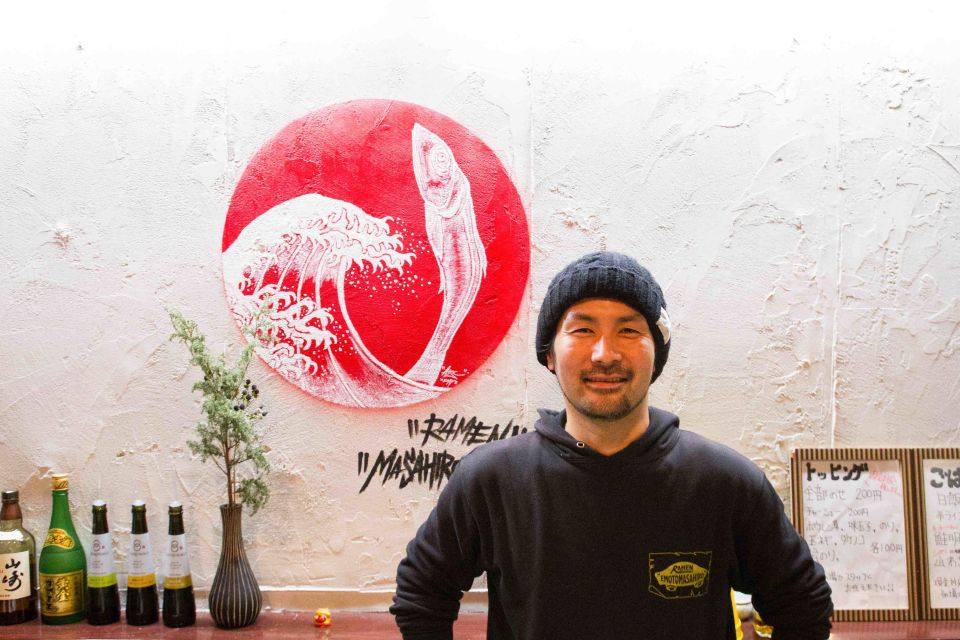
- Exclusive kitchen access in an award-winning ramen shop, normally not available to the public
- Small-group format (up to 6) with live English guidance and multiple guides supporting you
- Ramen-nerd lessons on origins, types, and how ingredients work together
- You still assemble the bowl, without spending hours waiting (real broth takes 10 hours)
- Included meal: two small bowls of ramen plus two gyoza (fried dumplings)
- Important dietary note: the ramen contains chicken, pork, and fish
Why A Tokyo Ramen Kitchen Beats a Normal Dinner
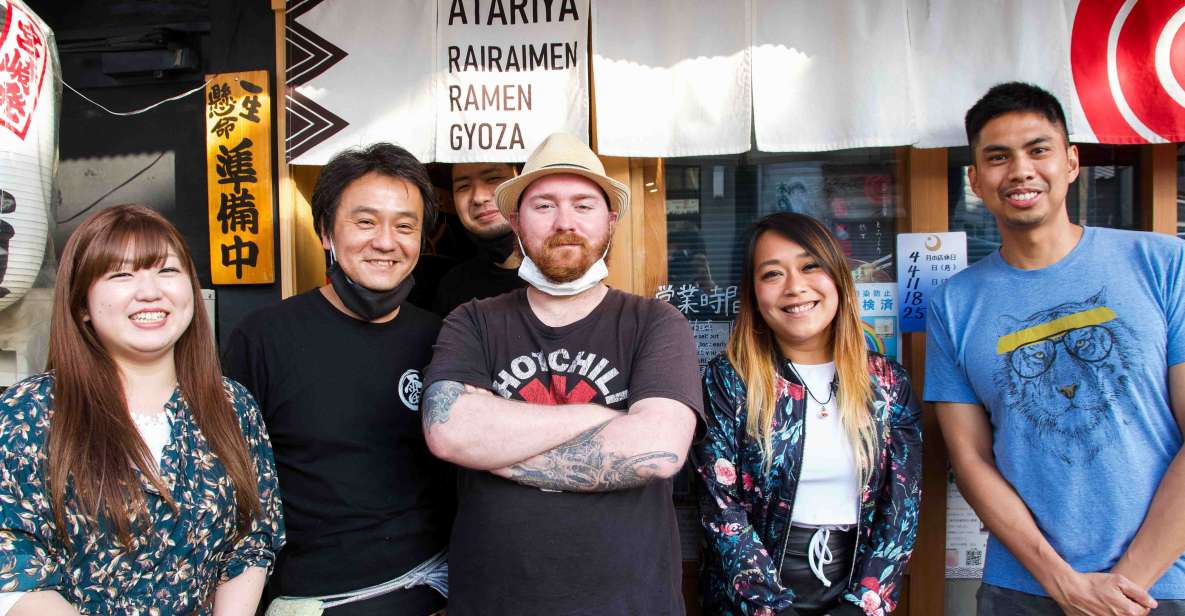
A regular ramen meal is tasty. A ramen kitchen experience is different. It shows you how the shop keeps quality consistent, even when the dining room is moving fast.
You’re not just watching. You’re in the work area, seeing the flow and hearing the practical side of ramen life. Expect sights, sounds, and the kind of coordinated teamwork you rarely notice when you’re only seated at a table.
And you get context while you’re doing it. This isn’t only about taste. You’ll learn why ramen is built the way it is—broth styles, noodle choices, and the purpose of common ingredients.
You can also read our reviews of more tours and experiences in Tokyo.



Nezu Station Meeting Point: Easy to Find, Easy to Miss
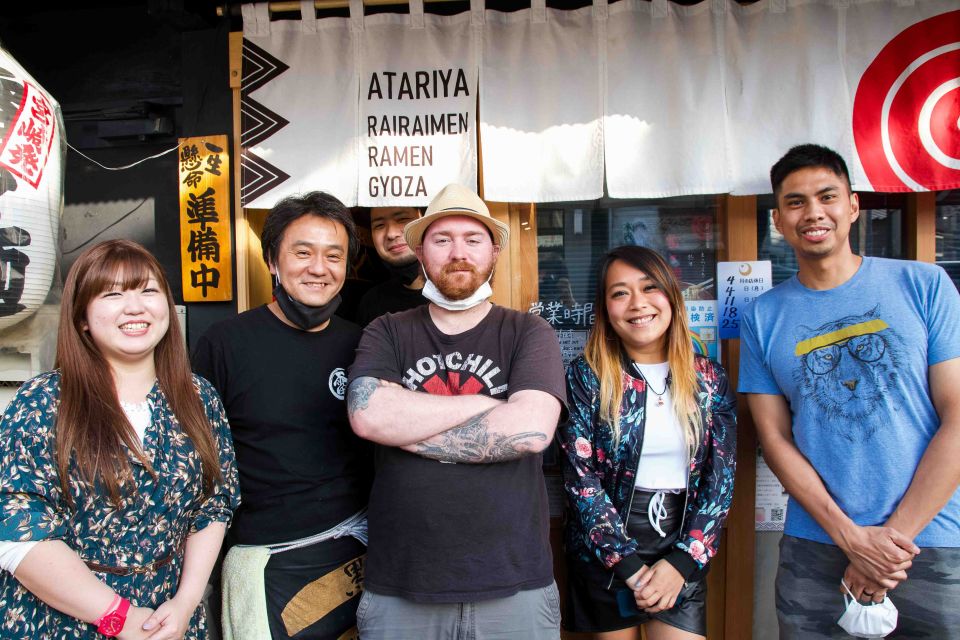
This tour starts at Nezu Station (C 14), Exit 1, in front of the supermarket Akafudado. Your guide will be holding a Tokyo Ramen Tours sign, so you shouldn’t have to guess where to stand.
Nezu is a calmer corner of Tokyo than the big-hitter areas, which makes the experience feel more local. It’s also a helpful change of pace if you’ve spent your days bouncing between landmarks.
I’d give yourself a little buffer time. If you’re arriving during peak commuting hours, train transfers can be quick, but the station itself can still feel like a small maze.
Walking Into an Award-Winning Shop Kitchen
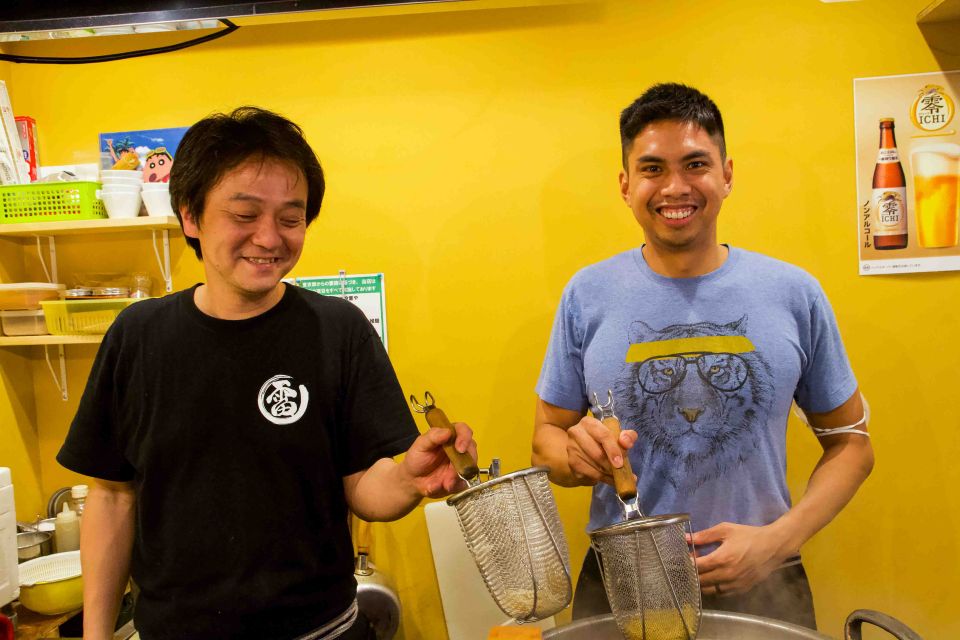
This takes place inside a ramen shop and its kitchen, not in a classroom space. That’s the big deal. You’ll see the real setup that powers an actual busy restaurant.
You’ll also feel the heat and humidity that comes with ramen work. The kitchen environment involves hot water and soup, so you need to move carefully. Comfortable clothes help, and it’s smart to keep your sleeves out of the way.
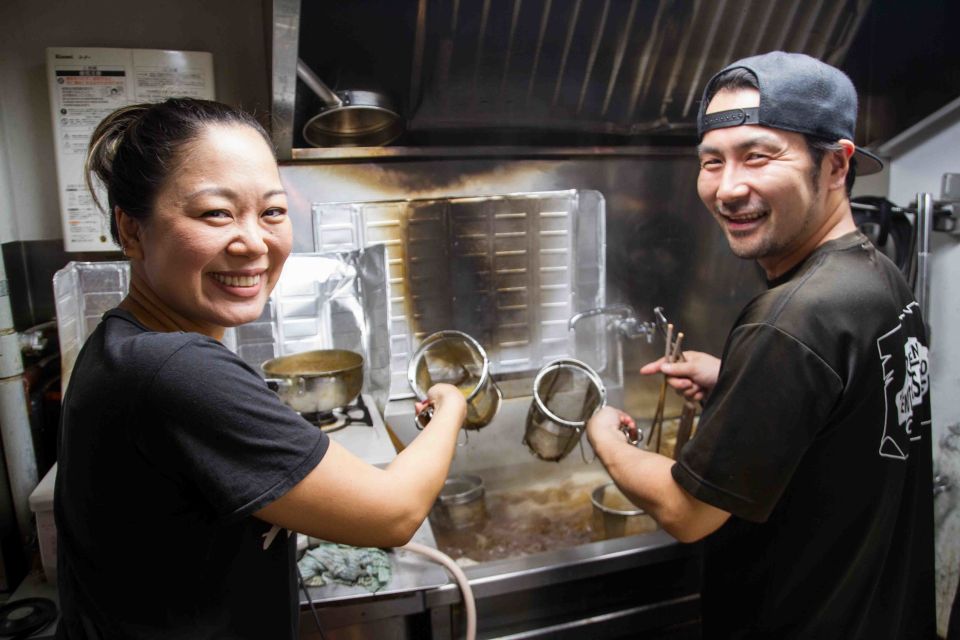
Past participants have praised the warmth of the hosts and the care the chef takes while guiding people through the process. One standout detail: the chef has worked carefully with younger kids in the kitchen, which suggests they don’t just rush you through.
Still, this is behind-the-counter access, not a hands-on science lab. You’ll be working with hot items, so listen closely to the guide and follow their pace.
What You Learn: Ramen Origins, Types, and Ingredient Logic
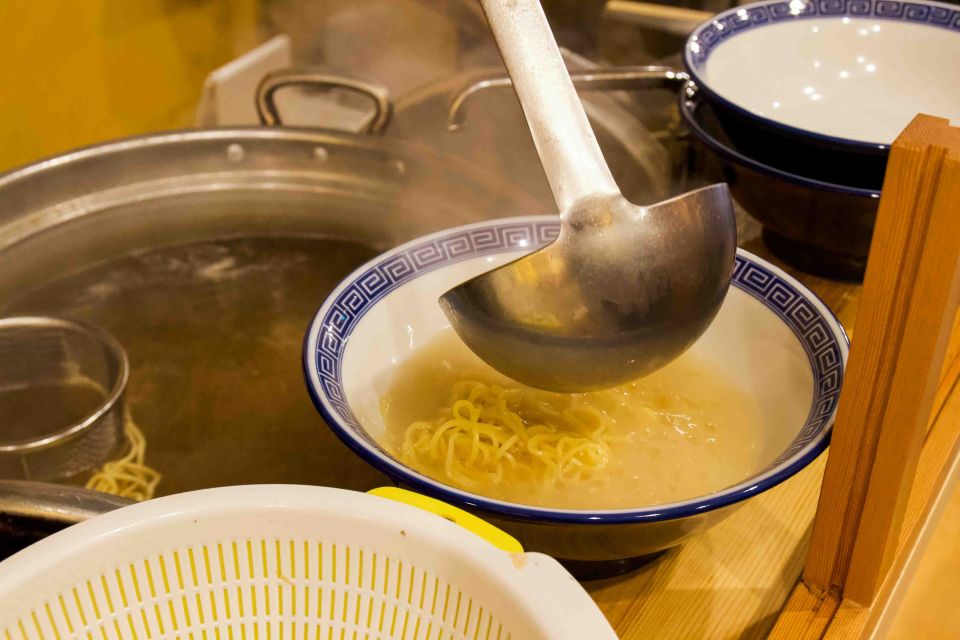
The best part of this experience for food people is the explanation layer. You’ll learn about ramen origins and the different types of ramen, then connect those ideas to what you’re building.
Instead of treating ramen as one flavor, the guide helps you understand it as a system. Broth style, toppings, noodle feel, and seasoning balance all matter. When you know that, even a simple bowl starts tasting more intentional.
You’ll also get ingredient purpose explained—what each ingredient contributes and where it comes from. Even if you’ve eaten ramen dozens of times, this kind of breakdown changes how you notice the bowl.
And yes, the learning is in the moment. You’re not memorizing slides. You’re seeing the process and having it explained while it’s happening.
Making Your Own Ramen Without the 10-Hour Wait
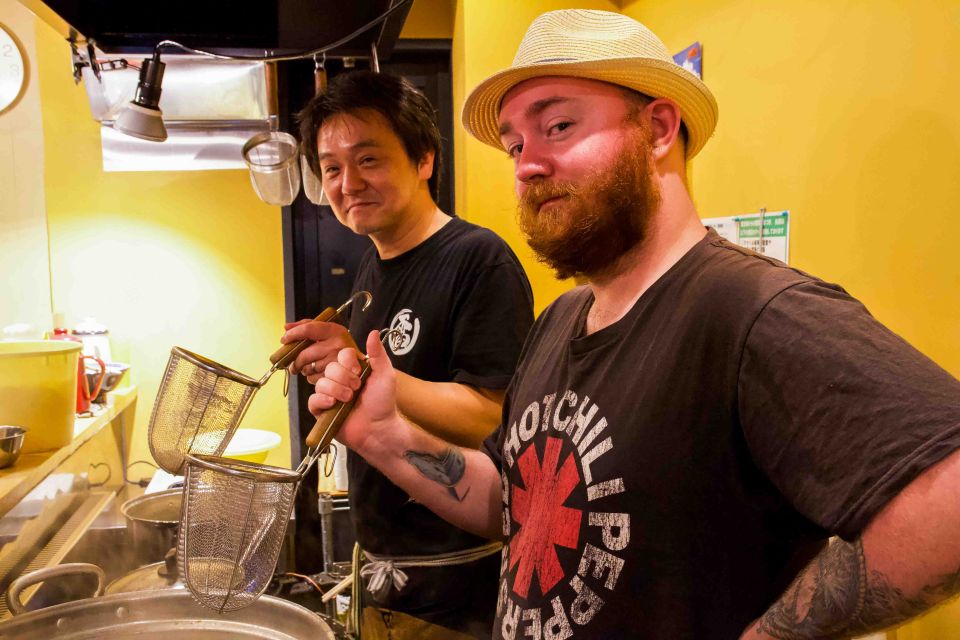
Let’s clear up an important expectation: this is not a full-on cooking class where you make everything from scratch. The long work—especially broth—doesn’t happen during your visit.
Here’s the key point: the broth takes 10 hours to make, so the shop has already handled the heavy lift. Your part is the ramen assembly and the ramen-shop workflow, sped up so you don’t spend hours waiting.
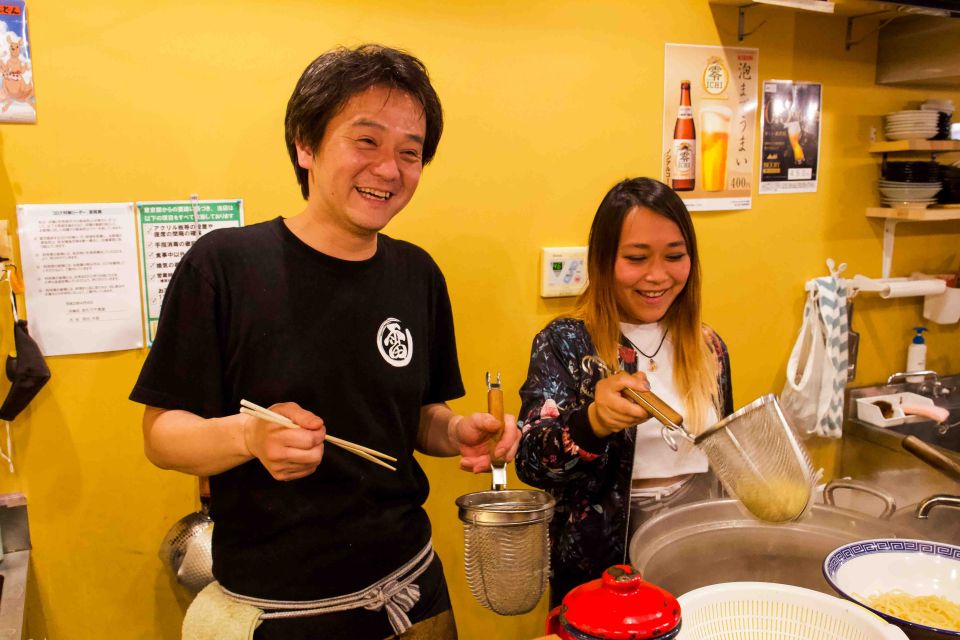
You’ll learn how a real chef approaches the bowl, including how noodles and ingredients are combined. Some participants have mentioned mixing noodles and ingredients as part of the process, which makes sense for a shortened, hands-on build rather than a full DIY marathon.
This is why the experience feels like a chef moment. You’re doing the steps that turn components into a finished ramen bowl, under real kitchen guidance, with a short timeline.






Two Bowls and Two Gyoza: The Meal Part You’ll Actually Remember
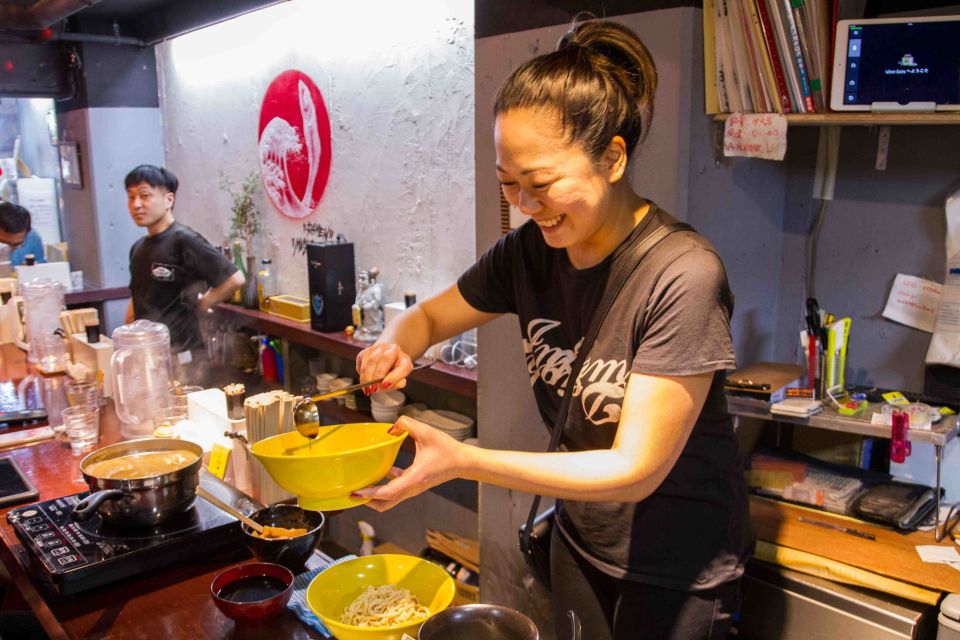
At the end, you get two small bowls of ramen and two gyoza (fried dumplings). This matters for two reasons.
First, you’re not leaving hungry after a “tour.” You eat the fruits of your own assembly. Second, you get a chance to compare your bowl results and notice how choices and seasoning affect the final taste.
Several participants have called the ramen among the best they had in Japan. That doesn’t mean every bowl tastes exactly the same for everyone, but the repeated praise is a strong signal that the shop quality is real.
The gyoza add another layer. It’s fried, shareable comfort food, and it rounds out a meal that’s otherwise all about broth and noodles.
Go in ready to slow down. The value here isn’t only the flavor—it’s the connection between what you built and what you’re tasting.
Price and Value: $83 for a 1-Hour VIP Look
Let’s talk money. $83 per person for a 1-hour experience is not cheap. One participant even flagged it as very expensive for what it was, especially for a family group.
So when does it feel worth it?
It tends to make sense when you care about ramen beyond eating it. You’re paying for two things that are hard to find on your own: exclusive kitchen access and a guided explanation while the ramen is assembled.
Also, the included food (two bowls of ramen and two gyoza) softens the cost. In Tokyo, if you’re ordering a couple of dishes plus drinks, the math gets closer than it looks at first.
My practical take: if you want a simple meal, just go eat ramen. If you want the story behind the bowl—how a ramen shop actually works—this is the kind of experience that delivers.
Who This Suits Best (And Who Might Skip It)
This experience is a great fit for ramen lovers, food travelers, and anyone who enjoys watching how high-volume kitchens keep quality steady. If you like learning while you eat, you’ll get more out of the guide’s explanations than if you’re only chasing the most famous bowl.
It’s also a strong choice for travelers who want something interactive but don’t want the time commitment of a full cooking class. You get hands-on assembly with a shorter wait.
If you’re traveling with picky eaters or strict dietary needs, pay attention. The ramen contains chicken, pork, and fish. That’s a major consideration for anyone avoiding meat or seafood.
And if you dislike handling hot water and soup, you might find this stressful. The kitchen setting is part of the deal, so bring a calm mindset.
Quick Tips: Be Comfortable in a Hot Kitchen
A few small practical things will help you enjoy this more.
Wear comfortable clothes with sleeves you can keep out of the way. You’ll be in a working environment with hot liquids, so think mobility, not fashion.
Listen first, then act. Kitchen steps move fast, and guides will expect you to follow their lead. If you’re with kids, the success of the day likely comes from close attention and careful handling, like what’s been praised in past groups.
Finally, go in with curiosity. When you understand why each ingredient exists, the last few minutes of eating can feel like a mini tasting class.
Should You Book This Ramen Kitchen Experience?
If you’re the kind of person who reads about ramen styles and starts noticing broth differences, I’d book it. The exclusive kitchen access, the chef-style assembly, and the included meal make it feel like a real Tokyo food moment rather than a scripted tourist stop.
If you’re simply hungry and want value above all, you might prefer using that money for a couple of standout ramen meals across town. Also, if you’re on a tight budget or traveling as a family where the total adds up fast, the price may sting.
My honest rule: book it for the kitchen experience, not just the food. If that part sounds exciting, you’ll probably leave with a deeper respect for ramen—and a new habit of ordering with purpose.
FAQ
Where do I meet for the Tokyo Ramen Kitchen Experience?
Meet at Nezu Station (C 14), Exit 1, in front of the supermarket Akafudado. Your guide will be holding a Tokyo Ramen Tours sign.
How long is the experience?
It lasts 1 hour, and starting times depend on availability.
Is this a private tour?
No. It’s a small group limited to 6 participants, with live English guidance.
Is this a full cooking class where I make everything from scratch?
No. This is a behind-the-counter experience focused on assembling ramen with help from the chef and guides. The broth is not made during your visit.
What food is included?
You’ll receive two small bowls of ramen and two gyoza (fried dumplings).
What does the ramen contain?
The ramen contains chicken, pork, and fish.
What should I bring or wear?
Wear comfortable clothes. Since you’ll be in a ramen shop kitchen handling hot water and soup, dress for movement and be ready to work carefully.