REVIEW · TOKYO
Nagano Snow Monkey 1 Day Tour with Beef Sukiyaki Lunch from Tokyo
Book on Viator →Operated by H.I.S.Co., Ltd. · Bookable on Viator
Seeing snow monkeys up close is wild. This one-day trip takes you from Tokyo to Jigokudani Monkey Park, where Japanese macaques warm up in steaming hot springs. I especially like that the day includes a beef sukiyaki lunch plus an English guide and commentary on the bus, so you’re not stuck figuring logistics in the cold.
You should also know the trade-off: it’s a long day with a real winter walk. If you’re not into icy footing or long bus stretches, the schedule can feel like a squeeze once you arrive.
In This Review
- Key Things That Make This Tour a Smart Winter Choice
- The Big Idea: Why Jigokudani Works So Well as a Day Trip
- Meeting in Shinjuku and Getting Out of Tokyo Without Stress
- The Long Drive: What to Expect and How to Use the Time
- Shinshu Fruitsland: Beef Sukiyaki Lunch That Actually Makes the Day Work
- Arriving at Jigokudani: The Walk to Yaen-koen Is the Real Event
- Snow Monkey Viewing: What You’ll See (and What You Might Not)
- How to Behave Around the Monkeys
- Winter Timing Matters: When the Hot Springs Play Their Best Part
- The Kamakura Snow Huts Stop (Late January to Late February)
- Guides on the Bus: The Difference Between a Trip and a Story
- Price and Value: Is $151.96 Worth It?
- Time at the Park vs Time on the Road
- What to Pack (So You Don’t Lose Time to Cold)
- Who This Day Trip Is Best For
- Should You Book the Nagano Snow Monkey 1 Day Tour?
- FAQ
- How long is the Nagano Snow Monkey day trip from Tokyo?
- Where does the tour start in Tokyo?
- Is lunch included, and what is it?
- What is the main location for the snow monkeys?
- How long is the walk from the parking area to the monkey park area?
- Are crampons provided?
- Will I always see monkeys in the hot springs?
- Does the tour include Kamakura snow huts?
- Is dinner included?
- Can I cancel for free?
Key Things That Make This Tour a Smart Winter Choice
- Shinjuku pickup at 8:00am and an organized drive out of the city (max 45 people)
- Beef sukiyaki lunch at Shinshu Fruitsland, with vegetarian and vegan options available
- Guided entry to Jigokudani Yaen-koen, with an admission ticket included
- A winter walk that takes more than 30 minutes from the parking area (non-slip shoes recommended)
- Wild-animal reality: macaques may not be in the hot springs every visit, especially outside peak cold
- Optional winter extra: Kamakura snow huts during late January to late February
The Big Idea: Why Jigokudani Works So Well as a Day Trip
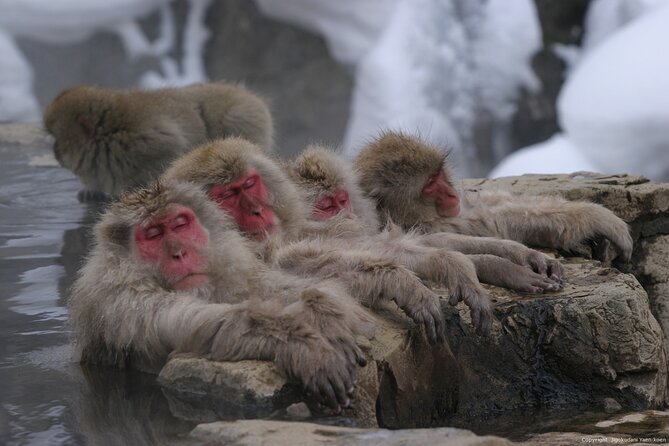
Jigokudani Monkey Park is one of Japan’s most famous winter scenes for a reason: hot springs in the mountains, falling snow, and red-faced snow monkeys acting like they own the place. It’s also a perfect day trip concept from Tokyo because everything is bundled for you—transport, English guidance, park time, and a hot meal.
What makes this tour feel especially practical is the pacing plan. You’re not rushing to find stations, maps, or the right bus at the wrong time. Instead, you start early in Shinjuku, ride up with guided commentary, and then focus on the experience where it matters most: the park area and the hot-spring viewing.
You can also read our reviews of more tours and experiences in Tokyo

Meeting in Shinjuku and Getting Out of Tokyo Without Stress
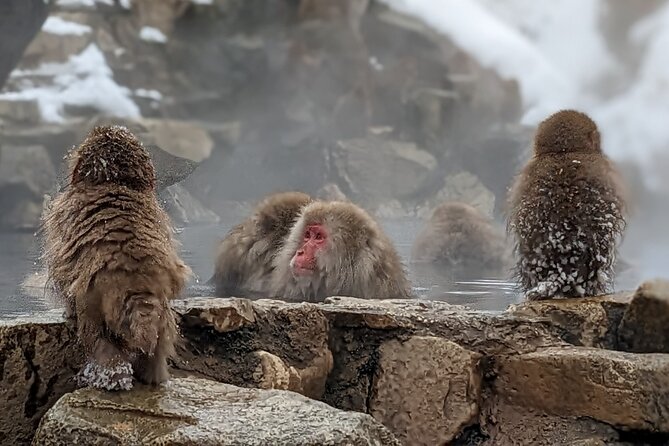
Your day starts near the Robert Indiana sculpture that says LOVE in Nishishinjuku (6-chōme-5-1). The tour departs at 8:00am, and the group meets at that exact spot, so arriving on time is the key to getting on board.
Once you’re seated, you’re on a climate-controlled bus with an English guide onboard. Japan’s seatbelt rule applies on the bus, and honestly, it’s a good reminder when you’re traveling on a long, winding route.
One more reason I like this setup: the day is capped at 45 travelers, so the group feels manageable. It’s big enough to organize efficiently, but small enough that you’re not constantly negotiating your way through crowds when the timing gets tight.
The Long Drive: What to Expect and How to Use the Time
This is the main part of the day that can feel tiring—because it is tiring. You’re heading from Tokyo into Nagano prefecture, so expect a substantial travel time both ways. The good news is that the ride is guided and structured, so you can use the bus time to get oriented instead of staring at your phone.
Also, plan on breaks. During winter travel, you’ll want a bathroom stop and a chance to stretch, especially before you face the cold walk near the park. Bring a small layer you’re willing to keep on your person, because mountain air can shift fast once you get closer.
Shinshu Fruitsland: Beef Sukiyaki Lunch That Actually Makes the Day Work
Lunch is at Shinshu Fruitsland, and it’s not just a token meal. You get a traditional Japanese lunch featuring beef sukiyaki (hot pot), which is ideal for a cold-weather outing. Hot food keeps you going for the walk, and it’s also a break from the “freeze and hurry” rhythm that can ruin winter sightseeing.
The tour also offers substitutions if you plan ahead:
- Beef can be changed to pork
- Vegetarian options are available (with egg and dairy)
- Vegan options are available (100% plant-based)
Timing matters here. You get about 1 hour at the lunch stop, which is enough to eat without turning lunch into a second day of travel. If your goal is snow monkeys plus comfort, this included meal is a genuine value add.
Arriving at Jigokudani: The Walk to Yaen-koen Is the Real Event
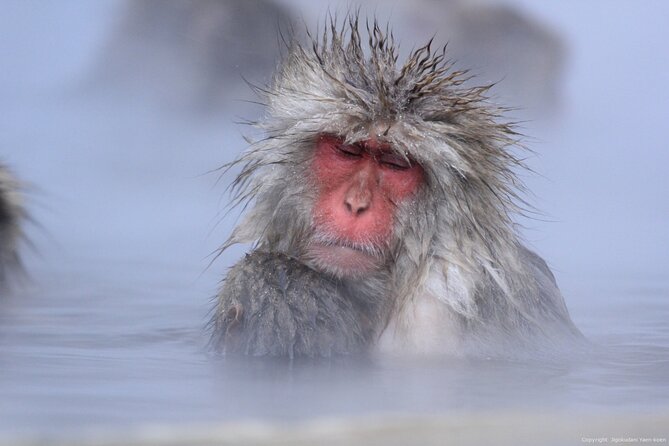
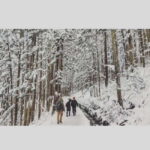
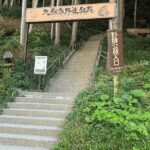
At Jigokudani Snow Monkey Park, you get about 2 hours once you’re at the viewing area. But there’s a catch: from the parking area to Jigokudani Yaen-koen, it takes more than 30 minutes on foot. In winter, that walk can turn into a slow, careful trek depending on ice and snow.
This is why shoe choice is more than a minor detail. Bring non-slip shoes, and if conditions are rough, crampons may be sold onboard the bus when available. Reviews also point out that people sometimes struggle with footing on icy paths—so your best move is to prepare early rather than try to adapt once you’re already on the trail.
If you’re thinking in terms of effort, treat this as a moderate winter walk. You don’t need to be an athlete, but you do need to be comfortable moving carefully on cold, slick ground.
You can also read our reviews of more tours and experiences in Tokyo
Snow Monkey Viewing: What You’ll See (and What You Might Not)
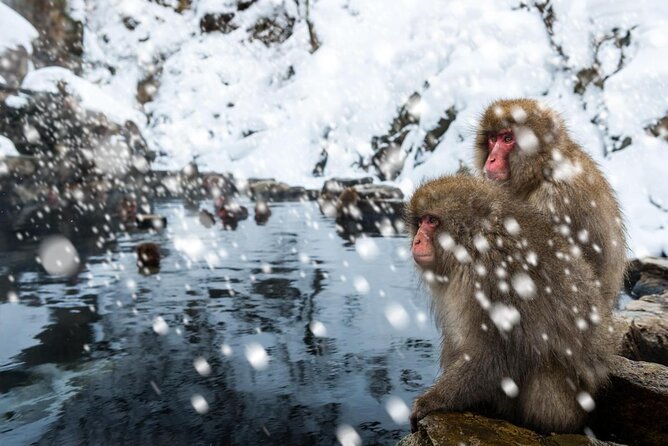
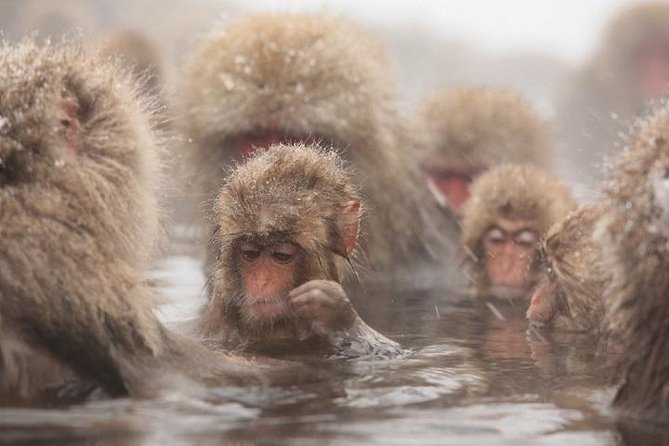
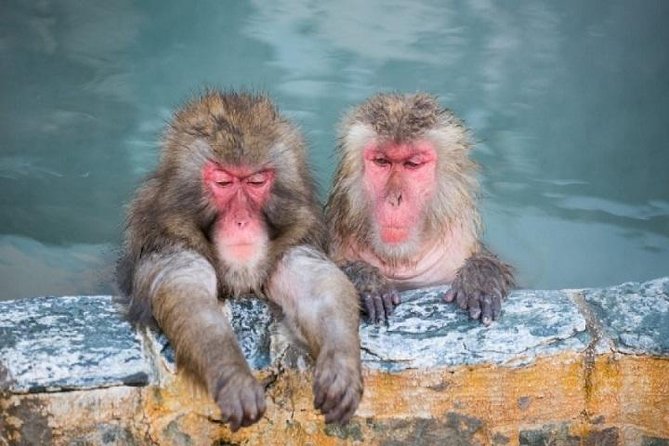
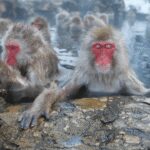
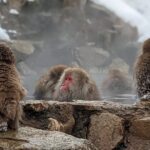
When you reach the park area, you’re watching macaques in a hot-spring setting. This is the heart of the tour: snow monkeys bathing in steaming hot springs to stay warm.
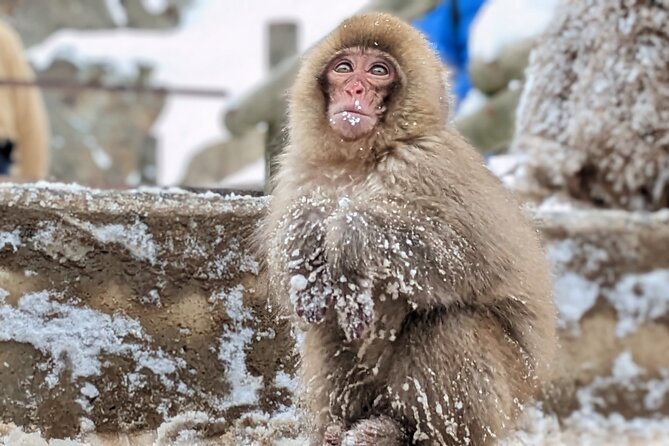
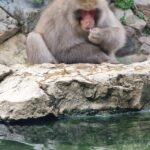
A key reality check: these are wild animals. Even when the park is open and conditions are right, macaques may not be where you expect them. The tour notes that monkeys of Jigoku Valley might not be present when you visit, and it also reminds you that the monkeys don’t spend most of their time in the water.
So instead of hunting for one perfect moment, shift your goal to “watching behavior.” If you see monkeys near the springs, great. If they’re nearby on land, also great. The best photos often come from patience, not chasing.
How to Behave Around the Monkeys
You’ll get clear guidance on what not to do, and I’m glad the tour states it plainly:
- Don’t engage with the monkeys
- Don’t stare them directly in the eye (they may become violent)
- Stay out of their territory
This matters for your safety and their safety. Think of it as wildlife viewing, not a theme-park photo op.
Winter Timing Matters: When the Hot Springs Play Their Best Part
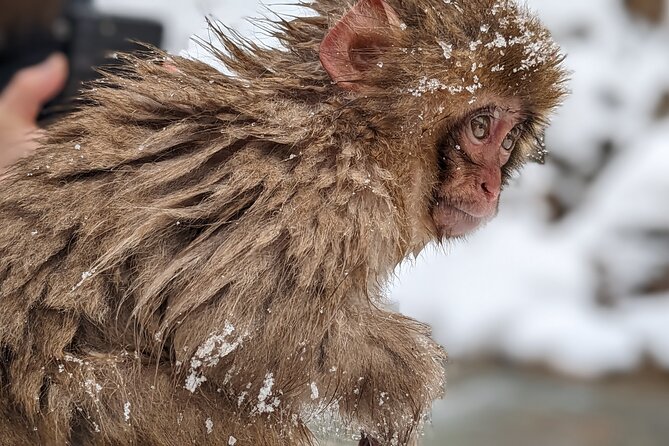
This tour is strongly tied to seasonal winter behavior. The colder the day, the more likely you’ll see macaques using the hot springs. The tour also notes that from mid-March, monkeys may not enter the hot springs depending on the weather.
If your dates are flexible, aim for peak winter. Even small temperature differences can change what you see. On the coldest days, the whole scene clicks: steam, snow, red faces, and that classic mountain-onzen look.
The Kamakura Snow Huts Stop (Late January to Late February)
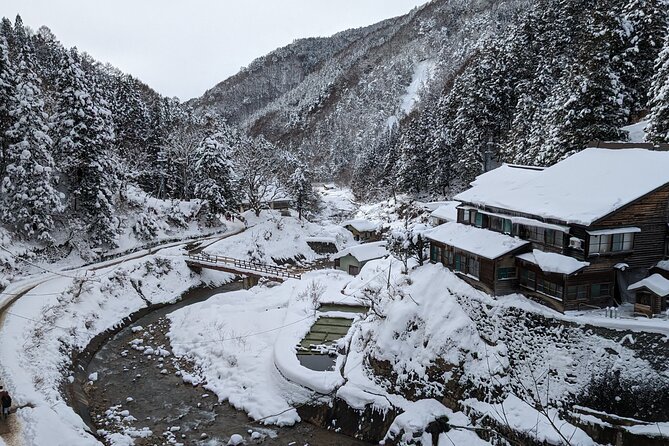
There’s an optional extra stop for certain dates: Kamakura no Sato, featuring lit-up Kamakura snow huts. This is only included between January 20th and February 26th, and the festival runs from Jan 23 to Mar 1, 2026.
It’s a quick add-on (about 30 minutes), but it gives your day trip a second winter highlight beyond the monkeys. If you’re traveling later in the season and hoping for this bonus, double-check your exact travel dates so you’re not disappointed.
Guides on the Bus: The Difference Between a Trip and a Story
One of the most praised parts of this tour is the human touch. English guidance is included, plus guided commentary during the ride to Jigokudani. In particular, names that come up in feedback include guides and assistants such as Yoshi, Mary, Chee, Jay, Shin, Harry, Thomas, and Yoshi again.
Even when pronunciation varies a bit, the role is clear: breaking up a long drive with useful Japan context and keeping the day moving. On a route like this, a good guide can turn “hours on a bus” into a calm, organized lead-up to the moment you came for.
Price and Value: Is $151.96 Worth It?
At $151.96 per person, this isn’t a bargain-basement outing. You’re paying for three big things Tokyo DIY can make annoying:
- Transportation out to Nagano and back in winter conditions
- English guide + commentary during the ride
- Included admissions + lunch (including the sukiyaki hot pot meal)
You also get admissions for the major stops: Shinshu Fruitsland (for the lunch stop), Jigokudani Snow Monkey Park, and Kamakura no Sato when your dates qualify. Plus, you’re traveling in a group of up to 45, which keeps it organized.
If you were to DIY this, the challenge isn’t only money—it’s time, transfers, and timing in winter. This tour mainly buys you certainty: a workable schedule, a planned route, and a warm meal waiting before you hit the icy walk.
Time at the Park vs Time on the Road
This tour will feel long. You leave Shinjuku early and return to the same pickup point near evening. The travel portions take most of the day, and that’s why your expectations matter.
At Jigokudani, you get time to walk in, view the monkeys, and explore the snow-covered area cautiously. The park time is solid, but it’s not a slow, lingering nature retreat. If you’re the type who wants long unhurried stops with zero time pressure, you might feel a little “hurry” after the long drive.
My suggestion: treat this as a winter highlight day, not a multi-stop countryside exploration. If you want both, you’ll need more than one day in the region.
What to Pack (So You Don’t Lose Time to Cold)
Based on the tour notes and the reality of winter terrain, pack like you mean it:
- Non-slip shoes (not just warm shoes)
- Warm layers you can keep on during the walk
- A willingness to use crampons if they’re available onboard
- A practical mindset: the paths can be icy and slippery
Also, bring snacks only if you prefer extra options. The tour notes that dinner isn’t included, and you’ll have a chance to buy snacks at a service area during the return journey, but heavy traffic can limit time.
Who This Day Trip Is Best For
This tour fits best if you:
- Want the classic snow monkey experience without planning transit
- Appreciate included meals and guided narration
- Are comfortable walking on snowy or icy paths with the right footwear
It’s less ideal if you:
- Hate long bus days
- Have limited tolerance for cold walks
- Expect a guarantee that monkeys will be in the hot springs at exactly the time you arrive
Still, if you’re going in winter and you’re prepared for the walking and conditions, it’s a strong “one-and-done” day from Tokyo.
Should You Book the Nagano Snow Monkey 1 Day Tour?
If your winter trip to Japan includes Tokyo and you want one unforgettable outdoor animal experience, I think this is a smart booking. The included beef sukiyaki lunch, English guidance, admission tickets, and organized transportation remove most of the headaches that can make snow-season travel stressful.
Book it if you’re ready for a long day and a careful walk on icy ground. Consider another plan if you’re chasing maximum time at the park, or if you’re not comfortable with winter footing. For most people, though, the payoff is real: snow, steam, and snow monkeys watching back like they’re the main characters.
FAQ
How long is the Nagano Snow Monkey day trip from Tokyo?
The tour runs about 13 hours (approx.).
Where does the tour start in Tokyo?
You meet at the Robert Indiana sculpture that says LOVE in Nishishinjuku (6-chōme-5-1), Shinjuku City, Tokyo, starting at 8:00am.
Is lunch included, and what is it?
Yes. Lunch is included and features beef sukiyaki (hot pot). Beef can be changed to pork, and vegetarian and vegan options are available if you request them when booking.
What is the main location for the snow monkeys?
You visit Jigokudani Monkey Park, specifically the Jigokudani Yaen-koen area for viewing Japanese macaques bathing in hot springs.
How long is the walk from the parking area to the monkey park area?
It takes more than 30 minutes on foot from the parking area to Jigokudani Yaen-koen.
Are crampons provided?
Crampons are optional and sold onboard the bus if available. The tour recommends wearing non-slip shoes.
Will I always see monkeys in the hot springs?
Not necessarily. The tour notes the monkeys are wild and might not be present when you visit, and the monkeys do not spend most of their time in the water. Also, from mid-March, monkeys may not enter hot springs depending on weather.
Does the tour include Kamakura snow huts?
Only on certain dates. The Kamakura no Sato stop is included between Jan 20 and Feb 26, and the festival is open from Jan 23 to Mar 1, 2026.
Is dinner included?
No. Dinner is not included. You can purchase snacks at service areas during the return journey, but it’s not part of the tour cost.
Can I cancel for free?
Yes. You can cancel up to 24 hours in advance for a full refund. If you cancel less than 24 hours before the start time, the amount you paid is not refunded.