REVIEW · TOKYO
Tokyo: Sumo Show and Dining Experience
Book on GetYourGuide →Operated by 株式会社オーシャンズ · Bookable on GetYourGuide
Sumo meets dinner in a real Tokyo dojo. At Tokyo Sumo Room, operated by former Makuuchi wrestler Tokitsumi, you get a pro-style sumo show in a small room where the action feels inches away, followed by Japanese comfort food that fits the rhythm of the sport. It’s a rare mix: sports spectacle, cultural explanations, and real interaction in one sitting.
Two things I like a lot: the hands-on audience participation (you can step into the ring and wrestle) and the sumo-staple meal built around chanko-style flavors, so you’re not just eating after the fact. The vibe is friendly too, with hosts who guide you through the rules and traditions in clear English.
One consideration before you book: the included food depends on the show time. If you want the meal option, you’ll need to pick the 11:00 AM or 7:00 PM show, since the 3:00 PM option doesn’t include a meal plan.
In This Review
- Key points I’d circle before you go
- Tokyo Sumo Room in Kiyosumi-Shirakawa: a real-dojo feel in the city
- The show up close: sumo rituals, rules, and ring participation
- The dining part: chanko-style comfort food timed with the show
- Optional sumo training: when you want more than a performance
- Practical tips that make the experience smoother
- What to bring
- What to expect on-site
- Seating and group size
- Vegetarian planning
- Who this is best for (and who might skip it)
- Price and value: how $79 fits the experience
- What you’re paying for
- The one pricing trap to avoid
- Should you book Tokyo Sumo Room?
- FAQ
- Which sumo show times include the Japanese meal option?
- How long does the Tokyo Sumo Room experience take?
- Is the instructor available in English?
- Can I participate, or is it just watching?
- Is vegetarian food available?
- What should I bring?
- Is smoking allowed?
Key points I’d circle before you go
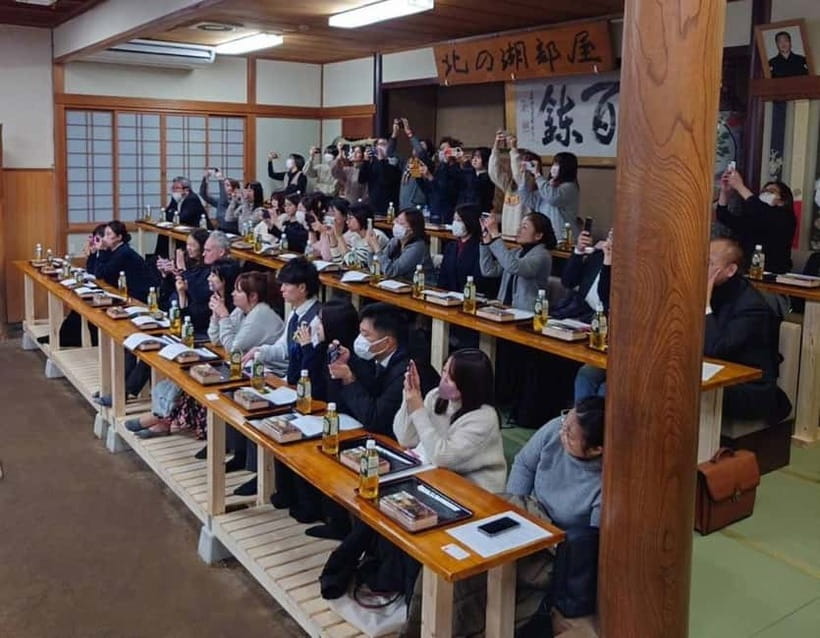
- Former Makuuchi Tokitsumi is behind the experience, so it feels like a real sumo stable setup rather than a generic performance
- You’re close to the wrestlers, including chances for ring participation, not just sitting and watching
- A host in English explains sumo history and rules so the rituals make sense fast
- Chanko-inspired Japanese cuisine is timed to the show, with vegetarian options available by request
- Optional authentic sumo training is available if you want more physical practice
Tokyo Sumo Room in Kiyosumi-Shirakawa: a real-dojo feel in the city
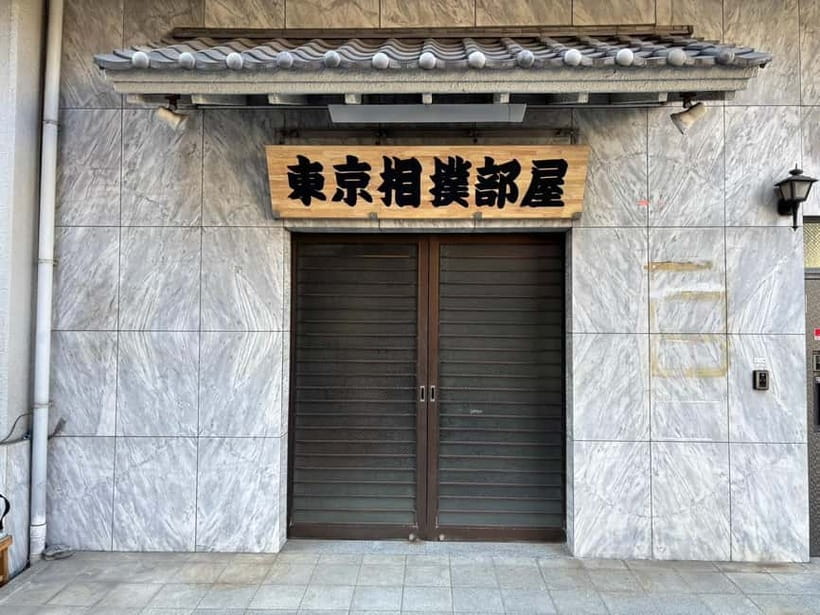
Tokyo has plenty of shows, but this one is different in the details that matter. Tokyo Sumo Room sits in Kiyosumi-Shirakawa, and the experience is designed like a small stable event rather than a big theater production. The room size helps. When there’s room for interaction, you hear the explanations, you see technique clearly, and the wrestlers feel human up close.
The experience is also built around a specific kind of authority: it’s run by retired sumo wrestlers, with Tokitsumi as the operator. That matters because sumo has lots of ceremony—salt rituals, bowing, the discipline around movement—and the people guiding you actually know why each part exists. You’re not just receiving facts; you’re getting context in the way someone inside the sport would explain it.
You’ll usually be with a small group. One account describes a group of about 8 on a night, with the space able to handle 20+ if needed. Either way, it’s the opposite of a crowded, anonymous attraction. Expect a more personal pace: questions are welcomed, and you’re not lost in a sea of seats.
If you’re traveling with kids, this is one of the better formats. You’re not only pointing at a stage. There’s participation, humor, and a clear arc: short lesson, action, and then food.
You can also read our reviews of more tours and experiences in Tokyo

The show up close: sumo rituals, rules, and ring participation
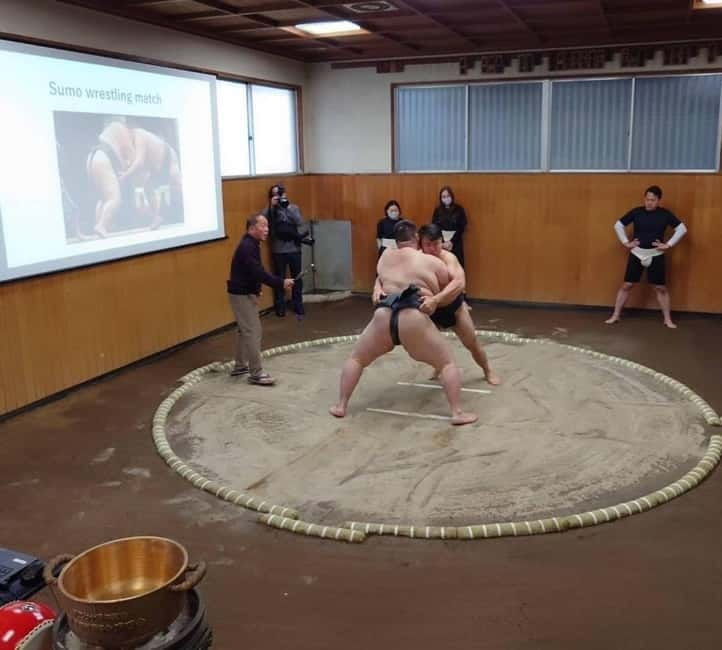
The core of Tokyo Sumo Room is the sumo performance itself, delivered up close by professional wrestlers (in this case, former rikishi involved with the stable-style program). The show doesn’t treat sumo like a mystery. You’ll learn the basic structure: how matches work, what the rituals mean, and why certain moves and stances are respected.
What makes the performance click is that the host in English gives you quick understanding before the spectacle ramps up. You end up watching for the right things: posture, footwork, grip, balance, and that sudden shift when a wrestler commits. Sumo looks simple until you see how much strength and timing it takes to move another human without stepping outside the rules.
Now for the part many people remember most: audience participation. Several reviews mention that you can actually challenge the wrestlers, and at least some sessions include multiple mini-contests after practice. If you’re game, say yes when the host invites it. Even short bouts show you what sumo strength feels like, and it turns the experience from a show into a story you tell later.
A couple practical notes so you’re prepared:
- It’s physical. Wearing the mawashi (traditional fundoshi-style wrap) may feel different from modern clothing, but feedback includes that it’s not as uncomfortable as you might think.
- You don’t need to be athletic, but you do need willingness and good footing. Bring comfortable shoes so you can move confidently in the space.
- Camera-wise, bring yours if you want to capture the ring action (the program explicitly notes camera as a bring).
Also, the wrestlers and hosts use humor. That’s not just for laughs; it lowers the intimidation factor. In sumo, the distance between dancer and opponent shrinks fast—so having a light, welcoming guide helps you relax into the moment.
The dining part: chanko-style comfort food timed with the show
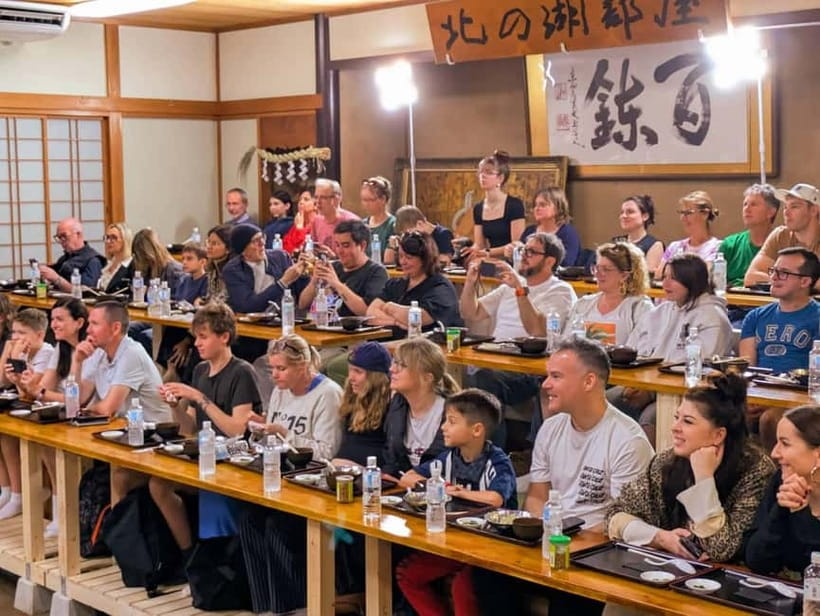
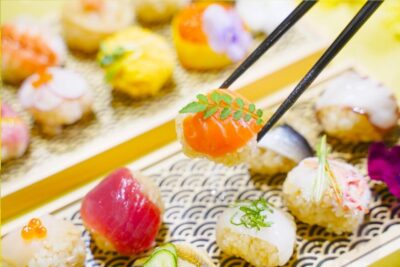
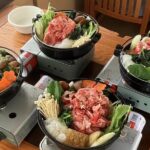
The meal is where the experience becomes more than entertainment. Sumo isn’t just sport—it’s lifestyle and training, and the traditional food culture around that shows up in the menu. Many sessions include Japanese cuisine crafted to complement sumo, with references to chanko-nabe flavors.
Here’s the key: food is included only with the meal option for the 11:00 AM and 7:00 PM shows. For the 3:00 PM show, there’s no meal plan. So before you choose a time, double-check what’s included in the ticket option you’re buying. One review flagged confusion around a show-with-dinner wording, so I’d rather you be cautious than disappointed.
What you can expect from the included meal experience:
- It’s designed to match a training-heavy theme, not a random side dish.
- You’ll likely get hearty, warming dishes that feel right after the explanations and action.
- Vegetarian options are available upon request and can also be modified on the day of your visit.
People also mention second helpings and a sense of generosity. That’s worth planning around: if you go hungry, you’ll probably leave comfortably full. And if you’re the kind of diner who wants to slow down and taste, this is one of those Tokyo activities where the food helps you cool off after the excitement.
If you want to pair the meal with extra Tokyo flavor, the data doesn’t specify alcohol is included, so treat it as optional. But the overall point stands: the dining is integrated into the experience, not tacked on at the end.
Optional sumo training: when you want more than a performance
If watching and participating is good but you want a deeper connection, look at the optional authentic sumo training experience. This is guided by experienced rikishi and is set up for people who want practice, not just a demonstration.
The big value here is that training converts what you saw into something you can feel. Even if you don’t master anything (you won’t on day one), you’ll understand why wrestlers train the way they do: balance, grappling positioning, and staying strong through movement. Several reviews emphasize the workout nature of the activity, and that aligns with what sumo training actually requires.
Think of the optional training as for you if:
- you like hands-on learning,
- you want a more structured format,
- you’re comfortable moving in a small space with a group.
It’s less ideal if you’re trying to keep your day extremely low-energy, since this is still active participation, and the environment is designed for doing.
Practical tips that make the experience smoother
I’d plan for this like a mini event day, not a quick stop.
You can also read our reviews of more tours and experiences in Tokyo

What to bring
- Comfortable shoes. You may be stepping into a ring area or standing during short bouts.
- Camera. You’ll likely want photos and/or video.
What to expect on-site
- English instruction. The instructor language is listed as English, and hosts in reviews are described as easy to understand.
- No smoking indoors. The rules are straightforward: don’t plan on smoking during your visit.
- Phone help might be available. At least one review mentions staff charging phones and recording the action, which is a nice touch if your battery is fragile. Don’t assume it’s universal, but it’s a helpful sign that they think about practical needs.
Seating and group size
Because group size can vary (one account noted around 8 that night, with the space able to handle 20+), you should plan to arrive ready to listen and move quickly when invited. The flow works better when you don’t delay at check-in.
Vegetarian planning
If you’re vegetarian, request it ahead of time. The program notes vegetarian options are available upon request and can be modified on the day of your visit, but asking early reduces the risk of last-minute substitutions.
Who this is best for (and who might skip it)
I’d recommend Tokyo Sumo Room if you like any of these:
- First-time sumo fans who want the rules explained in plain English
- People who want hands-on participation, not a passive show
- Families who want an activity that’s short enough for kids but still meaningful for adults
- Travelers who care about supporting a program run by retired wrestlers instead of a purely commercial stage act
It might be less ideal if:
- you prefer long, quiet museum-style experiences (this is active and interactive),
- you’re traveling with mobility limits that make standing and moving harder,
- you dislike crowded indoor environments (even though it’s small, it’s still an event room).
Also, if you’re the type to hate surprises with food, choose the time carefully. The meal inclusion is tied to the 11:00 AM and 7:00 PM show options, and the 3:00 PM slot lacks a meal plan.
Price and value: how $79 fits the experience
At $79 per person, Tokyo Sumo Room isn’t the cheapest option in Tokyo—but it also isn’t priced like a faraway, high-production show. Here’s how I’d judge the value:
What you’re paying for
- Sumo performances in a close, interactive setting
- Japanese cuisine when you choose the meal-included show option (11:00 AM or 7:00 PM)
- A guided explanation of sumo traditions and history
- And often, the chance to get into the action yourself (audience participation and ring challenges)
When the meal is included, you’re basically paying for a full 90 minutes to 2 hours event that blends sport, education, and food. In that frame, $79 can feel reasonable because you’re getting multiple parts that usually cost separately in Tokyo.
The one pricing trap to avoid
If you book the wrong show time, you might not get the food you expected. The data is clear: no meal plan for the 3:00 PM show. So check the option you’re selecting, and you’ll avoid that disappointment.
If you do your booking with the meal option in mind, I think the price reflects the fact you’re not just watching—you’re learning and participating.
Should you book Tokyo Sumo Room?
If you want a Tokyo activity that actually teaches you something while keeping things fun, I’d book it—especially if you’re open to getting involved in the ring. The combination of close-up sumo, a host guiding you through the meaning of the rituals, and chanko-style Japanese food makes this one of the more satisfying “one-stop” experiences in the city.
Book it if:
- you’re interested in sumo beyond highlights,
- you want interaction, not just observation,
- you’ll choose 11:00 AM or 7:00 PM when you want the meal included.
Skip or reconsider if:
- you’re expecting a long, dramatic theater production with a passive audience,
- you only want a meal-free show and didn’t check the time-specific meal rules,
- you’re not comfortable with the physical aspect of ring participation.
If you get the timing right and come wearing comfortable shoes, you’ll leave with more than photos. You’ll have a clear sense of what sumo is—why it looks the way it does, and why it requires that kind of strength and discipline.
FAQ
Which sumo show times include the Japanese meal option?
The meal option is included when selecting the meal option for the 11:00 AM and 7:00 PM shows. The 3:00 PM show does not have a meal plan.
How long does the Tokyo Sumo Room experience take?
Plan for 90 minutes to 2 hours, depending on the session timing shown on your booking.
Is the instructor available in English?
Yes. The instructor is listed as English.
Can I participate, or is it just watching?
Participation is part of the experience. You can take part in sumo training-style activities and ring challenges during the show.
Is vegetarian food available?
Yes. Vegetarian options are available upon request and can also be modified on the day of your visit.
What should I bring?
Bring comfortable shoes and a camera.
Is smoking allowed?
No. Smoking is not allowed indoors.