REVIEW · TOKYO
Tokyo:Samurai sword and archery class from a samurai descendant
Book on Viator →Operated by 戸山流備前会/Toyama-Ryu BIZENKAI · Bookable on Viator
A real samurai training day feels different. This class in Machida (just outside Tokyo) teaches you how to handle the blade, practice sword forms, then test your timing with sparring and even try archery. What I love is the small-group structure and the way the instructor keeps returning to technique, safety, and meaning behind the moves. One drawback to plan for: this is physically demanding, and you may be sore for a couple days if you go at full effort.
Two specific things I like a lot: you don’t just watch. You get to do the hands-on work with mock swords (bokken/moch i-style training swords), practice slashing forms (kata), and take part in the bow-and-arrow practice too. I also appreciate the history and craft angle—blade basics and samurai culture are treated as part of the training, not a separate lecture you can tune out.
If you’re expecting a casual, photo-stall activity, this won’t fit. The dojo sessions are presented as training, not entertainment, with real emphasis on concentration and proper technique.
In This Review
- Key highlights that matter
- A Samurai Dojo in Machida: Why This Feels Real
- Meeting the Team: Yoshioki Sumida and the Training Staff
- Your First Steps in Training Wear and Safety Mode
- Japanese Sword Basics You Actually Use: Iai and Gekken
- Iai lesson: learning to handle and swing the mock sword
- Gekken lesson: timing for attack and defense, then sparring
- Kata Slashing and Moving Targets: The Part That Surprises You
- Blade-Line Checking and Test Cutting: Seeing Precision in Motion
- Archery With a Real Bow: The Samurai Weapon That Changes Your Perspective
- The Toyama-ryu 7th Grade Demonstration: Seeing Hard Technique Up Close
- Price and Value: What $198.20 Actually Buys
- Logistics That Matter: Getting There and Using Your Time Well
- Who Should Book This Samurai Sword and Archery Class
- Should You Book? My Take
- Quick decision checklist
- FAQ
- How long is the Samurai sword and archery class?
- How big is the group?
- What’s included in the class materials?
- Do I need to bring my own sword or training clothes?
- Will I be able to try both sword practice and archery?
- What if the weather is bad?
Key highlights that matter
- Hands-on sword and archery in one session, with both iai and gekken lessons
- Small group (max 15) with attention to form and safety throughout
- Includes training wear and equipment, plus practice with a real bow and arrow
- You try hard skills: moving slashes, sparring timing, and blade-line checking
- Toyama-ryu training in action, including a live demonstration of Toyama-ryu 7th grade
- Led by master Yoshioki Sumida, supported by staff member Harry for instruction and pacing
A Samurai Dojo in Machida: Why This Feels Real
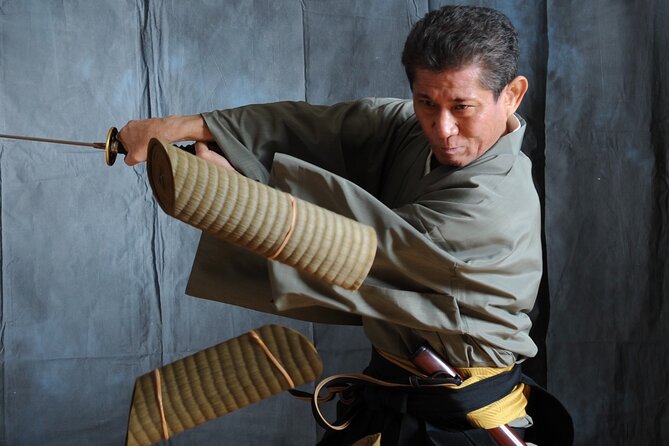
Tokyo has no shortage of sword experiences. The difference here is the setting and the tone. This takes place at a dojo just outside the city, with a training culture that feels serious but welcoming. You’re not herded through a script for quick photos; you’re guided through multiple stages of practice where the goal is correct movement, not flashy performance.
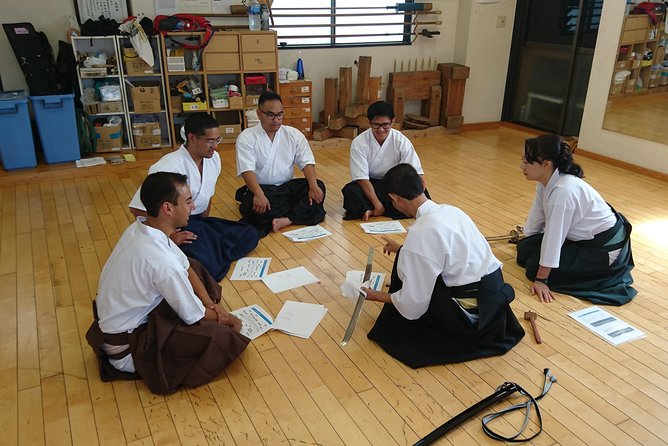
The other big tell is how the class is described: it’s training in sections. You’ll get a short lecture after you arrive, then you change into practice wear and start working through sword handling, kata-style slashing, sparring timing, and test-cut practice. Archery isn’t just a prop moment either—you get time to fire a bow and arrow.
Price-wise, $198.20 per person is not “cheap.” But you’re paying for a few things that drive the cost up: a master instructor, a small group cap (max 15), and gear supplied for the practice. If you want a hands-on samurai day rather than a watered-down demonstration, this is a strong value.
You can also read our reviews of more tours and experiences in Tokyo



Meeting the Team: Yoshioki Sumida and the Training Staff
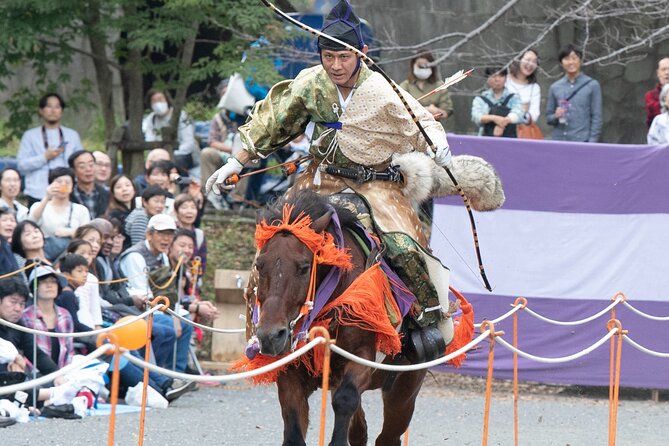
The instructor is Yoshioki Sumida, an acknowledged master of swordsmanship in the Toyama-ryu tradition. He teaches with a mix of structure and encouragement—clear enough that beginners can follow, but disciplined enough that advanced students won’t feel coddled.
You’ll also see support from Harry during the class. That matters because the day moves fast: lecture, switch to training clothes, sword work, sparring drills, bow practice, then the test-cut and blade checks. In a larger crowd, someone might get left behind. In this class, the staff helps keep the momentum while still focusing on safety.
Your First Steps in Training Wear and Safety Mode
When you arrive at the dojo in Haramachida, Machida (3-chōme-14-14 Haramachida, Tokyo 194-0013), you start with a short lecture. Then you change into training wear. This matters more than it sounds. Training clothing is built for movement, and it helps you focus on form instead of fussing with an outfit.
The class is also explicit about safety. You’re learning weapons-handling principles, then applying them against training targets. You’ll be coached on how to handle the swords correctly and how to move with control. People often mention that the instructor has a sharp eye for safety and keeps checking what you’re doing before you progress.
If you’re the type who hates being told to slow down, take this as a good sign: it’s the kind of environment where you can learn without panic. If you’re nervous, you can still do well, as long as you listen and follow instructions.
Japanese Sword Basics You Actually Use: Iai and Gekken
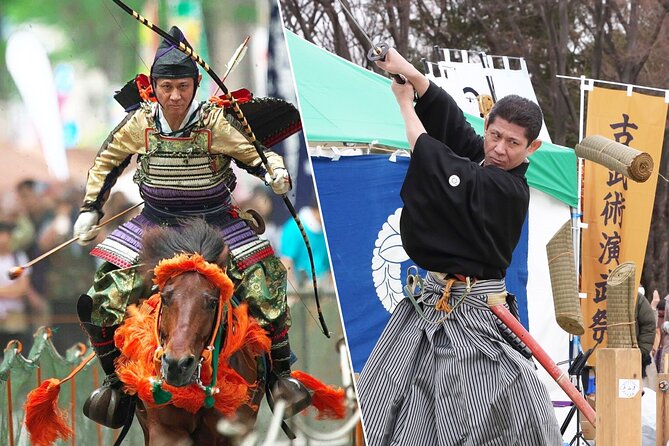
This is where the class earns its name. You’ll cover Japanese swords as a culture and a tool, then connect that to your hands and body.
Iai lesson: learning to handle and swing the mock sword
In the iai portion, you practice handling and swinging a mock sword. Iai is about controlled movement and timing—less about wild speed, more about starting and finishing with intention. You’ll likely work through the kind of basics that make later sparring make sense: stance, grip, swing path, and how your body supports the blade.
Even if you’ve never held a katana-style practice tool, you’ll be guided through steps rather than thrown into chaos.






Gekken lesson: timing for attack and defense, then sparring
Next is gekken, which focuses on timing—when to attack and how to defend. You’ll practice with training swords (described as moch i-swords in the class notes) and spar using those safer implements.
The key value here isn’t just “sparring.” It’s the attempt to learn timing under pressure. When you’re hitting or blocking while moving, you discover how hard it is to keep your form while responding quickly. Expect a real workout and real focus.
Kata Slashing and Moving Targets: The Part That Surprises You
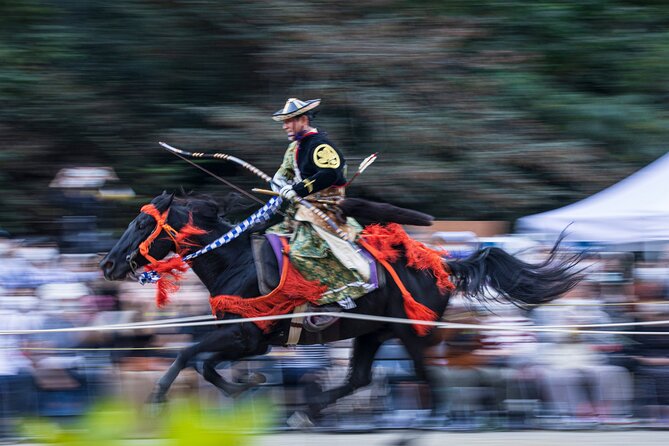
One of the most emphasized parts of the training is kata-style slashing forms and practice slashing at multiple targets while moving. That sounds straightforward until you try it. Movement changes everything—your balance shifts, your swing path shortens, and your timing can get messy fast.
The class even calls out that this is very difficult and asks you to experience that difficulty. That’s a good teaching approach. When you feel the struggle, you stop guessing and start listening to corrections.
This is also where the class feels “not a gimmick.” A show lets you pose. Training makes you refine. You’ll be practicing how to slash properly, and you’ll understand why samurai training isn’t just about courage. It’s about repeatable mechanics.
Blade-Line Checking and Test Cutting: Seeing Precision in Motion
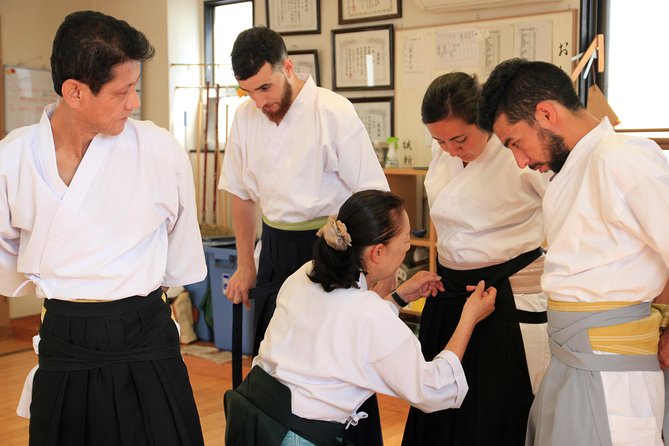
Between sparring and archery time, you’ll do activities that connect technique to the blade itself.
You’ll check your blade line with a mock sword. Blade line work is about getting your swing aligned—so that your blade meets the target where it should, not where your arm hoped it would.
Then there’s test cutting. You’ll try test cutting as part of the experience. This is one of the most motivating segments for many people because it turns technique into something you can feel and judge.
A practical tip: treat the test cut like the final exam of the day. You’ll improve faster if you stay calm and focus on the exact mechanics you practiced—stance, swing path, and follow-through—rather than trying to muscle power through.
Archery With a Real Bow: The Samurai Weapon That Changes Your Perspective
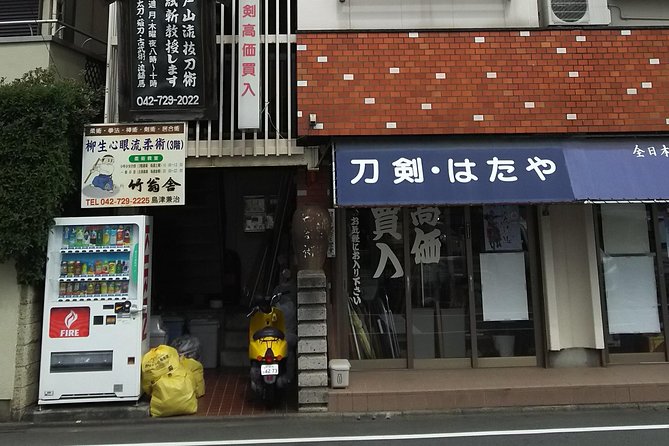
The class includes archery practice, with a real bow and arrow provided. That’s important. A prop bow is one thing; actual bow work requires you to match force and form to distance.
This experience is designed to show you why the bow mattered to samurai life. The instructor is described as a master of swordsmanship and horseback archery, and you can feel that the instruction is built around more than casual “shoot and smile” mechanics.
What you’ll likely do:
- get coached on handling the bow and arrow
- practice shooting during the class session
- experience the physical difference between sword swinging and ranged timing
Even if you’re not a sports person, archery gives you a new respect for disciplined control. A sword needs a correct swing. A bow needs a correct alignment and release.
The Toyama-ryu 7th Grade Demonstration: Seeing Hard Technique Up Close
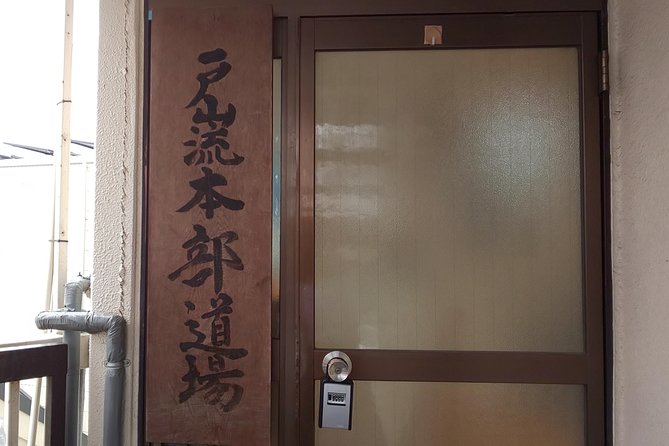
You’ll have an opportunity to see a live demonstration of Toyama-ryu 7th grade. The class notes also say these aren’t meant as entertainment—so you should expect a range of difficult techniques rather than a crowd-pleasing show.
This is valuable because it connects your training to a bigger system. You see that what you practiced isn’t just random moves for beginners. It belongs to a method with depth.
How to get more out of this demo: watch for transitions—where the body shifts, how the timing locks in, and how the sword movement stays clean even when the technique gets harder.
Price and Value: What $198.20 Actually Buys
At $198.20 per person for about 2 hours 30 minutes, you’re paying for an instructor-led, equipment-supported training block.
Here’s what makes it feel like more than a one-off “experience”:
- Small-group cap (max 15), which usually means less waiting and more individual checks
- All practice gear and training wear provided
- Real practice time with sword drills, sparring, and test cutting
- Archery with a real bow and arrow, not just a look-and-try setup
- A teacher who’s presented as a master of the tradition, plus staff support from Harry
One possible cost surprise: facility charter fees are not included and will occur. The class also notes that if you want exclusive facility use, you’d need to contact them separately. For most people, the main question is whether any on-site facility fee will be due when you arrive.
If you like structured classes where the goal is skill—not photos—this price starts to look fair.
Logistics That Matter: Getting There and Using Your Time Well
This class meets at 3-chōme-14-14 Haramachida, Machida, Tokyo 194-0013. It’s described as near public transportation. That helps, because the dojo is outside central Tokyo and you’ll want an easy route.
Because the session is about 2.5 hours, you’ll want to build in a little buffer time. One review mentions that the studio can be a little difficult to find, so arriving early is smart. If you’re prone to rushing, this is a good place to slow down.
You’ll also be asked for your height and weight so the instructor can prepare your training clothes. Do that promptly after booking so they can size you correctly.
Mobile ticket is provided, so you should have your phone charged and ready to show it at arrival.
Who Should Book This Samurai Sword and Archery Class
This class fits best if you want:
- real practice with katana-style handling (using mock swords)
- the rhythm of structured training: lecture → drills → sparring timing → test cutting
- to learn samurai culture through mechanics, not just through words
- an instructor-led class where safety is emphasized
It’s a great pick for:
- martial arts fans who like disciplined instruction
- first-timers who want a beginner-friendly path but still a challenge
- couples or small groups who want an active, memorable day
It might not be ideal if:
- you want a relaxed, sightseeing-first schedule
- you’re dealing with injuries that make swinging, lunging, or sparring timing difficult
- you’re hoping for a casual, mostly observational visit
Should You Book? My Take
If your goal is a genuine training day—sword basics you can feel in your arms, sparring timing that forces you to concentrate, and archery with a real bow—this is one of the best ways to spend a few hours outside the usual Tokyo routine.
Yes, it’s physical. Expect soreness if you work hard, and plan to concentrate. But if you show up ready to listen and practice, you’ll likely leave with a real respect for how disciplined samurai training is.
Quick decision checklist
- You want hands-on sword and bow practice, not just a demo.
- You’re okay with instruction that’s strict about safety and form.
- You’re willing to learn in stages: iai → gekken → sparring drills → test cut → archery.
- You don’t mind making your day a workout.
If that sounds like you, book it.
FAQ
How long is the Samurai sword and archery class?
It lasts about 2 hours 30 minutes (approx.).
How big is the group?
The class has a maximum of 15 travelers.
What’s included in the class materials?
You’ll receive practice uniform and equipment including a practice sword (bokken) and practice gear, plus real bow and arrow for the archery part.
Do I need to bring my own sword or training clothes?
No. Training wear and the practice equipment are provided. You may need to share your height and weight in advance so the clothes can be prepared.
Will I be able to try both sword practice and archery?
Yes. The class includes sword lessons (iai and gekken), kata-style slashing and sparring with training swords, plus archery practice with a real bow and arrow.
What if the weather is bad?
This experience requires good weather. If it’s canceled due to poor weather, you’ll be offered a different date or a full refund.